
You could be wrecking the planet’s water—and not even know it.

You might think you’re just going about your normal day—showering, doing laundry, grabbing takeout—but some of those “normal” habits are helping drain one of our most precious resources. Water might seem infinite when it’s pouring from your tap or filling your washing machine, but the truth is way more alarming. America uses more water per person than almost any other country, and much of that usage is completely unnecessary—or worse, wildly wasteful.
The scariest part? You probably don’t even realize it’s happening. That’s how sneaky this problem is. It’s woven into convenience, comfort, and “the way things have always been done.” But that mindset is exactly what’s pushing lakes, rivers, and aquifers toward disaster. And once they’re gone, they’re not coming back in a hurry. If you care at all about clean water in your future—or for the people who come after you—it might be time to rethink the small stuff. Because it all adds up.
1. Running your dishwasher wrong wastes gallons every time.
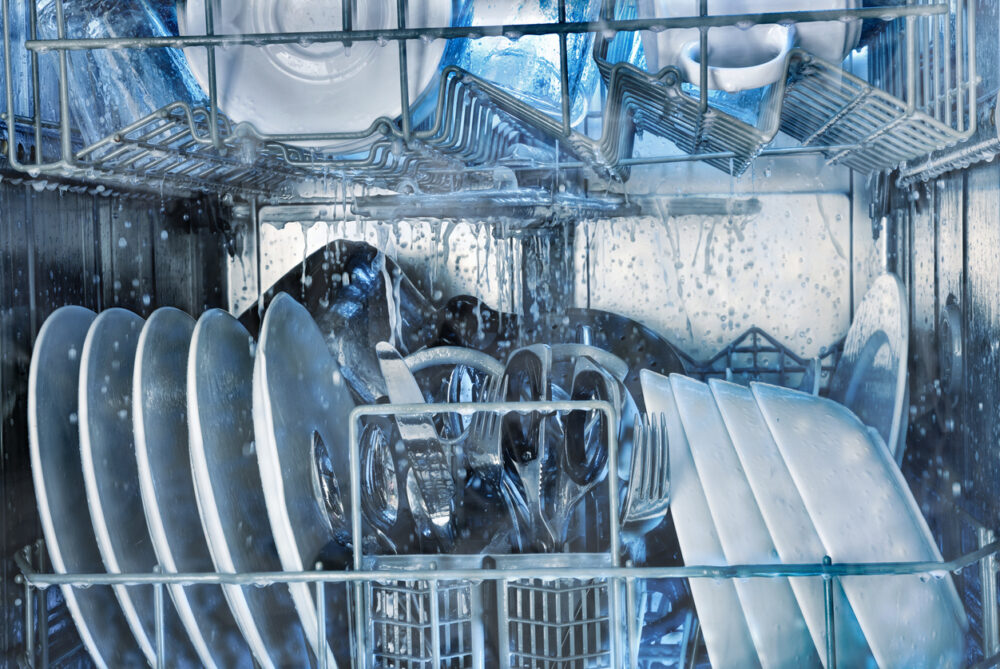
You might think using a dishwasher automatically makes you eco-friendly—but not if you’re doing it halfway full or pre-rinsing everything like it’s the 1980s. Most modern dishwashers are water-efficient, but only when used properly. That means skipping the rinse (yes, really) and waiting until it’s fully loaded before running a cycle. Each premature load adds up to gallons of wasted water you didn’t need to use, according to the authors at The Wildlife Trusts. And don’t even get started on “rinse hold” settings—they’re basically a water-wasting trap disguised as convenience.
What feels like a clean freak habit might actually be hurting the very environment you’re trying to protect. Small changes in how you load and run your dishwasher can save hundreds of gallons a year. It’s a low-effort shift with a high-impact result. And when you multiply that across millions of households, it’s clear: this isn’t just a dishwashing issue—it’s a water crisis in disguise.
2. Overwatering your lawn is silently draining your community.

There’s something very suburban-America about obsessing over a bright green lawn—but that patch of grass might be guzzling more water than your entire household. Lawn irrigation accounts for a massive chunk of residential water use, and most people are watering way more than necessary, as reported by the authors at Dixie Water. In hot months, sprinklers run like clockwork even when it’s just rained. And don’t even get started on midday watering, which basically just evaporates into the sky.
Grass doesn’t even need to be neon green to be healthy. It can go dormant and bounce back with a bit of rain. So why are we treating lawns like golf courses? Because it’s what we’ve been taught to do. But in a time when aquifers are dropping and rivers are shrinking, that lush front yard starts to look like an indulgence we can’t afford. Want to keep some grass? Fine—but give it a schedule and a reason.
3. Tossing pharmaceuticals down the drain contaminates water systems.
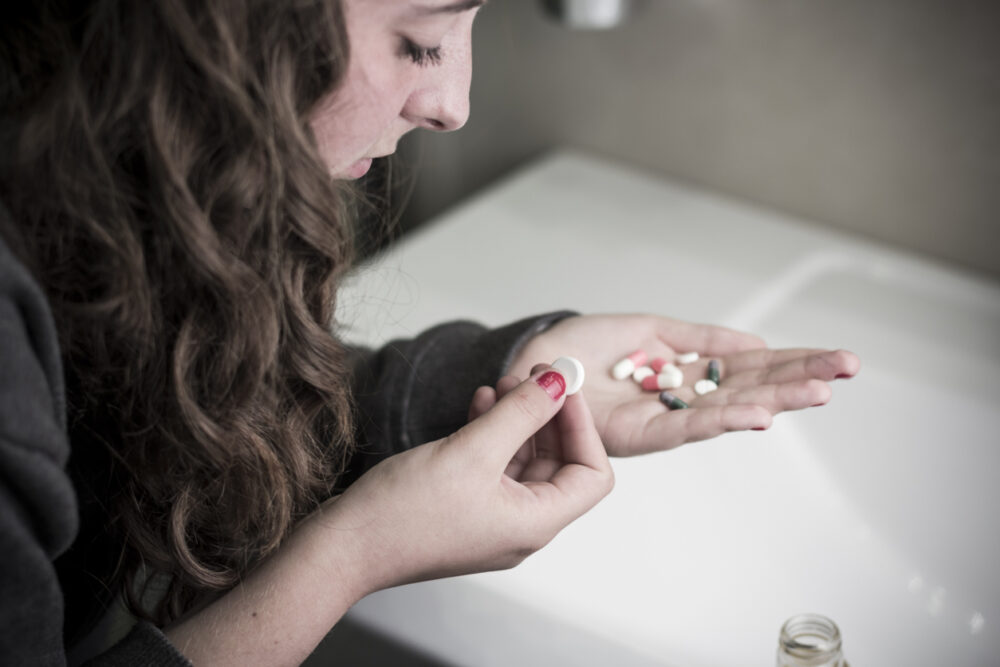
You pop a pill, it doesn’t agree with you, so down the toilet it goes. Seems harmless, right? Except it’s anything but. Flushing unused medications sends all those chemicals straight into our waterways, as stated by the authors at the National Library for Medicine. Wastewater treatment plants aren’t designed to filter out pharmaceuticals, so what goes down your toilet can end up in rivers, lakes, and even your drinking water. That’s not just gross—it’s dangerous. Hormones, antidepressants, and antibiotics have been found in water supplies, affecting fish behavior and potentially contributing to antibiotic resistance. It’s the kind of long-term, invisible damage that builds slowly and spreads widely.
The good news? Most communities offer safe disposal programs at pharmacies or through annual take-back events. It’s not hard—it just requires breaking the habit of treating your toilet like a trash can. Your future self (and the planet) will thank you for ditching the flush-and-forget mindset.
4. Ignoring small household leaks wastes more than you think.
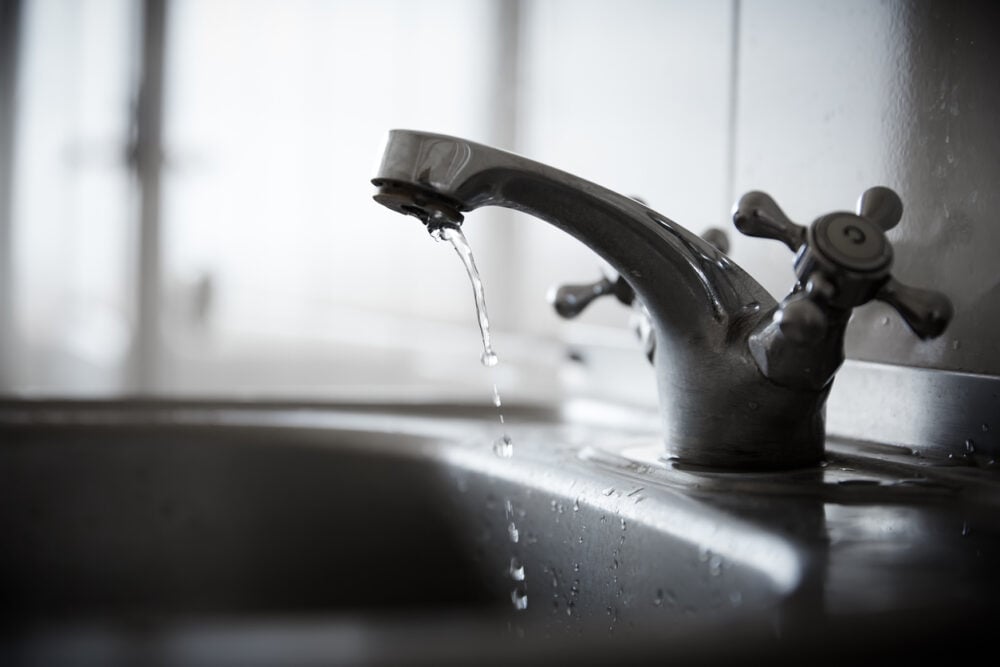
That slow-dripping faucet might not seem like a big deal—until you realize it’s sending thousands of gallons of perfectly good water down the drain every year. One leaky toilet can waste up to 200 gallons a day, which is like running a faucet nonstop for hours. And yet, most of us just shrug and say “I’ll get to it eventually.” But that delay adds up, both on your water bill and in the broader environmental picture.
Fixing leaks isn’t about being a perfect homeowner—it’s about recognizing how small issues snowball into big problems. A ten-dollar washer or a five-minute adjustment can prevent a year’s worth of waste. Multiply that by every household doing the same thing, and suddenly you’re talking about a serious conservation effort. So the next time you hear that telltale drip in the middle of the night, don’t just roll over—do something about it.
5. Washing your car at home sends pollution into storm drains.
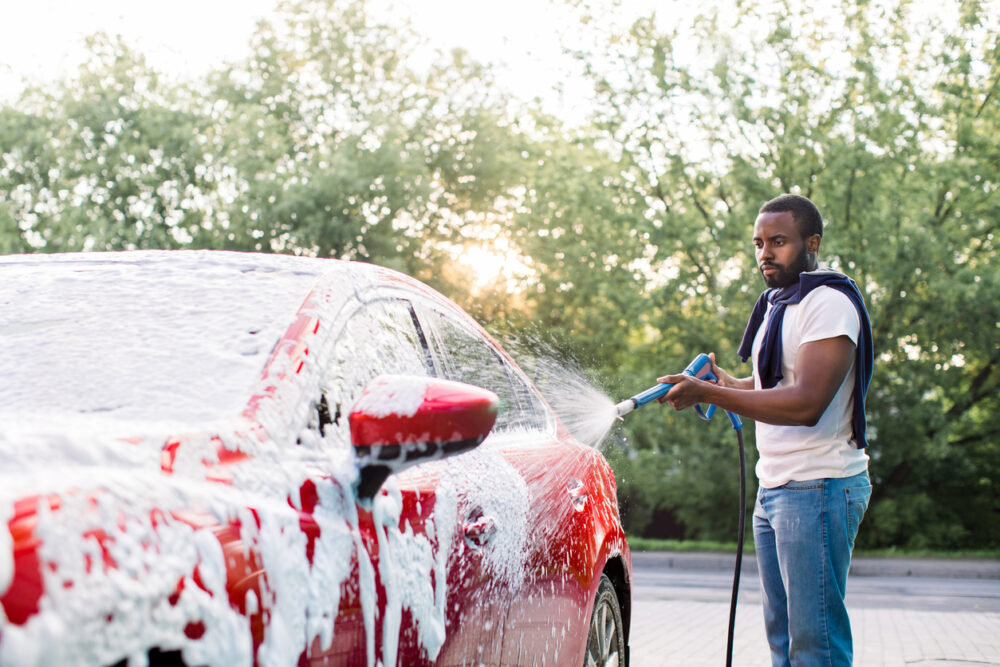
It might seem like a harmless weekend ritual—bucket, sponge, garden hose, maybe a little soap—but washing your car in the driveway actually dumps a cocktail of oil, grease, and detergents straight into the nearest storm drain. And guess where that leads? Not to a treatment plant. To rivers, lakes, or oceans. Unlike indoor plumbing, storm drains usually go directly into local waterways without any filtration.
That means your sudsy runoff is delivering pollutants straight into fragile aquatic ecosystems. Commercial car washes, on the other hand, are typically required to recycle and treat their water. So yeah, they cost a few bucks—but the planet pays way more when you DIY it wrong. Want a cleaner conscience along with a clean car? Use a car wash that recycles water, or at the very least, wash your car on gravel or grass to let the ground filter some of that nastiness. Your local fish will thank you.
6. Eating meat every day is soaking up absurd amounts of water.

You’ve probably heard that meat has a high carbon footprint, but the water toll is just as jaw-dropping. Producing a single pound of beef can take over 1,800 gallons of water. That’s not just for drinking—it includes growing the feed, processing the meat, and everything in between. It’s a complex chain that adds up fast. Chickens and pigs require less, but it’s still more than plant-based foods. This doesn’t mean you have to go full vegan overnight, but even skipping meat a few days a week can seriously shrink your water footprint.
You don’t see the gallons disappearing when you bite into a burger, but they’re embedded in every juicy mouthful. Being a smart tourist starts at your plate—and that includes your plate at home. Food choices ripple far beyond your kitchen, and in a drying world, your fork might be one of your most powerful tools.
7. Buying fast fashion drains water resources in hidden ways.

That $10 t-shirt might look like a steal, but its environmental price tag is a whole different story. Textile production is insanely water-intensive—from growing cotton to dyeing and finishing the fabric. It can take over 2,000 gallons of water to make one pair of jeans. And when that clothing ends up in landfills after a few wears, all that water effort goes straight down the drain.
Plus, many clothing factories dump untreated dye waste into rivers, polluting local supplies for people and wildlife. The fast fashion cycle pushes constant consumption without pause, and water resources are quietly suffering for it. Want to break the cycle? Start asking yourself if you’ll wear something at least 30 times before buying it. Support brands that recycle water or use organic fibers. The change doesn’t have to be dramatic—but it should be deliberate. Your closet doesn’t need to be part of the problem.
8. Using garbage disposals instead of compost bins creates more wastewater.

Flipping the switch on a garbage disposal might feel like an easy cleanup solution, but it’s an incredibly water-hungry habit. Each time you grind up food scraps, you’re also running gallons of water to flush it all through the pipes. And that’s just the start. Those blended leftovers head to wastewater treatment plants, adding to the burden of systems that are already overworked. On the flip side, composting your food scraps uses zero water and returns nutrients to the soil instead of overloading sewers. Even small things—like keeping a countertop bin or freezing scraps until you’re ready—can help shift the habit.
It’s not about perfection; it’s about cutting out unnecessary waste. Your kitchen cleanup can do double duty when you stop feeding the disposal and start feeding the earth. And in a water-stressed world, that tradeoff matters more than you might think.
9. Flushing tissues, wipes, and trash clogs systems and wastes water.
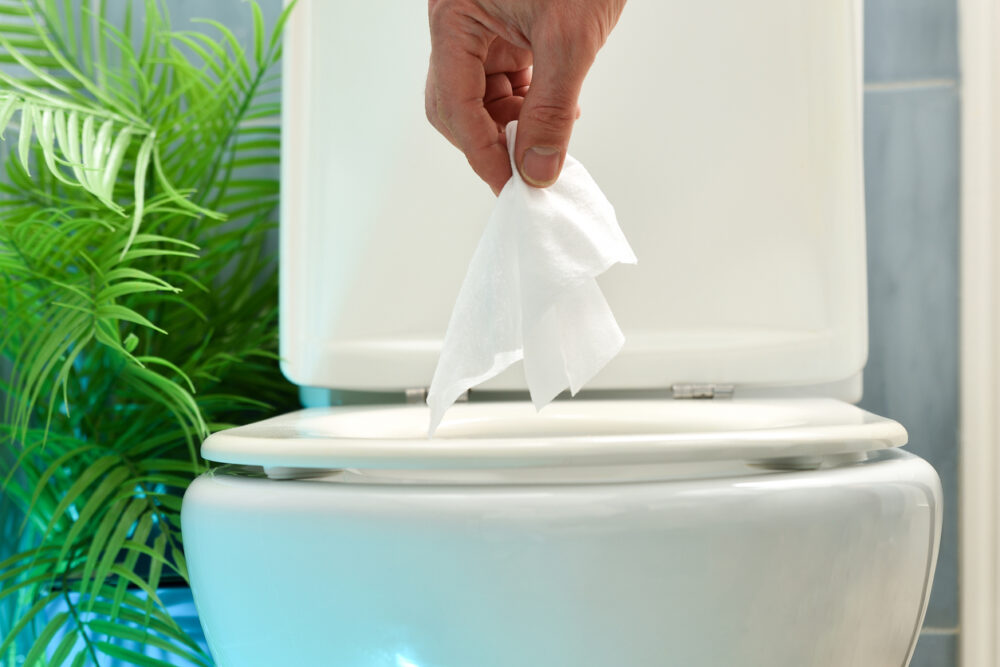
The toilet might seem like a convenient all-purpose trash chute, but it was designed for one job—and it wasn’t disposing of cotton swabs or makeup wipes. Flushing anything other than human waste and toilet paper doesn’t just risk a plumbing nightmare—it puts strain on wastewater treatment systems and uses more water to process non-biodegradable materials. “Flushable” wipes? Misleading. They might go down easily, but they don’t break down fast. In fact, they’re one of the biggest causes of blockages in city sewer systems.
These clogs don’t just require costly fixes—they slow down how effectively water gets cleaned and reused. So next time you’re tempted to toss a tissue in the bowl, reach for a trash can instead. It’s a tiny decision that helps keep water systems running smoothly. Think of it as one of the easiest environmental wins sitting right there in your bathroom.
10. Driving everywhere indirectly depletes water sources.

When you think of driving, you probably think of gas and emissions—but what about water? Producing gasoline is a surprisingly thirsty process, requiring water for everything from oil extraction to refining. Every mile driven adds to the hidden water cost behind your fuel. And if your car’s electric, the story isn’t over.
Mining for lithium and other EV battery materials also requires a ton of water—especially in arid regions that can’t afford to lose it. This doesn’t mean you should ditch your vehicle entirely, but it does mean rethinking how often you drive. Combine errands, carpool, use public transit, or dust off that bike collecting cobwebs in the garage. Every time you choose not to drive, you’re saving more than gas—you’re helping preserve a resource we can’t live without. Water might not be dripping from your tailpipe, but trust me—it’s being lost somewhere along the route.
11. Choosing bottled water over tap is a wasteful habit.
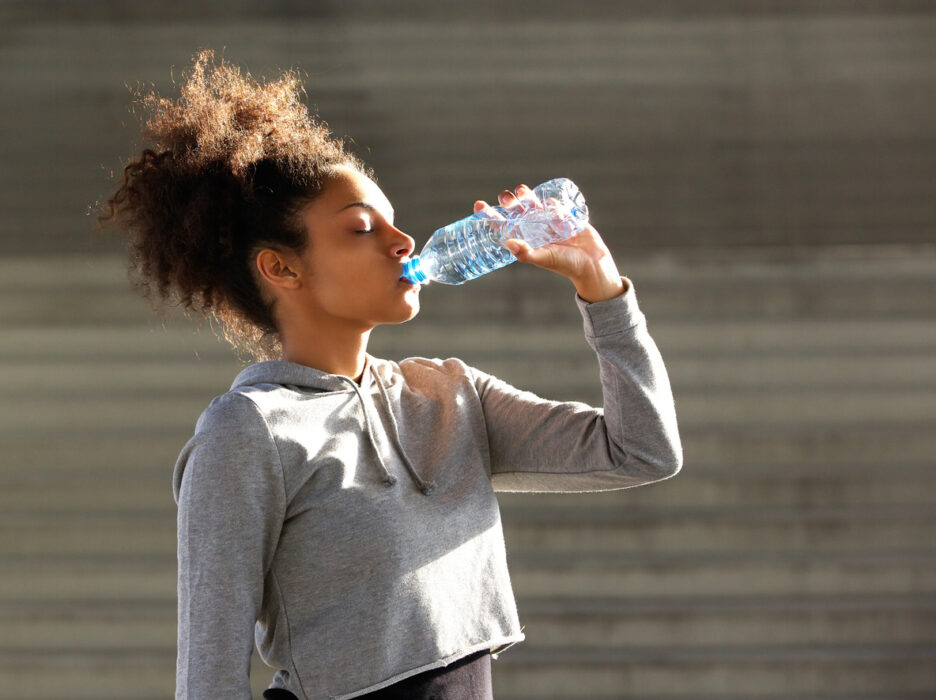
It feels safe. Convenient. Pure. But that bottled water you’re sipping on comes with a hefty hidden cost. Producing plastic bottles takes massive amounts of water—not to mention the resources used to extract, filter, and transport the water itself. Studies estimate it can take up to three liters of water to produce just one liter of bottled water. And let’s not forget about the mountain of plastic waste piling up afterward. Tap water in most U.S. cities is safe, tested, and dramatically cheaper. If you’re still suspicious, a simple home filter does the trick.
Carrying a reusable bottle might feel like a small lifestyle shift, but the impact adds up fast—especially when bottled water is a go-to for millions of people every day. Don’t let marketing fool you. In many cases, bottled water is just tap water with a fancier label and a far bigger environmental footprint.
12. Using chemical-heavy cleaning products pollutes water supplies.
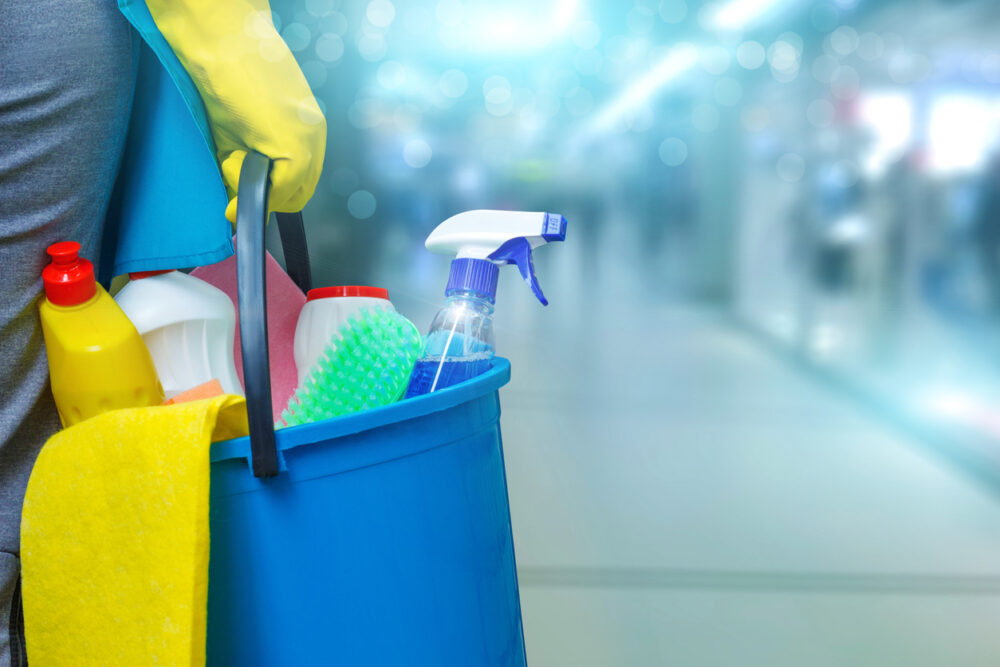
That citrus-scented spray might make your countertops sparkle, but it could also be contaminating waterways once it’s rinsed down the drain. Many household cleaning products contain phosphates, ammonia, bleach, and other chemicals that don’t fully break down during wastewater treatment. Those leftover toxins can make their way into lakes and rivers, harming aquatic life and even creeping into drinking water.
Green cleaning isn’t just a trend—it’s a way to cut down on your chemical footprint without sacrificing cleanliness. Vinegar, baking soda, and castile soap are surprisingly effective alternatives, and they’re far less damaging to the planet. Look for labels that say “biodegradable” or “non-toxic,” and you’ll be doing yourself and the environment a favor. Cleaning shouldn’t come at the cost of clean water. A little label-reading and ingredient awareness can go a long way toward protecting the most essential resource we have.
13. Ignoring your home’s water footprint keeps the crisis invisible.
We often think of water conservation as something big and far away—like melting glaciers or shrinking rivers. But the truth is, your home plays a central role in the bigger picture. From the products you buy to the plumbing you maintain, your daily choices shape your water footprint. Ignoring that reality lets the problem fester in silence. Want to be part of the solution? Start tracking your household water use. Install low-flow fixtures. Upgrade to water-efficient appliances. Every gallon saved matters. And more importantly, every awareness shift spreads outward—to your friends, your neighbors, your local policies.
The more we recognize our part in the puzzle, the faster we can reverse the damage. Conservation doesn’t start in Congress. It starts in your kitchen, bathroom, and backyard. So stop thinking of the water crisis as someone else’s problem. It’s yours. And that means you’re powerful enough to do something about it.