
You stayed home, but the climate crisis kept charging forward.
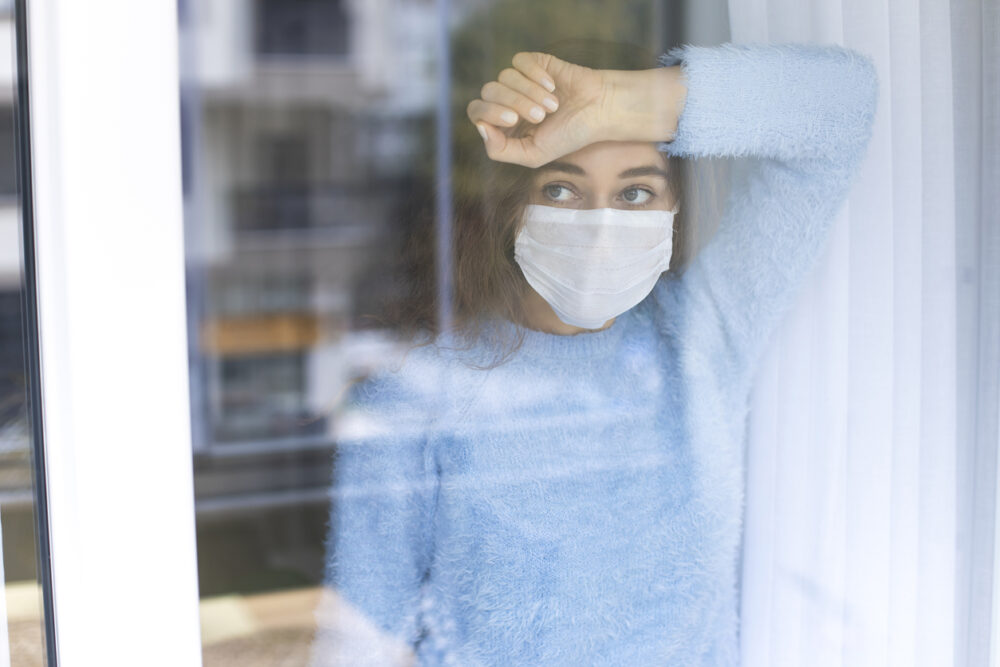
You probably thought Earth finally caught a break. Planes were grounded, roads were empty, factories slowed to a crawl—and for a moment, it felt like the planet could finally breathe. Photos of crystal-clear canals and smog-free city skylines made the rounds, and it seemed like something good might come out of all that stillness. You weren’t the only one hoping that nature was quietly healing while the world hit pause. But that feel-good narrative you bought into? It left out some seriously inconvenient truths. Because behind the headlines and pretty pictures, deeper problems were quietly compounding.
The systems that drive pollution and climate breakdown didn’t stop—they just adapted. You might’ve felt like your absence from the world helped it, but what happened behind the scenes paints a totally different picture. Turns out, pressing pause isn’t the same as hitting rewind. If you’re still clinging to the idea that lockdowns gave the environment a boost, it’s time for a closer look.
1. Global carbon dioxide levels kept rising even when everything stopped.

You’d think halting planes, cars, and factories would’ve tanked CO₂ emissions, right? But nope—levels still climbed, according to the experts at the World Meteorological Organization. That’s because emissions and atmospheric concentration aren’t the same thing. While daily emissions dipped briefly, the CO₂ already in the atmosphere just stayed there, stacking up like unpaid bills. Plus, natural sinks like forests and oceans couldn’t magically absorb more just because humans took a break. And once the world revved back up, so did emissions—at record speeds. In fact, the rebound made the pause feel more like a blip than a breakthrough. Lockdowns gave us a quick breather, not a reversal.
So if you were picturing the Earth detoxing like it was on a spa retreat, the reality is way less relaxing. The system’s still overloaded, and those few quiet months didn’t undo decades of carbon buildup. It’s a bit like quitting smoking for a week after a lifetime of packs—symbolic, but not transformative.
2. Plastic pollution exploded thanks to disposable everything.
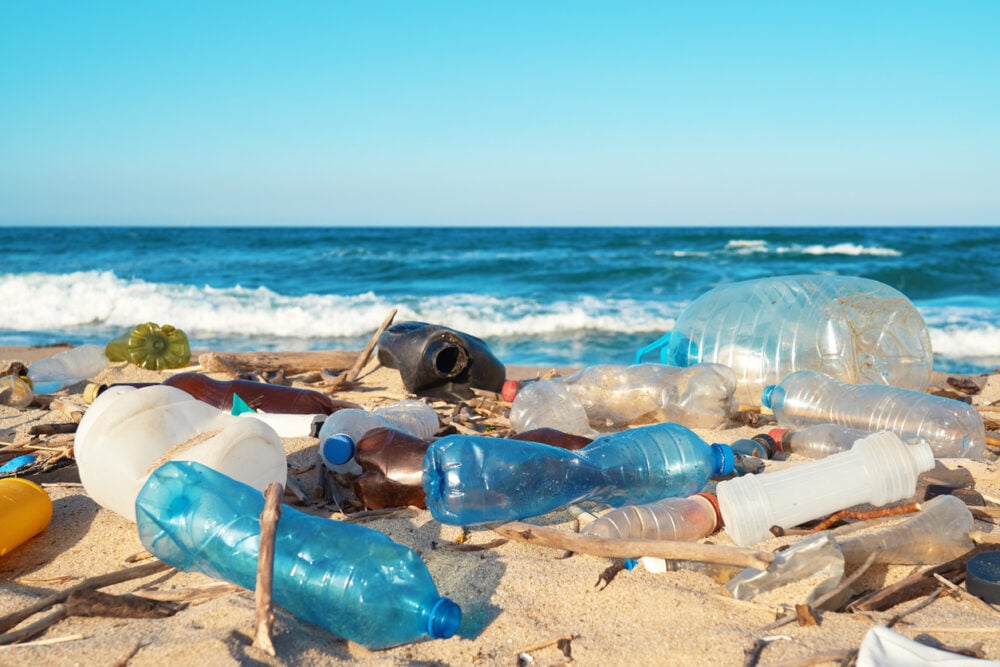
Remember when every coffee shop stopped refilling your reusable mug? Or how every takeout order came wrapped in layers of plastic “just to be safe”? The pandemic brought a tidal wave of single-use everything—from masks and gloves to food containers and shopping bags, as reported by the authors at PubMed Central. And most of that plastic? It wasn’t the recyclable kind. Even hospitals had to ramp up use of disposable PPE, which was necessary but devastating for the planet. Beaches that had finally seen fewer footprints were suddenly littered with latex gloves and face masks.
What’s worse, many recycling programs were paused or scaled back due to safety concerns. So while you were wiping down groceries and ordering contactless delivery, the plastic problem was quietly ballooning. The health crisis made us all hyper-cautious, but it also triggered a huge step backward in reducing waste. In the end, the short-term safety push created a long-term mess we’re still trying to clean up.
3. Deforestation surged while the world was distracted.
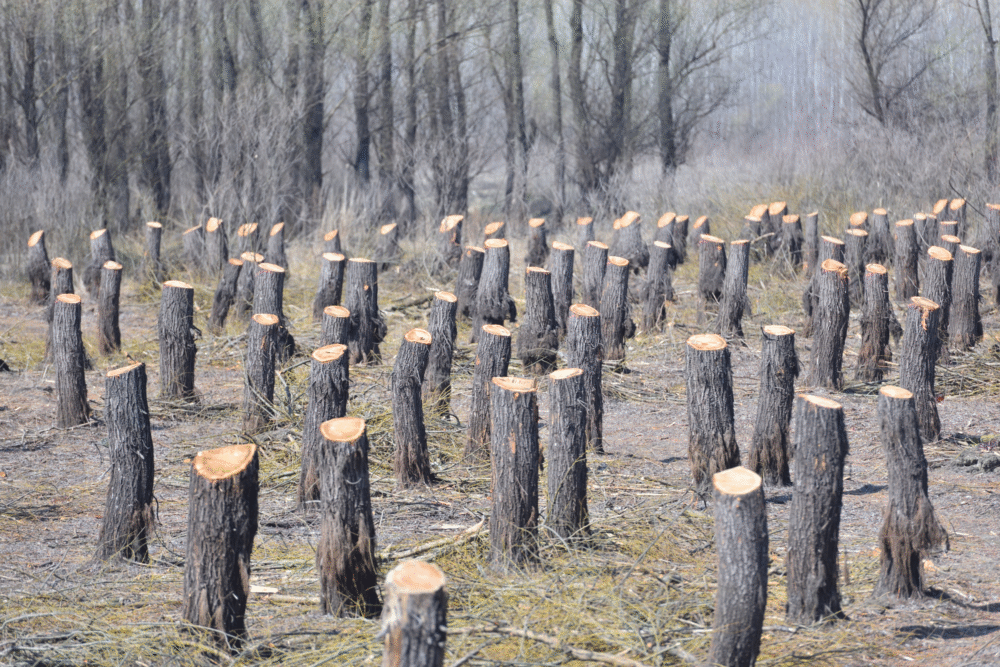
While most people were holed up binge-watching Netflix and wiping down doorknobs, something else was happening in the shadows—literally. Illegal logging and land clearing skyrocketed in some of the world’s most vulnerable ecosystems, as stated by the authors at Earth.org. With fewer people out monitoring and enforcing protections, forest exploiters seized the moment. In the Amazon alone, deforestation spiked as enforcement agencies pulled back and budgets shrank.
The result? More carbon released, more biodiversity lost, and more destabilized climates. Forests are like Earth’s air purifiers, and damaging them doesn’t just impact local wildlife—it throws off global climate patterns. The pandemic pulled global attention inward, and bad actors took full advantage of that tunnel vision. So while we were focusing on staying safe and slowing the virus, forests were disappearing at an alarming rate. If you thought nature got a break, think again. In some corners of the world, it was open season—and we’re already feeling the fallout.
4. Oil companies quietly kept drilling—and got government bailouts.
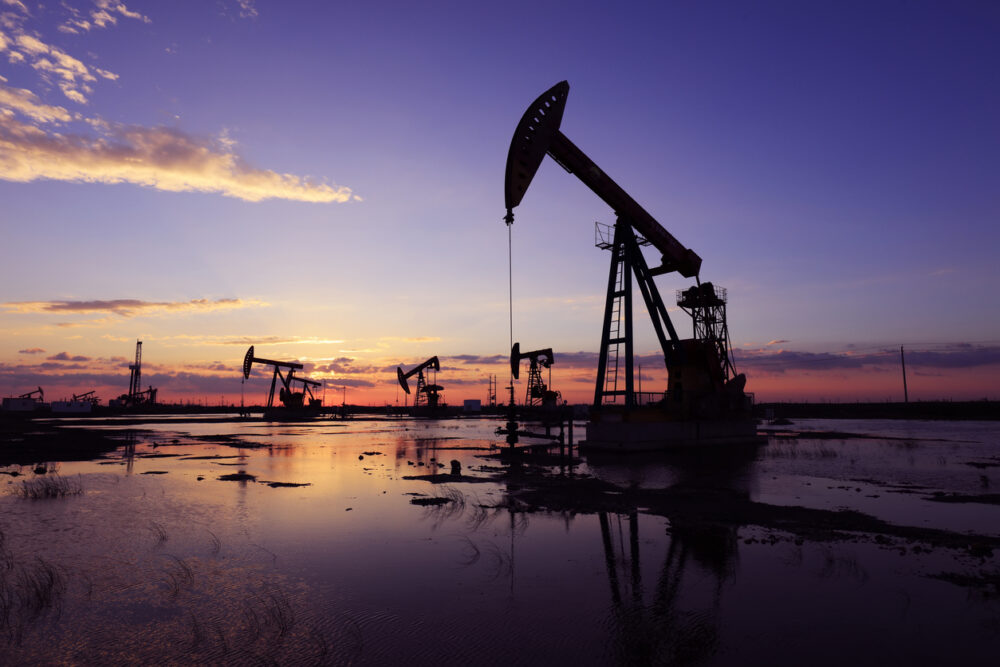
You’d think a global slowdown would’ve stalled fossil fuel production, but big oil didn’t take a vacation. In fact, many companies used the crisis to quietly double down. Some laid off workers but kept pumping, while others scored hefty government bailouts under the guise of economic recovery. The U.S., for example, funneled billions into fossil fuel support even as demand plummeted. And don’t forget: low oil prices meant it was dirt cheap to burn gas again once things reopened. So instead of shifting toward cleaner energy, we dug deeper into the dirty stuff.
All the climate talk got shoved aside in the name of financial urgency. And now we’re dealing with the consequences. The idea that lockdowns helped push us toward a greener future? That’s wishful thinking. The fossil fuel machine didn’t pause—it reloaded. And we’re still trying to dig ourselves out of that pit, one delayed transition at a time.
5. Wildlife didn’t exactly thrive like the headlines claimed.
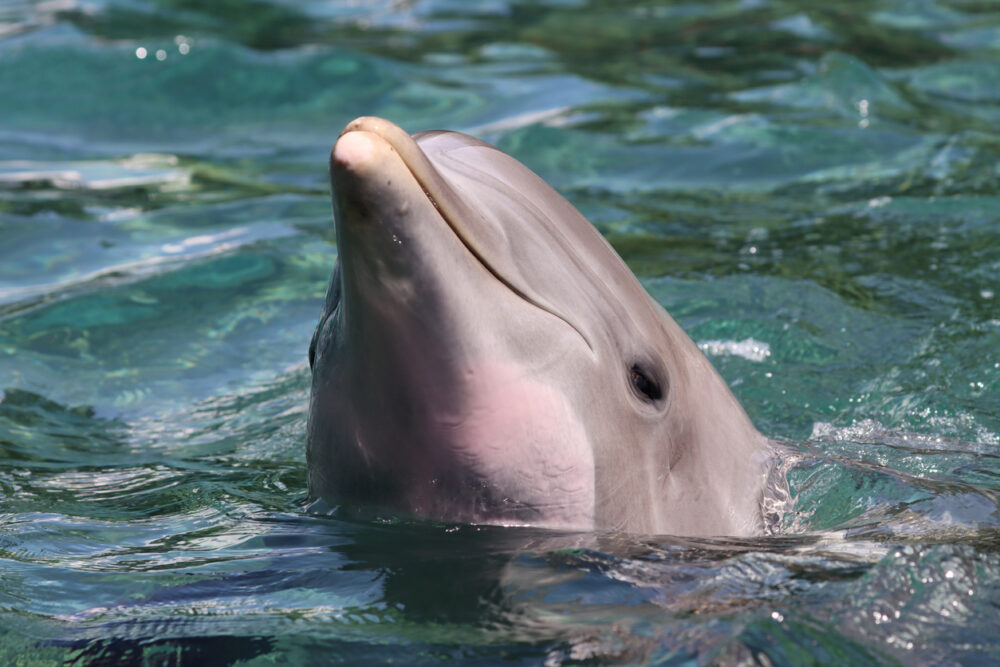
Remember all those heartwarming stories about dolphins in Venice and coyotes wandering through city streets? Most of them were exaggerated or misreported. The canals were clearer because boat traffic stopped, not because wildlife returned in droves. And a lot of those animals roaming cities? They were stressed and displaced, not enjoying some magical urban vacation. In fact, many species suffered during lockdowns. Conservation projects lost funding. Anti-poaching patrols were reduced. Tourism dollars that funded habitat protection vanished overnight. And in some places, desperate people turned to hunting wildlife just to survive.
So the fairy tale of animals reclaiming the planet? Not quite. Nature didn’t “bounce back” in any lasting way. In reality, the sudden human absence created temporary shifts—but not the kind you build a recovery on. The narrative was comforting, sure, but it masked a more complicated truth: real conservation takes work, not just staying home and watching from the sidelines.
6. Energy demand may have dipped—but dirty energy still dominated.
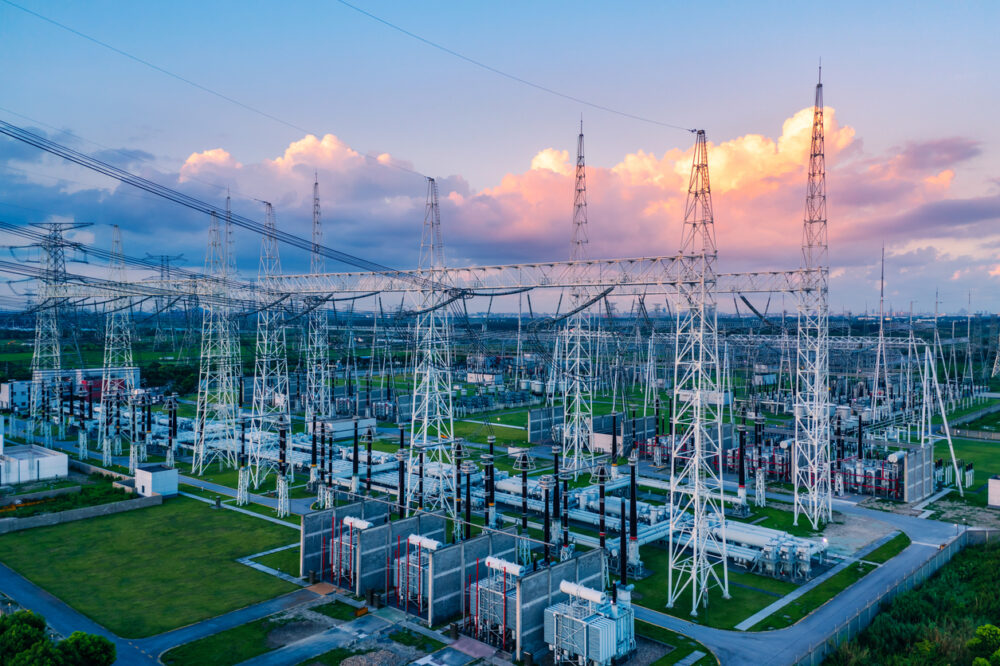
Yes, energy consumption dropped in 2020. Offices emptied out, planes stayed parked, factories slowed down. But that didn’t mean the power we were using got cleaner. In many regions, fossil fuels still made up the lion’s share of the energy mix. Coal, gas, and oil kept the lights on, even as demand dropped. And the temporary slowdown didn’t last. As soon as restrictions lifted, consumption roared back—and so did emissions. Worse, the pandemic delayed or derailed renewable energy projects around the world. Installations got postponed, supply chains got tangled, and investor confidence wavered.
So instead of accelerating the green transition, COVID slowed it down. If anything, it exposed just how stuck we are in fossil fuel habits. Energy systems don’t change overnight, even when the world does. And while people hoped lockdowns would fast-track renewables, the reality was far murkier. Clean energy still has a long uphill climb—and the pandemic didn’t help.
7. Transportation emissions rebounded faster than expected.
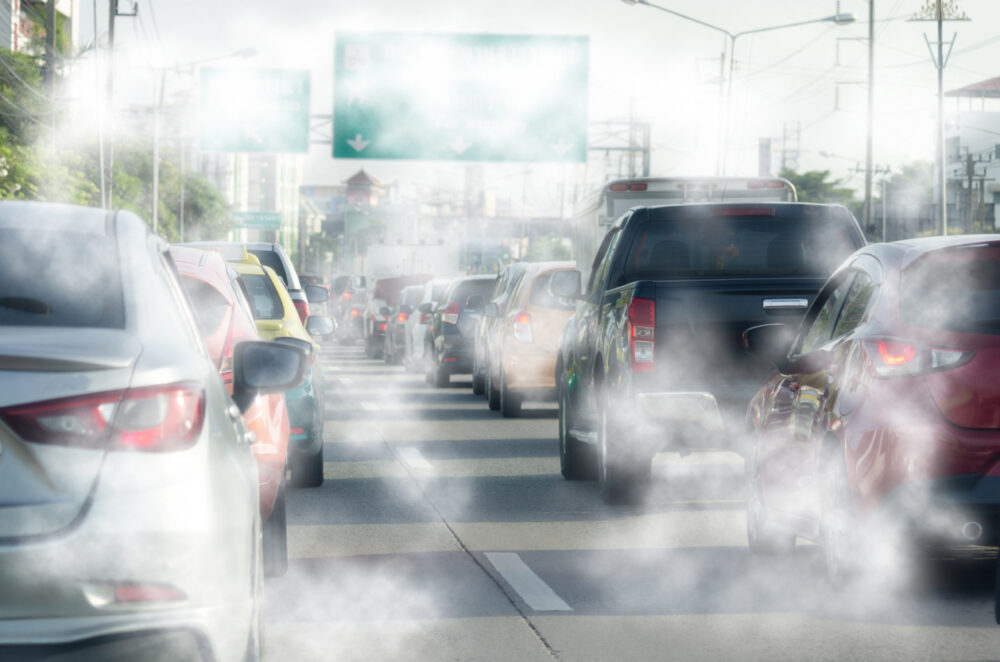
For a hot minute, it felt like the roads were peaceful and the skies blissfully clear. Planes were grounded, rush hour disappeared, and everyone imagined this was a reset moment. But that break didn’t last long. As soon as restrictions eased, people jumped back into cars—and in many places, even more than before.
Public transit? It took a massive hit because no one wanted to be in crowded spaces. So instead of carpooling or biking, tons of folks went back to solo driving. Airlines quickly ramped up flights, and shipping surged to keep up with online orders. That brief moment of lower emissions became a launchpad for an even bigger bounce back. The systems weren’t redesigned during the pause—they just hit pause and resumed with a vengeance. It’s kind of like dropping your phone, catching it midair, and then immediately chucking it at the wall. The problem didn’t go away—it just ricocheted.
8. The meat industry ramped up production instead of reforming.
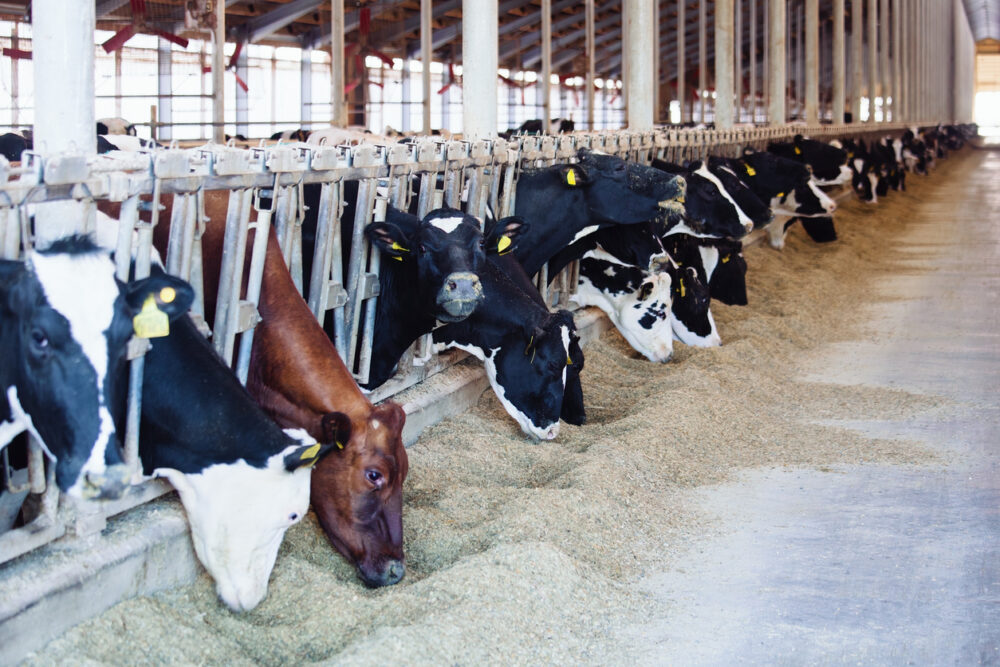
You’d think a global health scare linked to zoonotic diseases would make us rethink industrial meat production, right? Think again. Instead of dialing it back, many meat producers doubled down. Even as processing plants became COVID hotspots and animals were culled due to supply chain chaos, the long-term response wasn’t reform—it was reinforcement. Facilities reopened quickly, regulations were loosened in some regions, and safety measures became PR talking points. Meanwhile, global meat consumption barely budged. And all those emissions from livestock, feed production, and deforestation for pasture? Still cooking the planet.
Plant-based alternatives got some buzz, sure, but the system powering Big Meat hardly flinched. It’s wild to think the pandemic offered this eerie glimpse into how fragile and destructive the meat industry really is—and yet, we rushed right back into the same unsustainable model. If you were hoping the crisis would reshape how we eat and produce food, the reality might disappoint.
9. Climate policy progress stalled on nearly every front.

With the whole world focused on COVID, climate policy got quietly pushed to the back burner. International climate summits were postponed. Legislation stalled. Global cooperation fractured under the weight of vaccine diplomacy and economic panic. Even countries that had been making green progress before the pandemic suddenly shifted gears toward short-term survival.
Climate funding was slashed or redirected, and long-term goals took a back seat to “right now” needs. That’s understandable—healthcare systems were collapsing, and unemployment was sky-high—but the fallout was real. The delay in climate action during those years set us back in ways we’re still unpacking. Think of it like missing your flight to a crucial meeting. You can reschedule, sure, but momentum’s lost and the consequences ripple. The planet didn’t hit pause just because politics did. And the decisions that didn’t get made during that window? They mattered more than anyone realized at the time.
10. The myth of a “green recovery” was mostly hype.
There was a lot of hopeful talk early on about using the pandemic recovery to reset the world—build back better, go green, fund clean jobs. It sounded amazing. And to be fair, some countries made solid moves. But overall? The green recovery didn’t quite live up to the hype. A big chunk of stimulus spending went right back into traditional infrastructure, fossil fuels, and carbon-heavy industries. In many places, the rhetoric outpaced the reality by miles. Leaders talked about “resilience” and “sustainability,” but in practice, it was about patching up the old systems, not creating new ones.
The sense of urgency around climate that had been building pre-pandemic got muffled by economic panic. And now, with inflation and global conflict dominating headlines, the “green recovery” dream feels more like a missed opportunity than a movement. If the pandemic was supposed to be a wake-up call for the planet, too many people hit snooze.