
Here’s how fossil fuel giants manipulated the truth to protect profits.

They’ve been lying to you—and making billions while they do it. You’ve probably heard the polished ads and smooth-talking spokespeople promising a cleaner future, all while clinging to the same dirty business. It’s no accident that so many people still think fossil fuels are safe, necessary, or somehow eco-friendly. That kind of thinking doesn’t just happen—it’s carefully crafted and spoon-fed to you by powerful lobbyists with deep pockets and zero shame. These aren’t harmless misunderstandings or innocent PR spins.
They’re calculated deceptions designed to delay progress and protect profits, even if it means wrecking the planet for future generations. You’ve been targeted with misinformation for decades, and it’s time to start calling it out. If you’ve ever felt unsure about what’s really going on behind those oil company smiles, you’re not alone. You’ve been misled—and the truth is more disturbing than you probably realize. Let’s set the record straight.
1. Climate change is just a natural cycle, not caused by humans.
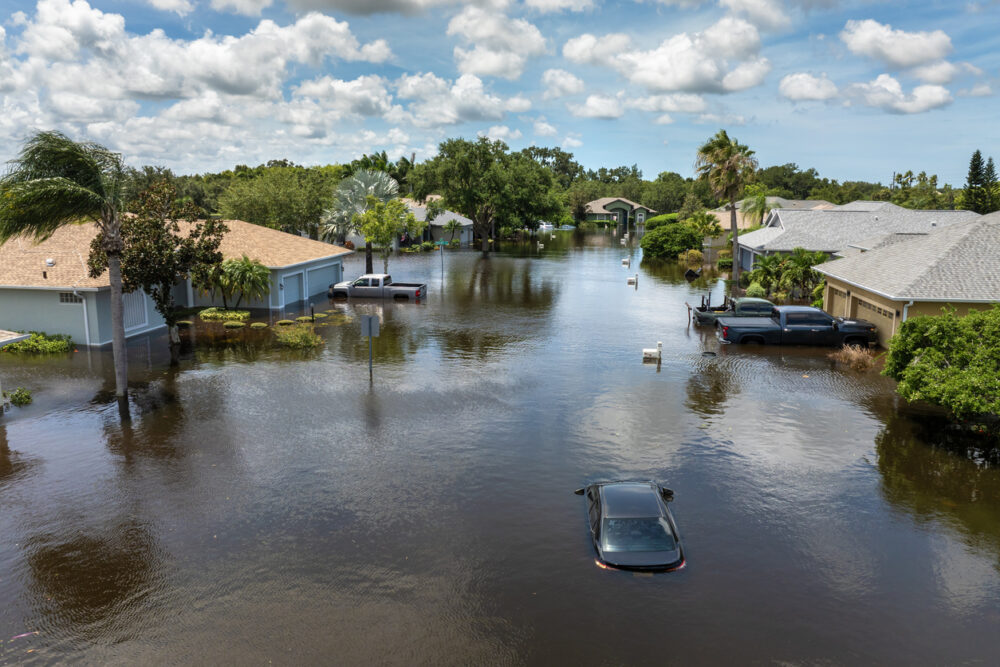
You’ve probably heard someone casually shrug off climate change as just another natural weather cycle. That narrative sounds harmless until you realize it’s been a go-to line for fossil fuel lobbyists for decades, according to Renee Cho in an article for Columbia Climate School. They want you to believe Earth’s heating up is all part of some cosmic rhythm, like the seasons changing or tides rolling in. But the science? It’s not on their side.
What we’re seeing now isn’t just a blip in time. It’s rapid, extreme, and directly tied to human activity—namely, burning fossil fuels. These companies know this. Their own scientists warned them years ago. But rather than come clean, they buried the evidence and doubled down on denial. Why? Because admitting the truth would mean facing regulations, losing profits, and being held accountable. So they keep the “natural cycle” myth alive, hoping you’ll stay confused and their bottom line stays protected.
2. Renewable energy can never replace oil, gas, and coal.

This one’s a classic fear tactic: scare you into thinking life without fossil fuels would be one long blackout. They paint renewables as unreliable, expensive, and only good when the sun’s shining or the wind’s blowing, note Giuliana Gentile and Joyeeta Gupta in their research published in Science Direct. But that narrative ignores decades of innovation. Solar and wind are not just growing—they’re surging. Battery storage is getting smarter, and grid technology is improving every year. Sure, we’re not 100% there yet, but we’re way past the point of being stuck in the dark ages without oil.
The fossil fuel lobby pushes this lie hard because it keeps their narrative alive: that we still need them. They want you to believe the world will collapse if we pull the plug. In reality, clean energy is more cost-effective and creates more jobs than fossil fuels. But that’s not the story they want you hearing. They want fear to keep you from seeing the clean alternative.
3. Fossil fuels are essential for economic growth and prosperity.

Ah yes, the old “job creator” defense. Fossil fuel companies love to position themselves as the backbone of economic success. Without them, they claim, industries would crumble and paychecks would vanish. It sounds convincing—until you look closer. Jobs in renewable energy are growing faster than fossil fuel employment, report experts in an executive summary for the International Energy Agency, and they’re often safer and more sustainable. Economic prosperity doesn’t have to mean polluting the planet. The truth is, fossil fuel companies make billions in profits while receiving massive government subsidies.
Meanwhile, regular people deal with polluted air, rising healthcare costs, and the fallout from climate disasters. So who’s really benefitting? Spoiler alert: it’s not you. This lie survives because it’s wrapped in patriotism and fear—don’t rock the economic boat. But the economy isn’t fragile. It’s adaptable. Clean energy could mean more prosperity for more people. The only thing it threatens is the fossil fuel industry’s stranglehold on the narrative.
4. Natural gas is a clean, safe “bridge fuel” to a green future.
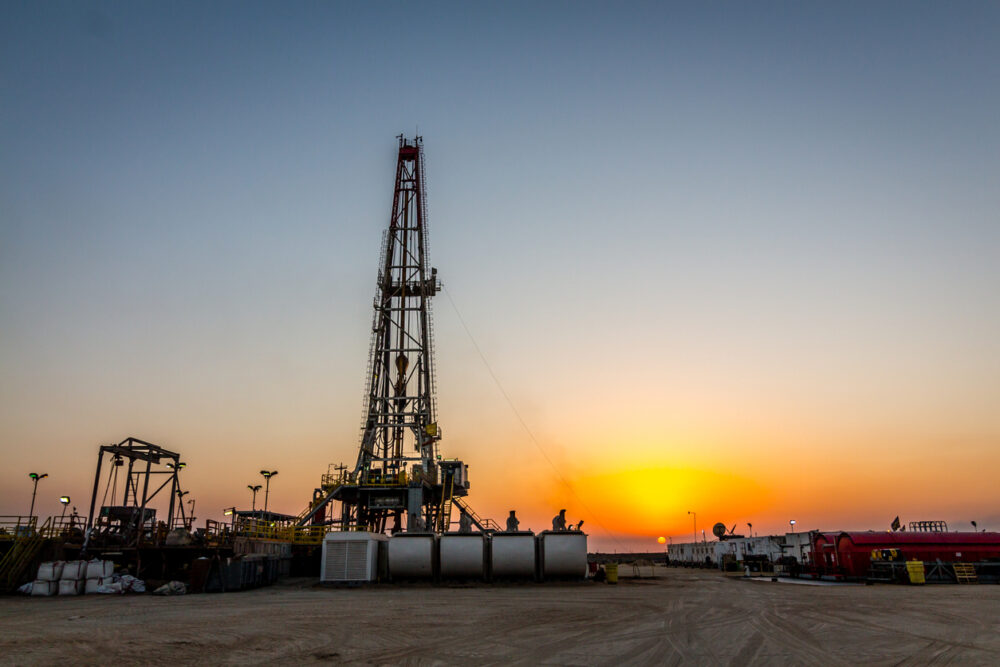
The phrase “bridge fuel” sounds so reasonable, doesn’t it? Like natural gas is just this helpful stepping stone toward a greener tomorrow. But in reality, that bridge leads straight back to the fossil fuel industry’s bank accounts. Natural gas is mostly methane, a greenhouse gas that traps heat far more effectively than carbon dioxide. And those so-called “clean” gas plants? They still emit pollution and contribute to climate change. Lobbyists branded it as a clean option because they needed a new image when coal became a dirty word. It’s all about rebranding, not real change.
And the “safety” angle? Ask the communities living near fracking sites or gas pipelines how safe they feel. Explosions, water contamination, and toxic air don’t scream clean energy. Natural gas isn’t a bridge—it’s a detour that delays real progress and locks us into more years of carbon dependency. That’s not a path forward. It’s a trap.
5. Fossil fuel companies are investing heavily in clean energy.

This one’s a PR gem. You’ll see glossy ads and flashy headlines claiming that major oil and gas corporations are going green. They want you to believe they’re leading the charge into a clean energy future. But if you peek behind the curtain, it’s mostly smoke and mirrors. The amount they spend on renewables is a tiny fraction of their overall budgets—usually less than 5%. Most of their investments still go into finding and extracting more oil and gas.
Why? Because that’s where the profits are. They’ve figured out that talking green scores points with the public, even if they’re not actually walking the talk. It’s all about perception management. They want to appear part of the solution while continuing to be the problem. Don’t be fooled by the green-washed branding. Real clean energy investment isn’t a side project—it’s a full commitment. And that’s something most fossil fuel giants still refuse to make.
6. Fossil fuels are cheap and affordable compared to renewables.
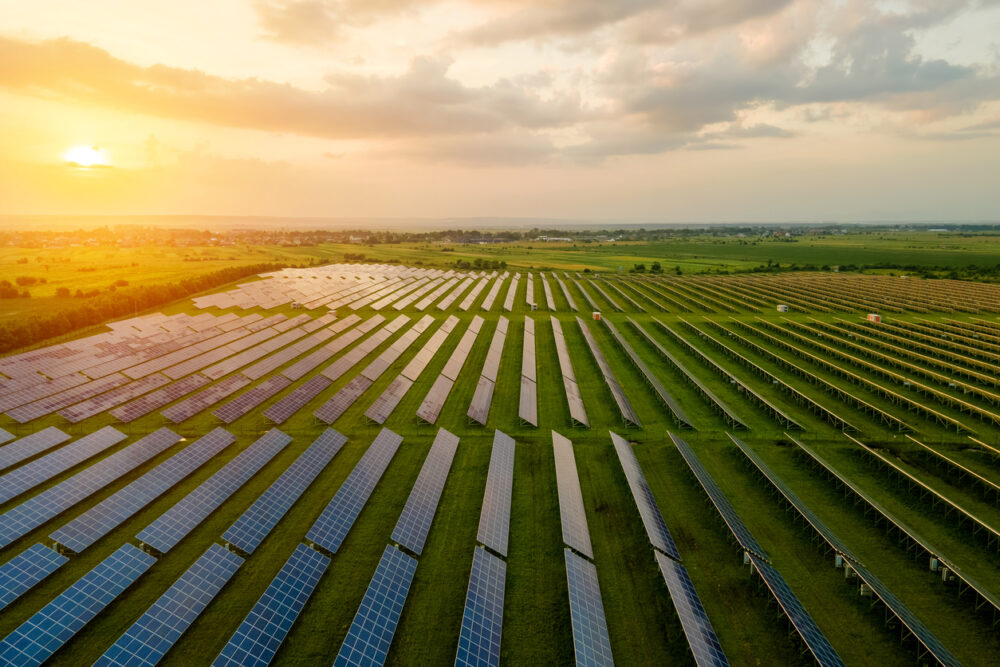
This line might’ve held some weight 20 years ago, but today? It’s just plain outdated. Fossil fuel companies love to claim they’re giving you the most bang for your buck. But the price tag you see at the pump or on your energy bill doesn’t show the full story. There are massive hidden costs—health impacts from pollution, environmental damage, disaster recovery, and of course, the billions in subsidies these companies get from taxpayers.
Renewables like wind and solar have dropped in price dramatically and in many places are now cheaper than fossil fuels. And they don’t carry the same long-term baggage. No oil spills. No toxic emissions. No fueling climate chaos. The lie that fossil fuels are the “affordable” option only survives because we’re not being told the real cost. When you factor everything in, clean energy isn’t just better for the planet—it’s better for your wallet too.
7. Carbon capture will fix the climate without cutting emissions.
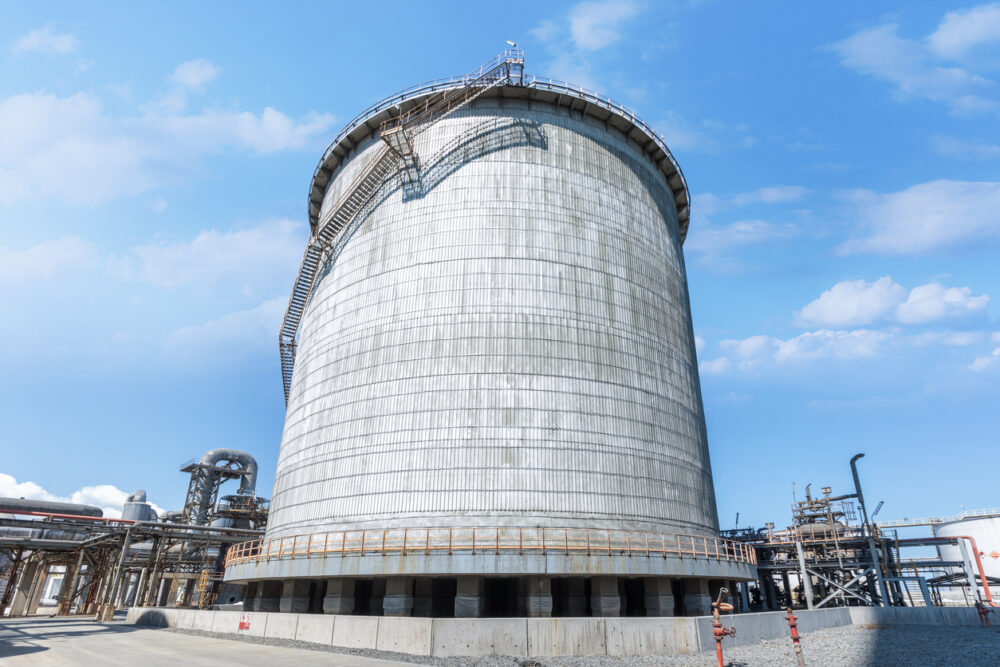
This one sounds so slick—don’t worry about reducing emissions because technology will suck the carbon right out of the air! It’s the fossil fuel industry’s favorite magic trick. Carbon capture and storage (CCS) gets sold as the ultimate fix, like we can keep on burning fossil fuels guilt-free. But in practice? It’s expensive, unreliable, and nowhere near the scale needed to make a dent. The few projects that do exist often underperform or flat-out fail. Yet lobbyists keep hyping CCS because it lets them delay actual action.
They know saying “the tech will save us” buys them time to keep drilling, fracking, and polluting. The narrative also comforts people who feel overwhelmed by climate change—just trust the science, right? But this isn’t neutral science—it’s marketing. Real solutions mean slashing emissions, not pretending we can vacuum them up later. Don’t fall for the tech fairy tale. It’s designed to keep the oil flowing.
8. Electric vehicles are worse for the environment than gas cars.
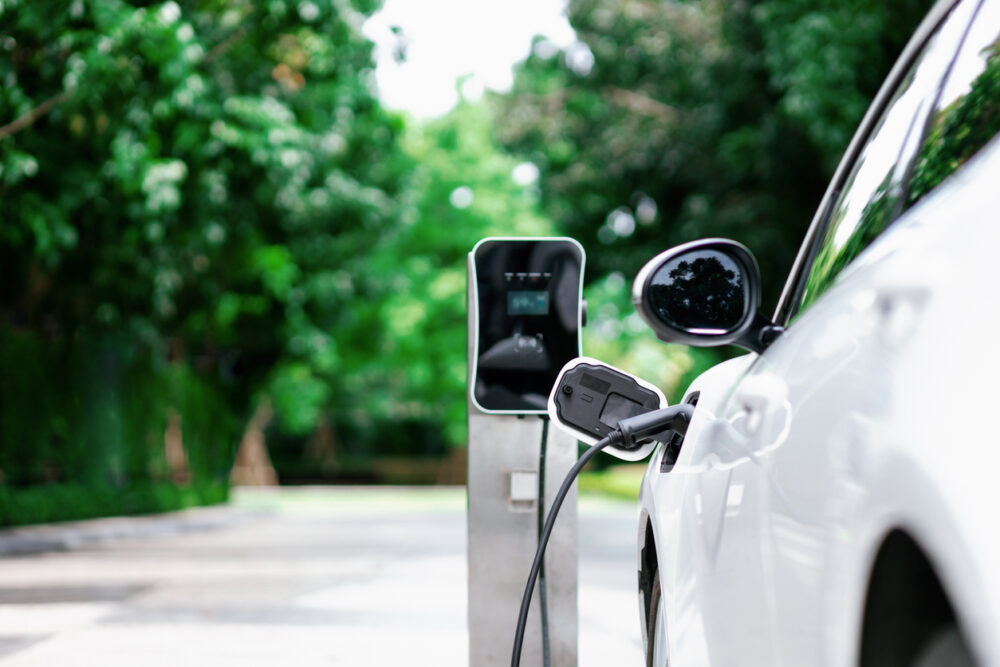
Oh, you’ve definitely heard this one: making EVs pollutes more than driving gas cars! It’s a favorite talking point for fossil fuel defenders trying to make clean tech look dirty. They’ll throw around stats about battery mining, manufacturing emissions, and power sources to make EVs seem like villains in disguise. But when you actually compare lifetime emissions, electric vehicles come out way ahead—especially as the grid gets cleaner. Sure, there are environmental impacts to making any car, but EVs don’t spew tailpipe emissions every mile they’re driven.
That’s a game-changer. The fossil fuel industry knows EVs threaten demand for oil, so they try to poison the well early. Make you doubt the tech. Make you feel guilty. But the math doesn’t lie. EVs aren’t perfect, but they’re a huge improvement. The only people still saying otherwise are the ones with something to lose if you unplug from their product.
9. Fossil fuel subsidies are necessary to keep energy prices low.
Subsidies are the dirty little secret they don’t want you talking about. For all the talk about “free markets,” fossil fuels get massive government handouts—billions every year in the U.S. alone. The justification? Supposedly, it keeps energy prices stable for consumers. But what it really does is pad profits for already wealthy oil giants. Meanwhile, that same money could be going to schools, healthcare, or building a clean energy future.
Fossil fuel lobbyists have convinced politicians and the public that without these subsidies, everything would grind to a halt. In truth, clean energy is competitive even without massive public funding—and if it got the same level of support fossil fuels do, we’d be even further along. So why keep pouring taxpayer money into a polluting industry? Because lobbyists work overtime to make sure it stays that way. The lie about cheap energy hides the truth about who’s actually getting the deal.
10. Developing countries need fossil fuels to lift people out of poverty.

It sounds noble, right? That fossil fuels are the key to improving life in developing nations. But scratch beneath the surface, and it’s less about helping people and more about opening new markets. Fossil fuel companies pitch themselves as saviors, bringing electricity and jobs. What often follows are polluted air, broken promises, and profits shipped out of the country.
Meanwhile, renewables like solar can actually reach rural areas faster, cheaper, and with less infrastructure. They empower communities to build local solutions instead of being tethered to massive grids and corporate interests. The narrative that fossil fuels are a gift to the developing world ignores the reality of environmental damage, debt traps, and exploitation. Lobbyists love this lie because it dresses greed in the clothes of compassion. But the real way to fight poverty? Clean, affordable, locally managed energy. That’s not what fossil fuel companies are offering—but it’s what people actually need.
11. The science on climate change isn’t settled yet.

This is the oldest trick in the book: sow doubt. Say the science isn’t settled, and suddenly people feel justified in doing nothing. It’s a delay tactic that’s worked for decades, from tobacco to acid rain. And fossil fuel lobbyists have mastered it. They cherry-pick data, quote fringe scientists, and amplify confusion. But the actual scientific consensus? Overwhelming. Climate change is real, it’s caused by humans, and it’s happening faster than predicted.
The experts agree, the models align, and the impacts are already hitting us—hard. Still, the lobbyists whisper that it’s all too complex or uncertain to act on. Why? Because doubt keeps the status quo alive. It’s a strategic lie, not an honest question. You don’t need every detail nailed down to see what’s happening. The science is solid. The only thing not settled is how long we’ll keep falling for the idea that it isn’t.