
They talk eco-friendly, but their supply chains tell a dirtier story.

It’s easy to feel good when you toss something labeled “eco” into your cart. Compostable packaging, earthy color schemes, and vague claims like “made responsibly” are designed to make you feel like you’re saving the planet with every purchase. But dig a little deeper and you’ll find that a lot of these so-called green brands are just really good at marketing—not actual sustainability.
From fast fashion giants with “conscious collections” to cleaning products that hide toxins behind plant logos, the industry knows how to talk the talk without walking it. And while no one expects perfection, pretending to be ethical while cutting corners behind the scenes is its own kind of harm. If you’ve been trying to shop better, you deserve to know which companies are faking it. Greenwashing isn’t just misleading—it’s profitable. And some of your favorite brands are cashing in on your good intentions.
1. H&M says it’s “conscious,” but its business model is anything but.

H&M wants you to believe that tossing a few organic cotton basics into your haul cancels out the damage done by mass-producing trendy clothes at lightning speed. But its “Conscious” collection makes up a tiny fraction of its output—and the brand still churns out billions of garments annually. That’s not sustainable; that’s just slightly less awful PR. Even the green-labeled pieces lack real transparency about labor conditions, supply chain emissions, and chemical usage.
The company’s recycling program sounds noble, but most of the donated clothes aren’t reused—they’re downcycled into rags or dumped overseas. According to reporting by sustainable fashion writer Polly Barks, garments donated to H&M’s recycling program have ended up in landfills in countries like Ghana and Benin, raising major concerns about where those “recycled” clothes actually go. Don’t let a soft color palette and vague slogans fool you—H&M is still selling fast fashion, just with a prettier bow.
2. Seventh Generation sounds clean, but the ingredients say otherwise.

At first glance, Seventh Generation feels like the holy grail of sustainable cleaning. Recycled packaging? Check. Plant-based ingredients? Yep. But a closer inspection reveals ingredients like synthetic preservatives and surfactants that aren’t exactly eco-friendly. These chemicals can pollute waterways and harm aquatic life, making the “green” image a lot murkier than advertised. Per Michael McCoy for the American Chemical Society, Seventh Generation has used preservatives that release trace amounts of formaldehyde, a known environmental and health concern, prompting the company to seek safer alternatives.
Then there’s the ownership problem. Seventh Generation is a Unilever brand—the same massive conglomerate with ties to deforestation, plastic pollution, and controversial labor practices. That kind of corporate backing often means sustainability stops where profit margins start. So while the branding screams crunchy granola, the behind-the-scenes picture is a lot more corporate. It’s a reminder that sometimes, green marketing is just another way to sell you something that isn’t actually all that clean.
3. Love Beauty and Planet preaches planet love, but sells synthetic formulas.
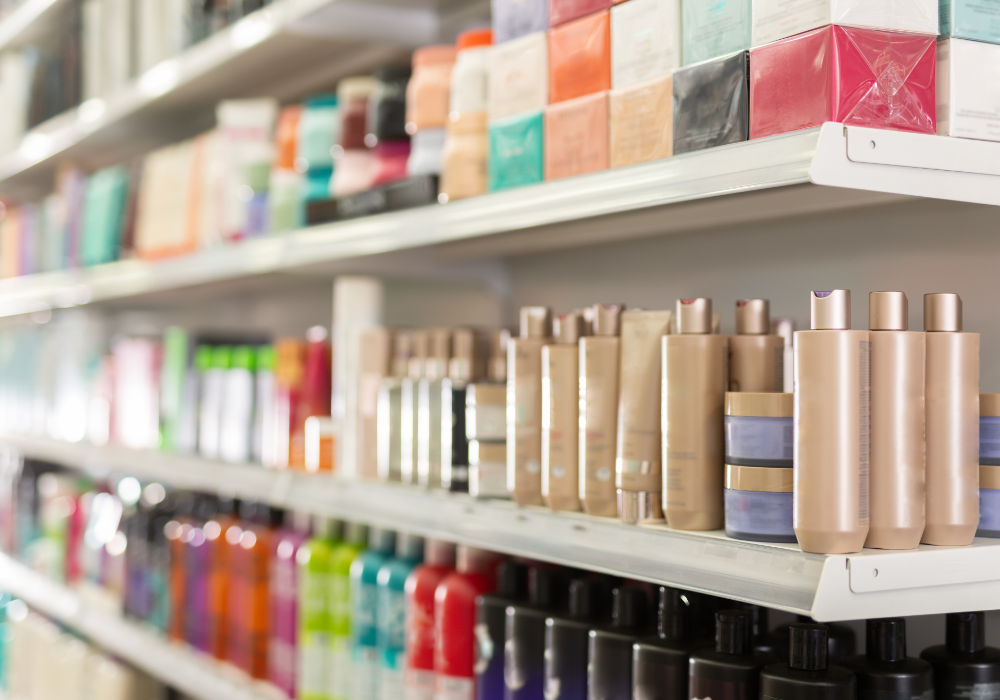
Everything about Love Beauty and Planet screams ethical: floral packaging, soft colors, and messages about loving the Earth. But behind the feel-good branding lies a very familiar face—Unilever, again. As stated by Love Beauty and Planet’s official website, many of their products include sodium laureth sulfate and other synthetic compounds that are not biodegradable and can be harmful to aquatic ecosystems.
Even the carbon footprint promises rely more on clever wording than actual reductions. And let’s not forget, these products are mass-produced and shipped globally—hardly a low-impact model. It’s a textbook example of greenwashing: take a conventional product, wrap it in sustainability language, and hope no one reads the label too closely. Just because a bottle says it’s kind to the planet doesn’t mean it actually is. Sometimes, the “green” part is only skin-deep.
4. Everlane claims radical transparency, but keeps the messier parts hidden.

Everlane earned praise for breaking down production costs and offering a peek inside their factories, which felt like a bold shift in an opaque fashion world. But critics and former employees have pointed out that the transparency only goes so far. Reports of poor labor practices in international factories and vague commitments to sustainability raise questions about how radical that transparency really is.
Their “clean denim” and recycled materials are a step in the right direction, but they’re often overshadowed by constant new releases. Fast fashion doesn’t stop being fast just because it looks minimalist.
And the brand tends to focus on future goals instead of current accountability—leaving out details like exact emissions or wage breakdowns. When a brand builds its identity around ethics, it has to back that up beyond the marketing pitch.
5. Method looks spotless, but its parent company has a dirty track record.
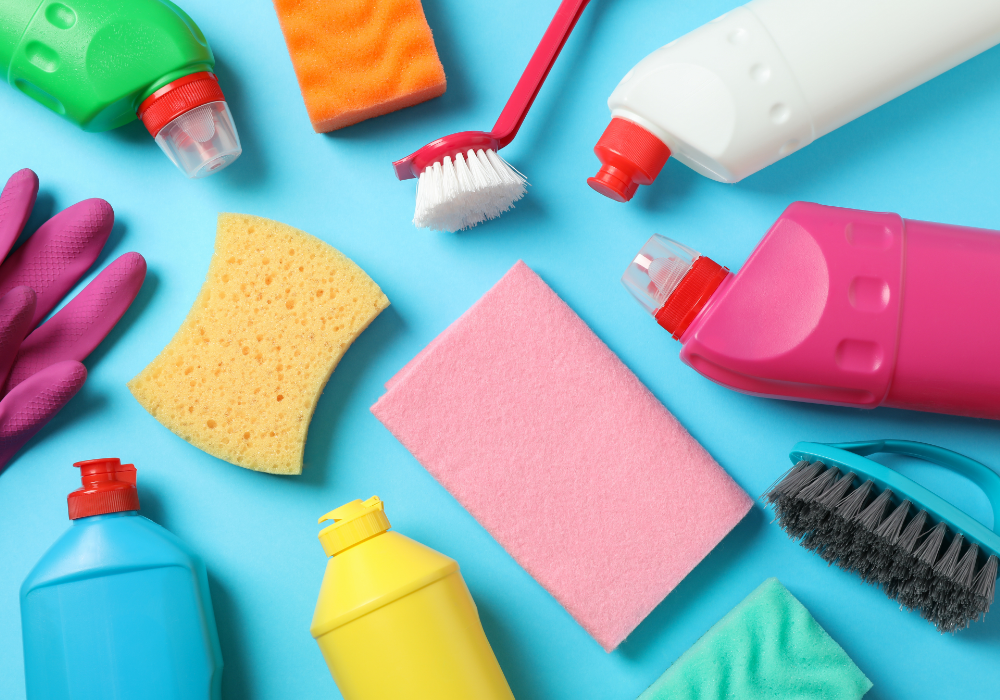
Method bottles look like they belong in a design magazine—sleek, colorful, and proudly labeled “non-toxic” and “cruelty-free.” It’s the kind of product that makes you feel like a good person just for buying it. But Method is owned by SC Johnson, a massive company with a long history of problematic environmental practices and ingredient secrecy.
While Method has made strides with some of its sustainability efforts, its parent company’s record casts a long shadow. SC Johnson has been called out for greenwashing, plastic waste, and lobbying against stronger chemical safety laws. So even if Method’s intentions are good, the bigger system it’s part of might not be. That pretty bottle in your cleaning caddy could be covering up a much dirtier truth—one that marketing alone can’t scrub away.
6. Nestlé says it cares about sustainability, but its record tells a different story.
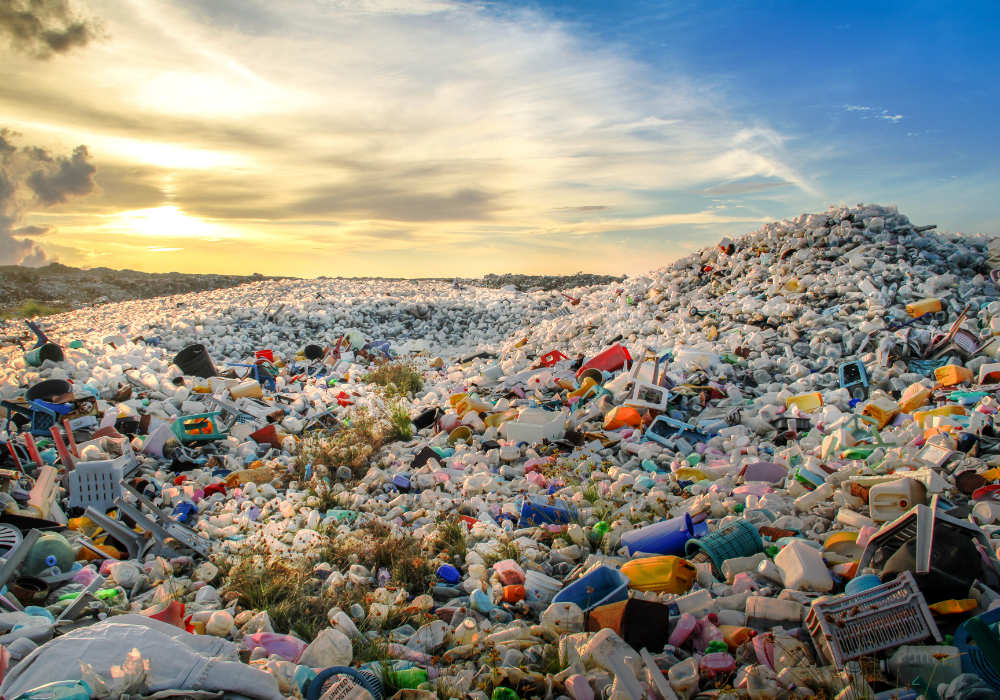
Nestlé has plastered “responsibly sourced” across its packaging like it’s a moral badge—but behind that label is a long history of environmental damage and exploitation. From excessive water extraction during droughts to plastic pollution on a global scale, Nestlé’s footprint is anything but light. Even when the company makes pledges to reduce waste or emissions, the follow-through is vague at best and deceptive at worst. Critics argue their sustainability claims are more about optics than real accountability.
The company has been involved in deforestation scandals linked to its supply chain, especially in palm oil and cocoa production. And while it promotes recyclable packaging, Nestlé continues to be one of the world’s biggest plastic polluters. “Sustainable” doesn’t just mean recyclable—it means rethinking systems of harm. And Nestlé, for all its glossy marketing, hasn’t shown that it’s willing to fundamentally change. It’s more like they’re changing the PR, not the product.
7. Lush markets itself as ethical, but its practices aren’t always squeaky clean.

Lush has built a cult following with its handmade soaps, colorful bath bombs, and activist branding. But while it talks a big game about ethics, animal rights, and sustainability, the company hasn’t always lived up to that image. Former employees have spoken out about toxic work environments, poor management, and a lack of support for frontline staff. That doesn’t exactly align with the compassionate image it sells to consumers.
Then there’s the plastic-free marketing. Lush loves to highlight its “naked” packaging options, which is great—but many of its products still come in plastic tubs. And those “natural” ingredients? Some of them are synthetic fragrances and colorants, tucked behind nature-inspired language.
Lush might look like the model of eco-conscious retail, but dig into its sourcing and labor practices, and things start to lose their rosy glow. Sometimes the bath bomb just fizzes away into greenwashed foam.
8. Patagonia leads on climate messaging, but it still plays by capitalist rules.
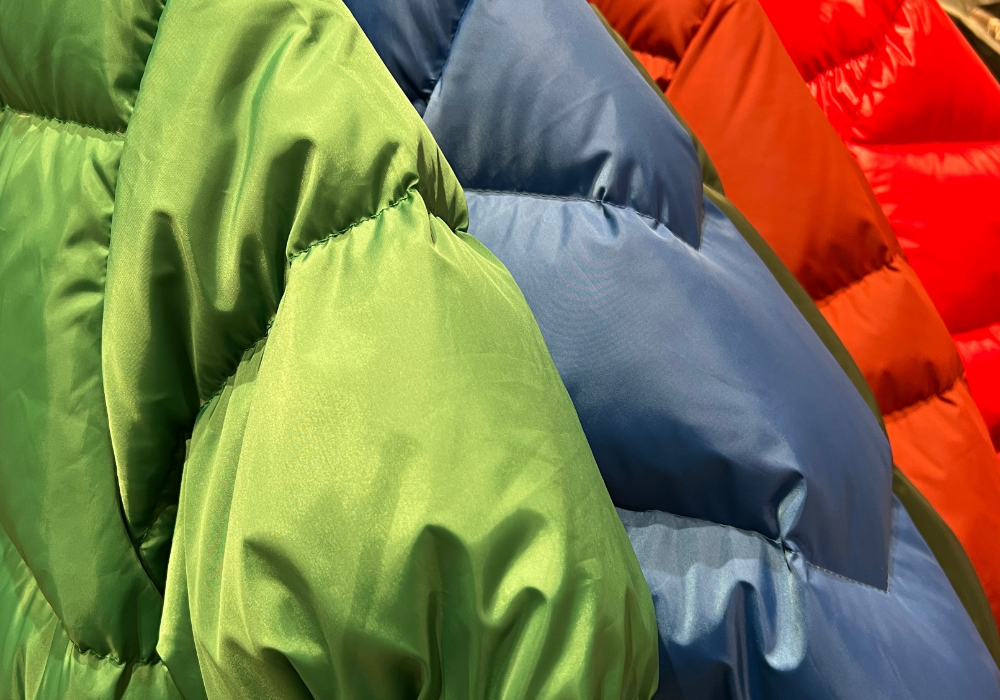
Patagonia is often held up as the gold standard for ethical consumerism—and in some ways, it’s earned that reputation. The brand donates a portion of its profits, supports environmental causes, and offers repair services. But even Patagonia isn’t immune to the contradictions that come with operating a large-scale retail business. Despite its efforts, it still depends on global supply chains, synthetic materials, and the constant push to sell more products.
The brand encourages you to “buy less,” yet continues launching new lines, seasonal collections, and higher-priced outdoor gear. And while its messaging is anti-consumerist, it ultimately relies on consumers to keep buying. Yes, it’s better than many—but better doesn’t mean perfect. Patagonia is a reminder that even the best-intentioned companies are still navigating the tension between profit and planet. You can admire what they’re doing right while still questioning what they could be doing better.
9. The Honest Company sells peace of mind, but its ingredients have raised eyebrows.
The Honest Company was founded to give parents safer, cleaner choices—especially when it comes to baby products. And while the brand talks a lot about transparency and non-toxic ingredients, it’s faced multiple lawsuits over the years for misleading labels and questionable formulations. In 2016, for example, it was caught using a harsh cleaning agent in its laundry detergent—despite marketing it as “free of” that exact chemical.
Even now, some of its product ingredients are hidden behind vague terms like “natural fragrance,” which could mean anything. And though it has taken steps to improve, the trust it asks for hasn’t always been earned. When a company builds its entire identity around being “honest,” the standards should be sky-high. Consumers shouldn’t have to read ingredient lists like legal documents just to feel safe. A clean label should mean more than clever wording—it should mean the product actually is what it claims.
10. Coca-Cola flaunts its green pledges, but remains one of the world’s top polluters.
Coca-Cola has run campaign after campaign about going “World Without Waste,” promoting recycled bottles and ambitious sustainability goals. But here’s the catch: it continues to top the list of global plastic polluters, year after year. Promising to collect and recycle one bottle for every one sold sounds great—until you realize how many actually end up in landfills, rivers, and oceans. The scale of the problem is bigger than any catchy slogan can fix.
The brand has also faced criticism for aggressively lobbying against plastic bans and refill systems, even while claiming to support sustainability. That’s not just hypocrisy—it’s strategy. By controlling the narrative and sponsoring feel-good green initiatives, Coca-Cola distracts from its role in the crisis. If your solution to pollution is to keep producing plastic and hope people recycle it, that’s not progress—it’s damage control. You can’t bottle your way out of a mess you helped create.