
Rising temperatures could make joint pain, migraines, and inflammation much worse.
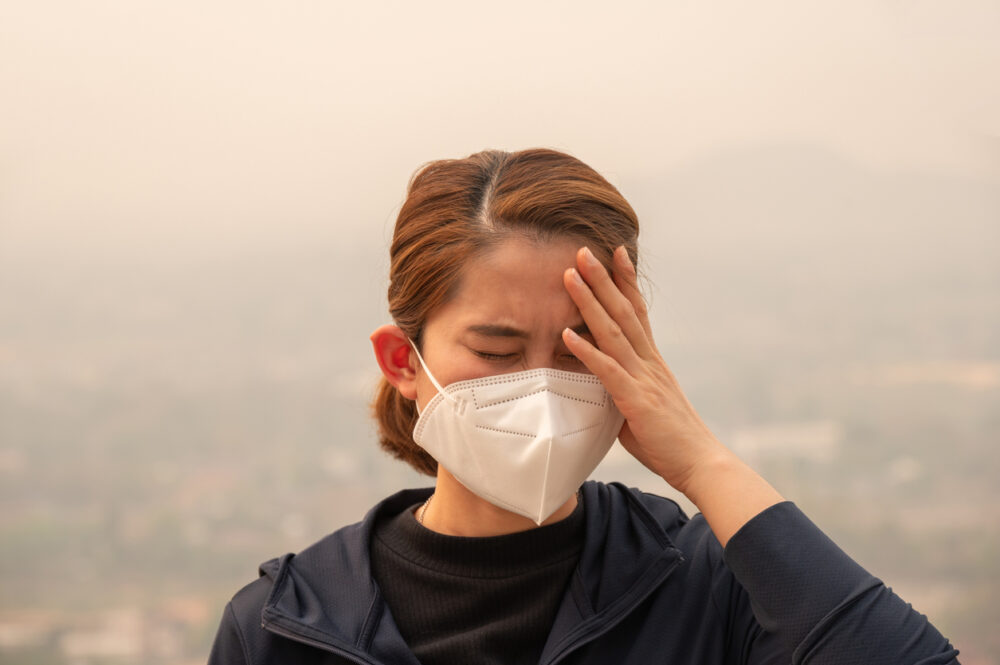
When people talk about climate change, they often focus on floods, fires, and rising seas. But there’s another impact that’s already creeping in—one that’s quieter, harder to track, and deeply personal. Chronic pain. From joint inflammation to migraines to nerve disorders, heat and environmental instability are creating physical strain that many bodies can’t adapt to. And for millions, it’s becoming a daily reality.
Pain isn’t just about injury or illness. It’s also about weather, stress, sleep, hydration, and pressure changes—things that climate change is steadily disrupting. Doctors are starting to see the trend, and scientists are sounding the alarm. As the planet warms, our nervous systems are being pushed to their limits. These aren’t isolated symptoms. They’re part of a much bigger feedback loop between climate and the body. And if nothing changes, pain could become one of the most widespread—and invisible—side effects of the crisis.
1. Heatwaves can increase inflammation and worsen existing pain.
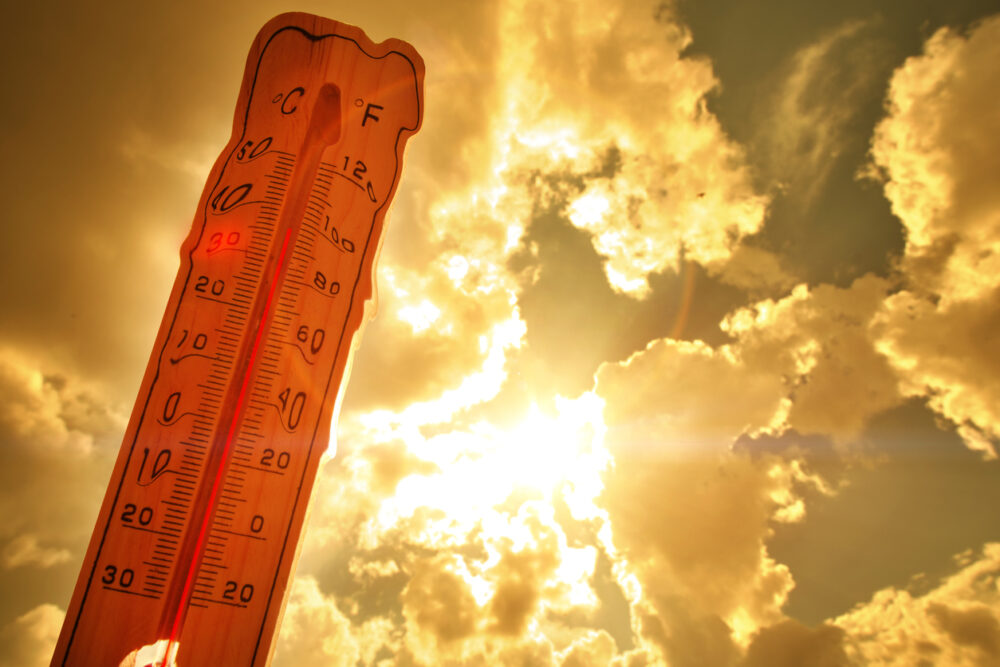
For people with arthritis, fibromyalgia, or autoimmune disorders, extreme heat isn’t just uncomfortable—it can be debilitating. Inflammation naturally rises when the body is under environmental stress, and hot weather makes it harder to regulate temperature, hydration, and rest. The body works overtime to stay cool, leaving less energy to manage pain or flare-ups.
Experts at Kelsey-Seybold Clinic note that heat can trigger more frequent and severe symptoms for people with chronic conditions, compounding fatigue, joint pain, and inflammation during the hottest parts of the year. Heat can also mess with circulation, muscle tension, and even medication effectiveness. Add in sleep disturbances and poor air quality, and the body never really gets a break. This isn’t just anecdotal. It’s a biological reaction to a planet that’s running a low-grade fever. And for people already struggling, that extra heat feels like pouring salt on a wound.
2. Weather swings can throw the nervous system out of balance.

It’s not just heat—it’s the instability. Sudden shifts in barometric pressure, humidity, and temperature can trigger migraines, muscle spasms, and joint pain in people who are already sensitive. The body struggles to recalibrate when the environment changes too fast, and for those with chronic conditions, that constant adjustment feels like a never-ending uphill climb.
Even healthy nervous systems react to change, but in a rapidly shifting climate, those reactions get amplified. Pressure drops might cause headaches. Dry air may irritate nerves. Moisture can make old injuries ache again. According to clinicians at Southside Pain Specialists, it’s increasingly common for patients to notice that their pain flares line up with sudden weather changes. And with climate change accelerating those shifts, the body has fewer chances to find equilibrium.
3. Rising temperatures can disrupt sleep—and amplify pain in the process.

Sleep is one of the most powerful regulators of pain. Without enough deep, restorative sleep, the body’s pain threshold drops. Nerve sensitivity increases. Muscles stay tense. Inflammation rises. And unfortunately, heat is one of the biggest disruptors of sleep quality—especially for people without access to air conditioning or consistent nighttime cooling.
Jeffrey Kluger reports in TIME that rising global temperatures are driving up nighttime lows, making it harder for the body to cool down enough for restful sleep. That means even when the sun sets, the body doesn’t get a break.
People toss and turn, sweating through sheets, waking more often, and spending less time in REM. Over time, this kind of sleep disruption creates a vicious cycle. Less sleep leads to more pain, and more pain makes it harder to sleep. In hotter regions and low-income communities, that cycle is becoming a daily reality—and it’s taking a toll on bodies that are already overworked and undersupported.
4. Air pollution linked to fossil fuels can worsen nerve pain.

As temperatures rise, so do pollution levels—especially ozone and particulate matter from cars, factories, and fossil fuel use. These pollutants don’t just damage lungs. They also trigger systemic inflammation, which can irritate nerves and intensify chronic conditions like migraines, neuropathy, and trigeminal pain. And the more you breathe in, the harder it is for your body to recover.
People in urban areas often experience these effects first. Hot days make pollution linger, trapping it in the lower atmosphere where it concentrates. Even short exposure can cause flare-ups for those with neurological sensitivity.
For some, that means more frequent migraines. For others, it’s tingling, burning, or stabbing pain in limbs and joints. None of it is random—it’s the result of environmental inputs hitting already-vulnerable systems. And with no clean air breaks in sight, that pain is getting harder to avoid.
5. Dehydration from extreme heat can intensify joint and muscle pain.

When it’s hot out, the body loses water faster—and many people don’t realize how dehydrated they are until symptoms kick in. For those with chronic pain, dehydration can lead to stiffer joints, cramping muscles, and longer recovery times.
Water helps cushion the joints, regulate temperature, and flush out toxins. Without enough of it, the body becomes more reactive, less flexible, and slower to heal. Climate change means longer, hotter seasons and less predictable access to clean water. For vulnerable communities, that spells trouble. Dehydration doesn’t just make you tired. It makes existing pain worse—and sometimes creates new sources of it. Headaches, back pain, and muscle knots can all stem from something as basic as fluid loss. And in a warming world, staying hydrated is no longer a health tip. It’s a survival strategy.
6. Chronic stress from climate anxiety can heighten physical pain.

Living in a constant state of uncertainty—worrying about fires, floods, storms, or the future in general—keeps the body in a low-level fight-or-flight mode. That chronic stress doesn’t just affect your mood. It heightens your pain response.
The nervous system becomes more reactive, inflammation rises, and muscle tension builds. Over time, stress amplifies pain signals and lowers your tolerance for discomfort. This is especially true for people with existing pain conditions, PTSD, or autoimmune issues. The emotional load of living through climate change gets processed through the body, not just the brain. And for many, that means more flare-ups, more exhaustion, and more physical strain even without a clear medical cause. The pain is real—it’s just triggered by a world that’s constantly pushing us past what we’re built to handle.
7. Climate disasters can cut off access to pain management.

When fires, floods, or storms hit, access to healthcare often disappears first. Pharmacies close. Appointments get canceled. Supply chains break down. For people managing chronic pain, even a short disruption in care can be devastating. Running out of medication, missing physical therapy, or being forced to relocate throws off every carefully built system of support.
The body doesn’t wait for things to settle down. Pain flares during stress, and the tools to manage it often aren’t portable. Add in trauma, displacement, or exposure to unsafe environments, and recovery becomes even harder. Climate events aren’t just environmental—they’re deeply physical for people with ongoing medical needs. And for millions living in disaster-prone areas, that pain is becoming a repeat experience.
8. Vulnerable communities face the highest pain burden.

Chronic pain already hits hardest in low-income, disabled, and elderly populations—and those are the same groups most exposed to climate extremes. Whether it’s poor housing insulation, limited access to AC, or fewer nearby clinics, the people with the least structural support are facing the most physiological strain.
The pain gap is widening. This isn’t just about physical environment—it’s about systemic neglect. Communities already dealing with environmental racism, medical bias, or economic precarity have fewer buffers against heat, pollution, and stress.
Their bodies are absorbing more damage, with less help. And because pain isn’t always visible, this suffering often goes ignored in both healthcare policy and climate planning. But it’s happening—every day, and on a growing scale.
9. Migraines are becoming more common in regions with rising heat and humidity.

Studies already link migraine frequency to shifts in weather—especially temperature spikes and high humidity. As global heat rises, those shifts are happening more often, triggering attacks in people who may not even realize the cause. This results in more emergency room visits, more missed work, more lost days to pain that feels sudden but is entirely environmental. Unlike other types of pain, migraines involve the whole body. Nausea, vision issues, light sensitivity, and dizziness can make even a few hours of discomfort feel like a full-body shutdown.
Add in poor sleep, dehydration, and pressure changes—and the trigger load becomes overwhelming. Climate change is creating those perfect storm conditions more often. And for people with migraine disorders, that means less control and more suffering in places that once felt manageable.
10. Pain is becoming another layer of climate inequality.

Not everyone will experience climate-linked pain the same way. People with flexible jobs, access to cool spaces, private healthcare, and financial support will have more options to adapt. Others will be left to manage invisible symptoms in environments that keep getting harsher. That’s not just a healthcare issue—it’s a justice issue.
As climate effects deepen, the people carrying the most pain will often be the ones with the fewest resources to address it. And because chronic pain is so often dismissed or disbelieved, especially in marginalized communities, that suffering risks going unnoticed and unsupported. Pain isn’t just personal. It’s political. And in a warming world, it’s becoming a key part of the climate story—one that deserves far more attention than it’s currently getting.