
What once seemed impossible is now becoming the new normal.

Remember when climate change felt like something far-off? A future problem for future people? That future is here—and it’s wearing a very different forecast. Scientists have spent decades warning us what would happen if global temperatures kept rising. Stronger storms. Deeper droughts. Heatwaves that make sidewalks sizzle. At the time, some of it sounded dramatic. Now it’s just…daily life.
This isn’t science fiction—it’s science fulfilled. Climate models didn’t exaggerate. In fact, many were too conservative. We’re seeing predictions from the 1990s and early 2000s unfold with unsettling accuracy. And while the weather’s always been unpredictable, this level of disruption? It’s not random. It’s the direct result of a planet pushed past its limits. If you’ve felt like the seasons are off or the storms hit differently now, you’re not imagining it. These 11 forecasts were warnings—and now, they’re reality.
1. Heatwaves are becoming more intense, frequent, and deadly.
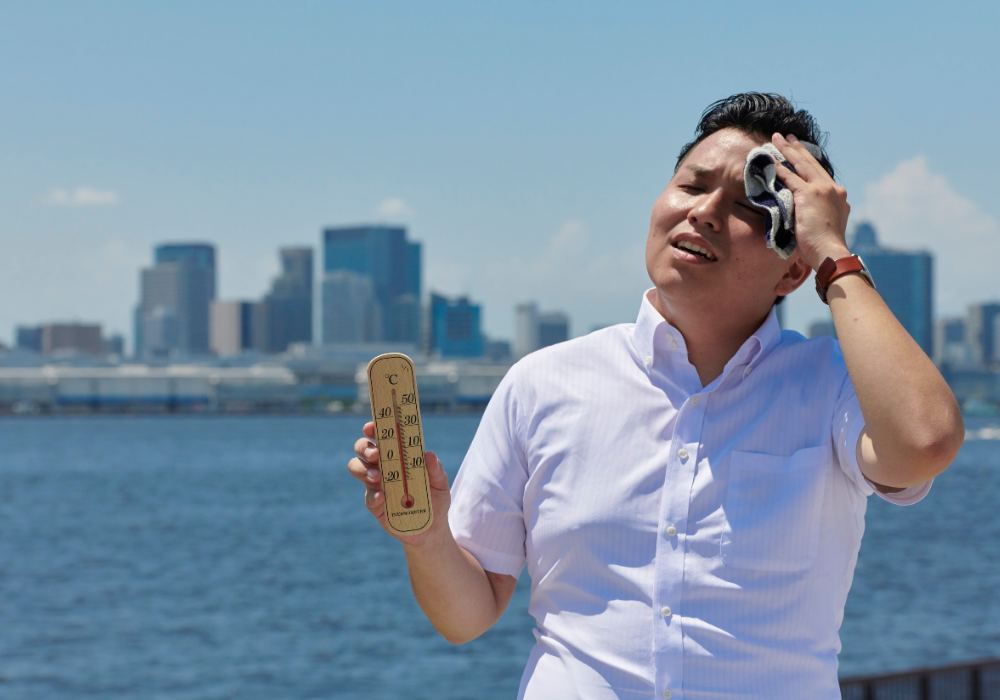
What used to be a “once in a decade” scorcher is now showing up every summer—and sometimes sticking around for weeks. Across the U.S., Europe, and Asia, heatwaves are shattering records and lasting longer than anyone thought possible. According to the Intergovernmental Panel on Climate Change (IPCC), the frequency and intensity of hot extremes, including heatwaves, have increased across most land areas since 1950, and these trends are projected to continue with further global warming.
Extreme heat isn’t just uncomfortable. It’s deadly. It strains power grids, worsens air pollution, and makes it nearly impossible for vulnerable communities to cope. Urban areas suffer the most due to the heat island effect, turning cities into ovens. And these aren’t flukes—they’re becoming the norm. If you’ve noticed summer feeling less like a season and more like a threat, it’s not a vibe shift. It’s exactly what climate models said would happen as the planet warms.
2. Rain is getting heavier, faster, and more destructive.
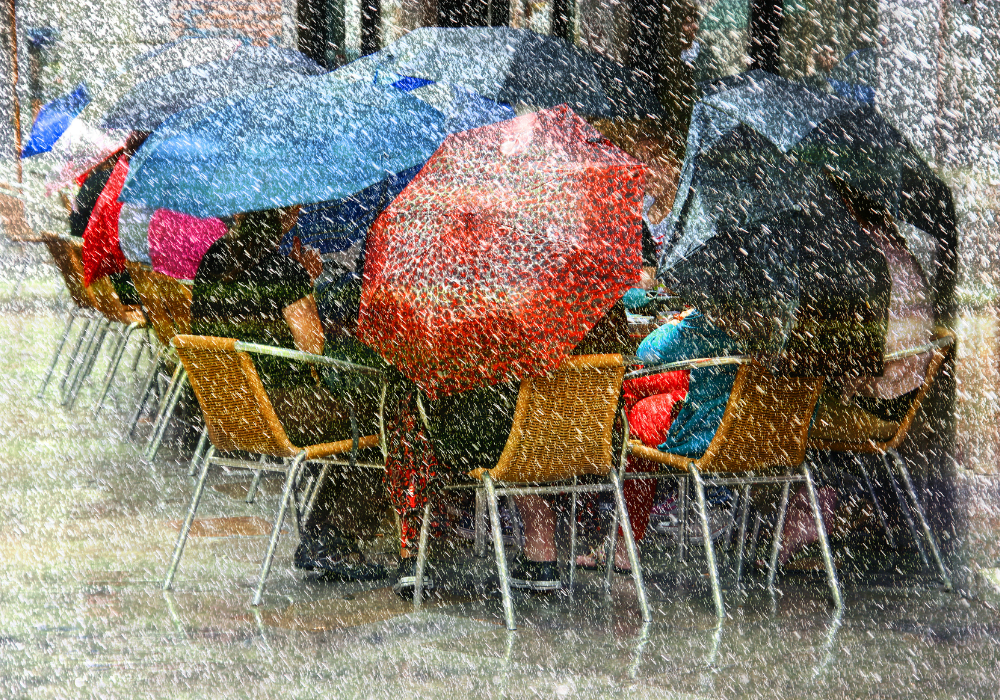
More moisture in the air means more rain when storms hit—and climate scientists predicted this one with eerie accuracy. As the planet warms, the atmosphere holds more water vapor, which leads to intense downpours that overwhelm drainage systems and cause flash flooding. Per writers for the U.S. Environmental Protection Agency, nine of the top ten years for extreme one-day precipitation events have occurred since 1995, indicating a significant increase in heavy rainfall events across the contiguous United States.
It’s already happening everywhere from the Midwest to the Mediterranean. Streets are flooding more often. Basements are filling. Cities built for 20th-century storms can’t handle what’s coming out of the sky now. These aren’t flukes—they’re climate-fueled weather events. Scientists said this would happen. And while it’s hard to visualize “warmer air holding more water,” it becomes painfully clear when it’s gushing through your neighborhood at 40 miles per hour.
3. Wildfire seasons are now longer, hotter, and harder to control.

There used to be a fire season. Now there’s just fire. Climate scientists warned that higher temperatures, prolonged drought, and earlier snowmelt would create perfect wildfire conditions—and they were right.
What once happened in late summer now starts in spring and sometimes doesn’t end until winter. As highlighted by Beverly Law for Nature Communications, climate change has increased forest fire extent in temperate and boreal North America, with climate change contributing to approximately 15,000 wildfire particulate matter deaths over 15 years and a cumulative economic burden of $160 billion.
The Western U.S., Canada, Australia, the Mediterranean—these regions are seeing blazes on a scale that used to be unthinkable. And with each year, the line between “natural disaster” and “climate crisis” gets blurrier. Firefighters can’t keep up. Communities can’t rebuild fast enough. And smoke now travels thousands of miles, making the air dangerous to breathe in places that aren’t even burning. Scientists didn’t just warn us this could happen. They told us it would. And now we’re living inside their forecasts.
4. Hurricanes are stronger, slower, and way more destructive.

The winds aren’t just faster—everything is more intense. Scientists predicted that warming oceans would supercharge hurricanes, giving them more fuel to grow in strength and dump heavier rain. They also warned that storms would start moving more slowly, lingering longer over vulnerable areas. What once sounded extreme has now played out over and over again—from Harvey to Ian to Idalia.
These new hurricanes don’t just hit hard. They park themselves over cities and dump rain for days. That slow movement increases flooding, damages infrastructure, and gives people less time to escape. Warmer oceans are like gasoline for these storms, and we’ve left the match lit. Coastal communities are being reshaped storm by storm—and the maps that once showed “100-year flood zones” now feel outdated by decades. This is the new hurricane playbook. And scientists have been waving it in front of us for years.
5. Winters are warming fast—even when it still snows.
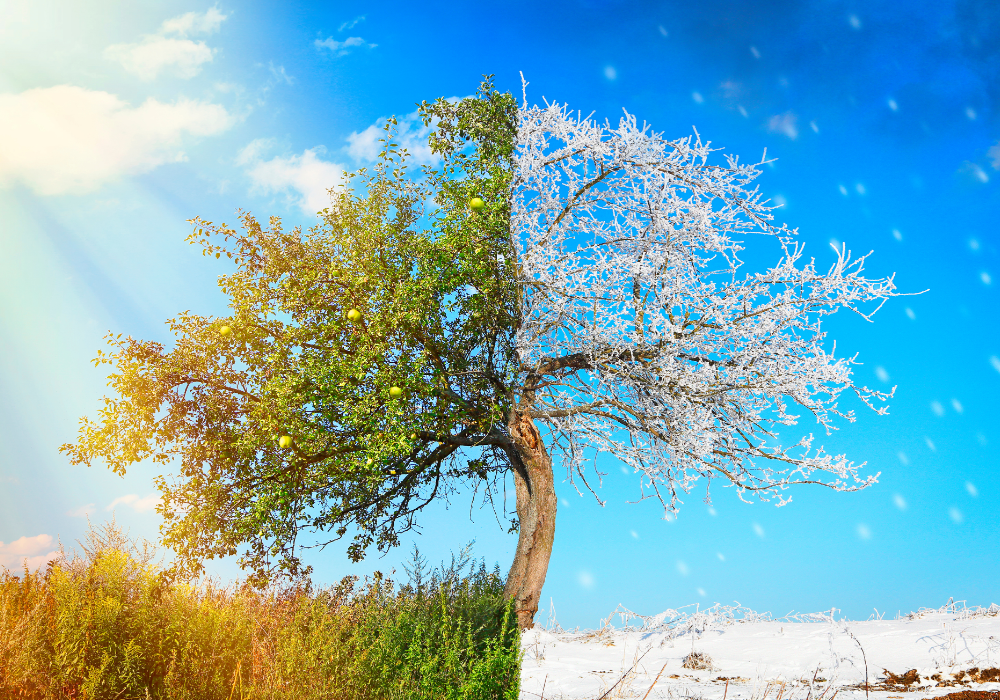
Climate change doesn’t mean winter disappears. It means winter gets weird. Scientists predicted this confusing shift: warmer average temperatures with short, intense bursts of cold or snow. That’s exactly what we’re seeing now. One week it’s a polar vortex, the next it’s 60 degrees in January. The overall trend? Winters are getting shorter, warmer, and less reliable.
Snow might still fall, but it melts faster. Ice storms replace blizzards. Lakes that once froze solid now stay slushy. Ski seasons shrink. Migration patterns shift. The cold snaps that do hit are more erratic and harder to prepare for. And when people say, “But it’s cold, so how is the planet warming?”—this is the answer. Climate change doesn’t make winter vanish. It scrambles it. And that chaos is exactly what scientists said would happen when the atmosphere and oceans started heating out of sync.
6. Droughts are lasting longer and hitting harder than ever.
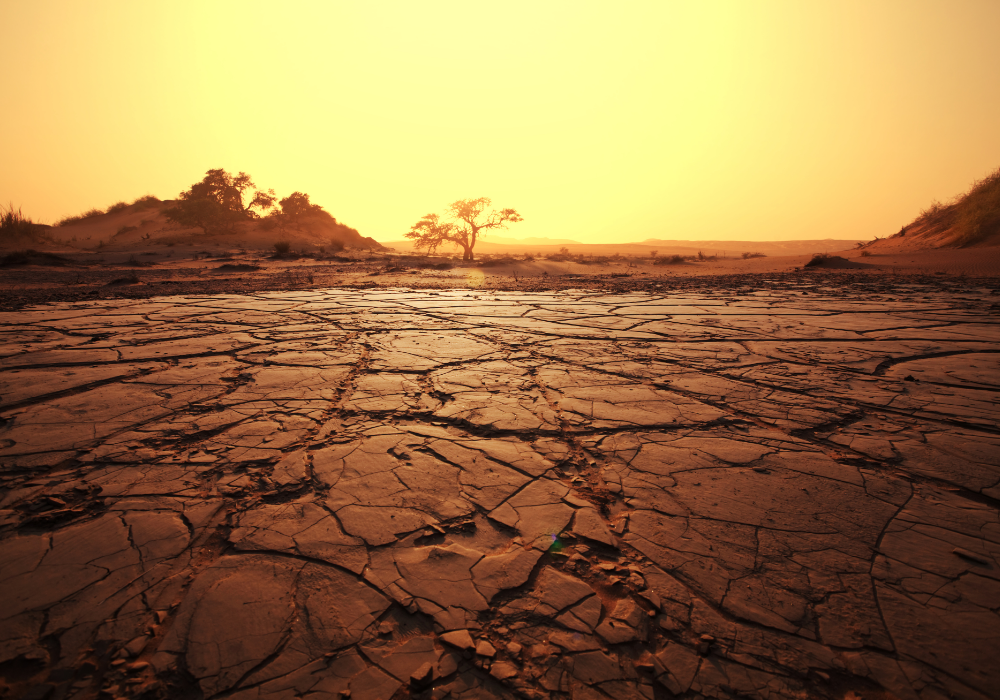
Rain still falls—but not where or when we need it. Climate scientists predicted this mismatch years ago: longer dry spells, punctuated by short, intense bursts of rain that don’t soak into the ground. That’s what turns farmland into dust bowls, lakes into puddles, and entire regions into water-stressed zones even after it rains. The timing and consistency are off, and crops can’t adapt fast enough.
Look at the Colorado River, Lake Mead, the Horn of Africa. Droughts aren’t just a dry-season thing anymore—they’re multiyear, ecosystem-disrupting events. And while we scramble to adjust, the heat speeds everything up. Soil dries out faster. Forests become fuel. Reservoirs dip below emergency levels. Scientists saw this coming decades ago when rainfall patterns started shifting. What we’re living through now isn’t a surprise. It’s a climate reality with no signs of reversing—just signs of worsening.
7. Ocean heat is rising fast—and reshaping weather everywhere.
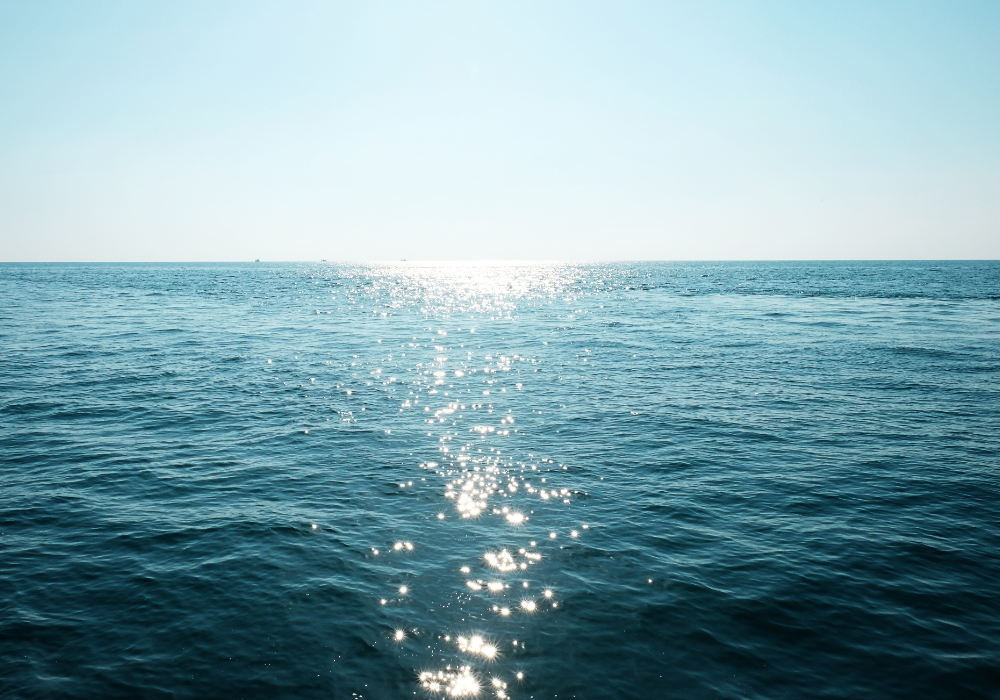
The oceans absorb over 90 percent of the planet’s excess heat, and climate scientists have been ringing alarm bells about that for years. Now we’re seeing the consequences. Marine heatwaves are frying coral reefs, disrupting fisheries, and altering currents that once kept global weather patterns in check. These aren’t tiny blips. They’re full-on climate disruptions with global reach.
Warm oceans fuel stronger hurricanes, increase coastal flooding, and even shift wind patterns on land. Sea surface temperatures are breaking records in places like the North Atlantic—places that never used to hit those highs.
And the warmth doesn’t just sit at the surface. It’s soaking deeper and lasting longer. When the ocean heats up, it doesn’t stay quiet. It changes how the entire planet functions. Climate scientists warned this would happen—and the ocean, more than anything, shows just how right they were.
8. Nights are warming faster than days—and that’s a big problem.

It’s not just daytime highs getting hotter. One of the most consistent predictions from climate models has already come true: nights are warming even faster than days. And while that might sound like a technical detail, it’s actually a major threat. Cooler nights used to give people, crops, and even power grids a break. Without that relief, everything stays under pressure 24/7.
This constant heat buildup disrupts sleep, raises the risk of heat-related illness, and pushes ecosystems out of balance. Plants and animals rely on cool nights to recover. So do humans. But in cities especially, where heat gets trapped by pavement and buildings, the thermometer barely drops after sunset anymore. Scientists warned that this shift would accelerate the impacts of global warming—and now, every summer night feels like proof they were right.
9. Sea levels are rising and so is the rate of rise.
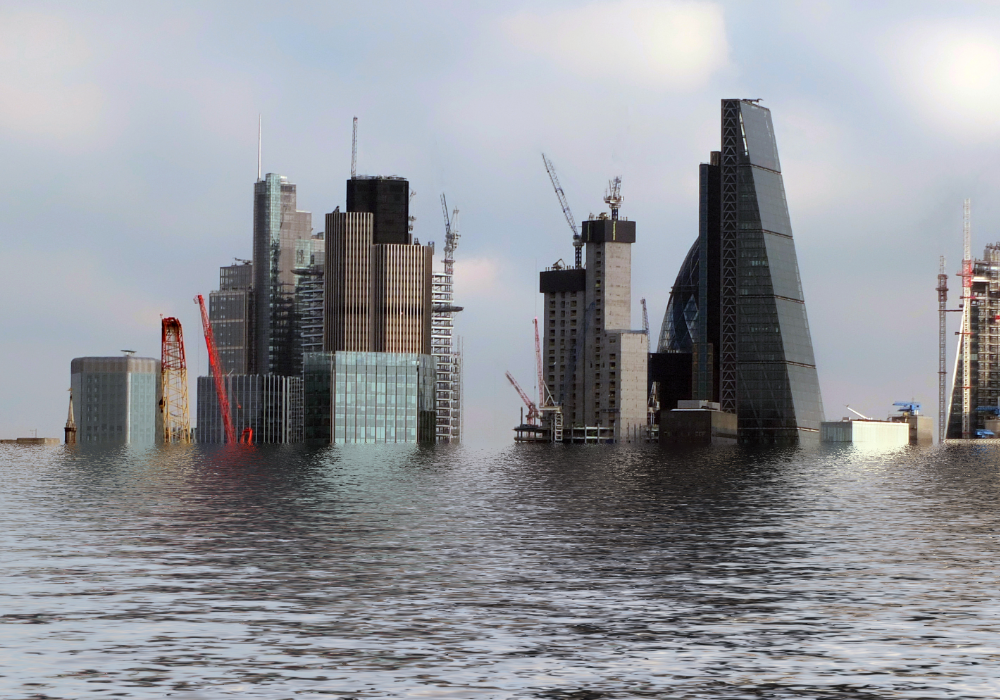
We’ve heard about sea level rise for decades, but here’s the part that’s changing fast: the pace. It’s not just happening—it’s speeding up. Scientists warned that melting glaciers and thermal expansion would combine into a slow, steady threat. Now we know it’s anything but slow. Coastal communities are already seeing more flooding, more erosion, and more saltwater creeping into freshwater systems.
Miami floods on sunny days. Alaska’s shoreline is literally disappearing. Island nations are planning relocations. What used to be considered future risks are showing up right now—years ahead of schedule. And once the melt from Greenland or Antarctica hits certain tipping points, the acceleration becomes harder to stop. The water isn’t waiting. And neither are the warnings. Sea level rise is no longer theoretical—it’s lapping at the doorstep.
10. Allergy seasons are starting earlier and lasting longer.
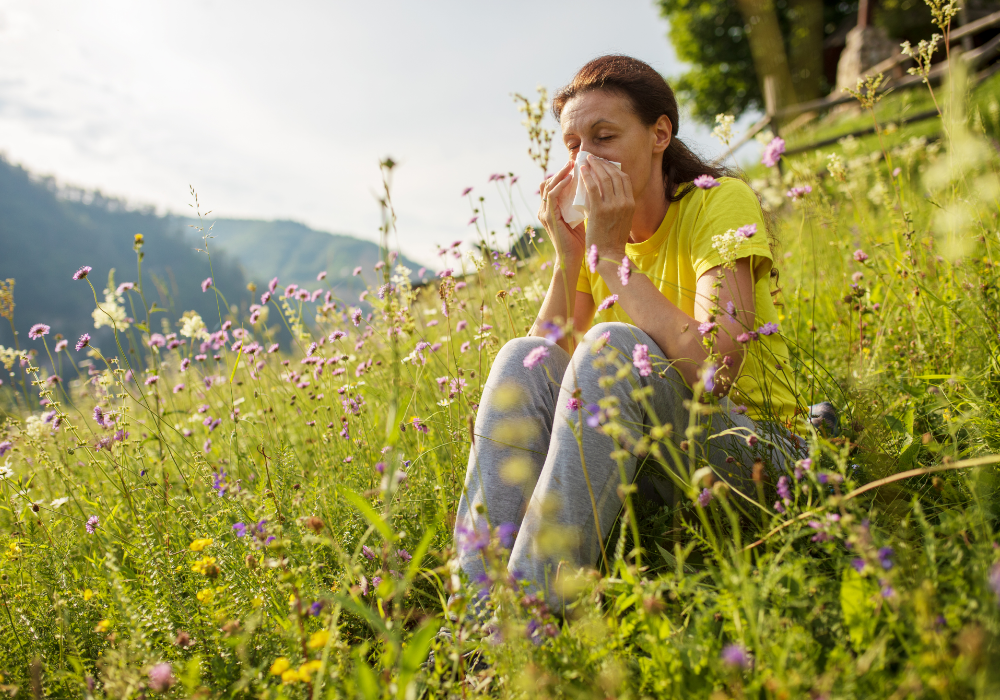
You don’t need a weather report to know something’s up—you just need sinuses. Climate scientists warned that warmer temperatures and increased carbon dioxide would extend pollen seasons, and that’s exactly what’s happening. Spring allergies now hit earlier. Fall allergies linger later. And the pollen itself? It’s more potent. Stronger, stickier, and more likely to trigger reactions in people who never had issues before.
It’s not just annoying—it’s a public health issue. Asthma rates are rising. Emergency room visits spike during high pollen days. And the overlap between allergy season and wildfire smoke? Brutal. If you feel like your body is always reacting to something, it probably is. Climate change doesn’t just affect the skies and seas—it’s messing with your immune system too. Scientists warned us, and now every sneeze-filled morning feels like a confirmation.
11. Climate extremes are happening closer together—and back to back.
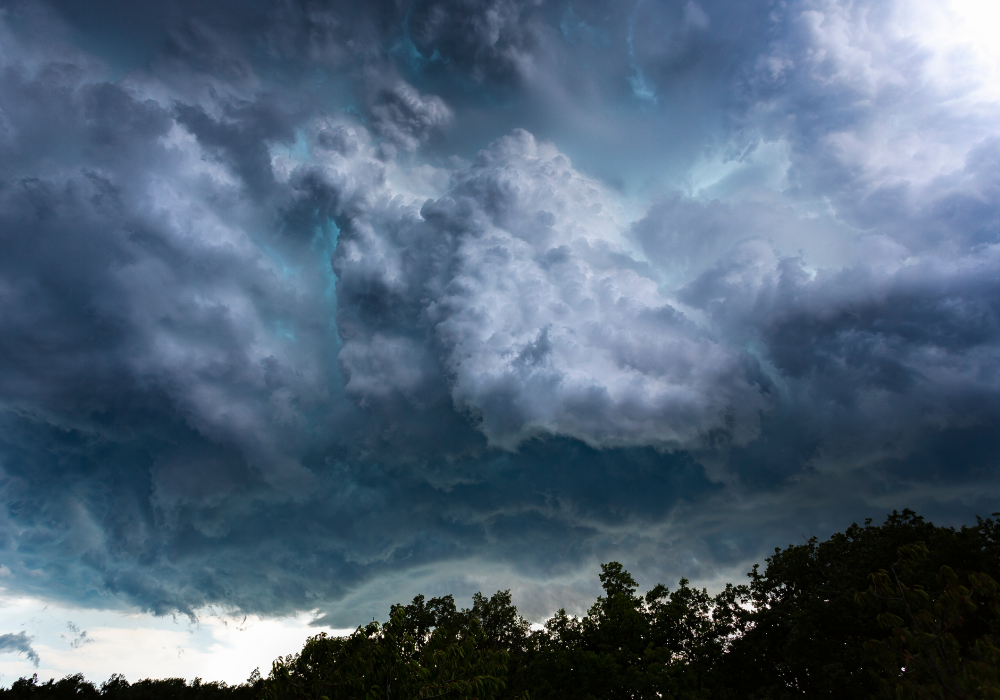
Flood, then fire. Drought, then storm. One disaster ends and another begins before the cleanup starts. Scientists warned that climate change would bring more extremes—but they also predicted that those extremes would start stacking. That’s exactly what we’re seeing. Events that used to be rare are now overlapping, compounding, and wearing down every system we rely on.
It’s not just the intensity—it’s the relentless pace. Emergency responders are stretched. Infrastructure is cracking. People are exhausted. And when disasters hit this often, the time to recover shrinks to nothing. Climate models showed this kind of escalation decades ago. We just hoped it wouldn’t come so soon. But here it is: a future full of disruption, arriving faster than expected. Not one thing going wrong—but many, all at once. That’s the climate story we’re now living in real time.