
Heartwarming bonds between unlikely species that sparked global wildlife protection movements

Nature has a funny way of surprising us when we least expect it. While scientists study migration patterns and habitat loss, sometimes the most powerful conservation stories emerge from the simplest moments—like a baby hippo befriending an ancient tortoise, or a lonely whale singing to ships for decades.
These extraordinary relationships don’t just melt our hearts; they’ve actually changed how we think about wildlife protection. When animals form bonds that transcend species barriers, they remind us that the natural world is far more connected and emotionally complex than we ever imagined, inspiring millions to care.
1. The orphaned hippo and century-old tortoise whose bond saved a Kenyan sanctuary
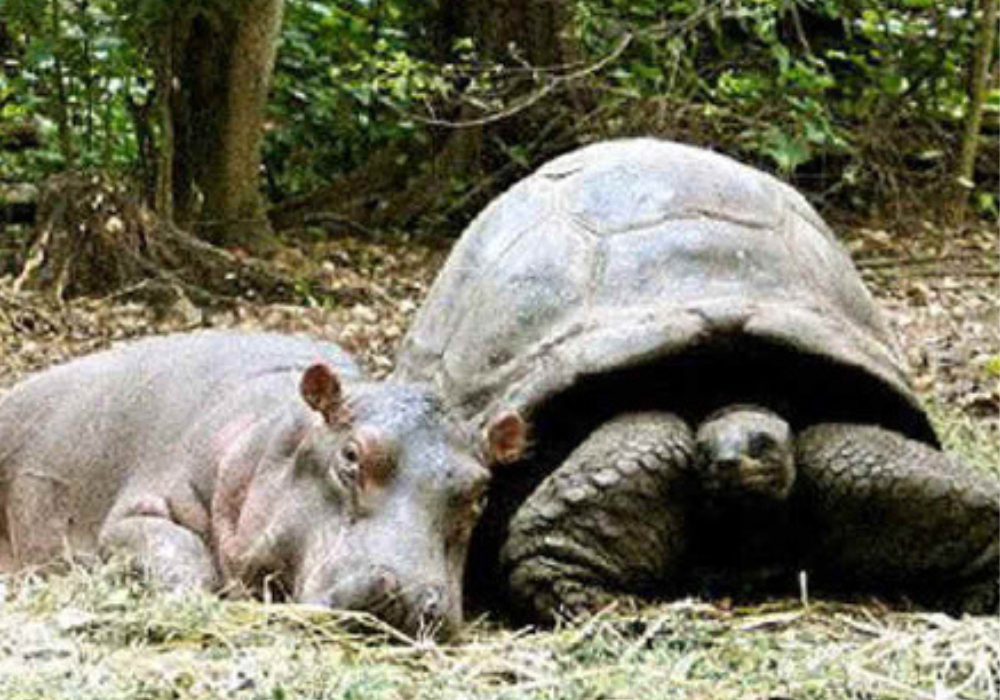
Owen the baby hippo was barely surviving when the 2004 tsunami separated him from his family. Rangers brought him to Haller Park sanctuary in Kenya, where something magical happened—he immediately bonded with Mzee, a 130-year-old giant tortoise. The unlikely pair became inseparable, with Owen following his adoptive grandfather everywhere.
Their friendship became an international sensation, drawing visitors from around the world and generating crucial funding for the sanctuary. Books, documentaries, and news stories about their bond raised awareness about Kenyan wildlife conservation efforts and helped secure long-term funding for Haller Park.
2. Koko the gorilla and her kittens who revolutionized great ape conservation awareness
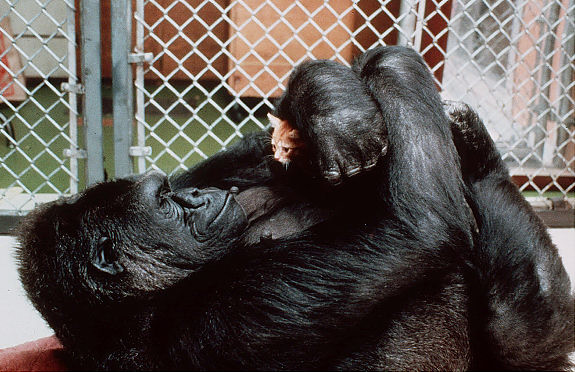
When Koko the sign-language gorilla asked for a pet kitten, researchers weren’t sure what to expect. Her gentle care for a series of cats, starting with her beloved All Ball, revealed an emotional depth that captivated the world. Videos of the 280-pound gorilla tenderly cradling tiny kittens went viral decades before social media existed.
Koko’s maternal relationships with cats became powerful symbols in the fight for great ape conservation. Her story helped establish The Gorilla Foundation and influenced international policies protecting endangered primates, translating emotional connection into millions of dollars in conservation funding.
3. Racing cheetahs and therapy dogs whose partnership revolutionized captive breeding programs
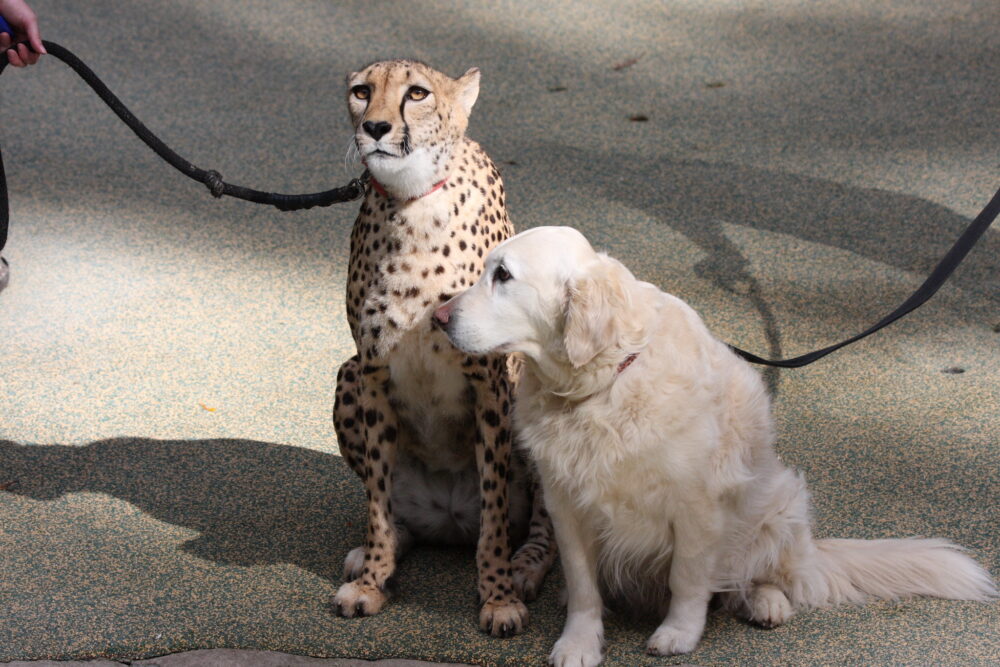
The Cincinnati Zoo faced a crisis—their cheetahs were too anxious to breed successfully in captivity. Then they tried pairing each cheetah with a domestic dog companion from puppyhood. The dogs’ calm confidence helped reduce the cheetahs’ stress levels, and breeding success rates dramatically improved.
This innovative program became a model for zoos worldwide and helped boost captive cheetah populations when wild numbers were plummeting. The heartwarming images of cheetahs cuddling with their golden retriever friends captured public imagination, generating enormous media coverage and expanded funding for habitat protection.
4. Migaloo the white whale whose decades-long friendship with researchers changed marine protection laws
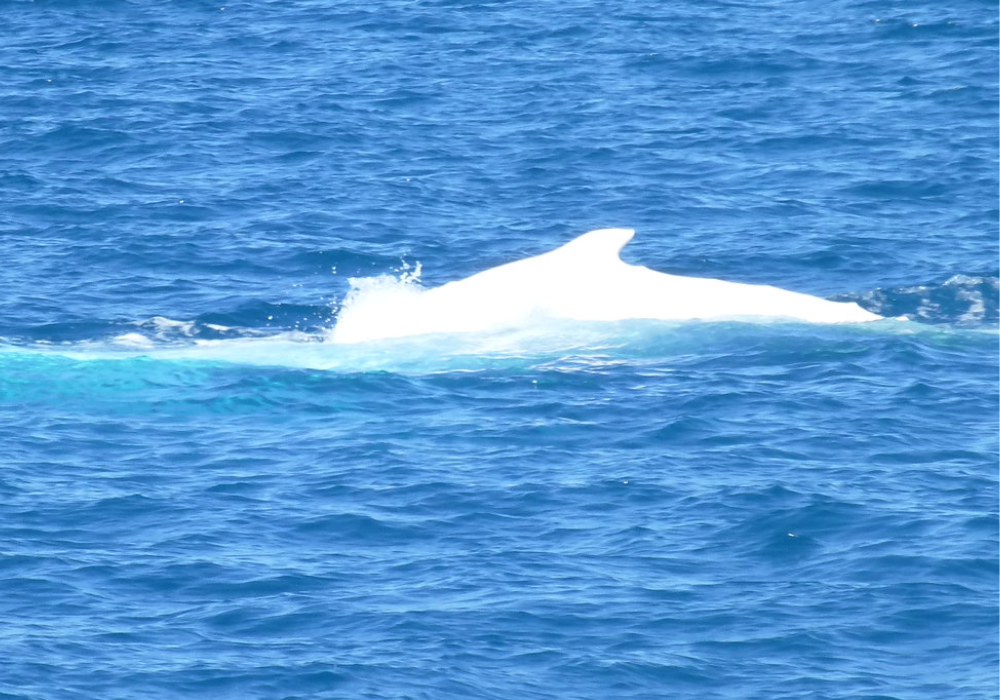
For over thirty years, Migaloo the rare white humpback whale has been greeting the same research boats off Australia’s coast. His distinctive coloring and friendly behavior made him instantly recognizable, and scientists documented his entire life journey. This unique relationship allowed unprecedented insights into humpback whale behavior.
Migaloo became Australia’s most famous whale, inspiring strict protection laws that created exclusion zones around him during migration season. His celebrity status helped pass broader marine protection legislation and boosted whale-watching tourism, proving that living whales are worth more than dead ones.
5. The ravens and wolves of Yellowstone, whose ancient partnership helped restore an ecosystem
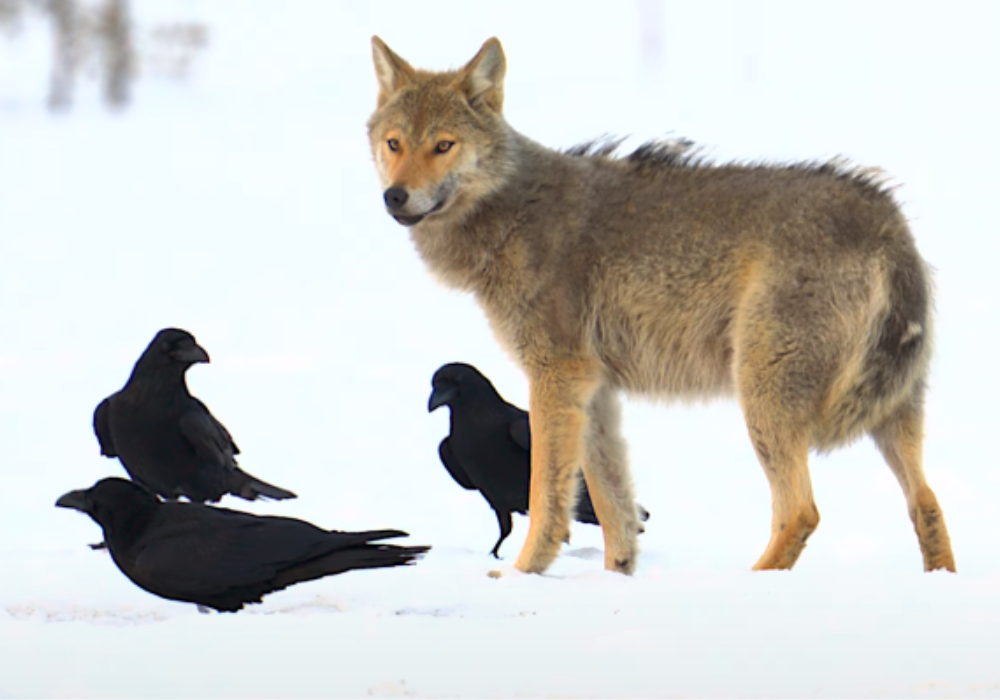
When wolves returned to Yellowstone in 1995, they brought back an ancient partnership with ravens that scientists had never fully understood. Researchers discovered that ravens actually guide wolves to prey, calling them to carcasses and even playing with wolf pups. This remarkable cooperation became a symbol of ecosystem restoration.
The raven-wolf relationship provided crucial evidence for the “trophic cascade” theory—how apex predators reshape entire ecosystems. Their partnership helped scientists understand how wolves control deer populations, allowing vegetation to recover and proving that healthy ecosystems depend on complex relationships between species.
6. Christian the lion whose London reunion launched a global wildlife sanctuary movement
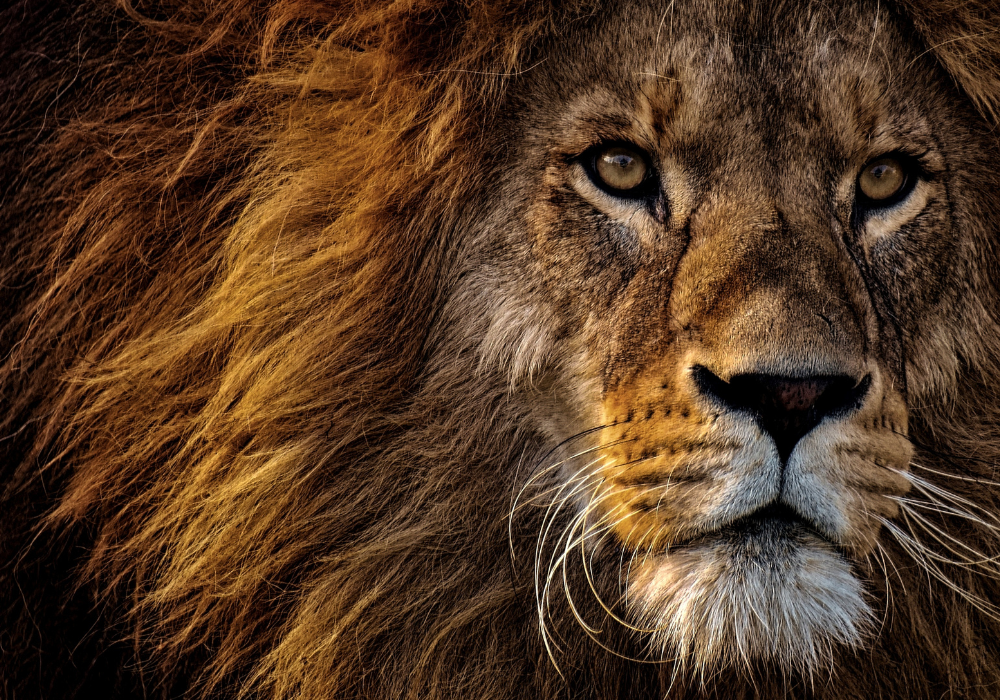
Two young men bought a lion cub from Harrods department store in 1969, raising Christian in their London apartment until he grew too large. When they released him in Kenya with conservationist George Adamson’s help, Christian integrated with wild prides. A year later, they returned for an emotional reunion captured on film.
The footage of Christian recognizing and embracing his human friends became one of the first viral wildlife videos, watched by millions worldwide. This heartwarming story inspired the modern wildlife sanctuary movement and helped establish numerous big cat rescue centers across Africa.
7. Washoe the chimpanzee and her human family whose bond transformed animal rights legislation
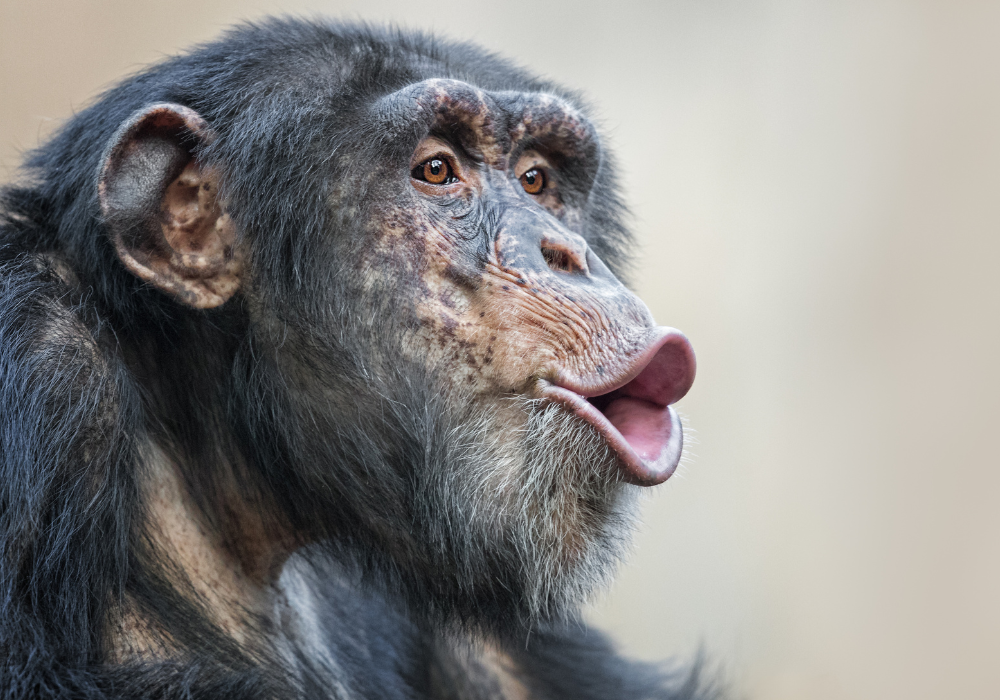
Washoe became the first non-human to learn sign language, but her relationships with human caregivers revealed something deeper—genuine emotional bonds that challenged legal definitions of personhood. She mourned the death of her adopted baby, comforted grieving researchers, and taught sign language to other chimps without human intervention.
Her documented emotional intelligence became central evidence in landmark animal rights cases. Washoe’s story helped establish legal protections for great apes in research and influenced the retirement of laboratory chimps to sanctuaries, proving the line between human and animal consciousness is blurrier than believed.
8. The dolphins and fishermen of Laguna whose ancient cooperation inspired marine protected areas
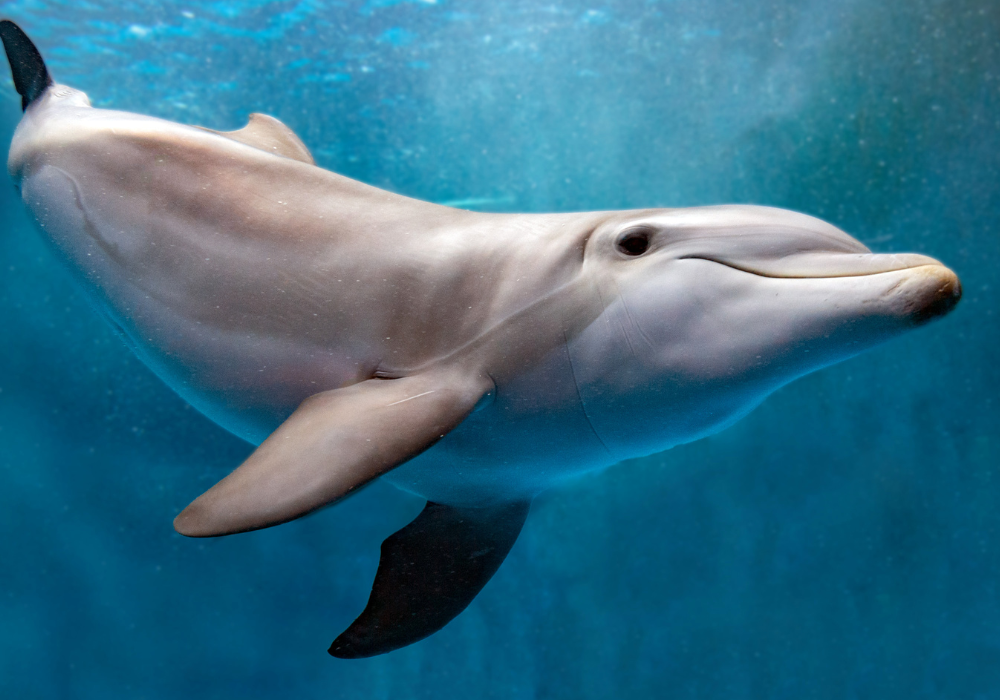
For over 150 years, wild bottlenose dolphins in Laguna, Brazil, have worked with local fishermen in an extraordinary partnership. The dolphins herd fish toward shore and signal when fishermen should cast their nets. This multigenerational cooperation benefits both species—dolphins get easy meals while fishermen increase their catch.
Marine biologists studying this unique relationship discovered it required sophisticated communication and trust between species. The research led to the establishment of marine protected areas around Laguna and inspired similar conservation efforts worldwide, proving that human-wildlife cooperation can be sustainable and mutually beneficial.
9. The lonely whale whose 52-hertz song became a symbol for ocean conservation
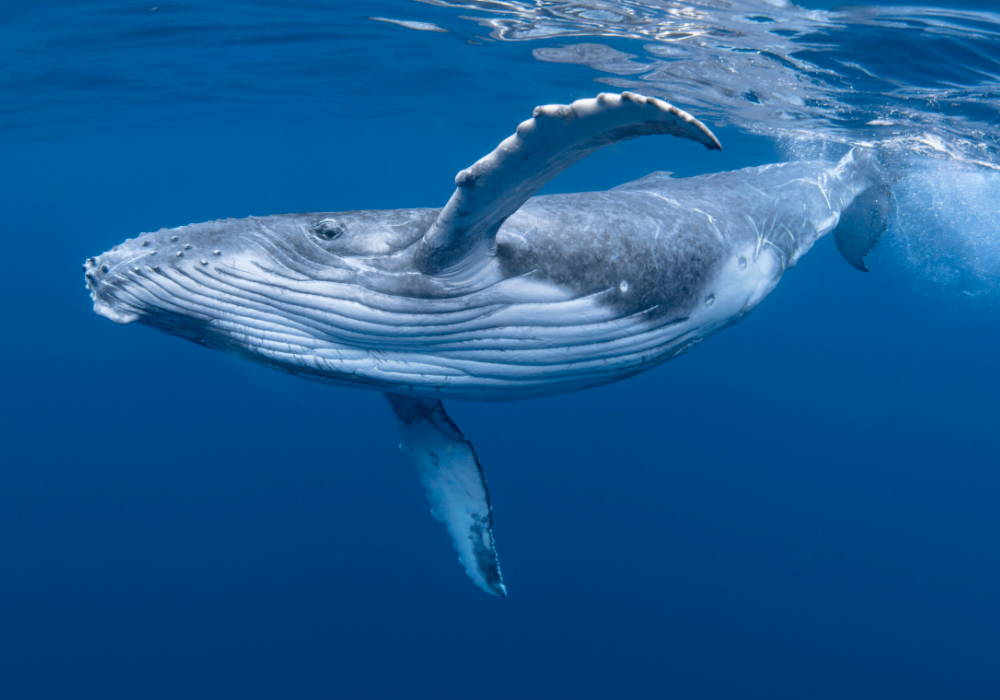
Since 1989, researchers have tracked a solitary whale whose calls vibrate at 52 hertz—much higher than typical whale songs. Scientists believe this unique frequency means other whales can’t hear him, making him the loneliest whale in the world. His decades-long journey across the Pacific, calling into the void, captured global imagination.
The 52-hertz whale became a powerful symbol for ocean conservation, representing how human activities like shipping noise interfere with whale communication. Documentaries about his story raised awareness about underwater noise pollution and helped establish quieter shipping routes, giving all whales a better chance to find each other.