
Discover surprising ways climate change is impacting Earth’s most unusual natural wonders—and why these shifts matter more than you think.

Earth is home to some truly rare and stunning natural phenomena—events so unique, they captivate scientists and nature lovers alike. But few realize that climate change is quietly reshaping these extraordinary wonders, altering how they appear and behave in ways that could ripple through ecosystems and human cultures.
Curious about what’s changing in the planet’s most unusual displays? Explore these rare planetary phenomena and discover the surprising—and urgent—impacts climate change is having on our world’s most exceptional natural spectacles.
1. Glowing Oceans: When Bioluminescence Fades

Phosphorescent waves light up some coastlines, created by tiny glowing organisms. Rising ocean temperatures and acidification disrupt their delicate balance, dimming this natural nightlight. What other icy wonders are also feeling the heat? Let’s dive into Earth’s melting glaciers next.
2. Melting Permafrost and the Buried Past
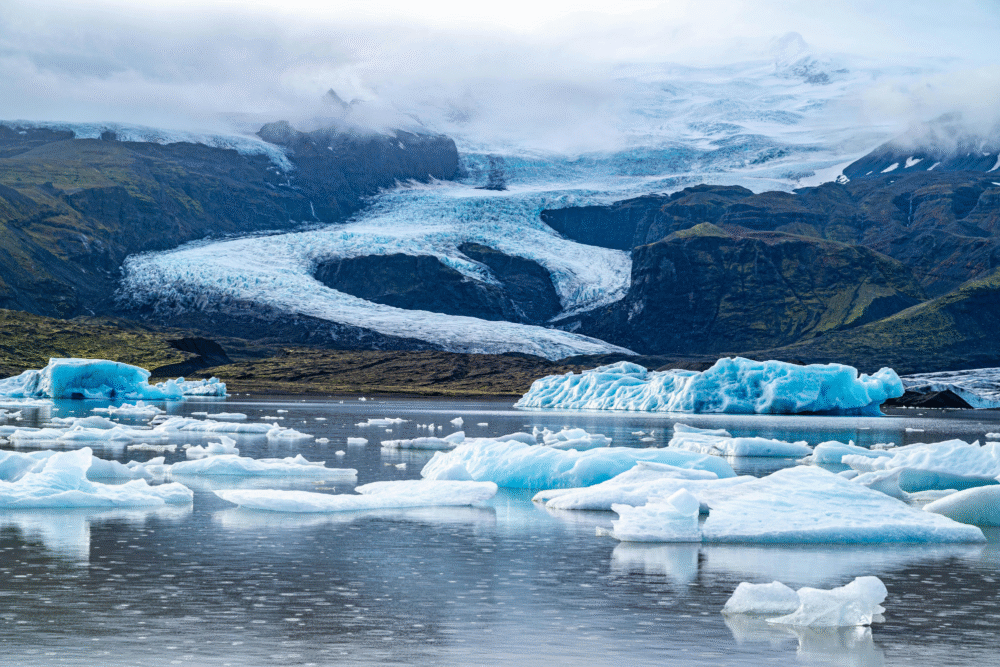
Frozen soils store ancient carbon and ecosystems. As permafrost thaws with warming, it releases greenhouse gases and unveils landscapes once trapped in ice—sometimes preserving mysterious artifacts and ancient life. Ready to see how shifting winds are rewriting desert skies?
3. Sand Dunes on the Move in Changing Deserts
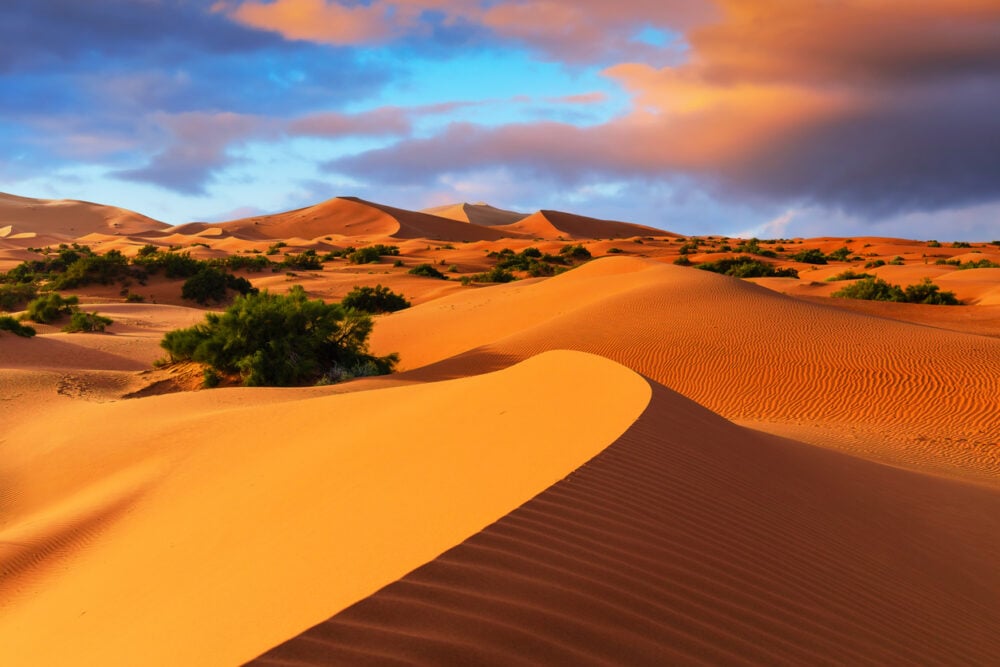
Shifting wind patterns caused by climate change reshape deserts, accelerating dune migration and altering landscapes that have stood for centuries. This shifts habitats and threatens wildlife relying on stable deserts. What about clouds that carry secrets from the poles? Keep reading.
4. Polar Stratospheric Clouds: Climate’s High-Altitude Ice
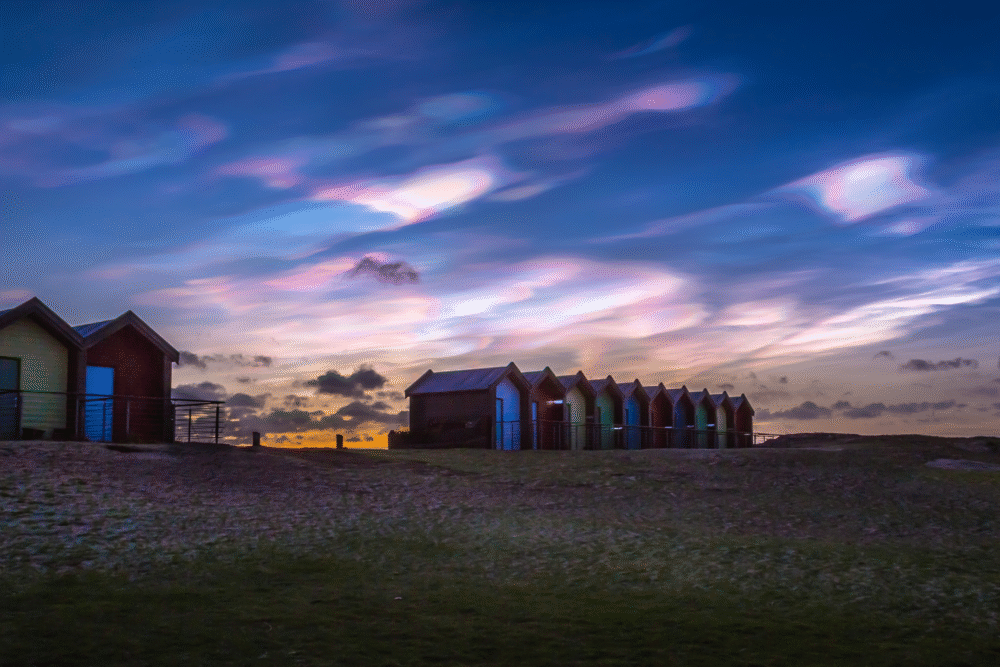
Rare, colorful clouds form above the poles, playing a role in ozone depletion. Warming affects their formation timing and intensity, with implications for Earth’s protective atmospheric layers. Curious how coral reefs—the ocean’s rainforests—are fighting climate stress? The next phenomenon reveals their struggle.
5. Coral Spawning Synchrony Disrupted

Mass coral spawning—an incredible natural event—relies on precise environmental cues. Rising sea temperatures and bleaching threaten this synchronized spectacle, risking reef survival and marine biodiversity. Have you ever wondered how volcanic activity is changing under our warming planet? Let’s explore that next.
6. Increased Volcanic Activity Linked to Ice Melt
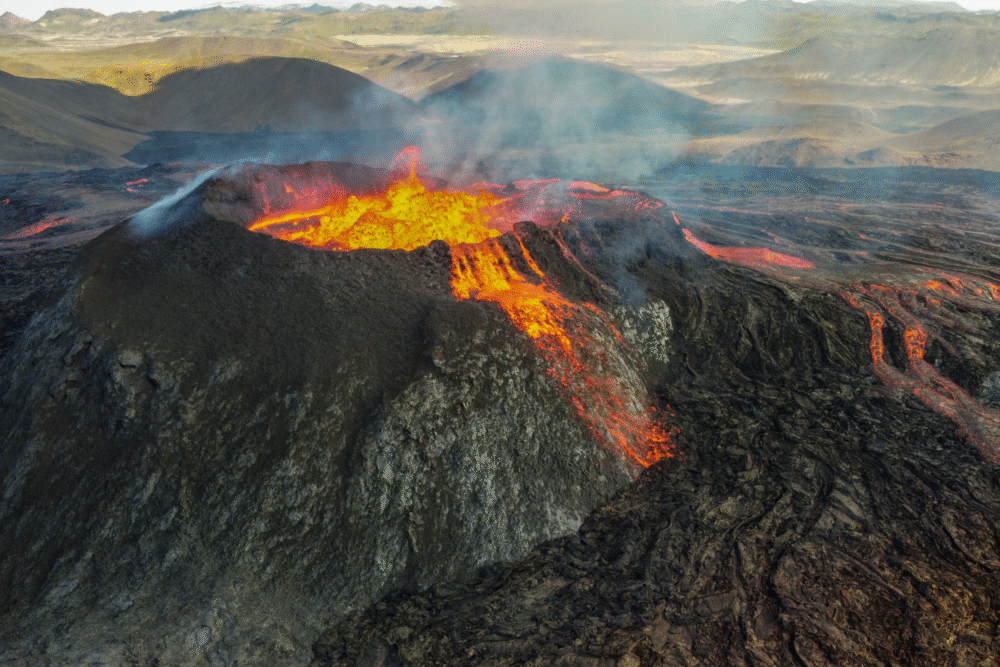
Some volcanoes are experiencing altered eruption patterns as melting glaciers reduce pressure on Earth’s crust. This surprising connection shows how climate change can influence even deep underground forces. Next, discover how the mysterious phenomenon of animal migrations is shifting.
7. Altered Animal Migration Patterns

Rare animal movements, like mass migrations or unusual appearances, are shifting as climate zones change. These shifts affect ecosystems and human traditions tied to migratory species. What about the ocean’s waves—are they feeling climate’s impact, too? Keep going.
8. Changing Rogue Waves: Ocean Giants on the Rise
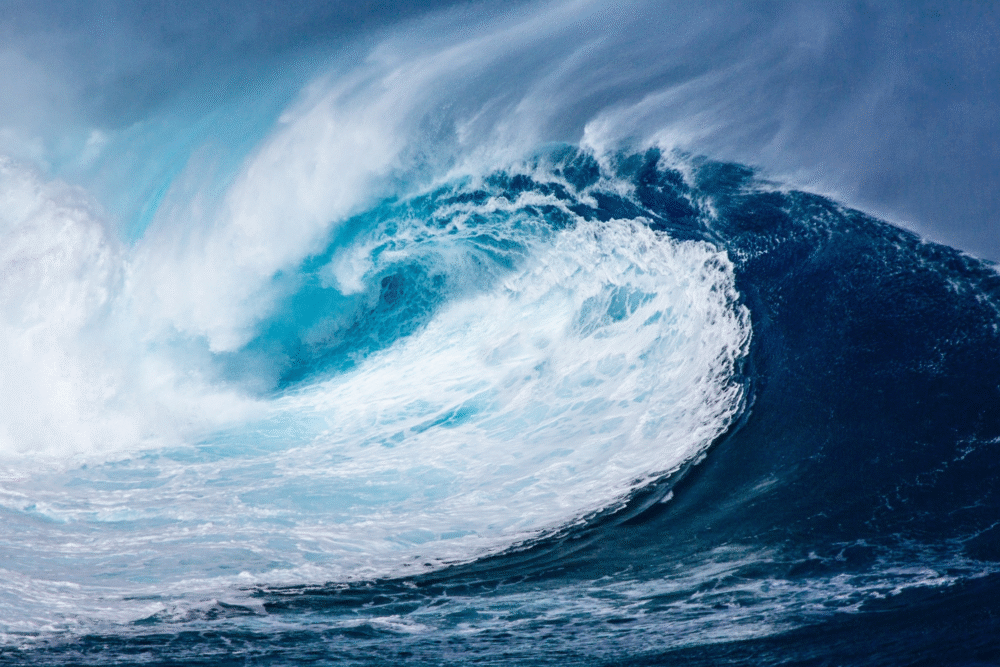
Gigantic rogue waves, once extremely rare, are becoming more frequent and intense with changing wind and storm patterns fueled by climate shifts—posing new risks to marine navigation and coastal safety. Finally, see what’s happening with Earth’s magnetic field—the planet’s invisible shield.
9. Variations in Earth’s Magnetic Field Behavior
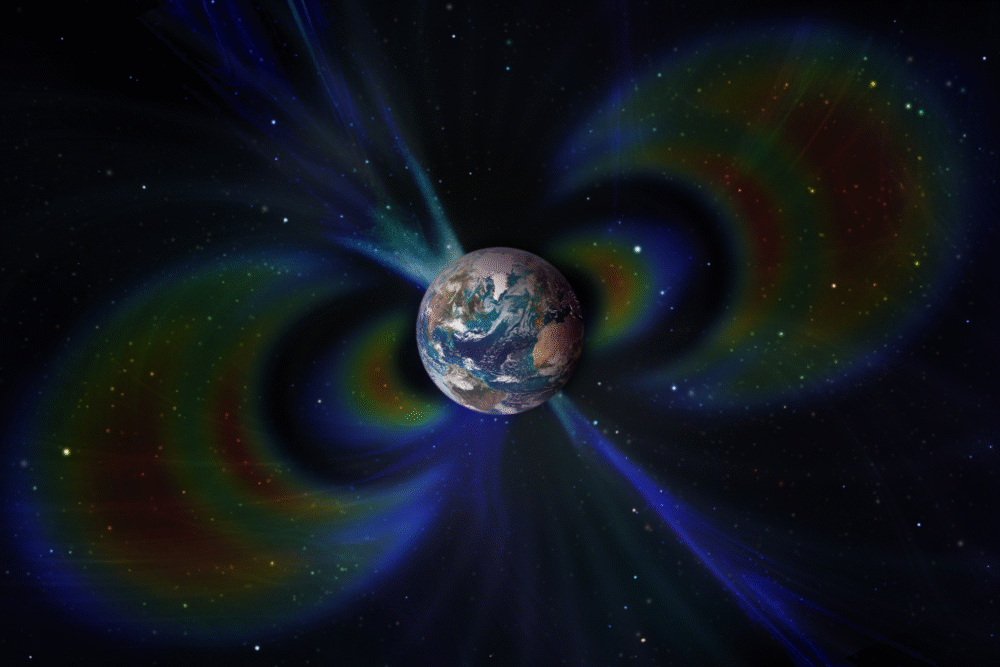
Climate-driven changes in the movement of molten metals inside Earth may be subtly influencing the magnetic field’s strength and stability, potentially affecting navigation and animal migration. As these hidden planetary phenomena evolve, understanding their climate links becomes more critical than ever. Ready for more surprising insights about our changing planet?