
Beneath the waves lie cities forgotten for centuries, now revealing their secrets.
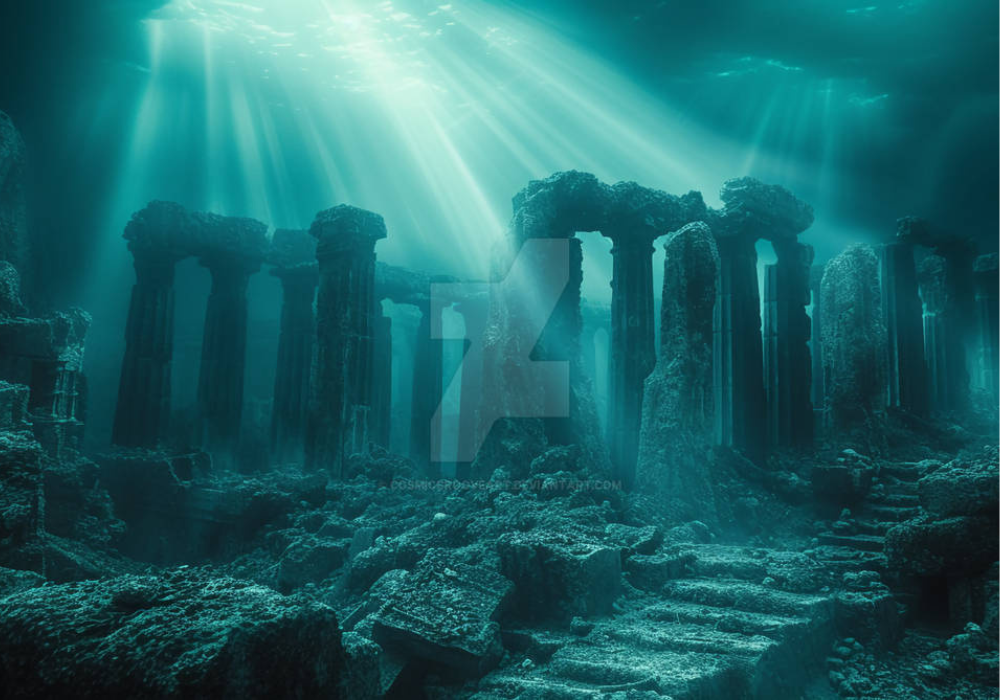
Beneath the ocean’s surface lie remarkable traces of ancient cities swallowed by rising waters and shifting landscapes. These submerged settlements offer unique windows into human history, preserved in coral and silt. From the Mediterranean to the Arabian Sea, their ruins tell stories of trade, culture, and catastrophe. Understanding these underwater sites requires unraveling myths and scientific discoveries that highlight the fragile interplay between nature and civilization.
1. Heracleion, an ancient Egyptian port, was swallowed by the sea.
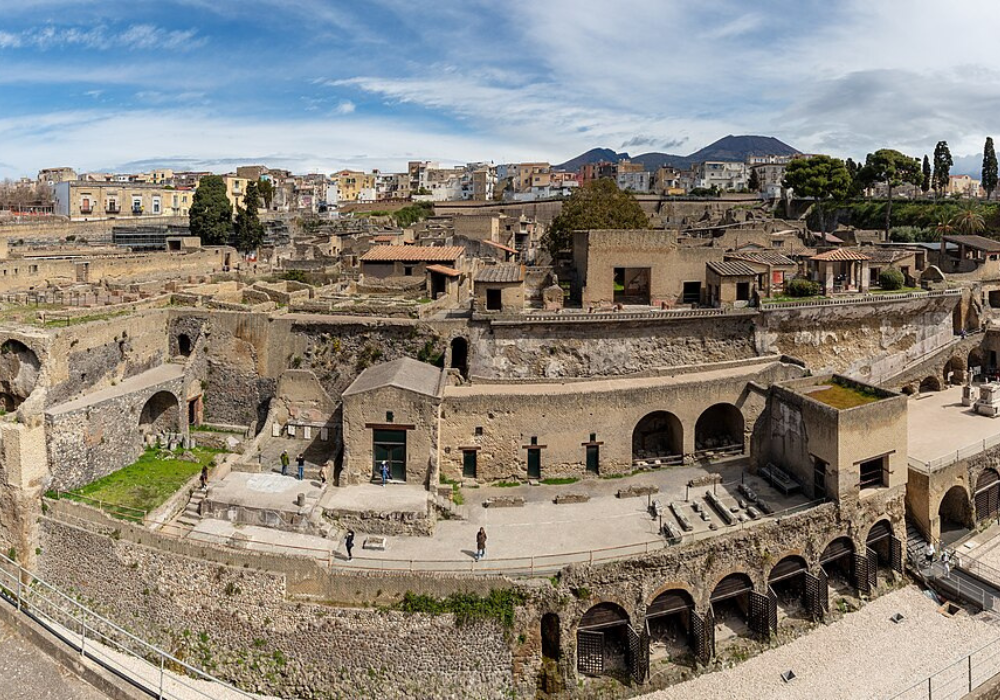
Heracleion, once a bustling Egyptian port, now lies beneath the gritty waters of the Mediterranean. This vanished city features temples, colossal statues, and a treasure trove of artifacts. Once thriving, it was gradually overtaken by the sea due to natural subsidence and earthquakes.
Submerged for centuries, Heracleion remained largely out of reach until modern underwater archaeology techniques unveiled its secrets. Archaeologists have unearthed remarkably preserved structures around the ancient harbor, providing insights into Egypt’s maritime trade. Yet, the city’s story is far from complete—ongoing explorations continually reveal new facets of its history.
2. Discover Pavlopetri, the submerged Greek city with remarkably preserved ruins.
In the serene waters off Greece’s southern coast lies Pavlopetri, a city dating back over 5,000 years. Hidden beneath the rhythmic waves, its grid-like streets and stone foundations reveal a well-organized society practicing advanced urban planning. Pavlopetri stands as one of the oldest known submerged cities.
Despite its age, Pavlopetri’s preservation offers a unique lens into ancient civilization. Researchers use advanced techniques, such as digital 3D mapping, to document the site. This work aids in understanding how ancient societies adapted to changing sea levels, portraying how human resilience meets natural forces.
3. The mysteries surrounding the drowned city of Thonis-Heracleion.
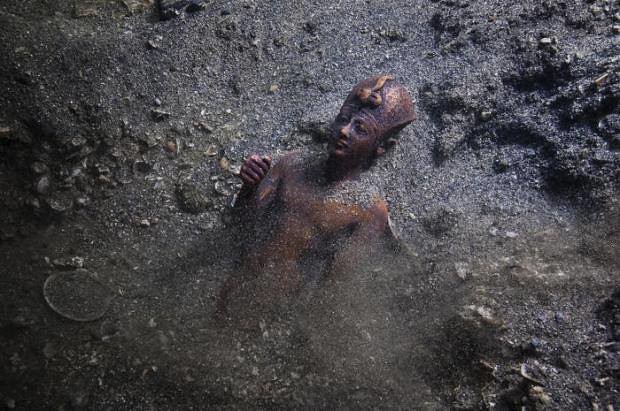
Situated at the mouth of the Nile, Thonis-Heracleion was once a thriving entry point to Egypt. It eventually slipped into obscurity, covered by silt and shifting waters. This sunken city intrigued explorers with tales of grandeur, leading to its rediscovery in the early 2000s.
Today, Thonis-Heracleion provides rich material for underwater archaeologists seeking glimpses of its storied past. Fragmented temple ruins and everyday artifacts help piece together life in an ancient port city. These discoveries inspire a deeper appreciation for the complex tapestry of Egypt’s maritime history.
4. Visit Dwarka, the legendary Indian city resting beneath the Arabian Sea.
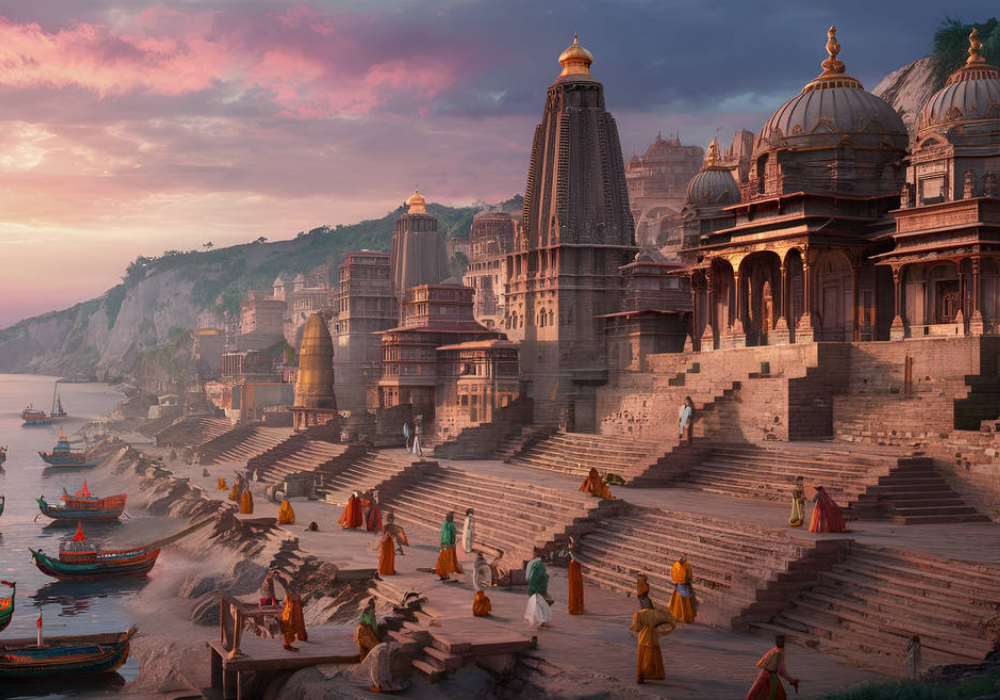
Beneath the waves of the Arabian Sea lies Dwarka, a city that merges myth and mystery. Local legends speak of Dwarka as an ancient kingdom submerged by rising tides. While findings are yet to be fully verified, ongoing exploration continues to uncover stone structures that might support these ancient narratives.
Submersibles and sonar technology aid researchers investigating Dwarka’s enigmatic depths. As they navigate through ocean currents, each new discovery weaves a narrative intertwining history and mythology. The submerged ruins invite contemplation about the intersection of cultural legacy and geological transformation.
5. Learn about Baiae, the decadent Roman seaside resort lost underwater.
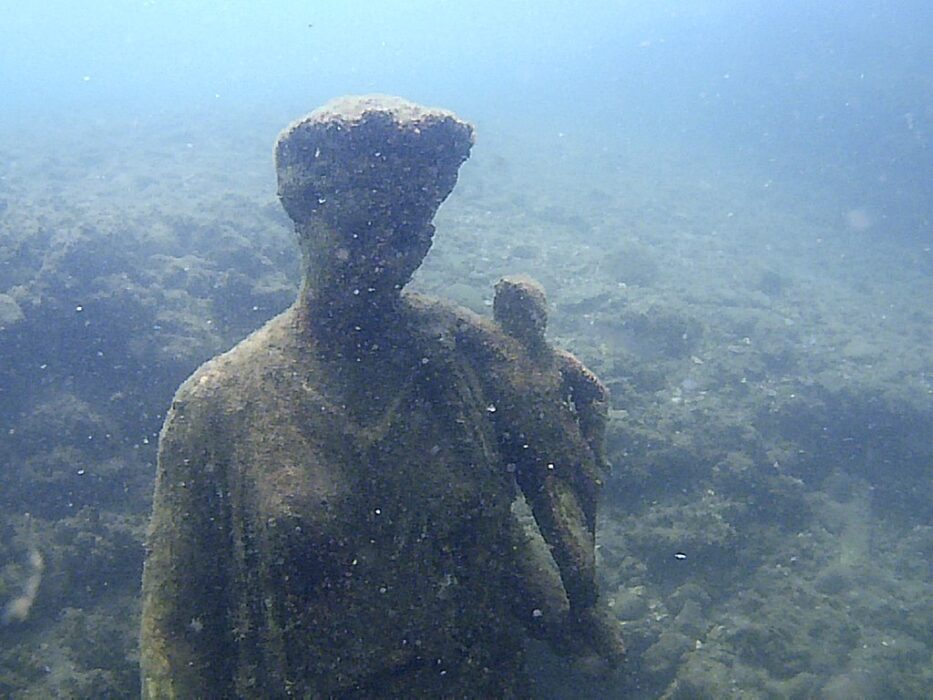
Baiae, the playground of Roman aristocracy, now rests silently beneath the Gulf of Naples. Once a decadent resort, shifting earth and simmering volcanic activity claimed it. The ruins encapsulate a glimpse of Roman luxury, with mosaics and marble still shimmering in the murky waters.
Baiae’s underwater cityscape reflects a bygone era of opulence and indulgence. Marine archaeologists painstakingly map the area, revealing bathing complexes and lavish villas. Visiting this site offers an evocative journey into the splendor of Roman leisure, temporarily preserved beneath a blanket of sea.
6. Investigate Port Royal, the infamous Jamaican city swallowed by an earthquake.
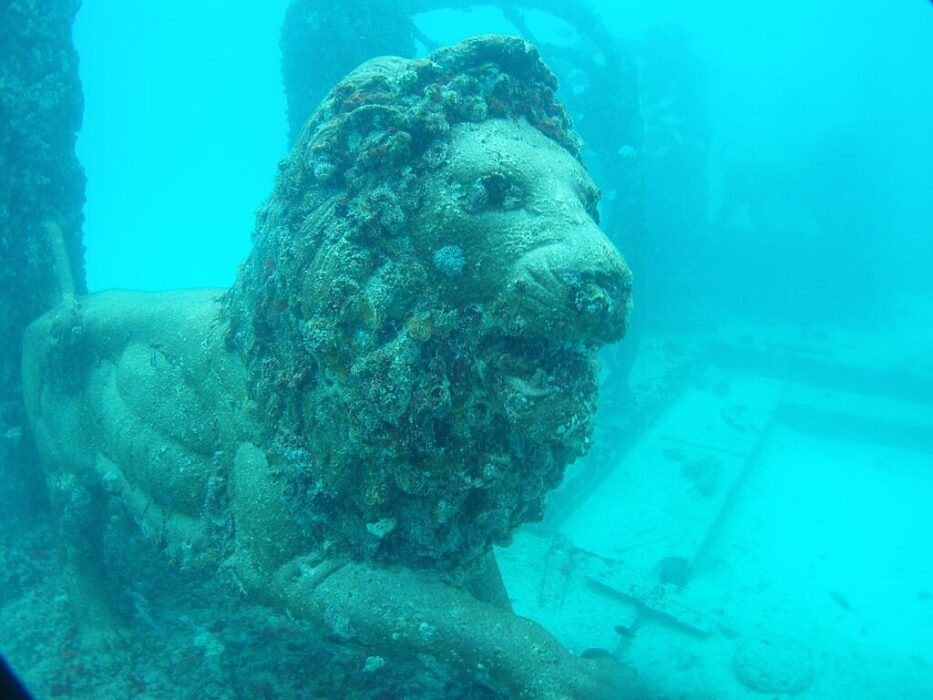
Port Royal’s tale is one of sudden collapse. In 1692, an earthquake caused a large portion of this Jamaican city to plunge into the Caribbean Sea. Known for its notorious pirate activity, the city now rests as a time capsule teeming with relics of its vibrant past.
Modern underwater investigations have given new life to Port Royal’s remnants, with divers carefully exploring sunken streets and taverns. These efforts provide an immersive peek into life in a notorious haven, capturing the drama unleashed by nature’s unpredictable forces.
7. Dive into Yonaguni, the enigmatic underwater site off Japan’s coast.
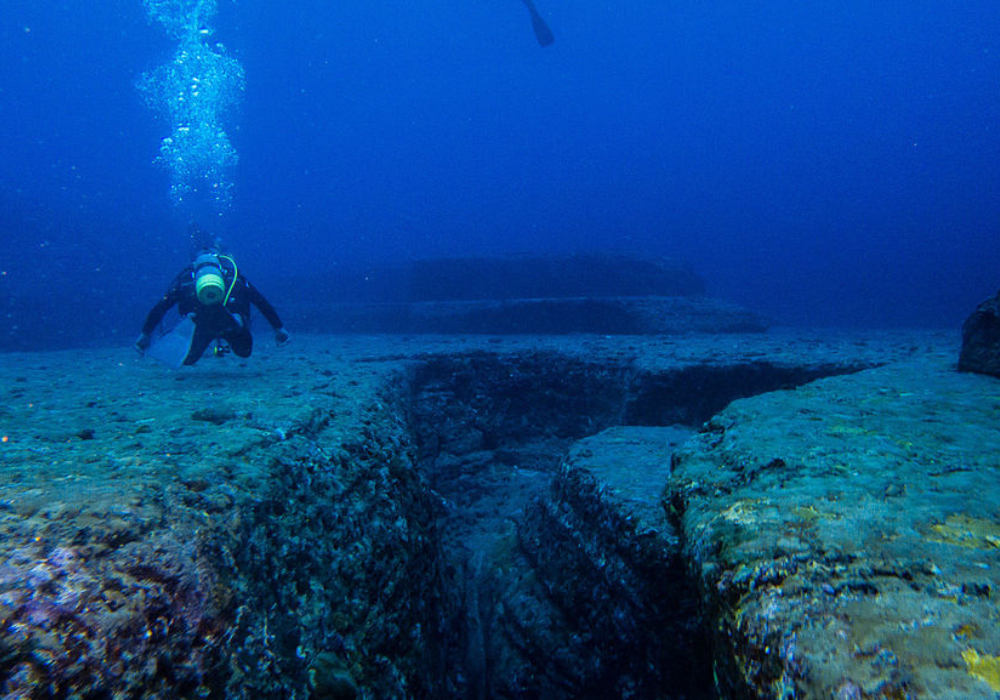
Far from Japan’s shores lies Yonaguni, a site that challenges natural versus human-made categorizations. Intricate stone formations resemble terraces and right angles, leading to debates over their origin. While some believe they are remnants of an ancient civilization, others suggest they are natural geological formations.
Regardless of its genesis, Yonaguni captivates marine enthusiasts and archaeologists alike. Its unique underwater landscape fuels discussions about earth’s dynamic processes and the potential reach of prehistoric cultures. Explorers encounter a setting where legends intertwine with scientific inquiry, keeping Yonaguni’s secrets tantalizingly close.
8. Examine Kerkennah Islands’ lost city, submerged along Tunisia’s shoreline.

Near Tunisia’s coast, a mysterious lost city is rumored to exist by the Kerkennah Islands. Submerged along the shoreline, fragments hint at an ancient settlement long concealed beneath the tides. Pieces of pottery and structural remains offer clues, though much is still left to uncover.
The story of this lost city unfolds through each exploration. Archaeologists strive to understand its cultural and historical context, piecing together remnants born from its watery grave. The site intrigues with possibilities, creating a dynamic intersection of past narratives and modern technology.
9. Delve into the submerged ruins of Canopus, near the Nile Delta.
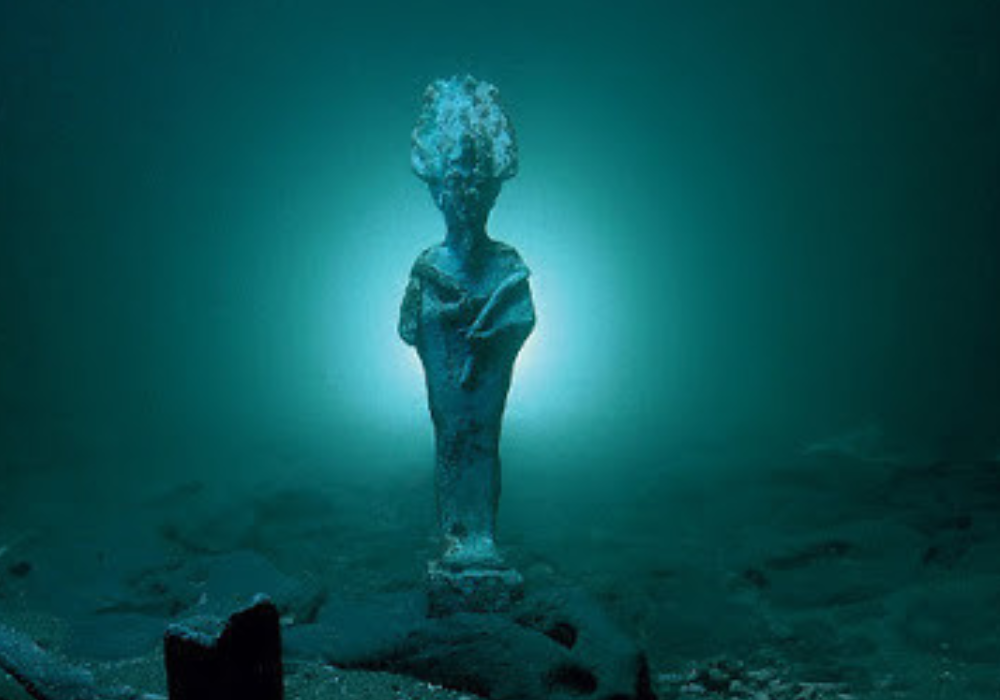
Just off the Nile Delta rests Canopus, a once-grand city hidden beneath the silt-laden waters. Known for its religious significance and vibrant cultural exchanges, it succumbed to an amalgamation of rising sea levels and shifting river patterns, slowly vanishing from view over centuries.
The ruins of Canopus paint a picture of intricate religious rites and lively festivals. Diligent underwater work continues to reveal statues, altars, and remnants of temples. Silt has been both enemy and ally, concealing treasures yet preserving them—a poignant reminder of the interplay between natural elements and human heritage.