
History shows that climate change can unravel even the most advanced societies—so what makes us think we’re immune?
We often think of climate change as a modern crisis. But thousands of years ago—without fossil fuels, plastic, or global industry—climate shifts still brought powerful civilizations to their knees. From deadly droughts to cooling periods and shifting monsoons, the planet’s natural climate swings have repeatedly redrawn the map of human history.
Entire empires that once dominated trade, architecture, and agriculture were erased, not by war or conquest, but by nature’s slow, unforgiving hand. The warning signs were often there—but they were misunderstood, ignored, or simply insurmountable.
Today, with modern tools and far more data, we’re watching similar patterns unfold—only faster. Historical collapses show just how vulnerable even the most sophisticated societies can be when the climate turns against them.
1. The Akkadian Empire crumbled after a mega-drought turned fertile lands to dust.
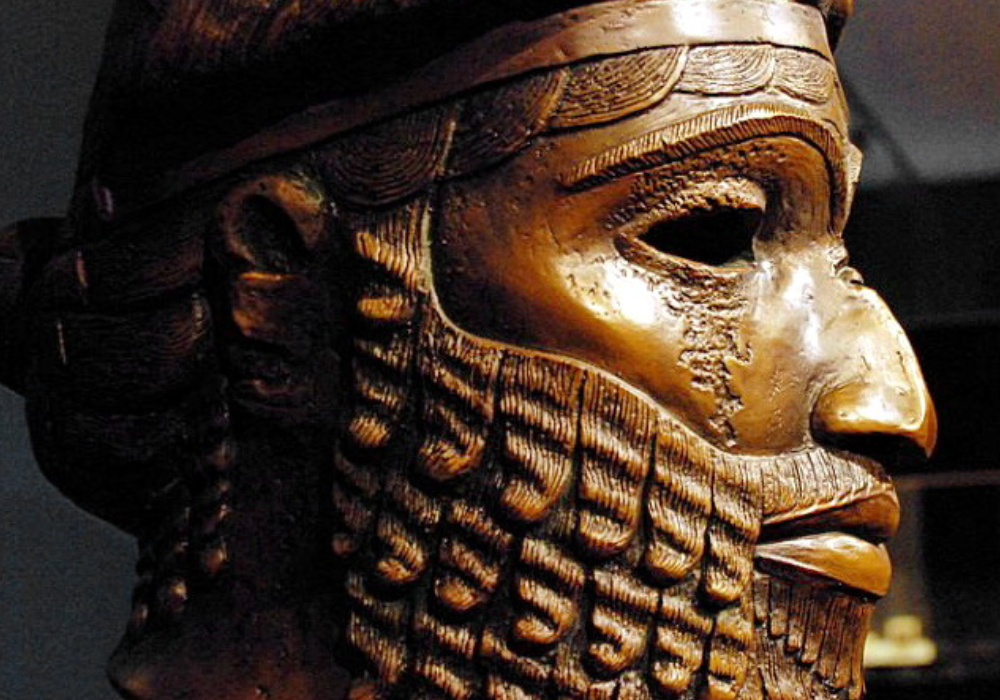
Around 2200 BCE, the Akkadian Empire—one of the most advanced and expansive civilizations of its time—collapsed abruptly. Evidence from sediment cores and ancient texts point to a 300-year drought that devastated agriculture across the region.
Rivers dried up, crop yields plummeted, and massive dust storms swept over former farmland. Starvation, migration, and internal unrest followed, fracturing the empire’s unity.
What was once a model of imperial power became a cautionary tale of ecological vulnerability. This was the world’s first recorded climate-driven collapse—and it wouldn’t be the last.
2. Egypt’s Old Kingdom fell apart when the Nile failed to flood.
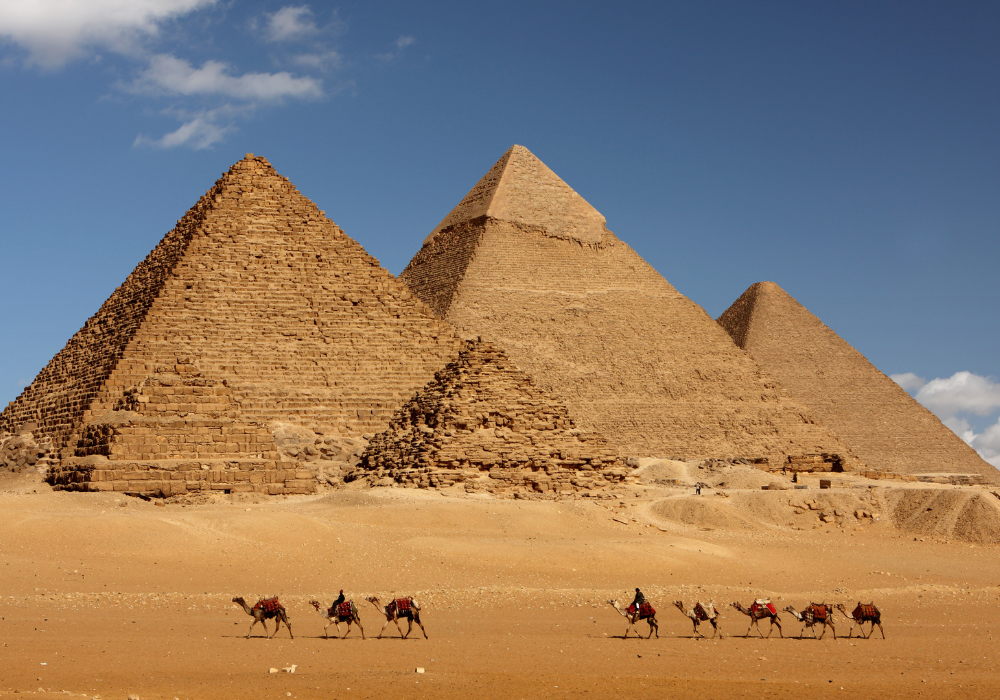
The mighty pyramids were already ancient when Egypt’s Old Kingdom collapsed around 2180 BCE. Its downfall is closely linked to a series of weak Nile floods, likely caused by shifting monsoon patterns tied to global climate changes.
Without regular flooding, farmland turned barren, food supplies ran short, and political instability surged. The centralized government lost control, and the country descended into regional chaos for over a century.
What had been one of the world’s most iconic ancient powers was suddenly unable to feed its people. A few missing floods proved more destructive than any invading army.
3. The Indus Valley Civilization declined as monsoons weakened and rivers shifted.
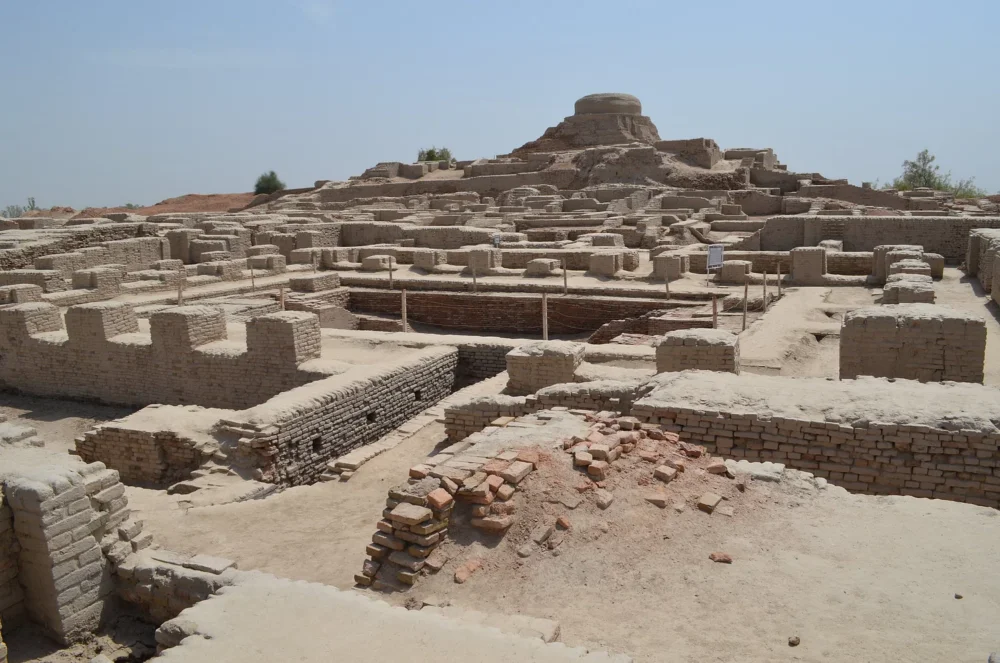
Once home to advanced urban planning, sanitation, and trade networks, the Indus Valley Civilization (also called Harappan) began to unravel around 1900 BCE. Scientists now believe a weakening of the Indian summer monsoon caused major rivers to dry or shift course.
Cities like Mohenjo-Daro and Harappa became uninhabitable as water sources vanished and agriculture failed. Populations appear to have slowly migrated east toward the Ganges basin, abandoning the carefully engineered cities they’d built.
Unlike a sudden collapse, this was a slow fade—brought on not by war, but by water’s retreat. Climate didn’t just disrupt life—it erased entire ways of living.
4. The Hittite Empire fell after climate stress weakened its foundations.
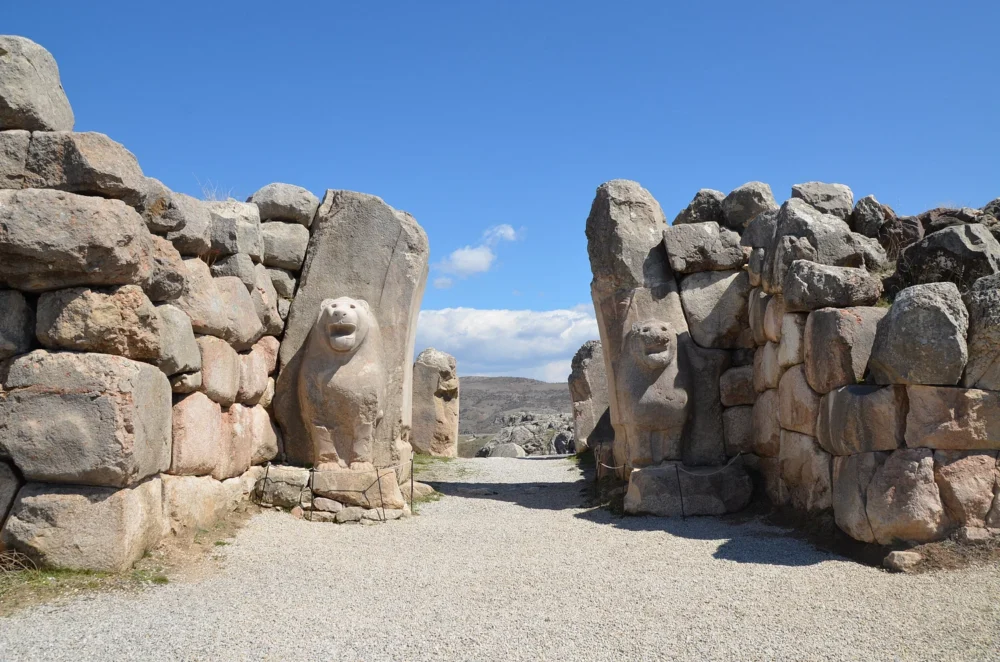
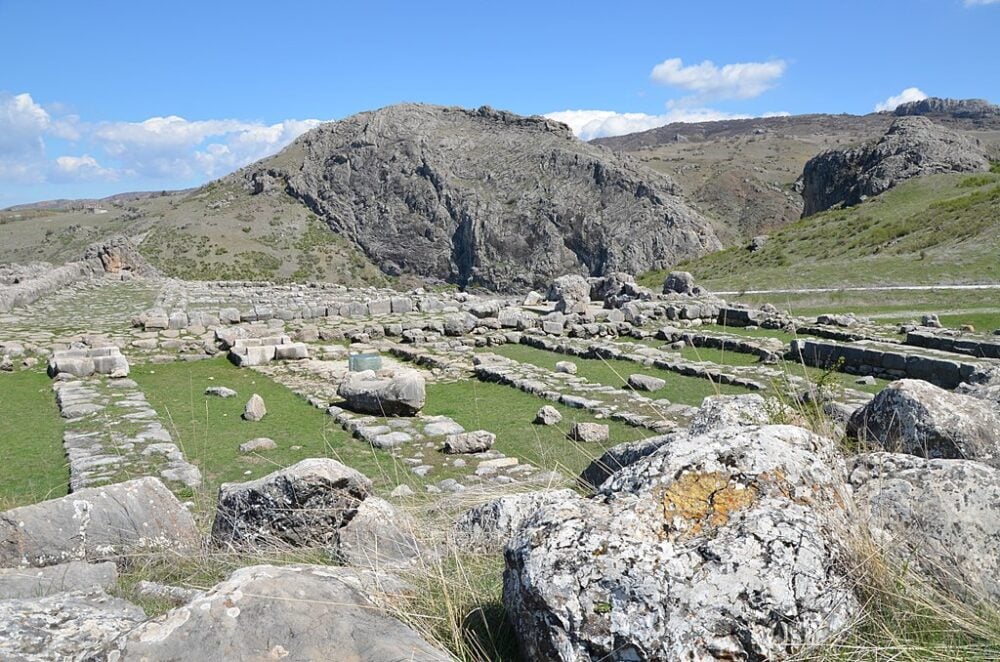
The Hittites were a dominant force in the Late Bronze Age, controlling large parts of Anatolia and rivaling Egypt in power. But around 1200 BCE, records suddenly go silent.
Droughts lasting multiple decades are believed to have dried up harvests and caused mass famine. This resource pressure likely made the empire vulnerable to internal rebellion and external attacks.
Clay tablets from the time mention grain shortages, dying livestock, and pleas for aid. The fall of the Hittites shows how even well-organized, militarized states can unravel quickly when food and water disappear.
5. The Classic Maya collapsed during repeated and prolonged droughts.
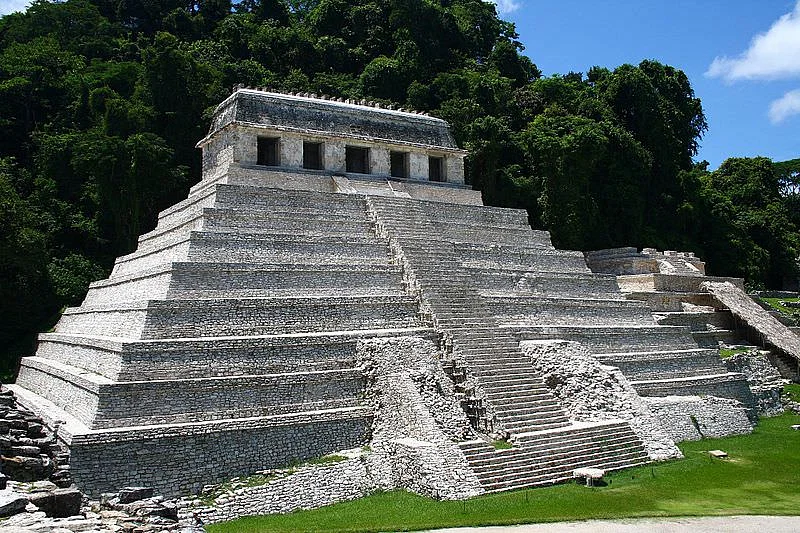
For centuries, the Maya flourished in the tropical lowlands of Central America—building towering temples, tracking celestial events, and developing advanced writing and math. But between 800 and 1000 CE, many of their major cities were suddenly abandoned.
Paleoclimate data reveals the region endured multiple long-term droughts, likely worsened by deforestation. As water reservoirs dried up and crops failed, political systems collapsed under pressure. Elites lost legitimacy, warfare increased, and populations scattered.
The jungles eventually swallowed their stone cities—but the climate-triggered unraveling was far from silent.
6. The Ancestral Puebloans abandoned their great settlements after centuries of climate stress.
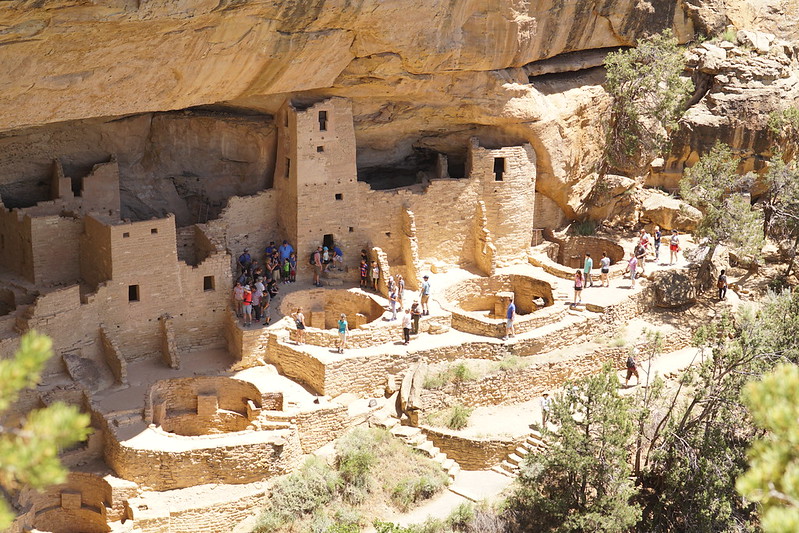
In what is now the American Southwest, the Ancestral Puebloans (often referred to as the Anasazi) built intricate cliff dwellings and large pueblos like Chaco Canyon. But by the late 1200s, many of these settlements were deserted.
Tree ring data shows the region suffered a series of severe droughts over decades. With water and food supplies stretched thin, social cohesion may have frayed. Some communities split apart or relocated to more hospitable areas.
The land couldn’t support large populations anymore—forcing people to leave behind generations of cultural and architectural achievement.
7. The Tiwanaku civilization declined when the high Andes stopped providing reliable rains.

Near Lake Titicaca in present-day Bolivia, the Tiwanaku civilization thrived for centuries with remarkable agricultural innovation, including raised field systems that supported large populations in a harsh climate.
But around 1000 CE, a major drought struck the region and lasted for decades. As water became scarce, the elaborate farming infrastructure failed, and food shortages took hold. Religious and political structures collapsed under the stress.
Eventually, the once-thriving society fragmented into smaller, more mobile communities. The lesson? Even sophisticated water management can’t outlast a drying climate.
8. Norse settlements in Greenland vanished during the Little Ice Age.
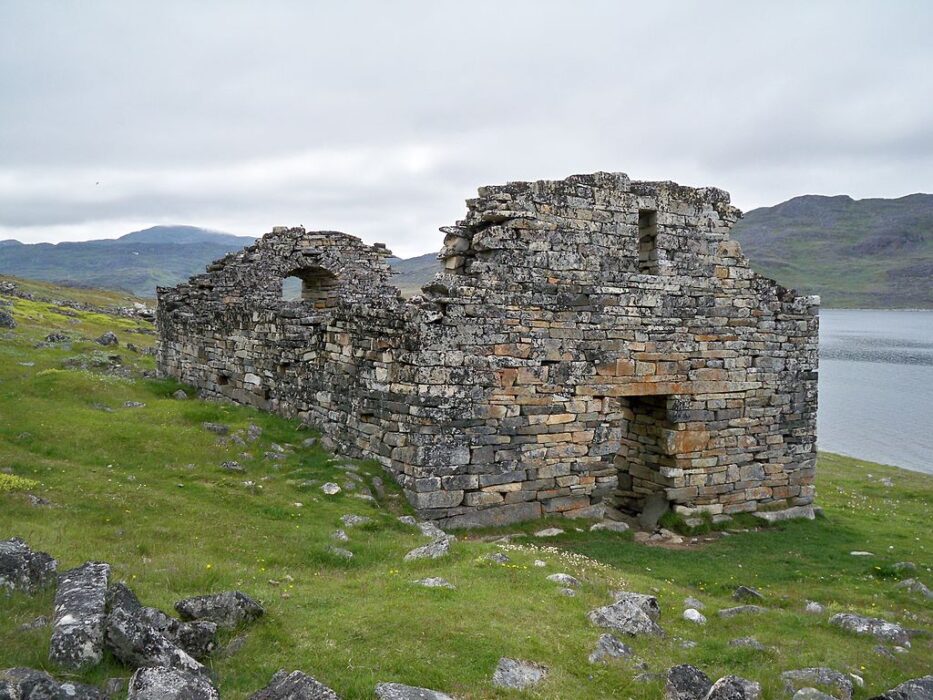
When Norse settlers arrived in Greenland around 985 CE, they built farms and churches and maintained trade with Europe for centuries. But by the 1400s, those colonies were gone.
The onset of the Little Ice Age brought colder temperatures, shorter growing seasons, and harsher winters. Unable to adapt their European-style farming to worsening conditions, the Norse starved, migrated, or died out.
Meanwhile, the neighboring Inuit people survived by relying on hunting and sea-based resources. The Norse collapse shows how climate resilience isn’t just about strength—it’s about flexibility.
9. The Minoans were weakened by environmental shocks before their fall.

The Minoan civilization on Crete is often remembered for its vibrant art and palatial cities like Knossos. Around 1450 BCE, it began to decline—and while the volcanic eruption of Thera is often blamed, climate likely played a major role as well.
Studies suggest prolonged droughts and agricultural failures destabilized Minoan society before the eruption struck. Trade slowed, food became scarce, and political control fragmented.
The environmental pressures softened the civilization’s foundation, making it more vulnerable to collapse from natural disasters and external invasions. In the end, climate change didn’t need to destroy them directly—it just needed to push hard enough.