
An exceptionally well-preserved body and burial goods inside a sealed Roman sarcophagus offer rare insight into ancient life.
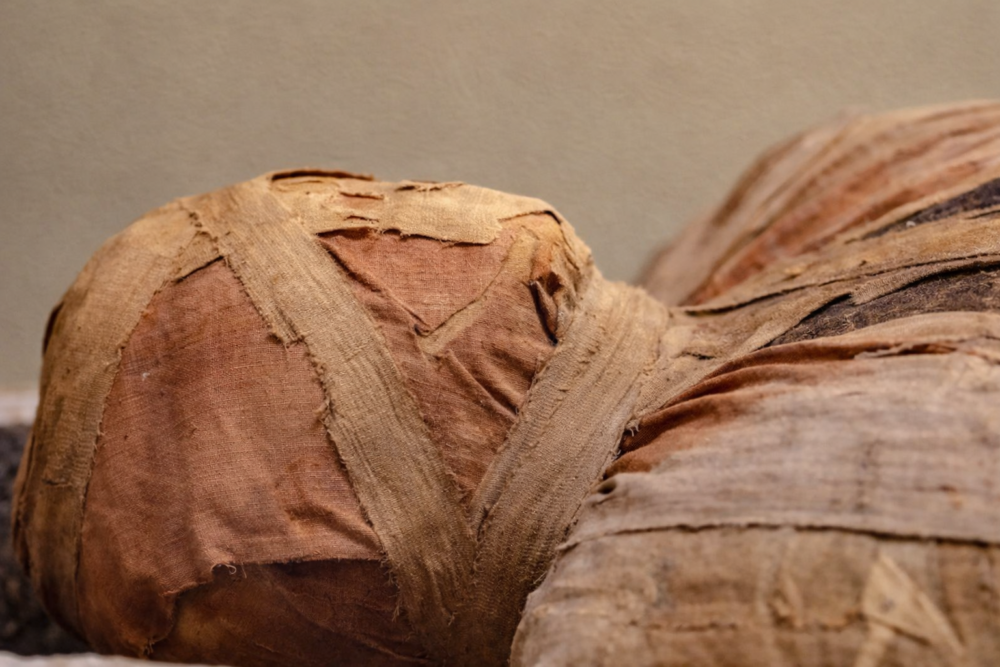
Archaeologists in Giugliano, near Naples, Italy, have unsealed a 2,000-year-old sarcophagus in a tomb long buried and forgotten beneath layers of earth. Inside lay a remarkably intact body wrapped in a shroud, surrounded by funerary jars, oils, and tools used in ancient burial practices. The condition of the remains and objects has surprised experts and opened a new chapter in the study of Roman-era funerary culture.
Initial examinations suggest the preservation was aided by the burial chamber’s stable internal conditions and careful treatment of the body, possibly using plant-based substances. DNA, fabric, and pollen analyses are now underway, with researchers hoping to uncover clues about the individual’s identity, health, and the society that carried out the burial.
1. The Tomb of Cerberus had waited untouched for millennia
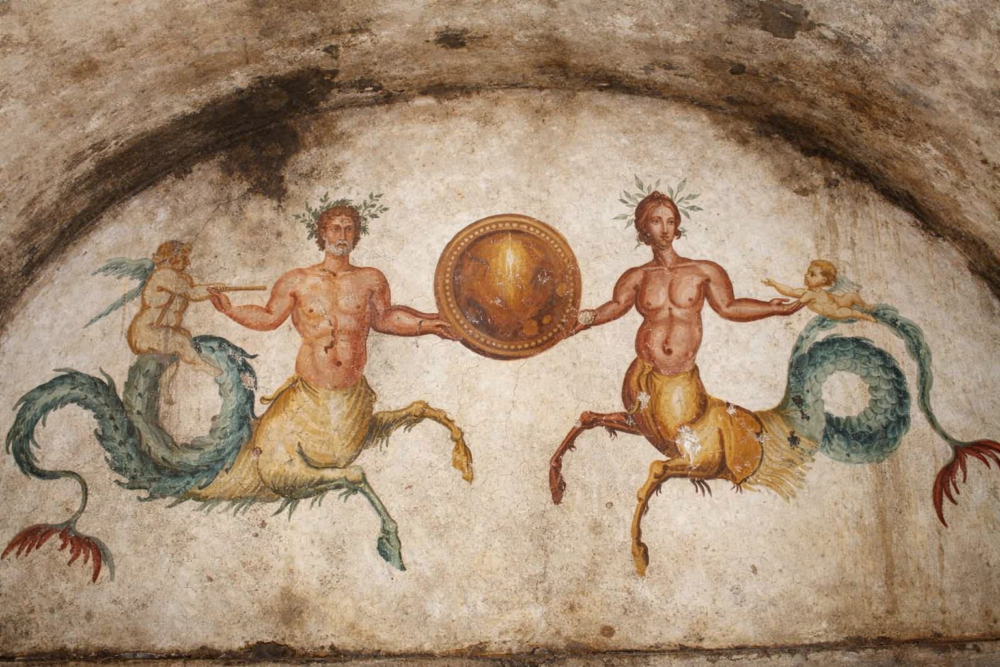
In Giugliano, archaeologists discovered what has been called the Tomb of Cerberus, a burial site sealed for roughly two thousand years beneath an ancient necropolis. Unlike many Roman tombs, which were looted or disturbed over time, this sarcophagus remained intact and protected from major interference.
That untouched condition makes the discovery especially valuable. Because nothing was moved or altered after burial, researchers can study the tomb as a complete snapshot of ancient funerary practice, rather than trying to reconstruct what may have been lost.
2. Opening the sarcophagus delivered an unexpected surprise
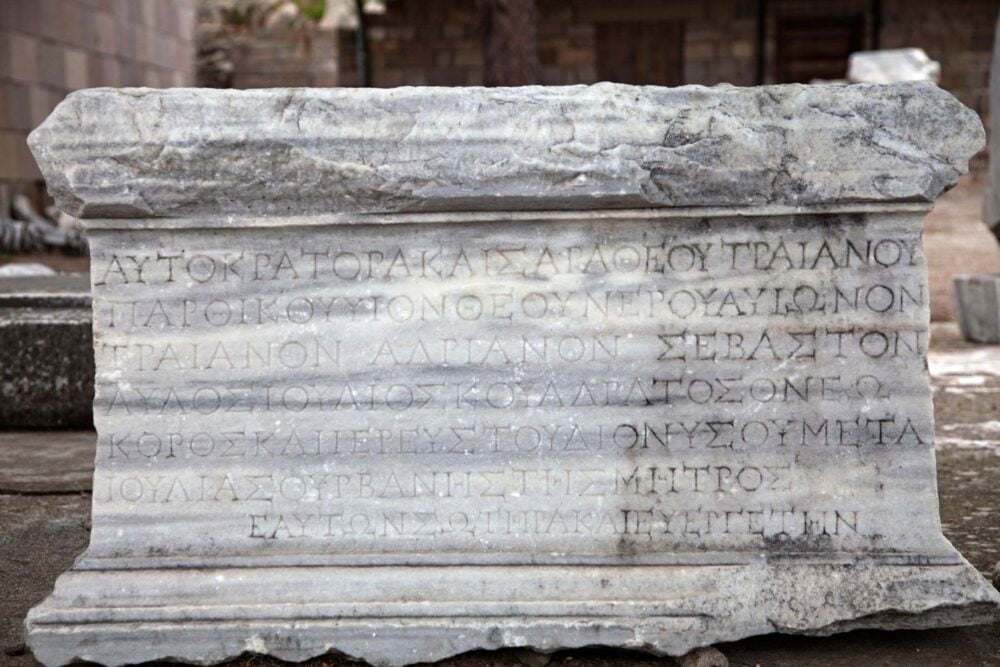
Before lifting the heavy stone lid, researchers inserted a small camera to see inside. What appeared on the screen immediately stood out: a human body still wrapped in cloth, not reduced to scattered remains as often happens with burials of this age.
When the sarcophagus was fully opened, the level of preservation exceeded expectations. The body’s position, wrappings, and surrounding items were still clearly arranged, allowing archaeologists to carefully document the burial exactly as it was placed two millennia ago.
3. The body was carefully wrapped and intentionally preserved
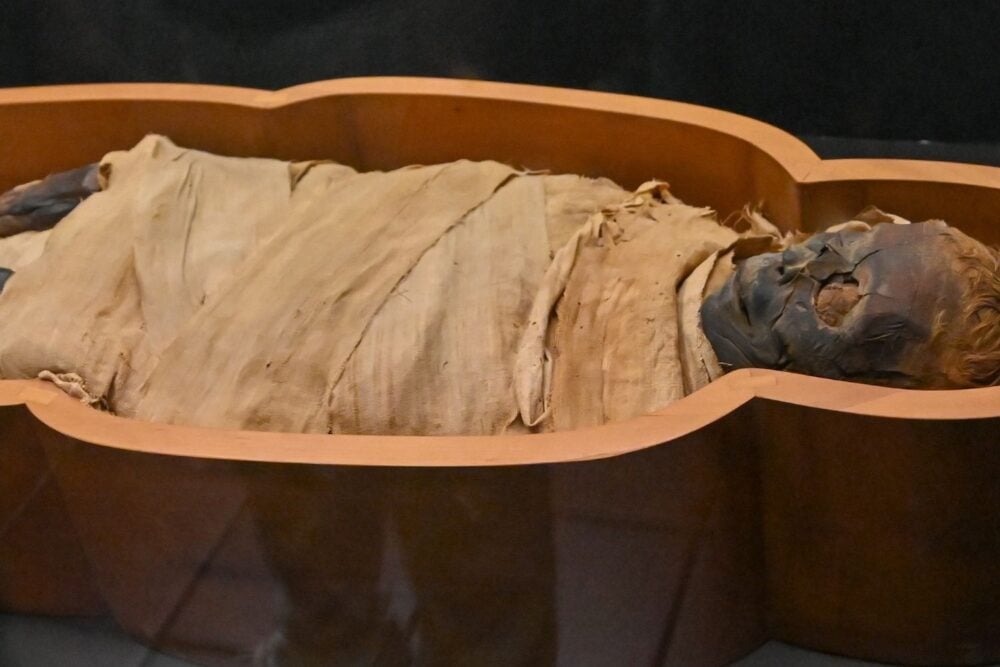
The deceased was found lying face-up, wrapped in fabric that had mineralized over time. While fragile, the cloth still retained its form, suggesting it played a role in protecting the body from rapid decay.
Researchers believe the wrapping worked alongside environmental factors inside the tomb. The sealed chamber likely limited airflow and moisture, creating conditions that slowed decomposition and preserved organic material far better than expected for a Roman-era burial.
4. Chemical traces point to ancient preservation methods
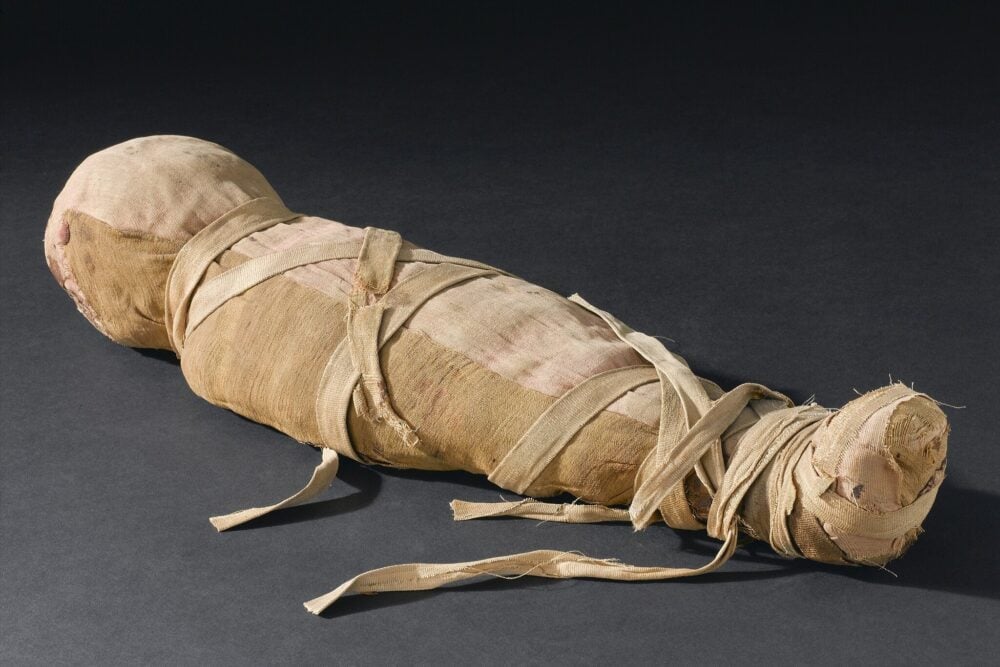
Early chemical testing indicates the body may have been treated with plant-based substances before burial. Compounds consistent with certain medicinal or aromatic plants were detected on the remains and burial materials.
These findings suggest Roman undertakers had a practical understanding of preservation, even if their goal was ritual rather than scientific. The use of specific plants may have helped inhibit bacteria or insects, contributing to the mummy’s survival across centuries.
5. Burial objects reveal ritual and care
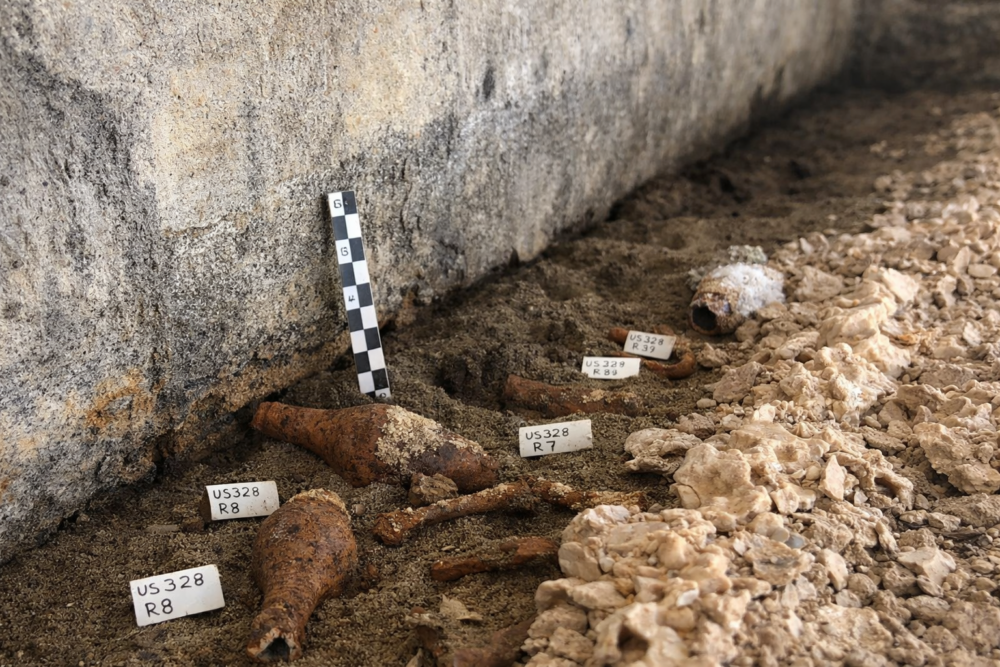
Several jars and tools were found inside the sarcophagus, likely used during body preparation and funerary rituals. These objects offer insight into the ceremonial aspects of death in Roman society.
Because the items remain in excellent condition, researchers can study residues and wear patterns to better understand how they were used. This helps move beyond theory and into tangible evidence of ancient ritual behavior.
6. DNA and fabric analysis could identify the individual
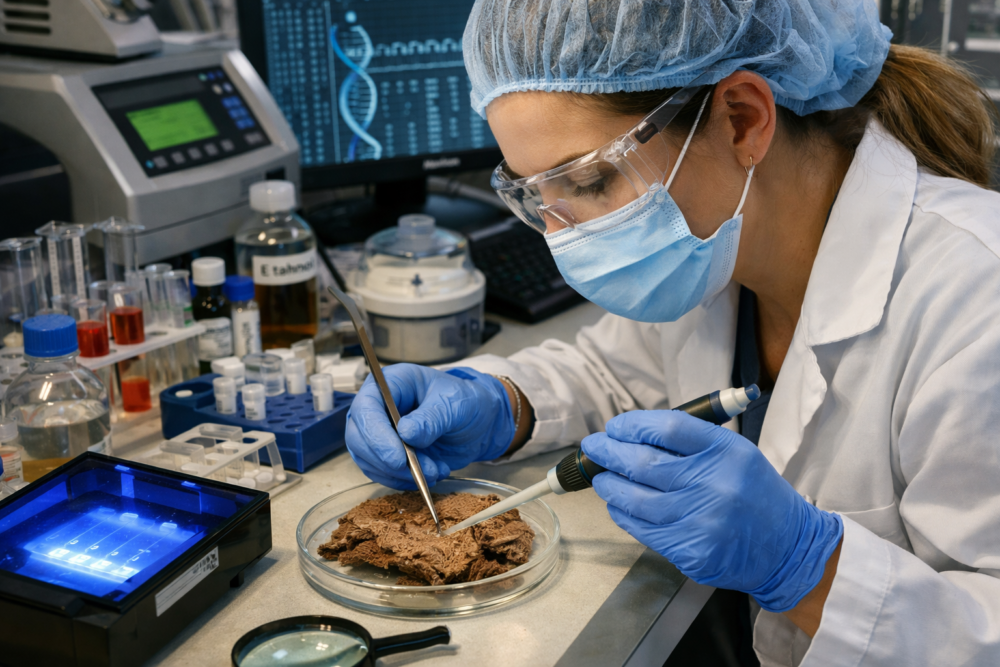
Scientists hope to extract DNA from the remains, which could reveal ancestry, biological sex, and possible health conditions. If successful, genetic data may also allow comparisons with other ancient populations.
Fabric analysis is equally important. By studying the weave, fibers, and craftsmanship of the burial cloth, researchers can learn about textile production, trade networks, and the social status of the individual buried in the sarcophagus.
7. Pollen and organic material map an ancient environment
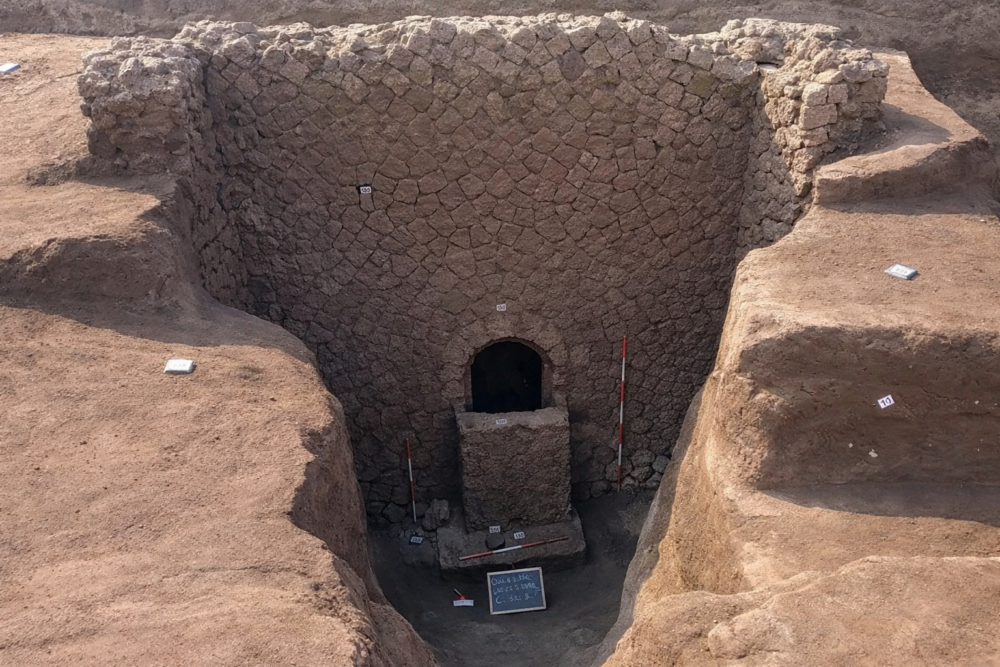
Tiny traces of pollen and organic residue trapped in the tomb act as environmental time capsules. These materials can reveal what plants grew nearby and what the surrounding landscape looked like at the time of burial.
By reconstructing the ancient environment, scientists gain context for how people lived, farmed, and interacted with their surroundings. This information helps place the burial within the broader world of Roman Italy.
8. The find reshapes understanding of Roman burial customs
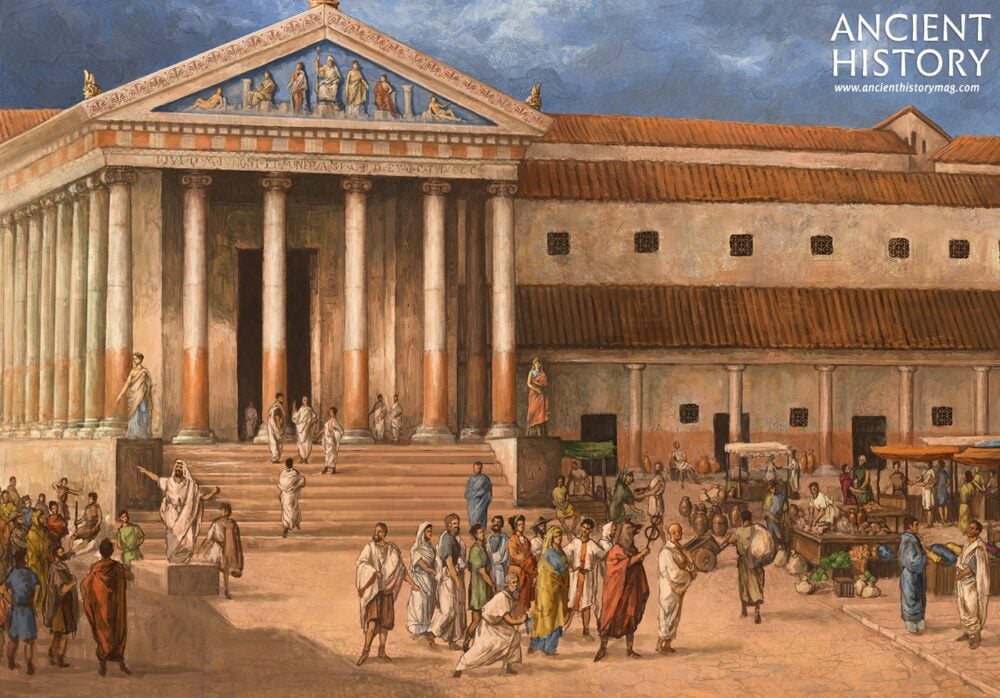
Roman funerary practices varied widely depending on region, wealth, and belief. Many burials were simple, while others reflected elaborate ritual and preparation.
This discovery suggests that advanced preservation methods were not limited to Egypt or elite imperial contexts. It highlights regional variation and indicates that complex burial practices were more widespread than previously assumed.
9. The tomb adds depth to life near ancient Naples
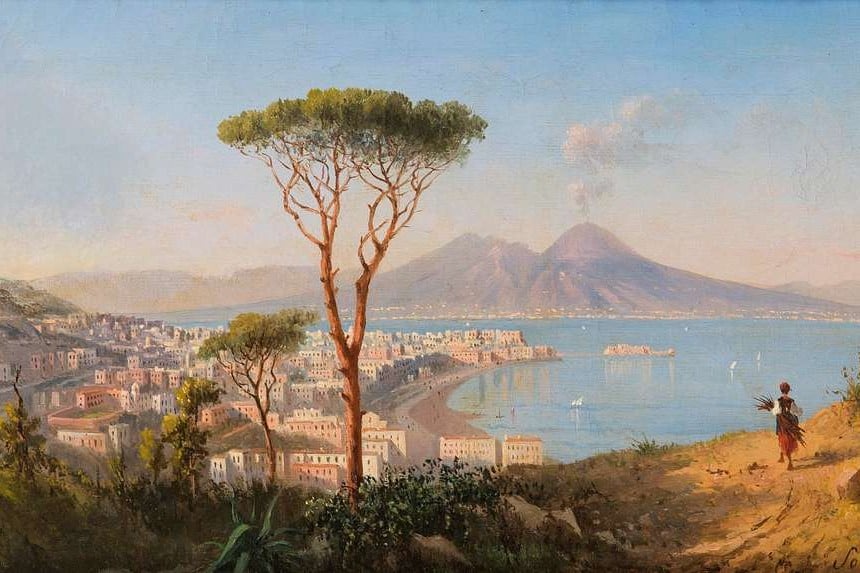
The burial site lies within a region that once supported active Roman communities. Discoveries like this help historians understand how people lived and died outside major urban centers.
As artifacts and remains are studied, researchers hope to learn more about daily life, diet, health, and social organization in the area, adding nuance to the historical record.
10. The mummy restores a human presence to history
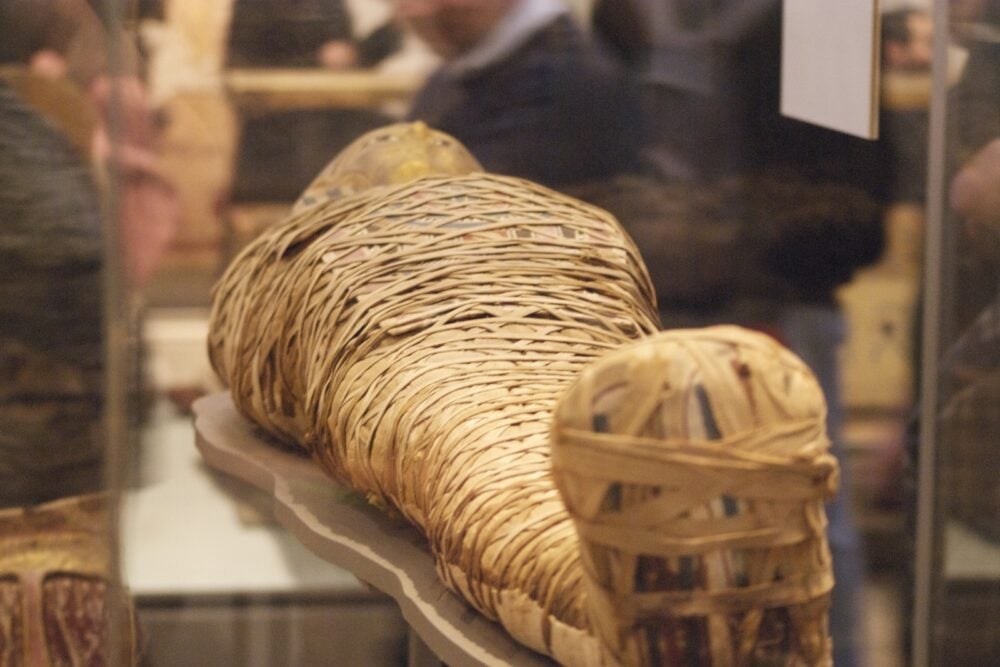
Beyond scientific data, the mummy represents an individual who was carefully prepared and laid to rest by others. The burial reflects human concern, ritual, and memory.
Seeing such a well-preserved body bridges the gap between modern observers and the ancient past. It reminds researchers and the public alike that history is made up of real lives, not just artifacts.
11. Why this discovery matters beyond archaeology
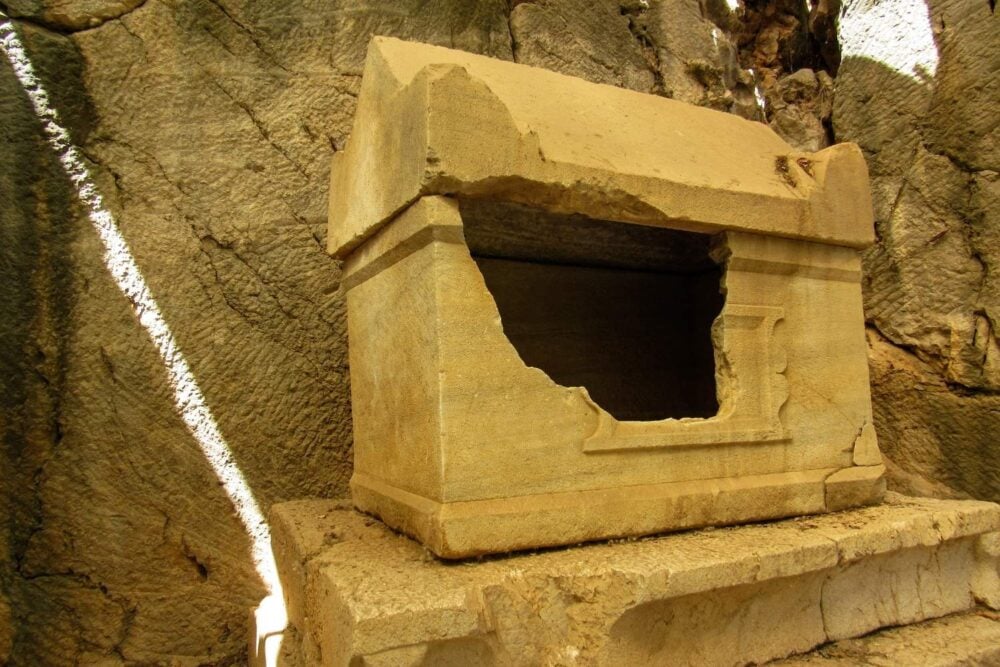
This sarcophagus is important not just because of its age, but because of how much it preserved. It offers multiple avenues of study, from chemistry to genetics to cultural history.
Finds like this expand our understanding of ancient societies and demonstrate how much remains to be learned. Even after two thousand years, the past still has the power to surprise.