
Old weather logs and early climate records reveal a world far cooler and far less predictable than today.
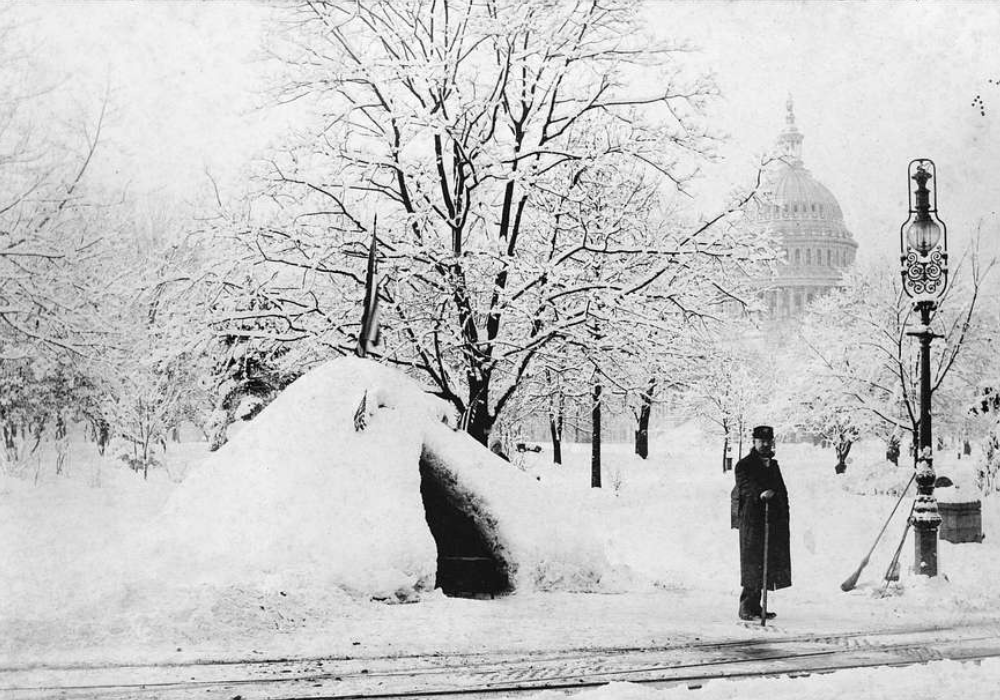
Two centuries ago, Earth’s climate looked dramatically different from the world we know now. Early weather logs, ship records, and historical temperature data show that the early 1800s were marked by cooler global conditions, harsher winters, and frequent climate swings driven by volcanic eruptions and natural variability. Scientists use these early records to understand how fast today’s warming is unfolding—and how unusual the recent temperature rise has become. Comparing past and present reveals one of the clearest climate shifts in human history.
1. Early 1800s Temperatures Were Far Cooler Than Today
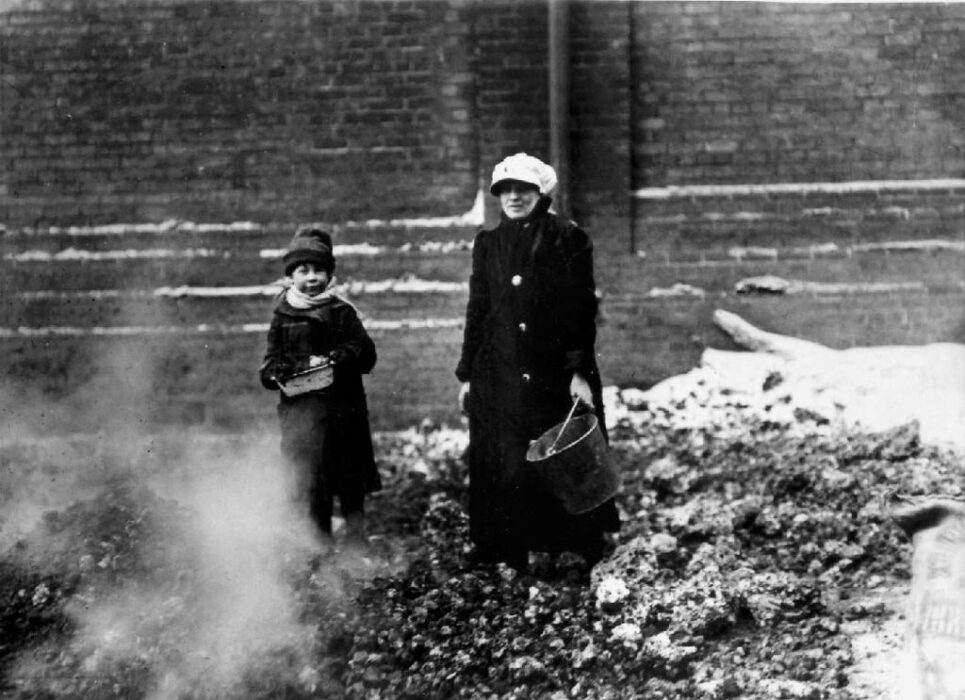
Two hundred years ago, global temperatures sat well below modern averages. Scientists estimate Earth was roughly 1 to 1.3°C cooler than today, placing the early 1800s among the coldest periods of the past 500 years. Much of this chill came from lingering effects of the “Little Ice Age,” a centuries-long period of lower temperatures driven by natural variability and reduced solar activity.
Climatologists say the contrast with today’s climate is stark. While early 19th-century societies faced cooler summers and harsh winters, modern global temperatures have risen rapidly, marking one of the fastest climate warmings in recorded history.
2. Volcanic Eruptions Triggered Sudden Global Cooling
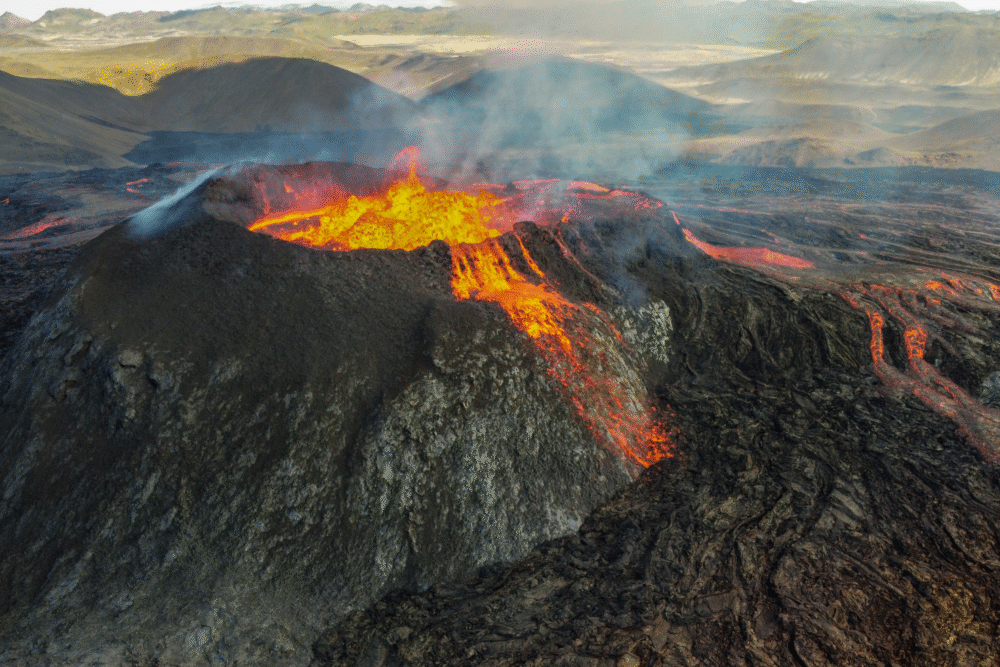
The early 1800s were shaken by massive volcanic eruptions, including the 1815 eruption of Mount Tambora—the largest in modern history. Tambora’s ash cloud lowered global temperatures for years, leading to failed crops, widespread food shortages, and what became known as the “Year Without a Summer” in 1816.
These events show how powerfully volcanic activity can influence climate. The cooling effect lasted through much of the decade, creating chaotic weather swings. Today’s warming trend, by contrast, is driven not by natural events but by long-term increases in greenhouse gases.
3. Winters Were Longer, Harsher, and More Unpredictable

Historical diaries, newspaper archives, and early temperature logs show that winters 200 years ago lasted longer and were significantly colder than they are now. Snowfall often persisted well into spring, and freezing temperatures were common for extended periods across Europe and North America.
These harsh winters shaped agriculture, travel, and daily life. Many communities adapted to short growing seasons and limited food storage. Today, winters in many regions are milder and shorter, reflecting a warming trend that has shifted seasonal patterns around the world.
4. Summers Were Shorter and Often Marked by Sudden Weather Shifts
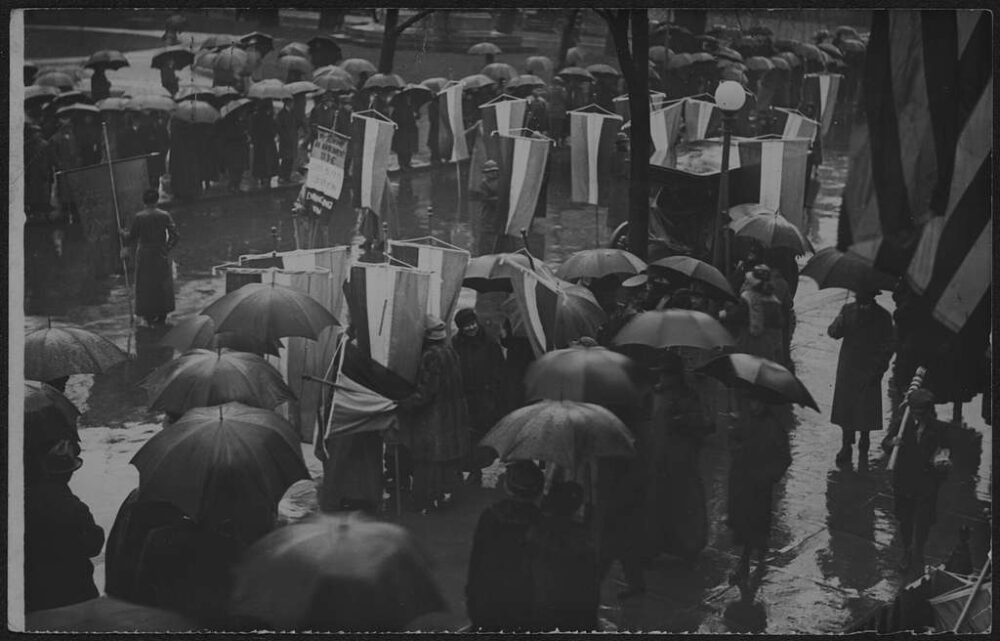
Summers in the early 1800s were cooler and frequently disrupted by unpredictable swings in temperature and rainfall. Historical records describe frosts in June, unexpectedly cold rainstorms, and reduced growing periods that strained food supplies. These irregular patterns were influenced by volcanic cooling and natural climate variability.
Compared to today’s increasingly warm summers, the early 19th century experienced far less heat. Farmers and communities had to adapt to shorter, less reliable warm seasons—conditions that highlight how dramatically modern summer temperatures have changed over two centuries.
5. The “Little Ice Age” Still Influenced Global Climate
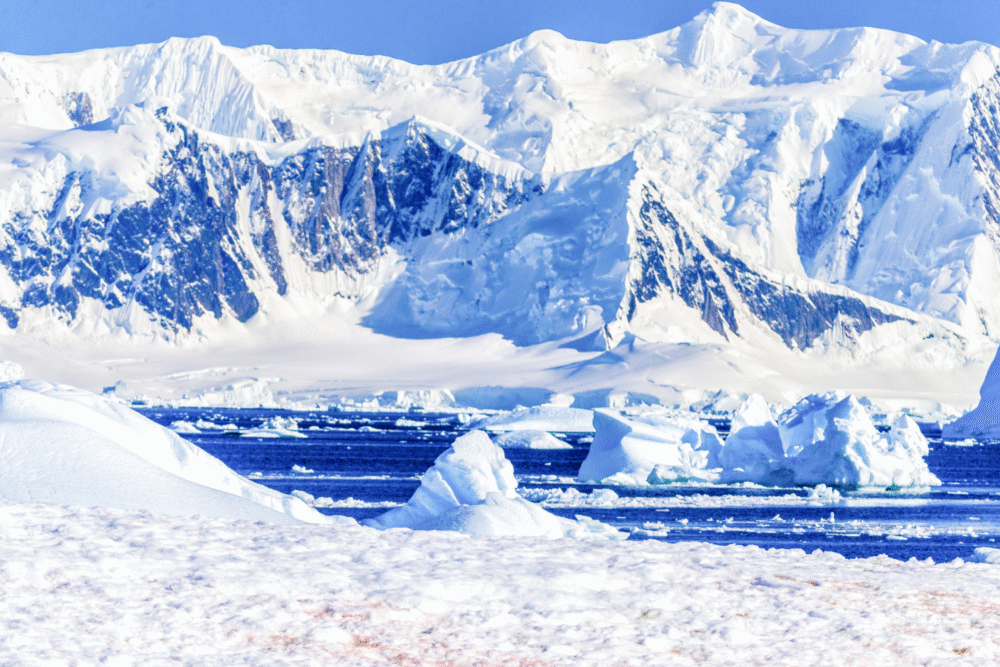
Around 200 years ago, Earth was emerging from the “Little Ice Age,” a period of cooler temperatures that lasted from roughly the 1300s to the mid-1800s. This era brought expanded glaciers, frozen rivers, and frequent crop failures in Europe, Asia, and North America. Many of those effects remained evident in the early 19th century.
Scientists studying tree rings and ice cores note that the early 1800s reflect some of the coldest years within that cooling phase. The steady warming that followed stands in sharp contrast to the long, slow recovery seen after previous natural climate dips.
6. Sea Ice and Glaciers Covered Far More Ground
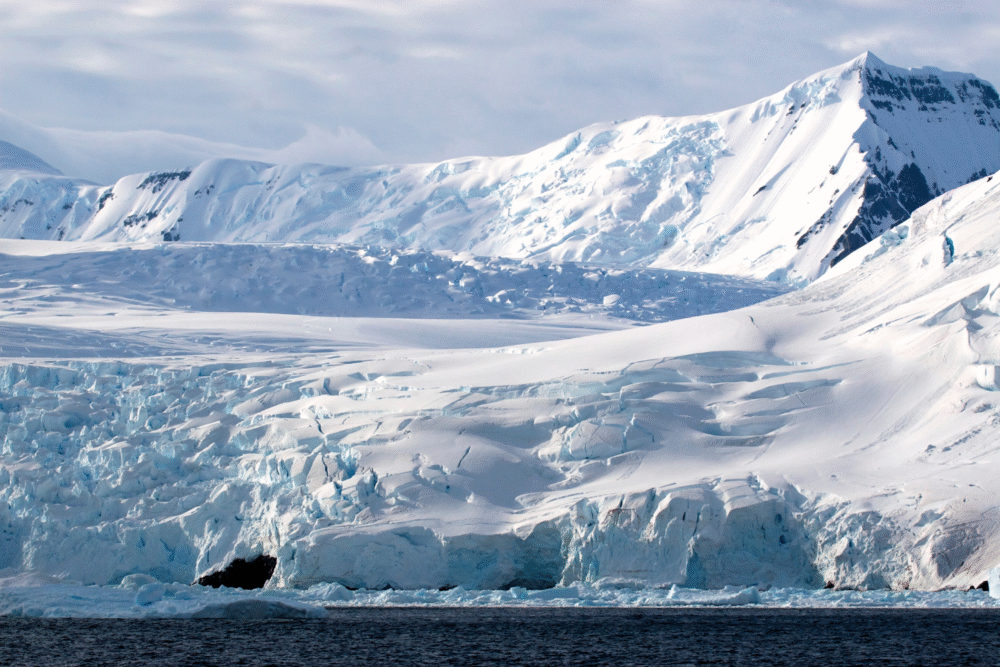
Glaciers worldwide were significantly larger 200 years ago, and Arctic sea ice extended farther south than it does today. Ships recorded difficult passage through northern seas, and explorers described heavy ice conditions along routes that are now far more navigable.
These expanded ice zones were driven by naturally cooler global conditions. Today, glacier retreat and shrinking sea ice are among the clearest indicators of modern climate change. Comparing the two eras shows how rapidly frozen regions have transformed, especially in the past few decades.
7. Weather Records Were Limited but Surprisingly Detailed

Although scientific tools were primitive compared to today, early 19th-century observers kept detailed weather logs. Ships’ captains, farmers, scientists, and government agencies recorded temperatures, storms, and seasonal changes with surprising precision. These archives now help scientists reconstruct climate patterns from a world without satellites or advanced instruments.
Researchers combine these historical records with tree rings, corals, lake sediments, and ice cores to build accurate climate reconstructions. Together, they paint a consistent picture: the climate of 200 years ago was colder, more variable, and strongly influenced by natural forces—not human emissions.
8. Droughts and Floods Were Often More Severe and Localized
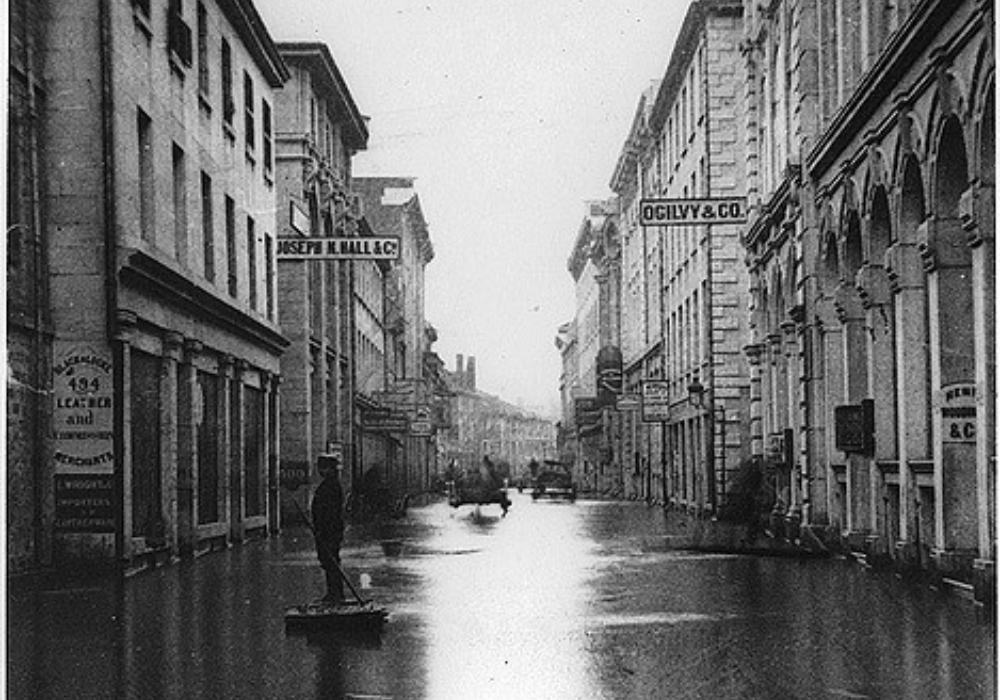
Despite the cooler global climate, the early 1800s saw devastating droughts and floods in multiple regions. Some of these extremes were linked to volcanic cooling, while others reflected natural cycles like El Niño and monsoon variability. Because agriculture depended heavily on rainfall, these swings frequently caused regional crises.
These historical events show that a colder climate does not necessarily mean a stable one. In fact, many early communities struggled with rapid changes from one year to the next, revealing how sensitive societies were to even small climate disruptions.
9. Ocean Patterns Looked Different From Today

Ocean cycles such as the Pacific Decadal Oscillation and El Niño behaved differently 200 years ago, partly due to cooler global conditions. These patterns affected fisheries, coastal storms, and rainfall across multiple continents. Historical accounts describe colder sea-surface temperatures and shifts in fish populations that differed from modern trends.
Scientists studying corals and marine sediments confirm that ocean behavior in the early 1800s reflected a cooler global baseline. Today’s warmer oceans—which store much of the planet’s excess heat—represent one of the biggest differences between past and present climates.
10. The Industrial Revolution Was Just Beginning to Influence Climate
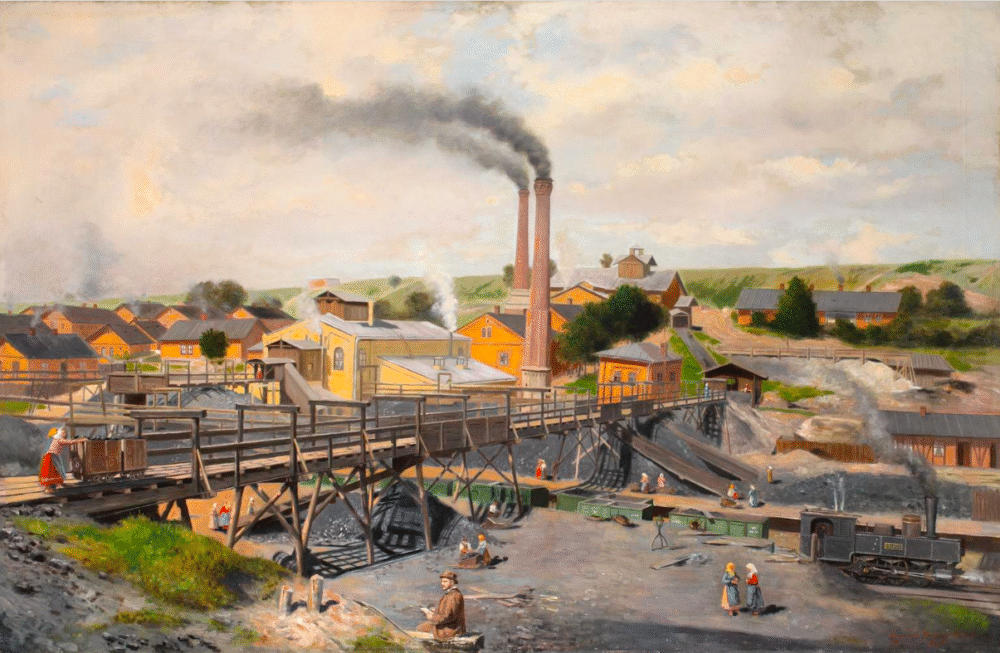
Around 1825, the Industrial Revolution was gaining momentum, but greenhouse-gas emissions were still relatively low. Human influence on climate existed but was small compared to natural forces dominating the era. Coal use was increasing, yet global carbon dioxide levels were far below modern concentrations.
This snapshot highlights how dramatically human activity has changed Earth’s atmosphere since then. Modern CO₂ levels are now more than 50 percent higher than those of the early 19th century, marking a sharp departure from the natural variability that shaped the climate 200 years ago.
11. Comparing Then and Now Shows an Unusual Rate of Change
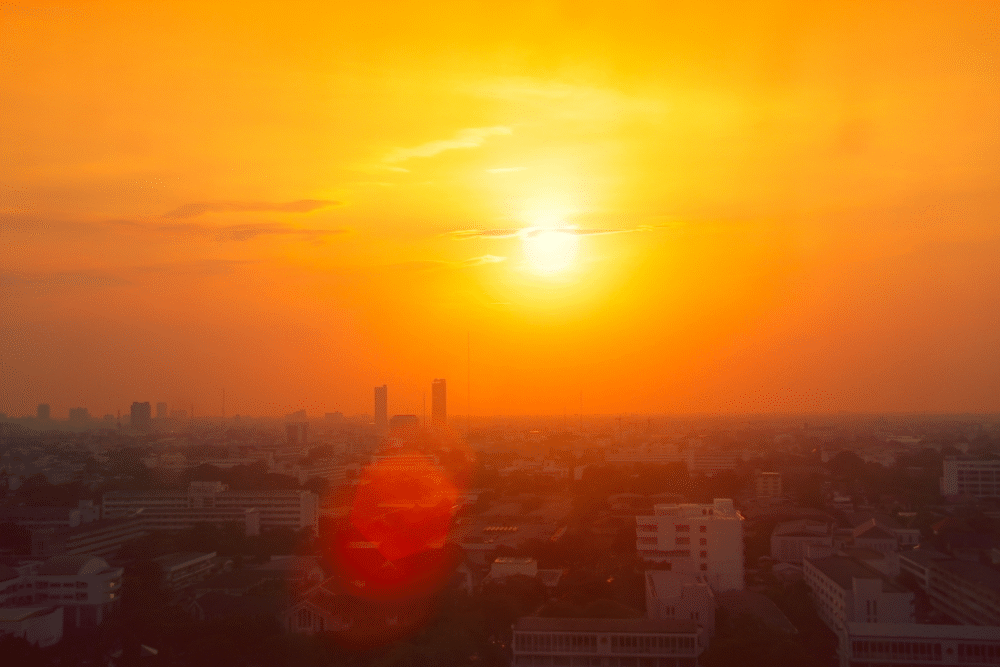
The most striking difference between 200 years ago and today is the speed of warming. Temperatures that once took thousands of years to shift have risen rapidly in just a century. Scientists say this accelerated warming is unmatched in the climate record of the past several millennia.
By studying the early 1800s, researchers gain a crucial baseline for understanding modern climate change. The comparison reveals that today’s warming is not part of a typical natural cycle—it is a rapid, human-driven shift unlike anything recorded in recent history.