
Early climate models from the 1960s predicted global warming with surprising accuracy, researchers say.

In the 1960s, climate scientists began developing models to understand the effects of greenhouse gases on Earth’s temperature. These early simulations, while simpler than today’s versions, successfully anticipated key aspects of global warming by incorporating fundamental atmospheric physics and carbon emissions. Their predictions have proven remarkably accurate over time, highlighting the solid scientific basis established decades ago and the enduring relevance of these pioneering efforts in climate research.
1. Early climate models incorporated greenhouse gas effects to predict temperature rises.
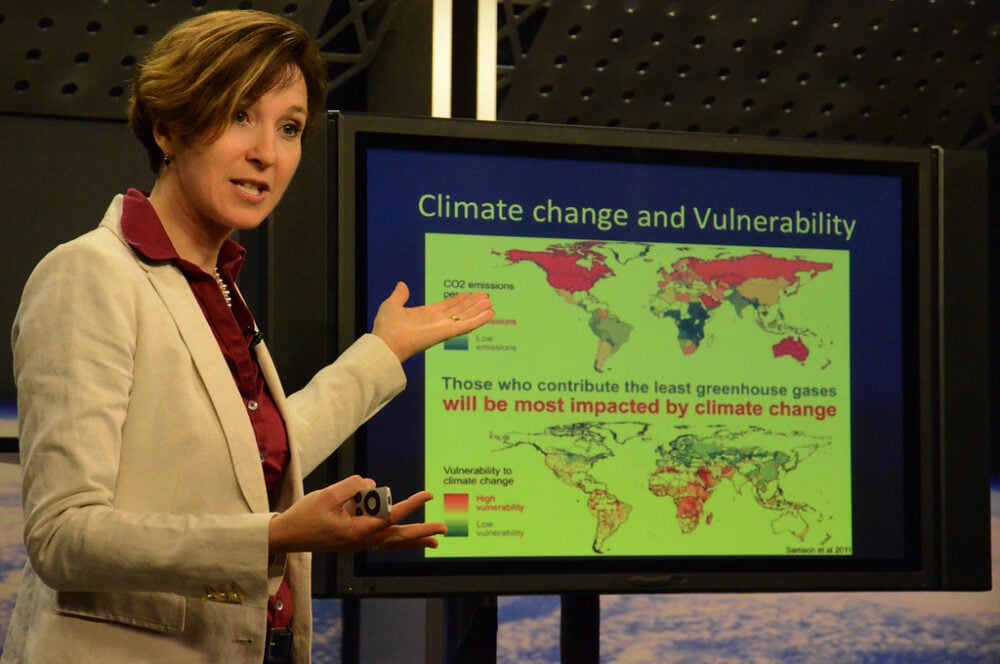
Early climate models in the 1960s incorporated the effects of greenhouse gases to predict temperature increases. By simulating Earth’s atmosphere, scientists could understand how gases like carbon dioxide trap heat and warm the planet. These models laid the groundwork for future predictions of temperature rise.
In capturing these interactions, the models highlighted potential long-term temperature shifts, despite lacking the precision of modern simulations. This early work showed a foundational understanding of greenhouse gas effects, affirming the models’ relevance as more sophisticated technology advanced climate research.
2. Scientists recognized the role of carbon dioxide in warming the planet.

Scientists of the 1960s identified carbon dioxide as a key factor in the Earth’s warming. Using this understanding, they developed models predicting significant temperature inches over decades. This insight established a crucial link between emissions and climate impact.
Such foresight underscored the importance of tracking carbon emissions to anticipate future climate scenarios. These foundational discoveries about CO2 helped form the backbone of climate science, highlighting the profound influence human activities could have despite simpler technologies at the time.
3. Models accounted for the impact of industrial emissions on atmospheric changes.

1960s climate models considered industrial emissions pivotal in affecting atmospheric conditions. Researchers understood that pollutants from factories could alter atmospheric composition, driving climate changes. These models were among the first to link industrialization with environmental impact.
Even with limited data, early models provided a credible connection between emission increases and atmospheric shifts. This realization pointed to the broader implications of unchecked industrial activities, advocating for more systemic monitoring and control of industrial emissions in subsequent decades.
4. Researchers used ocean temperature patterns to estimate future climate shifts.

Researchers studying climate shifts in the 1960s used ocean temperatures as indicators for future change. By examining patterns in sea heat, they could estimate how climate might evolve. These approaches linked oceanic and atmospheric interactions comprehensively.
Such studies highlighted the oceans’ significant role in regulating climate, offering early insights into how warming seas could signal broader environmental impacts. As technology progressed, these initial methods informed advanced simulations, enhancing predictive accuracy well beyond early capabilities.
5. Predictions highlighted the gradual increase of average global surface temperatures.
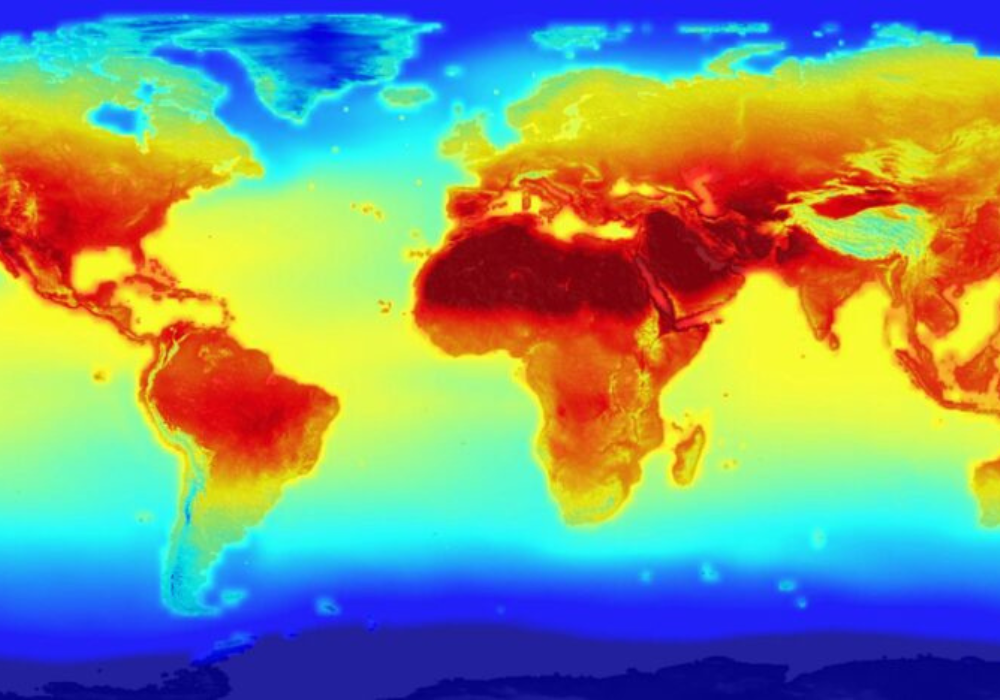
In the 1960s, predictions showed a gradual increase in average global surface temperatures. Scientists used mathematical models to project warming trends over time, acknowledging that even small temperature shifts could have substantial impacts. These projections underscored the need for vigilant climate monitoring.
This work illuminated the slow but persistent nature of climate change, emphasizing long-term trends over short-term fluctuations. It demonstrated the predictive power of early models, which, despite their simplicity, aligned closely with future temperature increases recorded in the following decades.
6. Climate models anticipated feedback loops, including melting ice amplifying warming.

Feedback loops, such as melting ice amplifying warming trends, were also anticipated in 1960s climate models. Scientists recognized how melting polar ice could reduce Earth’s reflectivity, absorbing more heat and accelerating warming. This concept illustrated powerful and interconnected climate processes.
By capturing these dynamics, early models indicated a potential for climate changes to catalyze further environmental shifts. The insight into feedback loops enhanced understanding of non-linear climate responses, stressing the need for continuous study and model refinement as new data became available.
7. The influence of solar radiation variations was included in model calculations.

The variations in solar radiation were considered in early climate model calculations. Scientists of the era factored in changes in solar energy reaching Earth, acknowledging its impact on climate systems. It was a significant step to include celestial influences in understanding climatic behavior.
Accounting for solar radiation allowed clearer insights into natural climate variability versus anthropogenic effects. These models demonstrated early efforts to integrate broader environmental factors, building a balanced foundation for examining both human and natural contributions to climate change.
8. Early projections warned about widespread ecological consequences from warming trends.

1960s models included warnings about ecological consequences stemming from warming trends. Predictive studies foresaw shifts impacting ecosystems globally, with changes in climate affecting species distribution. Highlighting these links informed resource management discussions of the time.
By acknowledging ecological impacts, early models underscored the interconnectedness of climate and biodiversity. These warnings provided a basis for advocating environmental stewardship, showing how climate change science informed broader ecological and conservation efforts long before these issues entered public discourse comprehensively.
9. Models demonstrated the need to monitor and reduce human contributions to climate change.

Models from the 1960s highlighted the need to monitor and mitigate human contributions to climate change. Scientists laid the groundwork for understanding the effect of industrial growth on atmospheric dynamics. Early awareness supported arguments for managing carbon footprints.
Recognizing these human impacts, pioneers in climate modeling emphasized reducing emissions as essential for avoiding severe climate outcomes. Their work informed later environmental policies and initiatives, advocating for responsible development and sustainability as pivotal steps toward stabilizing Earth’s climate systems.