
Trying to buy your way into environmental sainthood isn’t working.

Sustainability has a branding problem. What started as a push for less consumption somehow turned into an aesthetic—and a shopping spree. Reusable, refillable, compostable, and “planet-friendly” are now slapped on everything from deodorant tubes to luxury yoga mats. But buying green doesn’t always mean living green. More often than not, it just means buying… more.
These habits may feel virtuous, but many of them come from guilt, not impact. The market knows how to monetize eco-anxiety, offering stylish solutions to problems that consumption created in the first place. That sleek reusable bottle or “zero-waste” gadget might feel like a win—but only if it’s actually reducing waste, not collecting dust. Real sustainability isn’t about curating the perfect eco-collection. It’s about slowing down, using what already exists, and getting a little more honest about why we buy what we buy. Guilt can’t greenwash overconsumption—no matter how bamboo-scented it is.
1. That tenth reusable water bottle isn’t saving the planet—it’s just vibing.

Staying hydrated is great. But buying a fresh water bottle every season because the old one isn’t trendy anymore? That’s just shopping dressed up as sustainability. The whole point of a reusable bottle is right there in the name: reuse.
Unless it’s cracked or leaking, there’s no environmental benefit to replacing one perfectly good bottle with another. As National Geographic explains, constantly replacing reusable bottles because they’re trendy or match an outfit negates their environmental benefit, as each bottle still requires resources to produce and ship.
Each stainless steel bottle still takes resources to produce and ship. Swapping one for another because the new one matches a gym outfit doesn’t cancel that out. A bottle isn’t eco-friendly because it’s matte black or viral—it’s eco-friendly because it lasts for years. Stick with the one already in the cupboard.
2. A drawer full of beeswax wraps doesn’t make anyone low-waste.
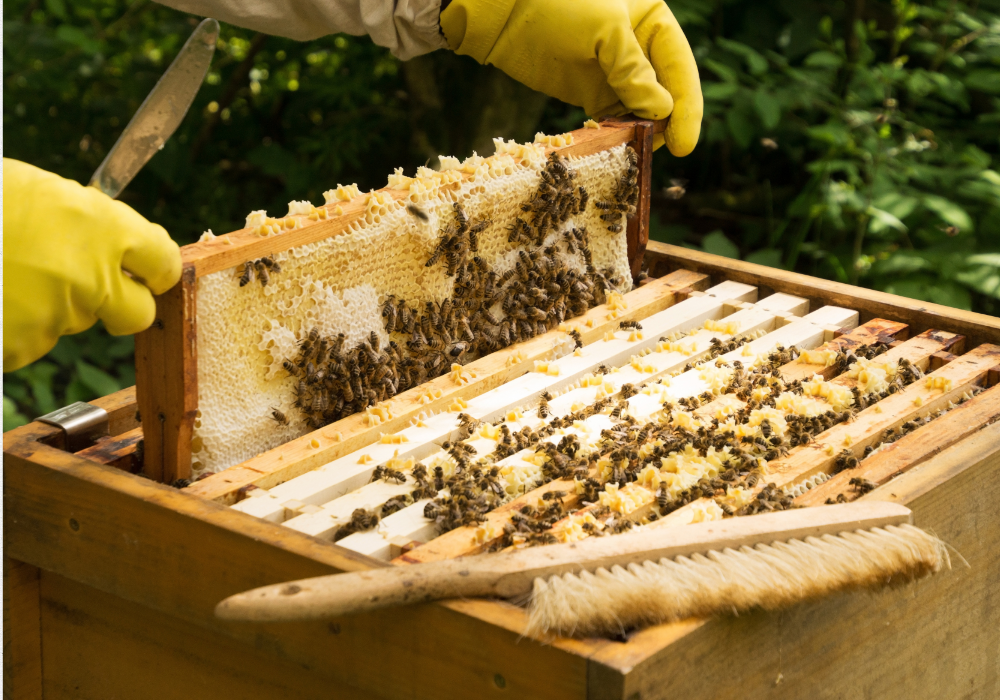
The excitement is real. A fresh haul of beeswax wraps, silicone bags, bamboo toothbrushes, maybe a sleek compost bin. But once that burst of motivation wears off, most of those swaps end up unused. They live in drawers, still in their eco-packaging, while old habits quietly return. According to Harvard Business Review, a significant gap exists between consumers’ positive attitudes toward eco-friendly products and their actual purchasing behaviors, with only about 26% following through despite 65% expressing interest.
Sustainability isn’t about the collection—it’s about the follow-through. A bamboo fork doesn’t save the planet if it never leaves the kitchen. That beeswax wrap won’t replace plastic if it feels too precious to get sticky. Real change comes from using the same simple tools over and over, not from curating an Instagrammable zero-waste starter pack.
3. Throwing away all the “bad stuff” just creates different trash.
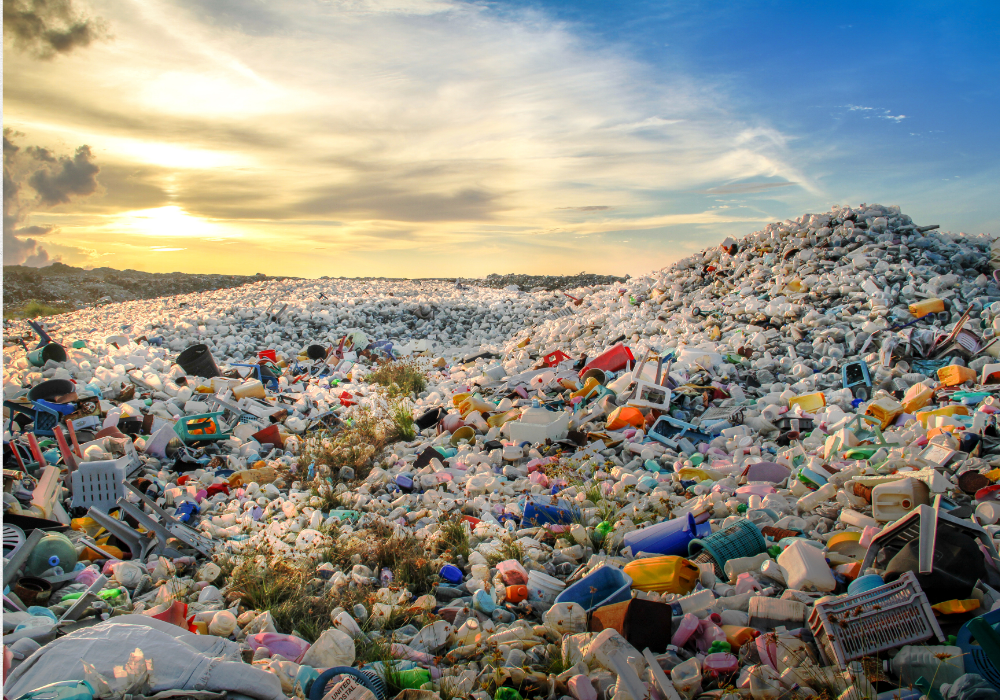
That moment of eco-clarity hits, and suddenly everything plastic, synthetic, or non-organic looks like a personal failure. The urge to donate, toss, and replace takes over—and with it comes a new wave of shopping.
But getting rid of old stuff to make room for “better” stuff doesn’t fix the problem. It just makes more waste. Per the U.S. Environmental Protection Agency, reusing products helps prevent pollution caused by reducing the need to harvest new raw materials, saves energy, and reduces greenhouse gas emissions that contribute to global climate change.
Keeping and using what already exists is often the most sustainable choice. That old Tupperware, the polyester jacket, the plastic dish brush—they’ve already cost the planet something. Throwing them out early just shifts the burden. Sustainability doesn’t require a full reset. It asks for a slower, more thoughtful pace.
4. Owning 27 tote bags doesn’t cancel out a single plastic one.
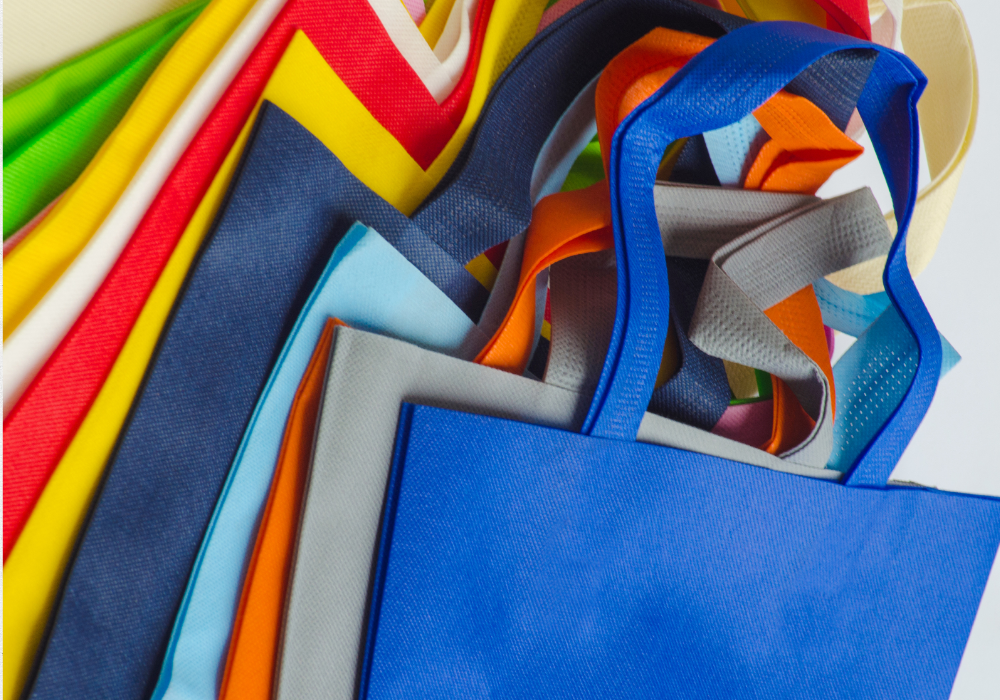
Tote bags started as the answer to plastic bag waste. But for many, they’ve become a collectible. Every bookstore, grocery chain, and conference offers one. Suddenly, there’s a pile of canvas bags—each claiming to be eco-friendly, but most rarely used. And here’s the kicker: cotton tote bags require significant water and energy to produce.
Owning dozens defeats the purpose. A few well-used bags do the job. The rest are just fabric guilt tokens. Swapping single-use plastic for endless single-use cotton doesn’t help. The best bag is the one already owned—yes, even if it’s made of nylon and has a ketchup stain.
5. Fast fashion doesn’t become ethical just because it’s beige and linen.

Fast fashion got its critique, and brands responded—with “eco” lines that move just as fast. They promise sustainability but drop new collections weekly, pushing the same buy-more mindset wrapped in recycled polyester. A green label doesn’t cancel out overproduction or overconsumption—it just makes it easier to justify the next haul.
Real sustainable fashion isn’t about finding better stuff to buy. It’s about buying less overall. Wearing clothes longer, mending them, resisting trends that shift monthly—those actions matter far more than a brand’s marketing. Swapping one shopping addiction for a slightly greener one still misses the point.
6. Buying compostable phone cases every year isn’t composting anything.

Swapping out a plastic phone case for one made of bamboo or cornstarch feels like a green upgrade. But when that case gets replaced every time a new model drops or a new color trend rolls around, it’s no longer a sustainable choice—it’s a stylish distraction. Most of these so-called compostable materials only break down in specific industrial conditions, and very few actually make it to the right facility.
The environmental cost of manufacturing, packaging, and shipping each “eco” case adds up. The best option is still the most boring one: using the same case until it’s truly falling apart. That cracked plastic cover might not look great in photos, but its environmental impact lessens with every extra month of use. A compostable case that gets tossed yearly is just biodegradable overconsumption with better PR.
7. Swapping paper towels for endless rolls of unpaper towels misses the point.

Paper towels have long been the poster child for disposable waste, so it makes sense that the reusable version became a go-to green swap. But when shelves fill up with stacks of patterned unpaper towels—many of which never get used because they’re too “nice” to stain—it becomes more of a lifestyle aesthetic than a waste-reduction tool.
A couple of cut-up old T-shirts can wipe the same counter without a $60 starter kit. The real environmental win isn’t in owning something reusable—it’s in using it again and again, until it’s threadbare and ugly. Pretty things still need purpose. Otherwise, they’re just new products in a different costume.
8. Buying carbon offsets to justify every single flight isn’t a get-out-of-jail-free card.

It’s tempting to believe that a $12 carbon offset can undo a multi-thousand-mile flight. But most carbon offset programs are slow to pay off—if they work at all. Many rely on tree-planting schemes that won’t absorb meaningful carbon for decades. In the meantime, those plane emissions go straight into the atmosphere.
Flying less, staying longer, and finding ground transportation when possible still matter more than feel-good checkboxes at booking. Offsets aren’t worthless, but they’re not magic. They’re a small piece of the puzzle—not a permission slip to rack up air miles guilt-free. Sustainability doesn’t come with a receipt.
9. Filling a pantry with glass jars doesn’t make the groceries inside plastic-free.

Clear jars lined up on open shelving look like the dream—neat, earthy, and very Instagrammable. But often, the bulk food inside those jars came from plastic packaging that got tossed before the photo was taken. Unless someone’s refilling those jars directly from a bulk bin, the aesthetic isn’t cutting waste. It’s just hiding it.
Bulk shopping works when it reduces packaging and cuts down on food waste. But buying lentils in plastic bags, dumping them into a glass jar, and calling it zero-waste doesn’t change the math. The best pantry setup is one built slowly, with reused jars and realistic habits—not a full set bought to match someone else’s version of sustainability.
10. Upgrading to an electric car too early can be its own form of waste.

Electric vehicles are essential for reducing transportation emissions, but jumping the line to get the newest EV before it’s needed can actually create more harm than good. Manufacturing electric cars—especially their batteries—requires significant mining, energy, and emissions. The green benefits kick in over time, not right off the lot.
Keeping a functional gas-powered car longer, driving less, and choosing alternatives like biking or transit when possible can often have a smaller footprint than early replacement. Going electric is great—but timing matters. Environmental progress isn’t just about buying better things. It’s about using the ones that already exist a little longer.
11. Replacing every product with a “clean” version turns sustainability into a shopping spree.

Marketing makes it easy to panic. Suddenly every cleaner, lotion, candle, and soap looks like a toxic threat—and the only solution is a full cabinet reset. But tossing out usable products and replacing them all with “clean” or “eco” versions doesn’t erase the waste. It just creates more of it, faster.
Using up what’s already there is the most immediate sustainable move. A plastic shampoo bottle still being used is better than a refillable one that required throwing out something half-full. Environmental impact isn’t just in the ingredients—it’s in the habits. Replacing everything overnight may feel responsible, but real change usually looks slower and messier.
12. Using “sustainable” products as a reason to overuse them defeats the purpose.

Having reusable or “natural” products can create a weird kind of permission. It suddenly feels okay to use more, indulge more, and waste more—because it’s technically better for the planet. But taking longer showers with eco-soap or burning through “clean” candles nightly still uses up energy and resources. Overdoing it doesn’t get a free pass just because the label says sustainable.
Even good things have limits. That’s not about guilt—it’s about balance. The goal isn’t to never enjoy anything. It’s to enjoy things with awareness. Overconsumption in an eco-friendly wrapper is still overconsumption. Sustainability isn’t about perfection—it’s about recalibrating habits so that better choices don’t quietly become excuses.
13. Treating plastic-free packaging like an excuse to buy more stuff doesn’t check out.

It’s easy to get swept up in the paper tape, the compostable labels, the biodegradable fillers. But if what’s inside the eco-packaged box is another shelf-stable “treat” or niche gadget, the packaging can only do so much. It may break down faster, but it still wrapped something that didn’t need to be purchased in the first place.
Reducing waste doesn’t start with what’s around the product—it starts with asking whether the product is necessary at all. When purchases are driven by the thrill of sustainability branding, they risk becoming part of the same consumption problem, just with less plastic. Less waste starts before checkout.
14. Buying fancy compost bins doesn’t make food waste vanish.

Compost bins have gotten a glow-up—sleek designs, charcoal filters, neutral colors made for countertops. But buying one doesn’t equal composting. Without an actual system for food waste collection—whether through a municipal service, drop-off site, or backyard setup—those scraps end up in the trash, where they do more damage than good.
Landfilled food doesn’t turn into soil. It turns into methane, a potent greenhouse gas. The bin is a great first step, but it’s not a full solution. True composting requires a plan, not just a container. Otherwise, it’s a very stylish holding cell for waste that’s still going nowhere helpful.
15. Feeling personally responsible for saving the planet is exhausting and ineffective.

Guilt has become a business model, and it’s making a lot of people feel like every small mistake is a moral failure. Nobody is saving the planet alone—not even the greenest shopper. This isn’t about perfect individuals. It’s about systems. The burden can’t sit on one person’s recycling habits while corporations pump out emissions like it’s a competitive sport.
Personal action matters, but collective change matters more. Guilt burns out fast. Momentum lasts longer. Imperfect efforts, shared widely, are more powerful than any single person carrying the weight of climate responsibility on their reusable shoulders. Let go of the guilt, keep the intention, and focus on what actually moves the needle.