
The world doesn’t sleep anymore—and it’s killing these night dwellers.
Humans have a weird obsession with never turning the lights off. City skylines glow through the night, porch lights burn long after everyone’s asleep, and even the stars are getting drowned out by artificial brightness. But all this light we love? It’s messing with the creatures that depend on the dark.
Nocturnal animals evolved to thrive under moonlight and shadows. Their eyes, behaviors, and instincts are all tuned for the quiet calm of the night. Now they’re facing a world that barely remembers what real darkness looks like. From tiny insects to top predators, light pollution is throwing off feeding, mating, migration—you name it. And while most of us don’t even think twice about it, they’re struggling just to make it through the night. These 14 creatures are in trouble, and it’s our 24/7 glow that’s pushing them closer to the edge.
1. Fireflies are losing their glow in the glare of city lights.
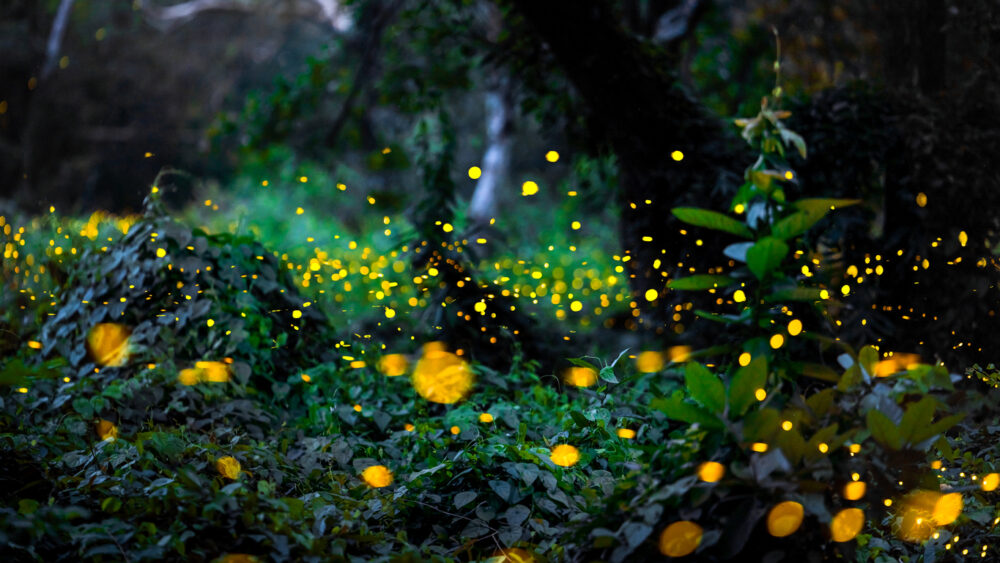
Fireflies used to be summer’s main event—flickering over backyards and fields like tiny stars come to visit. But those glowy love signals they send to find a mate? They’re getting drowned out by porch lights, floodlights, and every other bulb we leave on overnight. Oliver Milman of The Guardian reports that artificial light interferes with firefly courtship by making it harder for males and females to spot each other’s flashes.
And these bugs aren’t just some cute background vibe. They’ve got a whole rhythm going with the ecosystems they live in. Once their little hangouts get paved over or lit up, they don’t stick around. They vanish. Fireflies are picky about where they live, and once that glow disappears from a neighborhood, it rarely comes back. We don’t usually think twice about flipping a switch after dark—but to a firefly, it might as well be a neon sign that says “Game over.”
2. Bats can’t hunt when the night feels like day.
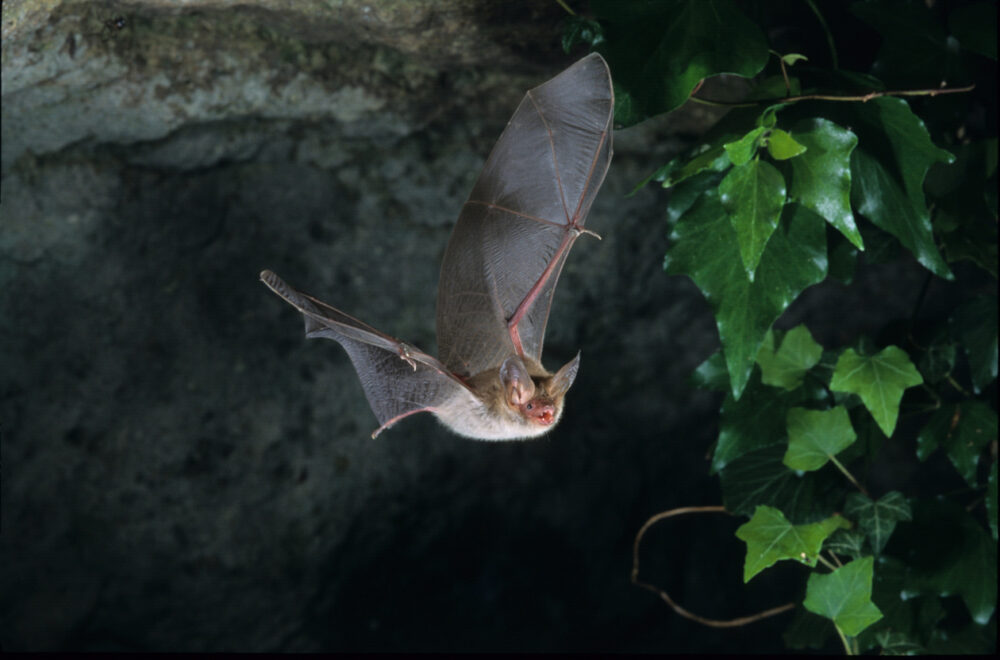
Bats are basically night ninjas—silent, quick, and wired for darkness. But when we flood their skies with light, the whole balance falls apart. Their food, mostly bugs, starts swarming around artificial lights or disappears completely. According to the Bat Conservation Trust, artificial lighting can delay or prevent bats from leaving their roosts, cutting into prime feeding time just after dusk.
Some try to adapt, but not all bats are flexible. Many just leave. Others show up later in the night, when it’s a little darker, but by then the buffet’s over. Even their internal clocks get thrown off.
They’re already juggling habitat loss and disease, so tossing in a constant glow is like adding insult to injury. That quiet flutter you used to hear just after sunset? In a lot of places, it’s already gone. And once bats move out, you’ll notice the mosquitoes move in.
3. Sea turtle hatchlings are crawling toward their deaths.
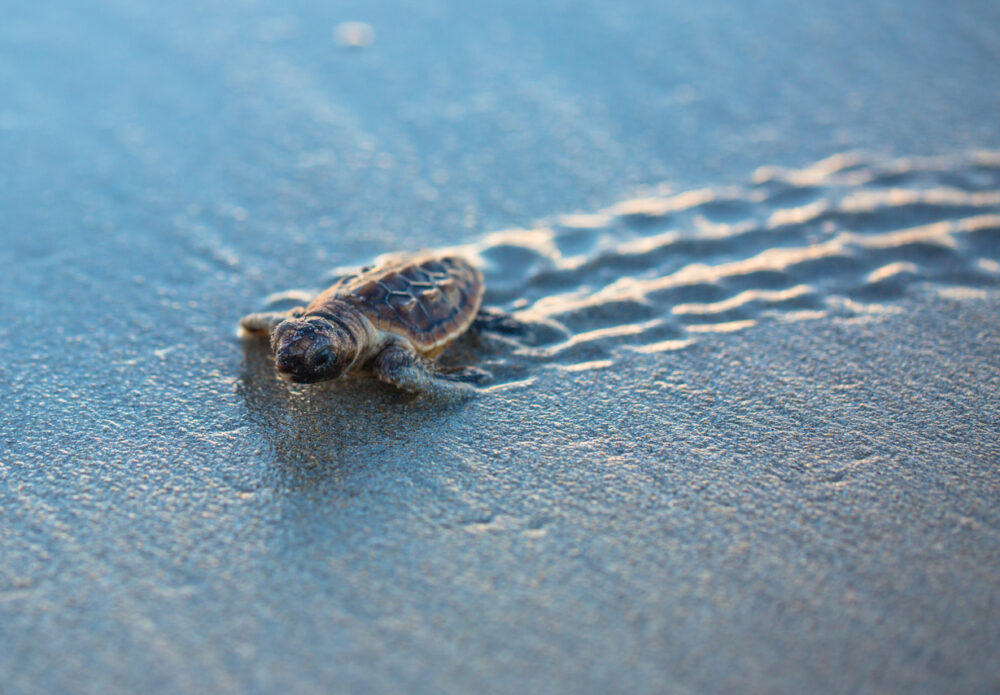
Baby sea turtles have one job: crawl toward the ocean the second they hatch. They’re wired to follow the brightest thing on the horizon, which used to be the moon reflecting off the water. Now it’s usually a hotel, a boardwalk, or a row of headlights. The Florida Fish and Wildlife Conservation Commission notes that artificial lighting causes thousands of hatchling deaths each year in Florida due to disorientation.
They get crushed on roads, eaten by predators, or just never make it to the water at all. Beachfront lighting is a nightmare for them, and while there are some efforts to fix it—like shielding lights or using red bulbs—it’s nowhere near enough. These babies are already fighting the odds from the second they crack their shells. We’re just making it harder. Watching one wander the wrong way, drawn to a glow it doesn’t understand, is a brutal reminder of how much damage our lights can do.
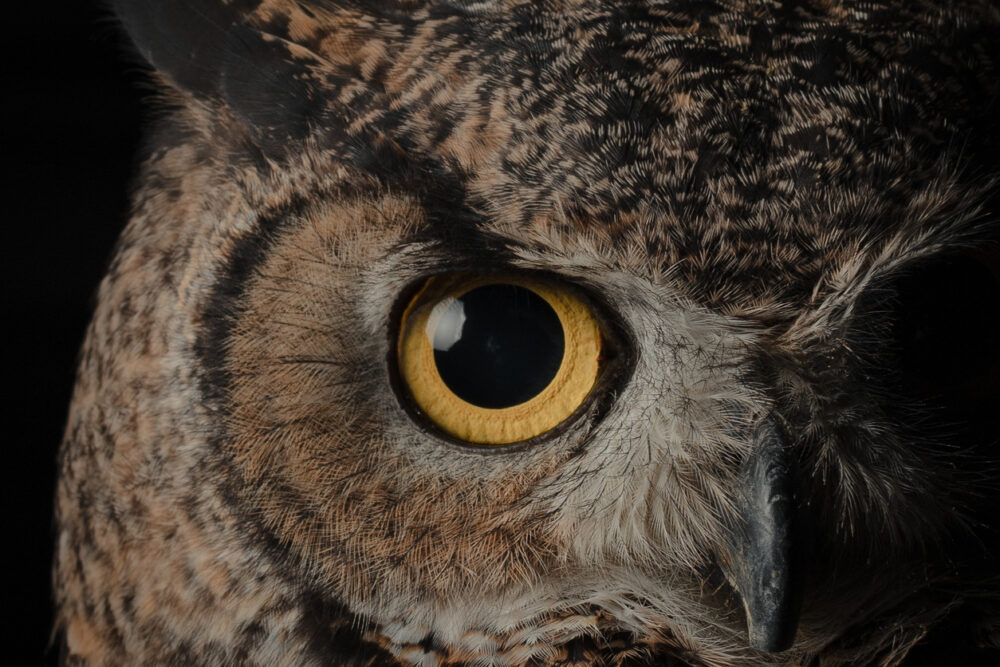
4. Owls are hunting less and stressing more under artificial skies.
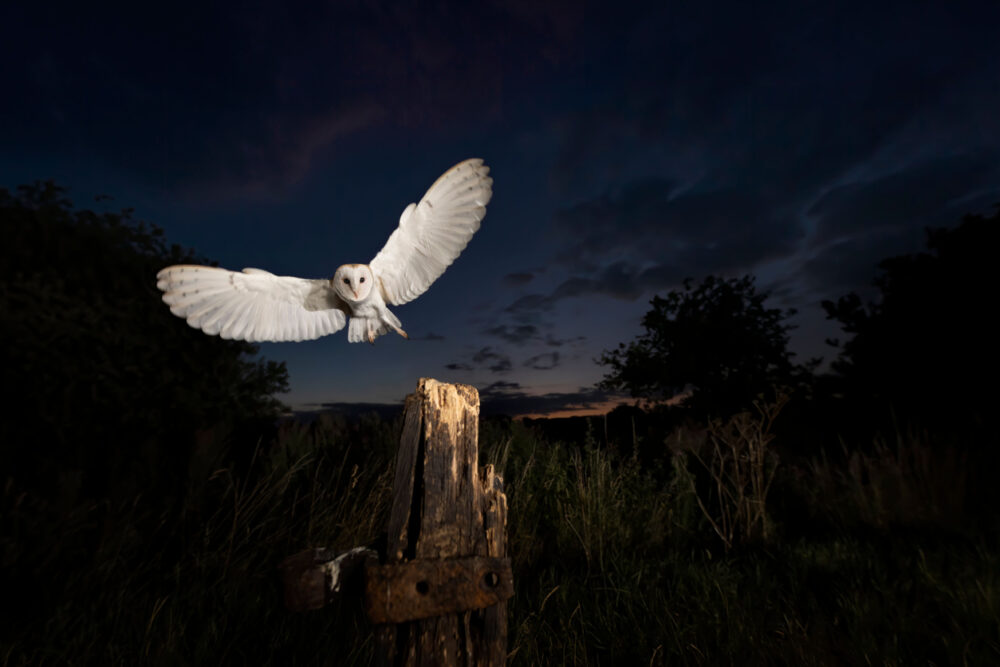
Owls are built for the dark. They’ve got the stealth, the vision, and the instincts to silently rule the night. But those advantages don’t work as well when their hunting grounds are lit up like a parking lot. Streetlights mess with their ability to sneak up on prey, and the animals they’re tracking start behaving differently.
It’s not just about the food. Bright light also disrupts their sleep cycles and throws off their internal rhythms. Some species won’t even nest in areas that are too lit, so they’re left with fewer safe places to live.
It’s a chain reaction that starts with a single bulb and ends with an owl abandoning its territory. These birds need silence, shadows, and space. Instead, they’re getting stadium lighting in the middle of their hunting zone.
5. Moths are fatally drawn to artificial light.
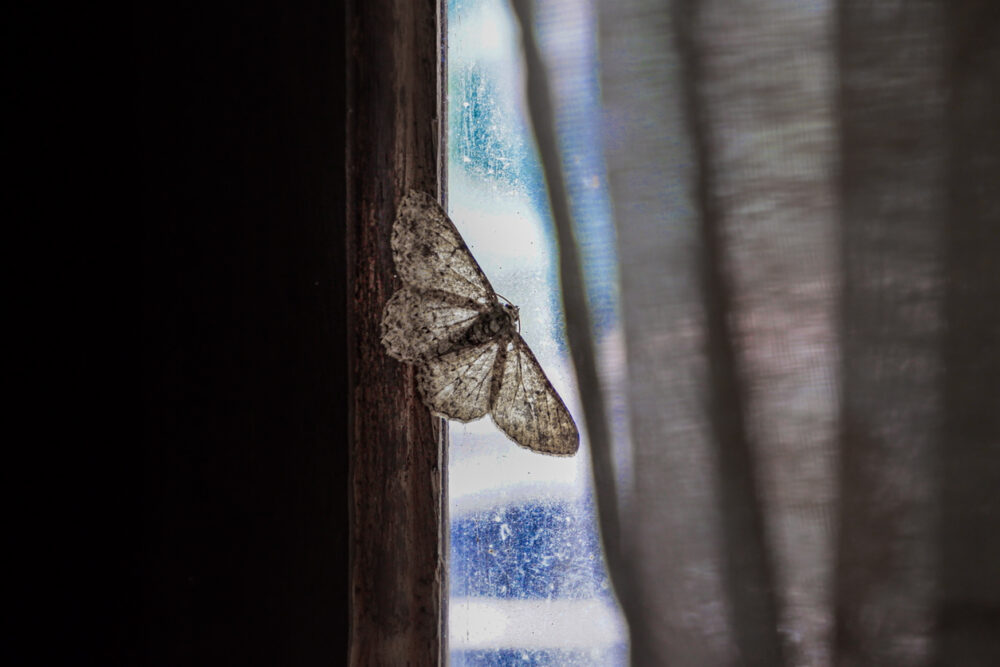
Moths have this strange pull toward artificial light—they spiral around it, crash into it, and sometimes just burn themselves out. Their internal navigation systems evolved to follow moonlight, but now they’re stuck in endless loops around bulbs that don’t lead anywhere.
This ends badly for moths, but it doesn’t stop there. They’re also nighttime pollinators and a major food source for other creatures. When moths vanish, ecosystems start wobbling. Whole plants stop getting pollinated. Birds and bats lose their snacks. The worst part? Most of this damage happens silently. One porch light left on overnight might seem harmless, but to a moth, it’s a trap. Multiply that by millions of lights around the world, and you start to understand why nights are getting quieter—and emptier.
6. Frogs are calling into the void on bright nights.
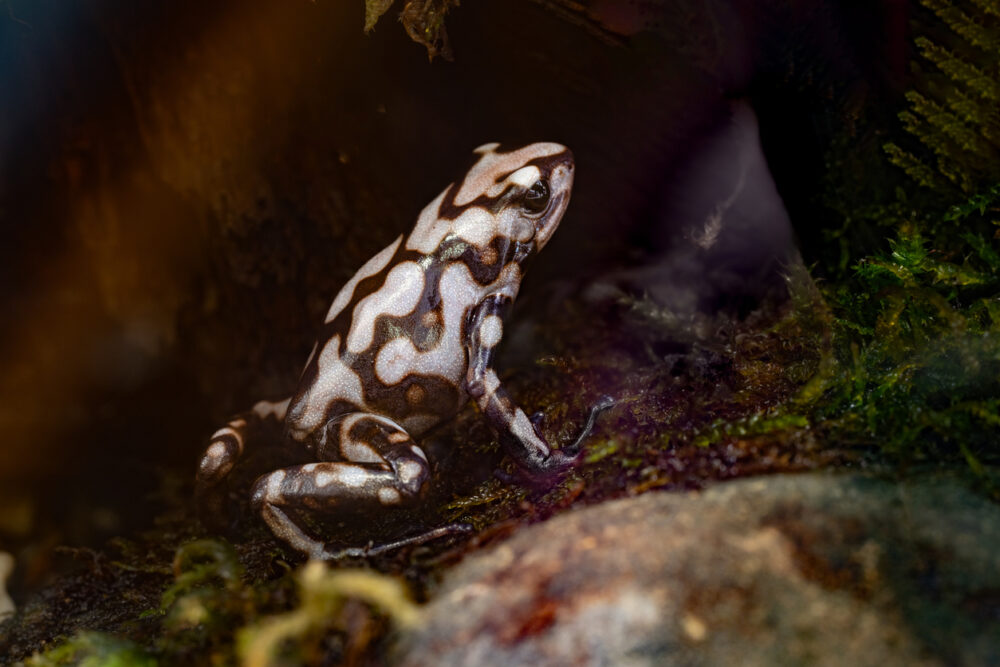
Frog love songs are nature’s background music. Their nighttime croaks aren’t just noise—they’re how frogs attract mates. But once you flood their pond or wetland with artificial light, things start falling apart. Some stop calling completely, while others call more often but get ignored. Either way, they lose their shot at breeding.
That absence has ripple effects. Less mating means fewer tadpoles, which means fewer frogs the next year. And so the cycle of silence grows. These animals already have enough stacked against them—pollution, pesticides, shrinking habitats. Now we’re blasting their homes with lights they were never meant to adapt to. Frogs don’t need much. A dark, damp place to sing and a partner to answer. What they don’t need is a spotlight on their stage.
7. Headlights and garden lights turn hedgehogs into roadkill.
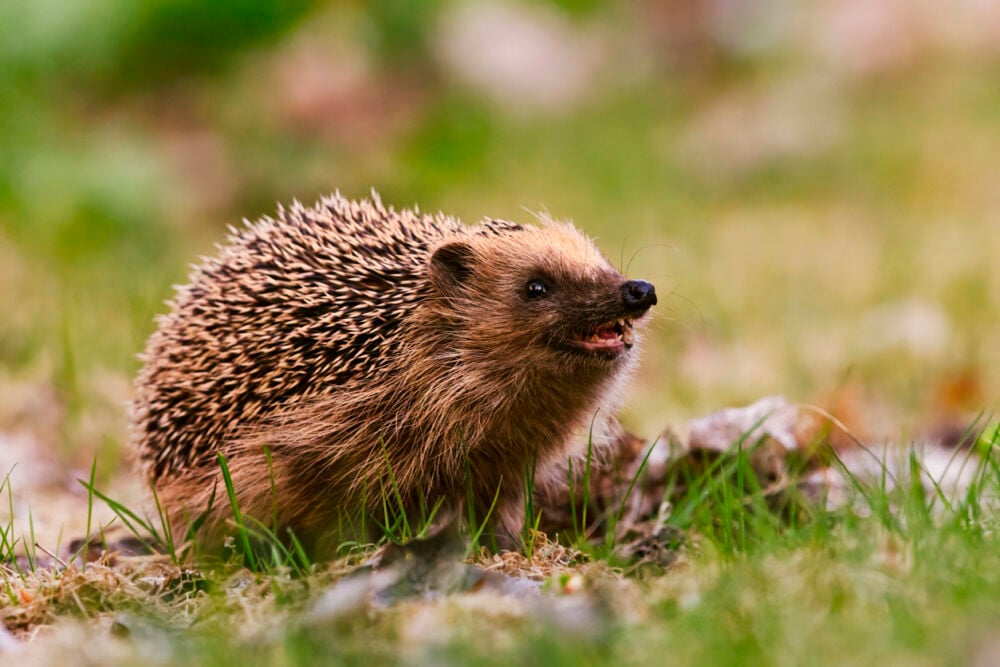
Hedgehogs love the quiet of nighttime to search for food, but urban lights have completely thrown off their routine. They tend to avoid bright areas, which cuts down the amount of space they’ll explore. In cities, that means they’re more likely to get stuck in fragmented patches or venture into dangerous zones—like roads.
The result is a huge spike in hedgehog roadkill. Their usual cautious behavior doesn’t work well when they’re blinded or confused by headlights. And when they’re not crossing roads, they’re missing out on food in well-lit gardens and pathways.
Their instinct says, “Don’t go toward the light,” so they end up boxed in. It’s like the world shrunk overnight. A species that once thrived in hedgerows and fields is now being slowly edged out by the modern glow, retreating further into the shadows with fewer places left to hide.
8. Glowing skies steal the stealth from flying squirrels.
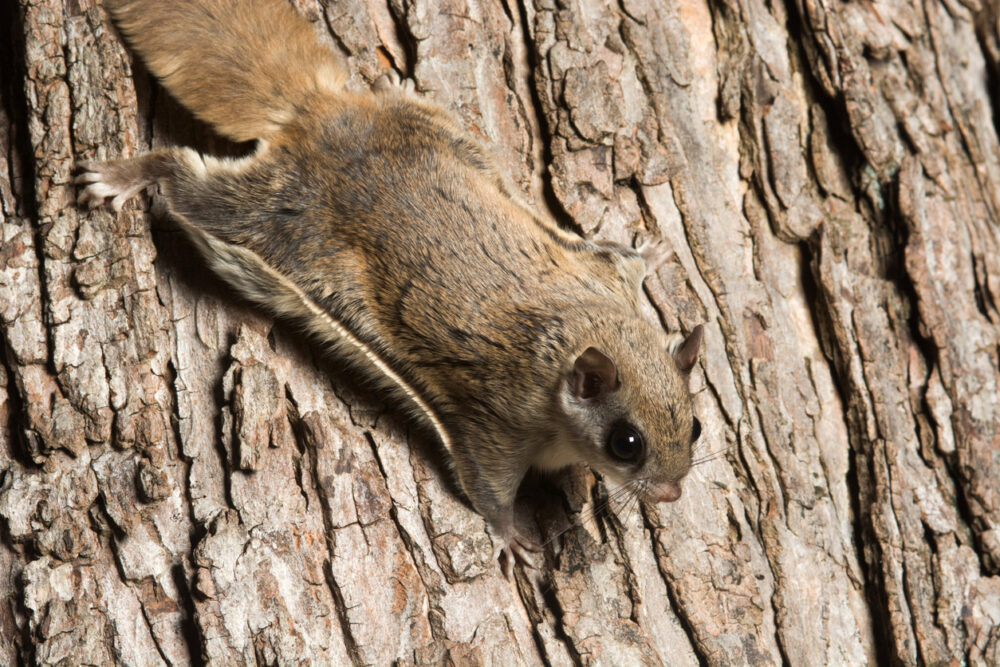
Flying squirrels don’t actually fly, but they glide like little nighttime daredevils from tree to tree. That silent movement helps them avoid predators and sneak around without drama. But when forests and neighborhoods stay lit all night, they’re suddenly on full display.
Predators like owls or cats can spot them mid-glide, and even the squirrels get thrown off by the glare. The whole “invisible ninja of the trees” thing doesn’t really work when you’re lit up like a firework. Light pollution also messes with their navigation and timing—they rely on cues from the darkness to know when to leave their nests and where to go. It’s hard to sneak through the world when every step is spotlighted. So instead of thriving in the treetops, these animals are getting spooked, slowed down, and hunted more often than they should be.
9. UV light exposes scorpions instead of hiding them.
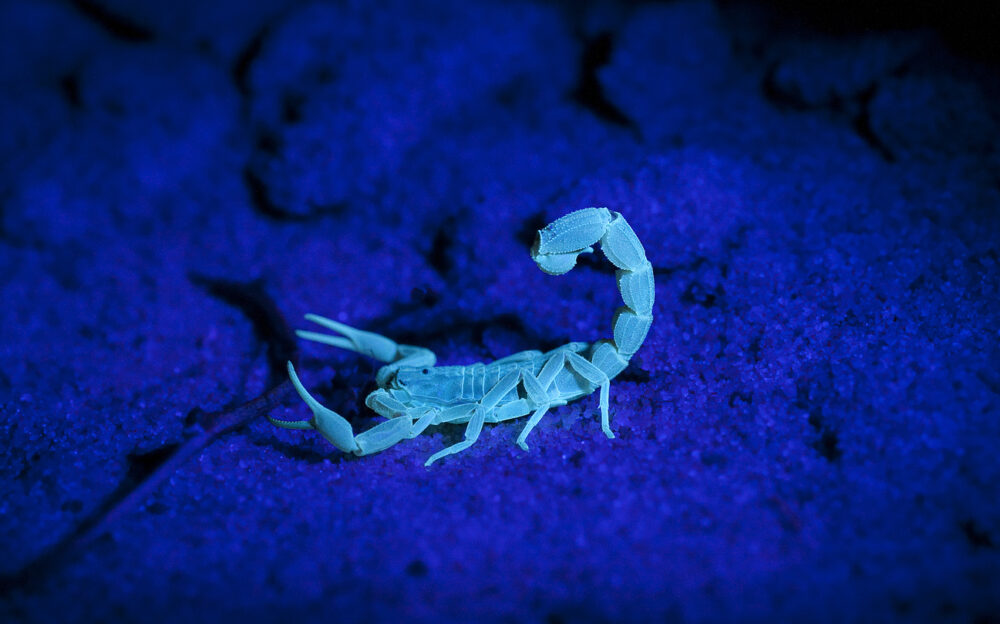
Yes, scorpions glow under UV light. It’s a cool party trick in the desert—until that glow turns into a bullseye. As more desert areas get lit up for tourism or development, these normally secretive creatures are finding it harder to stay hidden.
Researchers still don’t know exactly why scorpions glow, but they do know light affects their behavior. They often freeze up or change direction when exposed to UV or strong artificial light. So when their natural landscape is littered with floodlights or trails lined with solar lamps, they’re either easy prey or too disoriented to hunt properly.
Scorpions aren’t exactly cuddly animals, but they’re essential predators that help control pests in their ecosystems. As the night gets brighter, they’re stuck with fewer places to hide—and a lot more eyes on them.
10. Bright trails trick nightjars into nesting in danger zones.

Nightjars are cryptic birds that blend into leaf litter and quietly raise their chicks on the ground. They rely on camouflage and low light to stay safe. But once artificial lighting floods their nesting areas, they start picking poor spots—too close to trails, paths, or open spaces where predators can easily spot them.
The problem isn’t just bad real estate. Light pollution can mess with their internal clocks and feeding patterns, which makes parenting even harder. Fewer bugs show up at the right times, and the adults don’t always leave the nest when they should. Add in the stress from noise and foot traffic, and you’ve got a seriously disrupted bird. Nightjars are already hard to find—they’re practically invisible in the wild. But in areas lit by parking lots or campgrounds, they’re slowly disappearing, outmatched by a world that never turns off the lights.
11. Blinding lights ruin the tarsier’s nighttime precision.
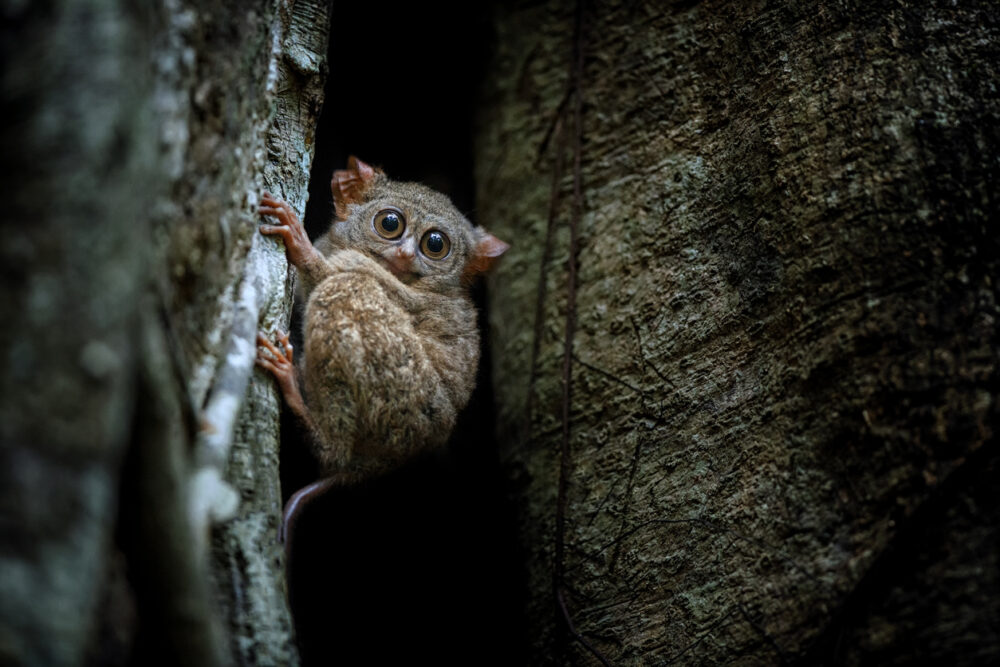
Tarsiers have eyes bigger than their brains—literally. These tiny primates are built for nighttime precision, spotting insects and prey in low light with freakish accuracy. But they’re not built for the nonstop glow of human settlements. Artificial light overwhelms their ultra-sensitive vision and throws off their behavior entirely. They start foraging less, or not at all. Sometimes they just freeze in place. In a world that’s getting brighter even in once-remote areas, their nighttime dominance is fading fast.
These animals already live in fragmented forests, and light is just another reason for them to retreat even further. When an animal is this specialized, there’s not much wiggle room. Take away the darkness, and you take away its edge. The jungle might still look wild, but for a tarsier, it’s starting to feel more like a spotlighted stage with no exit.
12. Glowworms lose their edge in a world that’s too bright.
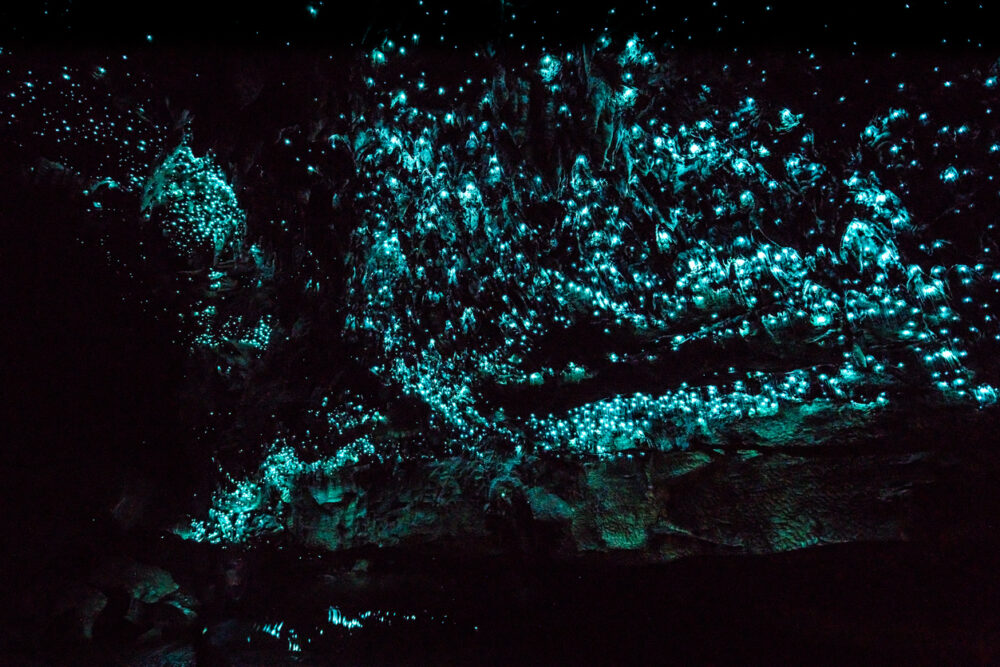
Glowworms have one job at night—shine just enough to lure in a snack. Their light traps are clever, subtle, and totally ruined by the flood of artificial brightness nearby. Streetlights and building glows overpower their tiny signals, making them invisible to prey.
With fewer bugs flying into their sticky threads, they miss meals. And the hungrier they are, the less energy they have to shine, which makes the next night even worse. It’s a losing cycle that’s wiping them out in places they once lit up like little fairylands. These aren’t just novelty bugs—they’re part of the natural food chain. And when they go, the silence left behind feels eerie. The trails, forests, and caves where people used to go glowworm spotting? Many are going dim for all the wrong reasons. We’ve lit up the night so much that even creatures made of light are disappearing.
13. Artificial light throws sugar gliders into midair chaos.
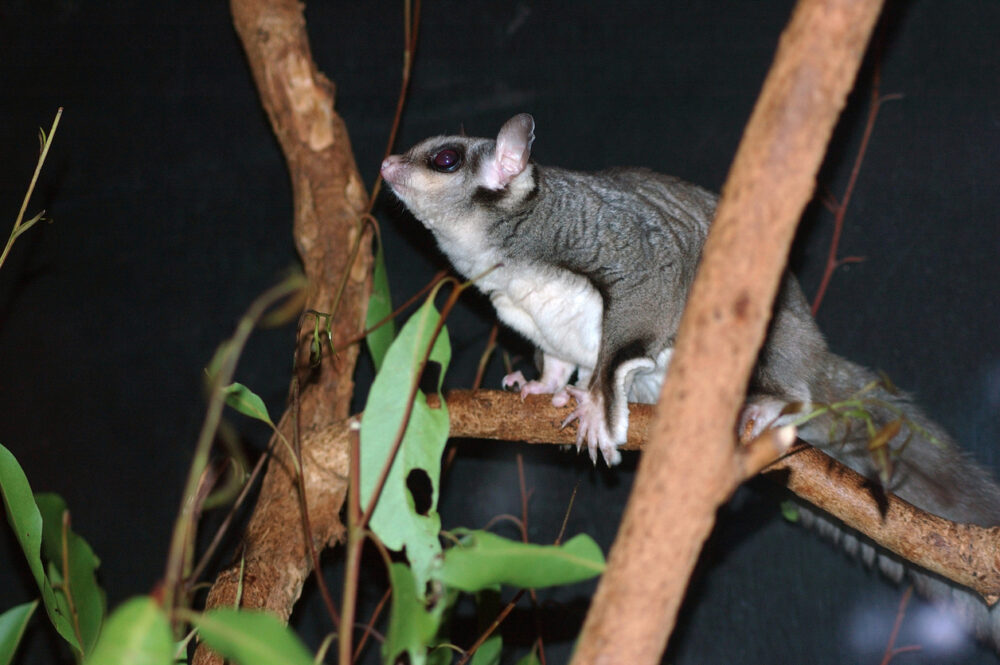
Sugar gliders are like tiny acrobats of the night—gliding, climbing, leaping. Their nighttime lifestyle used to keep them safe and stealthy, but now artificial lights are messing with their depth perception and reactions mid-air. When everything’s over-lit, their instincts start to fail.
They might leap into the wrong branches or misjudge distances, leading to injury or worse. Bright lights also attract predators and disorient them while they forage. Their glide zones shrink because many simply avoid the brightest areas altogether.
These creatures need space, darkness, and a reliable sense of direction. Now they’re navigating a patchwork of light and shadow, constantly adapting to a world that doesn’t play by the rules anymore. In suburbia, where trees are broken up by lawns and driveways, they’re at even greater risk. The dark they once ruled is now full of hazards.
14. Human glow pushes aardvarks out of the shadows.
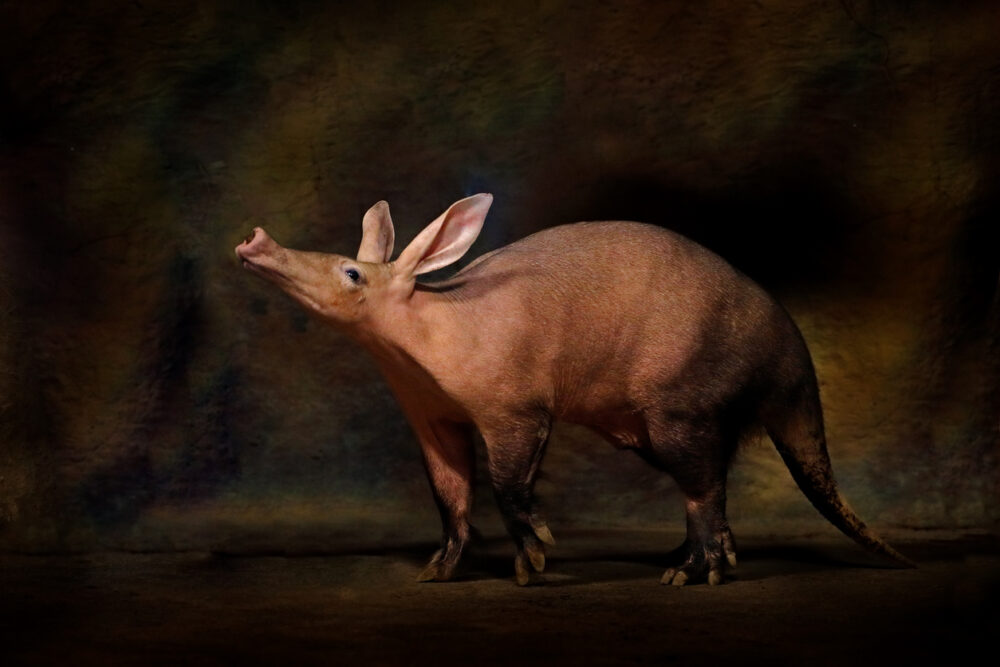
Aardvarks are shy, nocturnal diggers with a very specific mission: hunt ants and termites once the sun goes down. They’re not social, not flashy, and definitely not fans of well-lit environments. But human expansion has brought lights even into the outskirts of their territories, forcing them to search for food in unfamiliar, brighter areas.
They tend to avoid lights, but hunger can push them out anyway. That’s when things get risky—less cover, more exposure, and a higher chance of running into predators or humans. Aardvarks don’t adapt quickly to change. When their rhythms are off, they eat less, travel farther, and spend more energy just staying alive.
They’ve made it this far by sticking to a nighttime script. Now that script is being rewritten by a world that glows at all hours.