
Before sustainability was a trend, it was just called common sense.

Boomers often get blamed for environmental damage, but their generation actually pioneered many of the green habits younger generations are now embracing. Long before zero-waste influencers made headlines, thrift shopping, mending clothes, and growing food were just a normal way of life. Plastic-free grocery shopping? That was the default. Riding bikes instead of driving? A daily routine.
Unlike today’s throwaway culture, Boomers grew up in a time when wasting food wasn’t an option, appliances were built to last, and fast fashion didn’t exist. Fixing, reusing, and repurposing weren’t radical ideas—they were just part of everyday life. Many of the “sustainable” habits making a comeback today were simply common sense back then.
While not everything about the past was greener, there’s a lot we can learn from the ways Boomers lived before single-use everything became the norm. Here are 14 habits they got right long before sustainability was a trend.
1. The milkman had the OG zero-waste delivery service.
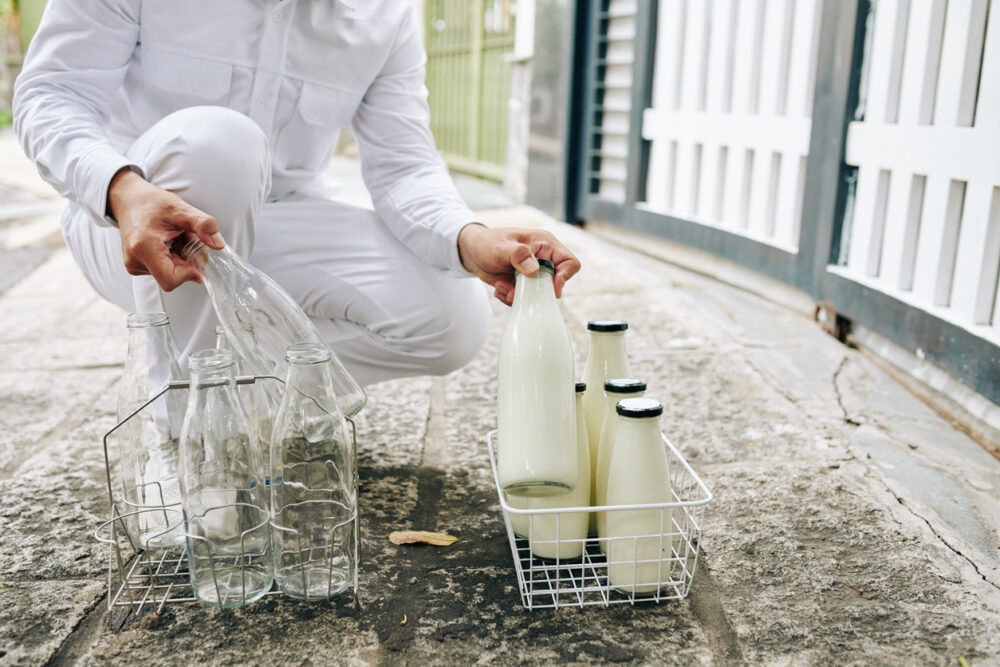
Long before plastic jugs took over, milk was delivered in reusable glass bottles. The milkman dropped off full bottles, collected the empties, and sent them back to be washed and refilled. Randy Alfred of Wired reports that the first glass milk bottles were introduced in the late 19th century, allowing for sterilization and reuse, which significantly reduced packaging waste.
This wasn’t just for milk—soda, beer, and even household essentials like cooking oil were often sold in refillable glass containers. Unlike today’s throwaway culture, Boomers lived in a world where reusability was the norm. Some local dairies are bringing this system back, proving that past generations had the right idea. If plastic-free shopping seems like a new trend, think again—Boomers were doing it long before zero-waste movements existed.
2. Ripped clothes weren’t fashion—they were a sign it was time to grab a needle and thread.
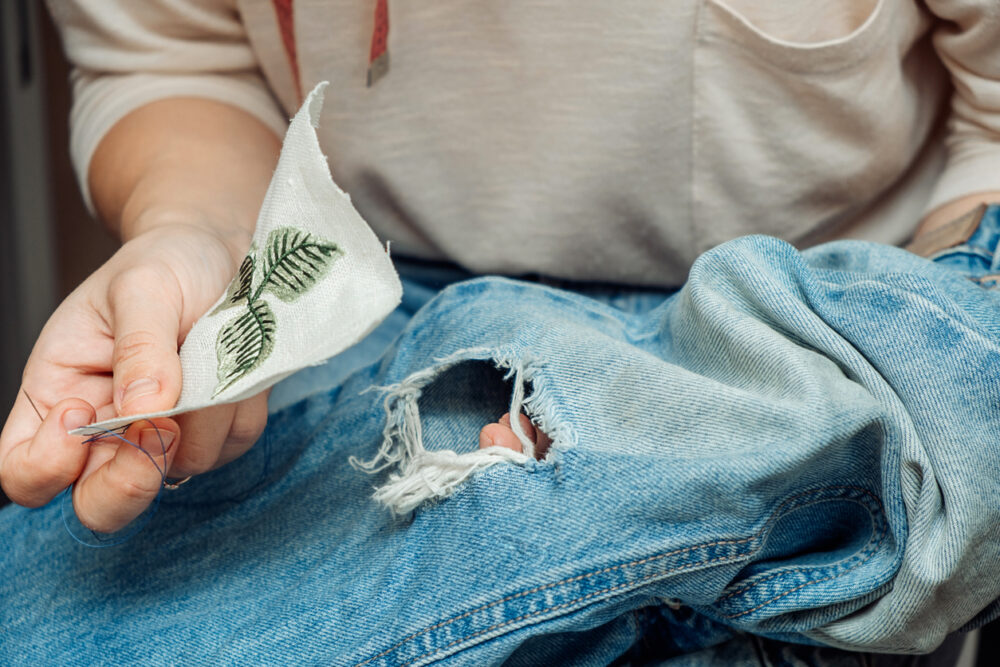
A hole in a shirt wasn’t an excuse to toss it. Clothes were mended, patched, or repurposed because replacing them wasn’t always an option. Sewing was a basic life skill, and families regularly repaired garments to extend their lifespan.
Hand-me-downs were common, and wearing older siblings’ clothes was just part of growing up. Even when an outfit was beyond repair, it wasn’t immediately thrown away. Old fabrics became cleaning rags, stuffing for homemade pillows, or material for DIY projects.
A study by the University of Missouri-Columbia found that many millennials lack basic clothing repair skills, contributing to a significant amount of textile waste each year. For the boomer generation, developing those skills wasn’t about sustainability—it was just practical.
3. Food scraps went into compost bins, not landfills.

Throwing away food wasn’t the norm. If something couldn’t be eaten, it was composted, fed to backyard chickens, or turned into homemade broth. Many households had compost piles where fruit peels, eggshells, and coffee grounds broke down naturally, enriching the soil for gardens.
Waste was minimal because leftovers were repurposed into new meals. Broths were made from vegetable scraps, and stale bread became breadcrumbs or pudding. Boomers weren’t just reducing food waste—they were creating a full-circle system where every scrap had a second purpose.
According to Dana Gunders at the Natural Resources Defense Council (NRDC), up to 40% of food in the U.S. gets wasted, making traditional composting and food repurposing habits more relevant than ever. Reviving these simple yet effective habits could significantly reduce unnecessary waste and ease the burden on landfills.
4. Store-bought cleaners? Vinegar and baking soda did the trick.

Cleaning cabinets weren’t stocked with a different chemical for every surface. Instead, simple household staples like vinegar, baking soda, and lemon juice handled everything from scrubbing floors to deodorizing laundry. These ingredients were cheap, effective, and didn’t require plastic packaging.
Homemade cleaning solutions were passed down through families, making them a normal part of household care. Today’s surge in “eco-friendly” cleaning products is really just a return to what Boomers already knew—fancy chemicals aren’t necessary. While companies market expensive green alternatives, the real secret to a clean home has been sitting in pantries for generations.
5. Carpooling wasn’t about saving the planet—it was just common sense.

Not every household had multiple cars, so sharing rides was second nature. Kids piled into neighborhood station wagons for school, co-workers split gas money for the daily commute, and public transit was a routine part of life. Driving everywhere solo wasn’t practical—or affordable.
Boomers weren’t thinking about carbon footprints, but their habits naturally reduced emissions. Gas was cheaper back then, but that didn’t mean it was wasted. Biking and walking were also more common, not because they were trendy, but because they were simply how people got around. Today’s carpooling apps and sustainability efforts are just modern takes on a habit that once made perfect sense.
6. Grocery runs meant cloth sacks and baskets, not plastic bags.

Grocery shopping didn’t leave people drowning in plastic bags. Before single-use plastic became the default, people brought their own cloth sacks, mesh produce bags, or baskets to carry their food. Paper bags were available, but they were reused multiple times, not tossed after one trip.
Glass jars and tins were also commonly used for bulk goods, and butcher paper was the standard for wrapping meat. Boomers didn’t call it zero-waste shopping—it was just how things were done. The modern push to ditch plastic bags is nothing new—it’s simply reviving the habits of a generation that knew how to shop without waste.
7. Home-cooked meals kept packaging waste low and flavor high.

Fast food wasn’t an everyday thing, and most meals were made from scratch. That meant fewer prepackaged ingredients, less plastic waste, and more reliance on fresh, whole foods. Groceries were often purchased from local butchers, bakeries, and farmers’ markets, cutting down on excessive packaging.
Leftovers were never wasted—they were reinvented into new meals. Casseroles, soups, and sandwiches gave second life to whatever was in the fridge. There were no individually wrapped snacks or plastic-covered convenience meals cluttering the kitchen.
Cooking at home wasn’t about being sustainable—it was just how families ate. The trend of meal prepping and reducing food waste today is just a return to what Boomers did naturally.
8. Dryers were optional—sunshine and fresh air got the job done.
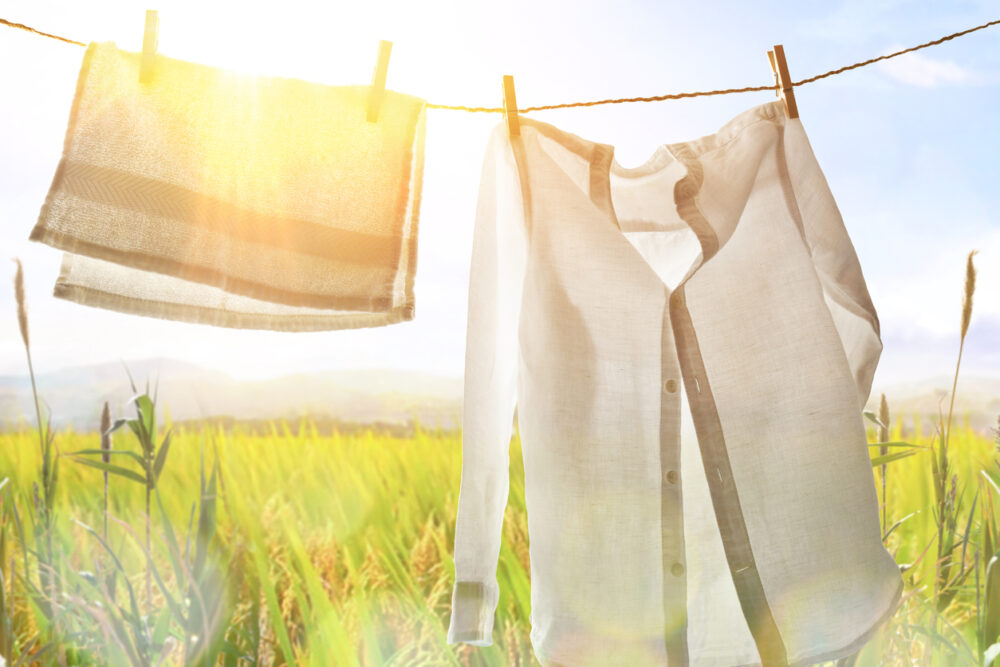
Hanging clothes outside wasn’t a sustainability trend—it was just how laundry worked. Freshly washed clothes were clipped to a line or hung on an indoor rack, drying naturally without using a single watt of electricity. In colder months, drying racks near heaters or fireplaces did the job just fine.
This habit wasn’t just about energy savings. Line-dried clothes lasted longer since they weren’t subjected to high heat and tumbling that weakens fabric fibers. Plus, sun-dried sheets had a freshness no dryer sheet could replicate. While modern conveniences made dryers standard, rising electricity costs and environmental concerns are bringing this practice back into fashion. Boomers didn’t need an energy-efficient appliance—they had the most efficient one of all: the sun.
9. If something broke, you fixed it instead of tossing it.
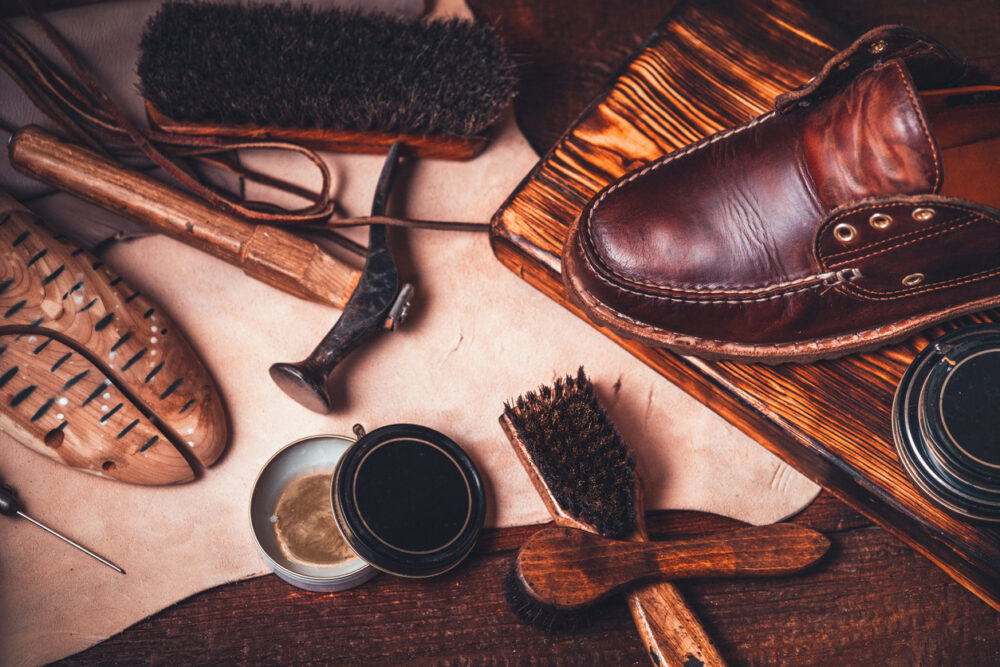
A busted toaster or worn-out shoes didn’t mean an automatic trip to the store—it meant pulling out the toolbox. Fixing things was second nature, whether it was mending clothes, repairing furniture, or taking small appliances to a repair shop instead of replacing them.
Products were built to last, and when they didn’t, people made sure to extend their lifespan. Shoe cobblers, tailors, and TV repair shops were everywhere because replacing something wasn’t always necessary. Household sewing kits, glue, and toolsets were standard in homes, and kids grew up learning how to fix instead of throw away.
With planned obsolescence dominating the market today, this mindset is making a much-needed comeback. The right-to-repair movement? Boomers would probably just call it common sense.
10. Bar soap kept things clean before plastic bottles took over.

Liquid soap wasn’t always a bathroom staple. Before plastic pump bottles filled store shelves, every sink had a simple bar of soap—wrapped in minimal paper packaging and lasting far longer than today’s bottled alternatives. It worked just as well, if not better, without creating plastic waste.
Bar soap wasn’t just for handwashing. It was used for dishes, laundry, and even shampoo before an aisle full of single-use plastic products became the norm. One bar could serve multiple purposes, making it both cost-effective and low waste. Today, as people look for ways to cut down on plastic, they’re realizing that Boomers already had the best solution sitting by the sink all along.
11. Who needed plastic bottles when drinking fountains were everywhere?
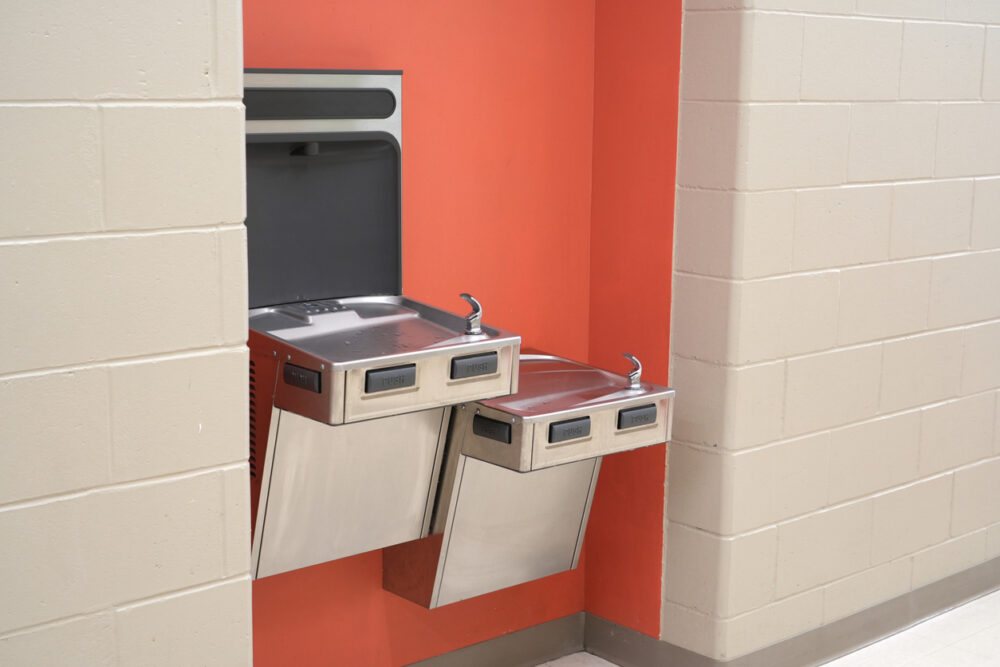
Thirsty? You didn’t buy bottled water—you found a drinking fountain. Public fountains were everywhere, from parks to office buildings, making it easy to stay hydrated without single-use plastics. If you needed water on the go, you carried a reusable canteen or thermos.
Plastic bottled water wasn’t just unnecessary—it wasn’t even an option for most people. Today, discarded plastic bottles are one of the biggest sources of pollution, with billions ending up in landfills and oceans every year. Refill stations and reusable bottles are making a comeback, but Boomers never needed them in the first place. They just drank water the smart way—straight from the tap.
12. Backyard gardens made local food the norm, not a luxury.

Grocery stores weren’t the only source of fresh produce. Many households had backyard gardens filled with tomatoes, lettuce, zucchini, and herbs, cutting down on food costs and packaging waste long before “farm-to-table” was a movement.
Food preservation was second nature, too. People canned, pickled, and dried their harvests to last through the winter, reducing reliance on store-bought, plastic-wrapped goods. Gardening wasn’t about reducing your carbon footprint—it was simply practical.
Now, as food prices rise and concerns about sustainability grow, backyard gardening is making a well-deserved comeback. The only difference? Boomers didn’t call it a trend—they just called it dinner.
13. Libraries were the original book-sharing movement.

Buying new books all the time wasn’t necessary when the local library had everything you needed. Families relied on libraries for books, newspapers, and even music, keeping resources in circulation instead of cluttering their homes with things they didn’t need to own permanently.
The library system prevented waste, saved money, and made knowledge accessible to everyone. Borrowing books wasn’t just practical—it was part of everyday life. While digital media has changed the way people consume content, the concept of sharing resources remains one of the most sustainable ways to enjoy books. Boomers didn’t need a subscription service or an e-reader—they just had a library card.
14. Brown bag lunches didn’t come wrapped in layers of plastic.
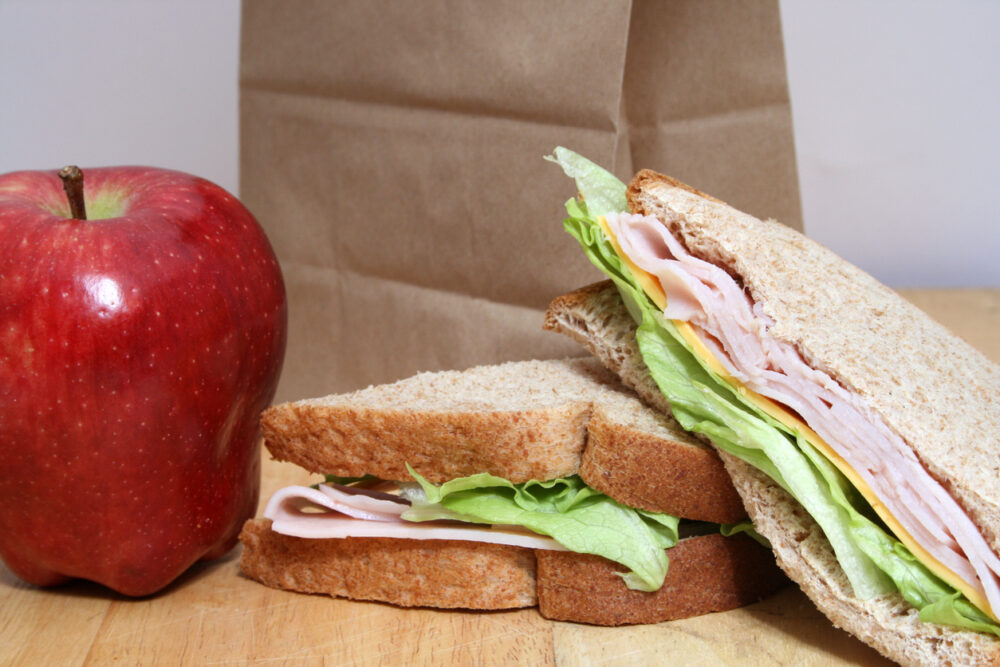
School and work lunches didn’t come with disposable everything. Sandwiches were wrapped in wax paper, leftovers went into reusable containers, and drinks were poured into thermoses instead of single-use bottles or cartons. Snacks weren’t in individual plastic bags—they were portioned from a big bag at home.
Lunchboxes weren’t just practical—they were durable, often lasting for years. Boomers didn’t need “zero-waste” lunch kits because they already packed their meals in ways that didn’t produce trash. With today’s push for waste-free lunches, we’re just circling back to what they did naturally. The difference is, now we call it sustainable.