
Convenience is killing the planet, one plastic fork and fast shipment at a time.

Convenience has quietly become the default. Fast, cheap, and frictionless wins every time—because who has the time, energy, or money to opt for the slower, harder way? It’s not just personal choice; it’s the world we’ve been handed. Corporations build systems that prioritize speed over sustainability, and we’re left with habits that feel harmless but come with a hidden environmental price tag.
We’re not here to guilt-trip your every move. But it’s worth noticing how normal it’s become to choose ease over everything else. That “convenient” option usually leaves behind more waste, more emissions, and more mess for someone else to clean up—often out of sight. These 14 everyday habits aren’t just about what we do; they’re also about what we’ve been sold. And the more we see through the illusion of convenience, the easier it becomes to make choices that don’t cost the planet so much.
1. Single-use coffee cups leave a massive carbon footprint.

That quick caffeine run might seem harmless, but the numbers add up fast. Research led by N. Triantafillopoulos at North Carolina State University estimates we use over 118 billion single-use coffee cups each year, with that number expected to double by 2025. Most have a plastic lining that makes them hard to recycle, and even compostable versions often end up in landfills.
But this isn’t just about personal responsibility. Coffee shops are built to move fast, and disposable cups are part of the business model. Reusables are often discouraged or inconvenient, and the systems just aren’t set up to support sustainable options.
Meanwhile, energy and water go into manufacturing every single cup, lid, and sleeve. That five-minute coffee break ends up creating waste that lasts decades. It’s a small habit propped up by a much bigger system that rewards speed, not sustainability.
2. Same-day delivery fuels emissions and chaos behind the scenes.
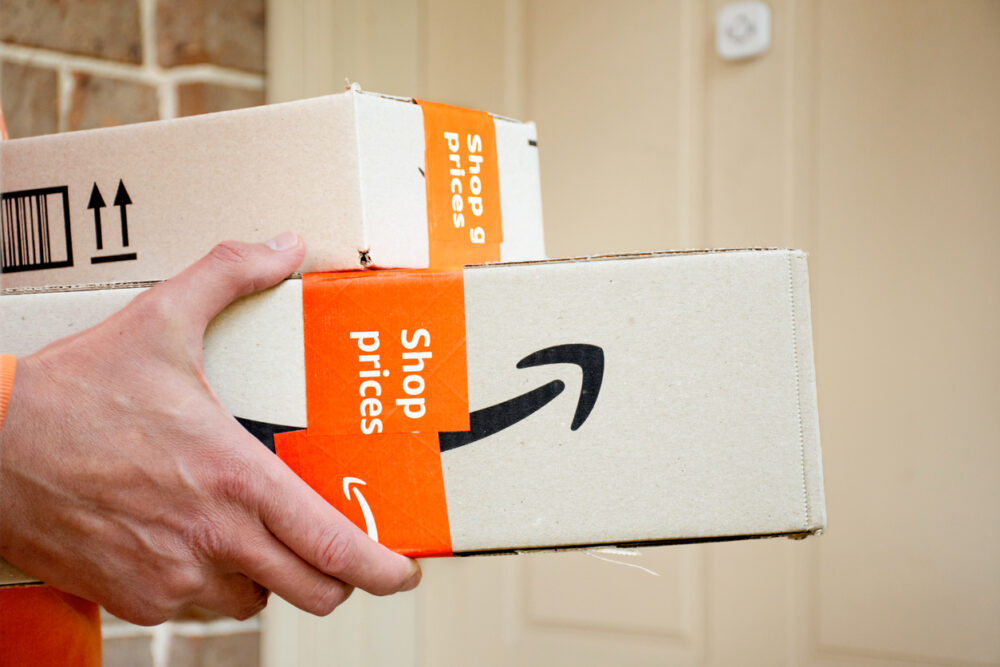
Getting a package hours after you order it feels like magic, but it’s built on a mess of logistical shortcuts. A study co-authored by Andrés Muñoz-Villamizar and published in the Journal of Cleaner Production found that rushing deliveries can increase carbon emissions by as much as 68% compared to standard shipping. Delivery vans rush half-full, warehouses run nonstop, and carbon emissions spike. And this isn’t all on consumers.
Retail giants push faster delivery as the norm to stay competitive, creating systems that prize speed over climate impact. Workers are under pressure to meet unrealistic deadlines, and cities are flooded with delivery traffic.
Choosing slower shipping might seem inconvenient, but it’s one of the few levers individuals have. Ultimately though, real change means calling out the corporations profiting from urgency. Same-day service is less about what customers want and more about what companies think will keep them hooked.
3. Food delivery apps churn out piles of unnecessary packaging.

Ordering dinner used to be an occasional treat. Now, for many, it’s a regular part of life—and every order comes wrapped in layers of waste. Research published in Resources, Conservation and Recycling and headed by Si Si Jia found that food delivery packaging waste in China jumped from 0.2 million metric tons in 2015 to 1.5 million by 2017. Most of it’s not recyclable, and even the recyclable stuff rarely gets sorted properly.
But the issue runs deeper than laziness. Delivery apps thrive on convenience, and restaurants are pressured to keep food hot, intact, and photo-worthy. So they overpackage, trying to avoid complaints, refunds, or bad reviews. The system rewards speed and cleanliness, not sustainability. The result is a booming waste stream hiding behind a screen tap. You can opt out of utensils or ask for no bag, but the real fix would mean redesigning the system—not just your order.
4. Ride-hailing apps make traffic and pollution worse.

Hopping in a rideshare can feel efficient, especially compared to owning a car. But studies show these trips often add to traffic, not reduce it. Drivers cruise between pickups, and many rides replace what could’ve been a walk, bike, or bus trip. That adds up to more emissions, not fewer.
Still, it’s not just a matter of laziness. Public transit is often unreliable, especially in underserved areas. Ride-hailing filled a gap—but it also made short car trips way too easy. These platforms were never designed for sustainability; they were built to scale.
Now, city streets are packed, and emissions keep climbing. Holding individuals responsible for every ride ignores the bigger picture: a broken transportation system that favors private cars over community solutions. Choosing greener travel helps, but real change means rethinking how cities move people.
5. Fast fashion makes it easy to shop—and just as easy to throw away.

It’s tempting: cheap clothes delivered fast, with new trends every week. Fast fashion thrives on impulse and burnout. The fabrics are often synthetic, the labor is usually underpaid, and the lifespan of each piece is painfully short. Wear it twice, toss it, repeat.
This cycle didn’t start in your closet. Brands design clothes for obsolescence—trendy cuts, poor stitching, and marketing that rewards constant buying. It’s convenience masked as choice. Clothing waste has doubled in the last 20 years, and most of it ends up in landfills or incinerators, not secondhand shops. You’re not just buying a shirt—you’re buying into a system that treats clothes as disposable. Choosing secondhand, rewearing outfits, or supporting slow fashion brands makes a difference, but the deeper issue is how fashion profits off endless turnover.
6. Disposable razors, toothbrushes, and floss picks are clogging the planet.

The personal care aisle is full of stuff designed to be used once and tossed. Razors with plastic handles, floss picks in tiny wrappers, toothbrushes that get replaced every few months—none of it disappears when you throw it away. It just shifts the problem somewhere else.
These items feel like hygiene essentials, but they’ve been heavily shaped by branding and convenience culture. Refillable and compostable alternatives exist, yet most people don’t even know they’re an option. Companies market disposables as cleaner, easier, and safer—which keeps you buying and tossing without question. That tiny plastic toothbrush might seem too small to matter, but billions are discarded each year. The problem isn’t just what’s in your bathroom drawer—it’s that so many of those products were designed to be waste in the first place.
7. Coffee pods create a mountain of hidden waste.

Pop a pod in, press a button, get your caffeine—simple, fast, satisfying. But behind that daily ritual is an enormous trail of plastic and aluminum waste. Most pods aren’t recyclable through standard curbside systems, and those that are rarely make it into the right bin.
Coffee pod companies love to talk about “convenience” and “freshness,” but that sleek design also locks you into a system of single-use waste. A single cup might not seem like much, but pod machines are in millions of homes and offices.
That adds up to billions of tiny containers destined for landfills. Alternatives like refillable pods or French presses aren’t just better for the planet—they give you more control over your coffee, too. The faster the cup, the longer the impact sticks around.
8. Hotel mini toiletries create more mess than luxury.
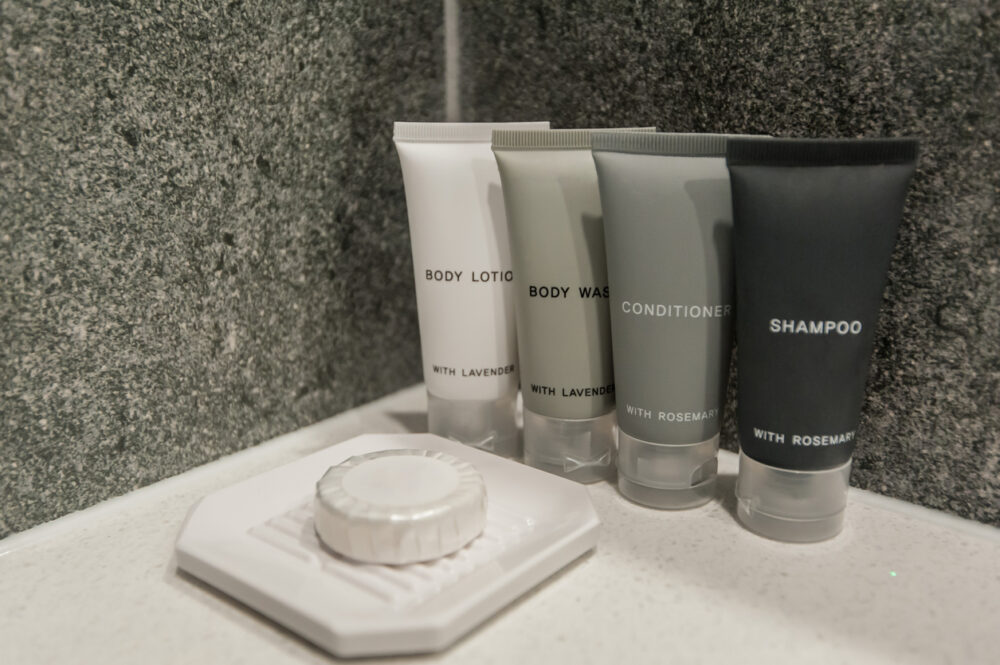
Tiny shampoo bottles and single-use soaps are standard in most hotels, meant to signal cleanliness and comfort. In reality, they’re part of a massive global stream of plastic waste—most of which gets tossed even if it’s barely used.
Hotels aren’t just handing these out for fun. The industry relies on the perception that fresh, sealed items equal high standards. It’s easier to toss than to clean and refill, and guests often feel entitled to pocket extras “just in case.” Multiply that by millions of hotel stays a night, and you get a flood of miniature trash. Some chains have started switching to refillable dispensers, but change is slow. Convenience culture tells us more is better—even when more means hundreds of plastic bottles piling up behind the scenes.
9. Grocery delivery encourages more packaging and more emissions.

What used to be a trip down the block is now an app, a shopper, and a car ride. Grocery delivery sounds efficient, but it often means extra bags, excess packaging, and more miles traveled overall. Orders are rarely grouped together, and time slots prioritize speed over route planning.
Grocery chains didn’t build these systems for sustainability—they built them for convenience and profit. Items get double-bagged, ice packs and insulation are tossed in, and plastic rules the whole process. Even when you try to opt for paper or reuse options, the system usually overrides your preferences. For people with mobility issues or limited access, delivery can be essential. But for everyone else, it’s worth questioning how often it’s actually saving time—and how much waste it quietly builds up in the background.
10. Drive-thrus keep engines running and emissions rising.
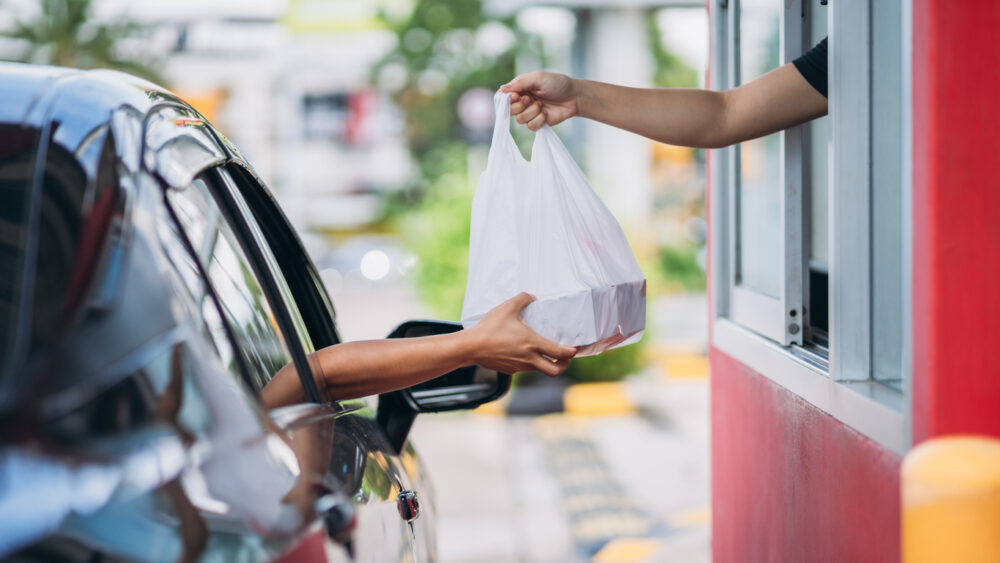
Idling in a drive-thru seems harmless—you’re barely there for a few minutes, right? Now multiply that by millions of cars across thousands of locations, all pumping out carbon while waiting for coffee, burgers, or a prescription refill. It’s a small habit with a big impact.
Drive-thrus exploded in popularity because they cater to speed and car culture. They’re convenient by design, especially in places where walking isn’t safe or transit isn’t reliable. But they also encourage short, unnecessary car trips and keep people in vehicles longer than they’d otherwise be. Some cities have even started banning new drive-thru developments to cut emissions and reduce congestion. Until more infrastructure supports walking or biking safely, drive-thrus will keep humming—and so will the engines.
11. Automatic dryers in public restrooms still suck up energy.
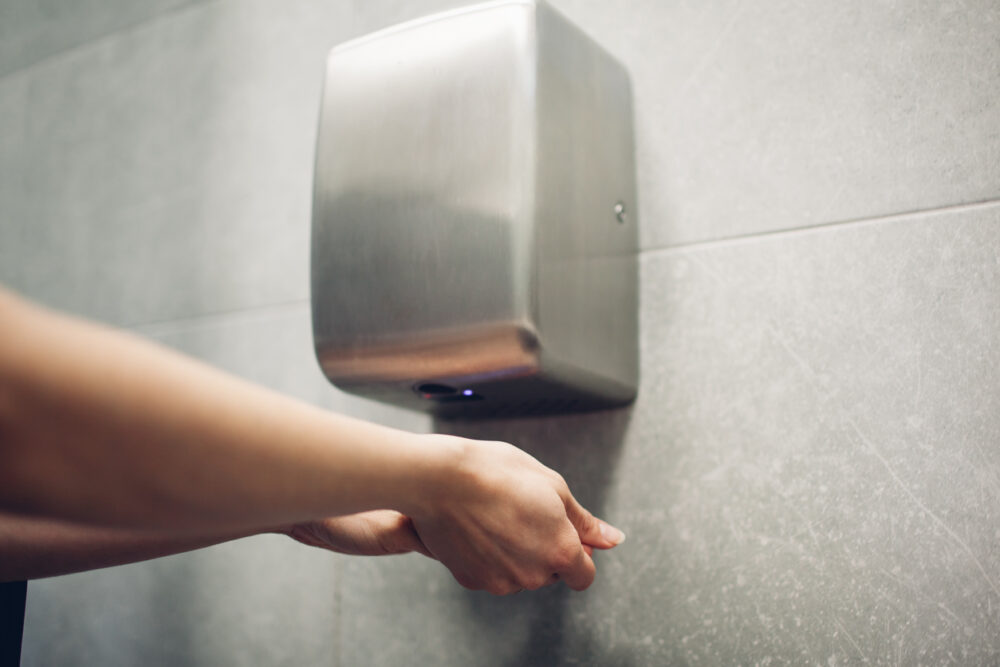
Touchless dryers feel cleaner than paper towels, and they cut down on obvious trash. But they don’t run on air alone. Many use powerful heating elements and fans, drawing more energy than people expect—especially in high-traffic spaces like airports and malls.
The real issue? Most buildings don’t power them with renewables, so every blast pulls more from the grid. Plus, people often end up using both the dryer and paper towels anyway. Eco-marketing makes dryers seem like the “green” option, but the truth depends on usage, energy sources, and how often they’re maintained. They’re not the villain—but they’re not a climate hero either. Small switches in high-use spaces add up fast, and energy efficiency often gets sidelined for whatever’s cheapest to install.
12. Pre-cut fruits and veggies come wrapped in unnecessary plastic.
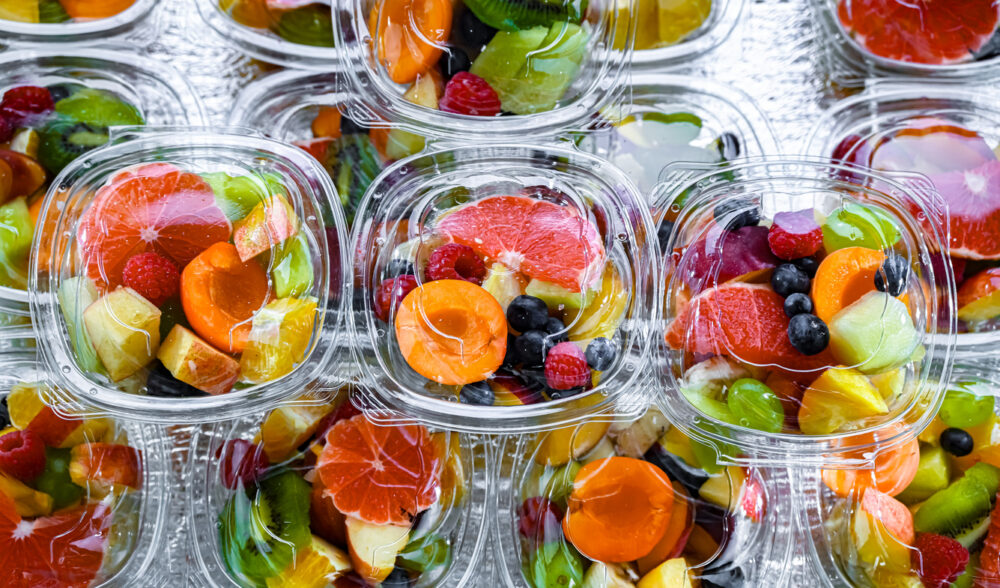
You see them stacked in grocery stores: neat rows of sliced apples, peeled carrots, and cubed melon in hard plastic clamshells. It’s convenience in a container, and it saves time—but at the cost of extra emissions and plastic that lasts far longer than the food inside.
This trend is less about laziness and more about how food retail has shifted. Stores make more selling produce that’s been prepped, and busy shoppers are pushed to grab-and-go options by default. Packaging protects the food, but it also locks customers into waste-heavy habits. For those with disabilities or time constraints, pre-cut produce can be necessary. The issue isn’t the product—it’s the overuse. For everyone else, grabbing a whole apple or cutting your own pineapple takes an extra minute, but it cuts out a lot of trash that didn’t need to exist in the first place.
13. Cheap tech accessories are built to break and get tossed.
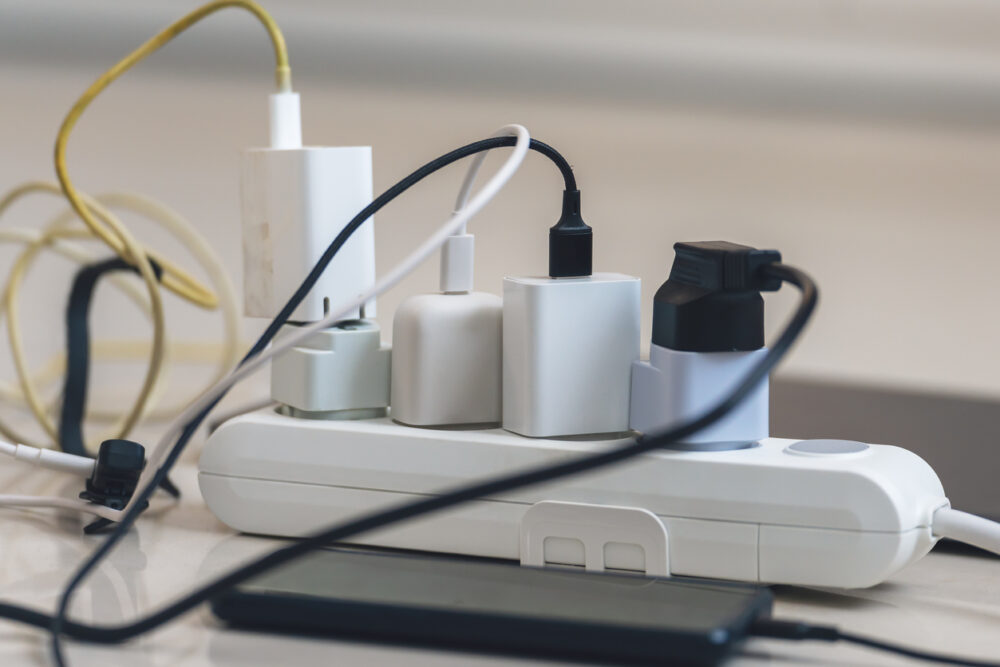
Phone chargers that fray after a month, earbuds that stop working, plastic cases that crack—cheap tech accessories are everywhere, and most are designed to fail fast. It’s part of a throwaway cycle fueled by convenience and price.
These items often aren’t worth repairing, and many contain mixed materials that make recycling almost impossible. Big retailers push low-cost gear that’s meant to be replaced, not to last. Behind that $7 cable is a production chain powered by fossil fuels, exploited labor, and minimal regulations.
The carbon footprint of these little gadgets is rarely visible, but it adds up. Tech doesn’t need to be disposable—but it’s been marketed that way for years. Choosing fewer, higher-quality accessories can slow the cycle, but lasting change means holding companies accountable for designing things that don’t break on purpose.
14. Plastic cutlery is still everywhere—even when no one asks for it.

You’d think we’d be past plastic forks by now. But takeout orders, food trucks, and events still hand them out automatically, often wrapped in more plastic. Most get used for five minutes and tossed without a second thought.
Even when customers opt out, restaurants sometimes include them anyway. That’s not just a misstep—it’s baked into food service norms that prioritize speed and uniformity. Bans on single-use plastics are growing, but enforcement is spotty and alternatives can be expensive for small businesses. It’s a system that treats convenience as the default, even when it creates pointless waste. One reusable spork won’t solve the problem, but collective pressure can. The more people push for change—from city policies to restaurant habits—the harder it becomes to keep pretending plastic forks are the easy choice.