
Scientists say a lost civilization may have fallen to an asteroid 13,000 years ago.
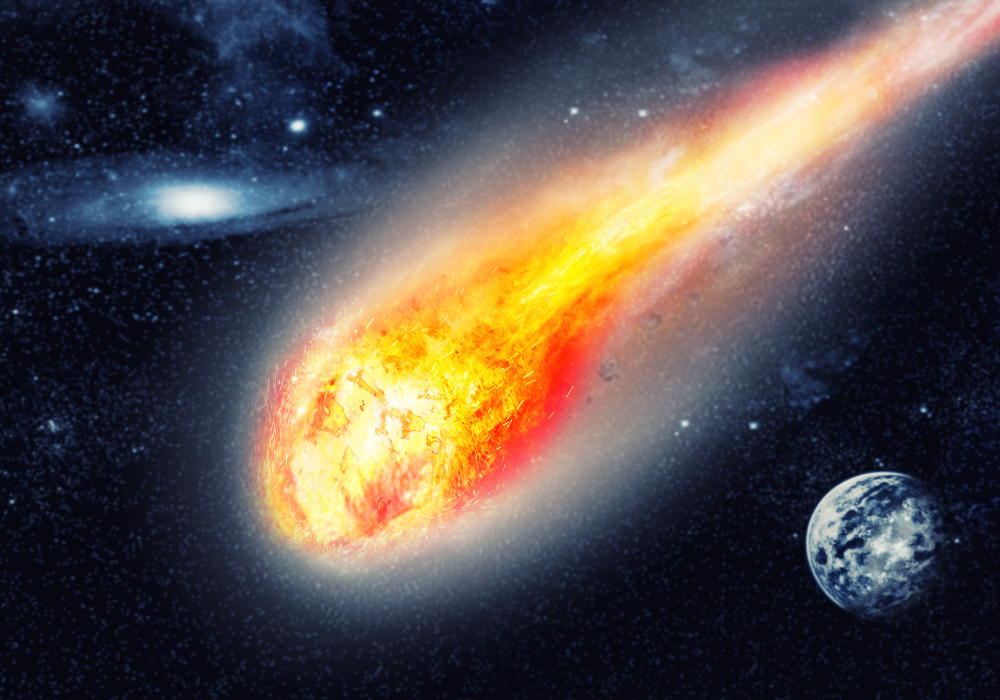
About 13,000 years ago, Earth experienced a dramatic period of change marked by sudden climate shifts, widespread environmental disruption, and the disappearance of some early human cultures. A group of researchers has suggested that a cosmic event, possibly an asteroid or comet impact, may have played a role in triggering those changes.
Their work focuses on evidence found in ancient sediments, unusual impact markers, and signs of abrupt cooling at the end of the last Ice Age. The idea remains debated, but it raises broader questions about how vulnerable human societies can be to sudden natural events. Unlike gradual environmental changes, impacts from space happen quickly and leave little time to respond.
Looking back at these ancient disruptions isn’t about predicting disaster, but about understanding the risks that have shaped life on Earth before — and why scientists continue to study threats from beyond our planet.
Click through to learn about this lost civilization.
1. Evidence Points to a Lost Civilization Erased Overnight

Researchers studying the Younger Dryas period—around 13,000 years ago—found burn layers and nanodiamonds in soil samples. These are classic signatures of an asteroid impact. The event coincides with the sudden disappearance of cultures like the Clovis people in North America, known for their advanced tools and hunting techniques.
The speed of their collapse suggests something beyond normal societal decline. Entire communities vanished in a geological blink. If an asteroid strike could erase an entire culture so quickly, it underscores just how vulnerable even advanced societies are to cosmic catastrophes.
Follow us and access great exclusive content every day
2. A Mysterious Cooling Event Shook the Planet
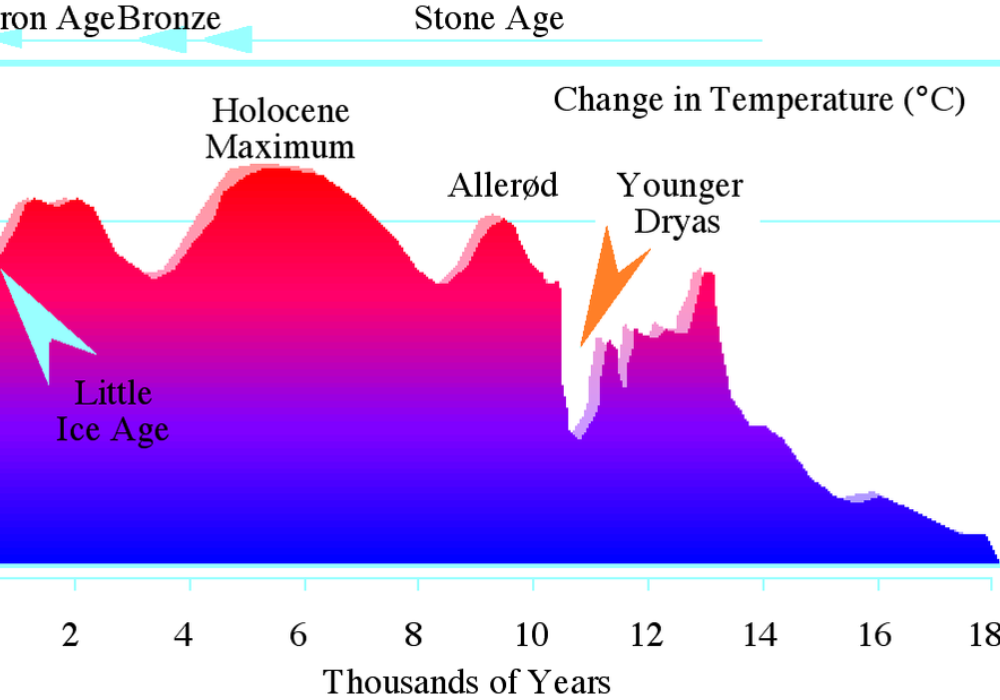
The same asteroid impact is linked to the Younger Dryas cooling event, when global temperatures suddenly dropped. This mini ice age disrupted weather patterns, agriculture, and the survival of countless species.
It wasn’t a gradual shift—it happened fast, throwing ecosystems and civilizations into chaos. That abrupt climate disruption demonstrates how asteroid impacts don’t just destroy on contact; they also alter the very systems life depends on, with consequences that can last for centuries.
3. Mega-Fauna Extinctions Align With the Strike
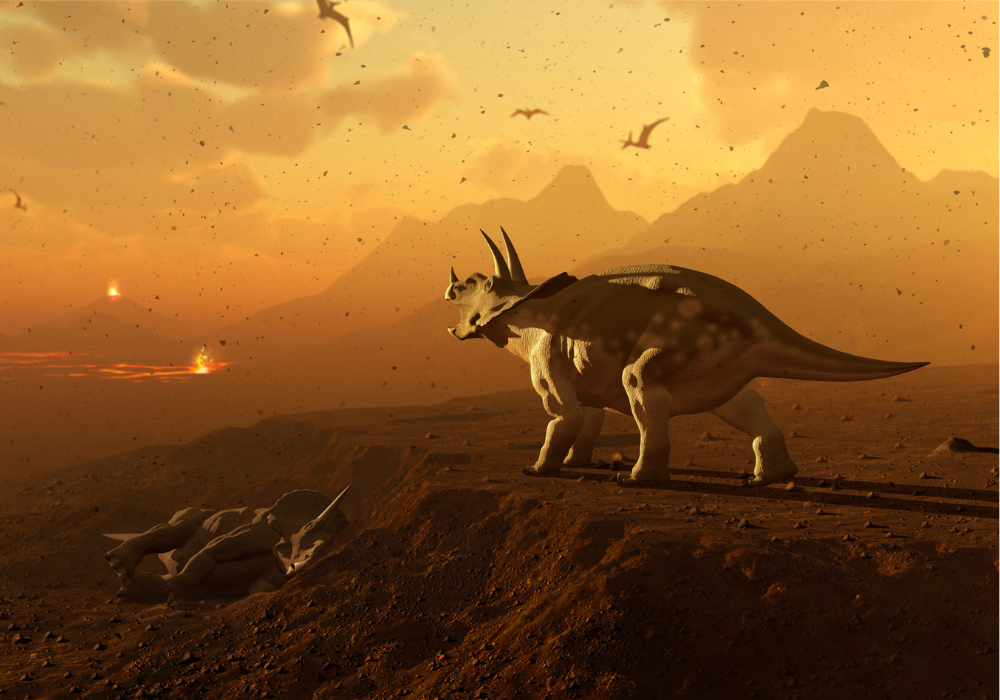
Around the same time, woolly mammoths, giant sloths, and saber-toothed cats vanished from the Earth. Scientists believe the asteroid’s fallout contributed to their extinction by destroying habitats and food supplies.
This wasn’t just about animals; human cultures dependent on big game hunting also collapsed. The loss of prey species accelerated the downfall of ancient communities. In other words, when the asteroid hit, it didn’t just kill—it rewired the food chain.
Follow us and access great exclusive content every day
4. Ancient Structures Suggest a Forgotten Sophistication
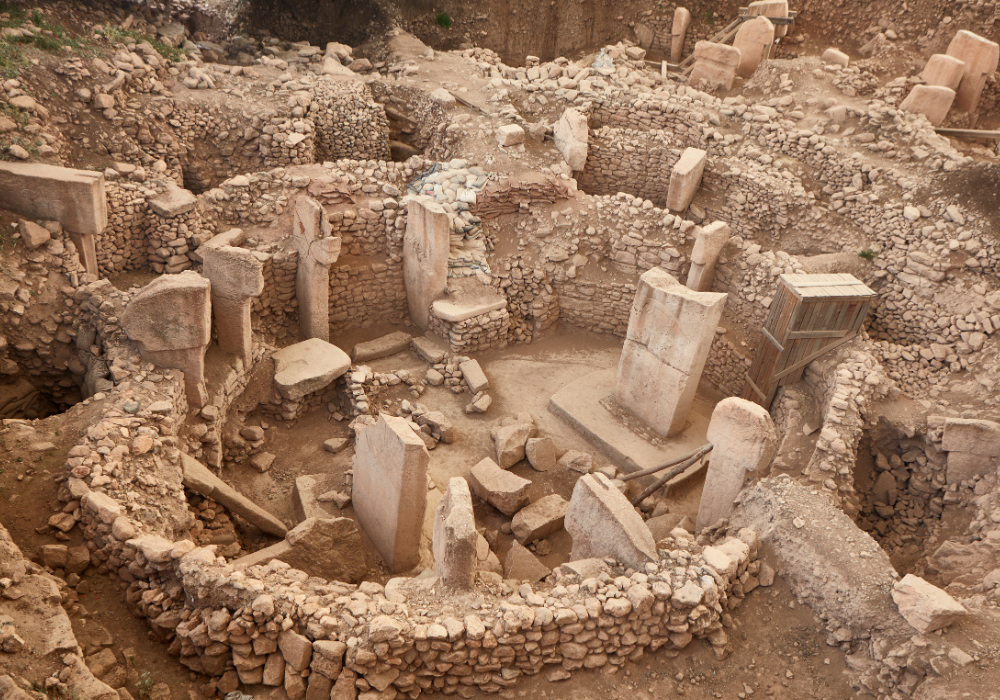
Some researchers argue megalithic structures, like Göbekli Tepe in modern Turkey, may hold clues to civilizations that thrived before the impact. These sites suggest complex knowledge of astronomy, agriculture, and engineering.
If advanced societies did exist, the asteroid strike could explain why their knowledge was abruptly lost. Humanity may have been forced to restart, climbing back toward progress from scratch after the devastation.
5. Cosmic Impacts Are More Common Than We Think
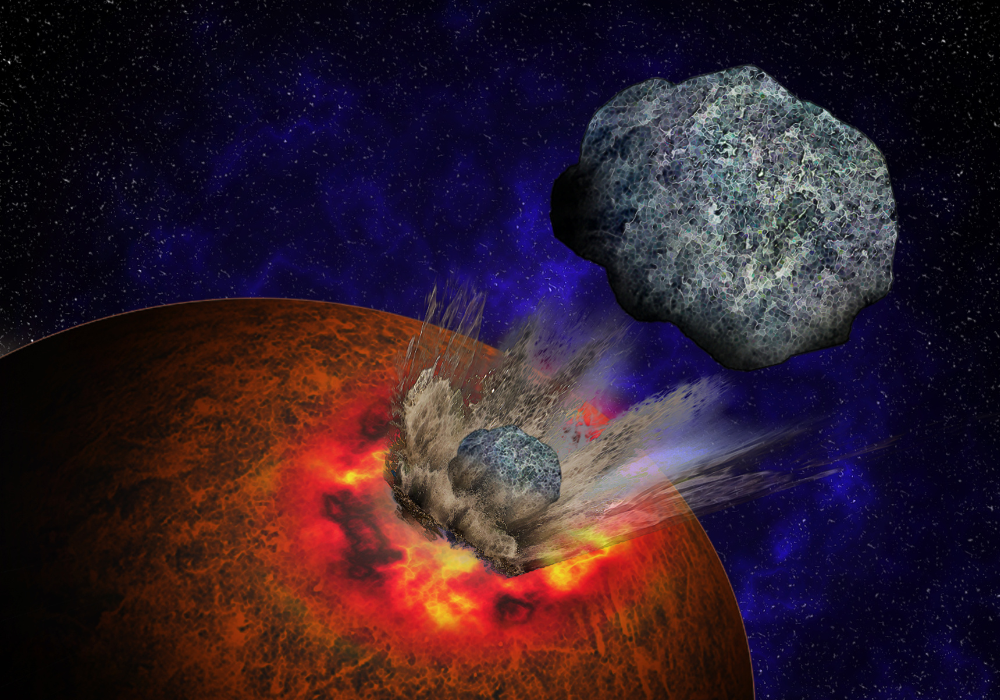
While asteroid strikes large enough to reshape the planet are extremely rare, smaller objects enter Earth’s atmosphere far more often than most people realize. Many burn up harmlessly, but some release significant energy as they explode in the air.
A well-documented example occurred in 2013, when a meteor broke apart over Chelyabinsk, Russia. The airburst shattered windows across the city and injured more than 1,000 people, mostly from flying glass rather than direct impact. Events like Chelyabinsk are small on a cosmic scale, but they show how even modest space objects can cause real harm on the ground.
While catastrophic impacts are unlikely, the planet remains part of a dynamic cosmic environment where sudden events, however infrequent, can have serious consequences.
6. Warning Signs Often Go Unnoticed
One of the biggest problems is detection. Many near-Earth objects are too small or faint to be tracked with current technology until they’re almost upon us.
That means humanity might only get days—or even hours—of warning before another catastrophic strike. The unsettling truth is that we may not see the next asteroid coming until it’s too late.
Follow us and access great exclusive content every day
7. Governments Are Starting to Take Action
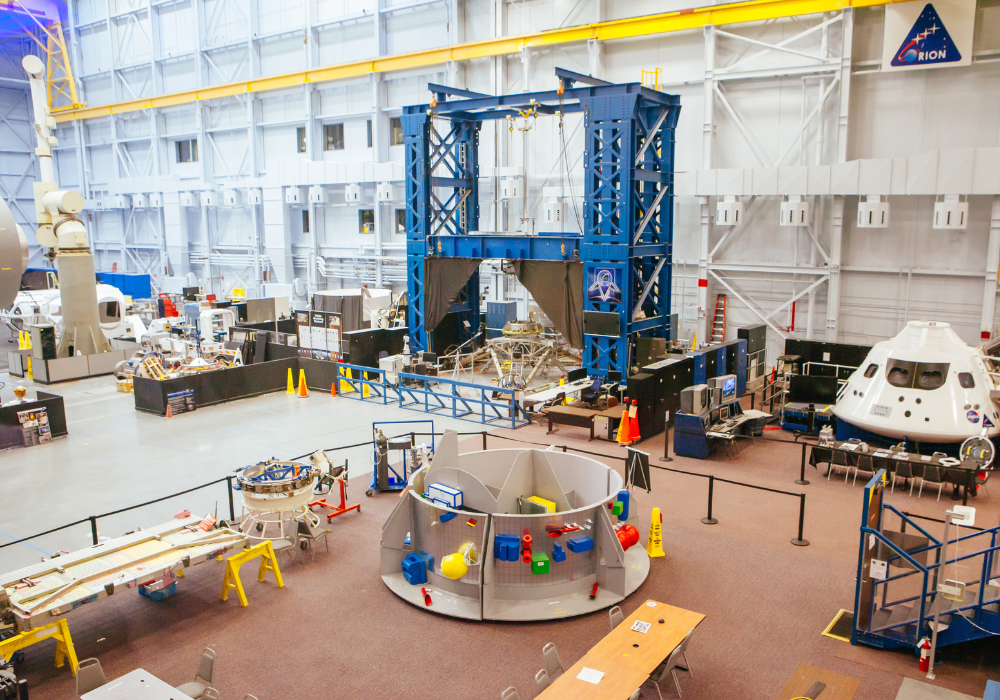
NASA and other space agencies are investing in planetary defense. In 2022, NASA’s DART mission successfully redirected an asteroid by crashing a spacecraft into it.
It was a proof of concept, showing we can alter an asteroid’s path. But critics warn we’re still underprepared. If a large object were already on its way, current technology might not be enough to stop it.
8. Cultural Myths May Hold Fragments of Memory
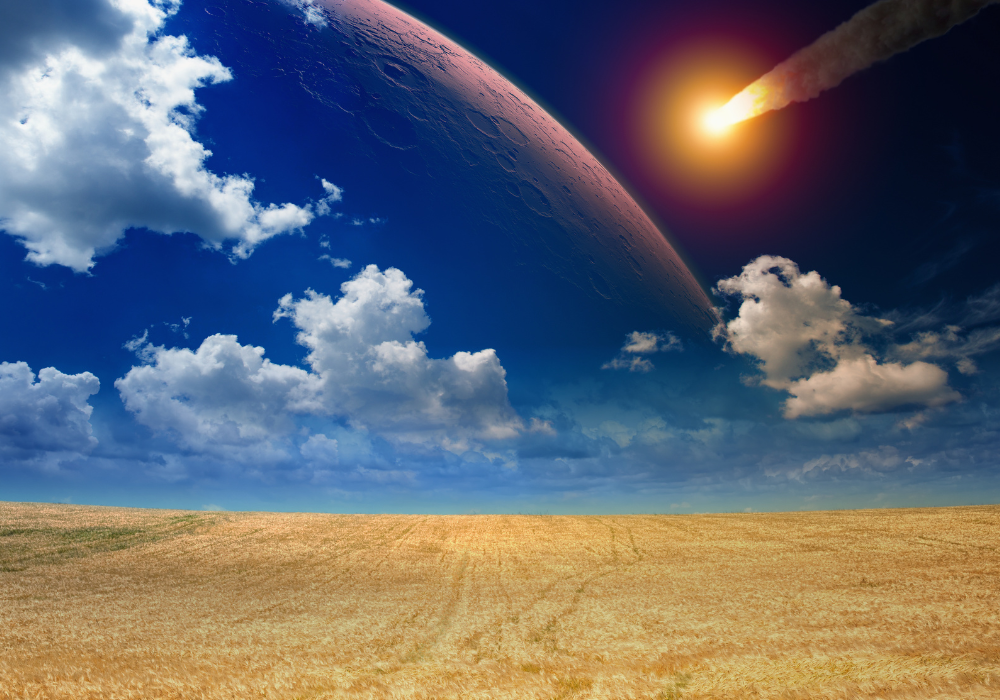
From flood legends to stories of fire from the sky, ancient myths around the world may preserve distant memories of catastrophic events. Some researchers believe these oral traditions could be distorted accounts of asteroid impacts.
While myth alone isn’t proof, the timing and global consistency of these tales raise fascinating questions. They may be humanity’s earliest attempts to record an extinction-level disaster.
9. The Sky Is Full of Potential Threats
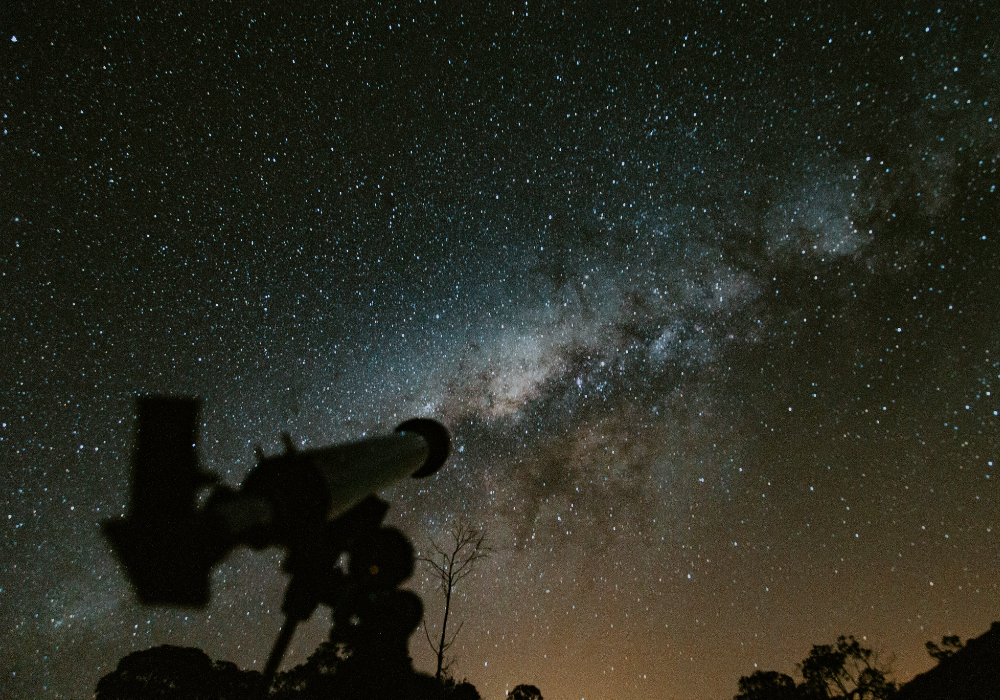
Astronomers estimate there are thousands of near-Earth objects large enough to cause regional or even global damage. Many remain undiscovered, lurking in the dark stretches of space.
This sobering fact highlights how much we still don’t know. Despite modern science, we’re flying blind in many respects, relying on limited sky surveys to warn us of potentially civilization-ending events.
Follow us and access great exclusive content every day
10. Humanity’s Survival Depends on Preparation
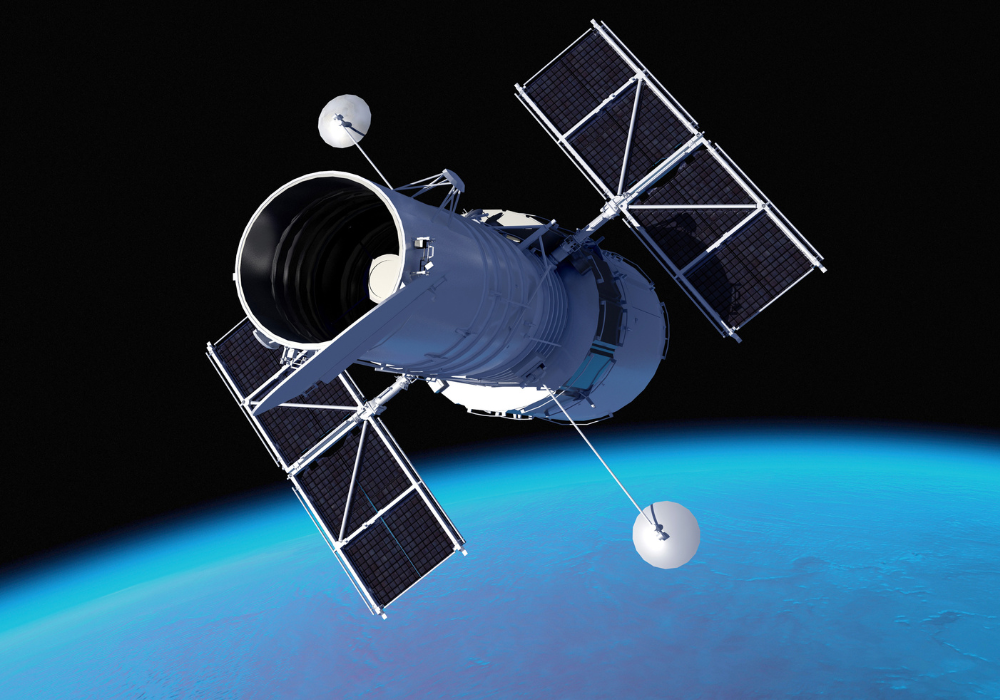
Experts argue that investing in asteroid detection and deflection technology is essential. Building space-based telescopes and defense systems may be expensive, but far less costly than the collapse of global civilization.
Preparation could be the only thing standing between survival and another reset of human progress. History suggests we can’t afford to treat the asteroid threat as science fiction.
11. The Past Is a Warning for Our Future
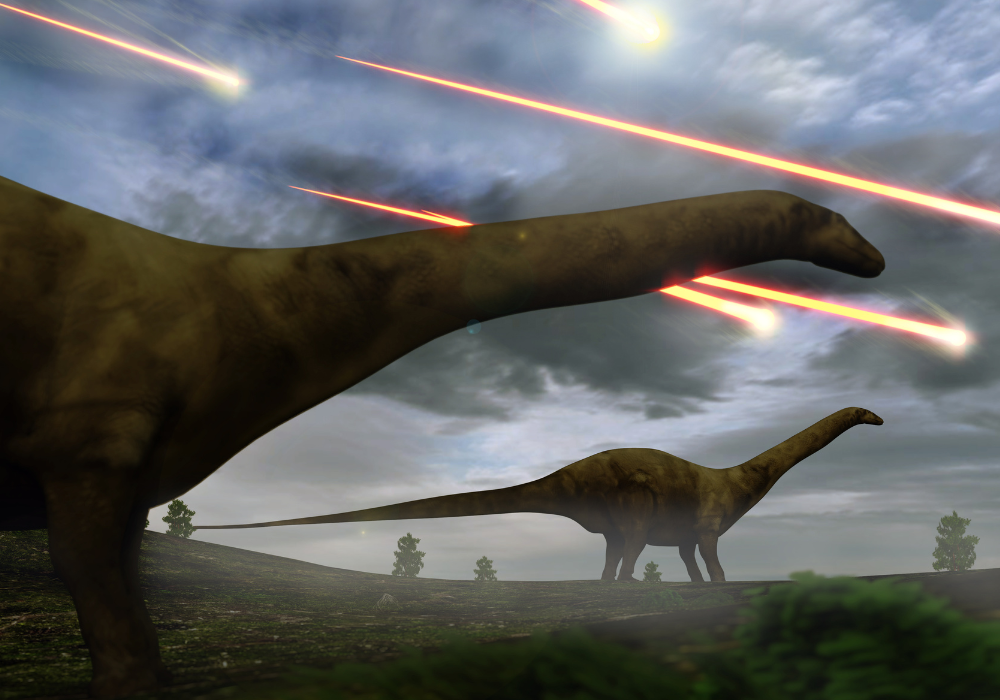
The Younger Dryas event shows what happens when a massive rock collides with Earth: civilizations fall, ecosystems unravel, and history changes course. What vanished 13,000 years ago could vanish again if humanity ignores the lessons of the past.
If we want to ensure our survival, we must take the asteroid threat seriously. The question isn’t whether it will happen again—it’s when.