
Discover subtle ways climate change could reshape your daily life and personal well-being.
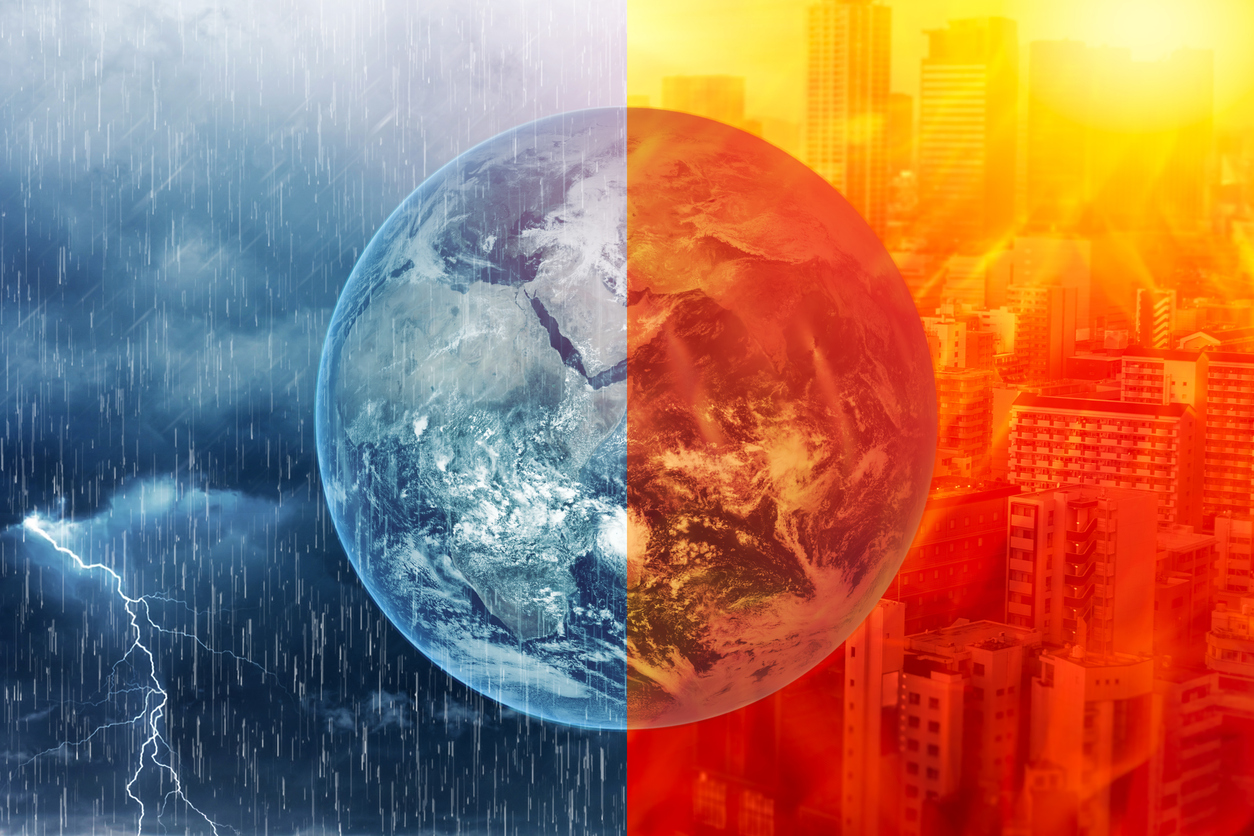
Climate change often feels like a distant issue, but its effects stretch far beyond the environment, touching many aspects of daily life. From shifts in food availability to changes in mental health, the impact is surprisingly broad. Understanding these less obvious consequences, supported by insights from NOAA, EPA, and NASA, can help you prepare for a future where climate influences habits, health, and home.
1. Changes in local weather patterns could shift your daily routines unexpectedly.
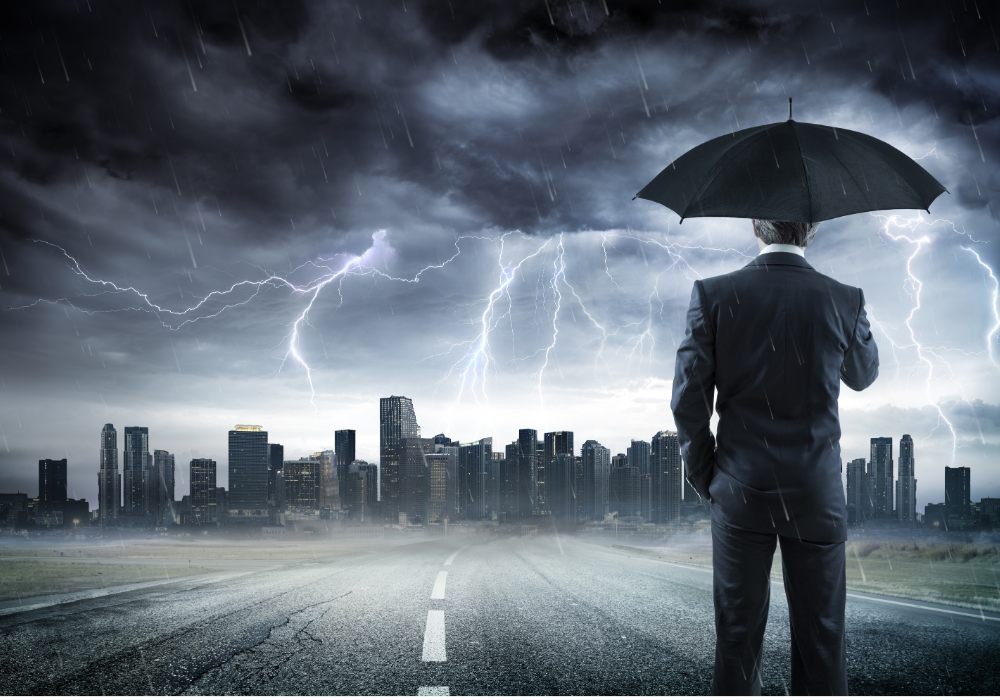
Local weather patterns sometimes shift, upending familiar routines. An unexpected rainstorm can disrupt typical commuting habits, sending slick pavements and dripping umbrellas into an otherwise normal morning. Over time, these subtle shifts in weather can reshape daily activities and stress infrastructure reliability.
Altered routines may lead to unforeseen adjustments in personal habits. People might find themselves rescheduling plans or dressing differently, accommodating new climate realities. As seasonal rhythms change slowly, they subtly tug at the building blocks of daily life, reshaping familiar patterns in unnoticed ways.
2. Food availability might fluctuate due to altered growing seasons and crop yields.
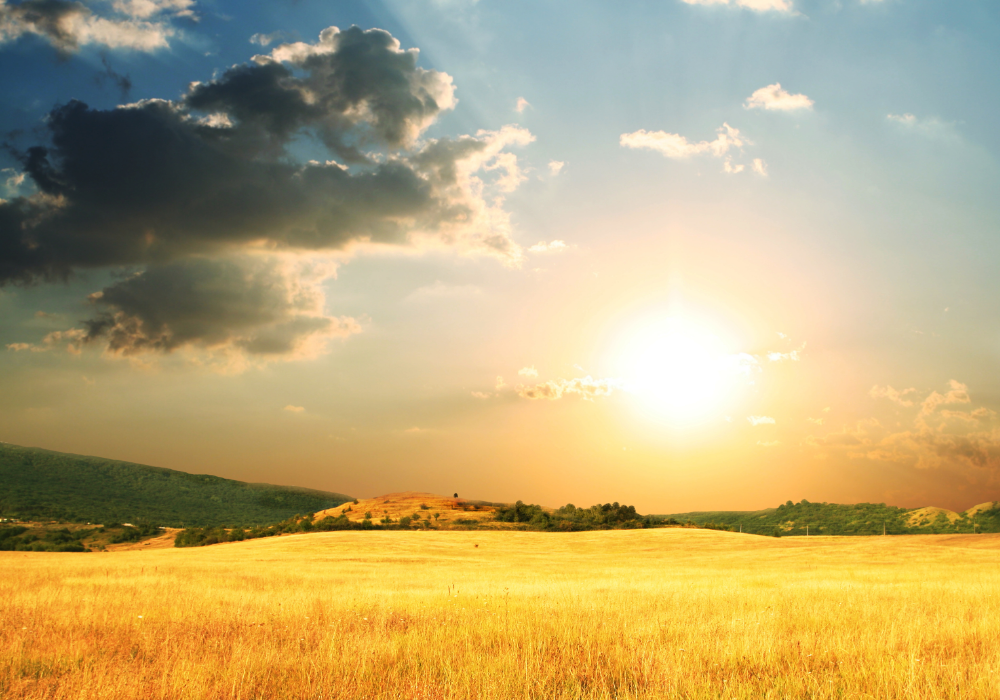
Food availability often wavers when climate shifts reshape agricultural cycles. Changes in growing seasons alter when certain crops can flourish, impacting supply lines. Corn and wheat, staples of many diets, may find their timelines askew, influencing market dynamics and availability.
Emerging food trends could gesture toward these deeper agricultural impacts. A farmer shifting to drought-resistant crops might eventually impact what’s on dinner-table plates. Both human creativity and consumption look to adapt, but the rhythm of food seasons may seem disjointed as climatologists study forecasts and farmers replant fields.
3. Rising temperatures can influence the types of outdoor activities you enjoy.

As temperatures rise, familiar activities could demand alteration. A sunny afternoon’s favorite pursuit—whether cycling, hiking, or playing baseball—might require adjustment, becoming uncomfortably hot or seasonally unavailable. Changing climates flex on the open landscapes, bending favorite pastimes.
Adjusting plans based on heat levels becomes necessary to remain comfortable. When the formerly inviting morning breeze transforms into an oppressive afternoon heat, social gatherings, and leisure plans may migrate indoors or shift to cooler time slots, bending to weather extremes.
4. Increased energy use for cooling homes may affect your monthly bills subtly.

More cooling will likely nudge energy use upward. As air conditioners churn tirelessly against rising outdoor temperatures, home electricity needs could spike subtly yet persistently. This escalated demand reverberates quietly, influencing monthly bills without fanfare.
Home energy management strategies might evolve incrementally. A budget-conscious homeowner, noticing slightly higher utility bills, could investigate energy efficiency, perhaps insulating attics or experimenting with smart thermostats. Such shifting dynamics in household economics gradually influence decisions, intertwining with habitual lifestyle adjustments.
5. Shifts in wildlife habitats might bring new species closer to urban areas.

Wildlife habitats undergo slow transitions, occasionally nudging new species into bustling urban areas. Birds or insects, once rare visitors, might establish unplanned niches, adding unexpected vibrancy and challenges in cityscapes. Interactions with unfamiliar critters gradually become part of urban life.
Urban biodiversity mixes evolve, presenting both novelties and nuisances. People might notice peculiar bird songs, or colorful insects flitting by streetlamp halos. These new arrivals introduce opportunities for curiosity or concern, altering the urban fabric subtly as coexistence adapts to shifting patterns.
6. Mental health could be influenced by environmental changes and related uncertainties.

Environmental changes subtly affect mental well-being, intertwining with uncertainties about future climates. A persistent hum of unease might arise, echoing concerns over altered landscapes or marooned communities. Mental health intertwines with these larger, looming shifts, affecting personal outlooks.
Suburban neighborhoods might witness a slow ripple of mental health concerns. Conversations swirl, colored by ambiguities over climatic futures, nudging individuals towards both reflection and resilience. Escaping into tranquil green spaces or conscious meditation offers momentary refuge amidst atmospheric tension.
7. Travel plans may need adjustment as natural landscapes and popular sites evolve.

Travel destinations adapt as climatic conditions reshape natural landscapes. Iconic locales like coral reefs could lose vibrancy, shifting travel itineraries unexpectedly. While wanderlust receives a nudge in new directions, beloved vistas may transform and sparingly return as photographic memories only.
Unexpected alterations present unique travel narratives. An avid traveler, revising itineraries due to altered scenery, might prioritize experiences over destinations. New, resilient landscapes beckon exploration, while once-familiar horizons recede into travel anecdotes marked by environmental shifts.
8. Your wardrobe choices might change as seasonal weather becomes less predictable.

Unpredictable weather might coax changes into wardrobe choices. Lightweight layers and rain gear might jostle for prominence as seasons lose clear definitions. Dressing habits begin a dance with nature, embossing daily outfits with an element of spontaneity and preparedness.
Closet strategies adapt to these shifting cues. Retrieving summer wear or swapping to layered ensembles becomes more frequent, accompanying whirlwinds of climate uncertainty. Thus, the once-clear boundary between seasonal garb finds itself blurred, urging flexibility among clothing selections.
9. Water quality and accessibility could see gradual changes impacting daily life.

Water quality’s slow evolution could subtly impact daily routines. Urban dwellers might observe slight changes in tap water taste or a shift in conservation messaging. Fluctuating groundwater conditions ripple through supply chains, sometimes unnoticed yet significant in quality and accessibility.
Community conversations echo these water narratives, sensitizing citizens to new realities. Gardening enthusiasts might adjust irrigation tactics, while the daily habit of grabbing a glass becomes an unintentionally mindful gesture. Here, the liquid necessity intertwines with lifestyle and awareness incrementally.
10. Cultural traditions connected to specific environments may face new challenges.

Cultural traditions often face challenges as environmental contexts evolve. Rituals linked to specific landscapes might find themselves disrupted by shifting climates. Consider a community whose seasonal festivals revolve around harvesting outcomes; altered conditions could nudge venerable customs into adaptation.
Amidst these shifts, cultural preservation innovatively emerges. Keepers of tradition might adapt celebrations to honor the spirit even as the form evolves. These adjustments reflect a community’s resilience, maintaining cultural ties despite environmental changes reshaping foundational practices.
11. Building codes and housing designs might evolve in response to climate needs.
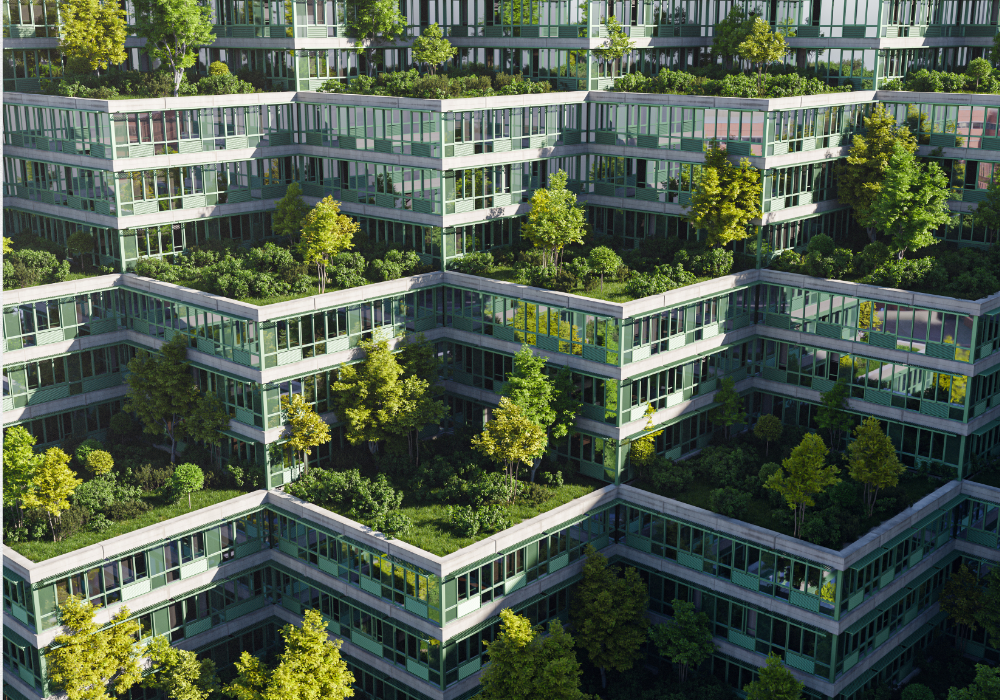
Regulations and architectural plans may respond to climate needs. Building codes can shift, prioritizing sustainable designs or flood-resilient motifs. Architects might explore passive cooling solutions, with housing designs increasingly pivoting towards climate-conscious choices reflecting deeper ecological responsibility.
Communities gradually redefine urban aesthetics. Builders might incorporate new materials like heat-reflective paints or develop redundant energy sources. These subtle evolutions touch on aesthetics while addressing pressing climatic challenges, embedding climate resilience directly into infrastructural visions that honor both form and function.
12. Community resources and support systems could shift to address emerging climate issues.
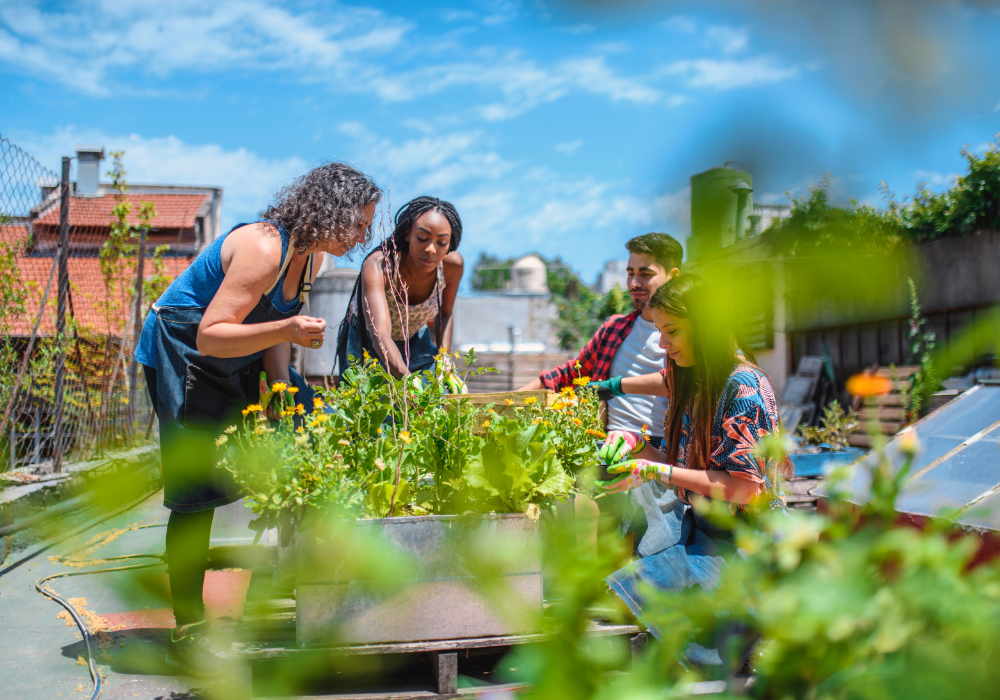
Community resources shift subtly toward emerging climate considerations. Libraries and local councils might allocate resources differently to meet ecological needs or organize workshops on sustainability. Infrastructure adapts, finding new paths to address shared environmental challenges effectively.
Adaptive community strategies emerge through incremental innovation. Neighborhood initiatives could focus on gardens or sustainable practices, evolving support systems to provide guidance. These collective adjustments sketch fresh blueprints for resilience, gently weaving new layers into the community fabric.
13. Insurance policies may be affected by changing risk assessments linked to climate.

Insurance policies reflect shifting climate paradigms via updated risk assessments, recalibrating coverage options. Traditional packages might evolve to include features addressing increased weather volatility, subtly influencing personal financial planning and perceptions of safety.
Householders reevaluate policies to accommodate revised risk criteria. Flood or storm coverage becomes of interest, embedding climate considerations into financial foresight. These nuanced adjustments mirror wider changes, shaping an economic landscape where preparedness and security intertwine fluidly with fiscal awareness.