
When ecosystems shift, survival becomes a dangerous guessing game.

Animals don’t get weather alerts. They can’t check the forecast or make backup plans. When temperatures rise, forests burn, or oceans warm, they do the only thing they can: move. But that movement—once a seasonal rhythm—is turning into a frantic scramble for survival. Species are shifting their ranges in real time, chasing food, water, or livable conditions, even if it means crossing highways, creeping into cities, or ending up in territory they’ve never encountered before.
It’s not just about migration—it’s about disorientation. Entire food webs are unraveling. Predators and prey are colliding in unfamiliar places. Disease is spreading in ways it didn’t used to. And humans? We’re right in the middle of it. Climate change isn’t just altering weather—it’s rearranging where animals live, hunt, and breed. What we’re witnessing is a planet in flux, and the wild creatures we share it with are being forced to improvise.
1. Polar bears are heading inland—and into human towns.
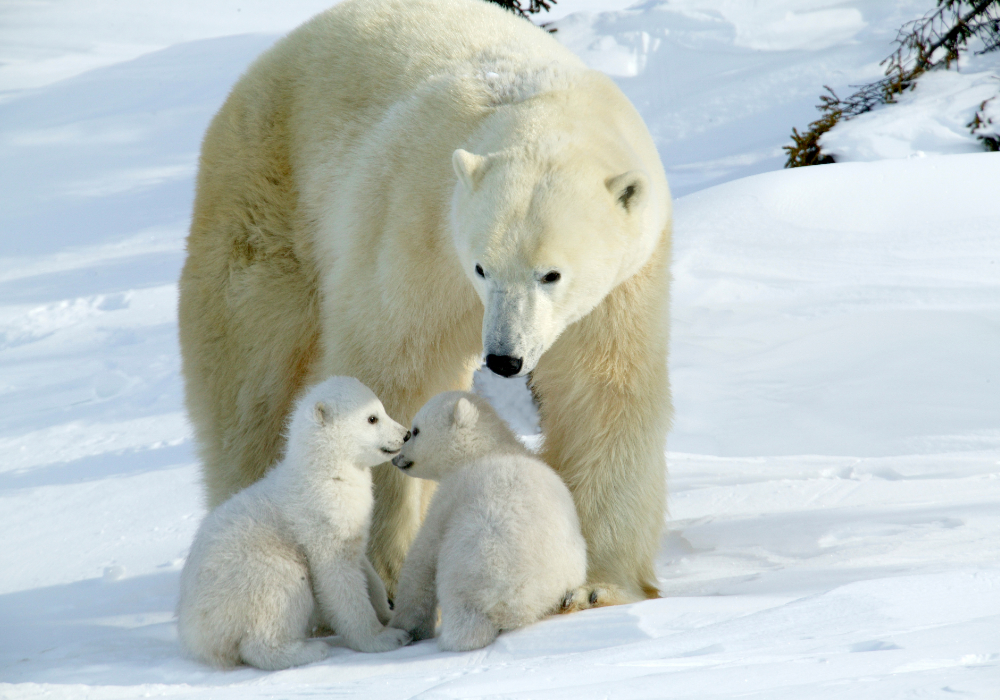
As Arctic sea ice melts earlier each year, polar bears are losing their primary hunting grounds. Normally, they’d spend months on the ice hunting seals. According to experts at the U.S. Geological Survey, land-based foods like berries and birds can’t replace the high-fat seal diet polar bears rely on, putting their survival at risk as sea ice disappears. But now, with less time on the ice and longer stretches on land, they’re wandering into human communities looking for food.
This isn’t just dangerous for people—it’s dangerous for the bears. Human food isn’t healthy for them, and when bears become regular visitors, they’re often relocated or killed. These inland migrations are desperate survival strategies, not natural behavior. Polar bears aren’t evolving overnight—they’re reacting to shrinking options.
2. Tropical fish are swimming toward colder waters—and throwing ecosystems off balance.
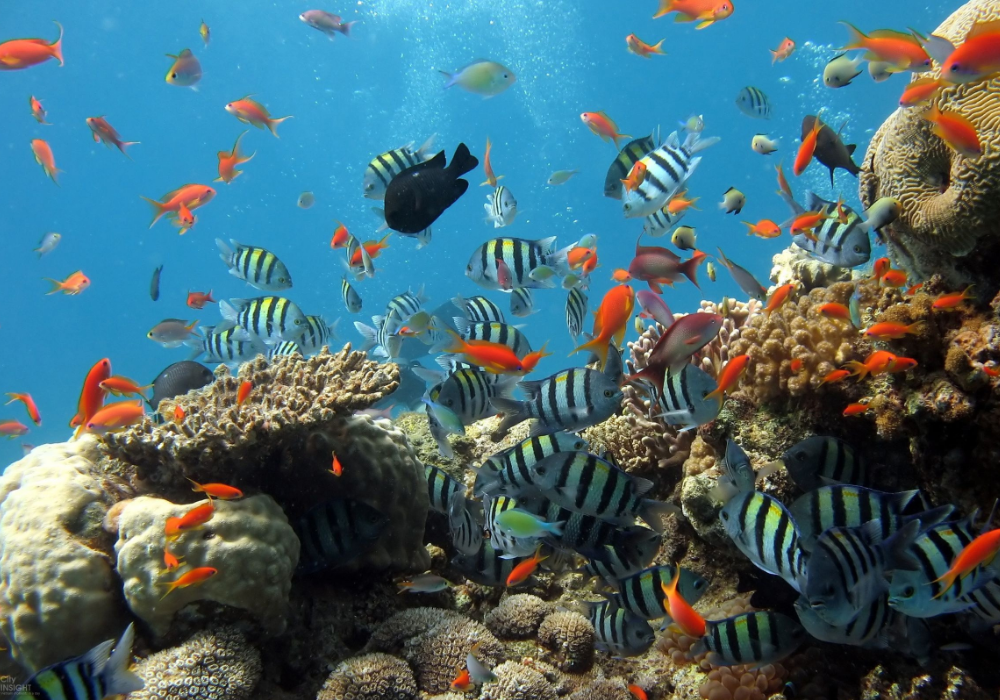
As ocean temperatures climb, tropical fish are heading farther north or south than ever before. Coral reef dwellers and warm-water species are popping up in cooler regions where they’ve never been seen before.
Bob Berwyn reports in Inside Climate News that in the Mediterranean, warming waters are reshaping marine ecosystems and putting pressure on native species that can’t easily adapt. Fisheries built around cold-water species are struggling, and native marine life is being pushed out or wiped out.
Tropical fish aren’t doing anything wrong—they’re just following the warmth. But in the process, they’re unintentionally shifting the balance in fragile underwater worlds that were already stressed by pollution, overfishing, and habitat loss. The ocean’s borders are changing, and not everyone’s adapting fast enough.
3. Mountain species are running out of room to climb.

Animals that depend on cooler, high-altitude habitats—like pikas, mountain goats, and certain alpine birds—are being forced to move upslope as temperatures rise. But mountains only go so high. As their habitat shifts upward, the livable zone gets narrower, and eventually, there’s nowhere left to go. It’s called “the escalator to extinction,” and for some species, the top is getting dangerously close.
This uphill migration isn’t just a vertical hike—it’s a life-or-death challenge. A study by Benjamin Freeman for PNAS found that warming has pushed high-elevation bird species upslope in the Andes, causing sharp population declines as they run out of habitat. The view from the top might be beautiful, but for many mountain species, it’s becoming a dead end. Climate change is squeezing them into smaller, harsher corners of the world—and time is running out.
4. Birds are arriving earlier than their food sources can handle.
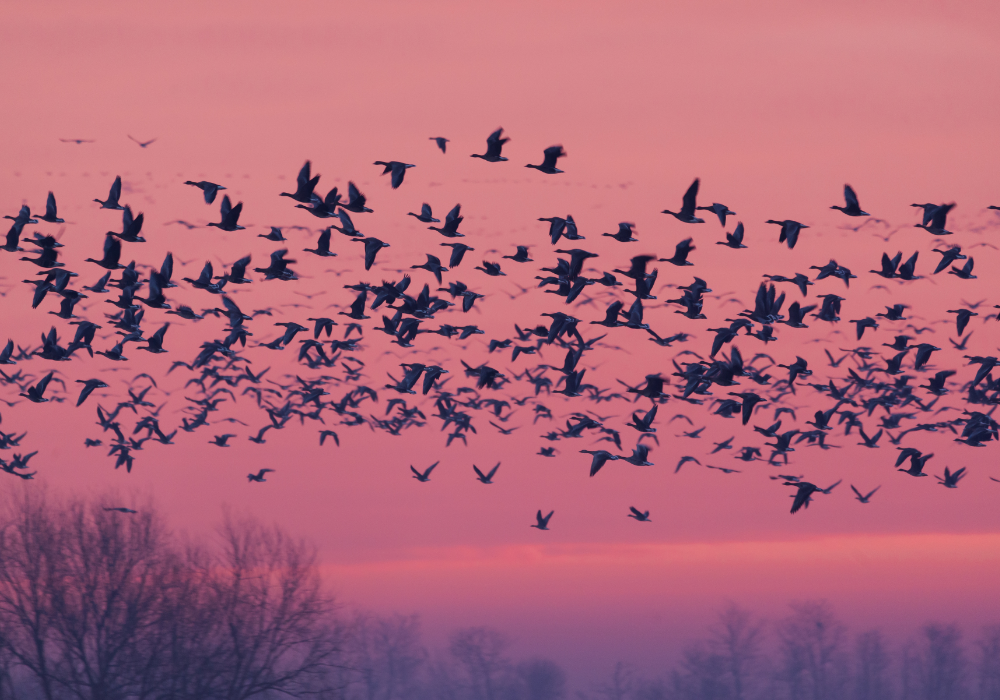
Birds rely on seasonal cues—like temperature and daylight—to time their migrations. But climate change is throwing off that internal calendar. Many species are arriving at their breeding grounds earlier than they used to, only to find that the insects, seeds, or plants they depend on haven’t caught up.
It’s like showing up to a feast that hasn’t been cooked yet. Nesting birds need peak food availability to raise their chicks, but if the insects haven’t hatched or the berries haven’t ripened, there’s not enough to go around.
Even a small shift in timing can lead to fewer chicks surviving. Some birds adapt, but many can’t adjust fast enough. The rhythm of migration worked for centuries—but now, it’s out of sync with the world. And for these species, bad timing can mean a slow, silent decline.
5. Invasive species are spreading into areas that can’t handle them.

As warmer temperatures expand the range of certain animals, invasive species are moving into ecosystems that aren’t prepared to deal with them. From Burmese pythons in the Florida Everglades to cane toads in northern Australia, these aggressive newcomers often outcompete native species, disrupt food chains, and throw entire ecosystems into chaos.
These invaders aren’t just annoying—they’re ecologically destructive. Many have no natural predators in their new environments, allowing their populations to explode. That means fewer resources for native species, and more pressure on already stressed ecosystems. Invasives aren’t always new to the planet—but climate change is helping them move, survive, and thrive in ways they couldn’t before. Once they gain a foothold, getting rid of them is nearly impossible. It’s not just animals on the move—it’s ecological imbalance, on fast forward.
6. Mosquitoes and disease-carrying insects are thriving in new places.

Mosquitoes used to be mostly a warm-climate problem. But rising temperatures and shifting rainfall patterns are expanding their range—and with them comes the spread of diseases like malaria, dengue, West Nile virus, and Zika. Areas that never had to worry about these viruses are now seeing outbreaks, especially in higher altitudes and temperate zones.
It’s not just a nuisance—it’s a serious health risk for wildlife and humans alike. Animals have little to no resistance to these diseases in newly affected areas, which can lead to mass die-offs or population crashes. For people, it means public health systems are scrambling to keep up. As climate change redraws the map, mosquitoes follow the warmth and water, bringing their pathogens along for the ride. They may be tiny, but their impact is massive—and spreading fast.
7. Coral reef die-offs are displacing entire underwater communities.

Coral reefs are more than just colorful vacation backdrops—they’re home to a quarter of all marine species. But as ocean temperatures rise, corals are bleaching and dying at alarming rates. When the reef dies, the complex structures that provided food, shelter, and breeding grounds for countless species disappear with it.
This collapse sends shockwaves through the ocean food chain. Fish that depend on coral reefs either leave, starve, or fail to reproduce. Predators lose their prey. Coastal communities that rely on fishing lose their livelihood. And reefs that once acted as natural storm barriers start to erode. What’s left is a ghost town beneath the waves—silent, empty, and stripped of life. These aren’t isolated events anymore—they’re global. Coral die-offs are forcing fish, invertebrates, and even large predators to relocate or vanish altogether.
8. Forest animals are moving into higher latitudes—and clashing with unfamiliar species.

As temperatures rise, animals like deer, coyotes, raccoons, and even bears are expanding their ranges farther north. On the surface, it looks like they’re adapting. But the farther they go, the more they run into species they’ve never shared territory with—creating competition for food, shelter, and survival.
These collisions can throw ecosystems into chaos. New predators show up where prey aren’t adapted to avoid them. Herbivores overgraze unfamiliar plant life. Disease can spread between species that were never meant to cross paths.
Forests aren’t just warming—they’re becoming battlegrounds for resources. And while some animals might thrive, others get pushed out, starve, or disappear altogether. Range shifts aren’t clean or balanced—they’re messy, fast, and often destructive.
9. Sea creatures are moving to deeper waters—and into less stable territory.
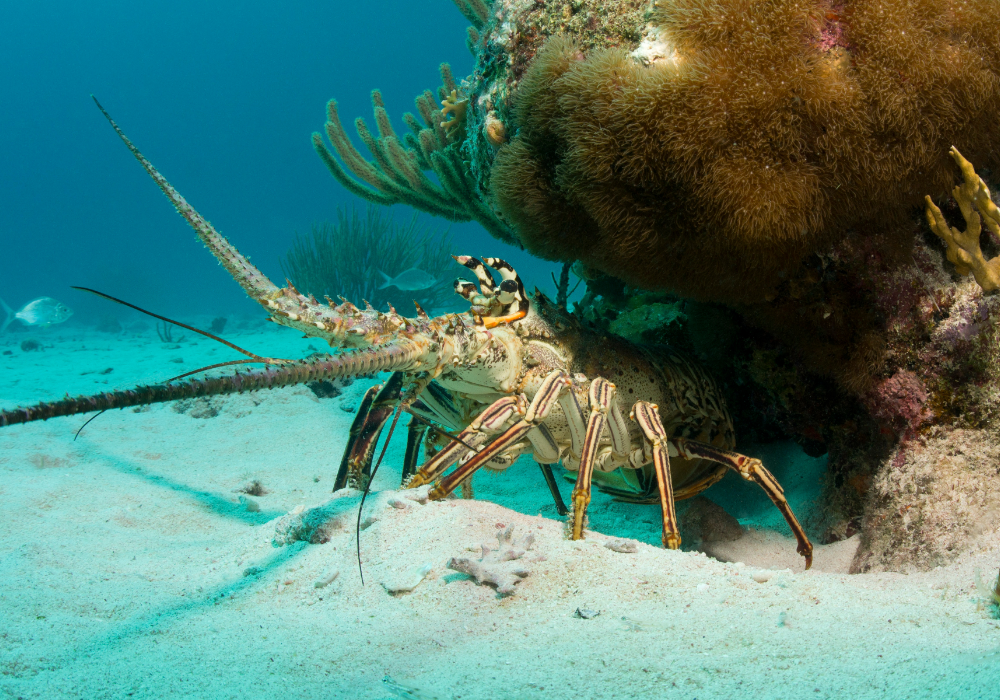
Oceans are warming from the surface down, forcing marine species like squid, lobsters, and cod to dive deeper to stay in their preferred temperature range. But those cooler waters aren’t necessarily safer. Deeper environments have less oxygen, different predators, and limited food sources—none of which these species are adapted to handle long term.
This shift is also disrupting fishing industries that rely on predictable locations and migration patterns. Fish that used to be easy to find are suddenly scarce or off-limits due to international boundaries or depth-related gear restrictions. And for species that can’t keep moving or adapting fast enough, deeper waters become a trap, not a refuge. Just because the ocean looks endless doesn’t mean it’s forgiving. As species sink to survive, the pressures only build.
10. Desert animals are facing deadly heat they can’t escape.
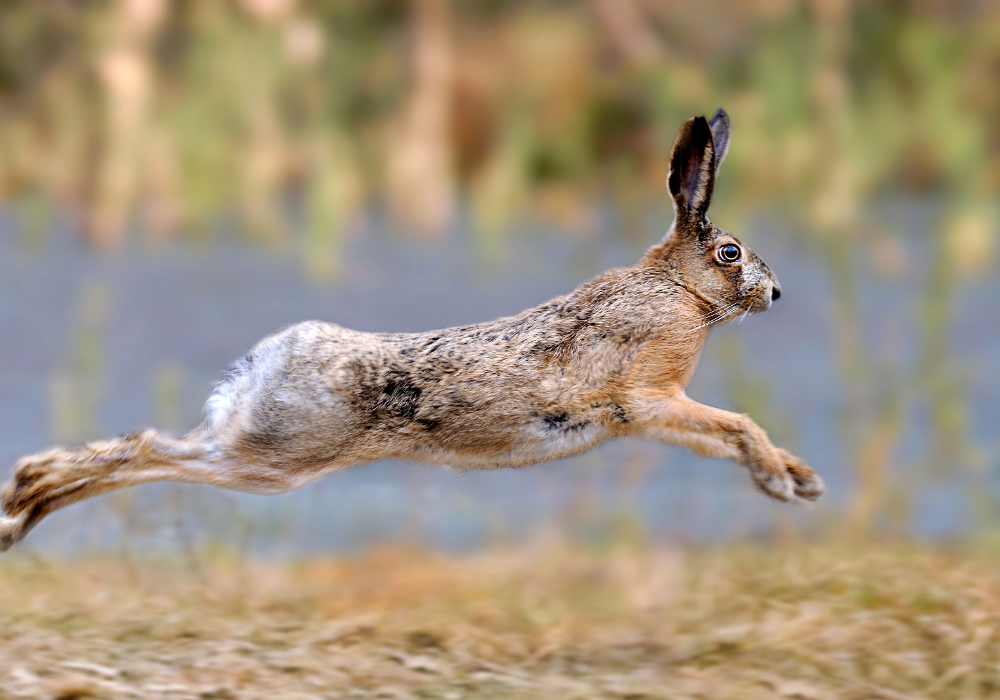
Deserts are built for extremes, but even their most resilient creatures have limits. Species like lizards, jackrabbits, and desert tortoises evolved to survive blistering heat—yet today’s temperatures are pushing those limits past the breaking point. In many regions, it’s not just the days that are hotter—it’s the nights that never cool down, leaving no window for recovery.
These animals rely on shade, burrows, and careful timing to survive, but when the heat lingers nonstop, their survival strategies start to fail. Reproduction drops, mortality rises, and entire populations decline. It’s easy to think desert animals are tough enough to handle anything—but even they have a threshold. And with every extra degree, the places they’ve adapted to for thousands of years become more like ovens than ecosystems.
11. Amphibians are losing their breeding grounds as wetlands dry up.

Frogs, salamanders, and other amphibians need specific conditions to breed—temporary wetlands, vernal pools, or shallow ponds that form after seasonal rains. But with shifting rainfall patterns and prolonged droughts, many of these habitats are disappearing before the breeding season can even begin. No water, no eggs. No eggs, no next generation.
Amphibians are already among the most vulnerable groups to climate change, thanks to their delicate skin and dependency on moisture. When wetlands vanish or dry up too quickly, entire breeding seasons are lost. Populations can crash in just a few years.
And because amphibians also help control insects and serve as food for many predators, their disappearance ripples through the entire food chain. These quiet creatures are like canaries in the climate coal mine—and they’re sounding the alarm.
12. Arctic animals are crossing paths that never used to exist.
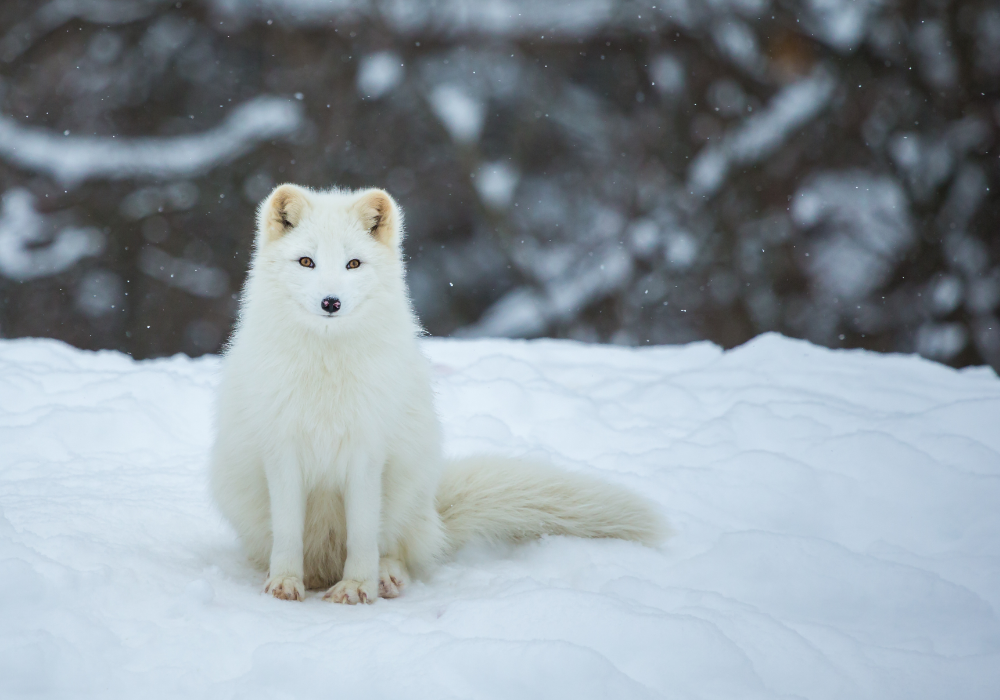
As sea ice disappears and permafrost melts, the Arctic isn’t just shrinking—it’s opening. Species that were once isolated by icy barriers are suddenly bumping into each other. Red foxes are moving into Arctic fox territory. Killer whales are showing up where only narwhals used to swim. Even grizzlies and polar bears are crossing paths—and sometimes breeding.
This kind of overlap creates winners, losers, and brand-new problems. Arctic foxes, for example, are getting pushed out by their larger, more aggressive red cousins. Narwhals now face predators they’ve never evolved to escape. These shifts aren’t gradual—they’re fast, forced, and full of unknowns. As climate change melts the boundaries of the far north, it’s not just geography that’s changing. It’s the very structure of who lives where—and who survives.
13. Human-wildlife conflict is rising as animals move into developed areas.
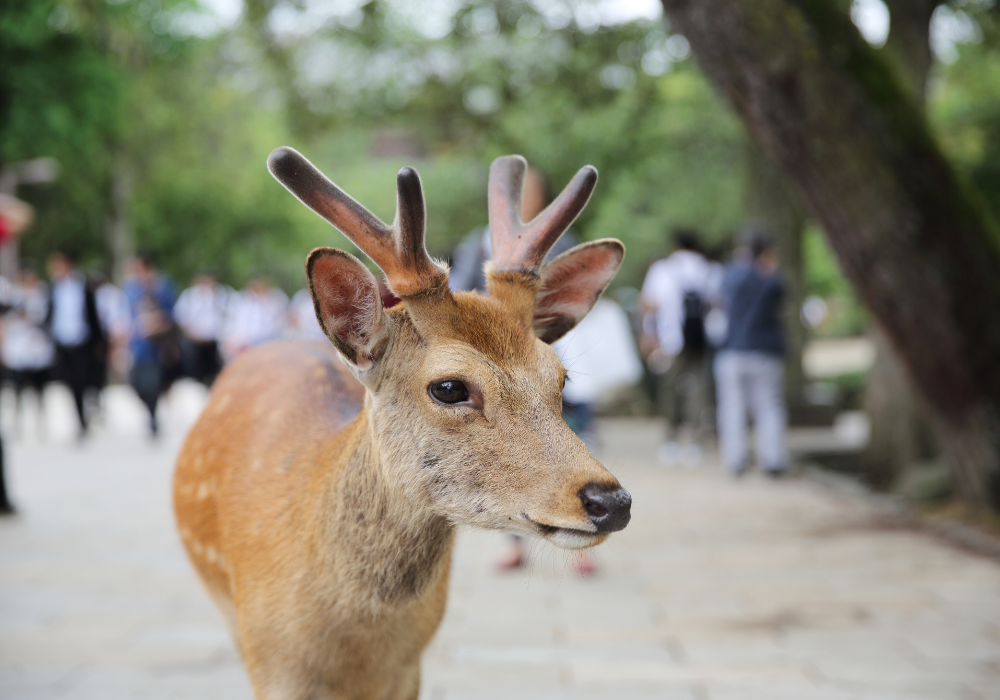
When animals lose their natural habitats, they do what any of us would—they go looking for new shelter and food. Increasingly, that means moving into cities, suburbs, and farmland. Coyotes in alleyways, deer in downtown parks, elephants walking through crop fields—these encounters are becoming more frequent, and often more dangerous.
For animals, it’s a last resort. But for humans, it’s a safety and economic issue. Crops get destroyed, livestock attacked, and occasionally, people hurt. In response, animals are relocated, fenced off, or killed. Climate change didn’t just push wildlife out of the wild—it pushed them into our space. And as their natural options keep shrinking, these conflicts will only increase. It’s not a matter of if we’ll interact with displaced wildlife—it’s how we’ll choose to respond when we do.