
Explore how climate change and pollution are threatening the essential life-support systems our planet provides—and what’s at stake for humanity.
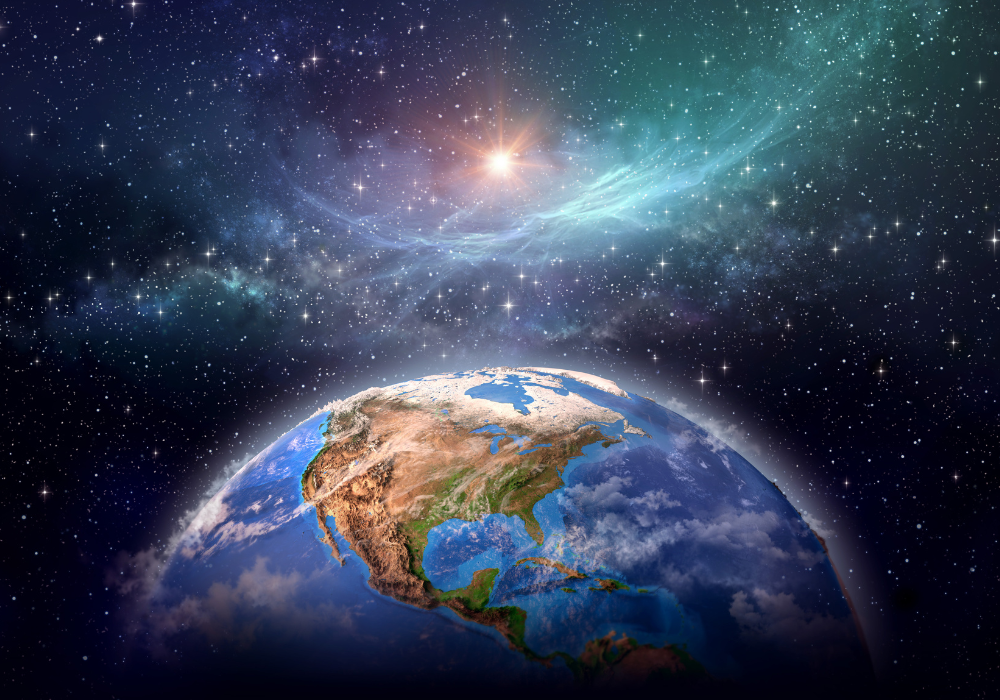
Our planet delivers essential services that sustain life—clean air, fresh water, food, and more. But climate change, pollution, and habitat loss put these gifts at risk. Discover 13 crucial ways Earth supports us—and keep reading to see why their future matters to everyone.
1. Clean Air: Nature’s Global Air Filter

Forests and oceans absorb carbon dioxide, keeping air clean and breathable. But can nature’s filter keep up with rising pollution and deforestation? See the next vital service under threat.
2. Fresh Water Supply at Risk
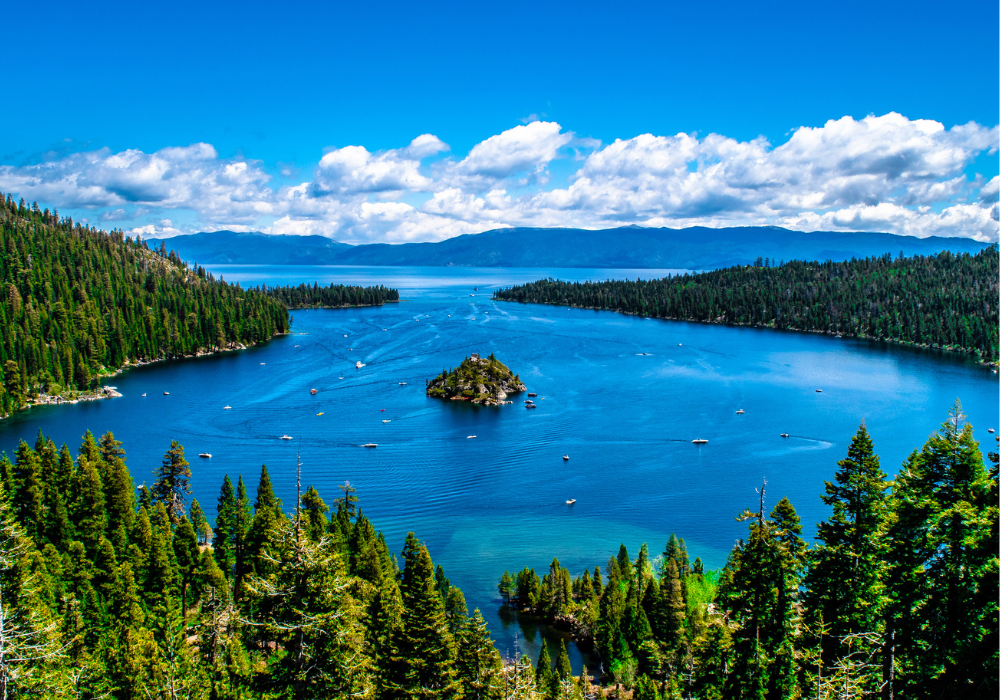
Rivers, lakes, and glaciers deliver freshwater for drinking, farming, and sanitation. But what happens as glaciers melt and droughts increase? Find out which resource is next in harm’s way.
3. Fertile Soil: Feeding Billions

Healthy soil grows the food we eat daily, but unsustainable agriculture and erosion are depleting these fertile lands. Curious how climate change affects our plates? Read on to learn more.
4. Climate Regulation: Earth’s Built-In Thermostat

Oceans and forests help moderate global temperatures and weather. Climate change now disrupts these natural defenses—what extreme impacts come from this shift? The next slide reveals more.
5. Pollination: Bees and Biodiversity in Danger

Bees, butterflies, and other pollinators support crops worldwide. But can our food supply survive if these species disappear? See which other natural service faces mounting threats.
6. Coastal Protection: Nature’s Storm Shields

Mangroves, coral reefs, and wetlands guard coastlines from storms and flooding. But will these barriers stand up to rising seas and coastal development? Next, discover how nature stores carbon.
7. Carbon Storage: Holding Back Greenhouse Gases

Forests and peatlands lock away carbon, limiting climate change. But wildfires and deforestation risk turning natural solutions into climate problems. Which crucial medicine is also vanishing? Keep reading.
8. Natural Medicines: Biodiversity’s Hidden Cures

Wild plants and animals inspire modern medicines. As forests shrink and species disappear, what cures might be lost forever? Explore how wetlands help purify your water, next.
9. Water Filtration: Nature’s Purification System

Wetlands and soils filter pollutants, making water safer to drink. But pollution and habitat loss endanger this free service. How does biodiversity help the planet bounce back? Find out next.
10. Biodiversity: Building Ecosystem Resilience

Varied ecosystems adapt better to shocks and change. But what happens if we lose too many species? Discover the connection to culture and recreation on the following slide.
11. Natural Beauty: Recreation and Cultural Value

Wild places offer peace, adventure, and identity—but pollution and habitat loss threaten these joys. So where does most of the world’s oxygen actually come from? Slide ahead to see.
12. Oxygen Production: Breathing Easy

Plants and ocean algae make most of Earth’s oxygen. As forests fall and oceans warm, are we putting our air supply at risk? Next, see how Earth maintains the water cycle that supports all life.
13. Water Cycle Maintenance: Rainfall and Life

Forests and oceans drive rainfall, control droughts, and shape weather for farming and ecosystems. What’s at stake if these cycles fail? Move to the last section for a powerful takeaway.
Protecting Planetary Life Support
Earth’s natural services are the foundation of a healthy world. Protecting them is protecting ourselves. How can you help ensure these lifesaving systems endure? Every action for the planet counts—now more than ever.