
From record-breaking heat to never-ending droughts, climate change is fueling wildfires that burn hotter, faster, and farther than ever before.

Wildfires in the U.S. aren’t just getting worse—they’re becoming downright unrecognizable. Fueled by rising temperatures, prolonged droughts, and erratic weather patterns, these once-seasonal disasters are now more intense, unpredictable, and destructive than ever. Climate change is no longer a distant threat; it’s turning the country into a tinderbox.
From California to Texas and beyond, communities are facing longer fire seasons and faster-moving flames with little warning. Scientists say this is the new normal if we don’t act fast. Here’s what you need to know about how climate change is supercharging wildfires across the U.S.—and why it should scare all of us.
1. Hotter temperatures are drying out forests faster than ever before
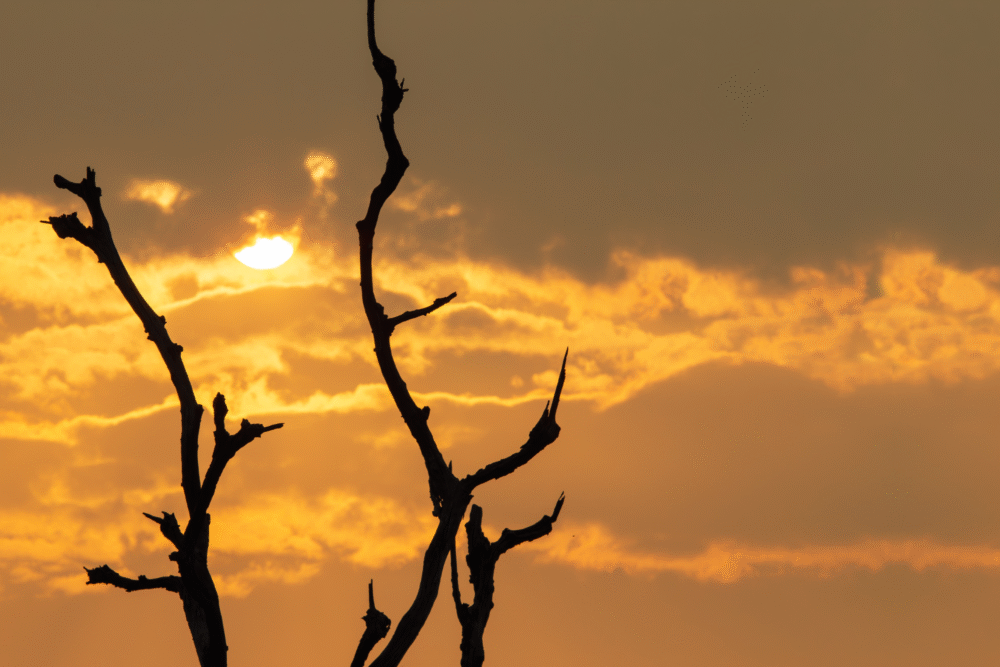
As average temperatures climb, the heat is pulling moisture from vegetation like a giant blow dryer. Trees, grasses, and shrubs dry out sooner in the season and stay parched longer, creating perfect fuel for wildfires. In many parts of the U.S., fire season now starts weeks earlier and lingers well into fall. This extended window gives fires more chances to spark—and more fuel to burn.
Even areas that used to stay relatively cool are seeing these effects, making wildfire risk more widespread. It’s not just a summer problem anymore; it’s a year-round threat fueled by relentless heat.
2. Drought conditions are creating massive tinderboxes across the country
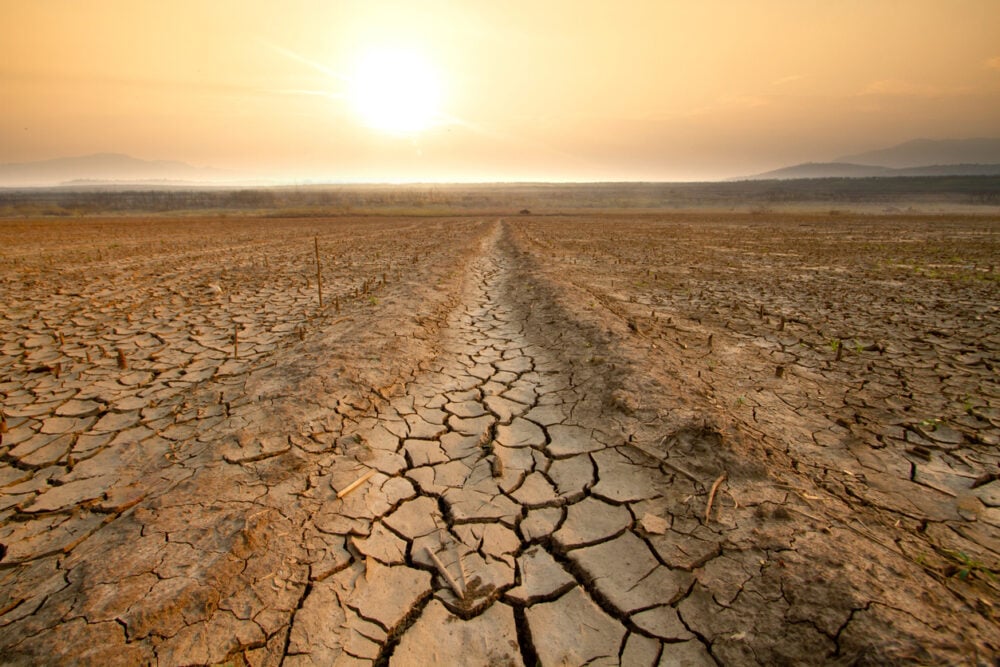
When rainfall becomes scarce, the landscape transforms into a fire-prone powder keg. Prolonged droughts, especially in western states like California, Arizona, and Nevada, leave soil cracked, vegetation brittle, and reservoirs running dry. That dry environment doesn’t just make it easier for wildfires to ignite—it also makes them spread faster and become harder to control.
Climate change is intensifying these drought cycles, turning what used to be rare “megadroughts” into more frequent realities. Combine that with wind and heat, and you’ve got the ideal recipe for destruction. Fire crews are struggling to keep up, and the risks are only growing.
3. Wildfires are spreading faster because of stronger, hotter winds
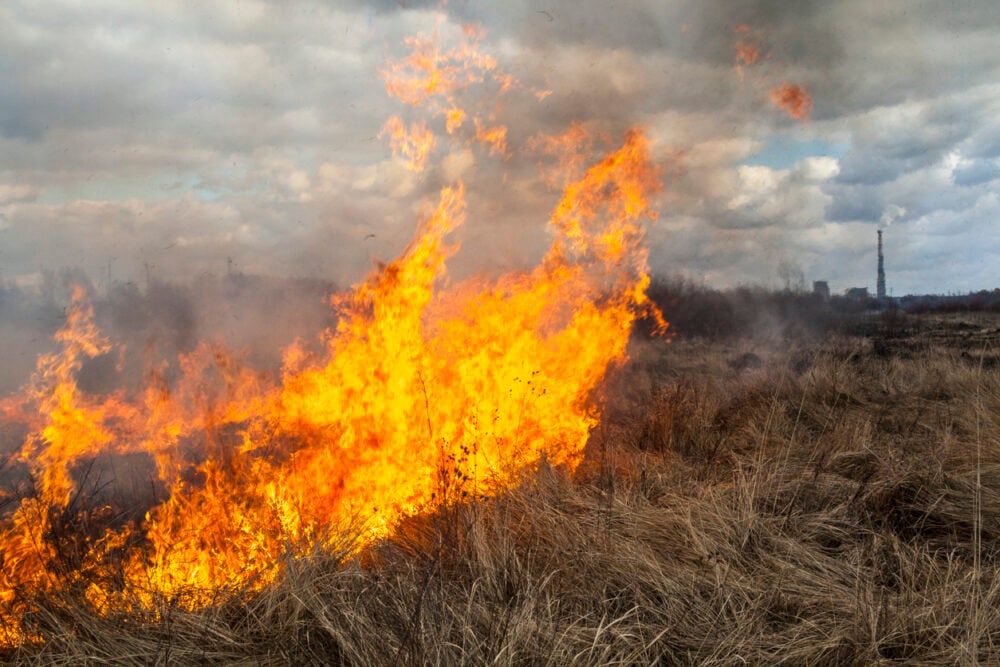
Climate change doesn’t just bring more heat—it also fuels extreme weather patterns. In fire-prone areas, this often shows up as stronger, hotter, and drier winds. These winds act like bellows in a fireplace, fanning flames and carrying embers across long distances. What used to be a slow burn can now become an out-of-control blaze in a matter of hours.
Firefighters call it “blow-up behavior”—when a fire suddenly explodes in size and speed. This new normal makes wildfires more dangerous, more unpredictable, and harder to contain. And it’s leaving communities with less time to prepare—or escape.
4. Climate change is turning fire season into fire year
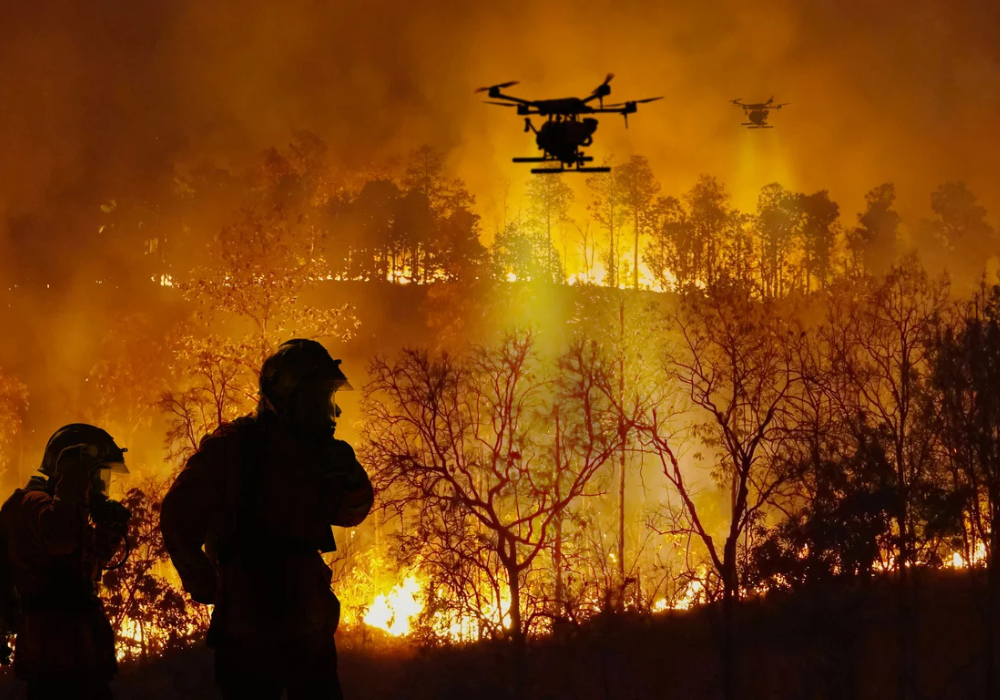
Fire season used to be a few months long. Now, thanks to warming temperatures and persistent drought, wildfires are breaking out nearly every month of the year. In California, officials have seen fires in December and January—times that were once considered safe. And it’s not just the West.
States like New Jersey, Florida, and even parts of the Midwest are seeing unusual wildfire activity. This shift from a “season” to a full-blown fire year puts enormous pressure on firefighting resources and keeps communities in a constant state of anxiety. There’s less time to recover before the next blaze begins.
5. Invasive pests are killing trees and leaving behind perfect wildfire fuel
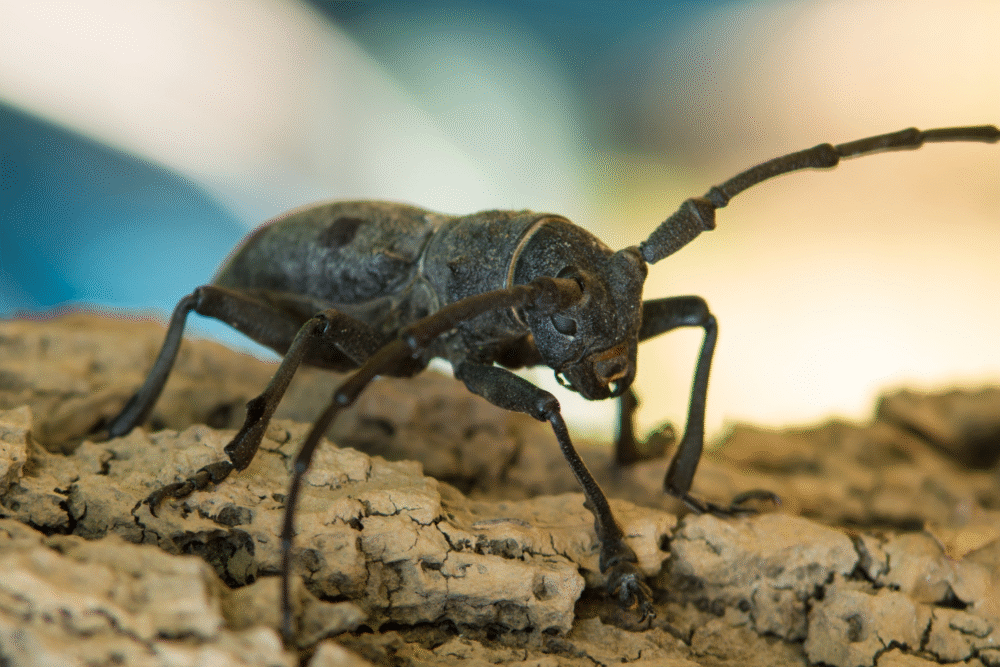
Climate change is helping invasive insects and diseases thrive—and they’re attacking America’s forests. Beetles like the mountain pine beetle are wiping out millions of trees, especially in the Rockies and Pacific Northwest. Warmer winters no longer kill off these pests, allowing them to reproduce more frequently and spread farther. Dead and dying trees don’t just ruin scenic landscapes—they become dry, brittle fuel for wildfires.
In some areas, entire mountainsides are now packed with standing, flammable timber. It’s like stacking matchsticks across hundreds of acres. When lightning or sparks strike, those dead trees can turn a small fire into a massive inferno.
6. Shrinking snowpacks are leaving landscapes dry earlier in the year

Snow used to act like a slow-release water source, keeping forests and grasslands moist well into spring and early summer. But with rising global temperatures, snowpacks are shrinking—and melting earlier than ever. That means the landscape dries out sooner, often by late spring, setting the stage for early wildfires.
The West is particularly vulnerable, with places like the Sierra Nevada and Rockies seeing record-low snow levels. Without that moisture buffer, vegetation becomes brittle faster and stays that way longer. It’s another way climate change is stacking the deck in favor of more fires—and longer fire seasons.
7. Lightning storms are increasing and sparking more remote wildfires
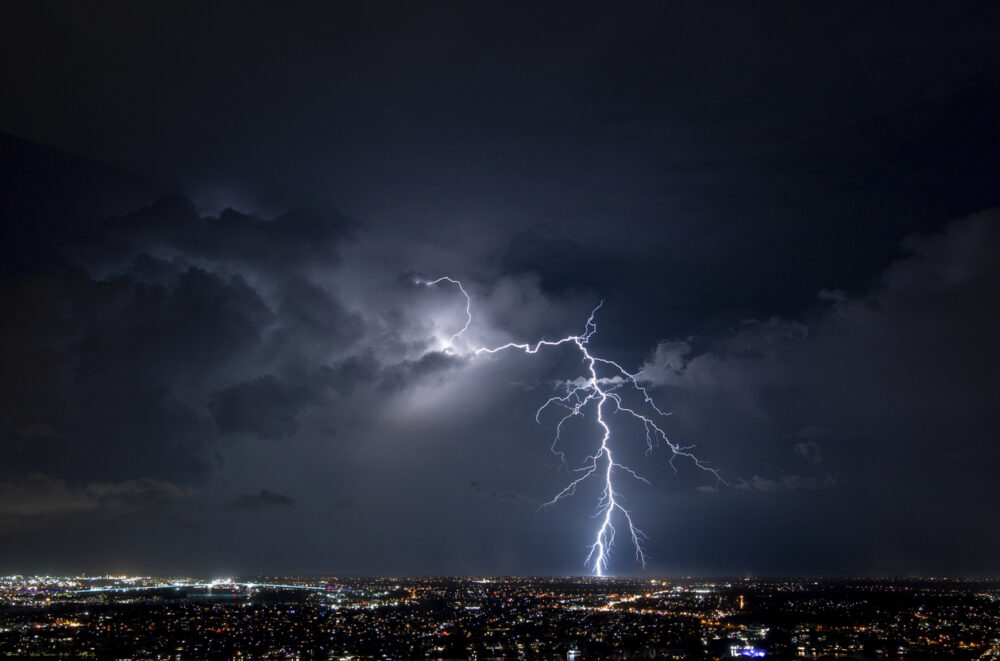
Warmer air holds more moisture, which often leads to more frequent—and more intense—thunderstorms. And while that might sound like a good thing for dry regions, it comes with a dangerous twist: more lightning. These lightning strikes are often “dry,” meaning they ignite fires without delivering much rain.
Many of the worst wildfires in recent years have started this way, especially in remote wilderness areas where a small fire can grow unchecked for days. Scientists are tracking a rise in lightning activity as a direct result of climate change. More lightning equals more ignition sources, and that’s bad news for fire-prone landscapes.
8. Urban sprawl is putting more people in wildfire danger zones
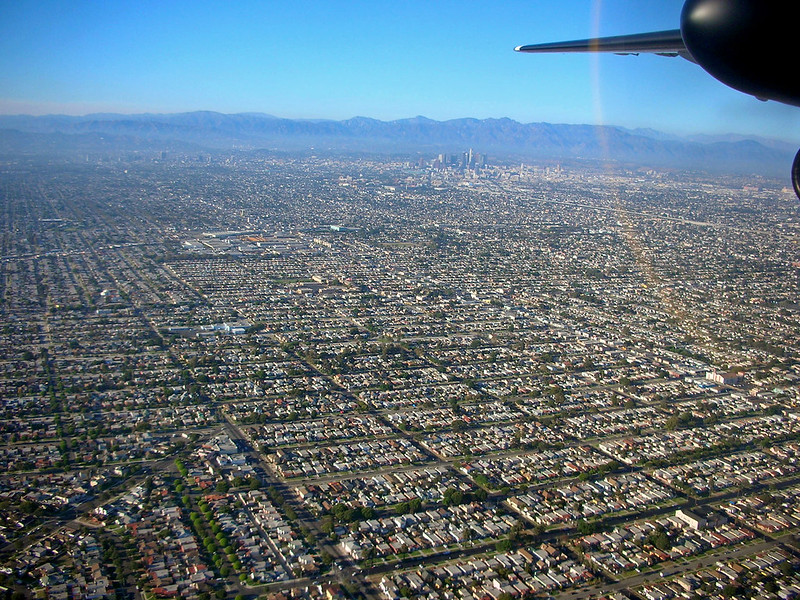
As housing expands into forests, grasslands, and foothills, more people are living right where wildfires naturally occur. Climate change is making those areas more flammable than ever. This “wildland-urban interface” has become a deadly flashpoint, where nature meets human vulnerability. Fires that once burned in remote areas now threaten homes, schools, and entire communities.
Evacuations are becoming more frequent, and insurance companies are pulling coverage from high-risk zones. The more we build into fire-prone areas, the more climate-fueled wildfires turn into human disasters. It’s a risky expansion into landscapes that are now burning more intensely—and more often.
9. Firefighting resources are stretched thin from nonstop fire seasons
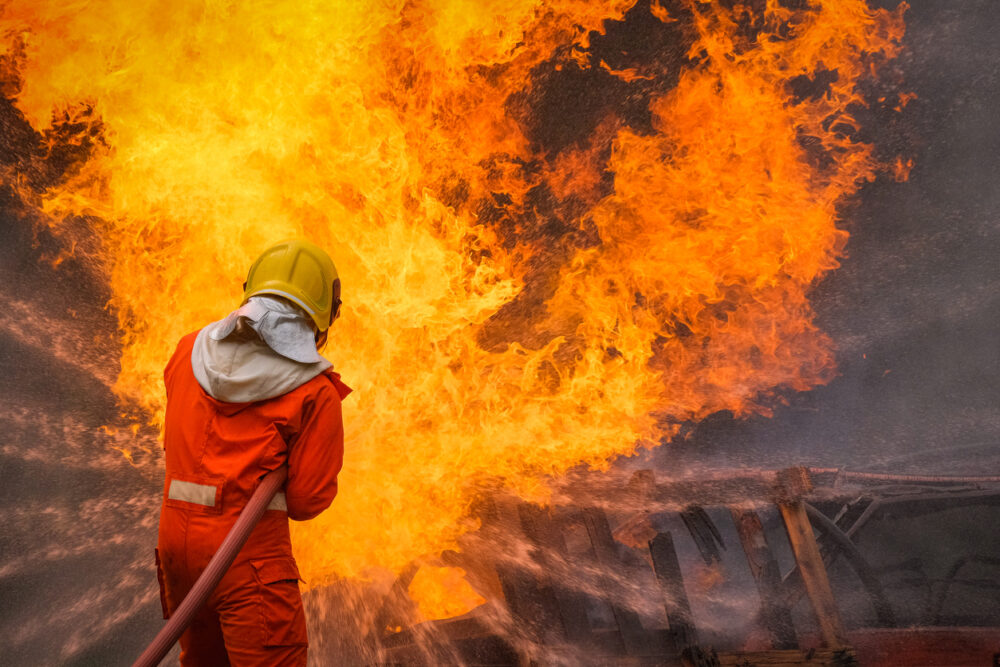
With wildfires now striking more frequently and burning longer, fire departments across the country are running on fumes. Crews are overworked, budgets are tight, and equipment is aging faster than it can be replaced. Climate change has turned firefighting into a year-round battle, leaving little time for rest, training, or preparation.
States are increasingly relying on mutual aid and federal help, but even those resources are being pushed to their limits. The emotional toll on firefighters is growing, too, with burnout and trauma on the rise. Fighting bigger, hotter, faster fires every year simply isn’t sustainable—and it’s putting lives at risk.
10. Smoke from wildfires is spreading farther and harming more people

You don’t need to live near a wildfire to feel its effects anymore. Smoke from major fires can now travel hundreds—even thousands—of miles, blanketing cities far from the flames in thick, choking air. Climate change is helping wildfires burn hotter and longer, which means more smoke in the atmosphere and more days of hazardous air quality.
From the West Coast to the Midwest and even the East Coast, millions of people are being exposed to dangerous levels of particulate matter. This isn’t just an inconvenience—it’s a growing public health crisis, especially for kids, seniors, and people with respiratory conditions.
11. Fire weather warnings are becoming more frequent across the U.S.
“Fire weather” used to be a concern mainly for the West. Not anymore. Today, red flag warnings are popping up in places like Minnesota, the Carolinas, and even parts of New England. Climate change is making high temperatures, low humidity, and strong winds more common—perfect conditions for wildfires to ignite and spread quickly.
The National Weather Service is issuing more of these alerts than ever before, and communities are being urged to stay ready to evacuate on short notice. This widespread shift in fire weather patterns shows just how deeply climate change is reshaping the U.S. risk landscape.
12. Ecosystems are losing their ability to recover between fires
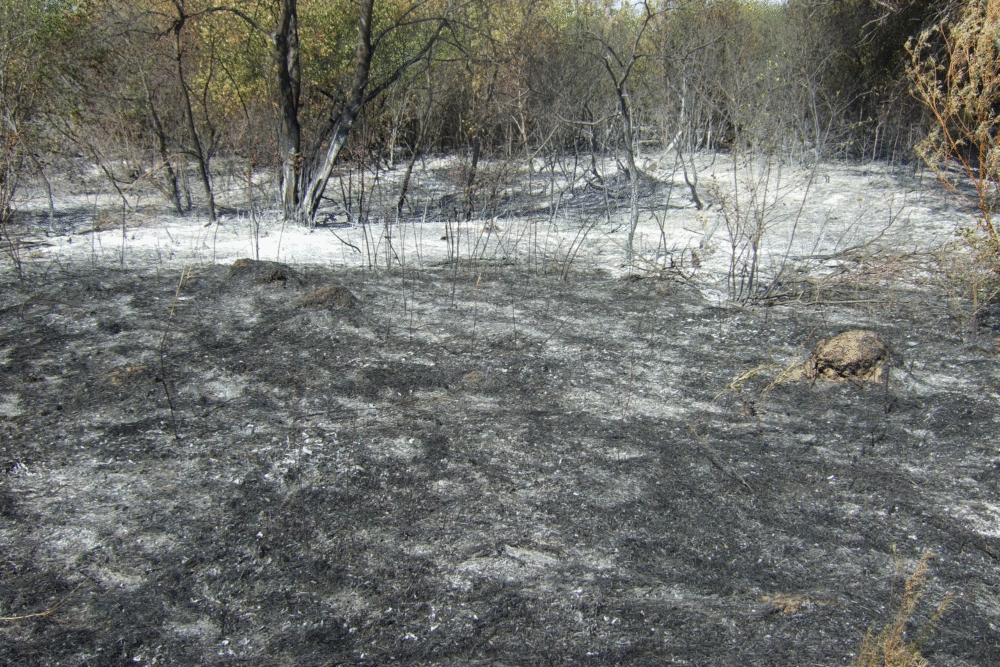
Natural landscapes have evolved with fire, but climate change is disrupting the balance. In the past, forests and grasslands had time to bounce back between burns. Now, with fires coming more often and burning hotter, many ecosystems can’t regenerate. Trees aren’t reseeding. Soil is getting scorched beyond repair. In some areas, forests are turning into shrublands—or vanishing altogether.
This loss of resilience threatens biodiversity and makes future fires even worse, since struggling ecosystems are more flammable. Scientists warn we’re approaching tipping points where these changes could become permanent. It’s not just about fire damage anymore—it’s about ecological collapse.
13. Climate change is fueling a dangerous feedback loop with fire
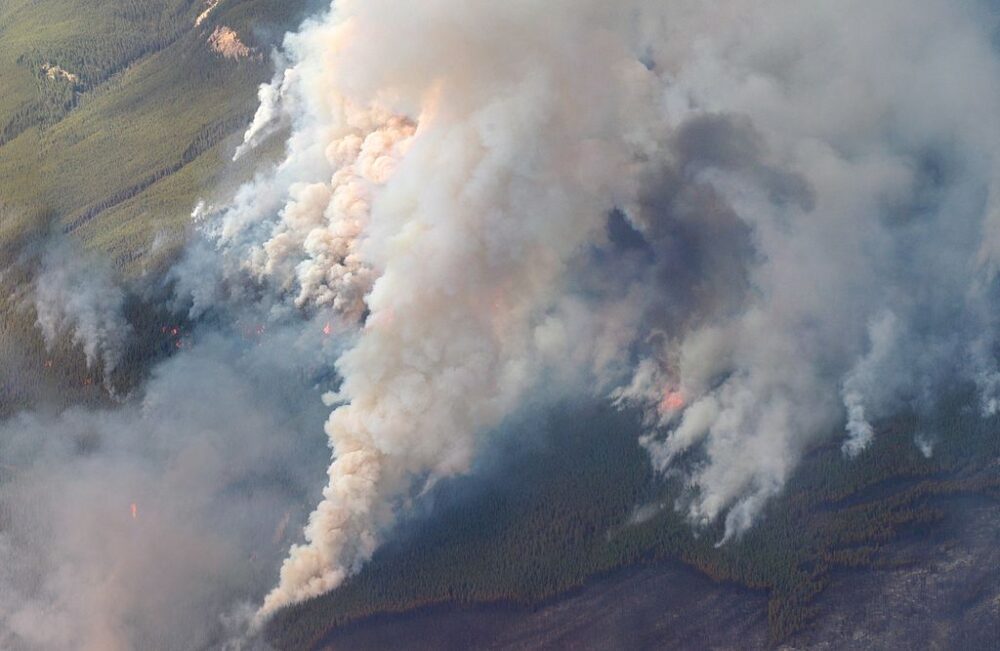
Here’s the scariest part: wildfires don’t just result from climate change—they make it worse. When forests burn, they release massive amounts of carbon dioxide into the atmosphere, which then accelerates global warming. That warming makes future fires even more likely. It’s a vicious cycle—a feedback loop where fire feeds climate change, and climate change feeds more fire.
And it’s happening faster than expected. This self-reinforcing loop could push us past climate tipping points much sooner than anticipated. In other words, if we don’t break the cycle, wildfires won’t just be a symptom of climate change—they’ll be one of its biggest drivers.