
The planet needs more than reusable bags and bamboo toothbrushes.

Swapping plastic for glass, switching to eco-friendly detergent, buying organic everything—these feel like wins. And they are, to a point. But the system doesn’t change just because someone remembered a tote bag. Green shopping still revolves around constant consumption, and even the most sustainable product requires resources, energy, and waste. It’s less a solution and more a slightly softer version of the same old cycle.
That’s how consumerism keeps evolving—by offering new ways to buy without changing the rules of the game. The real progress doesn’t happen at checkout. It happens when people slow down, opt out, and choose different systems entirely. Shifting from green shopping to green living is less about products and more about priorities. Once you stop looking for better stuff and start looking for better systems, the path becomes a lot clearer.
1. Say no to unnecessary purchases to reclaim real sustainability.

Eco-friendly labels can make people feel like they’re helping, but true sustainability means consuming less overall. Every new item—even the sustainably marketed ones—uses resources, energy, and labor. A 2024 report by experts at the UN Environment Programme projects that, without urgent action, global resource extraction could rise by 60% from 2020 levels by 2060, exacerbating environmental degradation.
Reducing your consumption isn’t about deprivation; it’s about shifting focus to quality over quantity. Making do with what you already have or repairing instead of replacing sends a stronger message than any eco-brand ever could. Companies rely on continuous growth, which means continuous buying. Opting out disrupts this cycle and places value back on durability, longevity, and genuine need. Real sustainability begins when consumer choices become less about what’s trendy and more about what’s genuinely useful.
2. Use sharing and borrowing networks for community abundance.

Buying less doesn’t mean having less. Community sharing—whether it’s tools, cars, clothing, or household items—is a powerful way to step outside the consumer cycle. According to researchers for the U.S. Environmental Protection Agency, setting up sharing programs for items like lawn and garden equipment can significantly reduce waste and save money.
Borrowing also strengthens community connections. Lending libraries, tool banks, and clothing swaps turn isolated transactions into cooperative relationships. A single shared lawnmower or camping gear set could replace multiple barely-used items hidden away in storage. These actions, scaled across neighborhoods, offer a practical alternative to consumerism and shift the focus from individual excess to collective abundance.
3. Fix what you own to resist throwaway culture.

Society constantly pushes the message that broken items should be replaced immediately. Choosing to fix rather than toss is a powerful way to fight back against this disposable mindset. A study published by Adeline Jerome for ScienceDirect found that repairing long-lived, energy-intensive products can significantly reduce environmental impacts by extending their use and improving energy efficiency.
Local workshops, online tutorials, and community repair cafes are becoming increasingly common as more people embrace the satisfaction of repairing items. Every time you mend a pair of jeans or fix a small appliance, you’re undermining a system built on planned obsolescence. Each repaired item is one less product sent to a landfill, proving that lasting value comes from maintenance, not endless replacement.
4. Demand policy changes instead of relying on green shopping.

Personal eco-friendly choices matter, but systemic change has real leverage. Buying greener products can only do so much if laws still favor polluters. Advocating for strong environmental policies—like renewable energy standards, better public transportation, and strict pollution regulations—is essential. Voting, protesting, or writing representatives may not feel as immediate as buying eco-friendly soap, but it changes the rules of the game entirely.
Corporations rely on weak environmental laws to maintain profits. They often encourage consumer responsibility to distract from their larger impact. Challenging this requires collective political action and policy advocacy. When laws change, the entire system shifts, not just the products on your shelf. Personal sustainability is important, but public policy is the real engine behind lasting environmental progress.
5. Look beyond green labels to uncover hidden impacts.

Seeing a “Certified Organic” or “Fair Trade” badge at checkout feels reassuring, but it doesn’t guarantee the entire supply chain is ethical or low-impact. Certifications focus on specific criteria—no synthetic pesticides, fair wages at the farm level—but they often ignore transportation emissions, packaging waste, and the carbon cost of long-distance shipping. Companies can meet one standard while skirting others, making green labels more of a marketing tool than a holistic solution.
To move beyond this shortcut, look for businesses that share full transparency reports. Find out where products are made, how workers are treated, and how much energy goes into moving goods.
True sustainability demands owning the whole story, not just the parts that look good on a sticker. When you stop trusting labels blindly, you start forcing brands to earn your loyalty with real, systemic change.
6. Tap community efforts to amplify your environmental impact.

Buying local or eco-friendly products is great, but when you team up with neighbors for neighborhood cleanups, community gardens, or climate marches, your individual action gets a serious boost. Meeting people who share your values sparks new ideas and creates social pressure for broader change. Suddenly, you’re not just one person with a canvas tote—you’re part of a collective voice that can demand policy shifts, hold corporations accountable, and transform your own backyard.
Organizing or volunteering also builds resilience. Skills get passed around, resources get pooled, and you see direct results—like a revived park or a new community tool library—faster than any product could deliver. Community action underscores that the planet’s future relies on people power, not just purchases.
7. Back transparent businesses to reshape the market.

Purchasing from companies that openly share their environmental and labor practices forces competitors to follow suit. When you choose brands that publish carbon footprints, factory audits, and supply chain maps, you reward honesty and push the industry toward genuine accountability. Silence on these issues means you’re tacitly endorsing hidden harms.
Transparency isn’t just public relations—it’s a demand for proof. Brands that share their successes and failures gain trust, while opaque ones risk losing customers. Over time, this consumer pressure makes ethical operations the norm rather than the exception. Your dollars become votes for a marketplace that values people and planet as much as profit.
8. Invest in learning over any eco-gadget purchase.

That solar-powered speaker or self-cleaning water bottle might sound brilliant, but without understanding broader climate solutions, you’re still playing by the same consumer rules. Learning about energy policy, sustainable agriculture, and circular economies equips you to spot greenwashing and advocate for meaningful change.
Invest in books, documentaries, and credible journalism. Take online courses or attend local workshops on climate science and social justice. Information fuels action. When you’re informed, you can challenge companies, vote with conviction, and help shape the conversations that matter. Knowledge is the most durable tool you can carry—no batteries required.
9. Adopt minimalism to cut consumption and waste.

Minimalism isn’t about aesthetic white rooms or Instagrammable shelves—it’s a conscious decision to own less and focus on essentials. Fewer items mean less manufacturing, packaging, and waste. When you commit to a simpler lifestyle, you break the cycle of impulse buys and planned obsolescence that fuels resource extraction and pollution.
Start by decluttering: donate or sell items you no longer use. Before making a purchase, ask if it truly adds value or just fills a gap. Minimalism creates space—both physical and mental—to prioritize experiences and relationships over possessions. That shift alone can cut your climate impact dramatically.
10. Select durable goods to avoid frequent replacements.

Fast fashion and cheap electronics might be tempting, but quality items last longer, require fewer replacements, and often use sturdier materials. Investing in a well-made coat or a repairable phone case may cost more upfront, but it pays off by keeping you out of the cycle of constant upgrades.
Look for repair-friendly features—replaceable batteries, accessible seams, or modular components—and brands that offer warranties or repair services. Durable goods also tend to be timeless in design, reducing the urge to chase the next trend. When your possessions outlive seasonal fads, you save money and resources over the long haul.
11. Convert waste into resources to close the loop.
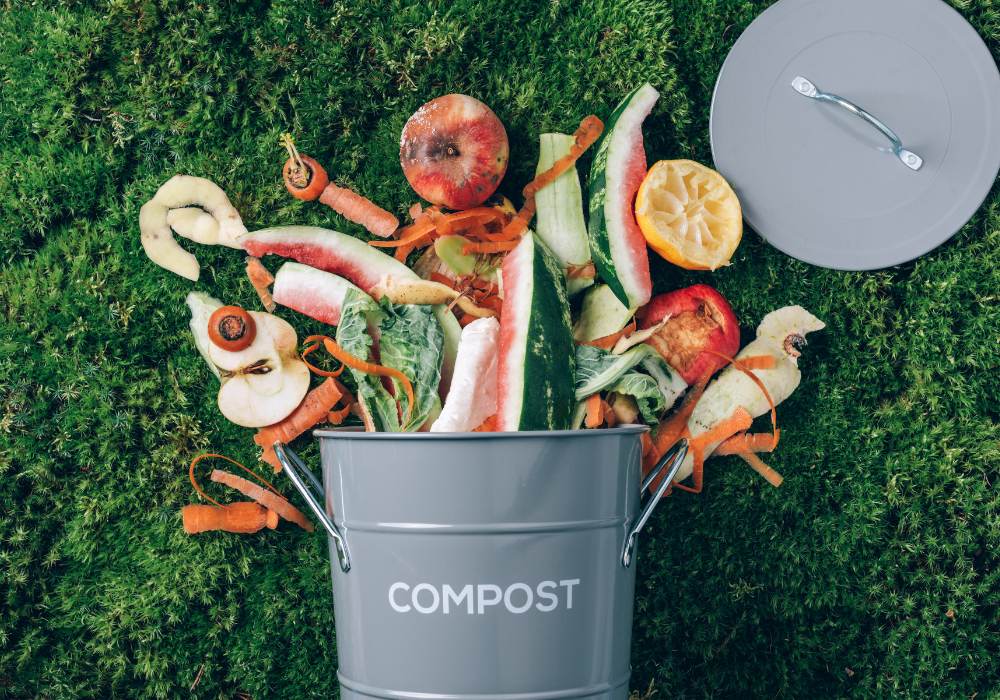
Composting food scraps, upcycling old clothes into new designs, or repurposing shipping materials into storage bins turns trash into treasure. This circular mindset tackles waste at the source, ensuring materials stay in use instead of filling landfills or polluting oceans.
Start small: collect kitchen scraps for a home composter or learn basic sewing to patch worn-out garments. Join local upcycle workshops or buy from creators who turn waste into art. Each repurposed item cuts demand for virgin materials and demonstrates that one person’s trash can fuel collective creativity and sustainability.
12. Learn practical skills to break free from consumer chains.

Growing food, cooking from scratch, sewing, fixing appliances, or tackling basic carpentry reduces dependence on store-bought solutions. Meeting your own needs saves money and sidesteps the environmental costs embedded in mass-produced items.
Practical skills also foster self-reliance and community sharing. Teaching a friend to knit or starting a backyard herb garden multiplies your impact. These abilities become tools for resilience, making you less vulnerable to market whims and more capable of thriving in a world that rewards do-it-yourself ingenuity.
13. Shift success definitions beyond possessions for lasting change.

In a consumerist culture, success is too often measured by what you own. Shifting that narrative to value relationships, health, creativity, and community engagement rewires how you spend time and resources. Happiness doesn’t come from a bigger wardrobe or the latest gadget—it comes from meaningful experiences and connections.
Celebrate achievements that don’t involve buying: mastering a skill, volunteering, or deepening friendships. Share stories of fulfillment that aren’t tied to material wealth. As you redefine your own success, you break free from the pressure to constantly acquire. That mental shift is the ultimate step beyond consumerism, transforming your life and the planet in one move.