
Despite decades of research, these baffling mysteries continue to defy scientific explanation.

Science has unraveled some of the universe’s greatest secrets, but many puzzles remain unsolved. From strange cosmic signals to mysteries hidden within our own bodies, some questions still leave experts scratching their heads. These enduring enigmas remind us that no matter how advanced our technology becomes, there are limits to what we understand. For everyday readers, that can be both thrilling and unsettling — proof that the world is far more mysterious than we often imagine.
1. Why We Sleep at All

Scientists know sleep is vital, but the exact reason remains unclear. Sleep helps with memory, learning, and repair, yet these explanations don’t fully capture why every animal on Earth must do it. Unlike food or water, its necessity is still a mystery.
Even stranger, sleep looks completely different across species. Birds, reptiles, and dolphins rest in unusual cycles, with some shutting down only half their brains. Despite decades of research, experts still can’t explain why evolution built such a universal but puzzling behavior.
2. The Puzzle of Consciousness

Consciousness is often called the hardest problem in science. While we can measure brain activity, scientists still don’t understand how electrical signals create the experience of being aware. Thoughts and feelings emerge from neurons, but the leap from biology to awareness is unexplained.
Some argue consciousness is simply an illusion of the brain, while others think it could be a fundamental property of the universe. Whatever the truth, the mystery of why we feel like ourselves remains one of the deepest questions humans may ever face.
3. Why the Universe Exists at All
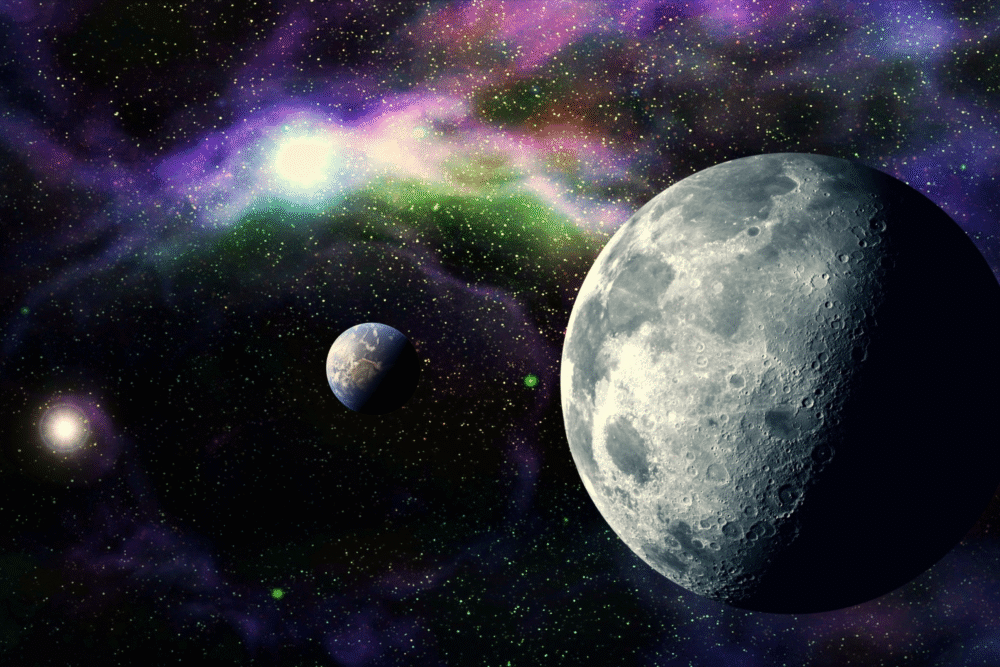
The universe is here, but no one knows why. The Big Bang theory explains how it expanded, yet it doesn’t reveal what triggered it—or what existed before. That leaves the most basic question unanswered: why is there something instead of nothing?
Physicists speculate about quantum fluctuations or multiverses, but there is no direct evidence. For now, the ultimate origin of existence remains hidden. It’s a riddle that stretches beyond science and into philosophy, leaving us with awe rather than answers.
4. The Nature of Dark Matter

Astronomers know galaxies move in ways that visible matter can’t explain. This led to the idea of dark matter, an invisible substance that makes up most of the universe’s mass. Despite decades of searching, no one has seen or captured it.
Some think dark matter is made of exotic particles; others wonder if gravity itself works differently than we believe. Powerful detectors buried deep underground are hunting for clues. Until evidence arrives, the unseen mass shaping galaxies remains one of science’s strangest puzzles.
5. The Secret of Dark Energy
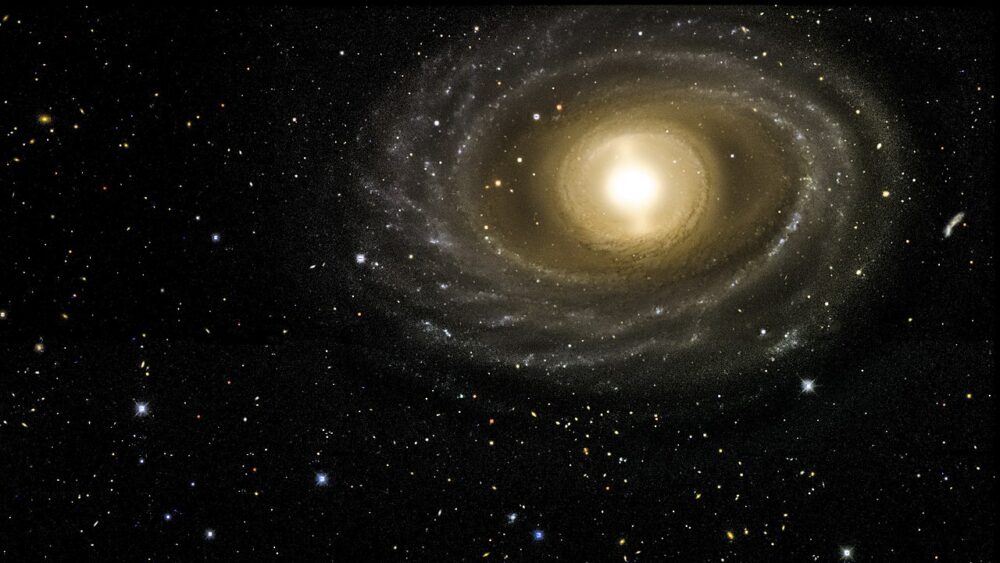
If dark matter is confusing, dark energy is even stranger. Scientists discovered the universe isn’t just expanding—it’s accelerating. Something is pushing galaxies apart faster and faster, and they’ve named it dark energy.
But no one knows what it really is. It may be a property of space itself, or it could be evidence of new physics. Dark energy makes up nearly 70 percent of the cosmos, yet it remains invisible and unexplained, leaving researchers baffled at how little we understand our universe.
6. How Life Began on Earth

Scientists know life appeared billions of years ago, but the details are still missing. Did it start in warm ponds, deep-sea vents, or with molecules delivered by comets? Dozens of theories compete, but none have been proven.
Researchers can create building blocks of life in labs, yet the spark that turned chemistry into biology is still mysterious. Understanding how life began would answer one of humanity’s oldest questions—and could reveal whether life might exist elsewhere in the universe.
7. Why We Age and Die

Aging is a universal part of life, but its purpose remains unclear. Cells divide and eventually break down, but why evolution shaped us to wear out instead of staying strong forever is still debated. Some argue aging prevents overpopulation, while others see it as unavoidable damage.
Scientists have extended the lives of worms and mice in labs, but humans remain stubbornly finite. While medicine may slow the process, the question of why aging exists in the first place is still unanswered.
8. The Mystery of Human Memory

We rely on memory every day, but how it truly works is only partly understood. Scientists know the brain stores information in patterns of connections between neurons, yet the exact process of forming and recalling memories is still elusive.
Why do some memories last a lifetime while others fade within hours? And why do emotions make certain events unforgettable? Until scientists fully unlock how the brain records and retrieves our past, memory will remain one of the most intriguing mysteries of the mind.
9. What Lies Inside Black Holes
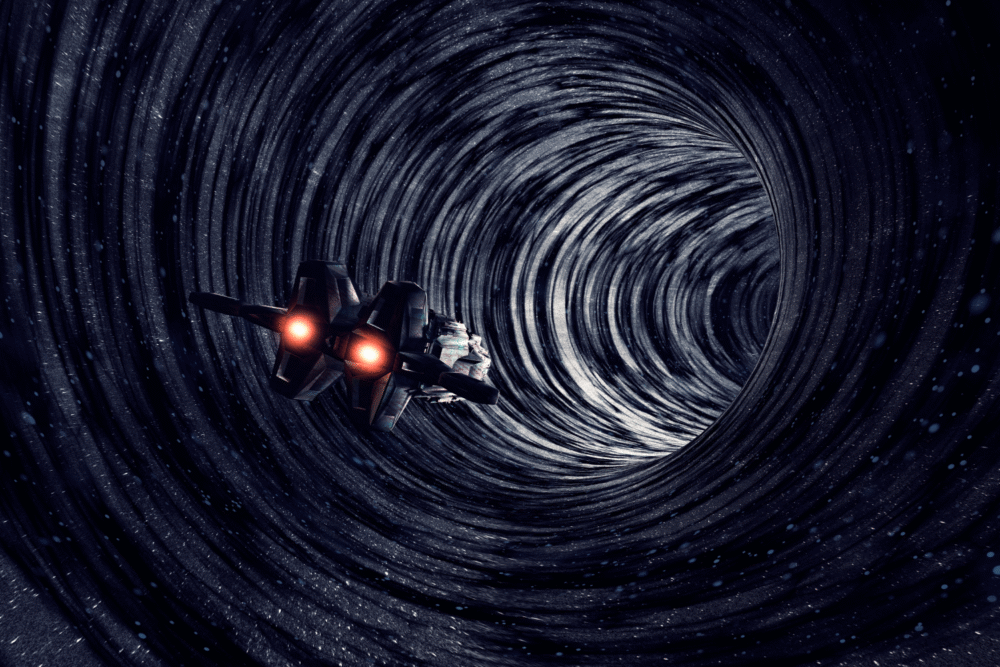
Black holes are regions where gravity is so strong that not even light can escape. But what happens inside them remains a total mystery. Current physics breaks down at the center, leaving us with no clear picture of what lurks beyond the event horizon.
Some theories suggest a singularity—an infinitely dense point. Others propose that black holes could connect to entirely different regions of space. Until we find a way to look inside, these cosmic giants remain one of science’s darkest secrets.
10. The Enigma of Time Itself

We experience time every second, but scientists don’t fully understand what it is. Physics describes time as a dimension, yet why it flows in one direction is unknown. If the laws of physics work both forward and backward, why does time only move forward for us?
Some theories suggest time’s arrow comes from increasing disorder in the universe. Others think it could be an illusion of human perception. The true nature of time remains one of the deepest mysteries in science and philosophy alike.
11. The Origin of Cosmic Rays
Cosmic rays are high-energy particles that constantly bombard Earth from space. While scientists have traced some to exploding stars, the origin of the most powerful rays remains a puzzle. They arrive with energies beyond anything human technology can produce.
Where do they come from? Possibilities include black holes, neutron stars, or unknown cosmic engines. Until their sources are found, these ghostly travelers continue to keep scientists guessing—and remind us that the universe holds secrets far beyond our reach.
12. The Secret of Gravity
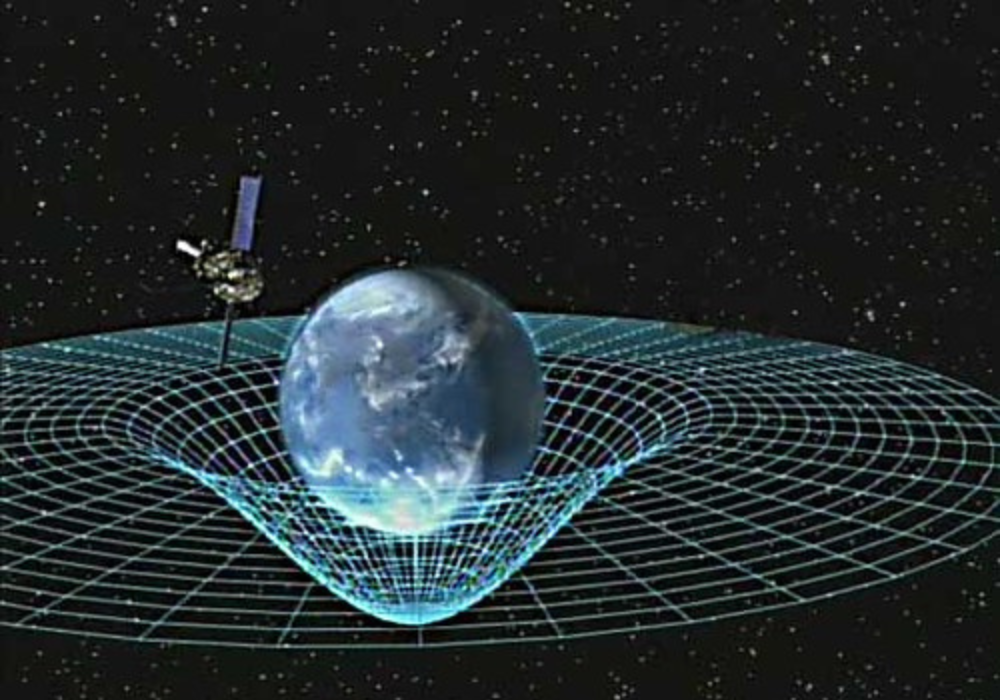
Gravity is one of the four fundamental forces of nature, yet it’s the least understood. Einstein described it as the warping of space-time, and his theory predicts its effects with incredible accuracy. But scientists still don’t know how gravity works at the quantum level.
Other forces can be explained with particles, but gravity’s link remains elusive. Until physics unites gravity with the quantum world, the force that keeps us on Earth will remain one of science’s most puzzling unsolved mysteries.
13. Why We Dream at Night

Dreams are a universal human experience, but no one knows exactly why they happen. Some scientists think dreams help process emotions or strengthen memories. Others argue they serve no real purpose and are simply random brain activity.
The strange images and stories our minds create at night still resist clear explanation. Despite decades of research, the true meaning of dreams remains elusive, leaving us to wonder whether they hide deeper truths or are simply products of imagination.