
Even everyday outdoor items can become dangerous projectiles when strong winds begin to blow.
When powerful winds start whipping through a neighborhood, they can turn an ordinary backyard into a danger zone. What looks harmless on a calm day can suddenly become a flying hazard capable of shattering glass or injuring someone nearby. Many homeowners underestimate just how destructive windborne debris can be until it’s too late. Understanding what happens when the gusts pick up is the first step to keeping your home—and everyone around it—safe when the weather turns violent.
1. Lightweight garden chairs can easily catch wind and become airborne hazards.

Lightweight garden chairs, a staple in many backyards, often embrace simplicity and disappoint once fierce winds approach. Without proper restraints, these common seats can catch the breeze and ascend rapidly, risking damage to nearby structures and people.
Their lightweight nature, although convenient for easy rearrangement, makes them especially susceptible during unexpected gusts. In such incidents, a familiar garden chair might surprise by acting as a wayward missile needing restraint. Secure storage or firm anchoring could prevent these mishaps.
2. Loose flower pots pose risks when winds pick them up casually.

Small flower pots, full of life and color, hold more than plants when strong winds arise. Left unprotected, these decorative pieces can roll or be lifted, transforming into potential hazards. Despite their petite stature, winds easily find them, resulting in unexpected chaos.
A lightweight flower pot, once settled on a garden path, can suddenly become a rogue object crashing into delicate surroundings. Their modest size often belies their capability to cause damage, highlighting the need for thoughtful storage or anchoring, particularly in blustery conditions.
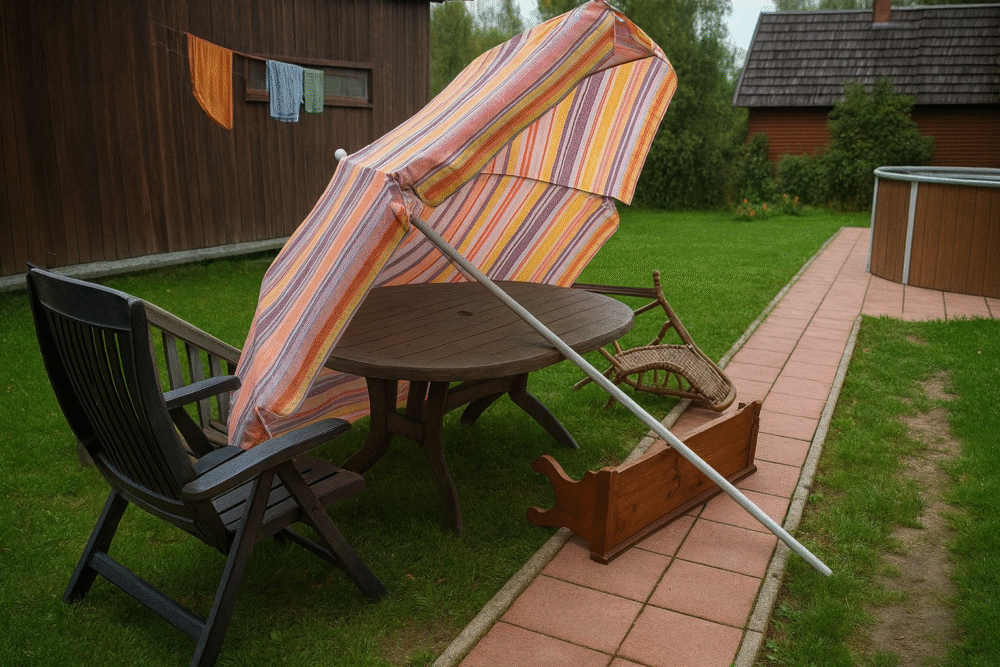
3. Unsecured patio umbrellas may flap vigorously and cause damage quickly.

Patio umbrellas offer shade with a hint of elegance until high winds turn them into disorderly offenders. Unsecured, they can quickly become sails, fluttering violently and toppling over. This transformation from serene to chaotic is often swift in strong gusts.
Even sturdy umbrellas might falter under wind’s persistent persuasion, causing unexpected structural clashes. A sudden gust can send them twisting vividly, necessitating preemptive fixes like weighty bases or soft-but-strong ties, ensuring they remain peaceful under pressure.
4. Trash bins left open or uncovered can turn into frightening flying objects.

Trash bins, usually contained and practical, become notorious flight risks when left open or uncovered in high winds. As winds amplify, unsecured lids can scatter contents, turning refuse into hazardous debris. Simple covers offer much-needed stability during turbulent weather.
Lids swinging free turn these ordinary containers into unpredictable nuisances. This transformation from mere storage to an uncontrolled projectile underscores the need for closures, exhibiting how a routine utility piece requires attention amidst windy turmoil. A firm latch curbs chaos.
5. Garden tools left in the open risk being tossed around dangerously.

Garden tools, vital yet vulnerable when neglected in open spaces, are at risk during sudden storms. Without proper storage, tools like shovels or rakes may be picked up and scattered by forceful breezes. Their potential to become dangerous emerges, unrestrained.
A garden full of tools quickly becomes a scene of disarray as unexpected gusts stir and lift them. Preventing this turmoil emphasizes storage solutions, ensuring practical aids remain beneficial and never transform into unintended and risky projectiles.
6. Decorations such as wind chimes may detach and create sharp projectiles.
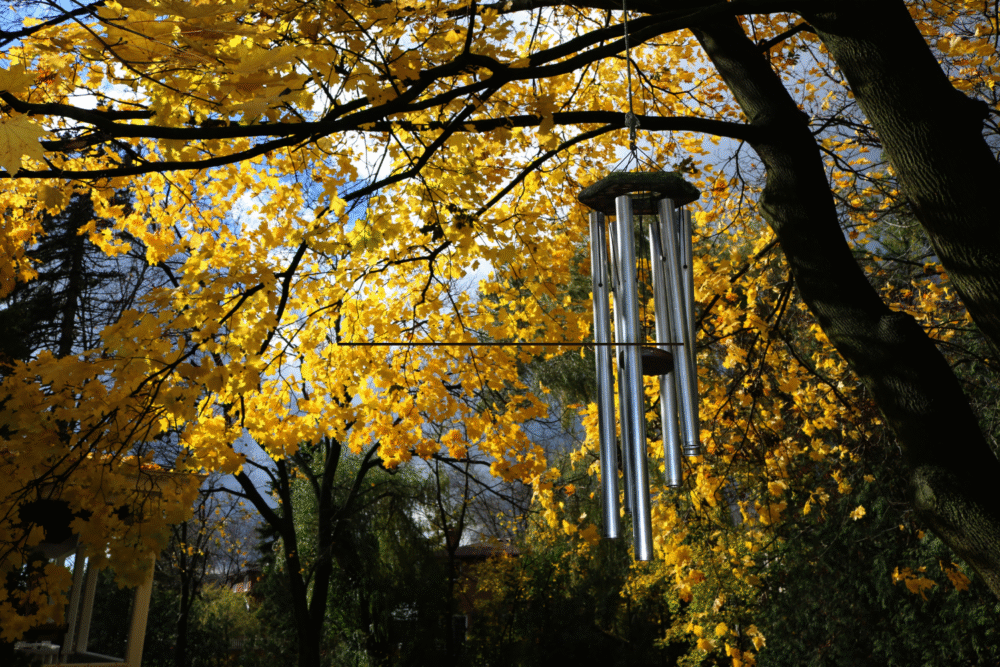
Wind chimes, soothing yet precarious, can detach in unrelenting winds, morphing into sharp, flying hazards. Their subtle allure shifts dramatically when a storm unclips them from their perch. Such detachments reveal their hidden menace within household charm.
Once a serene presence, these decorative items may suddenly launch amid tempests, posing unexpected risks. While calm winds inspire harmony, stormy gusts prompt vigilance, underscoring the need for secure placement—the delicate balance of beauty and safety.
7. Children’s toys scattered in the yard can become hazardous in strong gusts.

Children’s toys spread across a yard, symbols of play, lose their innocence against harsh winds. Scattered toys are vulnerable, quickly transforming into airborne threats in gusty moments. Their bright colors and shapes shift unpredictably when lifted by nature’s force.
A tranquil play area can become chaos as winds clash with these erstwhile playthings, unexpectedly turning them into risks. Awareness of the volatility shows importance in organizing toys, ensuring that innocent fun doesn’t evolve into misadventure during blustery siblings.
8. Outdoor cushions and pillows often fly away if not firmly anchored down.

Outdoor cushions and pillows, often left for comfort, become troublesome travelers during high winds. Lightweight and loose, they drift from their spots, disappearing into the air with ease. Their habitual softness fails to contend with the rigorous force of a storm.
Once essential for leisure, these accessories can suddenly become an outdoor spectacle, creating inconvenience and disarray. Their unpredictability when unsecured draws attention to tethering solutions, keeping them secure, routine enjoyment unmarred by sudden surprise.
9. Lightweight grills or fire pits without weight can easily be airborne.

Grills or fire pits, particularly those of lightweight design, sit poised for displacement by fierce gusts. Without considerable weight, such outdoor essentials struggle against persistent winds. As gatherings scatter, the risk of upturned warmth confronts unprepared households.
Their intended stability for occasions can shift quickly, turning into cumbersome rockets amidst stronger breezes. An understanding of their instability prompts preventive measures, ensuring they stay grounded and serve as safe, steadfast fixtures rather than unpredictable payloads.
10. Plastic furniture often lacks heft, allowing winds to lift and throw items.
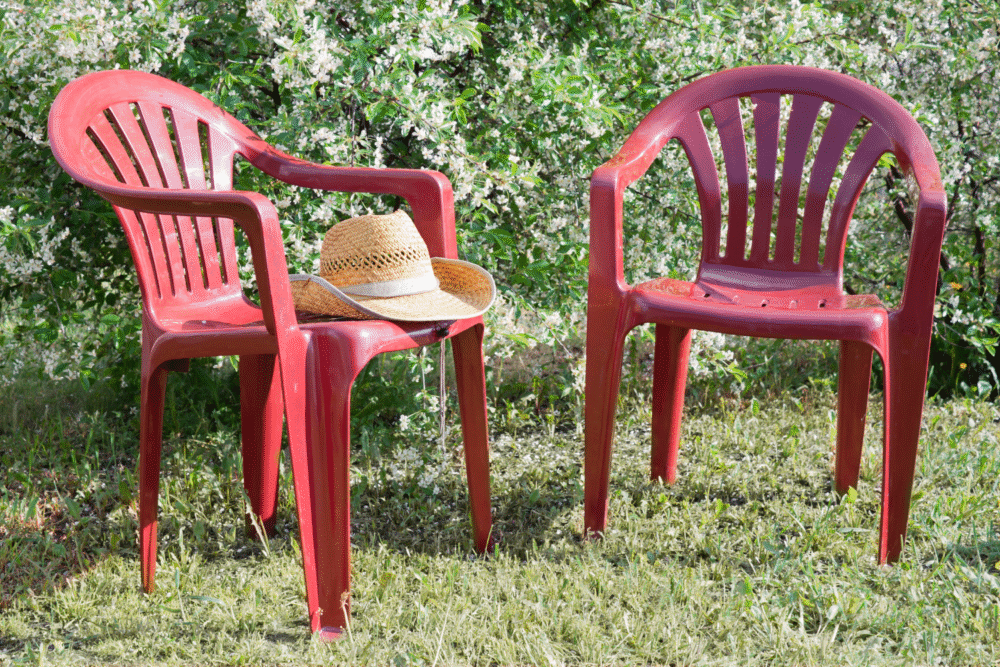
Plastic furniture, often found in backyards, battles more than its share under wind’s mighty grip. Lacking significant weight, these common pieces can levitate, with forceful gusts altering their lay. Reliable in calm conditions, they challenge fortitude when confronted by storms.
A patio scene can transform dramatically as light furnishings rise and collide, creating an impromptu hazard. Their shift from steady to airborne emphasizes thoughtful anchoring, reassuring their place and preventing chaotic disarray amidst breezy interludes.
11. Garden stakes and trellises, if improperly secured, might become airborne missiles.

Garden stakes and trellises, made to guide growth, sometimes mislead in winds. If not adequately secured, their intended firmness mutates into motion, posing unexpected dangers. Whether wood or metal, they beckon elemental force when stability is overlooked.
Among thriving plants, these fixtures assist only until winds dislodge them, having potential to puncture or roam through gardens untethered. Securing these growth aides ensures their purpose remains intact, guiding the garden’s ascent without transforming into wind-whipped javelins.
12. Lawn ornaments made of lightweight materials are vulnerable to becoming projectiles.
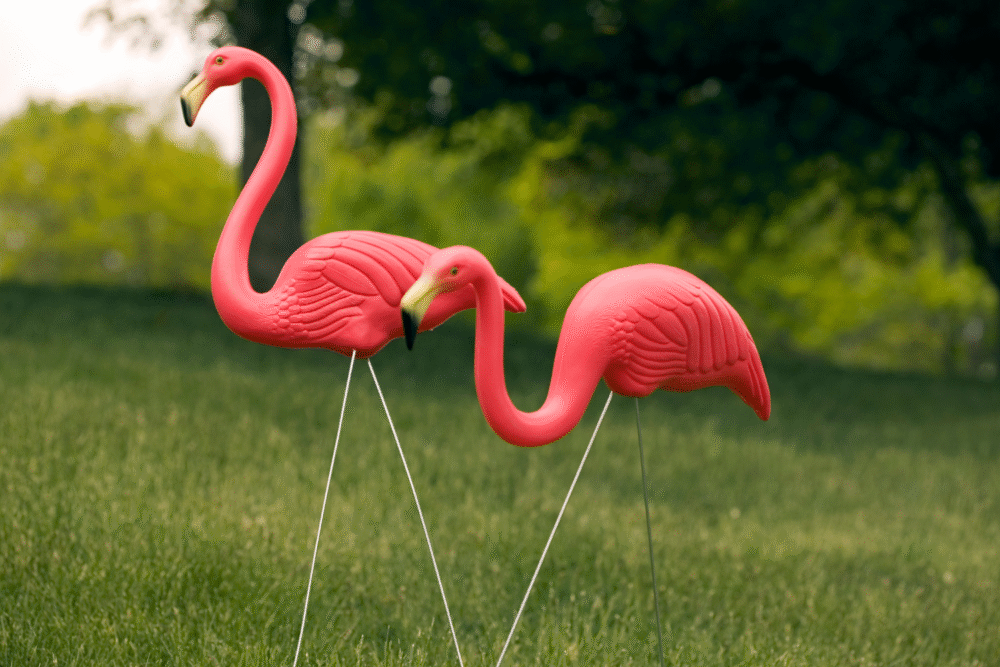
Lawn ornaments delight with their decorative charm, yet they also risk flight in strong winds. Made from lightweight materials, such pieces are prone to lift-off, their appearance shifting swiftly from stationary beauty to kinetic chaos during blustery moments.
A whimsical garden companion might become unexpected hazard when tempests arrive, clashing chaotically with the terrain. These evolving scenes remind owners about permanence, ensuring anchors or storage add gravitas to charm, preventing airy turmoil and maintaining harmony through nature’s tests.
13. Hanging planters can detach and swing wildly in high wind scenarios.
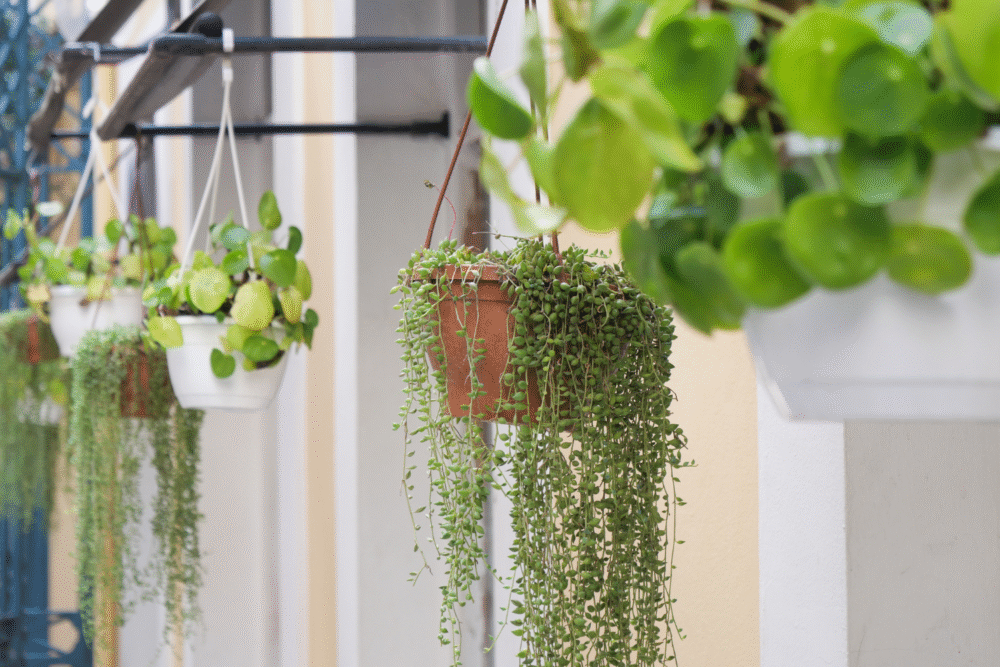
Hanging planters, grace and foliage strung aloft, falter easily within high winds. Supported by hooks or brackets, their usual poise encounters peril when gusts induce sudden sway, threatening both the integrity of attachment and the immediate surroundings.
Their descent marks a chaotic culmination of unpreparedness, turning a tranquil corner into a scene of commotion. Awareness of placement amid exposure fosters secure alternatives, balancing hanging beauty’s magnetism with the robustness necessary to endure sudden weather upheavals.