
Experts ranked the appliances that spike your energy bill—and the ones that use surprisingly little power.
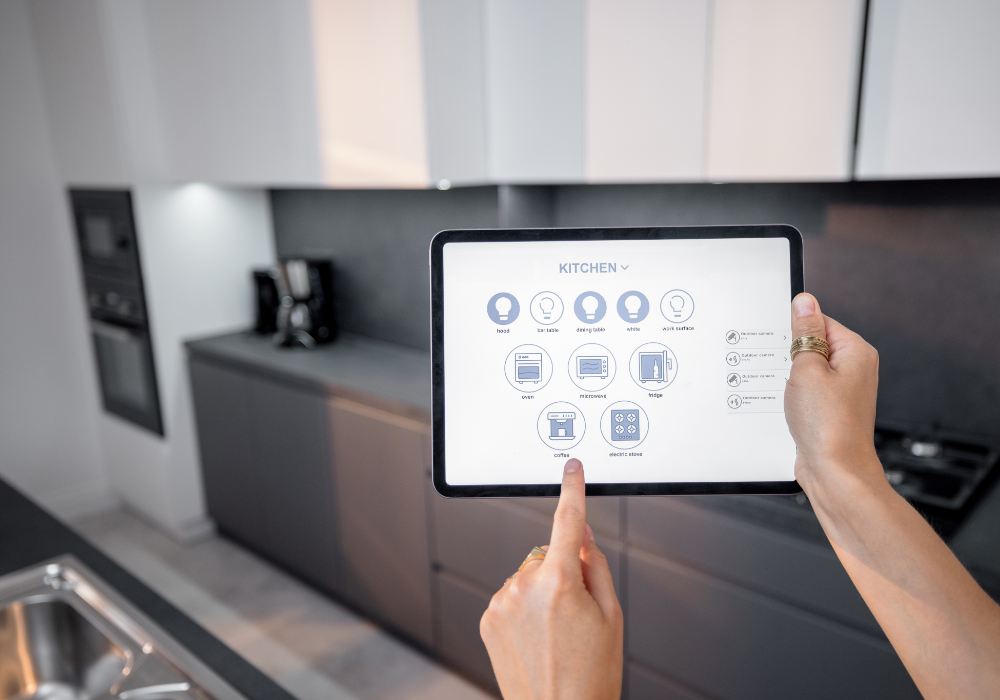
Understanding the energy consumption of large household appliances can help you manage electricity use and reduce costs. Appliances vary widely in power usage, with some quietly drawing large amounts and others designed to be energy efficient. Ranking these devices from power hogs to power sippers clarifies where your electricity dollars go. This insight supports smarter appliance choices, better usage habits, and overall energy savings in daily life.
1. Refrigerators consume varying energy depending on size and efficiency.
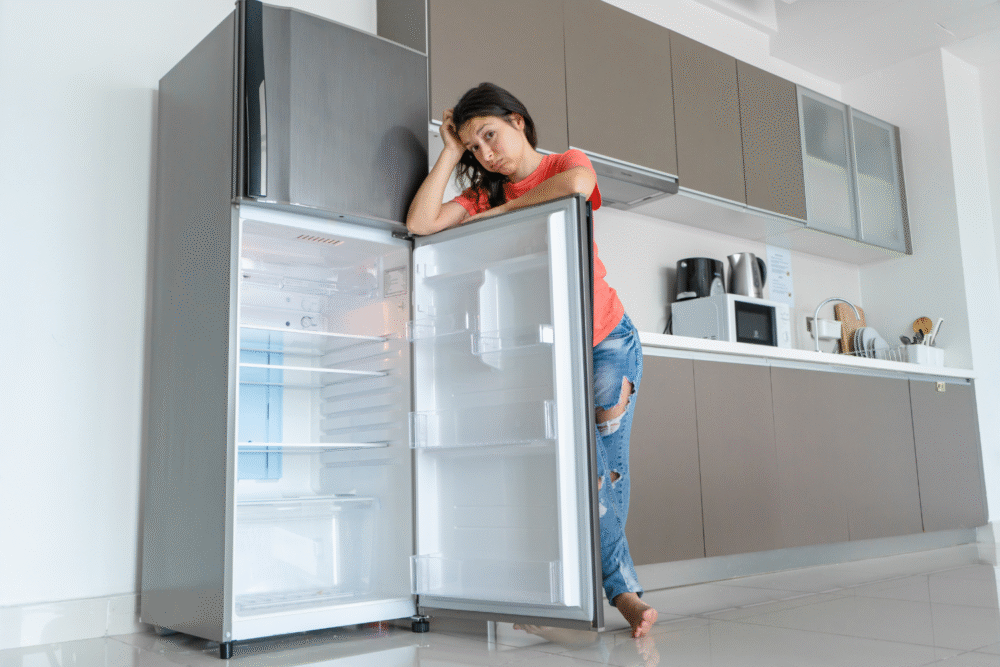
In many homes, refrigerators can account for a significant portion of the energy bill, especially when considering the variations in size and efficiency. A large, older fridge may consume much more power than a modern, energy-efficient model with the Energy Star label.
Smaller units or those with improved insulation and advanced compressors waste less energy while maintaining temperature. Even minor lifestyle adjustments such as setting the correct temperature or minimizing door opening can impact overall efficiency, illustrating the balance between technology and daily habits.
2. Front-loading washing machines generally use less water and power.
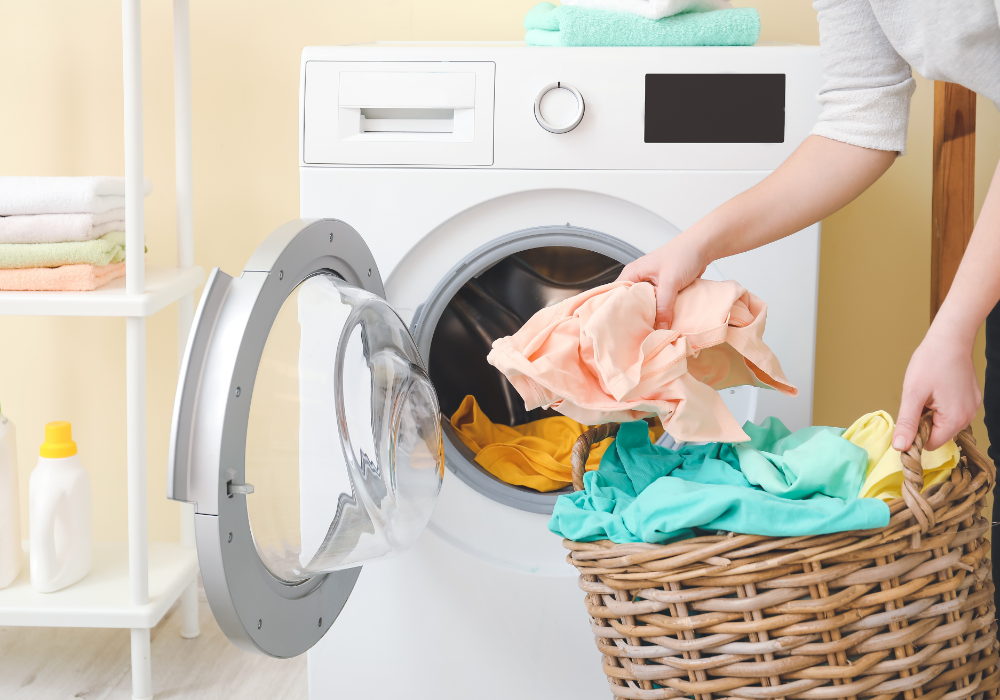
Front-loading washing machines have become preferred for their lower water and energy usage. Unlike top loaders, which fill the entire drum with water, front loaders utilize gravity to tumble clothes, requiring less water and reducing the energy needed to heat it.
This efficient design often translates to quieter operation and gentler washing cycles. Over time, the slightly higher initial investment in a front-loading machine can lead to savings on utility bills and potential extended lifespan due to more delicate handling of clothing.
3. Dishwashers save energy by running full loads at lower temperatures.

Dishwashers, when run with full loads, can surprisingly conserve both energy and water. By using less water than hand washing and cycling it through the machine efficiently, they make prudent use of resources while maintaining hygiene with lower-temperature settings.
By thoroughly scraping plates and loading dishes correctly, users can maximize these efficiencies. Some modern dishwashers come equipped with sensors to adjust water usage based on the load’s soil level, emphasizing technology’s role in energy conservation.
4. Electric ovens consume more power than gas ovens during cooking.

Electric ovens draw significant wattage during use, particularly when heating large spaces. Unlike their gas counterparts, which provide instant heat through combustion, electric ovens take time to reach desired temperatures, thus consuming considerable energy.
In long cooking scenarios, consistent electric use can add up. Preference for gas models can result in lower cost per meal, whereby immediate heat translates into less overall energy usage, offering an economically efficient alternative to long electric heating cycles.
5. Microwave ovens use less electricity for quick heating tasks.

Quick and convenient, microwave ovens are efficient for brief heating tasks, often using less electricity than traditional ovens. By focusing on heating the water molecules in food directly, microwaves bypass the prolonged preheating stage associated with larger appliances.
Such targeted heating keeps power consumption low when defrosting or reheating meals. For small households or frequent reheats of leftovers, this technology proves cost-effective while reducing the time and energy needed for similar tasks in conventional ovens.
6. Clothes dryers rank high in energy use, especially older models.
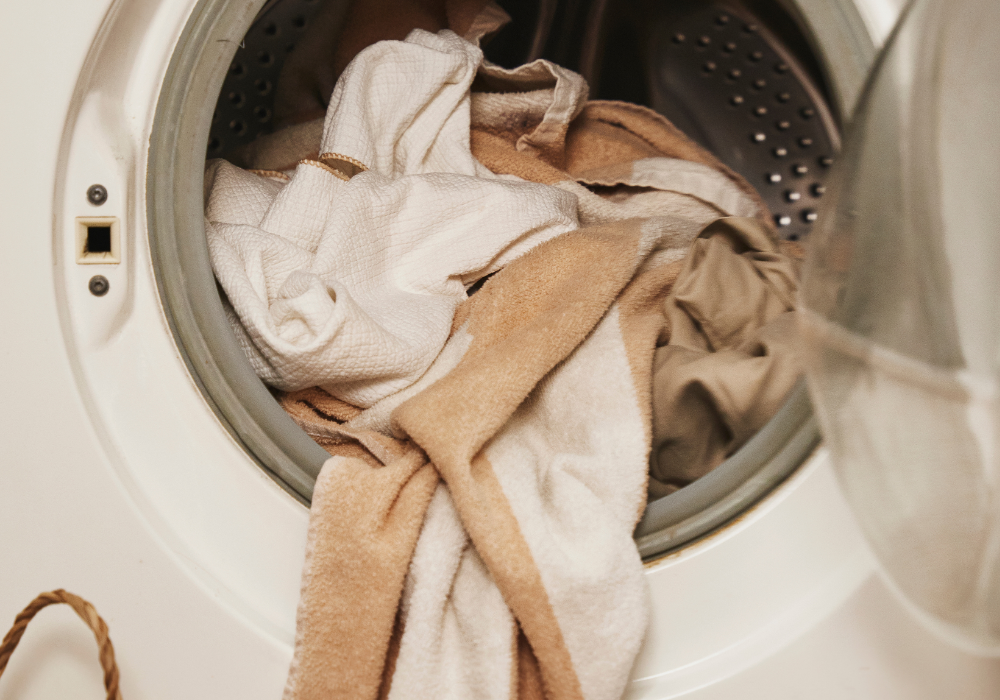
Consuming high amounts of energy, particularly older clothes dryers may strain household electricity use. As most operate on 240 volts, these appliances draw significant kilowatts, especially during prolonged drying cycles or for large quantities of clothing.
Comparatively, new models with moisture sensors can shut off once clothes are dry, reducing waste. Adopting habits such as air drying heavy items or cleaning the lint filter regularly can also reduce overall energy footprint and enhance efficiency.
7. Air conditioners require substantial energy, varying by model and size.
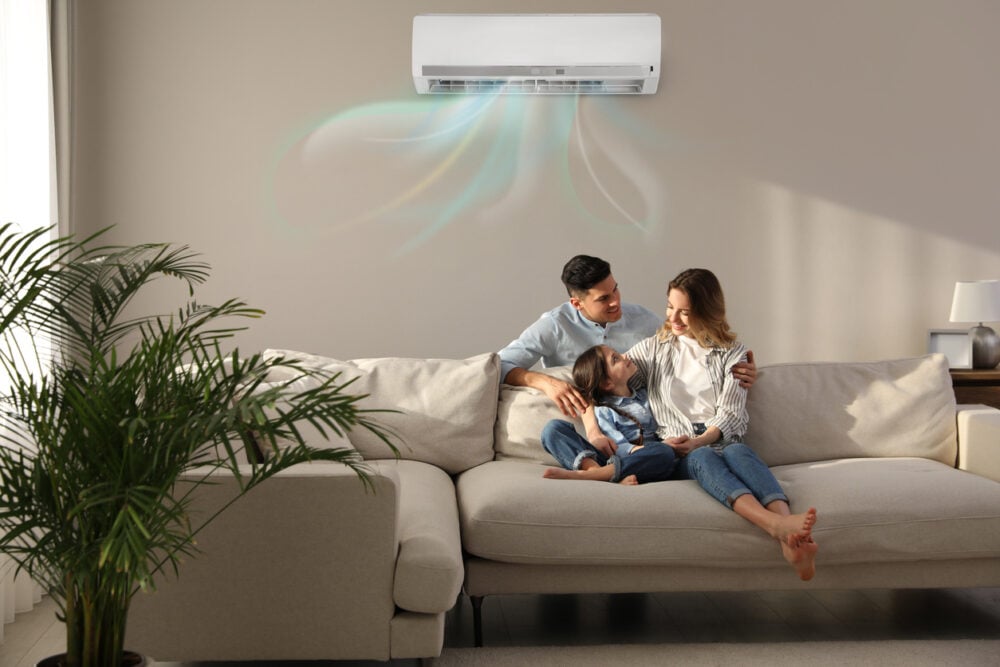
Air conditioners can significantly influence energy bills, with variations in model, size, and usage patterns. Window units offer localized cooling but may still drain considerable power, whereas central systems consume more with the potential for larger area coverage.
Upgrading to energy-efficient models or utilizing programmable thermostats can manage consumption on hot days. Particularly in areas with high temperatures, choosing features like variable-speed fans can drastically influence both comfort and electricity usage.
8. Vacuum cleaners’ power consumption depends on motor strength and runtime.

Power consumption in vacuum cleaners hinges on motor strength and duration of use. Higher wattage usually equates to stronger suction, but this might result in increased power use over extended cleaning sessions.
Opting for a machine with adjustable settings or interval cleanings could mitigate such effects. Newer models focus on efficient dirt collection without compromising suction, balancing thorough cleaning and sensible energy consumption.
9. Freezers maintain constant cooling, often leading to significant energy use.

Freezers, running continuously to maintain sub-zero temperatures, consume substantial electricity. Chest models often boast more efficiency due to their design, where cold air retention is improved upon top-opening doors.
Organizational habits, such as regular defrosting and minimizing frost build-up, support optimal function. A meticulous arrangement of items also helps reduce door-open time, upholding efficiency in daily use while mitigating excessive power use over the freezer’s lifespan.
10. Water heaters vary widely, with tankless models generally more efficient.
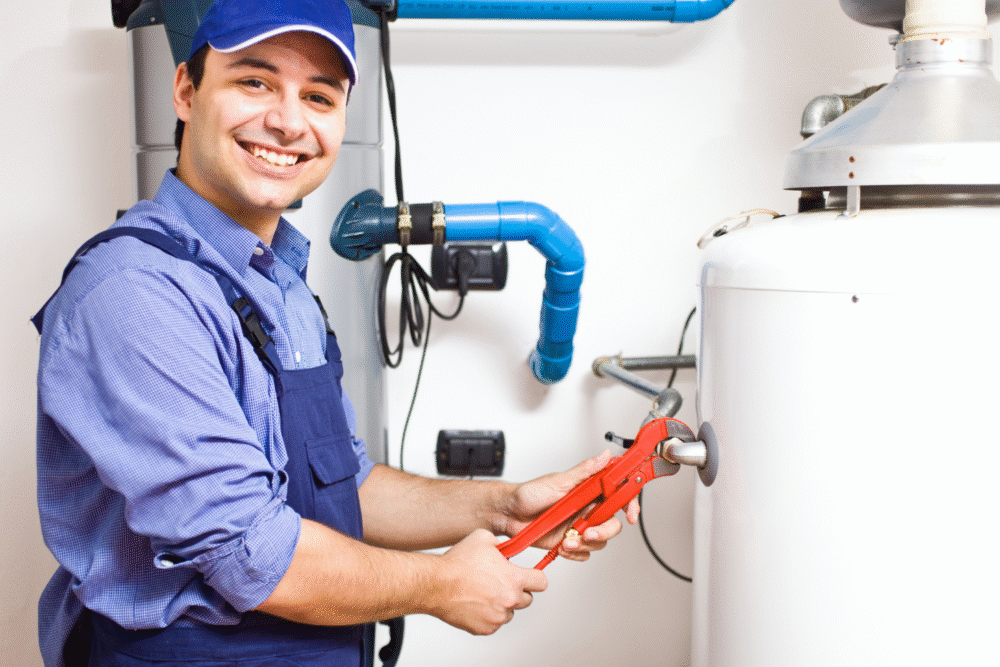
Water heaters contribute widely to energy variations within households. Traditional tanks can result in consistent power draw to keep reserves hot, while tankless models efficiently heat water on demand without standby losses.
Though upfront costs may be higher, tankless units often result in long-term energy savings, particularly in homes with high hot water demands. This shift portrays a critical balance between immediate expenditure and ongoing consumption efficiency.
11. Food processors consume minimal energy despite frequent household use.
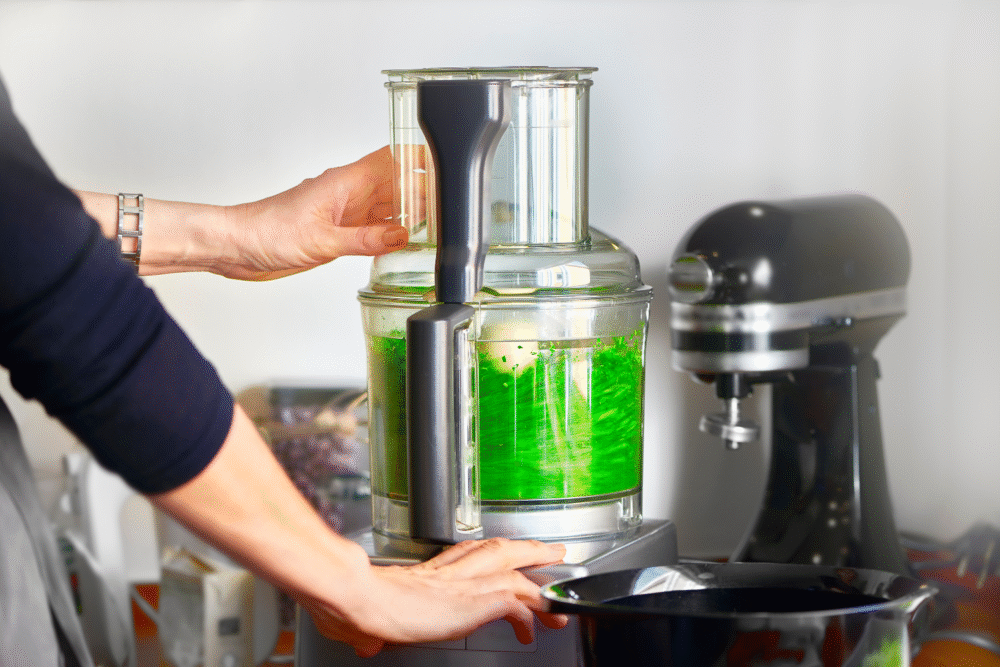
Despite frequent operation, food processors surprisingly consume minimal energy. Engineered for short bursts of powerful action, they quickly handle tasks like chopping, slicing, and pureeing, without prolonged periods of operation compared to other kitchen staples.
Versatility and compact design make them favorable in varied culinary applications, efficiently shortening prep time. Whether crafting smoothies or blending soups, their energy footprint remains small, promoting their essential role in modern home cooking.
12. Electric kettles use short bursts of energy, making them efficient.
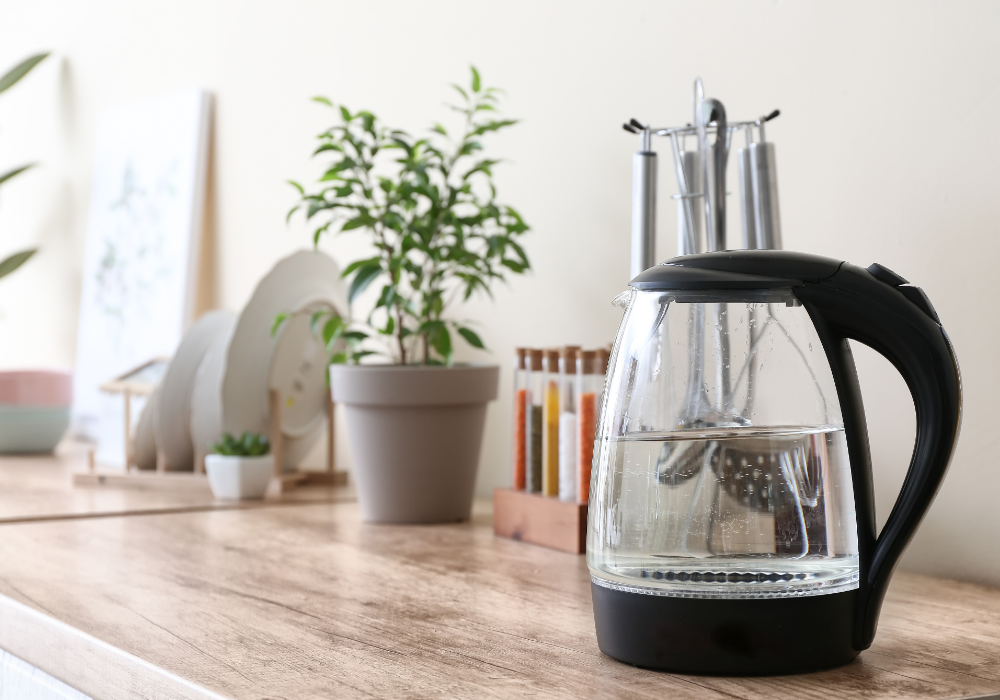
Electric kettles heat water in quick, efficient bursts. By focusing heat directly on liquid through a coil, they limit wasted energy compared to stovetop boiling, while still delivering rapid results suitable for everything from tea to instant noodles.
The efficient use of electricity over a compact space lays the groundwork for minimal utility bump. With thermostatic controls to automatically switch off, the modern kettle’s design curbs unnecessary power draw during downtime, making them a kitchen staple.
13. Ceiling fans provide gentle cooling while using comparatively little electricity.

Ceiling fans offer subtle but effective cooling in a room, using comparatively minimal electricity. Unlike air conditioners, which consume high power, fans move air to create a wind-chill effect, providing comfort without drastically adding to energy bills.
In diverse climates, pairing fans with air conditioning allows thermostats to be set higher while maintaining cooling, saving energy. When used alone, they gently boost air circulation at a fraction of the cost, ideal for temperate environments.