
Habitat loss is pushing wildlife into unfamiliar, often dangerous territory.

Climate change doesn’t just melt ice caps and fuel storms—it displaces life. As habitats shift, shrink, or vanish altogether, wild animals are being forced to move. For some, that means climbing higher, swimming farther, or walking straight into human territory. For others, it means extinction creeping closer with every season.
This list isn’t about abstract warming trends. It’s about what happens when rising temperatures push species past their tipping points. These animals aren’t “adapting”—they’re reacting to loss, running out of space, and showing up in places they’ve never been before. Their movement is a warning sign. Because when animals are forced to flee, it’s not long before we feel the fallout too.
1. Polar bears swim for miles—and still come up empty.
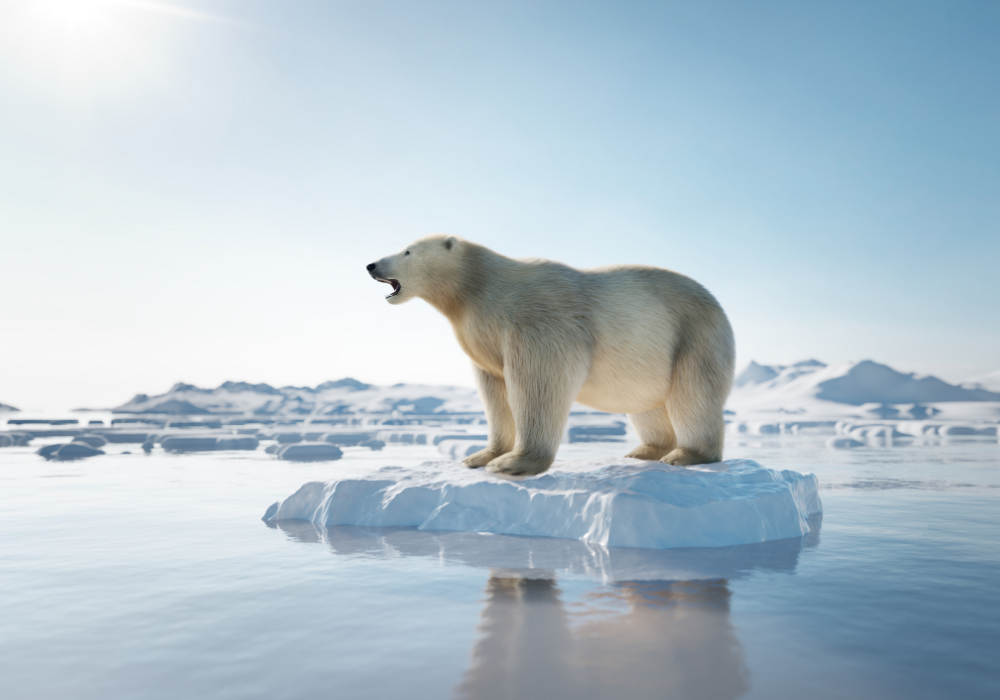
As Arctic sea ice melts earlier each year, polar bears are losing their primary hunting platform. These apex predators rely on stable ice to catch seals, rest, and raise cubs. Without it, they’re forced to swim longer distances—sometimes hundreds of miles—just to find food or a place to land. Not all survive these arduous journeys, as prolonged swims can be particularly taxing on young or old polar bears, according to Polar Bears International.
Some polar bears are even wandering into towns, rummaging through trash or approaching humans in desperation. Their shrinking territory has pushed them into unfamiliar, often dangerous places. And while images of starving bears go viral, the slow collapse of their habitat continues with little change. Their migration isn’t a sign of adaptation. It’s a distress call.
2. Moose pack their bags and head for colder ground.

Moose thrive in cold climates, but rising temperatures are turning their native habitats into danger zones. Moose start overheating when temps top 57°F, cutting back on eating and movement just to cope, per lead author Robert A. Montgomery at the Journal of Mammalogy. At the same time, warmer winters are fueling tick infestations—tens of thousands of blood-sucking parasites that leave moose anemic, disoriented, and often dead.
To survive, moose are moving north into parts of Canada and Alaska they didn’t previously occupy in large numbers. Some are climbing to higher elevations where the air is cooler. But that shift isn’t sustainable long-term. As warming continues, even these refuges may vanish. The moose aren’t exploring new ground—they’re retreating from a landscape that’s turning against them.
3. Sea turtles chase cooler sand and miss their mark.

Sea turtles rely on warm sand to incubate their eggs, but when temperatures get too high, nests can overheat. Extreme heat doesn’t just threaten the survival of embryos—it skews hatchling sex ratios, since warmer nests produce mostly females. Philippe Gagnebet at Le Monde explains that loggerheads are now nesting on France’s Mediterranean coast, which was once too cold for them.
But new nesting spots come with new risks: unfamiliar predators, beach erosion, and inconsistent temperatures that confuse their biological clocks. In some places, nests are laid too early or too late in the season, leaving hatchlings vulnerable. Their journey inland isn’t a hopeful expansion—it’s a sign their former nesting beaches are becoming inhospitable.
4. Grizzlies crash the Arctic party—and it’s not going well.
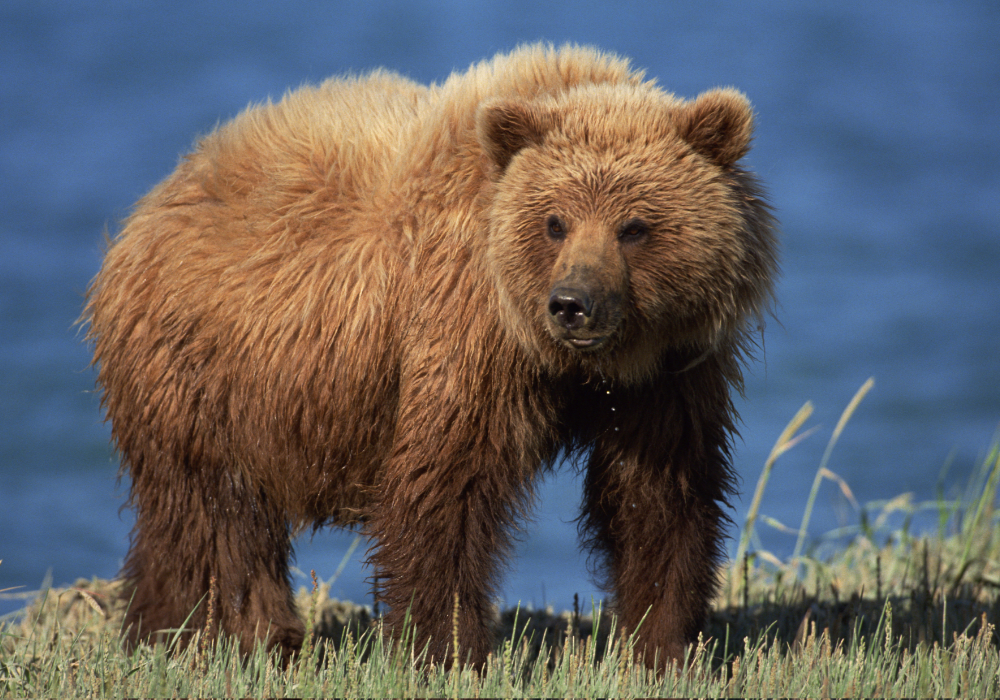
In the warming Arctic, grizzly bears are heading farther north—and in some cases, they’re encountering polar bears. These two species have overlapping diets and territories more than ever before, with reports of hybrid “pizzly” bears emerging from rare encounters. But this isn’t a quirky side effect of climate change. It’s a sign of deep environmental disruption.
Grizzlies aren’t adapted to survive long-term in polar bear environments, but they’re being pushed by changing food availability, thawing permafrost, and seasonal unpredictability. Polar bears, in turn, are losing ice and being cornered into land-based living. Their meeting point isn’t a merging of worlds—it’s two species being squeezed out of their own.
5. Snow leopards climb higher only to find less.

Snow leopards are elusive creatures already living at the edge of what’s habitable—but climate change is making their margins even narrower. As the Himalayas warm, tree lines shift upward, and prey species change their behavior. Snow leopards, in response, are moving higher into more extreme elevations in search of food and cold.
But higher ground isn’t a perfect solution. Prey becomes scarcer. The terrain is more treacherous. And the oxygen levels drop. As they ascend, snow leopards enter even more fragmented ranges, increasing their isolation and making mating and reproduction harder. Climbing the mountain isn’t a choice—it’s the only direction left.
6. Monarch butterflies miss the memo—and their food.
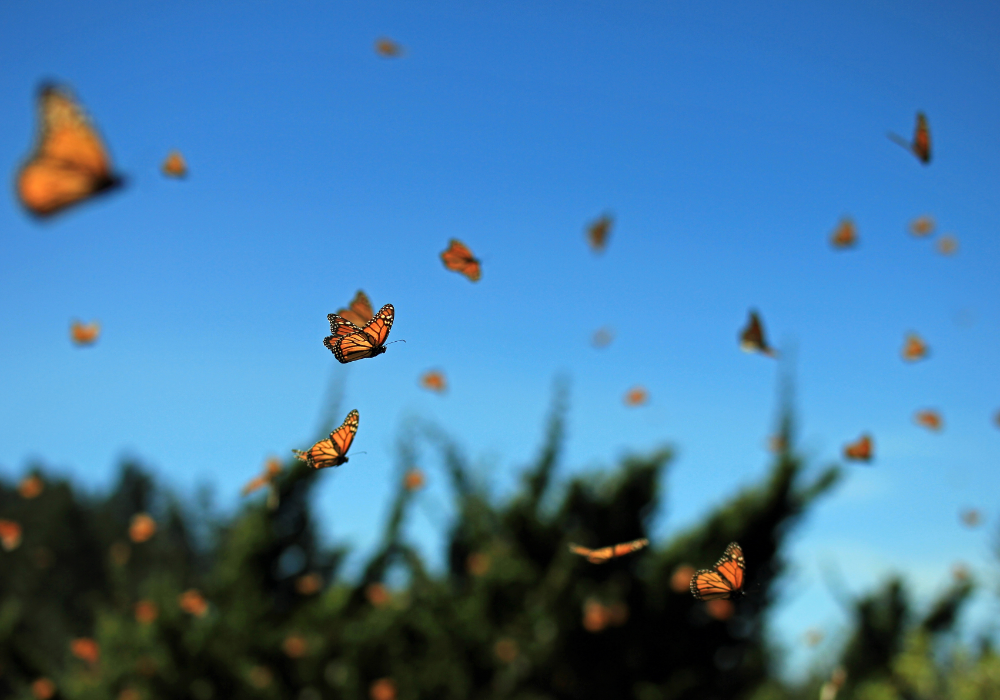
Monarch butterflies migrate thousands of miles from Canada to Mexico and back each year—a remarkable journey tied to temperature, daylight, and seasonal cues. But with climate change scrambling weather patterns and plant blooming cycles, monarchs are getting thrown off track. Some leave too early. Others arrive to find their food sources gone.
Their migration is more than symbolic. It’s a delicate dance between climate, geography, and biology—and that rhythm is breaking. Habitat loss, pesticide use, and heat waves are compounding the issue. As conditions shift, some monarchs are being forced to seek out entirely new breeding and overwintering grounds. What once felt like clockwork now looks like chaos.
7. Jaguars are crossing into the U.S.—and finding little shelter.
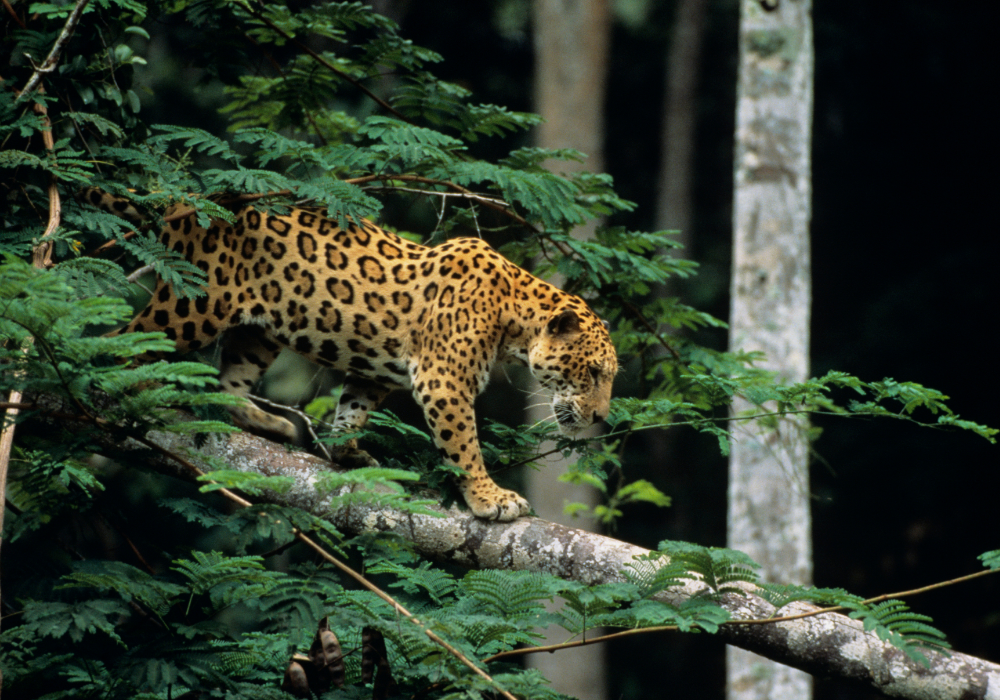
Jaguars once roamed as far north as the Grand Canyon, but habitat loss and hunting pushed them south. Now, as drought and deforestation worsen across Central and South America, some jaguars are moving north again—crossing into Arizona and New Mexico in search of water, shade, and prey.
But the U.S. side of the border doesn’t offer much. Urban sprawl, ranching, and border walls fragment the terrain, making it nearly impossible for these big cats to reestablish a home range. What looks like a return is really a last-ditch effort. Jaguars aren’t reclaiming territory—they’re being squeezed north by climate shifts, only to find that survival there is just as uncertain.
8. Red foxes are outcompeting Arctic foxes as temperatures rise.
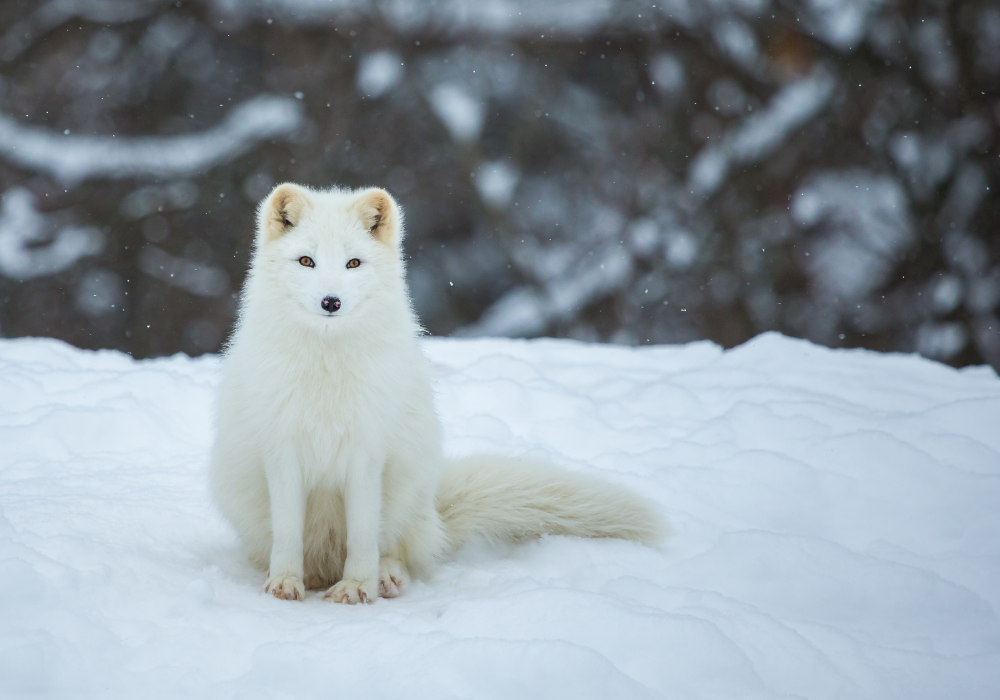
In the warming tundra, Arctic foxes are facing a new kind of threat: red foxes. As temperatures increase, the larger, more aggressive red fox is expanding north, into areas once too harsh for them to survive. They eat the same prey and compete for den sites—but red foxes usually win.
Arctic foxes are built for extreme cold and specialized hunting, but those advantages are fading. Their white coats don’t blend into snowless landscapes. Their prey—like lemmings—is becoming less reliable. And their northern refuge is shrinking. Climate change isn’t just making their environment harder—it’s inviting in rivals that push them out even faster.
9. Koalas flee the flames with nowhere soft to land.
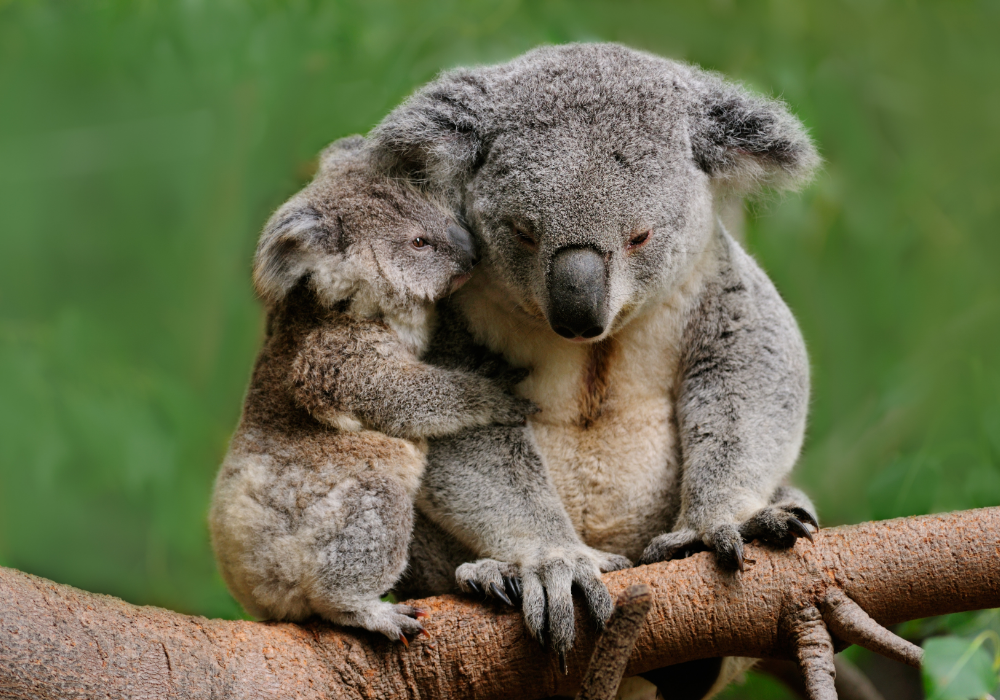
Koalas don’t migrate the way many animals do—but they’ve still been forced to move. Intense heat waves and record-breaking wildfires have destroyed huge swaths of eucalyptus forests, their only food and habitat source. Displaced koalas are turning up in places they’ve never lived before—urban areas, farmland, even near roads.
But moving doesn’t mean safety. Many koalas die from dehydration or stress before they’re ever rescued. Others face starvation in unfamiliar forests without the right eucalyptus species. Habitat corridors meant to help them migrate haven’t kept pace with the rate of destruction. Koalas are adapting only because they have no other choice—and time is running out.
10. Marine species are moving to cooler waters fast.

Fish, crustaceans, and even entire reef systems are shifting their ranges northward or into deeper water as ocean temperatures rise. Cod in the North Atlantic are retreating from traditional fishing grounds. Lobsters are abandoning southern ranges. Coral reefs are bleaching and collapsing, pushing marine life toward unfamiliar ecosystems.
This isn’t migration—it’s mass displacement. And it’s happening faster than most marine species can adapt. New territory doesn’t always mean abundant food or compatible conditions. Many are moving into areas with more pollution, more fishing pressure, and more human development. Ocean migration isn’t optional—it’s survival in motion, and it’s radically reshaping entire food chains.
11. Birds show up early and wonder where breakfast went.

Warblers, flycatchers, and other migratory birds are showing up to breeding grounds earlier than they used to, triggered by warmer temperatures and altered seasonal cues. But plants and insects—the food these birds rely on—aren’t always keeping the same pace. That mismatch leaves nestlings hungry and parents exhausted.
Some birds try to shift their migration patterns or find new breeding sites, but those options are limited. Urbanization and deforestation shrink the list of viable habitats. Even species that manage to adapt in one season may struggle in the next. What used to be a finely tuned system between climate and migration is now full of broken signals—and the birds are paying for it.
12. Elephants are walking farther for survival—and straight into danger.

In parts of Africa and Asia, elephants are traveling longer distances to find water and vegetation as droughts worsen and forests dry out. These extended migrations often push them into agricultural areas, leading to dangerous encounters with humans, damaged crops, and retaliatory killings.
Elephants have incredibly adaptive memories and social structures—but climate change is pushing them past their limits. As natural watering holes vanish and protected corridors shrink, their traditional migratory routes no longer guarantee survival. Their movement isn’t an expansion—it’s desperation. And as pressure mounts, both elephants and nearby communities are being forced into conflict they didn’t choose.