
Mother Nature is calling in her chips, and America’s infrastructure isn’t holding a winning hand.
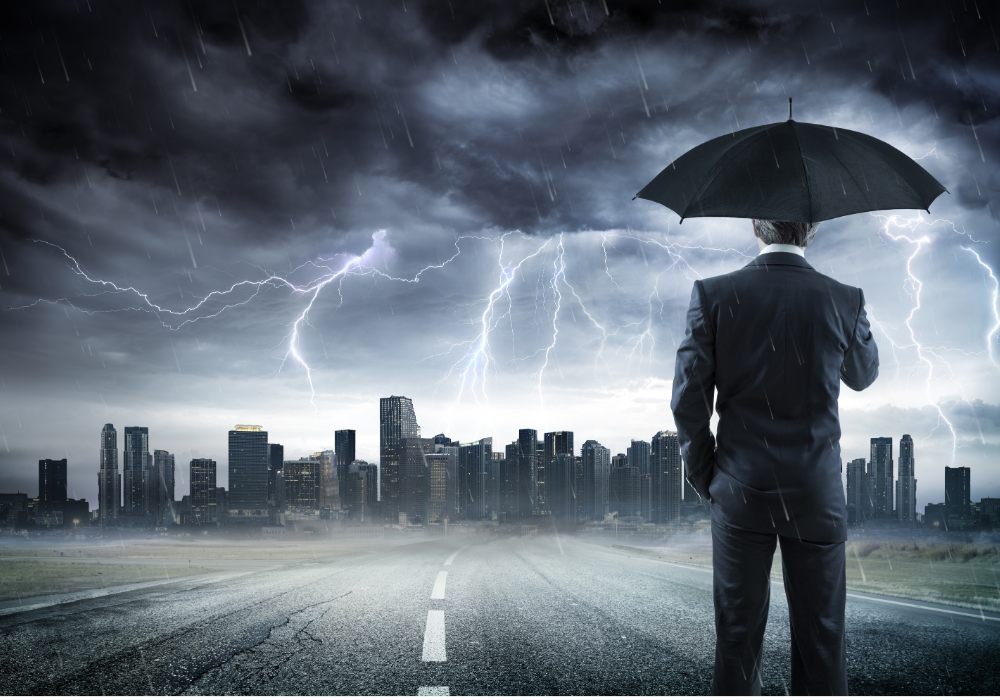
For decades, we’ve played a high-stakes game of infrastructure chicken with extreme weather. We’ve bet our bridges, roads, and power grids can withstand Mother Nature’s tantrums. Meanwhile, our aging infrastructure crumbles like a cookie left too long in milk. The American Society of Civil Engineers consistently gives our national infrastructure a failing grade. Yet we keep pretending everything’s fine while pushing maintenance dates further than Mars colonization plans.
Climate change isn’t creating new weather phenomena. It’s turning the volume up to eleven on what we’ve already experienced. This exposes vulnerabilities we’ve ignored through decades of deferred maintenance. What worked for 1950s weather patterns isn’t cutting it for 2025’s supercharged storms and heat waves. Here’s how our infrastructure house of cards is about to meet Mother Nature’s leaf blower of reality.
1. Heat waves transform railroad tracks into giant metal noodles.
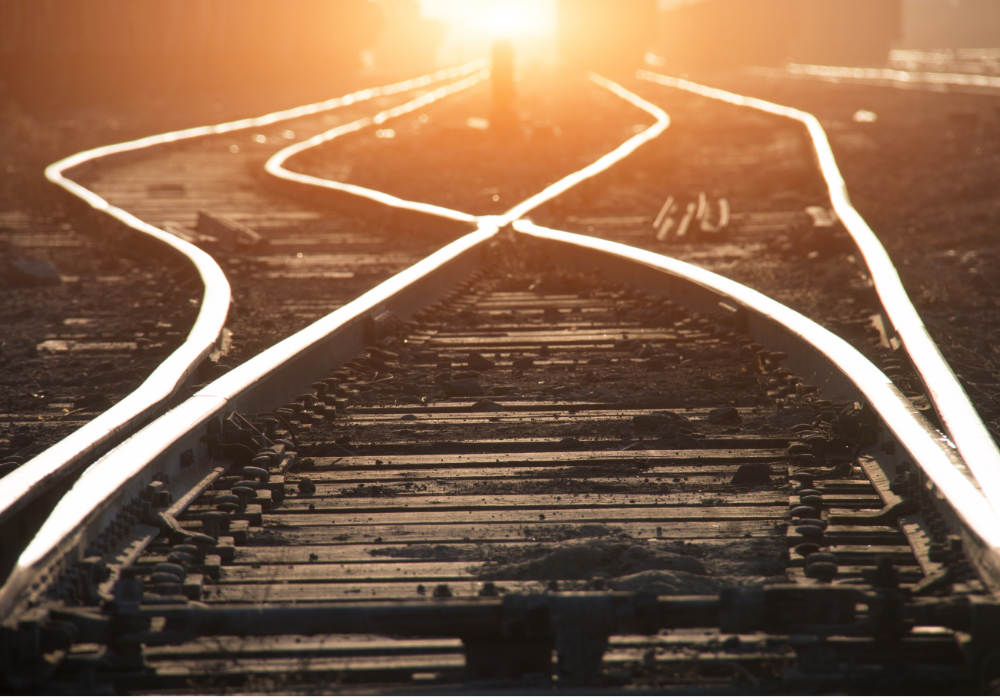
Railroad tracks aren’t supposed to wiggle like overcooked spaghetti, but that’s exactly what happens when temperatures soar. Per Matt Simon at Scientific American, as steel railroad tracks heat up, they expand, causing potential buckling known as “sun kinks,” which can severely disrupt train operations. With trains moving 40% of America’s long-distance cargo, these melty metal moments ripple through the economy faster than gossip at a family reunion.
Some railroads now paint tracks white (the infrastructure equivalent of wearing a sun hat) and install heat sensors. But that’s like putting a band-aid on a broken leg. While countries overseas have poured billions into heat-proof tracks, America’s 140,000 miles of rail remain stuck in the past. The next mega heat wave won’t just delay your impulse purchase—it might derail the entire economy. Literally.
2. Flood waters play demolition derby with bridges built for gentler times.

Our 617,000 bridges were designed back when a “500-year flood” actually stayed gone for 500 years. Now these once-rare floods show up more often than unwanted relatives. They wash away soil around foundations in a process engineers call “scour.” It’s essentially Mother Nature playing Jenga with critical infrastructure. About 60% of failed bridges collapse from this underwater soil erosion that no one sees until it’s too late, according to IDVIA.
Most bridge designs relied on historical water flow patterns about as relevant today as a VHS instruction manual. The Federal Highway Administration counts nearly 14,000 bridges as “scour-critical.” This means they’re one good storm away from giving drivers an unexpected swimming lesson. Each major flood adds more bridges to this concerning list. Water crossings have become games of infrastructural Russian roulette.
3. Drought turns the concrete beneath your feet into a cracked jigsaw puzzle.
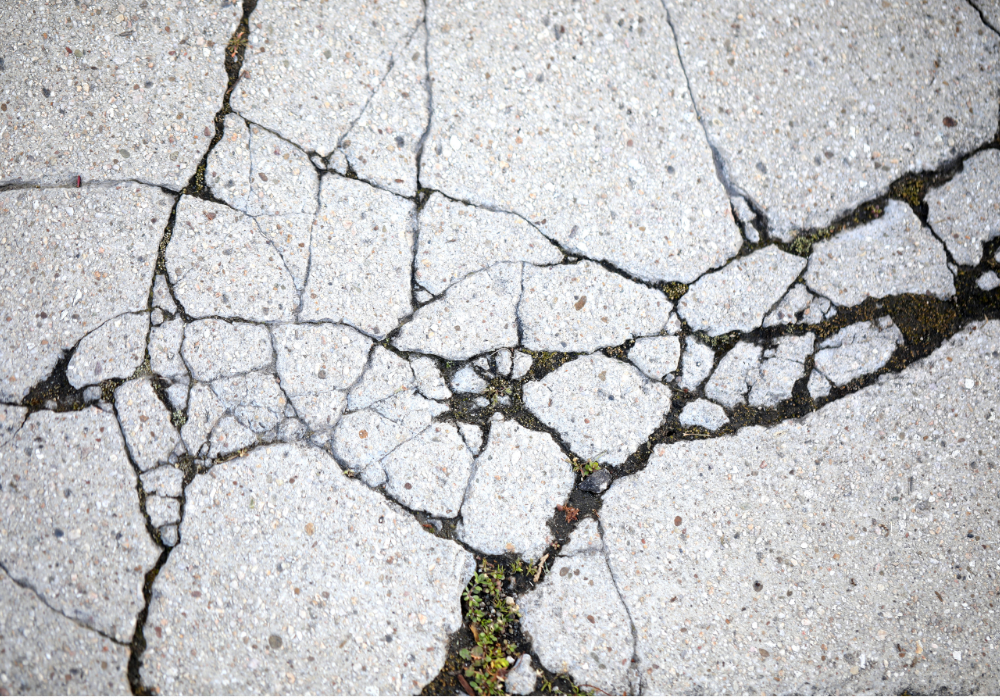
Concrete and drought go together like ice cream and hot sauce. Extended dry periods cause soil to shrink beneath roads and buildings like a wool sweater in a hot dryer. The British Geological Survey explains that clay-rich soils are especially prone to shrinking and swelling during droughts, causing structural damage to roads and buildings. This creates voids that eventually lead to dramatic cracking. Think of it as the earth getting skinny beneath our infrastructure. But instead of buying new pants, we get sinkholes.
Cities with clay-heavy soils from Houston to Denver face this shrink-swell cycle that treats concrete like an accordion. The repair bills pile up faster than excuses on tax day, hitting both city budgets and home foundations. That suspicious crack in your driveway isn’t just cosmetic. It’s a billboard advertising climate change’s silent attack on everything we’ve built.
4. Coastal infrastructure drowns in slow motion as sea levels rise.

Unlike hurricanes that announce themselves with the subtlety of a rock concert, sea level rise sneaks in like a cat burglar. Roads, water treatment plants, and utilities along America’s 95,000 miles of coastline now regularly marinate in saltwater during ordinary high tides. These “sunny day floods” corrode infrastructure from below while providing a preview of our soggy future.
America’s coastal economic powerhouses—Miami, New York, Boston, Norfolk, Charleston—now face regular flooding with the persistence of subscription renewal notices. Even Naval Station Norfolk, home to our largest naval base, experiences flooding ten times annually compared to once in the 1970s. Engineers have graduated from fighting the water to negotiating with it. They’ve added “managed retreat” to their vocabulary—the infrastructure version of “it’s not you, it’s me.”
5. Electrical grids faint under extreme temperature stress.
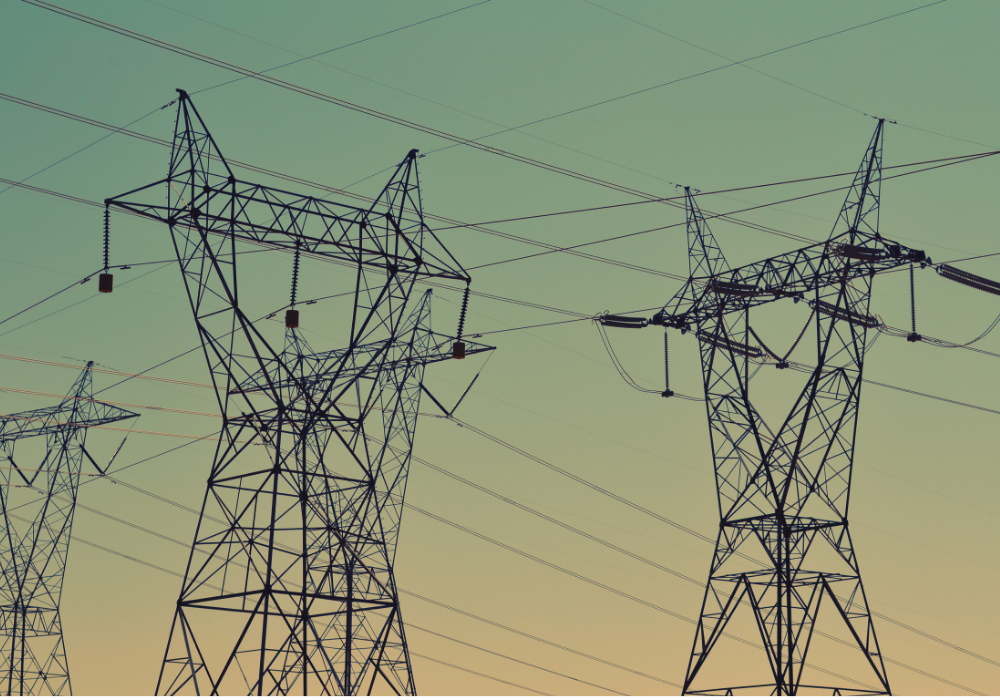
Our electrical grid resembles that uncle who insists he’s “still got it” before throwing out his back at the family picnic. It was designed when air conditioning was fancy and before everyone owned 37 charging devices. The system now faces demand surges that make it sweat, groan, and occasionally just give up. Transformers overheat during summer like overworked office employees. Winter storms coat power lines with ice they wear about as gracefully as a cat in a sweater.
The increasing frequency of rolling blackouts from California to Texas shows our limitations. Even our most sophisticated power management systems fail during weather extremes. America’s patchwork of regional grids creates coordination challenges that make herding cats look like synchronized swimming. Without massive upgrades, Americans may need to rediscover living by the sun’s schedule.
6. Storm intensity turns urban drainage systems into expensive water features.
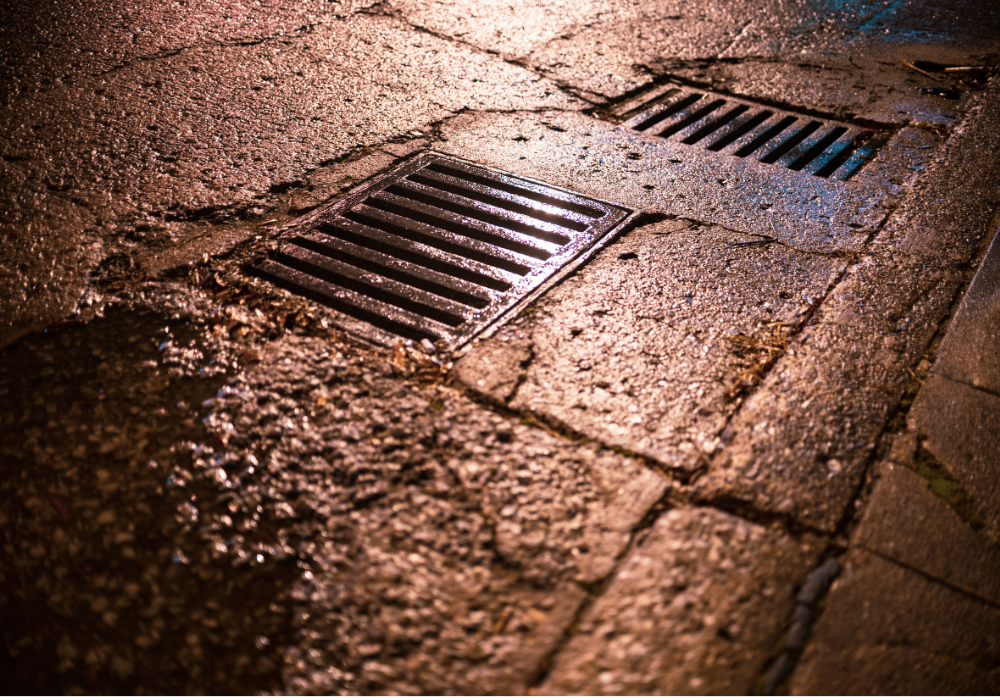
City stormwater systems were built for rainfall patterns observed when “The Brady Bunch” was still airing. Now they regularly face storms that dump a month’s worth of rain in mere hours. These systems function like bathtubs with straws for drains suddenly facing fire hose inputs. When overwhelmed, downtown areas transform into impromptu lakes, giving new meaning to “waterfront property.”
Engineering standards based on old rainfall data are about as reliable now as fashion advice from the 1980s. Cities from Detroit to Houston have experienced multiple “once-in-a-century” storms in single decades. This overwhelms systems designed when “extreme precipitation” meant heavy drizzle. The price tag to upgrade urban drainage nationwide hits hundreds of billions. Annual flood damage climbs faster than streaming service prices.
7. Winter temperature swings turn roads into pothole breeding grounds.
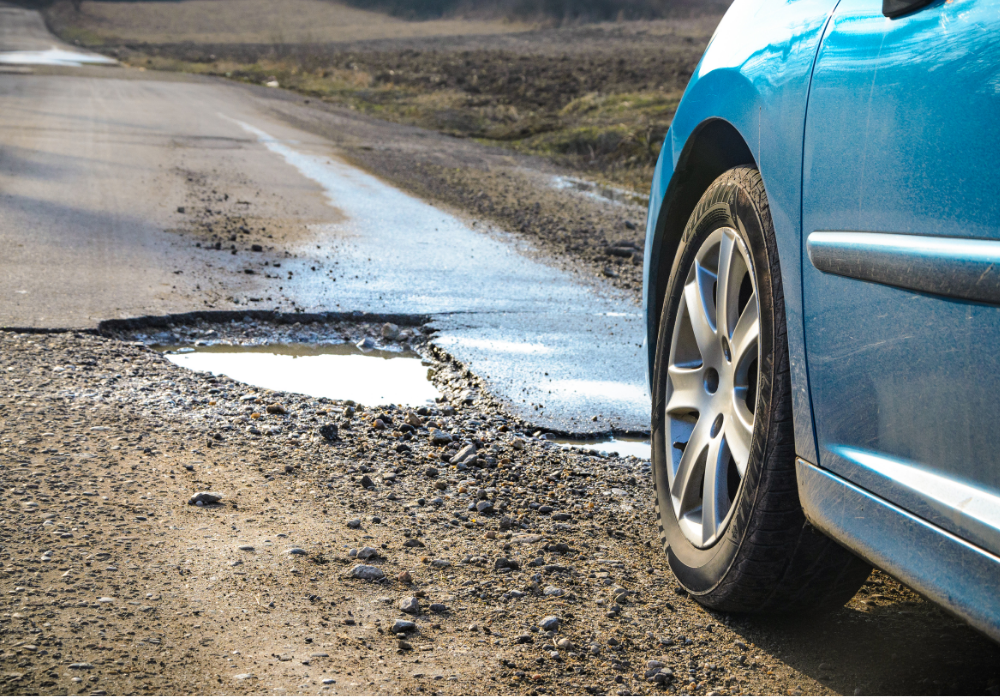
Asphalt and freeze-thaw cycles get along about as well as cats and vacuum cleaners. Climate change has supercharged this rocky relationship by increasing winter temperature swings. We go from “chilly” to “polar vortex” and back to “spring fling” faster than you can change your seasonal wardrobe. Water seeps into pavement, freezes like an ice cube, then leaves potholes when temperatures rise again.
Cities in cold regions now spend pothole repair money like it’s going out of style. American drivers collectively pay about $3 billion annually in vehicle damage. The average driver shells out approximately $335 yearly in pothole-related repairs. That’s enough for a modest coffee addiction or that streaming service bundle you’ve been eyeing. Without better materials and techniques, future drivers may budget for suspension repairs as routinely as phone upgrades.
8. Old pipes leak enough water daily to fill a small lake.

America’s water infrastructure is aging less like fine wine and more like milk left on the counter. Much of our drinking water travels through pipes installed when “tweeting” meant bird noises. Treatment plants designed for steady conditions now face water supplies that swing between desert-dry and biblical flood. Sometimes this happens within the same season.
About six billion gallons of treated water disappear daily through leaking pipes. That’s enough to supply 15 million households or fill the world’s largest slip-n-slide. Meanwhile, drought forces western states to make difficult water allocation decisions. Water engineers increasingly feel like they’re designing systems based on a Magic 8-Ball. They’re trying to prepare for both dust bowl conditions and ark-worthy flooding events in the same year.
9. Neighborhoods built to ignore fire now find themselves surrounded by it.
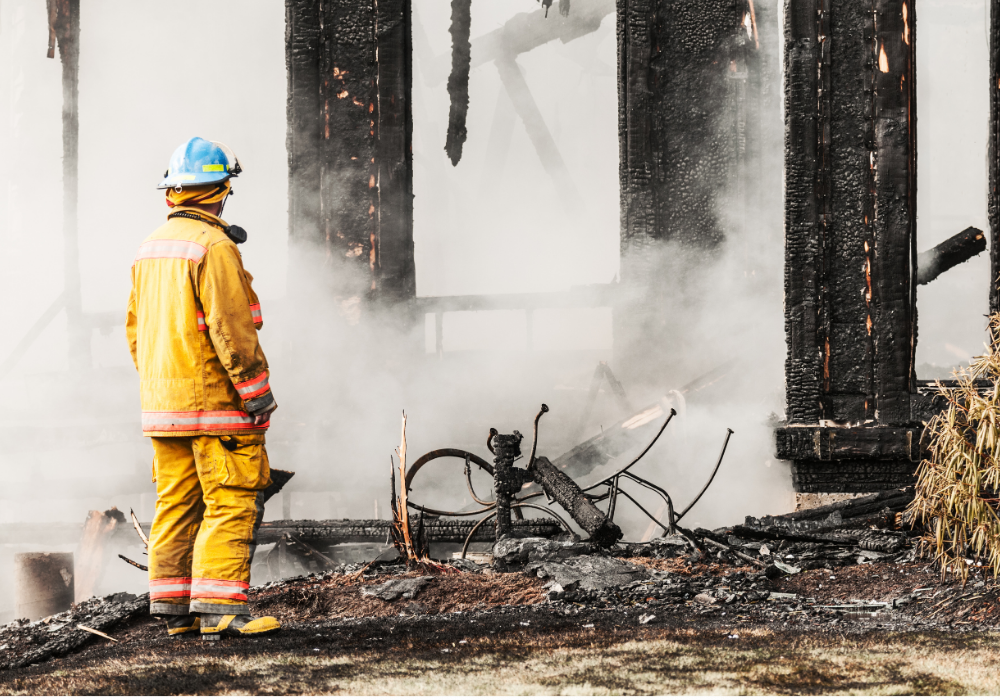
Communities that once considered wildfires as distant as dinosaurs now find themselves on fire’s front porch. Neighborhoods built with all the fire resistance of a paper lantern factory face nature’s matchstick. Meanwhile, the power lines serving these areas hang like flame-triggering fuses across increasingly crispy landscapes.
Insurance companies now flee these areas faster than teenagers escaping a chaperoned dance. Power utilities cut electricity to millions during high-risk days—essentially admitting their equipment might otherwise start the next mega-blaze. Fire-resistant upgrades cost more than beachfront property, while most towns’ budgets can barely afford new station coffee pots. The gap between actual protection and actual risk grows wider than the Grand Canyon, just with more flames.
10. Rain-soaked hillsides are discovering gravity the hard way.

Those scenic hillside roads offering breathtaking views? They’re increasingly becoming part of the view. Heavy rains turn once-stable slopes into nature’s version of a slip-n-slide. Entire roadways vanish downhill faster than your patience during family holiday gatherings. The mud doesn’t discriminate between humble county highways and fancy mountain mansions.
After these events, communities often remain isolated longer than teenagers after being caught missing curfew. Emergency services can’t reach stranded residents, while supply chains already stretched thinner than dollar store toilet paper snap completely. Prevention would cost billions, so most places just install fancy warning systems—essentially sophisticated versions of yelling “LOOK OUT BELOW!” when the mountain starts moving.
11. Farmers now battle weather that makes crop planning feel like gambling.
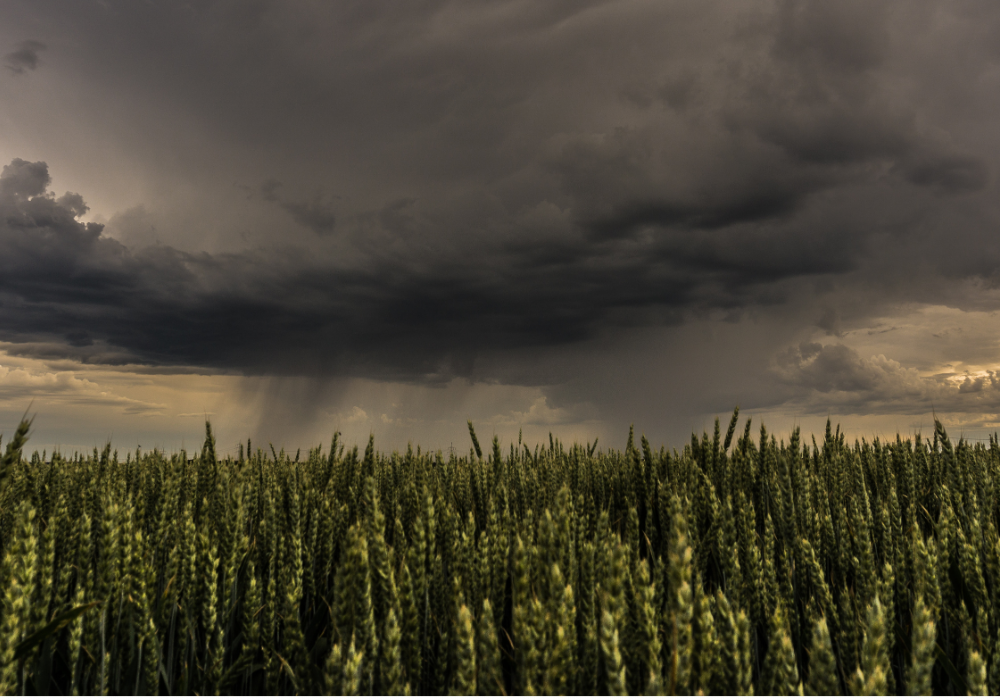
America’s food production operates like a finely tuned orchestra where climate change keeps changing the sheet music mid-performance. Farmers now drill wells deep enough to qualify as international border crossings. Irrigation systems designed for yesterday’s rain patterns come up emptier than promises made during election season. Meanwhile, heat waves push cold storage facilities harder than your high school gym teacher pushed sit-ups.
The entire farm-to-table pipeline depends on climate predictability about as reliable now as internet provider service estimates. Farmers adapt like chameleons on a disco floor, but infrastructure upgrades move slower than a sloth on vacation. The result hits grocery bills with all the subtlety of a hammer to a piggy bank, turning “farm fresh” into “farm expensive.”
12. Rising waters trap coastal residents before storms even hit shore.
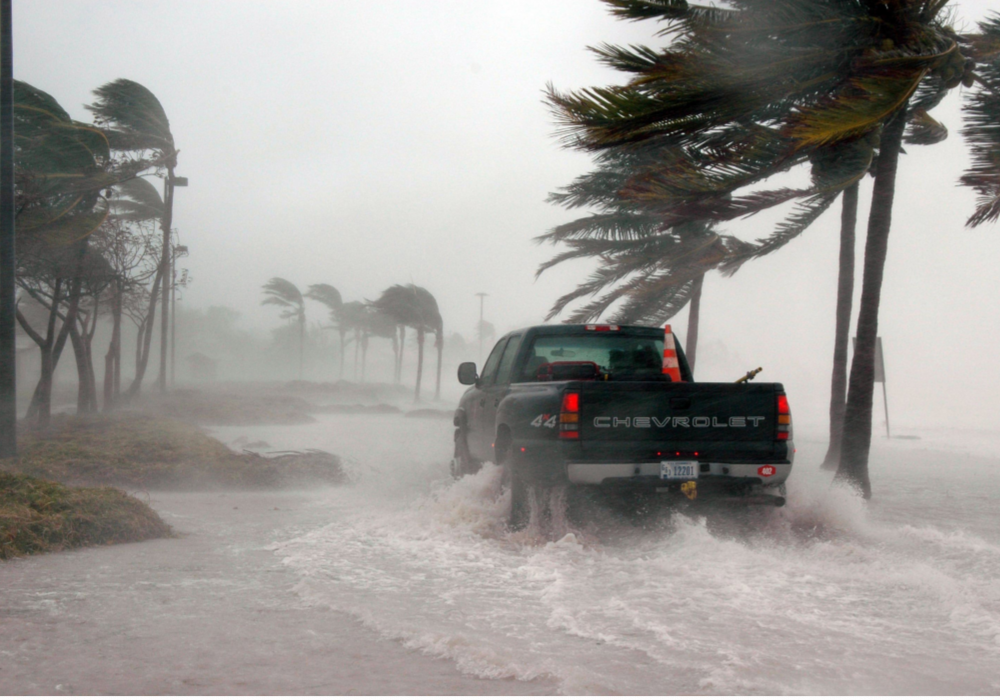
The perfect infrastructure fail involves evacuation routes flooding before the actual hurricane makes landfall. It’s like your fire escape catching fire—exactly the thing that shouldn’t happen happens first. Roads meant to save lives become swimming lanes as rising seas and pre-storm surge team up like supervillains against coastal communities.
Emergency planners increasingly face conversations more awkward than explaining adult content to your grandparents. They’re admitting some places simply won’t be defensible against future storms. Meanwhile, oceanfront development continues like there’s a clearance sale on future disaster sites. Each new storm widens the gap between infrastructure reality and public expectation. It’s creating a dangerous game of climate roulette where the house—or in this case, your house—always loses.