
Burnout and climate collapse aren’t separate problems—they’re feeding each other in real time.

Stress used to come from work, relationships, or money. Now, it also comes from watching the world fall apart. Wildfires, floods, food shortages—you can feel the planet gasping for breath, and it’s messing with ours too. Climate anxiety isn’t just a buzzword. It’s baked into how we live, and how we feel day to day.
But this isn’t a one-way street. The more stressed we are, the harder it becomes to take care of ourselves, let alone the planet. Convenience becomes survival. We drive when we could walk. We buy fast food wrapped in plastic because cooking feels impossible. It’s not just personal failure—it’s a sign of a system that’s burning out people and ecosystems at the same time. Here are 10 ways your stress and the planet’s health are tangled together—and why fixing one might just help heal the other.
1. Burnout doesn’t just drain you—it sabotages your climate impact.

When you’re maxed out, even the smallest tasks feel like mountains. Add eco-conscious habits to the list—recycling properly, cooking instead of grabbing takeout, walking instead of driving—and suddenly they feel totally out of reach. A study led by Matteo Innocenti in the Journal of Environmental Psychology highlights that climate anxiety can reduce people’s confidence in their ability to act, making sustainable choices less likely.
This has less to do with laziness and more to do with survival mode. Our culture doesn’t reward rest or slowness—it rewards performance, even when it’s destroying the planet. A lot of climate-friendly choices require forethought, energy, or time. But when you’re barely holding it together, choosing the “easy” option feels like the only realistic path. Healing from burnout isn’t a side issue—it’s essential for living in alignment with your values.
2. Climate dread is real, and it’s messing with your mental health.

More and more people are walking around with a deep, persistent unease—tight chests, racing thoughts, or the feeling that something’s fundamentally wrong. For some, this is tied directly to the climate crisis. Even when the disasters aren’t happening in your neighborhood, the collective dread sticks to you like smoke.
It doesn’t always show up as panic. Sometimes it’s numbness, irritability, or hopelessness. A 2020 survey by the American Psychiatric Association found that 68% of Americans feel climate change is affecting their mental health. But most systems still treat those feelings as personal problems, not valid responses to a planet in distress.
There’s nothing irrational about mourning a future that feels stolen. The people who feel it most deeply are often the ones paying attention. Rather than pathologizing the pain, we need to recognize it as a sign of care—and create space to feel it without getting swallowed whole.
3. Always busy? That lifestyle is wrecking the planet too.

According to the International Resource Panel, everyday choices around food, travel, and energy use are behind most of our environmental impact. Driving everywhere instead of walking, relying on takeout in plastic containers, grabbing disposable everything just to save time. It becomes a loop: you’re busy, so you cut corners, but the more corners you cut, the more you reinforce systems that keep you busy in the first place.
The modern world runs on urgency. Being booked, productive, and always “on” is normalized, even glorified. But that speed makes it nearly impossible to be intentional. Sustainable living requires pause—time to think about options, to plan ahead, to actually notice what you’re consuming. Without that space, convenience culture takes over. And while it’s easy to blame individuals, the systems pushing this nonstop pace are the ones that need restructuring. Slowing down isn’t just self-care—it’s climate care, too.
4. Losing touch with nature is making you more anxious than you think.

Spending most of your life indoors under fluorescent lights and scrolling through endless screens takes a toll on your nervous system. You weren’t meant to exist in a world made of concrete and LED. Being in nature calms the body, lowers stress hormones, and restores mental clarity. But in many places, access to green space is a privilege—not a given.
City design often favors development over parks, and marginalized communities are far more likely to live in areas with limited tree cover or polluted air. This separation from the natural world affects more than just your mood. It chips away at your ability to feel connected to something bigger. When nature becomes a distant concept instead of a lived experience, it’s harder to protect it. Reconnecting with the outdoors isn’t indulgent—it’s a return to something essential.
5. Climate disasters are leaving invisible scars everywhere.

Wildfires, floods, droughts—these aren’t distant warnings anymore. For millions, they’re lived reality. And when disaster hits, the damage isn’t just physical. The emotional aftermath can be devastating, especially for those already living in high-stress situations.
Losing a home, evacuating your family, watching your community unravel—it rewires how people experience safety. Rates of depression, anxiety, and PTSD often rise long after the emergency is “over.” Communities with fewer resources are hit hardest and take the longest to recover.
This is about more than resilience. It’s about building systems that respond to emotional recovery as seriously as physical repair. The climate crisis isn’t just melting glaciers—it’s wearing down the human spirit, especially in the places that can least afford another hit.
6. Your stress spending spree is fueling environmental collapse.

There’s a reason stress and impulse shopping go hand in hand. For a few minutes, clicking “add to cart” feels like control. Like relief. Like maybe this one thing will make you feel okay again. But it usually doesn’t. The box shows up, and the dopamine fades fast—leaving guilt, clutter, and waste in its place.
This pattern isn’t just a personal failing—it’s systemic. Advertising exploits our anxiety, promising peace, confidence, or connection in exchange for products. Meanwhile, cheap manufacturing and lightning-fast shipping turn those impulses into emissions, packaging, and pollution. People keep buying to cope, and the planet keeps paying the price. Slowing down, even just for a beat before a purchase, can interrupt the cycle. But to truly shift this pattern, we need to treat chronic stress as the environmental threat it actually is.
7. Your job might be draining your soul and the planet.
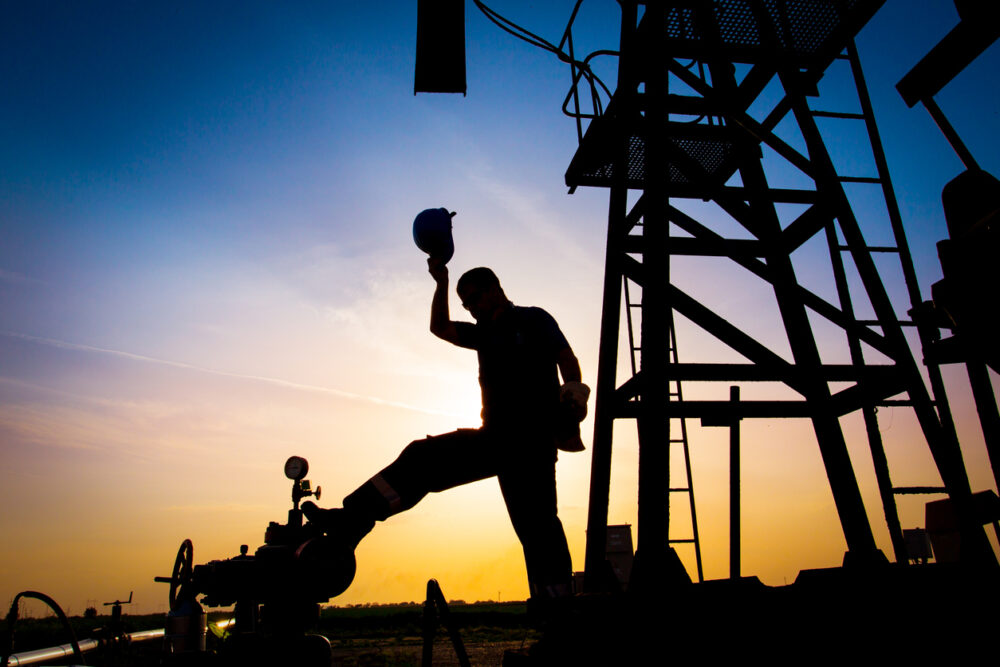
Plenty of people work in industries that are actively fueling the climate crisis—oil, fast fashion, industrial farming, or tech sectors built on waste and obsolescence. It’s not always a choice. Many stay because they need the paycheck, the healthcare, the stability. But the tension between personal values and workplace realities eats away at people over time.
That quiet dread you feel logging into a job that harms what you care about? It’s real. And it’s one more layer of burnout in a system that pushes survival over sustainability. Leaving isn’t always an option, but even acknowledging the disconnect can be powerful. Blaming individuals for the industries they depend on misses the point. The real issue is a system that offers few ways to make a living without compromising the future. It’s exhausting—and for many, it feels inescapable.
8. Climate guilt is making you feel worse without helping the planet.

You skip the straw, bring a tote, maybe even compost. Then you read about oil companies drilling new pipelines or billionaires taking joyrides to space—and suddenly your efforts feel pointless. That creeping guilt? It sticks. And it often doesn’t move the needle.
Climate guilt can be paralyzing. It makes you feel like you’re personally responsible for fixing a crisis caused by giant systems and corporations. Meanwhile, the biggest polluters continue business as usual.
This isn’t to say personal choices don’t matter—they do. But carrying the weight of global emissions on your back doesn’t make you an activist. It just wears you down. Guilt isn’t a long-term motivator. What works better is community, action, and a clear understanding that this isn’t all on you. You’re not the villain for using a paper cup—you’re just living in a broken system.
9. Numbing out disconnects you from the earth, too.

Sometimes the stress gets too loud. So you scroll, zone out, binge TV, avoid the news. It’s a survival tactic—totally human and understandable. But over time, that emotional shutdown becomes a kind of disconnection that’s hard to shake. It doesn’t just separate you from your feelings. It separates you from the world around you.
This numbness is a response to overload, not indifference. When everything feels too big, tuning out is a way to cope. But long-term disconnection makes it harder to care, harder to act, harder to remember why any of it matters. That emotional distance spills over into how we treat the planet. The less we feel, the less we protect. Reconnecting doesn’t mean feeling everything at once—it just means letting yourself notice what’s real again. Nature isn’t something you have to save. It’s something you can be part of.
10. Regulating your nervous system is low-key climate activism.

There’s a reason people make better choices when they’re calm. A regulated nervous system gives you space to think, to reflect, to care. You’re less reactive and more grounded—and from that place, sustainable habits don’t feel like burdens. They feel like alignment. This isn’t about perfection. It’s about creating enough internal stability to move through a chaotic world without going numb or burning out. The more resourced you are, the more able you are to show up for the planet in ways that actually last.
That might mean going to therapy, resting more, reconnecting with people you trust, or simply spending time outside without a screen. These aren’t indulgences. They’re the roots of real change. Healing your nervous system isn’t selfish—it’s how you stay in the fight without losing yourself along the way.
11. Advertising keeps you anxious—and constantly consuming.

Modern marketing doesn’t just sell products—it sells fear of not being enough. You’re not productive enough, clean enough, young enough, stylish enough. The fix? Buy something. And so we do—over and over—because it feels like control in a world that rarely offers it.
This cycle is brutal on your mental health and brutal on the environment. All that stuff needs to be made, packaged, shipped, and eventually thrown out. Meanwhile, algorithms get better at knowing exactly what to show you when you’re most depleted. Consumption has become emotional, not practical. And it’s nearly impossible to opt out when the messaging is constant. The more anxious you are, the more likely you are to buy. And the more you buy, the more exhausted—and complicit—you feel. It’s not just manipulative. It’s a system that thrives on stress and leaves a trail of waste behind.
12. Environmental collapse is triggering collective trauma responses.

The stress you’re feeling about the climate crisis isn’t just personal—it’s part of a collective trauma response. For many, the constant threat of disaster, loss, or instability activates deep fear responses: fight, flight, freeze, or fawn. That’s why people swing between panic, denial, numbness, or obsessive action.
This isn’t weakness. It’s what humans do when we sense danger on a massive scale. And it explains why so many people are stuck—not because they don’t care, but because their nervous systems are overwhelmed.
If we want widespread action, we need to make space for widespread healing. That includes emotional processing, community care, and creating conditions where people feel safe enough to engage. Climate solutions can’t just focus on carbon. They need to acknowledge the psychological wreckage, too.