
Forget the boxy look—modern prefabs blend green living with gorgeous design.
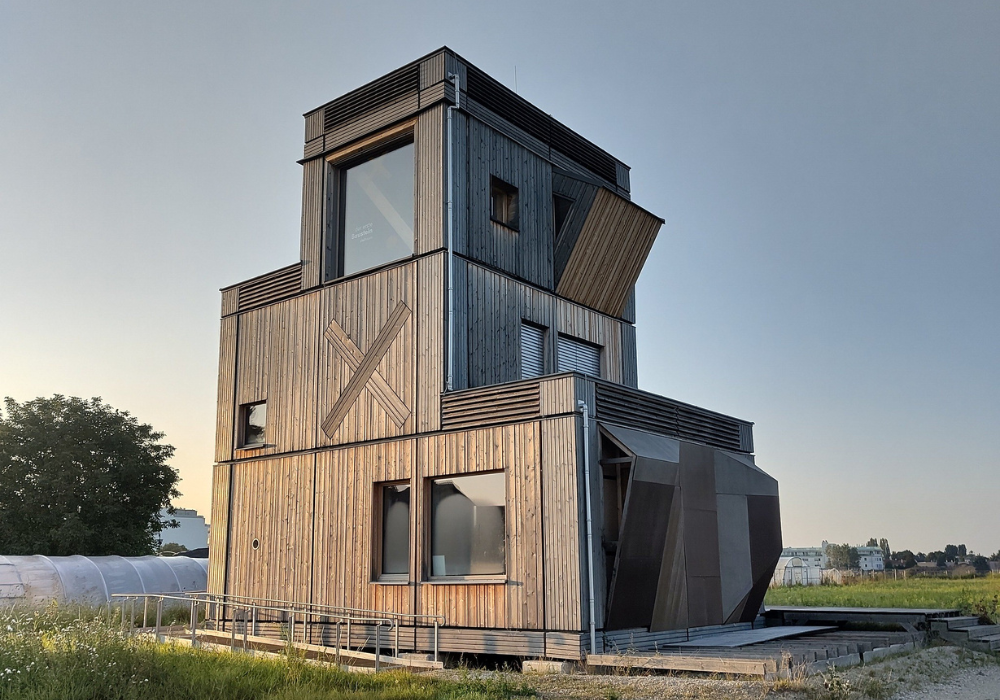
Prefab homes have come a long way from their humble, boxy beginnings. Once dismissed as cookie-cutter or temporary, today’s prefab designs are changing perceptions by marrying style with sustainability.
Thanks to cutting-edge materials, energy-efficient systems, and an emphasis on reducing waste, these homes are proving that going green doesn’t mean sacrificing aesthetics. And with climate concerns on the rise, the demand for eco-conscious housing solutions is growing fast.
From minimalist retreats in the woods to sleek urban dwellings, modern prefab homes now offer high-end finishes, smart technology, and architectural elegance—all while leaving a lighter footprint on the planet. Whether you’re eco-curious or a full-on environmentalist, these dwellings might just inspire your next dream home.
1. Clean lines and modern design elevate prefab homes beyond stereotypes.
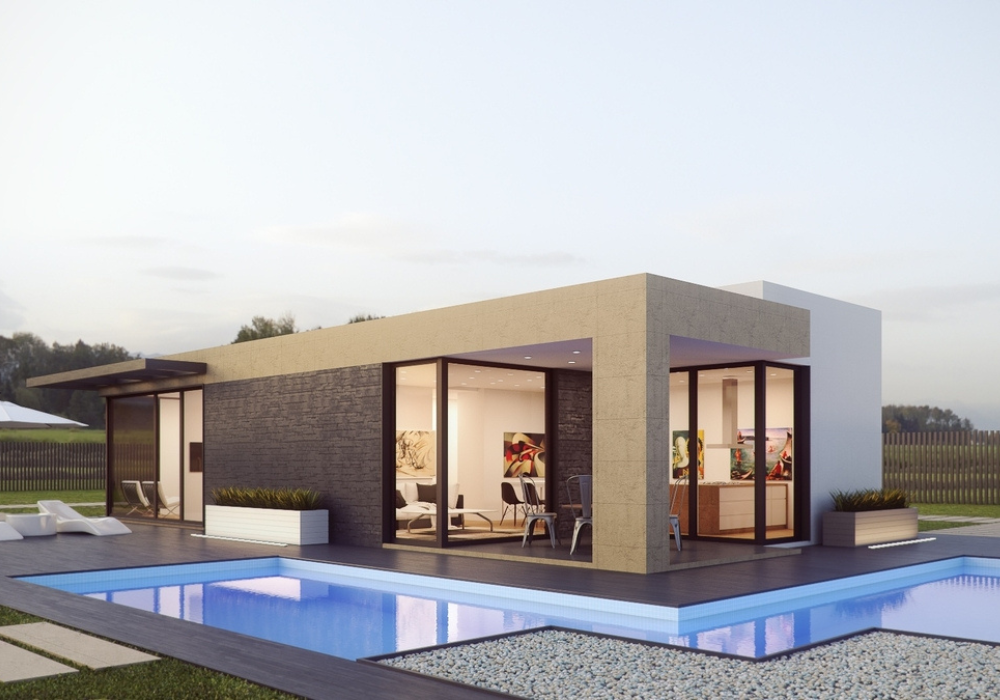
Forget the dull, repetitive designs of the past. Today’s prefab homes boast sharp angles, expansive windows, and curated interiors that rival custom builds. Architects are pushing creative boundaries, using prefab as a canvas for innovative form and function.
You’ll find designs inspired by mid-century modern, Scandinavian minimalism, and even coastal luxury. It’s not just about how the home performs—but how it feels. These updated aesthetics appeal to buyers who want eco-friendly living without compromising on visual impact.
In fact, many of these homes are so beautifully designed, you’d never guess they arrived in pieces. The result? A stylish statement that also reduces environmental stress.
2. Factory-built construction slashes waste and energy use.
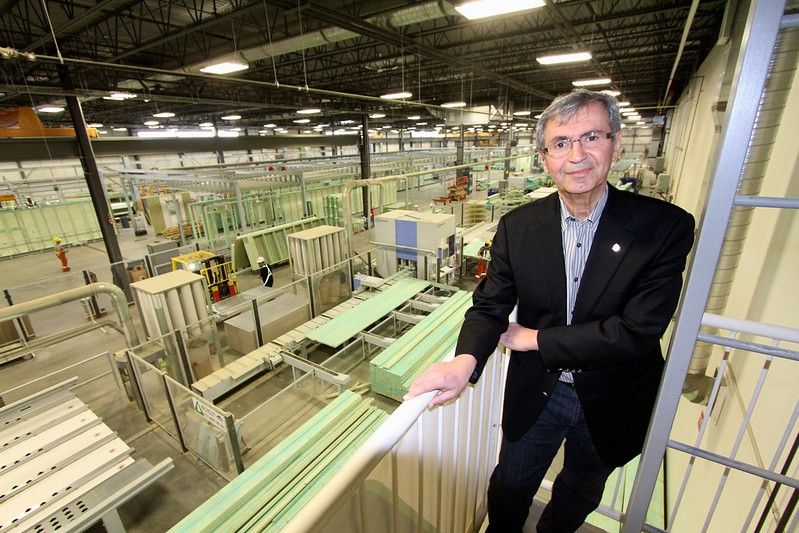
Prefab homes are built in controlled factory environments, where materials are cut with precision and leftovers are reused or recycled. That means less on-site waste, fewer delivery emissions, and tighter quality control.
The streamlined process uses fewer raw materials overall, while reducing exposure to weather-related delays and damage. Energy-efficient appliances, insulated panels, and sealed ductwork are often standard, reducing the need for future retrofits. This manufacturing method also shortens the construction timeline—saving both money and carbon output.
Compared to traditional builds, prefab construction can cut material waste by up to 50%, making it a smarter choice for those who care about sustainability and efficiency.
3. Energy-efficient systems come standard in many prefab models.
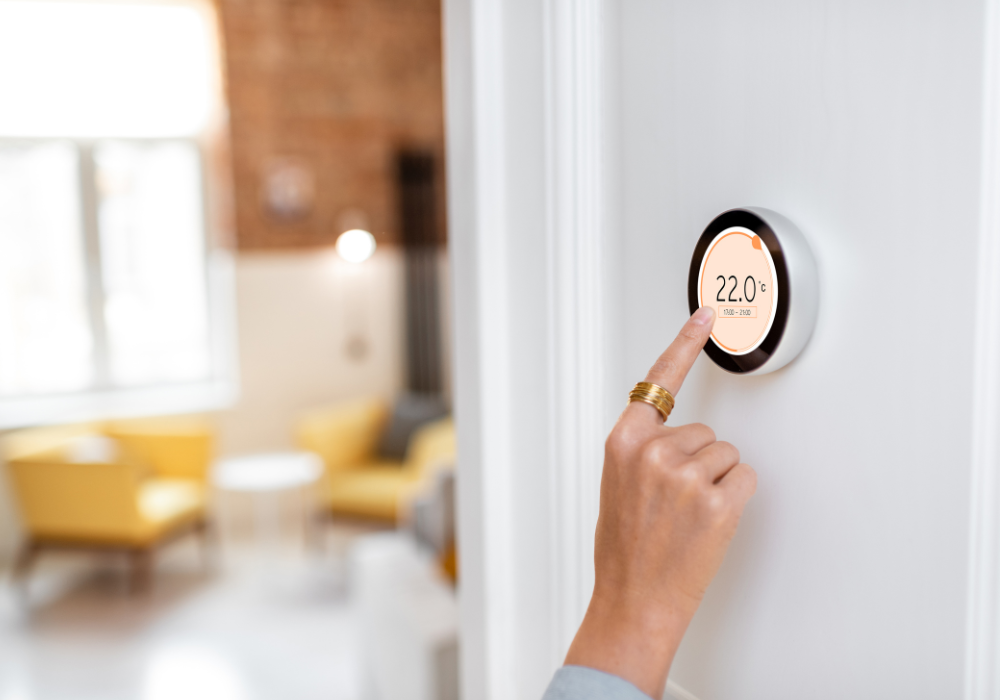
Many modern prefab companies prioritize energy conservation from the ground up. Think triple-pane windows, solar-ready roofs, high-efficiency HVAC systems, and advanced insulation that minimizes heat transfer.
Some prefab homes even meet or exceed passive house standards, drastically reducing the need for external heating or cooling. You don’t have to invest in expensive upgrades—these features are often baked into the design. Lower energy bills are a huge perk, especially with rising utility costs.
Even better, you can pair these systems with off-grid technologies for a truly self-sustaining home. It’s a win-win: comfortable indoor living with a lighter impact on the planet.
4. Smart technology transforms prefab homes into efficient living hubs.
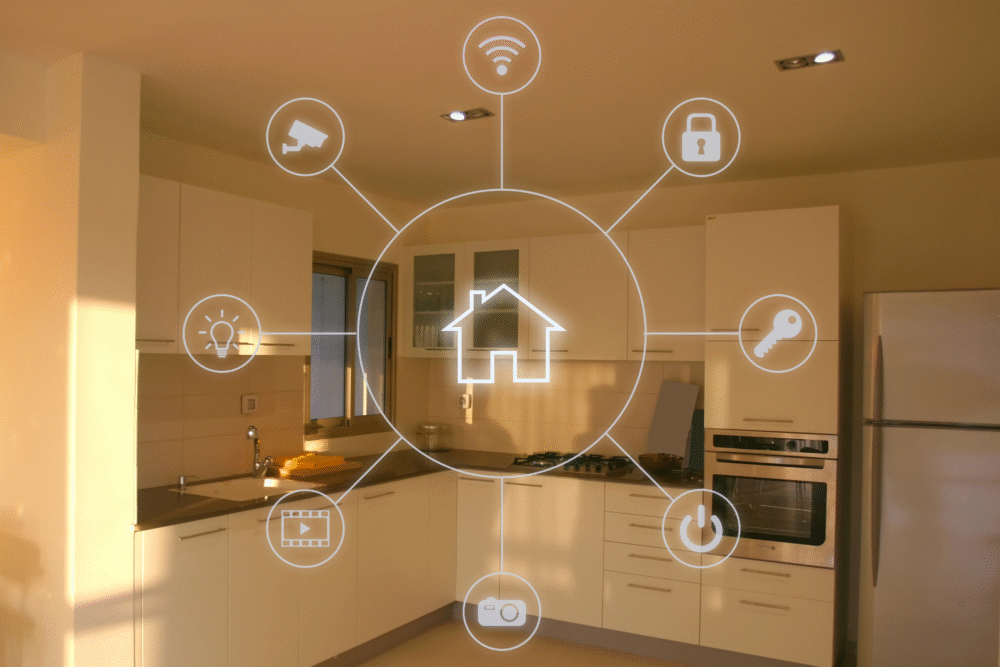
Smart thermostats, lighting systems, energy monitors, and voice-controlled assistants come pre-installed or ready to go in many prefab homes. These connected features help homeowners track usage, optimize efficiency, and reduce waste without lifting a finger.
Want your blinds to lower automatically when the sun hits? Or to adjust your heating while you’re out? These homes are designed with that kind of responsiveness in mind. The integration of smart tech isn’t just a luxury—it’s part of a growing movement toward sustainable, data-driven living.
And because prefab homes are factory-designed, tech systems are often seamlessly wired in from the start, not tacked on as an afterthought.
5. Many prefab homes are made with recycled and renewable materials.
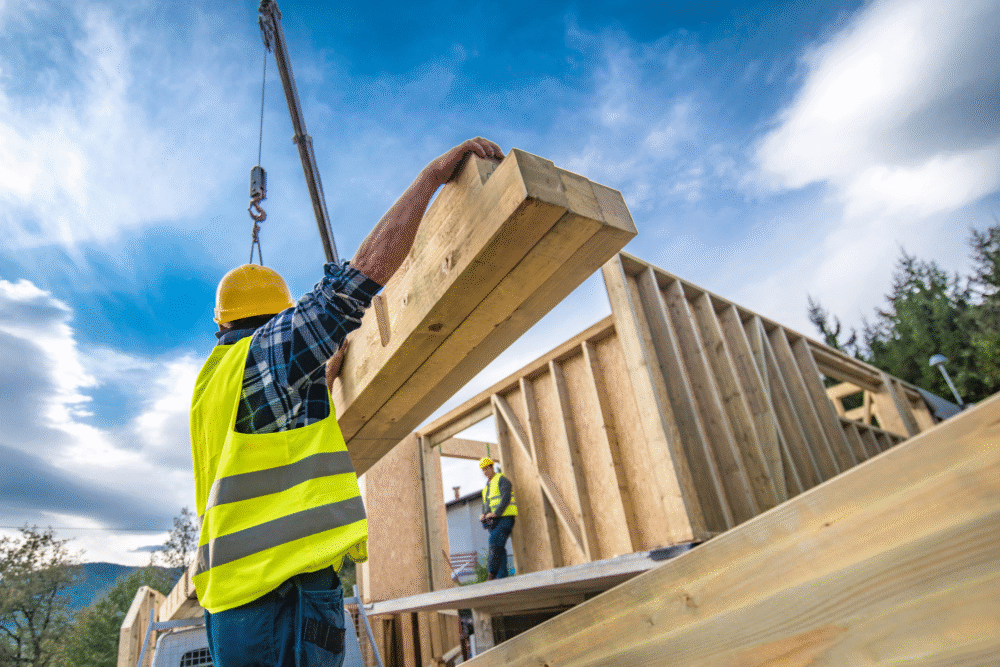
Sustainability in prefab construction goes far beyond energy savings—it’s also about what the house is made of. Recycled steel, reclaimed wood, bamboo flooring, cork insulation, and non-toxic paints are just a few of the eco-friendly materials commonly found in today’s prefab builds.
Some companies even use panels made from compressed agricultural waste or recycled plastic bottles. These choices reduce demand for new resources and lower the home’s overall carbon footprint.
Plus, they often contribute to healthier indoor air quality. The use of responsible materials proves that beauty, durability, and environmental consciousness can all live under one roof.
6. Prefab designs are modular, making them flexible and scalable.
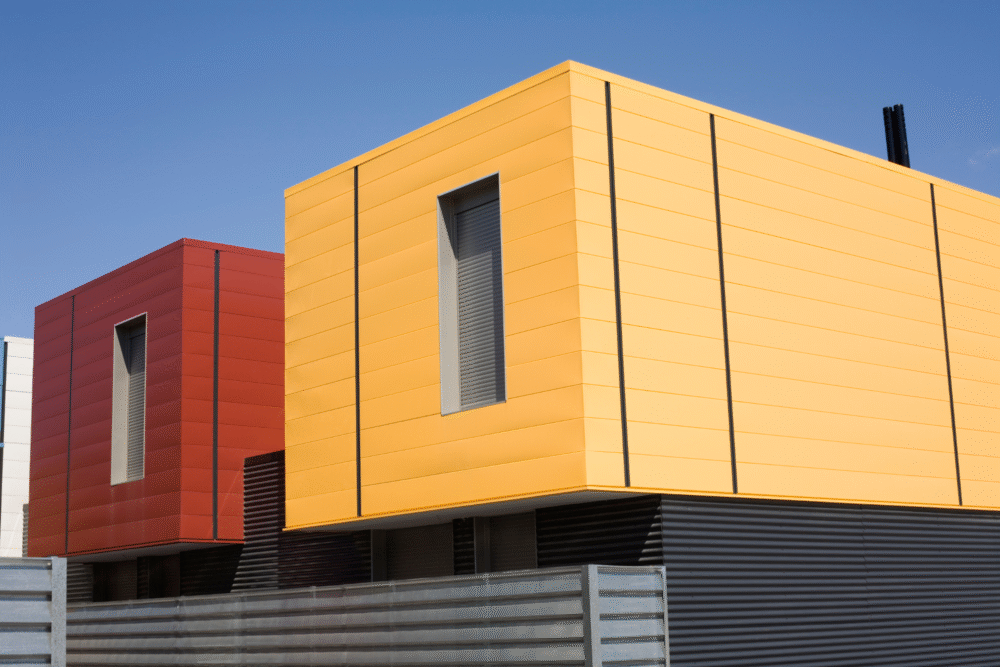
One of the biggest advantages of prefab construction is its modularity. Want to start with a cozy one-bedroom and expand later? No problem. Many prefab homes are built in sections that can be added or reconfigured as your needs change.
Whether it’s an extra bedroom, a studio, or an outdoor living space, modular designs allow for effortless growth. This flexibility supports sustainable living by helping people right-size their homes—living with just what they need rather than overbuilding.
It also extends the life of the home and can reduce the need for full-scale renovations down the line. Adaptability is built right in.
7. Smaller footprints make prefab homes ideal for sustainable land use.

Modern prefab homes often embrace a minimalist ethos—smaller square footage with more thoughtful design. These compact footprints mean less disruption to natural landscapes, easier integration into off-grid or remote environments, and lower utility demands.
With land becoming scarcer and cities getting denser, small-scale prefab homes offer a way to live lightly and efficiently. They’re perfect for infill lots, backyard ADUs (accessory dwelling units), and eco-villages.
And because they’re designed to maximize usable space, these homes don’t feel cramped. Instead, they prove that you don’t need a McMansion to live well—or stylishly. It’s all about living smart and sustainably.
8. Off-grid capabilities give prefab homes energy independence.
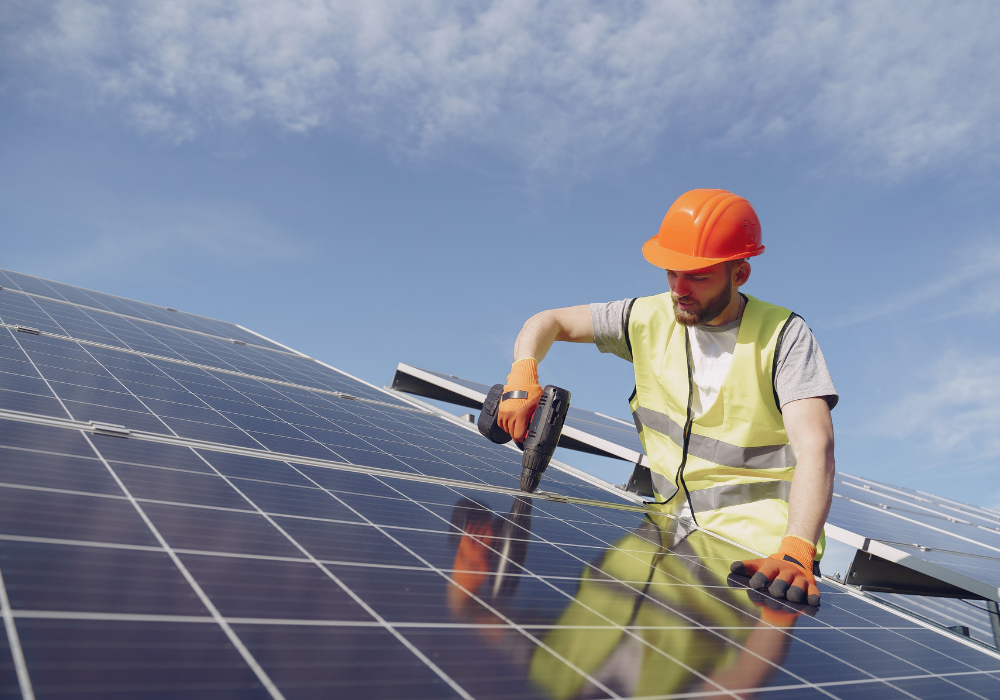
Many prefab models are built with self-sufficiency in mind. Rooftop solar panels, battery storage systems, composting toilets, rainwater catchment, and greywater recycling can be integrated right into the design.
That makes them ideal for off-grid living, whether you’re escaping to the wilderness or just want to reduce your reliance on municipal utilities. These features also increase climate resilience by keeping homes functional during blackouts or water shortages.
In an era of rising utility costs and extreme weather events, off-grid prefab homes offer a comforting level of independence. And they prove that modern, comfortable living doesn’t have to come at the environment’s expense.
9. Customization options rival traditional architecture.
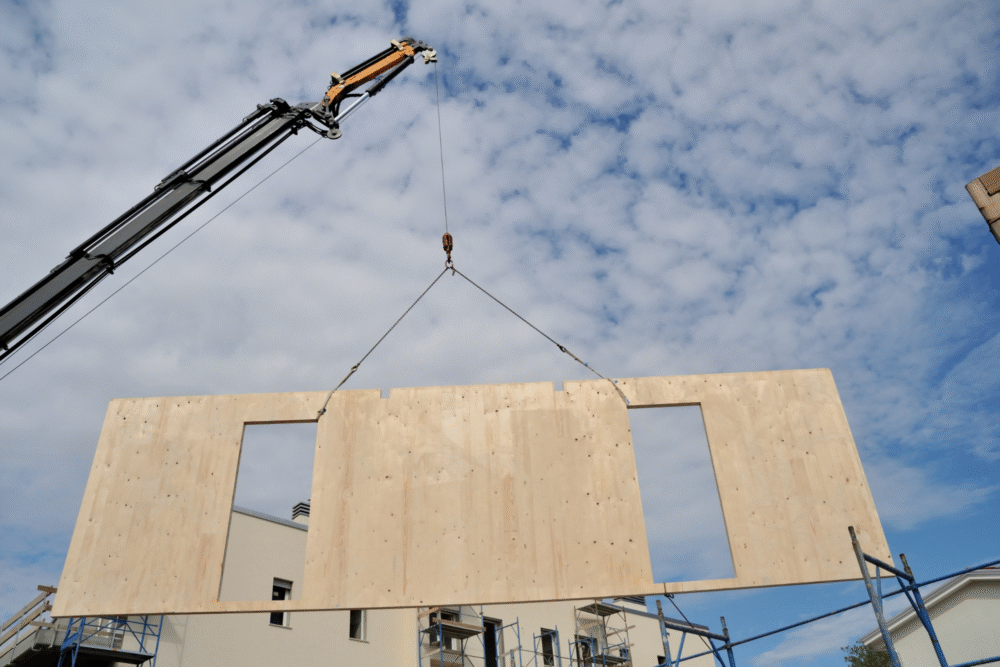
Prefab homes don’t mean one-size-fits-all. In fact, many companies now offer extensive customization—from exterior cladding and floorplans to interior finishes and smart home features.
Homeowners can choose sustainable options that align with their aesthetics and values. Want a metal roof and radiant floor heating? Or a sleek Scandinavian kitchen with recycled stone counters? You can have it all. These homes can be designed for specific climates, lifestyles, and even lot shapes.
And because design is done digitally, changes can be previewed in real-time. The result is a tailored, high-quality home that doesn’t compromise on environmental principles or personal style.
10. Transportation and setup are more efficient than traditional builds.
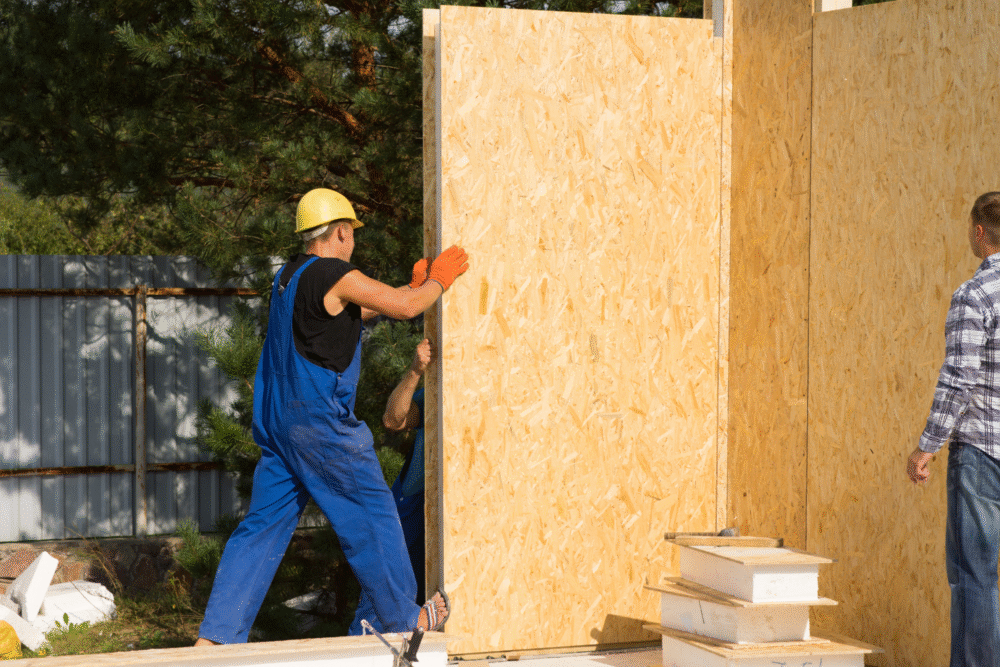
Shipping an entire house might sound counterintuitive—but prefab homes are built in compact, transport-friendly modules that minimize trips and simplify on-site setup. Once delivered, many homes can be assembled in just a few days with minimal construction waste or environmental disruption.
Unlike traditional builds, which can take months and involve dozens of contractors, prefab projects move fast and stay on budget. The shortened timeline also reduces emissions from construction equipment and eliminates much of the idling and rework associated with site-based builds.
For eco-conscious buyers, it’s a much cleaner, quieter process—with a far more predictable environmental impact.
11. Financing and incentives are becoming more accessible for prefab buyers.
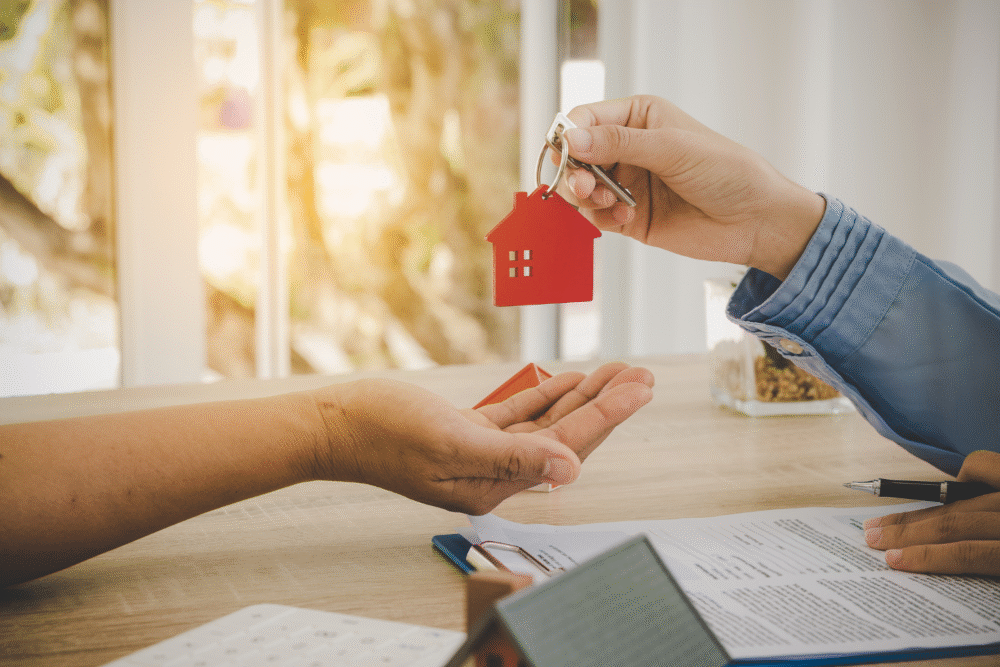
Thanks to growing demand and shifting attitudes, prefab homes are increasingly eligible for traditional mortgage financing and even green building incentives. Programs at the federal, state, and local levels offer tax credits, rebates, and grants for energy-efficient upgrades or solar installations.
Some lenders now recognize the long-term value and durability of prefab construction, making it easier for buyers to secure funding. And because these homes often cost less upfront and require fewer long-term repairs, they offer financial sustainability in addition to environmental benefits.
Prefab living is no longer a niche market—it’s an attainable, smart investment in your future and the planet’s.
12. Eco-conscious developers are turning prefab communities into lifestyle destinations.
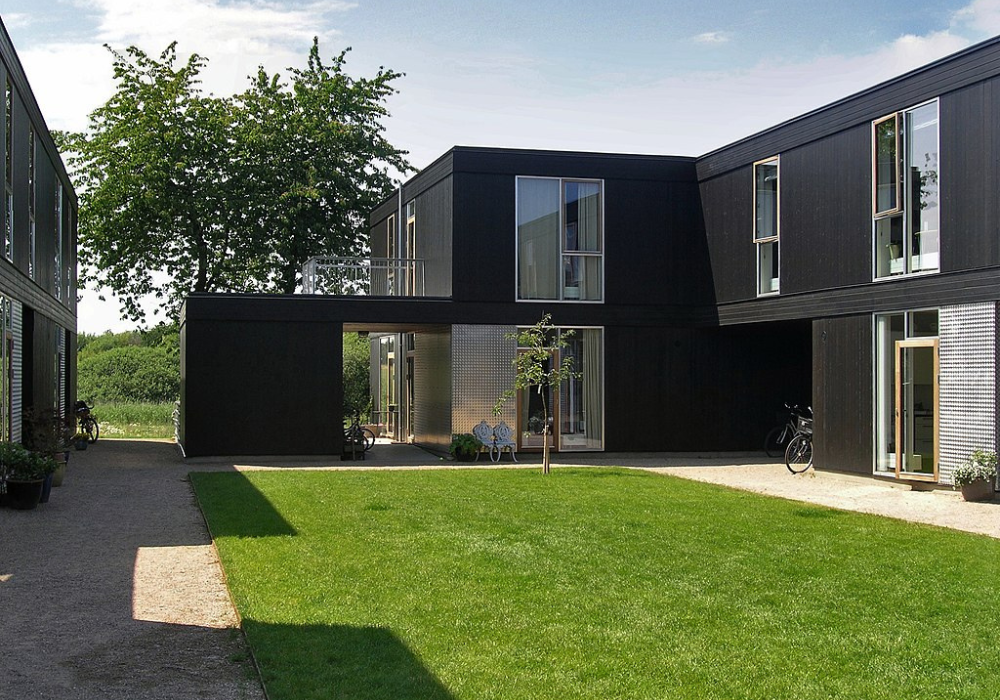
Prefab living isn’t just for solo homeowners anymore. Entire communities are being designed around prefab models—think eco-resorts, co-housing developments, and urban micro-villages.
These projects often emphasize sustainability, shared resources, walkability, and a deep connection to nature. Some even include community gardens, electric vehicle charging, and renewable energy microgrids.
Living in one of these communities means aligning your lifestyle with your values while enjoying a strong sense of connection and purpose. These developments are redefining what “neighborhood” means in a climate-conscious world—and prefab homes are leading the charge.