
Your Body Is Keeping Score (And Science Is Finally Reading The Scoreboard)
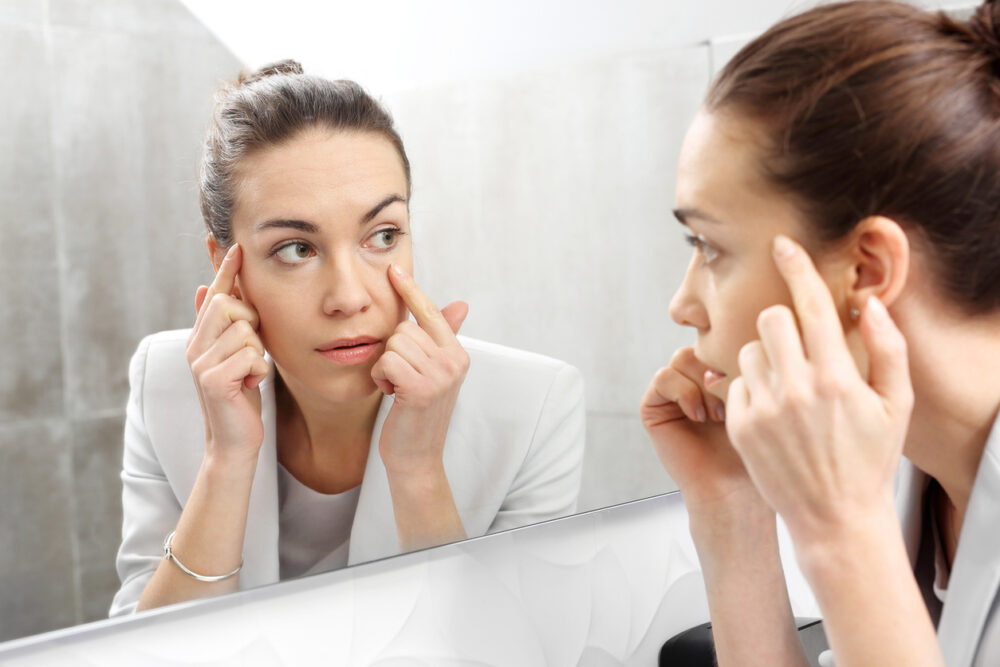
We’ve all seen them—those impossibly youthful people who seem to have found some secret fountain while the rest of us shrivel up like forgotten houseplants. It’s not just luck. Science now tells us we have way more control over how we age than we thought. Those genetic switches aren’t set in stone—they’re constantly flipping based on everything from your breakfast choices to how you handled that jerk who cut you off in traffic.
Your body tracks everything like an obsessive bookkeeper. Every glass of wine, every late-night scroll session, every skipped workout gets logged somewhere in your cellular ledger. The brilliant part: You can actually flip many of these switches back in your favor without monk-like discipline or celebrity-sized bank accounts. Here’s how you might be speeding up your aging clock—and what to do about it without turning your life upside down.
1. Missing sleep now will send your face a bill later.

Skip sleep and your body launches a full-on rebellion. During those deep sleep hours, your body cranks out growth hormone that repairs daily damage and keeps your skin from looking like a deflated balloon. Usamah M. Afzal, in a study published in Clinical and Experimental Dermatology, found that individuals who regularly slept 8 hours per night had 30% better skin barrier recovery than those who slept only 5 hours. Miss that crucial repair time, and you’re basically telling your maintenance crew to take the night off while the demolition continues.
The kicker: Just five nights of poor sleep can spike inflammation markers that break down your skin. The fix doesn’t require rocket science: treat sleep like it matters. Establish a wind-down routine—no screens, dim lights, maybe a book that won’t keep you up all night. Your future face will thank you, and you’ll save a fortune on creams promising to do what sleep does for free.
2. Stress shrinks your cellular shoelace tips faster than you think.

Stress chemicals circulate through your bloodstream with every worry about deadlines, finances, or forgotten garage doors. The damage extends beyond momentary anxiety—physically shortening telomeres, those protective caps on chromosomes functioning like plastic tips on shoelaces. When telomeres wear down prematurely from stress, cells age faster than a banana forgotten in a hot car. Research by Masood A Shammas links shortened telomeres to visible aging and increased vulnerability to age-related diseases.
You can’t eliminate stress (unless moving to a monastery appeals), but you can change how you handle it. Even a 10-minute daily nature break can reset your stress response. Another approach: Try viewing stress as helpful rather than harmful. Counterintuitive as it sounds, research confirms your perception actually changes your physical response. Your mindset serves as your most overlooked anti-aging tool.
3. Sugar burns your collagen even when you’re not in the sun.
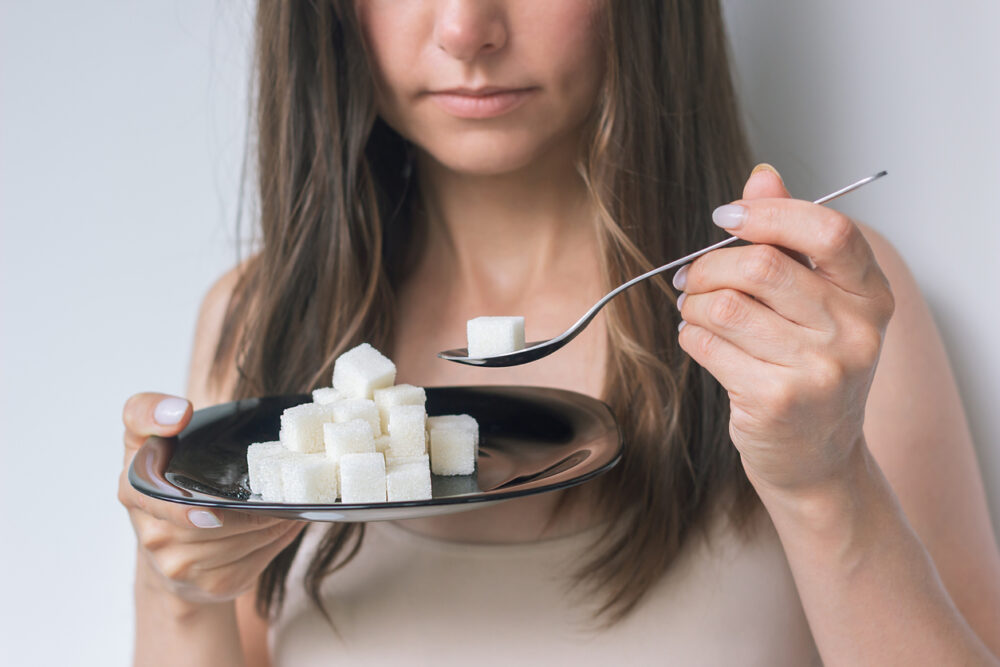
Sugar consumption ages your skin through glycation, even without sun exposure. Excess sugar in your bloodstream attaches to proteins and creates “advanced glycation end products” (ironically abbreviated as “AGEs”), according to Dr. Mary Jane Brown at Healthline. These sticky compounds damage collagen and elastin, the proteins maintaining skin elasticity. Consequently, skin gradually transforms into something resembling vintage leather.
Breaking up with sugar doesn’t sentence you to bland food purgatory. Instead, retrain your taste buds to appreciate complex flavors. Try dark chocolate with higher cocoa percentages—richness with less sugar. Berries provide sweetness plus aging-fighting antioxidants. Cinnamon makes things seem sweeter without glucose spikes. The goal never involves dessert abstinence—just choosier timing and selection.
4. Sitting pretty now means aging prematurely later.

The comfy chair sitting in your living room might be the most treacherous furniture in homes everywhere. During prolonged sitting, muscles not only shrink but become worse at processing glucose. This triggers inflammation and speeds up aging at the cellular level. The body interprets prolonged inactivity as a signal to shut down operations since the physical form barely gets used.
The silver lining: You needn’t become a CrossFit fanatic to counteract these effects. Even standing hourly, taking brief walks, or doing counter push-ups interrupts the aging cascade. Sneak movement into daily routines: pace during calls, use bathrooms on different floors, park farther from entrances. The most effective exercise plan involves consistency rather than intensity—whatever regimen you’ll actually maintain.
5. Water turns back time while your coffee pushes it forward.

Water serves as the fundamental medium for every cellular process in your body. During chronic dehydration, cells function like cars running on fumes. All processes slow down and break down faster. Skin reveals this deficiency first through dullness and fine lines screaming for hydration.
The fix seems obvious—drink more water—but implementation often falters amid busy schedules and beverage competition. Create hydration triggers: a glass before each meal, a refill upon returning to your desk, or a water checkpoint with bathroom breaks. Foods like cucumbers, watermelon, and lettuce contribute significantly too. Proper hydration represents the most affordable anti-aging serum available—pennies per gallon and works from inside out.
6. Processed foods fight your body when you’re not looking.
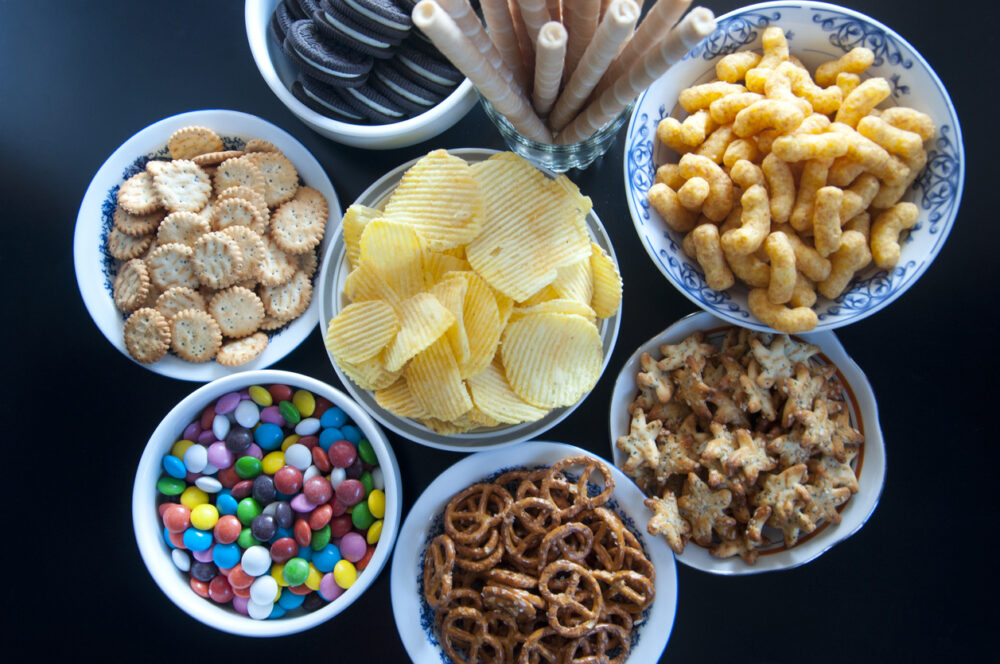
Ultra-processed convenience foods save kitchen time but accelerate aging through inflammation. Highly processed products create constant low-grade inflammation—equivalent to hosting a mini-infection all the time. This diverts resources from repair to damage control, speeding up aging from skin to organs.
Shifting toward natural foods requires neither exotic ingredients nor complicated recipes. Simply incorporate more colorful vegetables, add nuts and seeds, and reduce packaged items with ingredient lists longer than novellas. Every meal presents a choice between feeding inflammation or fighting it. Taste buds initially protest but adapt surprisingly quickly—eventually finding natural foods more satisfying as the body recalibrates.
7. The sun remembers every time you forgot sunscreen.
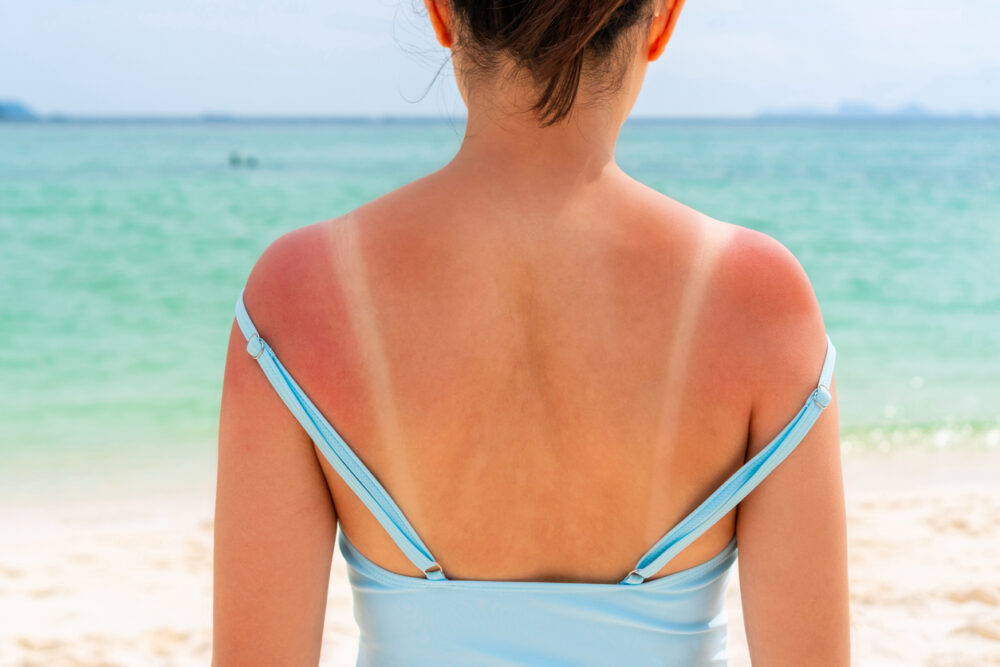
Golden tans provide visual evidence of skin cells freaking out from UV damage. Unprotected sun exposure ages skin faster than anything else—creating wrinkles, spots, and sagging no cream can truly fix. UV rays damage collagen deep in skin layers. Research indicates up to 90% of visible aging stems from sun exposure, not birthdays.
Protection doesn’t require adopting vampire-like habits. Daily sunscreen application (yes, even on cloudy days and in winter) remains non-negotiable for maintaining youthful skin. Choose broad-spectrum SPF 30 or higher and remember to reapply. Hats, sunglasses, and UPF clothing provide extra defense during peak hours. Your future self will appreciate skin that reflects wisdom rather than broadcasting sun worship history.
8. Happy hour becomes regret hour for aging cells.

Wine o’clock rituals get processed by your liver as toxins despite feeling like self-care. Alcohol dehydrates tissues, disrupts sleep quality, triggers inflammation, and depletes essential nutrients involved in cellular repair. It especially interferes with vitamin A absorption, crucial for cellular regeneration. The cumulative effect manifests in declining skin quality and facial volume.
Reconsidering alcohol consumption never requires total abstinence. Experiment with alcohol-free days, explore surprisingly sophisticated non-alcoholic alternatives, or adopt the trending “damp” lifestyle—mindful moderation instead of all-or-nothing approaches. When drinking, pair with food and alternate with water. Pay attention to how your body feels following drinking versus alcohol-free evenings. Most people discover they crave unwinding rituals more than alcohol itself.
9. Friends keep your DNA young while Netflix binging does not.

Canceling social plans repeatedly contributes to accelerated aging at the cellular level despite feeling protective. Human connection triggers hormones that combat inflammation, reduce stress, and promote cellular repair. Multiple studies confirm people with strong social ties live longer, healthier lives, while chronic loneliness creates physiological stress comparable to smoking or obesity.
Building meaningful connections never requires becoming suddenly extroverted. Quality trumps quantity for social relationships. Regular contact with even a small circle of supportive people provides significant benefits. Schedule activities naturally fostering connection—walking with friends, joining community classes, volunteering, or participating in purposeful virtual gatherings. The effort might seem daunting with social anxiety or packed schedules, but the cellular health payoff makes this potentially the most powerful anti-aging strategy available.
10. Negative thoughts hijack genes faster than any environmental toxin.
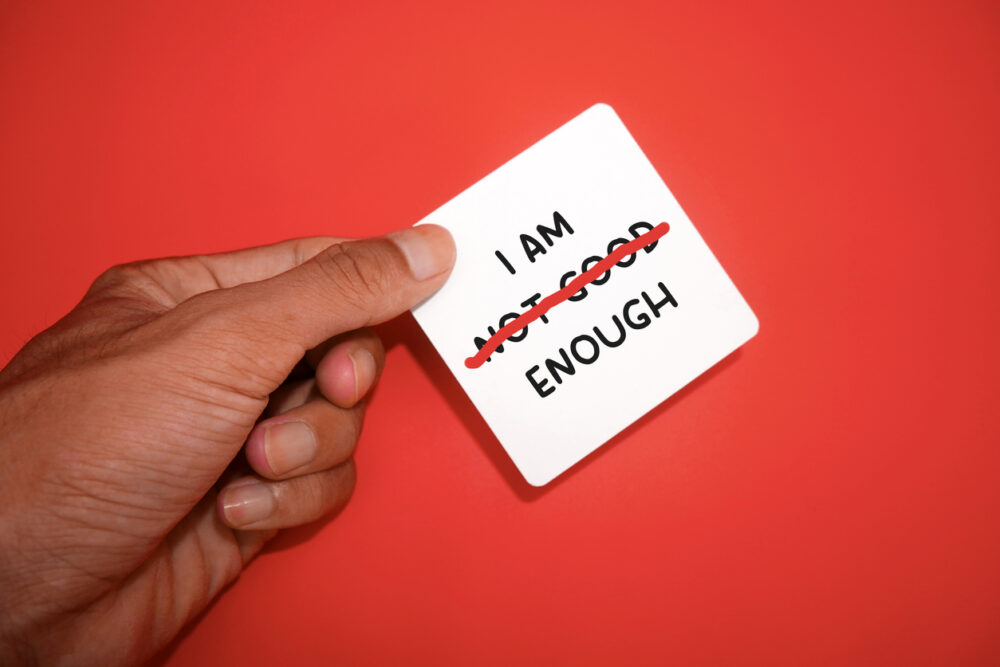
Inner critics narrating your shortcomings alter gene expression beyond just killing moods. Thoughts create physical responses—negative ones trigger stress hormones while positive thoughts release healing compounds. Research demonstrates persistent negative thinking increases inflammation markers tied to accelerated aging, whereas positive thinking activates genes involved in repair mechanisms.
Changing thought patterns involves neither toxic positivity nor ignoring legitimate concerns. Instead, intercept automatic negative spirals before they trigger physical responses. Practice gratitude journaling, mindfulness meditation, or simply replace “I have to” with “I get to.” Cells cannot differentiate between genuine threats and manufactured worries. Cultivating mental habits signaling safety rather than danger creates an internal environment promoting repair instead of breakdown.
11. Beauty products deliver aging ingredients through the back door.

Bathroom cabinets often overflow with anti-aging miracle products that ironically accelerate skin aging. Conventional beauty products contain endocrine-disrupting chemicals that disrupt hormone balance and trigger inflammatory responses. Parabens, phthalates, and synthetic fragrances penetrate skin rather than sitting on its surface—interfering with cellular processes maintaining youthful appearance.
Simplifying beauty routines extends beyond trendy minimalism into intelligent cellular protection. Examine ingredient lists carefully and gradually replace products containing synthetic fragrances, PEGs, and chemical sunscreen agents with cleaner alternatives. The liver processes all absorbed chemicals more efficiently when not moonlighting as a beauty regimen detox center. Products with fewer ingredients reduce potential irritation and inflammation—the silent accelerators of visible aging. Skin barriers function optimally without constant bombardment from morning-to-night chemistry experiments.
12. Air pollution ages your face even when you can’t see the smog.
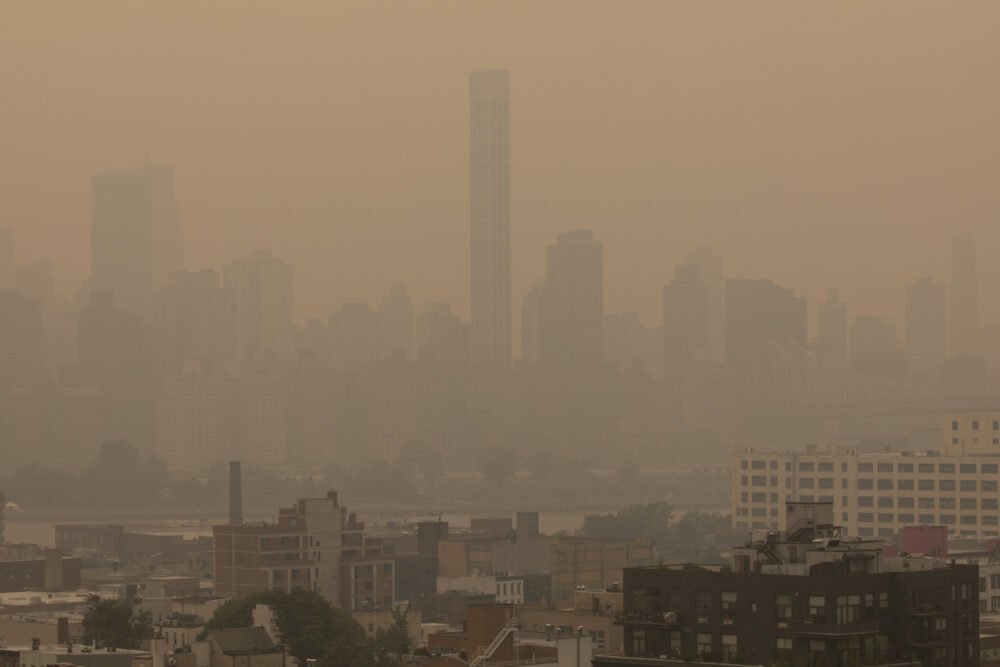
City environments offer fantastic restaurants alongside cultural perks while your skin silently tallies every traffic jam and industrial emission. Urban pollution generates free radicals damaging skin cells with alarming efficiency. Microscopic pollutants penetrate skin barriers, triggering inflammation and oxidative stress that break down collagen and accelerate aging. Research confirms residents of highly polluted areas develop more hyperpigmentation, deeper nasolabial folds, and accelerated overall skin aging.
Defending against environmental damage never requires relocating to remote mountain cabins. Incorporate antioxidant serums containing vitamins C and E into morning routines to create pollution shields. Evening cleansing removes not just makeup but accumulated environmental particles. Houseplants like peace lilies and snake plants function as living air purifiers, removing toxins while adding skin-friendly humidity. Consider bedroom air purifiers with HEPA filters—eight hours of cleaner air provides cells valuable recovery time from daily pollution exposure.