
You don’t have to go full survivalist to be prepared for life’s unexpected challenges.

Being prepared doesn’t mean digging a bunker in the backyard or stockpiling enough canned beans to last a decade. Life is unpredictable—power outages, extreme weather, car trouble, financial setbacks, or even a simple grocery store shortage can throw things off balance. The good news? You don’t need to go into full-on survivalist mode to be ready. A few smart, practical steps can keep you covered without turning your home into an apocalypse warehouse.
Preparedness isn’t about paranoia—it’s about confidence. Knowing you have the right supplies, skills, and plans in place allows you to handle emergencies without stress. A backup power source, a stocked pantry, or basic first aid knowledge can turn a potential disaster into a minor inconvenience.
You don’t need camouflage gear and underground bunkers to be ready for life’s surprises. These 12 realistic, everyday strategies will help you prepare for anything—without looking like you just stepped out of a doomsday prepper reality show.
1. Build an emergency kit that actually helps—not just takes up space.
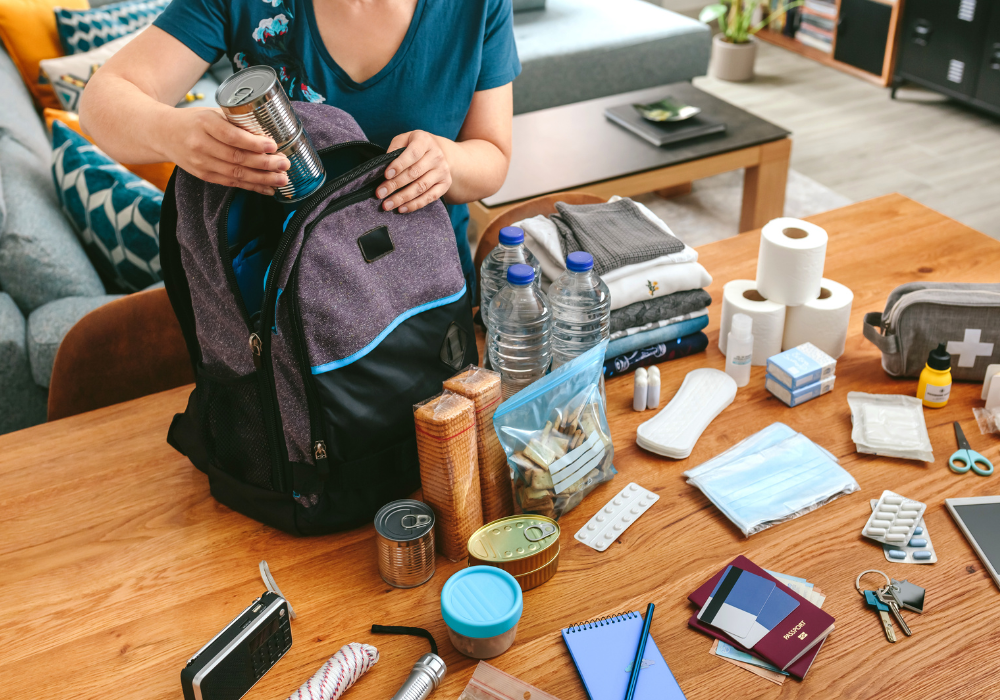
Having an emergency kit isn’t just for natural disasters or extreme situations. Everyday inconveniences like power outages, car breakdowns, or even getting stranded during bad weather can quickly turn stressful if you’re unprepared. A well-thought-out kit gives you everything you need to stay safe and comfortable. According to the Federal Emergency Management Agency (FEMA), a basic emergency supplies kit should include water (one gallon per person per day for at least three days), non-perishable food, a flashlight, a first aid kit, extra batteries, and a manual can opener for food.
Customizing it with things like pet supplies, medications, or extra clothing makes it even more useful. Keeping a smaller version in the car ensures you’re prepared wherever you go. A well-packed emergency kit isn’t about paranoia—it’s about making sure a small problem doesn’t become a big one.
2. Learn basic first aid so you’re not the one panicking in a crisis.
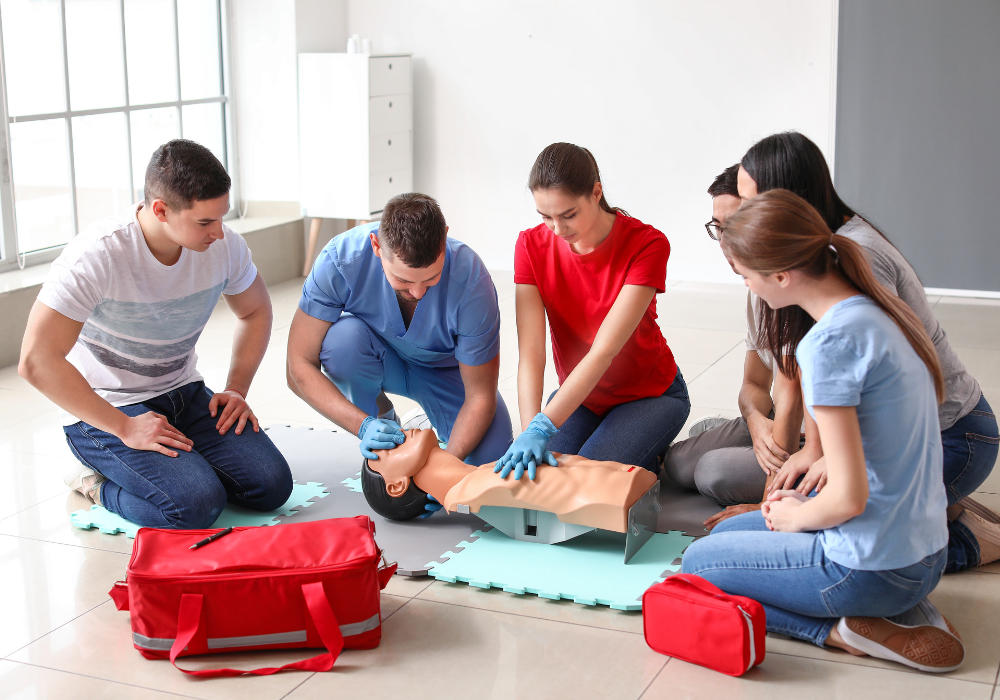
Accidents happen when you least expect them, and waiting for professional help isn’t always an option. Whether it’s a deep cut, a broken bone, or a choking incident, knowing basic first aid can make a massive difference in an emergency. The ability to stay calm and act quickly could save a life.
Taking a CPR and first aid course gives you the skills to handle everything from minor burns to more serious injuries. Research from the American Heart Association shows that performing CPR immediately can significantly increase survival rates.
A well-stocked first aid kit at home, in the car, or in a backpack ensures you have the necessary supplies when they matter most. Being prepared doesn’t just mean having the right tools—it means knowing how to use them when it counts.
3. Stock your pantry like a pro—without looking like you’re hoarding.

You don’t need an underground bunker full of dehydrated meals to be food-secure. A well-stocked pantry is just smart planning, ensuring that a storm, unexpected expenses, or a last-minute schedule change doesn’t leave you scrambling for groceries. Having a stash of shelf-stable essentials means you can always put together a meal, no matter what’s happening outside. Ready advises that emergency food supplies should include ready-to-eat canned goods, dried fruits, shelf-stable milk, and other non-perishable essentials.
Staples like rice, pasta, canned beans, peanut butter, and shelf-stable milk provide easy meal options without refrigeration. Rotating through supplies by using them in regular meals keeps everything fresh and prevents waste. A little preparation ensures you’ll never be caught off guard when grocery shelves are empty or delivery is delayed. Smart planning isn’t hoarding—it’s making life easier for future you.
4. Get a backup power plan so you’re not left in the dark.
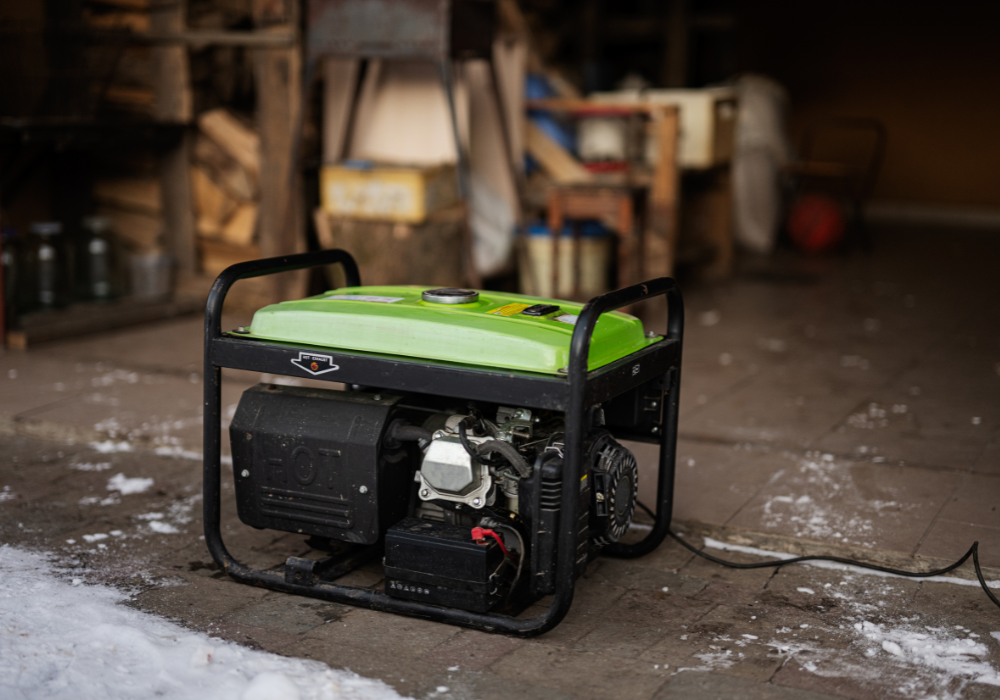
Power outages happen more often than you think, and they’re not just a minor inconvenience. Losing electricity for a few hours is annoying, but losing it for days can disrupt everything from food storage to communication. Having a reliable backup power source keeps life running smoothly when the grid goes down. A small generator, solar-powered chargers, or even a stash of extra batteries can make a huge difference.
Flashlights, candles, and a battery-powered radio keep you connected and safe in the dark. Power outages are unpredictable, but staying prepared means you won’t be the one searching for matches in a blackout.
5. Know how to turn sketchy water into something safe to drink.

A sudden water shortage or contamination issue can happen anywhere, leaving you without safe drinking water. When tap water isn’t an option, knowing how to purify water can prevent dehydration and serious illness.
Clean water is one of the most essential survival needs, and it’s easier to secure than you might think. Keeping a water filter, purification tablets, or a simple knowledge of boiling methods ensures you’re never caught off guard. Storing a few gallons of water in case of short-term emergencies is another smart step. You don’t need a well in your backyard—just a little preparation to make sure you never go thirsty.
6. A dead phone and no Wi-Fi could leave you stranded, so have a backup plan.
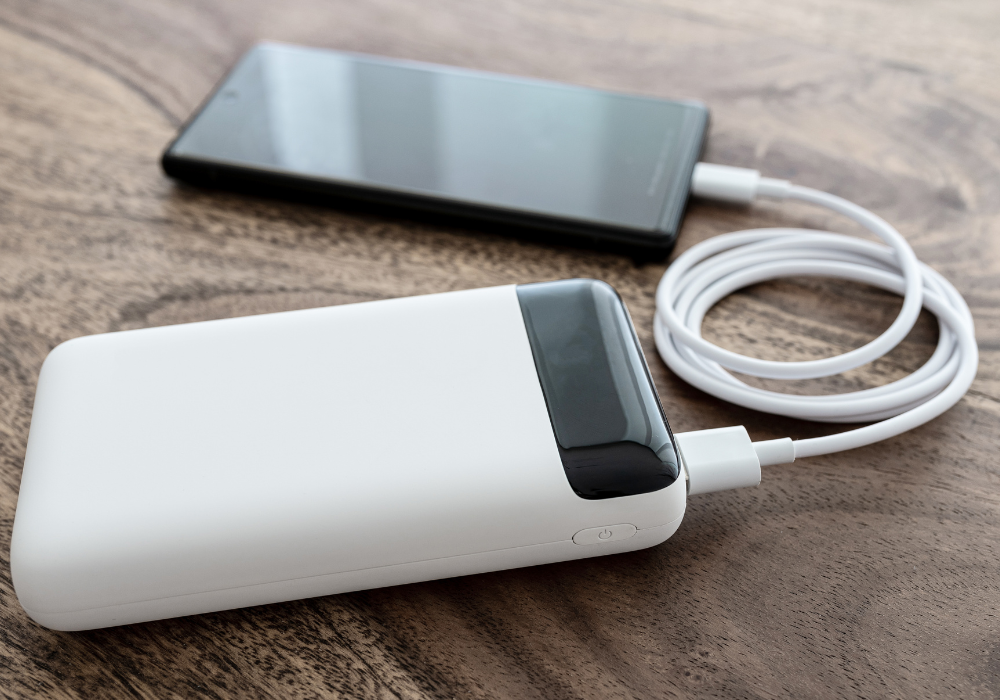
Modern life runs on internet access and fully charged phones—until it doesn’t. A dead battery or a downed network can turn a simple inconvenience into a major headache, especially when you need to navigate, call for help, or access important information.
Having a plan for when technology fails is just common sense. Keeping a written list of emergency contacts, an old-school paper map, and a portable phone charger ensures you’re not completely lost when the screen goes dark. A battery-powered radio can keep you informed when the internet is down. Technology is great, but being able to function without it? That’s true preparedness.
7. Digital payments fail more often than you think, so stash some emergency cash.
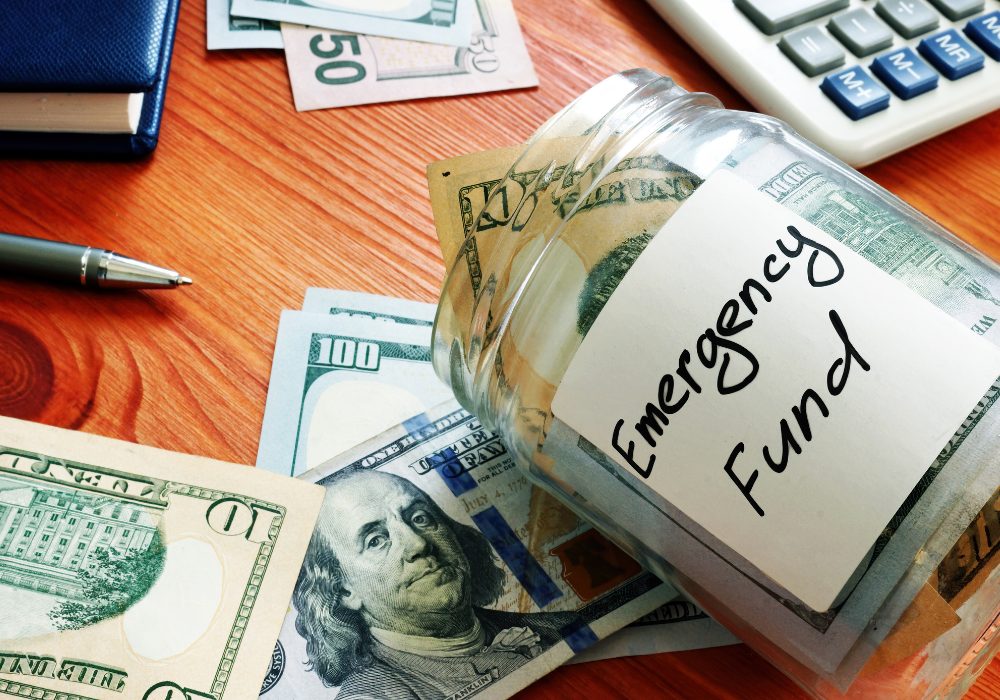
ATMs and credit card readers seem foolproof—until a power outage, system crash, or bank issue leaves you without access to your money. In emergencies, cash is king, and having a little stashed away can be a lifesaver when electronic payments aren’t an option. Keeping small bills in a safe spot at home or in your car ensures you can cover essentials like gas, food, or lodging when needed.
You don’t need stacks of cash hidden in your mattress—just enough to get by if digital payments stop working. A little financial backup can keep a minor crisis from turning into a major one.
8. GPS can’t always save you, so learn how to find your way home.

GPS makes navigation easy—until your phone dies, signals drop, or your battery runs out mid-trip. Getting lost without a clue of where to go is a nightmare, but with a little preparation, you’ll never have to panic.
Studying a basic map of your area, memorizing key routes, and knowing alternative ways home make a huge difference. Keeping a paper map in the car provides a backup when technology fails. You don’t have to be a master navigator, but knowing how to get home without relying on a glowing blue dot is a skill everyone should have.
9. Knowing a few survival basics could turn a crisis into an easy fix.

You don’t need to be an expert survivalist, but knowing a few key skills can turn a bad situation into a manageable one. Getting stuck in your car during a snowstorm, losing power for days, or dealing with an unexpected roadside breakdown all become easier if you have the right knowledge. Learning how to start a fire, tie a basic knot, or signal for help in an emergency can be lifesaving.
Watching a few tutorials or taking a hands-on survival class builds confidence. Knowing you can handle yourself in unexpected situations means you won’t be the one panicking when things go sideways.
10. A car breakdown in bad weather is a nightmare, so be ready for it.

A flat tire, dead battery, or sudden engine failure can happen anywhere. Having a few basic supplies in your car can turn a disaster into just another minor inconvenience. A well-prepared vehicle isn’t just for road trips—it’s a lifesaver when things don’t go as planned.
A roadside emergency kit with jumper cables, a flashlight, a tire repair kit, and extra water keeps you from being stranded. Knowing how to change a tire or jump-start a car adds another level of security. The best part? You don’t need to be a mechanic—just having the right tools and knowing the basics puts you ahead of the game.
11. Losing your job is stressful, but being financially prepared makes it easier.

Losing a job is stressful, but having a plan in place makes the situation much easier to navigate. Emergencies aren’t always about natural disasters—sometimes, they come in the form of an unexpected layoff or a sudden cut in hours. Being financially prepared for tough times can make all the difference. Building a small emergency fund, cutting unnecessary expenses before you’re forced to, and keeping an updated resume ready to go ensures you’re not scrambling when things change.
Having a few side hustle ideas or backup income sources gives you extra security. The goal isn’t to expect the worst—it’s to be ready for anything.
12. A cool head in a crisis is your most valuable survival tool.

All the preparation in the world won’t help if you freeze up in a crisis. Staying calm, thinking clearly, and making smart decisions are the ultimate survival tools. Panic makes even small problems feel impossible, while a level head keeps things manageable.
Practicing mindfulness, learning basic stress management techniques, and staying informed about potential risks help you react logically in any situation. Taking a deep breath before making decisions can be the difference between handling a problem efficiently or making it worse. Preparedness isn’t just about supplies—it’s about mindset.