
AI and automation are transforming job roles and skills for Gen Z professionals worldwide.

Artificial Intelligence (AI) and automation are revolutionizing how Generation Z approaches careers across industries. These technologies reshape tasks, create new roles, and demand continual skill development to stay relevant in a rapidly evolving job market. Experts from institutions like MIT and the IEEE emphasize that understanding AI’s impact on workplace transformation is essential for Gen Z workers aiming to navigate future career paths successfully.
1. Embracing AI tools to streamline routine tasks and boost productivity.

AI tools are reshaping the workplace by handling routine tasks like data entry, freeing employees to focus on more meaningful work. The cold click of the keyboard becomes less frequent. Automation allows for a consistent flow of information throughout an organization.
Beyond just efficiency, integrating these tools refines work quality and provides workers with opportunities to engage in more strategic tasks. As Gen Z enters the job market, they find AI a collaborative partner rather than a competitor, boosting their confidence and productivity.
2. Leveraging automation to enhance creativity and focus on strategic work.

Automation helps elevate creativity by taking over repetitive tasks, allowing professionals to concentrate on big-picture projects. The hum of computers quietly performing data processing can inspire innovation and stretch creative boundaries. People can better focus on developing ideas instead of mundane tasks.
Strategic thinking and problem-solving become more central to roles, positioning workers as artists of their craft in a detailed, imaginative world. With time otherwise spent on menial activities reclaimed, Gen Z can explore creative approaches and innovations affordably.
3. Developing new skills tailored to AI-driven job markets.

Skill development plays a critical role in navigating AI-driven markets. As algorithms penetrate various industries, the demand for tech-savvy employees who can integrate new technologies is rising. Understanding machine learning becomes as essential as learning a second language.
Adaptation means more than learning to code; soft skills like communication and teamwork also gain importance, ensuring technology is used empathetically and effectively. Such skills create a dynamic where tools and humans work in harmony to solve complex challenges.
4. Navigating evolving workplace dynamics shaped by virtual collaboration tools.

Virtual collaboration tools transform workplace dynamics by connecting team members across distances seamlessly. The flicker of a notification offers a lifeline in remote workspaces. These platforms enable real-time interaction, reducing the need for traditional face-to-face meetings.
As Generation Z navigates these changes, they adapt quickly to new work norms, valuing flexibility and freedom over routine. This shift enables diverse teams to co-create and innovate without the constraints of physical proximity, redefining collaboration in the process.
5. Using AI-powered platforms for personalized career guidance and mentorship.
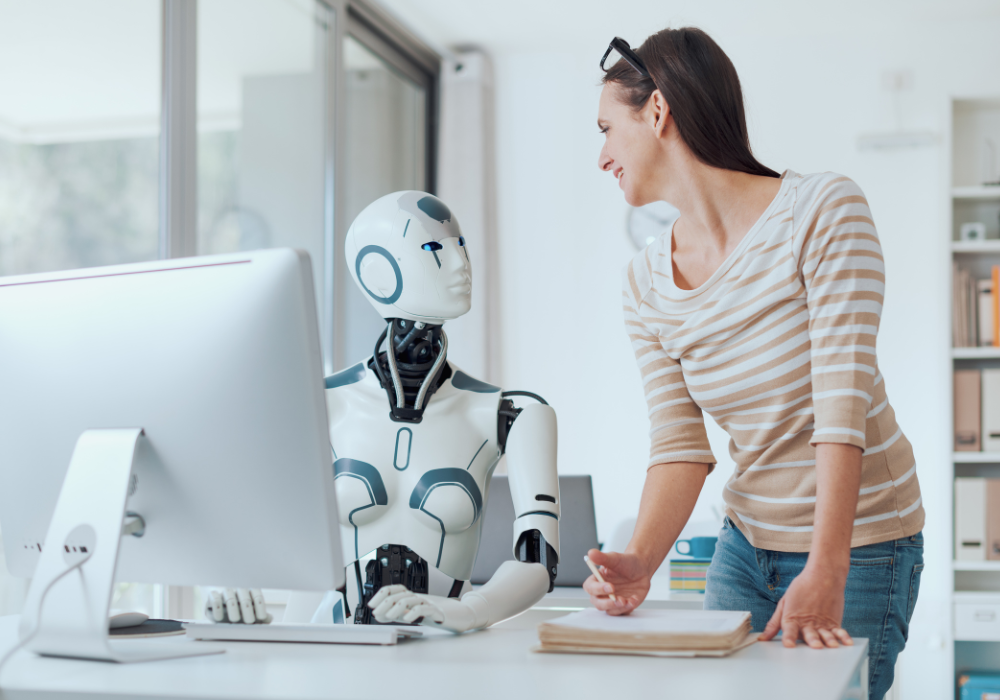
AI-powered platforms offer tailored advice for career development, guiding users based on their strengths and interests. A sleek interface provides interactive career paths, drawing upon real-world data to mentor the user. These platforms make traditional one-size-fits-all career advice obsolete.
With AI’s insights, users discover new opportunities previously unnoticed, aligning career objectives with personal growth. Personalized mentorship evolves into an everyday practice, fostering motivation and leading to more satisfying career choices for Gen Z professionals.
6. Adapting to flexible work environments enabled by smart technologies.

Smart technologies have enabled flexible work environments, blending home and office life seamlessly. A gentle ping signals a new message across a hybrid setup. Such technologies allow employees to choose their optimal work conditions, improving job satisfaction.
For Gen Z, technology-driven flexibility encourages a balance between work-life and personal pursuits. They embrace the idea of live-work harmony, favoring adaptable schedules that cater to individual productivity peaks and personal circumstances, rather than rigid 9-to-5 structures.
7. Integrating automation to improve project management and deadline tracking.
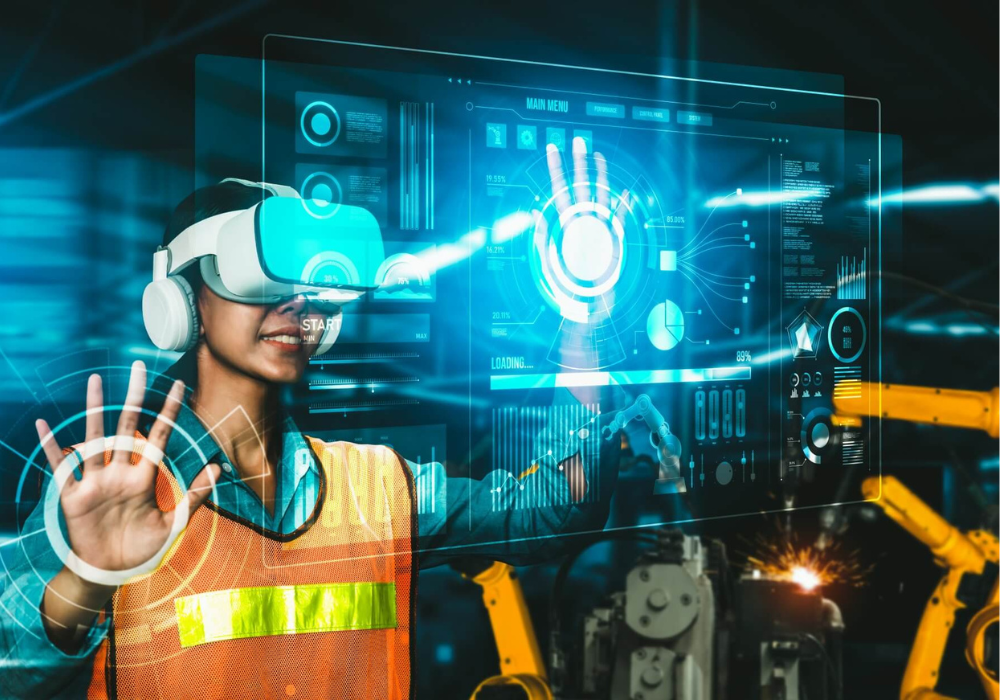
Automation tools streamline project management, tracking tasks and managing deadlines effortlessly. A colorful dashboard offers a snapshot of progress at a glance. Such tools help teams stay organized and on schedule, enhancing accountability and transparency.
Project leaders can focus on strategic decisions, leaving routine follow-ups to automation. This shift allows Gen Z workers to embrace leadership roles confidently, knowing that basics are covered while retaining a bird’s-eye view of their projects.
8. Harnessing AI analytics to make informed decisions and identify trends.

With AI-driven analytics, workers can make precise decisions and spot emerging trends by analyzing data patterns. The glow of a monitor displays charts that transform indeterminate figures into actionable insights. Data becomes the canvas for strategic decision-making.
Transparent metrics provide the foundation for informed judgments, offering a competitive edge. For Generation Z professionals, the skills needed to interpret these insights are vital, merging intuition with data literacy for a full-picture view of business dynamics.
9. Experimenting with AI in creative fields like design and content creation.
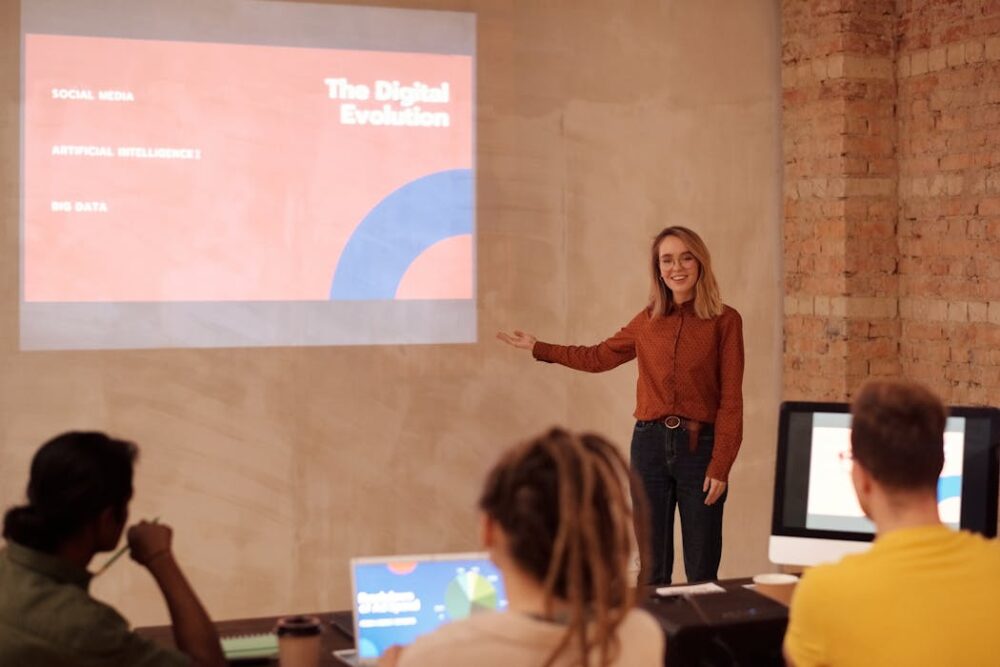
In creative fields, AI serves as a catalyst for experimentation in design and content creation. An algorithm suggests design variations that can spark fresh ideas. These tools extend the boundaries of creativity by adding layers of possibility previously unreachable.
Artists and content creators leverage AI as a collaborative tool, not a creative substitute. This dynamic collaboration allows Gen Z to explore unconventional depths of their work, fostering innovation as they adapt to new creative processes aided by artificial intelligence.
10. Building digital literacy as a foundation for tech-driven career growth.

Building digital literacy is crucial for thriving in tech-aligned careers. As the digital landscape shifts, knowing how to navigate it becomes indispensable. The glow of a tablet guides learning, unlocking doors to future opportunities in the workplace.
For members of Gen Z, digital skills offer a foundation for integrating broader technical abilities. They build a career toolkit that balances basic know-how with advanced competencies, ensuring they remain relevant in evolving job scenarios where technology leads the way.
11. Balancing human judgment with automated processes in decision-making roles.

In decision-making roles, human judgment is balanced with automated processes to enhance outcomes. A human touch remains indispensable in nuanced situations that require empathy or intuition, technologies complementing rather than replacing it.
Automation supports facts-based decision-making, but humans bring values and context that machines can’t replicate. As Gen Z embraces these roles, they cultivate a symbiotic relationship with technology, shaping organizational strategies that honor both data-driven logic and human insight.
12. Exploring emerging roles created specifically by advancements in AI technology.

Advancements in AI technology create entirely new roles, showcasing the dynamic nature of modern careers. Roles like ‘AI ethics officer’ embody this shift, bridging ethical considerations with technological potential. Positions evolve to address the intricacies that this complex technology introduces.
For Generation Z, the emergence of these roles signifies a landscape full of opportunities yet to be defined, enticing professionals to pioneer fields unknown to previous generations. This exciting frontier stirs adventurous spirits to contribute innovative solutions in an era shaped by AI advancements.