
Learn the habits that make life feel lighter, calmer, and far less overwhelming every single day.

Your home used to feel like a sanctuary, but now you can’t find your keys, the kitchen counter has disappeared under a pile of mail, and opening certain closets feels like playing Jenga with your belongings. Sound familiar?
The thing about clutter and overwhelm is that they sneak up gradually—one Amazon package here, one “I’ll deal with this later” pile there—until suddenly you’re living in chaos that affects your mood, productivity, and peace of mind.
But here’s the good news: you don’t need a complete life overhaul or expensive organizing systems to turn things around. Small, consistent habits practiced daily can prevent clutter from taking over and create the calm, organized space you’ve been craving.
1. Touch items only once instead of shuffling them around endlessly

The “one-touch rule” means that when you pick up an item, you immediately decide its fate—file it, toss it, or put it where it belongs. This prevents the endless cycle of moving things from pile to pile without actually dealing with them. Mail gets opened and sorted immediately, dishes go straight into the dishwasher, and clothes get hung up or put in the hamper.
Most clutter accumulates because we touch things multiple times without making decisions. We pick up bills, set them down “to deal with later,” move them to another pile, then shuffle them again. Breaking this cycle eliminates the mental energy drain of seeing the same undecided items repeatedly and prevents small tasks from becoming overwhelming mountains.
2. Set a timer for 15-minute daily decluttering sessions that actually work

Fifteen minutes feels manageable even on the busiest days, but it’s long enough to make visible progress in one area. Set a timer and tackle just one space—a drawer, a shelf, or a corner of your desk. The time limit prevents perfectionism and decision fatigue while creating momentum that often extends beyond the timer.
These short bursts are more effective than weekend-long decluttering marathons that leave you exhausted and likely to quit. Daily 15-minute sessions become automatic habits that prevent clutter from building up in the first place. You’ll be amazed how much you can accomplish when you’re racing against the clock.
3. Assign everything a specific home so you never wonder where things go

Every item in your house should have a designated spot that makes logical sense. Keys go in a bowl by the door, not scattered across random surfaces. Important documents live in labeled folders, not mixed with junk mail on the counter. When everything has a home, putting things away becomes automatic rather than a decision you have to make.
The key is making homes logical and convenient. If you always drop your jacket on a chair, put a hook nearby instead of expecting yourself to walk to a distant closet. Work with your natural habits rather than fighting them, and you’ll find that maintaining organization becomes effortless.
4. Follow the “one in, one out” rule to prevent accumulation creep

Every time you bring something new into your home, remove something similar. Buy a new shirt? Donate one from your closet. Add a book to your collection? Pass along one you’ve already read. This simple rule maintains equilibrium and forces you to be intentional about what you allow into your space.
The habit prevents the gradual accumulation that turns organized spaces into cluttered ones over time. It also makes you more conscious of purchases since you know you’ll have to give something up. You’ll find yourself asking “Do I really need this?” more often, which naturally reduces impulse buying and unnecessary accumulation.
5. Complete your daily “closing shift” like restaurants do before locking up

Spend 10-15 minutes each evening resetting your space for the next day, just like restaurant staff clean and prep before closing. Load the dishwasher, clear countertops, put items back in their homes, and set out what you’ll need tomorrow. This prevents morning chaos and ensures you start each day with a clean slate.
Your morning self will thank you when coffee can be made without moving piles of stuff, when keys are where they belong, and when the kitchen is ready for breakfast prep. The closing shift routine also provides psychological closure to your day, signaling that today’s tasks are complete and tomorrow is ready to begin.
6. Use the “2-minute rule” to prevent small tasks from becoming big problems

If something takes less than two minutes to complete, do it immediately instead of adding it to your mental to-do list. File that document, respond to that text, put away those shoes, or wipe down that counter. These micro-tasks seem insignificant individually but create massive overwhelm when they accumulate.
The beauty of the 2-minute rule is that it catches problems while they’re still manageable. A single dish is easy to wash; a sink full of dishes feels overwhelming. One piece of mail is simple to file; a stack of unopened mail creates anxiety. Handling small things immediately prevents them from joining the chaos.
7. Create “launch pads” near exits so you never forget important items
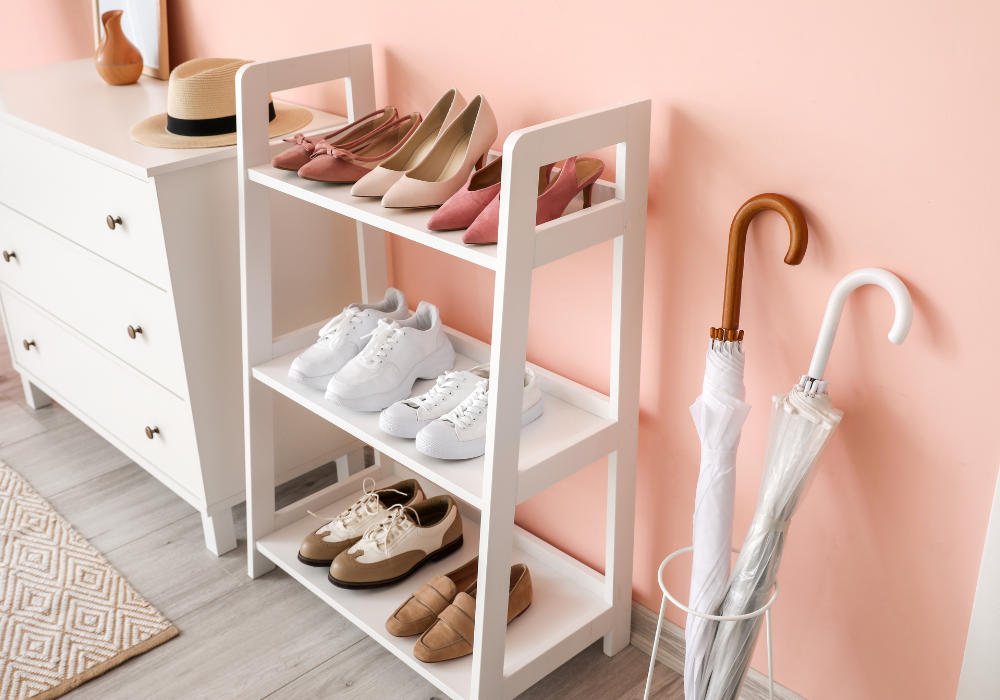
Designate specific spots near doorways for items you need to grab on your way out—keys, sunglasses, reusable bags, gym clothes, or work materials. These launch pads prevent the frantic searching that happens when you’re running late and can’t find essential items scattered throughout the house.
Keep launch pads simple and uncluttered—just the essentials you actually use regularly. A small tray, basket, or set of hooks works better than elaborate organizing systems. The goal is creating automatic habits around gathering what you need, not building another area that requires constant maintenance.
8. Schedule regular “inbox clearing” sessions for both physical and digital clutter

Set specific times to process accumulated items—mail, emails, receipts, or papers—rather than letting them pile up indefinitely. Treat your kitchen counter, desk, and email inbox like actual inboxes that need regular clearing. Schedule these sessions weekly or bi-weekly depending on your volume.
During clearing sessions, use the same decision framework for everything: keep and file, act on immediately, or discard. Don’t let items return to the inbox pile after you’ve touched them. This systematic approach prevents the overwhelming buildup that makes simple tasks feel impossible to tackle.
9. Practice “mindful acquisition” by pausing before bringing new items home

Before purchasing or accepting free items, pause and ask yourself three questions: Do I have space for this? Do I have something similar already? Will I actually use this regularly? This brief reflection prevents impulse additions that contribute to clutter without adding value to your life.
Apply the same mindfulness to free items—promotional products, hand-me-downs, or bulk purchases that seem like good deals. Just because something is free or cheap doesn’t mean it belongs in your home. Every item you bring in requires space, attention, and eventual decision-making about its fate.
10. Implement “batch processing” for similar tasks to reduce decision fatigue

Group similar activities together rather than handling them randomly throughout the week. Process all bills at once, do all laundry in one session, or tackle all phone calls during a designated time block. Batching reduces the mental switching costs between different types of tasks.
This approach is particularly effective for organizing tasks—sort through one category of items completely rather than jumping between different areas. Handle all books, all papers, or all kitchen gadgets in one session. Your brain stays in the same mode, making decisions faster and more consistently.
11. Develop “reset rituals” that restore order quickly when life gets chaotic

Create simple routines you can use to rapidly restore order when clutter starts accumulating despite your best efforts. A 30-minute kitchen reset, a 15-minute bedroom refresh, or a quick living room pickup can prevent temporary chaos from becoming permanent overwhelm.
Reset rituals work because they’re focused on restoration rather than perfection. The goal is returning spaces to functional baselines, not achieving magazine-worthy organization. Having these emergency protocols ready means you can bounce back quickly from busy periods, travel, or illness without losing control entirely.
12. Build “buffer zones” around your schedule to prevent rushing and scattered thinking

Leave cushions of time between activities rather than packing your schedule tightly. Rushing leads to dropped items, forgotten tasks, and scattered thinking that creates both physical and mental clutter. Buffer zones allow you to transition thoughtfully between activities and maintain your organizing systems.
When you’re not constantly running late, you have time to put things away properly, make thoughtful decisions about purchases, and notice when areas need attention before they become overwhelming. Buffer zones aren’t wasted time—they’re investments in maintaining the calm, organized life you’re building through these other habits.