
Explore fascinating features and scientific insights of Antarctica’s unique subglacial environment.

Beneath Antarctica’s ice sheets lies a hidden world filled with subglacial lakes, rivers, and microbial life adapted to extreme conditions. This alien-like environment offers valuable clues about Earth’s climate, geology, and the potential for life in isolated ecosystems. Advanced technologies enable scientists to uncover its secrets, enhancing our understanding of ice dynamics and shaping predictions about global climate change.
1. Antarctica’s subglacial lakes host unique ecosystems unlike anywhere else on Earth.

Beneath Antarctica’s thick ice sheets lie subglacial lakes teeming with life forms not found elsewhere. These lakes host unique ecosystems that have evolved in complete isolation. The conditions allow for the study of life forms adapted to dark, high-pressure, cold environments.
Research into these ecosystems reveals the incredible adaptability of life in extreme conditions. Understanding these ecosystems provides insights into biodiversity and resilience in isolation. Such findings can inform theories about extraterrestrial life, suggesting organisms could thrive under harsh conditions on distant planets or moons.
2. Extreme cold and pressure create ice layers that can be miles thick underground.
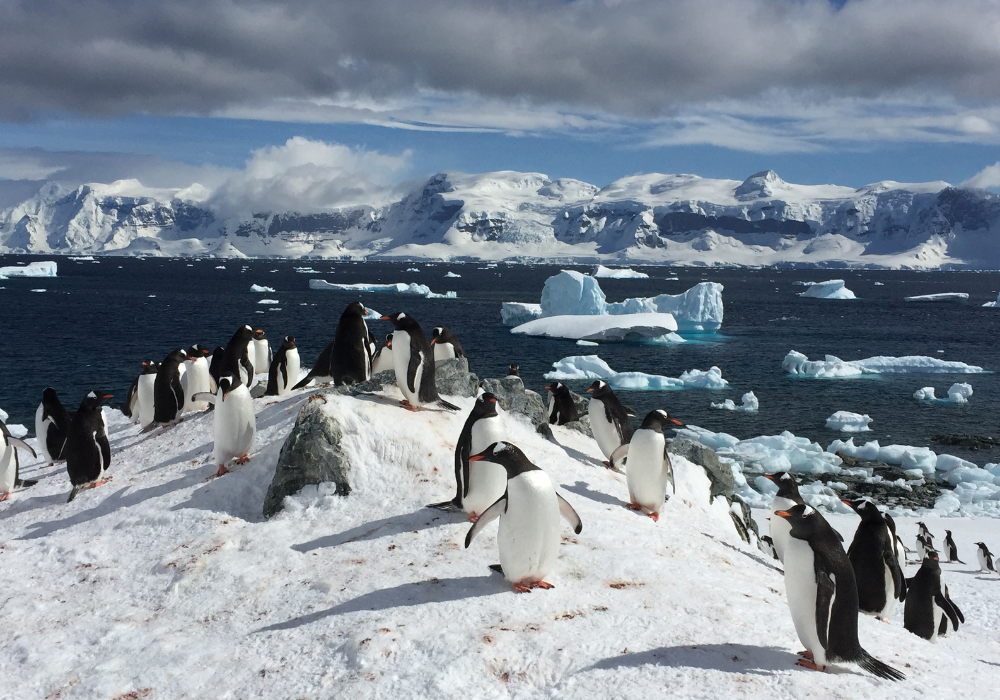
Antarctica’s subglacial ice sheets are formed under extreme conditions. The immense pressure and frigid temperatures at such depths compress water into solid ice layers that can span miles. These layers often conceal entire liquid water systems underneath the surface.
The thick ice layers, however, do not remain static over time. They shift, driven by the underlying geothermal dynamics and the insulating effect of the ice sheet itself. This interplay influences the flow and interaction of subglacial environments, contributing significantly to our understanding of Earth’s geophysical processes.
3. Subglacial water moves slowly beneath the ice sheet, shaping the landscape silently.
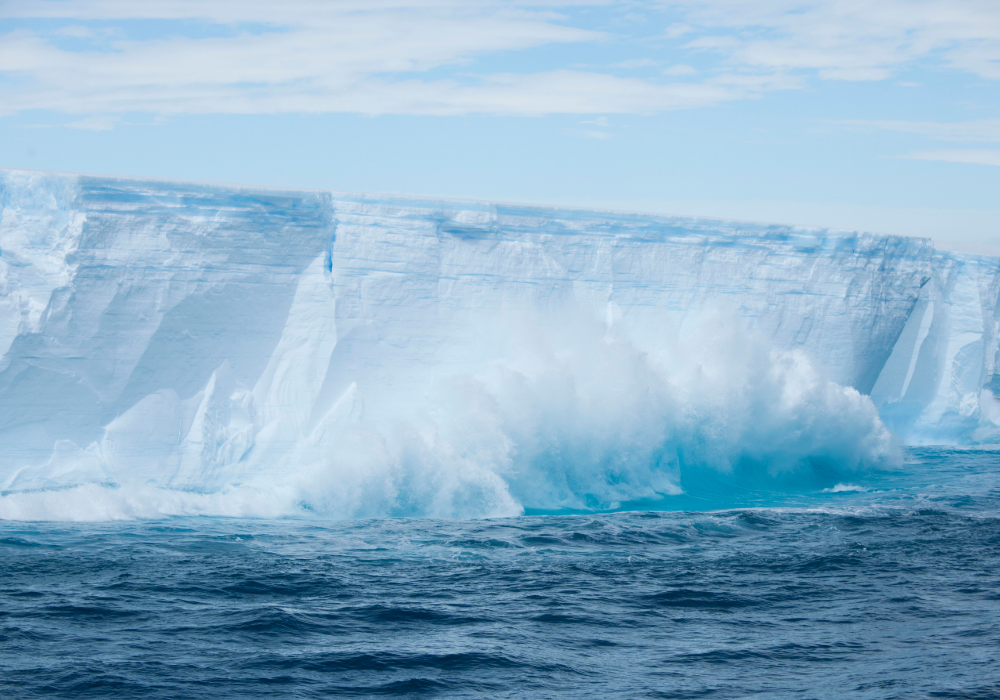
Beneath Antarctica’s ice, subglacial water flows at a slow yet powerful pace. Invisible to the naked eye, these slow-moving waters actively sculpt the landscape below the ice sheet, carving channels and lakes over centuries.
Despite their slow movement, these hidden waterways gradually change the topography and stability of the ice above. Scientists aim to understand these movements to better predict changes in ice dynamics, which can have profound implications for sea level rise and climate models worldwide.
4. Microbial life thrives in total darkness and isolated environments under the ice.
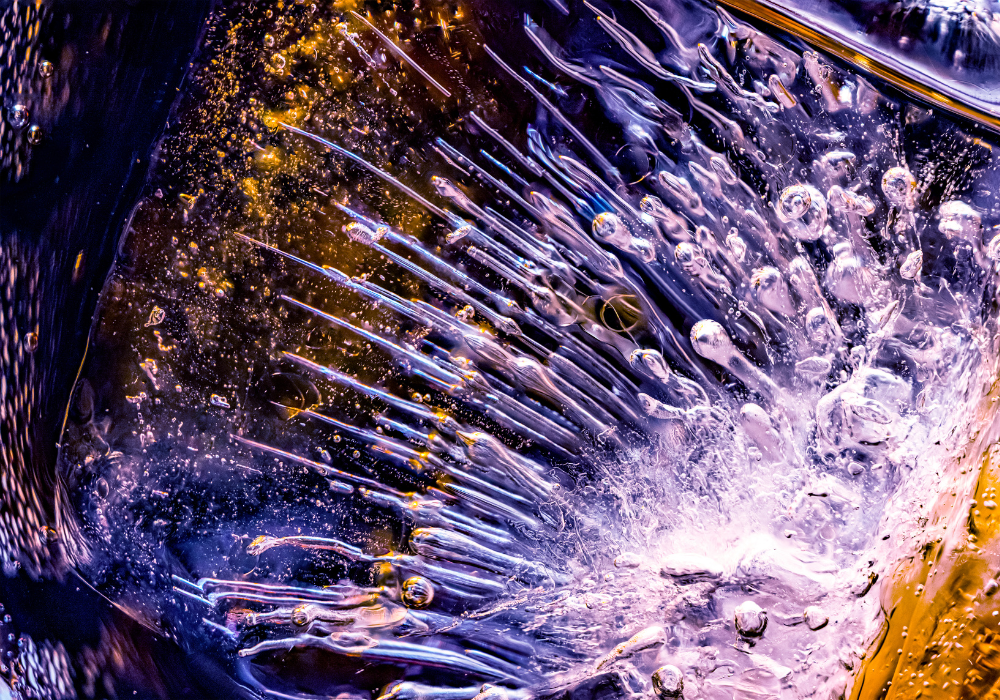
Microbial life exists in surprising places, including beneath Antarctica’s ice where no sunlight penetrates. These extraordinary organisms thrive in perpetual darkness, high pressure, and freezing temperatures, utilizing chemical energy sources instead of sunlight for metabolic processes.
The existence of such resilient microbes challenges traditional notions of habitability. Their study contributes to the broader understanding of life’s potential across the universe and demonstrates the survival of life in conditions once thought inhospitable, providing insight into possible life forms elsewhere.
5. The hidden lakes remain liquid due to geothermal heat from Earth’s interior.
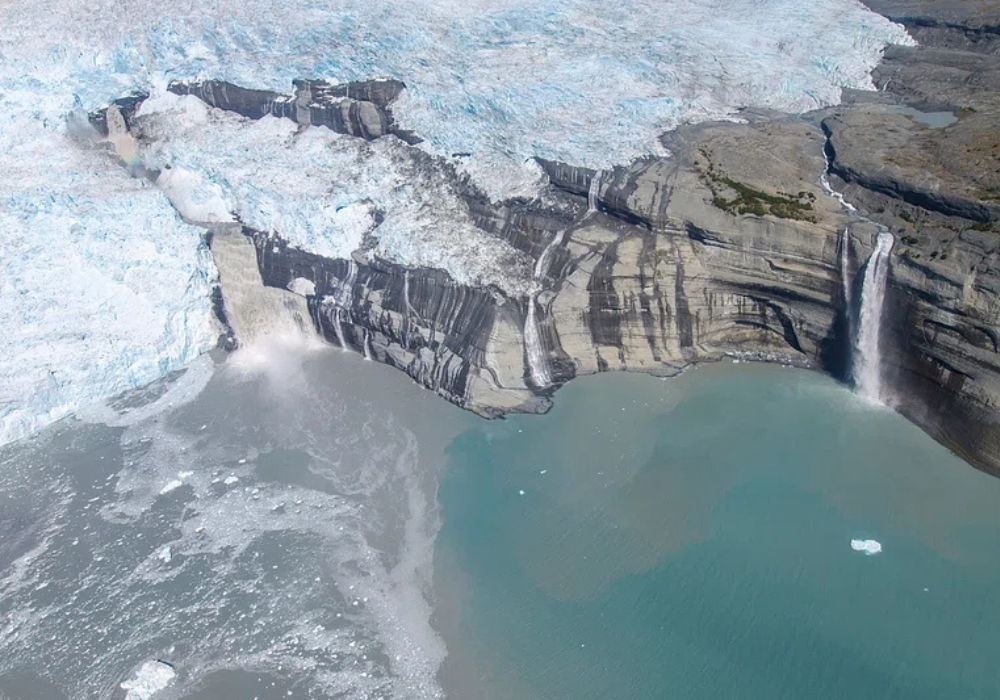
Antarctica’s hidden lakes remain liquid under thick ice thanks to geothermal heat escaping from the Earth’s core. This heat maintains subglacial water at a temperature above freezing, allowing a unique ecosystem to develop separate from the harsh conditions at the surface.
The geothermal heating also prevents the subglacial water from freezing solid, allowing the ecosystem to endure in liquid form. This constant heat flow is a critical factor in the survival of life below, offering a transformative perspective on how energy from Earth’s interior supports remote environments.
6. Scientists use radar and sonar to map vast subterranean water systems below Antarctica.

To explore Antarctica’s hidden watery worlds, scientists employ advanced radar and sonar technologies. These tools allow researchers to penetrate the thick ice, mapping out submerged lakes and rivers in remarkable detail, providing a clearer understanding of subglacial topography.
Mapping techniques reveal the vast, dynamic nature of these water systems. This research aids in predicting future ice movements and understanding the diverse geological features below. Such insights into the unseen world help refine climate models and inform preparation for potential environmental shifts.
7. Some subglacial lakes have been sealed off for millions of years from the surface.
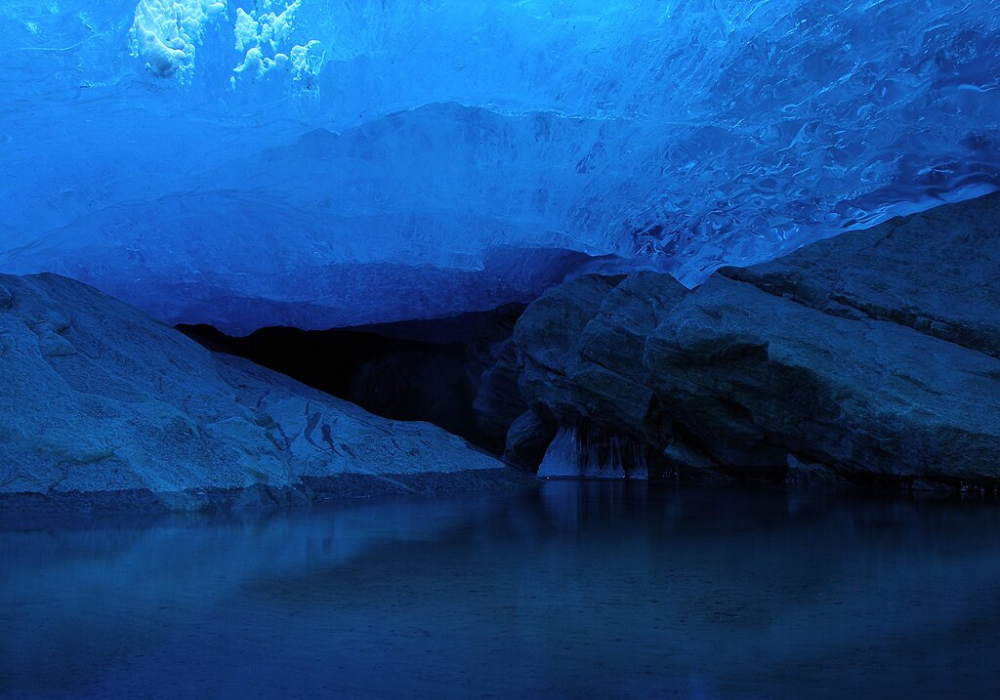
Some subglacial lakes in Antarctica have remained isolated from the surface for millions of years. These ancient lakes have developed distinct ecological and chemical characteristics, offering a glimpse into a prehistoric Earth sealed off from modern influences.
This long-term isolation has allowed ecosystems within these lakes to evolve independently. The study of such environments provides scientists with invaluable data on how life adapts over extended periods and under stable yet extreme conditions. These insights are essential for understanding evolution and resilience in isolated habitats.
8. The alien-like environment offers clues about life’s potential on icy planets elsewhere.
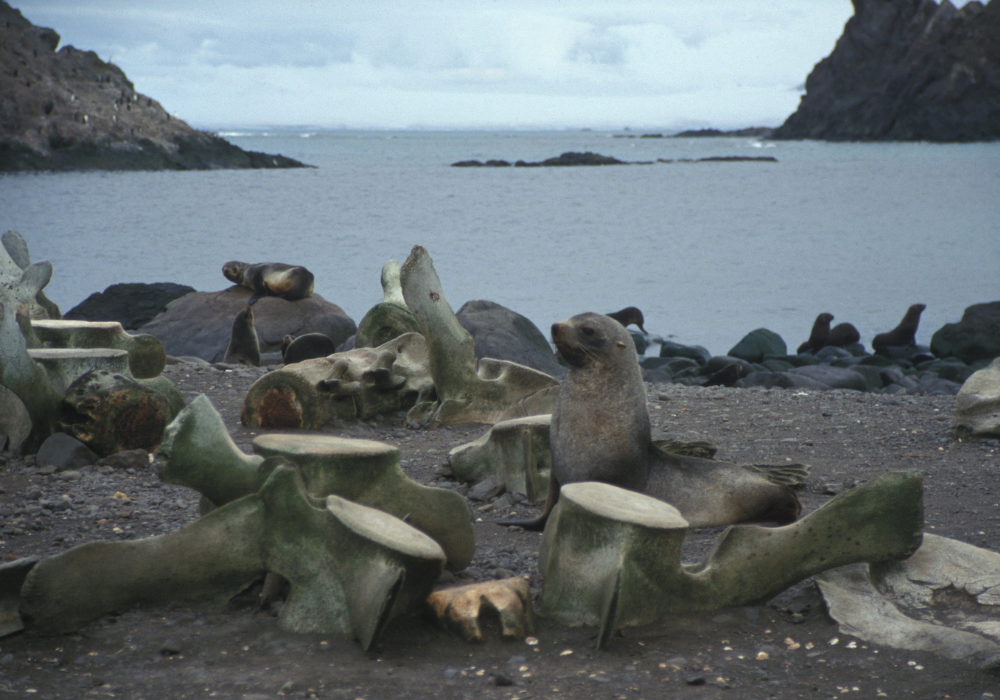
The alien-like qualities of Antarctica’s subglacial world provide a natural laboratory for astrobiologists. These remote environments replicate conditions found on icy planets and moons, like Europa or Enceladus, where extreme cold and isolation mirror subglacial Antarctic lakes.
Research into these unique ecosystems could reveal how life might develop under similar conditions beyond Earth. By understanding survival mechanisms in Antarctica’s extreme environments, scientists draw parallels to potential extraterrestrial habitats, offering clues about where to search for life in our solar system.
9. Salts and minerals trapped in the ice influence the chemistry of underground waters.

Within Antarctica’s subglacial ice, salts and minerals alter the chemical composition of entrapped waters. These elements influence the biological and physical processes occurring within the subglacial lakes, contributing to a unique chemical milieu conducive to specialized life forms.
The presence of salts and minerals impacts the freezing point of the water, facilitating its liquid state under intense pressure. This intricate chemistry plays a vital role in sustaining microbial life and affects how ecosystems develop and adapt to isolated, extreme environments below the ice.
10. Winds and temperature shifts at the surface affect ice movement and subglacial conditions.
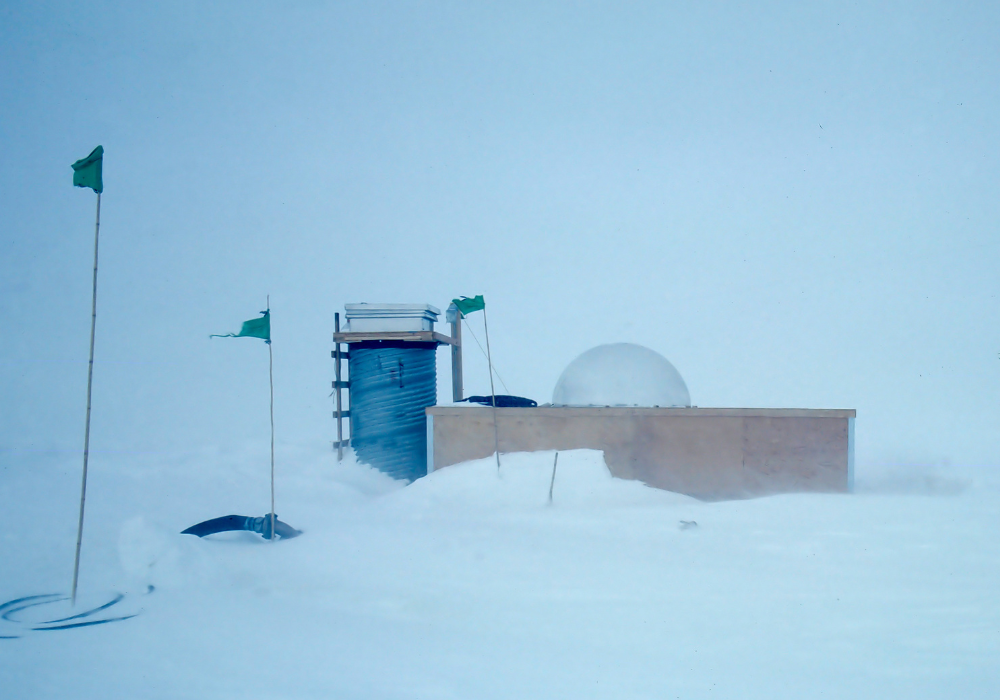
Surface conditions above Antarctica’s ice sheets directly influence the subglacial world below. Atmospheric changes cause shifts in ice movement and pressure, translating to variations within subglacial environments, affecting their stability and isolation.
Variations in temperature and wind patterns at the surface drive ice dynamics. These shifts can impact water flow and environmental conditions beneath the ice, linking surface climate with subglacial processes. Understanding these correlations is key for climate prediction and assessing future impacts on glacial stability and sea level changes.
11. Studying this hidden world helps improve understanding of climate change impacts globally.
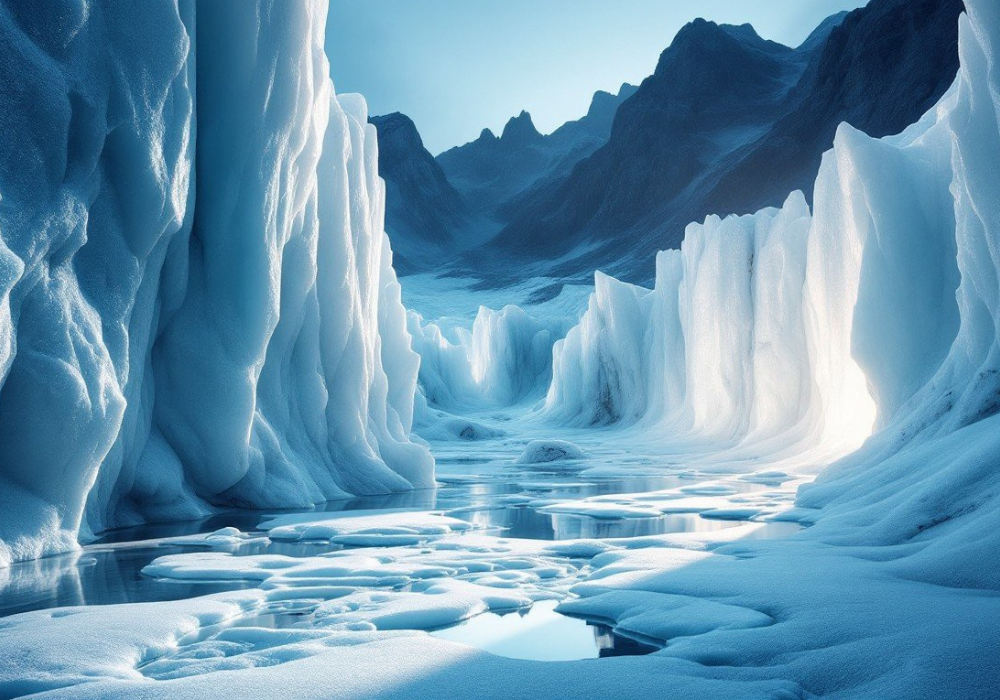
Research into Antarctica’s hidden world informs our broader understanding of global climate impacts. The subglacial environment acts as a sensitive indicator of past climate patterns and potential future changes, offering insights into glacier behavior and ice sheet responses.
Studying subglacial interactions enhances predictions about ice loss and sea level rise. By improving knowledge of these critical environmental processes, scientists develop more accurate models, aiding in global climate assessment and the formulation of strategies to mitigate adverse effects worldwide.
12. Isolated microbes discovered here demonstrate life’s resilience in extreme planetary conditions.

Antarctica’s isolated microbial communities reveal life’s resilience in extreme planetary conditions. These life forms adapt to survive the severe cold, intense pressure, and total darkness beneath miles of ice, challenging assumptions about the prerequisites for life.
Understanding these robust adaptations provides clues about life’s possible existence on other planets or moons with similar harsh environments. The study of these microbes underscores life’s remarkable adaptability, shaping expectations of life beyond Earth and informing future exploration of extraterrestrial habitats.