
Radical innovation offers hope for a planet in peril.

We’re in a strange place in history—both the cause of a planetary crisis and, maybe, the ones who can fix it. It’s easy to get lost in an endless doom-scroll of climate disasters, but there’s another side to the story. While the problems are huge, so are the breakthroughs happening right now. Scientists, startups, and even major industries are coming up with game-changing tech that could completely transform how we interact with the planet.
It’s kind of mind-blowing—humanity has figured out how to mess with the atmosphere, but we still can’t seem to agree on how to stop. And yet, the same creativity that got us into this mess might just get us out. Carbon-capturing concrete, fusion energy, and other radical solutions aren’t just band-aids; they could actually reverse some of the damage. This isn’t blind faith in technology—there’s still a long road ahead—but these innovations give us something we desperately need: real hope for a future that’s worth fighting for.
1. Artificial photosynthesis outperforms natural forests.

Nature’s carbon-capture technology—photosynthesis—took billions of years to perfect. Now, artificial systems are leapfrogging evolution. These engineered marvels convert CO₂ into valuable products like ethanol and complex hydrocarbons using nothing but sunlight and specialized catalysts. The latest systems capture carbon at efficiencies far exceeding natural photosynthesis, with some prototypes demonstrating capture rates equivalent to forests covering 100 times their physical footprint.
Scientists at Berkeley Lab created an artificial leaf system that puts our forest friends to shame, achieving a solar-to-fuels efficiency of 10%—a dramatic improvement over natural photosynthesis, which typically converts sunlight to chemical energy at a modest 1%. The implications reach beyond carbon reduction. Artificial photosynthesis creates a circular carbon economy, transforming emissions from liability to resource. Pilot facilities attached to industrial emitters like cement plants are already producing carbon-negative fuels and chemical feedstocks.
2. Fusion energy moves from fantasy to reality.
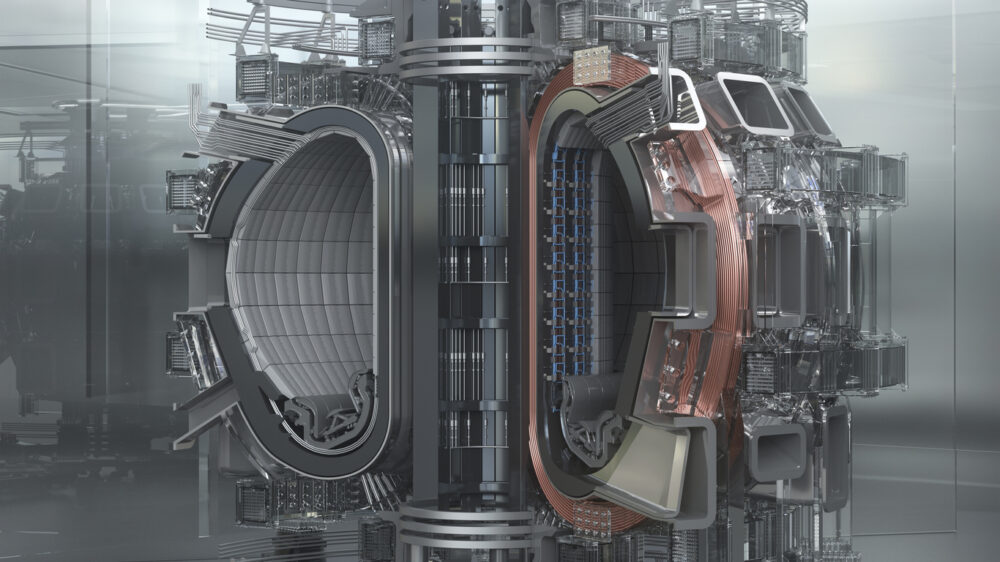
The old joke about fusion power (the process of generating energy by fusing atomic nuclei, like the sun does) being perpetually 30 years away has finally met its match. Recent breakthroughs have shattered timelines to commercial viability, with multiple companies achieving energy break-even points in compact designs. MIT News reports that researchers have created a record-breaking 20-tesla superconducting magnet—essentially shrinking future fusion reactors from “international megaproject” to “neighborhood-possible.”
Today’s promising designs use high-temperature superconductors to contain plasma in relatively compact reactors—no massive facilities required. The payoff? The cleanest energy imaginable: zero emissions, minimal radioactive waste, and fuel derived from ordinary seawater. The first commercial fusion plants could connect to our grid before 2030, turning science fiction into climate solution.
3. Precision fermentation revolutionizes food production.

According to Our World in Data, our food system occupies nearly 40% of Earth’s land surface and drives approximately a quarter of greenhouse gas emissions. Precision fermentation—programming microorganisms to produce specific proteins—is poised to upend this arrangement. This biotech revolution creates nature-identical dairy, egg, and meat proteins without animals, using a fraction of the resources traditional agriculture requires.
Producing dairy proteins via fermentation reduces water usage by 99%, greenhouse gas emissions by 97%, and land use by up to 60,000 times compared to conventional dairy farming. Companies have already commercialized animal-free milk proteins identical to dairy at the molecular level, potentially freeing hundreds of millions of acres for reforestation.
4. Kelp farming platforms absorb carbon efficiently.

The ocean covers 70% of our planet but contributes just 2% of human food. Floating kelp farms are transforming this equation while addressing multiple environmental challenges simultaneously. These engineered platforms grow macroalgae in deep ocean waters, requiring no land, freshwater, or fertilizer while capturing carbon at rates exceeding terrestrial forests.
Modern kelp farming systems use autonomous platforms that cycle between deep nutrient-rich waters and surface sunlight. The resulting biomass serves multiple functions: carbon-negative food production, biodegradable packaging materials, and biofuels. When sunk to the deep ocean floor, cultivated kelp effectively locks carbon away for centuries.
5. Capturing carbon from the air is finally affordable.

Removing carbon directly from the atmosphere once seemed energetically and economically impossible. New approaches have fundamentally changed this equation. Breakthroughs in sorbent materials and process engineering have slashed energy requirements by over 70%, while integration with renewable energy has improved economics. The most advanced systems now capture atmospheric carbon for under $100 per ton.
These systems represent our most direct intervention against climate change, actively reversing emissions rather than merely reducing them. Commercial facilities operating in Iceland, Canada, and the American Southwest are already removing thousands of tons annually, with megaton-scale plants under construction.
6. Self-repairing building materials can absorb carbon from the air.

Our built environment accounts for nearly 40% of global carbon emissions, with concrete production alone responsible for 8% of the total. A new generation of engineered living materials is reimagining construction from first principles. These composites incorporate microorganisms that continuously mineralize carbon while self-healing cracks—effectively creating buildings that improve with age rather than degrade.
The most advanced systems use specialized bacteria that precipitate calcium carbonate in response to environmental triggers. Some formulations achieve compressive strengths exceeding conventional concrete while actively removing atmospheric carbon throughout the material’s lifespan, transforming construction from a major emissions source to a potential carbon sink.
7. Solid-state batteries triple energy density.

Battery technology remains the critical bottleneck in our transition from fossil fuels. Solid-state designs—replacing liquid electrolytes with solid materials—represent the most significant leap forward in energy storage since the lithium-ion revolution. These systems achieve energy densities approaching 1,000 watt-hours per kilogram, nearly triple current commercial batteries, while eliminating fire risks.
The implications extend far beyond longer-range electric vehicles. Higher energy density enables practical electric aviation, fully electrified heavy transport, and more efficient grid storage. Equally important, solid-state designs reduce dependence on constrained materials like cobalt, instead utilizing abundant elements like sulfur and silicon.
8. Programmable materials eliminate waste streams.
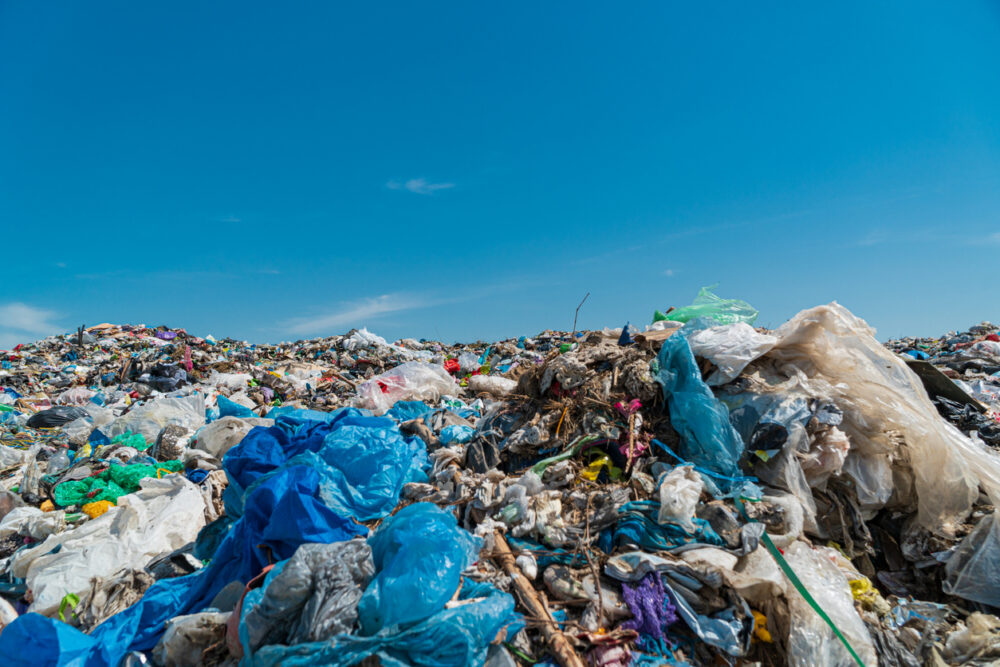
Traditional manufacturing creates products with fixed properties that eventually become waste. Programmable materials—substances that change properties on demand—are enabling a fundamentally different paradigm. These engineered materials respond to specific stimuli like electricity or temperature by changing their shape, strength, or conductivity, enabling products that adapt throughout their lifecycle.
Products made with programmable materials can be disassembled at the molecular level and reassembled into entirely new forms, effectively eliminating the concept of waste. Early applications include self-healing infrastructure, infinitely recyclable packaging, and adaptive building systems that respond to environmental conditions.
9. Enhanced geothermal taps limitless energy beneath us.
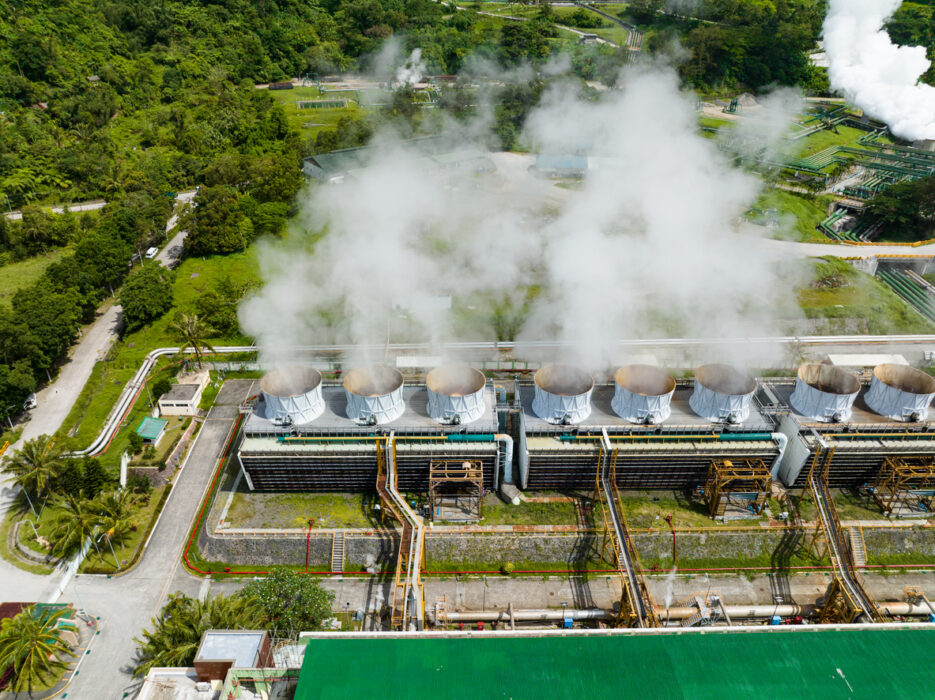
Traditional geothermal power is limited to regions with natural hot springs. Enhanced geothermal systems (EGS) remove these constraints by creating engineered reservoirs in hot rock formations found virtually everywhere. Using techniques adapted from the oil industry, these systems inject water into artificial fracture networks in hot rock, creating steam reservoirs that drive turbines.
The potential scale is staggering—just 2% of the heat stored in the upper 10 kilometers of Earth’s crust contains more energy than all global fossil fuel reserves combined. Unlike other renewables, geothermal provides 24/7 baseload power regardless of weather conditions, with a land footprint roughly 1/10th that of solar for equivalent output.
10. Quantum computing cracks the green hydrogen puzzle.

The holy grail of clean energy—affordable green hydrogen production—has remained elusive due to inefficient catalysts. Quantum computing is changing this equation by enabling the discovery of materials that conventional computing could never identify. These systems simulate molecular behavior with unprecedented accuracy, identifying catalyst materials that dramatically improve hydrogen production efficiency.
The first commercially relevant discovery came in 2023, when a quantum-designed catalyst achieved water splitting at efficiencies approaching theoretical limits while using earth-abundant materials instead of precious metals. These advances have reduced the cost of green hydrogen by over 60% in just two years, making it competitive with fossil fuels for industrial processes.
11. Cellular agriculture grows real meat sustainably.
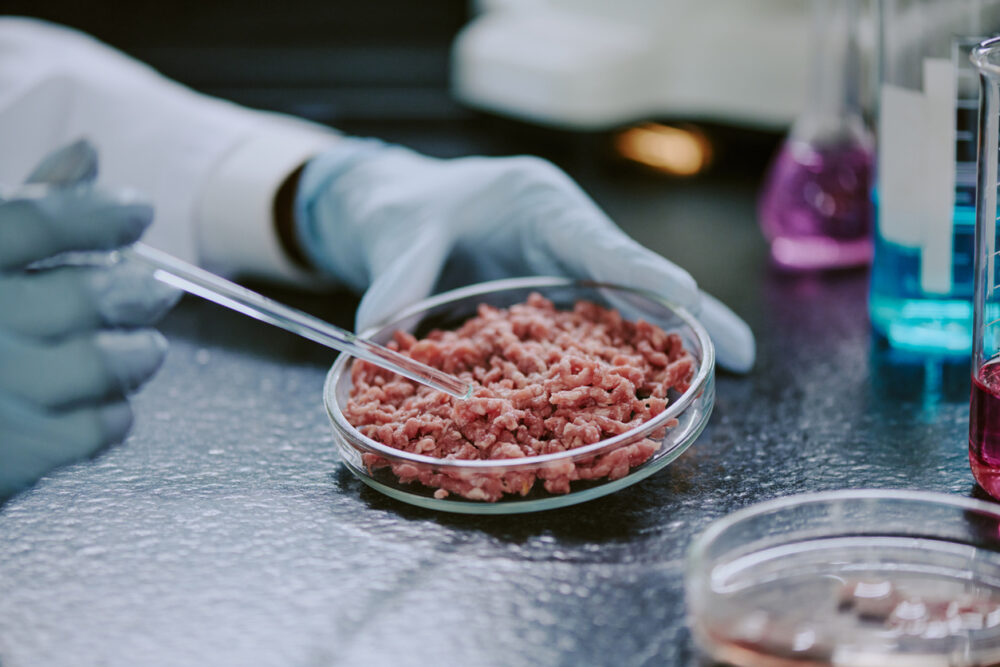
Conventional animal agriculture drives deforestation, consumes massive water resources, and generates approximately 14.5% of global greenhouse gas emissions. Cellular agriculture—growing real animal tissue from cells rather than whole animals—slashes this environmental footprint while producing identical products. Unlike plant-based alternatives, this approach creates actual meat, structurally and nutritionally identical to conventional products.
The technology has advanced rapidly from laboratory curiosity to commercial reality, with production costs approaching parity with premium conventional meat. Cultivated meat requires approximately 95% less land, 78% less water, and produces up to 92% fewer greenhouse gas emissions compared to conventional beef production.
12. Autonomous systems accelerate reforestation.
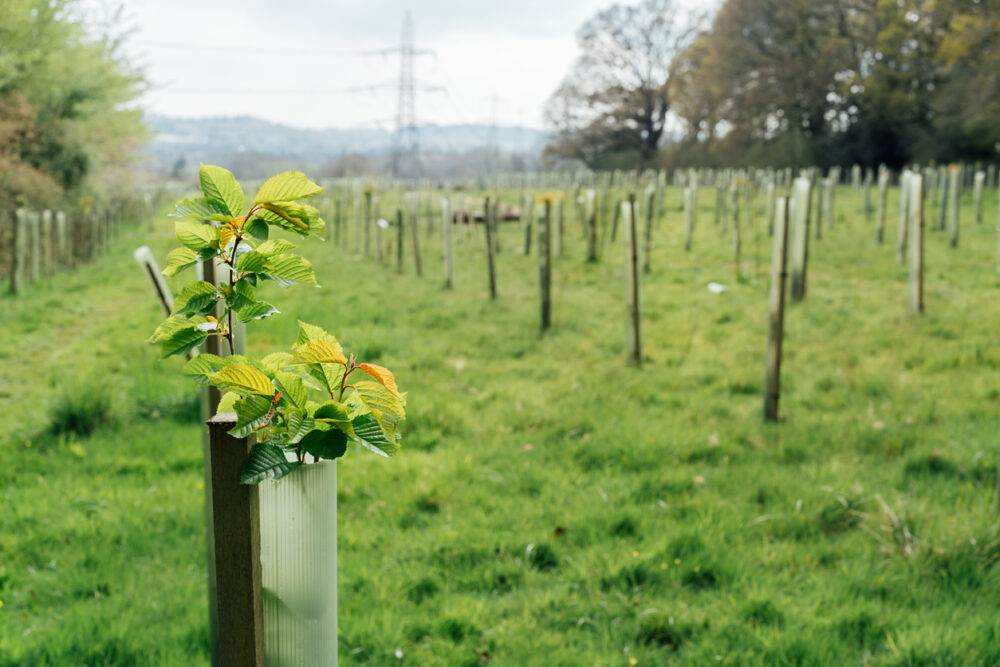
Traditional tree-planting methods are too slow and labor-intensive to achieve the planetary-scale reforestation needed for climate stabilization. Autonomous systems—combining seed-dispersing drones, AI-guided planting strategies, and robotic maintenance—are accelerating ecosystem restoration by orders of magnitude. These systems can plant and monitor tens of thousands of trees daily, adapting species selection through machine learning algorithms.
Projects utilizing these approaches have demonstrated survival rates exceeding 80% while reducing costs by up to 85% compared to manual planting. Equally important, AI optimization ensures diverse, resilient forests rather than problematic monocultures. Several initiatives have already restored hundreds of thousands of hectares.