
Archaeology and ancient records shed new light on the real world Jesus lived in.

Historians and archaeologists continue uncovering new details about the world Jesus lived in, offering a clearer picture of life in first-century Judea. These discoveries come from Roman writings, ancient Jewish sources, archaeological digs, linguistic studies, and cultural research—not only from the Bible. Together, they show that Jesus lived during a turbulent political era, spoke multiple languages, interacted with diverse cultures, and moved through a society shaped by Roman rule. These historically verified insights reveal a more vivid and context-rich understanding of Jesus and the world he inhabited.
1. Jesus Lived Under Direct Roman Occupation
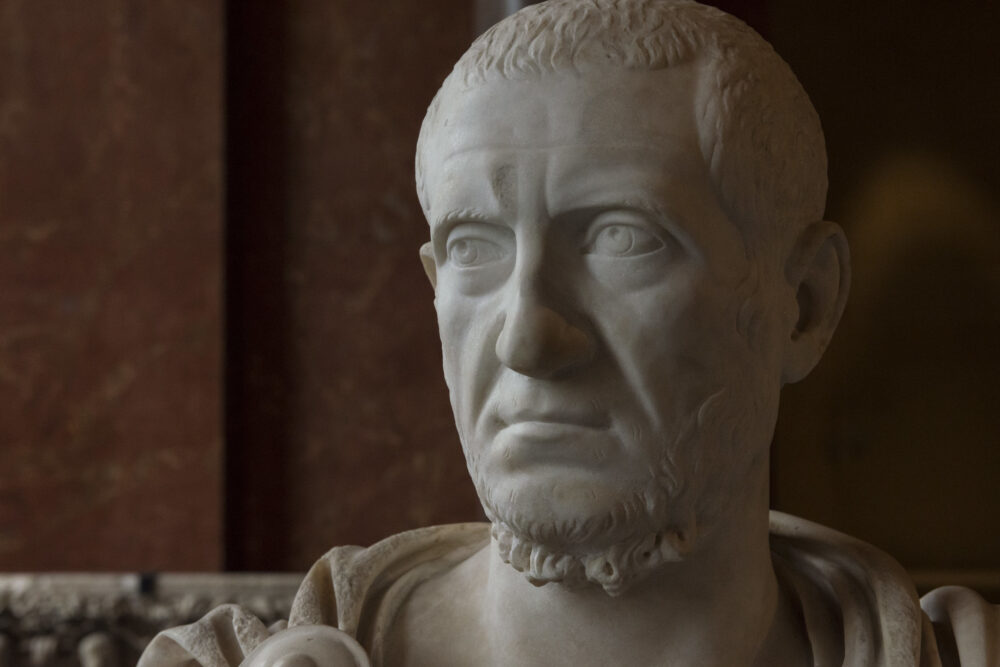
Historical records from Roman historians like Tacitus and Jewish sources such as Josephus confirm that Jesus lived during a period of heavy Roman control. Judea was governed through prefects and local client kings who enforced Roman law and taxation. Daily life involved Roman soldiers, infrastructure projects, and strict political oversight.
This political climate shaped many of the tensions that surrounded Jesus’s ministry. The presence of Rome influenced everything from public order to the economy, creating a backdrop of resistance movements and social unrest.
2. Nazareth Was a Real First-Century Village Confirmed by Archaeology

Archaeologists have excavated first-century homes, storage pits, limestone vessels, and agricultural installations in Nazareth. These findings confirm that it was a small agricultural village, likely housing a few hundred people. The material culture suggests modest living conditions consistent with historical descriptions of Galilean rural life.
This evidence counters earlier theories that Nazareth did not exist in Jesus’s time. Excavations since the 2000s have firmly established its presence during the period when Jesus would have lived there.
3. Jesus Would Have Spoken Multiple Languages

Linguistic and historical studies show Jesus likely spoke Aramaic as his primary language. Because of nearby Greek-speaking cities like Sepphoris, scholars believe he also had exposure to Greek. Hebrew was used in religious contexts, especially in synagogues and scriptural discussions.
This multilingual environment reflects the cultural diversity of Roman-era Galilee. Inscriptions, trade networks, and archaeological findings all indicate that multiple languages were common in everyday life.
4. Jesus Was Probably Trained as a Skilled Craftsman

The Greek word “tekton,” used in ancient sources to describe Joseph (and likely Jesus), refers to a craftsman who worked with wood, stone, or construction. Archaeological evidence shows many Galilean villages required builders for homes, tools, and farming structures. Nazareth was near Sepphoris, a major construction center during Jesus’s youth.
This makes it likely Jesus had professional training in building or masonry. Scholars view this as an historically grounded aspect of his early life.
5. Jewish Ritual Practices Strongly Shaped Daily Life
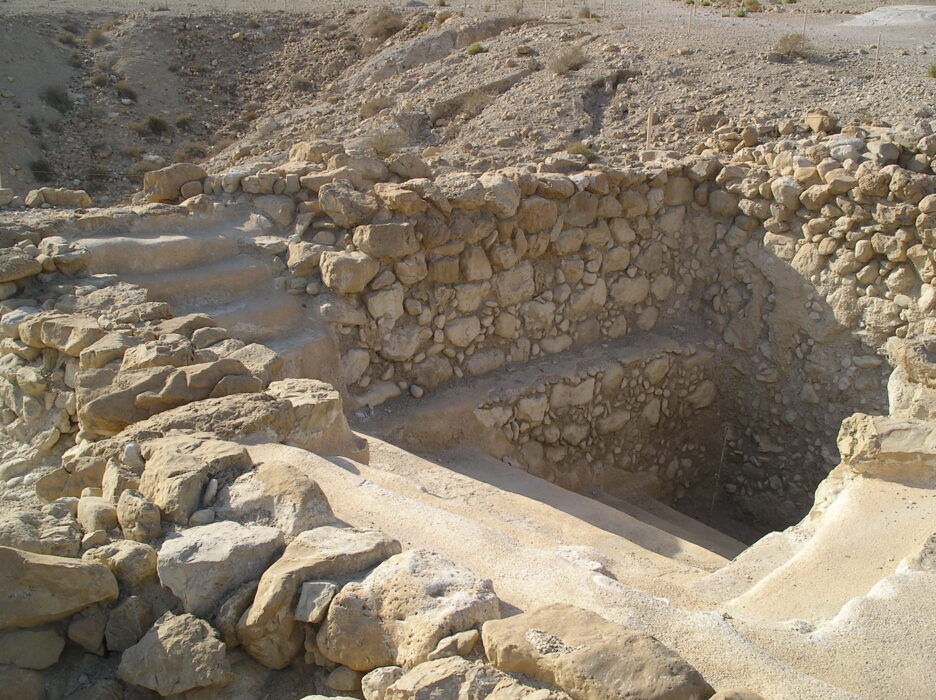
Artifacts such as stone purification vessels, mikvahs (ritual baths), and dietary evidence show that first-century Jewish communities followed strict purity laws. These cultural practices are well-documented in archaeological digs across Galilee and Judea, independent of biblical texts.
This context helps explain many historical events and debates involving Jesus, who lived within a society where purity rules structured social interactions, meals, and public gatherings.
6. The Synagogue System Was Already Established
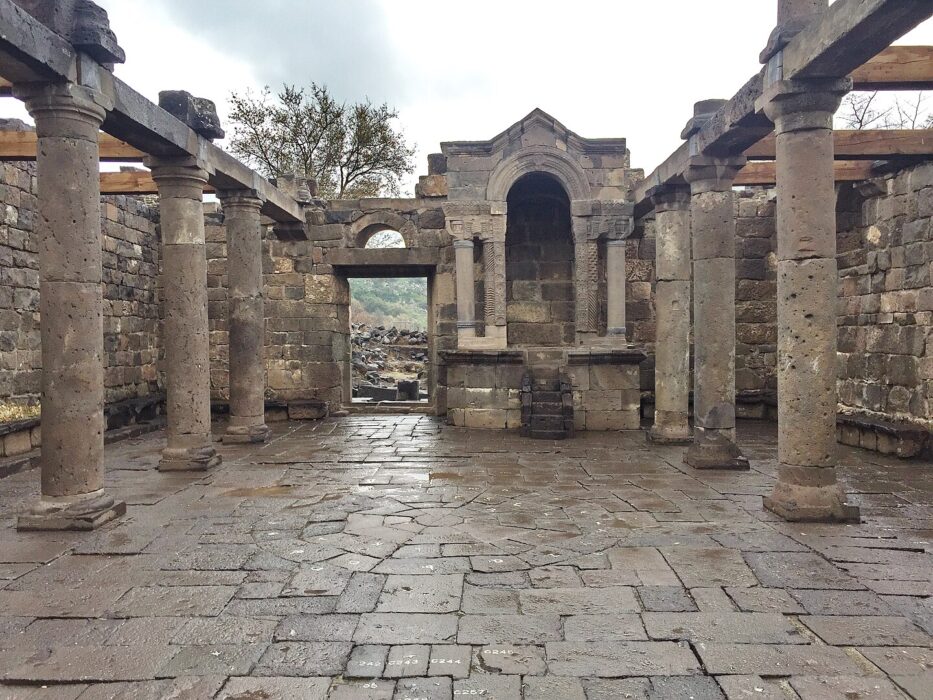
Archaeologists have uncovered first-century synagogues across Galilee, including at Magdala and Gamla. These structures served as communal gathering places for teaching, prayer, and civic meetings. They were central to Jewish village life long before later temple destruction.
This evidence supports the historical reality that Jesus would have taught in places that functioned as local community centers. The synagogue network was a major part of Jewish identity during his lifetime.
7. Crucifixion Was a Common Roman Execution Method

Roman records describe crucifixion as a punishment used widely for rebels, slaves, and noncitizens. The archaeological discovery of the crucified man Yehohanan from first-century Judea confirms the Roman technique and its brutality. Contemporary historians like Josephus also document mass crucifixions during political unrest.
This makes Jesus’s execution historically plausible within known Roman practices. Crucifixion was a public display used to deter dissent against imperial authority.
8. Pilate Is Verified by Roman Inscriptions
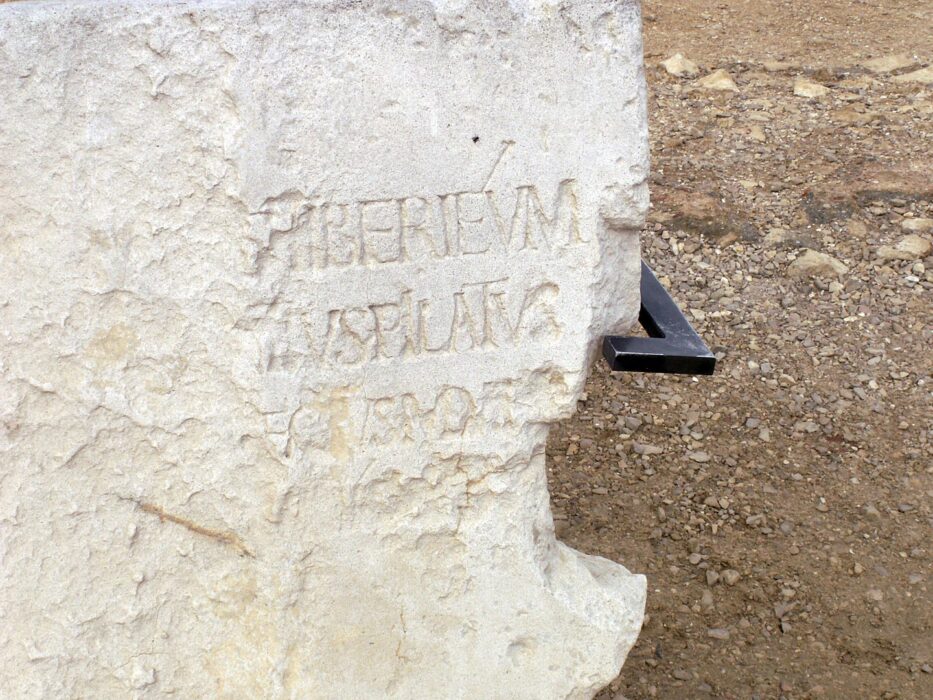
The existence of Pontius Pilate is confirmed not only by ancient historians but also by physical evidence. The “Pilate Stone,” discovered in Caesarea Maritima, bears an inscription naming him as prefect of Judea. This directly aligns with historical accounts from Josephus and Roman imperial records.
These findings establish Pilate as a documented historical figure who governed Judea during Jesus’s adulthood and played a central role in local administration.
9. Galilee Was More Urban and Diverse Than Once Thought

Archaeological excavations at cities like Sepphoris and Tiberias reveal paved streets, theaters, markets, and Greco-Roman influences. These discoveries show that Jesus lived in a region connected to international trade routes and cultural exchange.
This challenges older assumptions that Galilee was isolated or strictly rural. Instead, it was a dynamic environment blending Jewish, Greek, and Roman cultures—something that likely influenced Jesus’s interactions and teachings.
10. John the Baptist Is Historically Supported Outside the Bible
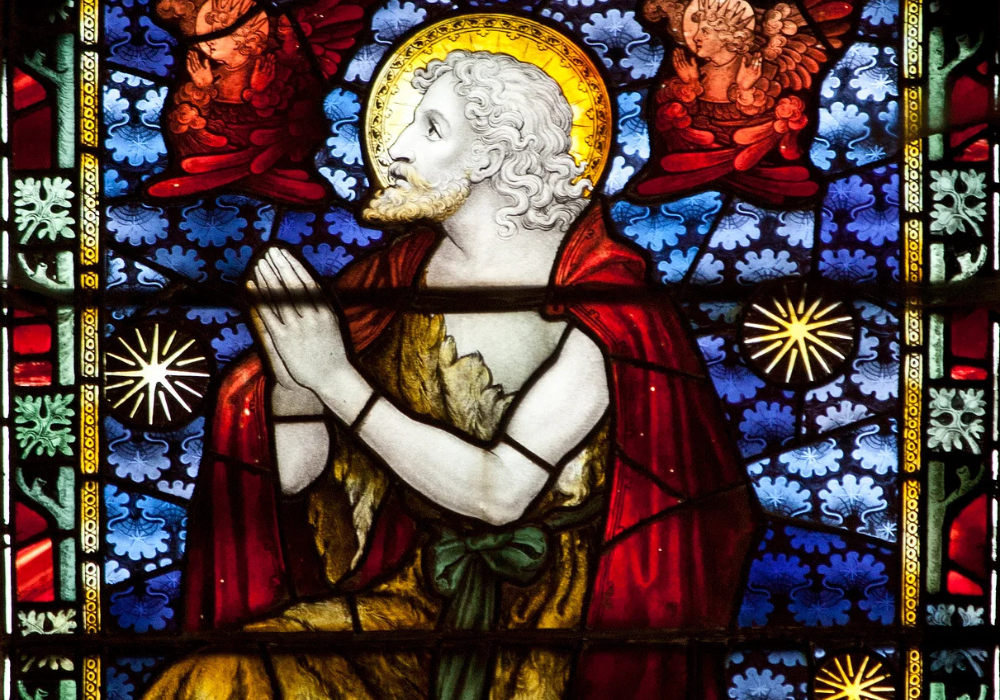
The Jewish historian Josephus provides an independent account of John the Baptist, describing his influence, teachings on righteousness, and execution by Herod Antipas. Josephus’s text is one of the strongest non-biblical confirmations of figures connected to Jesus.
John’s presence in multiple historical sources helps validate the broader context of religious movements, prophetic teachers, and spiritual revival in first-century Judea.
11. Burial Practices of the Time Align With Archaeological Evidence
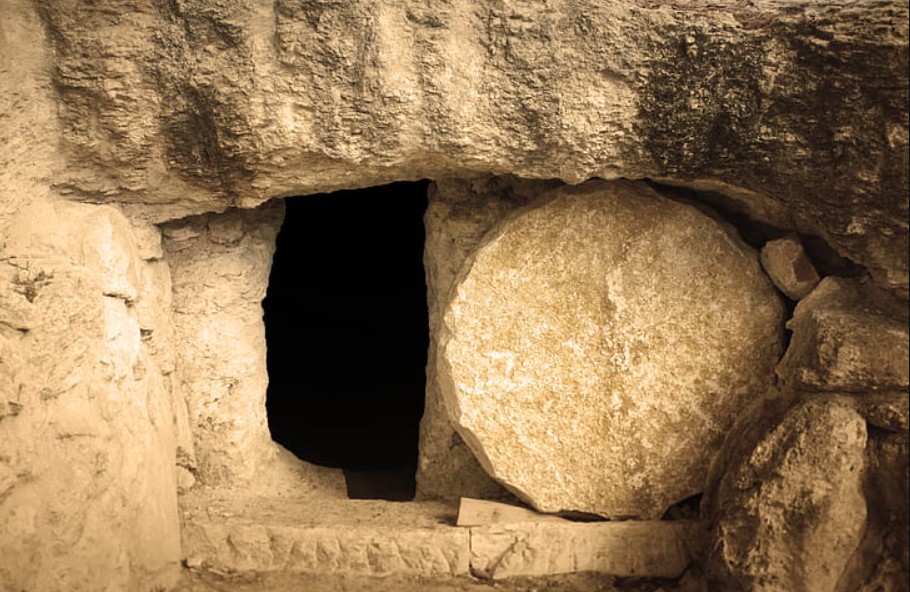
Burials from first-century Judea involved rock-cut tombs, ossuaries, and temporary resting places before bones were collected. Archaeologists have uncovered many such tomb complexes throughout Jerusalem, including rolling-stone entrances and family burial chambers.
These findings provide cultural and historical context that aligns with known burial customs of Jewish communities during Jesus’s lifetime, offering insight into how people of his era honored the dead.
12. Early Christian Communities Are Verified by Roman Writers
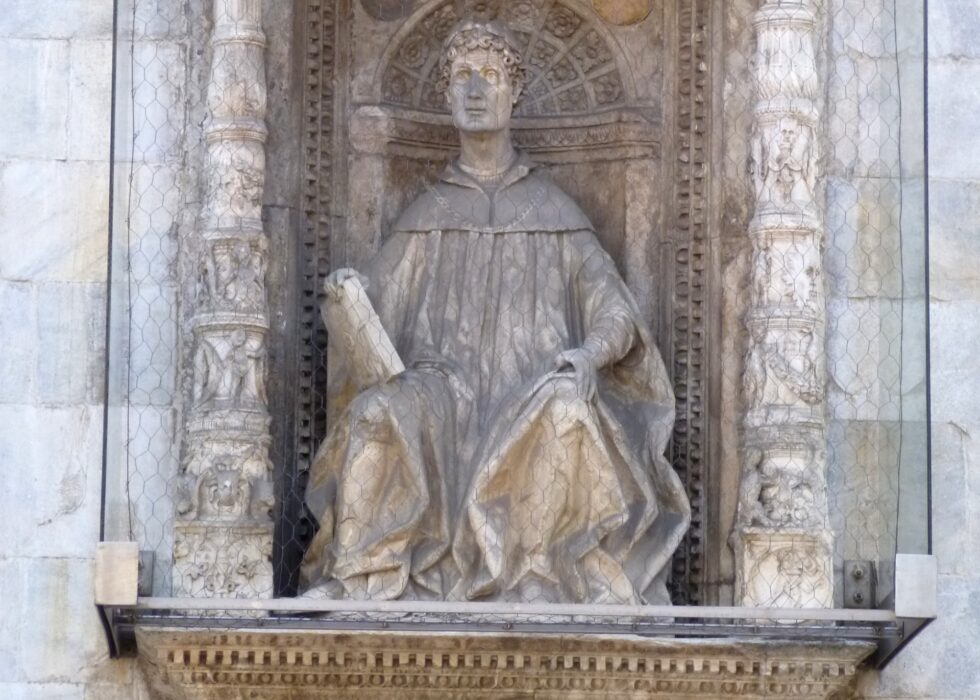
Within decades of Jesus’s lifetime, Roman historians such as Tacitus and Pliny the Younger wrote about early Christian groups spreading through the empire. These documents confirm that followers of Jesus existed as an identifiable movement by the early second century.
This shows that Jesus’s historical influence extended quickly beyond Judea and became a recognizable social group in Roman records, offering independent verification of early Christian development.