
From shapeshifting to invisibility, nature hides abilities beyond imagination.
Comic books may imagine heroes with incredible powers, but nature has been crafting them for millions of years. From creatures that can regrow lost body parts to those that change colors or even survive without oxygen, the animal kingdom is full of abilities that defy belief. These traits aren’t just strange—they’re survival tools honed by evolution. While many remain little-known to the average person, they show that nature’s creativity often surpasses human imagination, reminding us that real-life “superpowers” exist all around us.
1. Electric eels generate strong electric shocks to stun their prey.
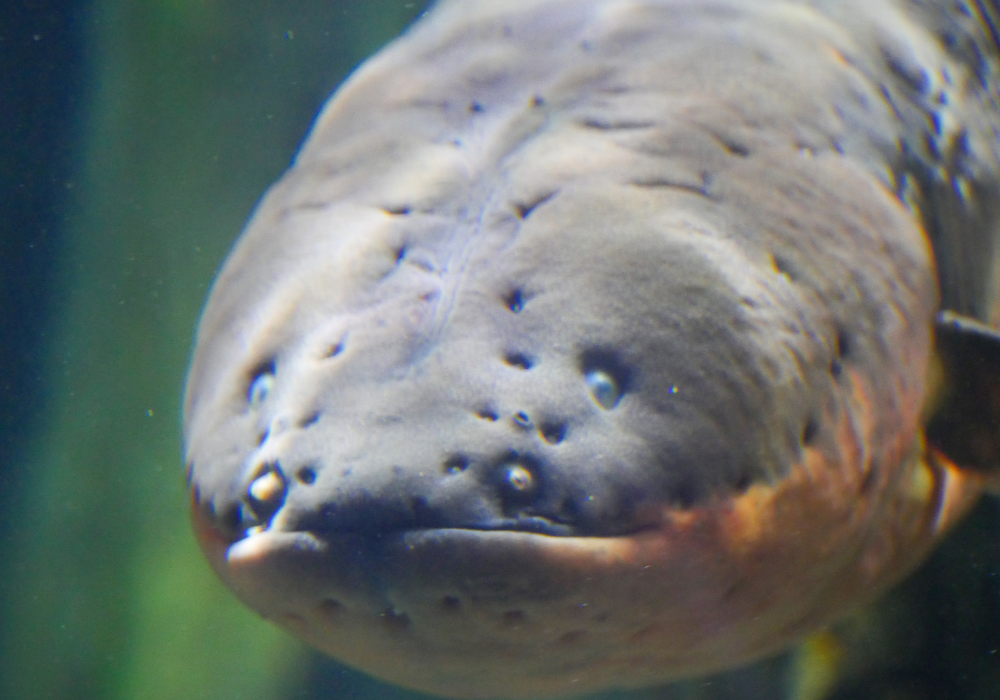
Electric eels can generate strong electric shocks by using specialized cells called electrocytes in their bodies. These cells create an electric field that can stun or even kill fish, allowing the eel to capture prey with ease. The process is immediate and powerful.
Within the murky waters of South America, this electric burst provides a decisive hunting advantage. Remarkably, the eel controls the intensity of its discharge, adapting it for navigation or self-defense. Such electricity is a marvel of evolution, reflecting a unique adaptation to its aquatic habitat.
2. Leaf insects perfectly mimic foliage to avoid detection by predators.
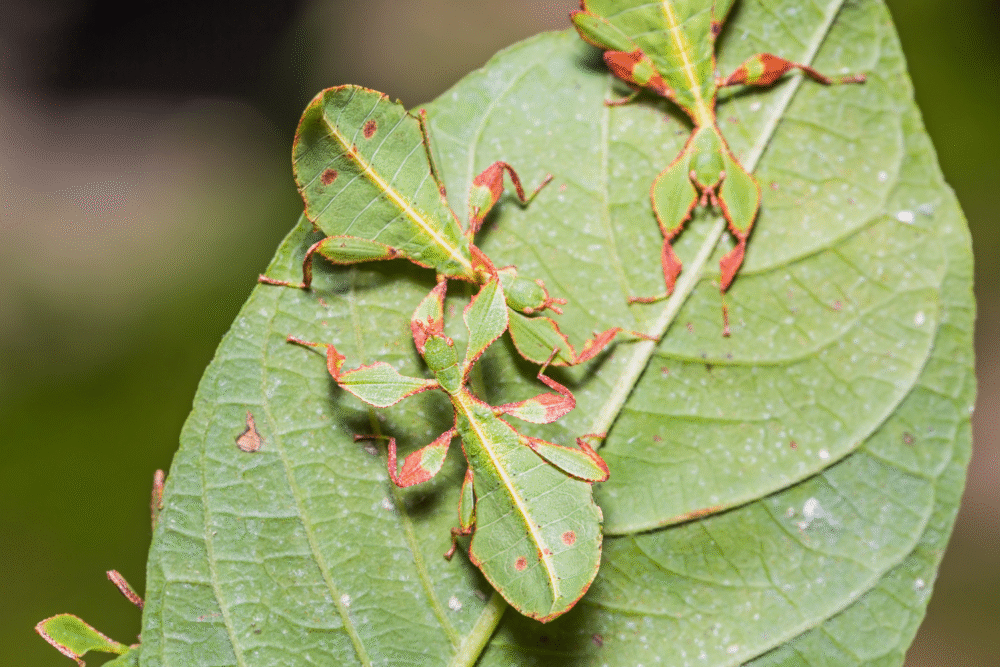
Leaf insects are masters of disguise, with bodies that mimic leaves in size, shape, and color. These matches are so precise that predators struggle to distinguish them from actual foliage. Camouflage gives them a fighting chance against being spotted.
In the dense forests of Southeast Asia, this deception ensures their survival amidst a variety of predators. Each detail, from leaf veins to tiny imperfections, adds authenticity, making it a compelling example of nature’s intricate design. They hide in plain sight.
3. Archerfish shoot water jets to knock insects off branches.
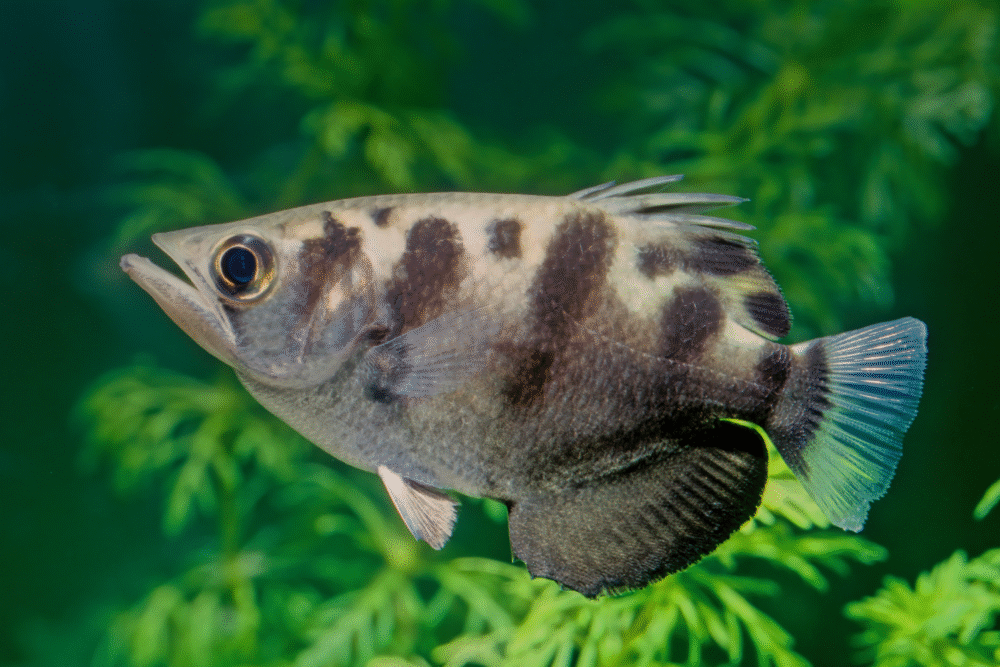
Archerfish employ a unique hunting technique by shooting powerful jets of water at insects. Perched above, these insects are unsuspecting targets, knocked into the water by a single, accurate shot. The fish uses precise aim and calculations.
Such dexterity allows the archerfish to feed effectively in river ecosystems. Its eyes, above and below water, aid in calculating refraction and distance, ensuring accuracy. This creative method reflects the adaptability and ingenuity present in the animal kingdom, tailored to their needs.
4. Mantis shrimp deliver explosive punches with incredible speed and force.
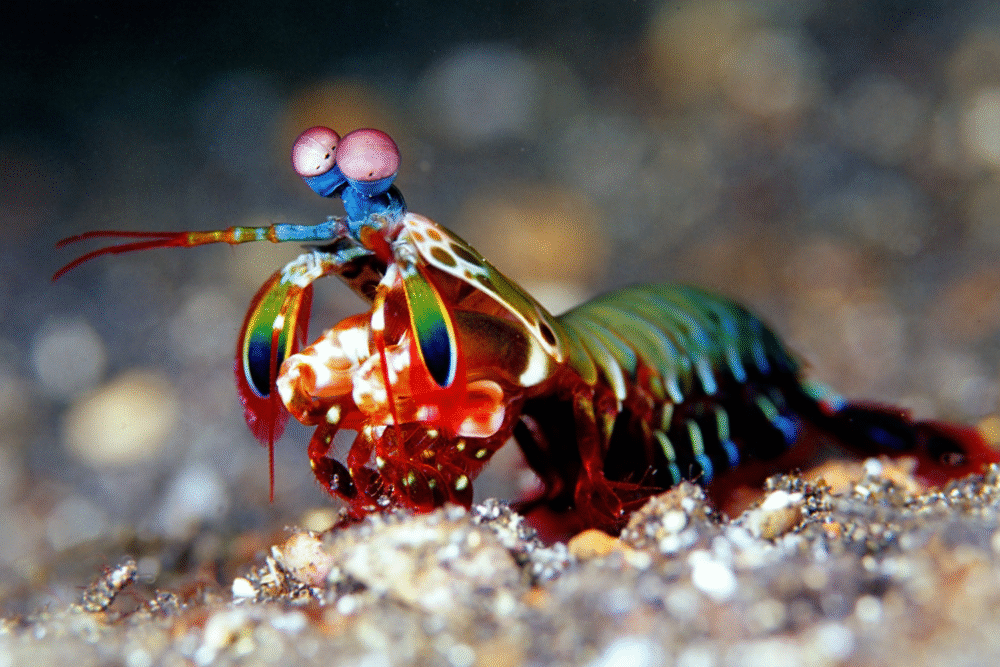
Mantis shrimp boast a formidable punch, powered by a spring-like system within their claws. This mechanism enables them to strike with speeds comparable to a bullet’s pace and forces that break shells. It’s the sheer power embedded within a compact frame.
These vibrant crustaceans wield their punch for hunting and defense, shattering prey and rivals alike. Found in tropical waters, their vivid color contrasts the muted tones of the seafloor. This prowess exemplifies evolution’s ability to craft specialized tools for survival.
5. Bombardier beetles spray boiling chemical mixtures to deter attackers.
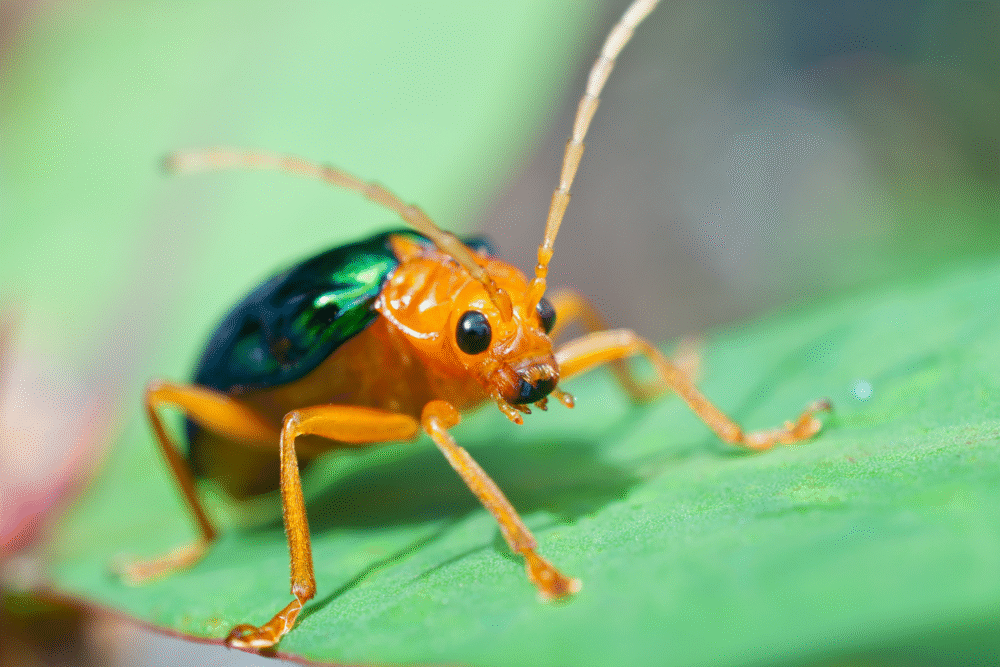
Bombardier beetles unleash a boiling spray of chemicals when threatened, producing an audible pop. This defense mechanism involves an explosive reaction within their abdomen, a deterrent to predators. Such a reaction marks them as nature’s chemical warriors.
The mixture is released through a precise and controlled spray, warding off attackers in environments like forests and fields. It’s an evolutionary blend of chemistry and engineering, providing insights into survival tactics. The beetle’s defense plays out like a high-stakes alchemy.
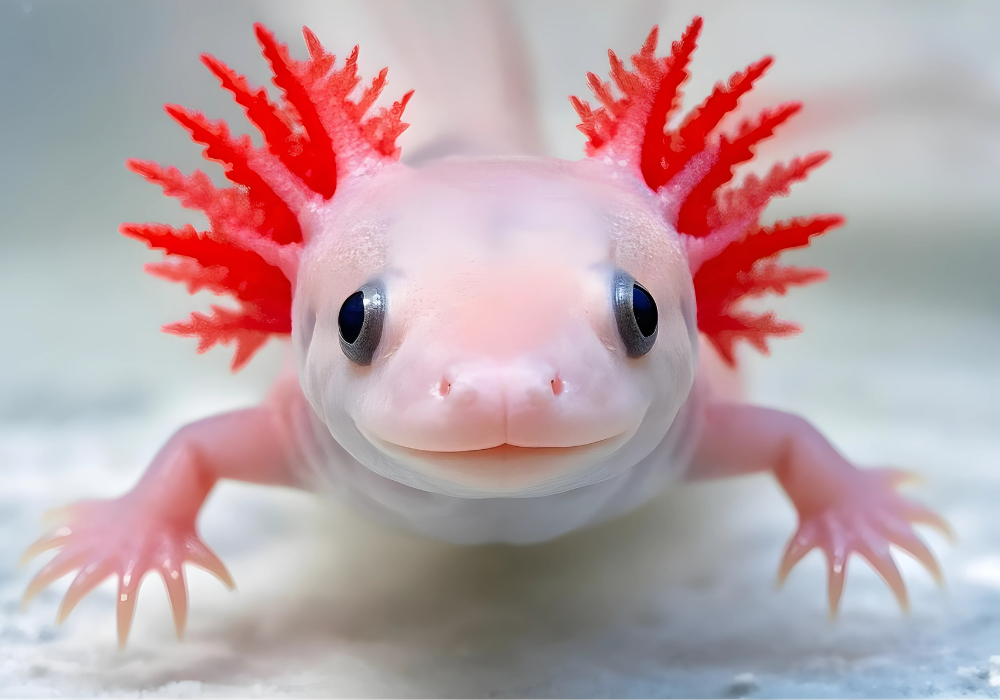
6. Axolotls can regenerate entire limbs and even parts of their heart.
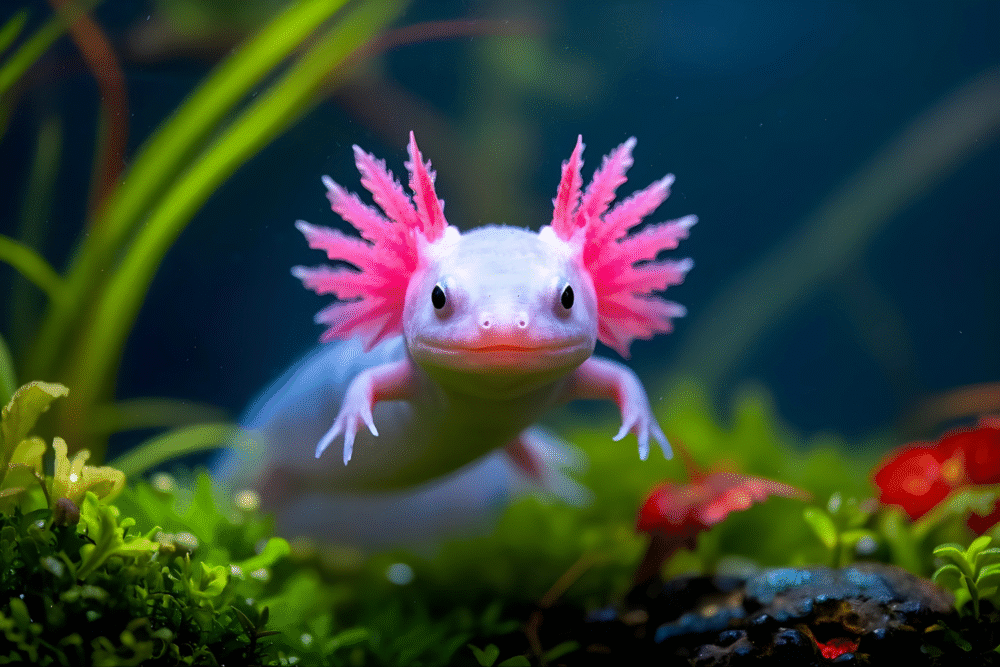
Axolotls possess the remarkable ability to regenerate entire limbs, skin, and even parts of vital organs. This biological phenomenon is driven by their unique cellular processes, allowing for repair and growth. It’s a regenerative capacity few animals can rival.
In their native Mexican lakes, axolotls use this power to overcome injuries and environmental challenges. Unlike typical scar tissue formation, their regeneration is seamless and efficient. This capacity offers a fascinating glimpse into the potential of restorative biology in nature.
7. Pistol shrimp create cavitation bubbles that produce intense sound waves.
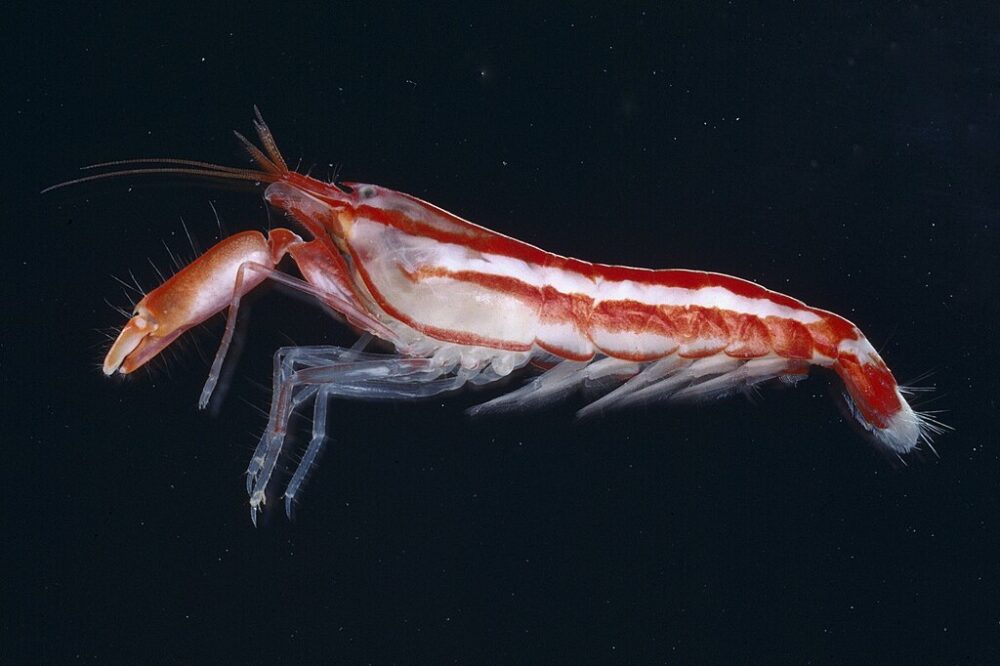
Pistol shrimp create cavitation bubbles by snapping their claws shut at high speed, generating intense sound waves. This rapid action causes water to vaporize and form a bubble that bursts with a sharp crack. The effect is stunningly lethal to small prey.
Underwater, the resulting force is powerful enough to stun or even kill nearby fish or crustaceans. The orange-tinted shrimp uses this technique to capture food, turn its habitat into a hunting ground, and illustrate the high-energy dynamics of aquatic life.
8. Lyrebirds expertly imitate sounds from their environment, including chainsaws.
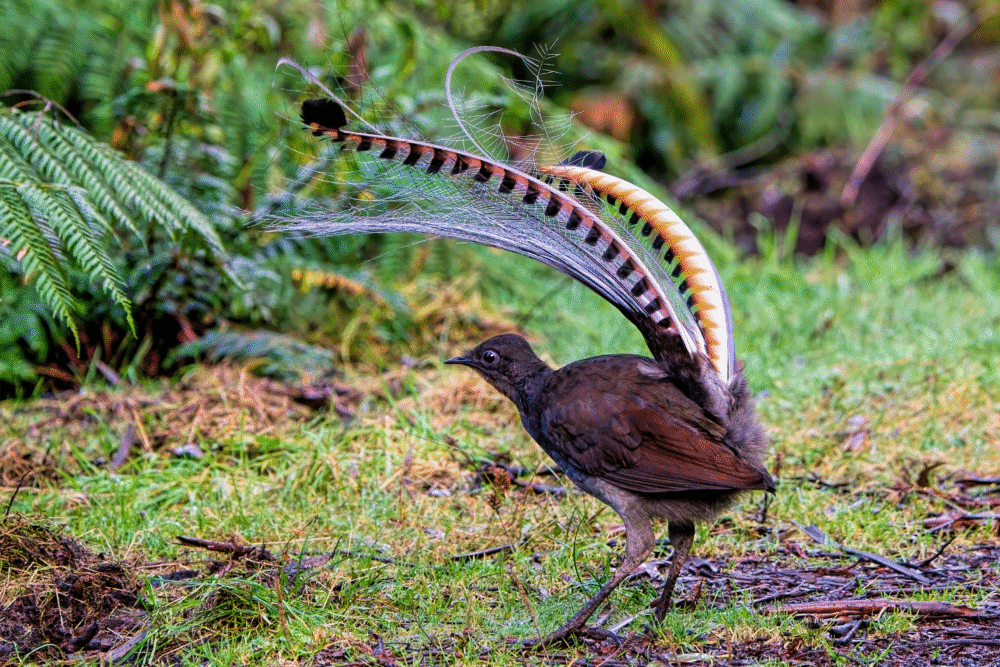
Lyrebirds possess an extraordinary talent for mimicking sounds, from bird calls to decidedly human noises like chainsaws. This vocal mimicry stems from their sophisticated vocal cords and keen auditory memories, crafted over years of evolution in the Australian bush.
Besides auditory deception, it adds a complex layer to their mating display, impressing potential mates with a diverse repertoire. The forest comes alive with their symphonies, an evolving soundtrack of the natural and artificial world they inhabit. Their mimicry turns the forest into an echo chamber of adaptation.
9. Whip spiders communicate using vibrations through their long front legs.
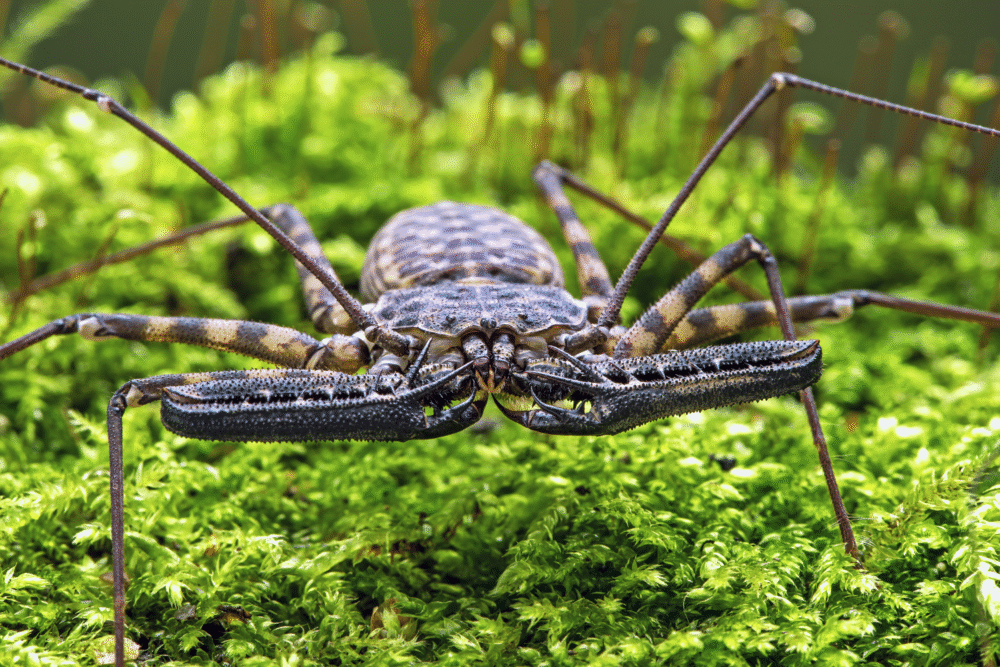
Whip spiders communicate using subtle vibrations transmitted through their elongate front legs. These motions, akin to Morse code, carry messages to others of their kind, often signaling readiness to mate or stake territory. It’s a refined dance of interaction.
Residing in tropical and subtropical regions, these vibrations replace sounds, suiting their nocturnal habits perfectly. This silent communication method reflects an evolved form of interaction in the shadows, revealing a sophisticated approach to social dynamics within their hidden microhabitats.
10. Cone snails use venomous harpoons to immobilize their prey quickly.
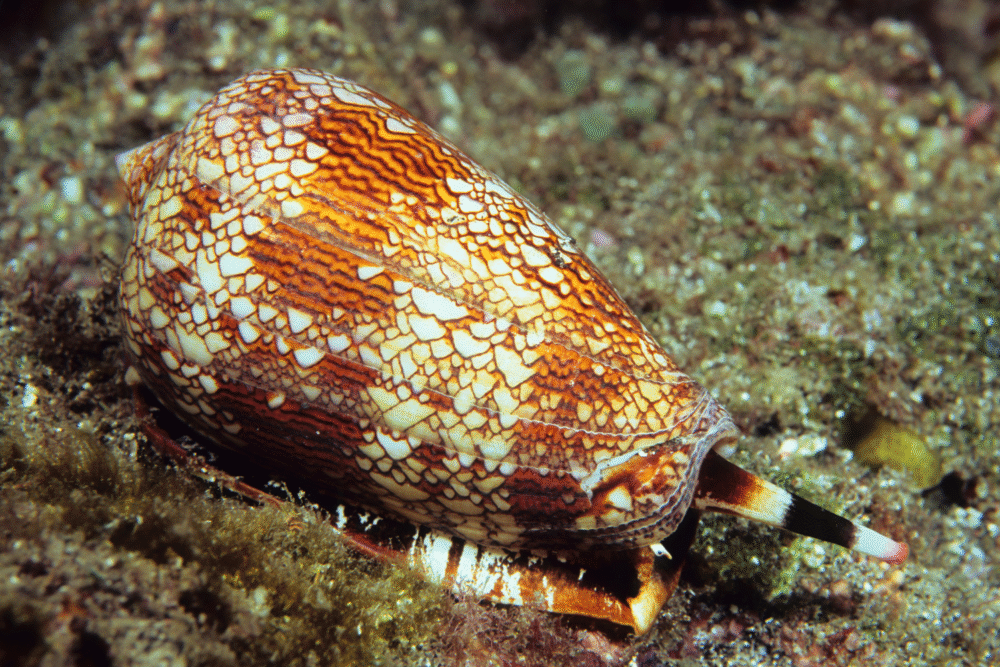
Cone snails wield venomous harpoons loaded with potent toxins, used to immobilize prey instantly. This mechanism features a sharp, needle-like structure capable of precise strikes, delivering a cocktail of toxins designed to shut down nervous systems.
In the warm oceans where they dwell, this rapid mechanism allows efficient predation on fish and worms. Their siphons detect chemical cues, directing the deadly missile with intention. Cone snails, small yet lethal, highlight the intricate balance between might and subtlety within marine environments.
11. Glass frogs have translucent skin that reveals their internal organs.
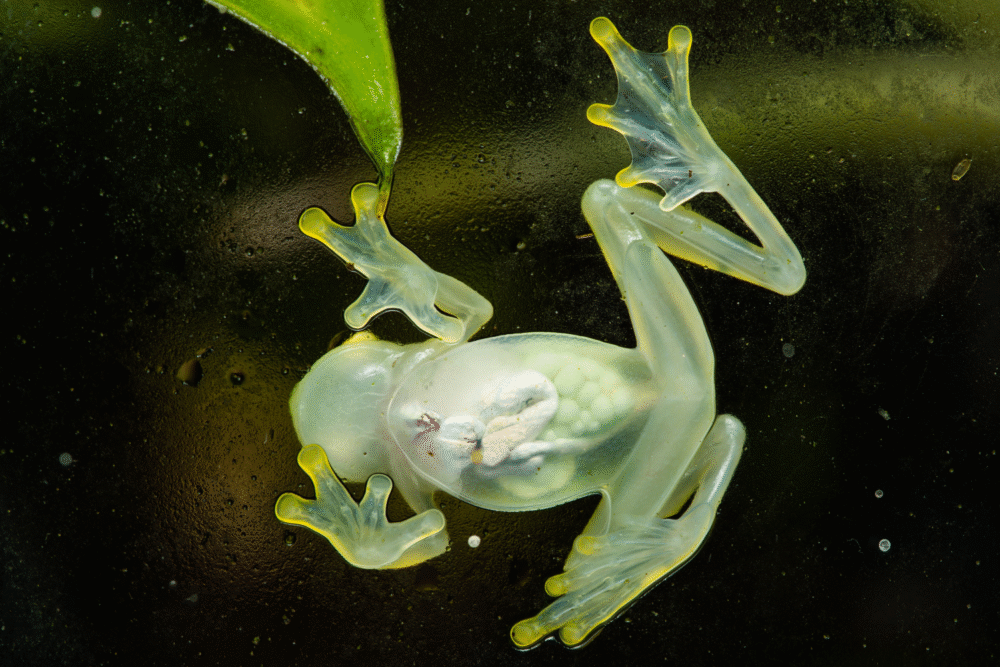
Glass frogs mesmerize with their translucent skin, offering a peek at their inner workings. This trait not only renders them semi-invisible from below but also serves a visual function of reducing their silhouettes to potential predators.
Generally found in the cloud forests of Central and South America, this transparency protects them while resting on leaves or in streams. The glass-like clarity exposes organs that remain eerily visible, crafting one of nature’s most ingenious cloaking devices. They are part visible mystery, part delicate beauty.