
Scientists admit some animal mysteries remain unsolved, even after decades of research and discovery.
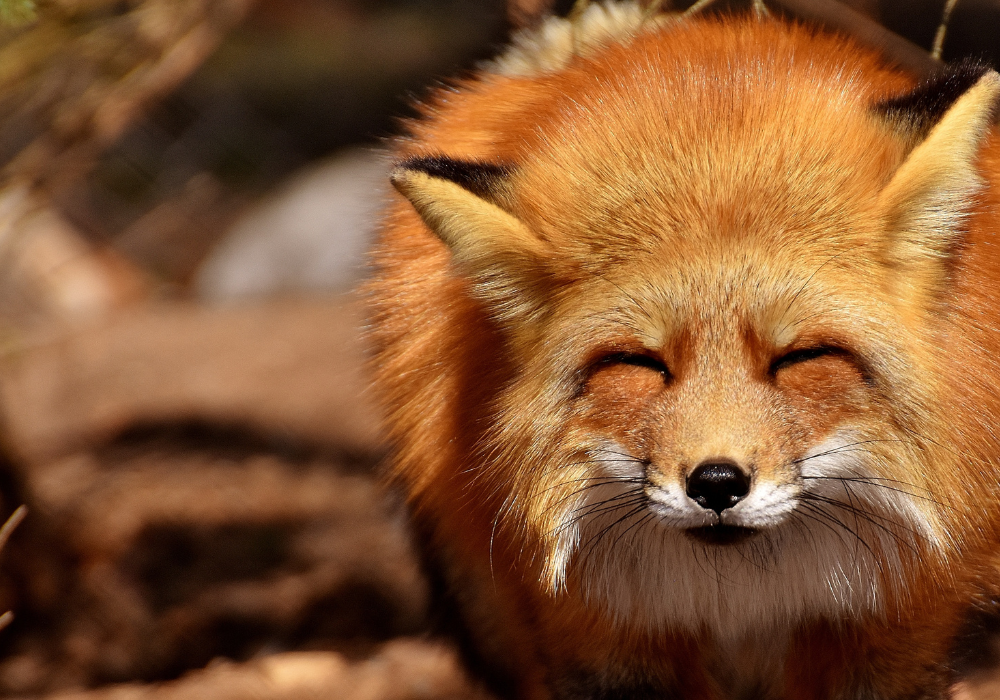
Animal behavior remains a rich field of discovery, filled with actions that confound even the most experienced researchers. From sudden shifts in migratory patterns to unexplained social interactions, many behaviors defy current scientific models. Despite advances in ethology, cognition, and behavioral ecology, these mysteries highlight the complexity of animal intelligence and communication. Understanding these enigmas requires ongoing interdisciplinary study and open-minded inquiry.
1. Migratory patterns that defy expected environmental cues and change unpredictably.
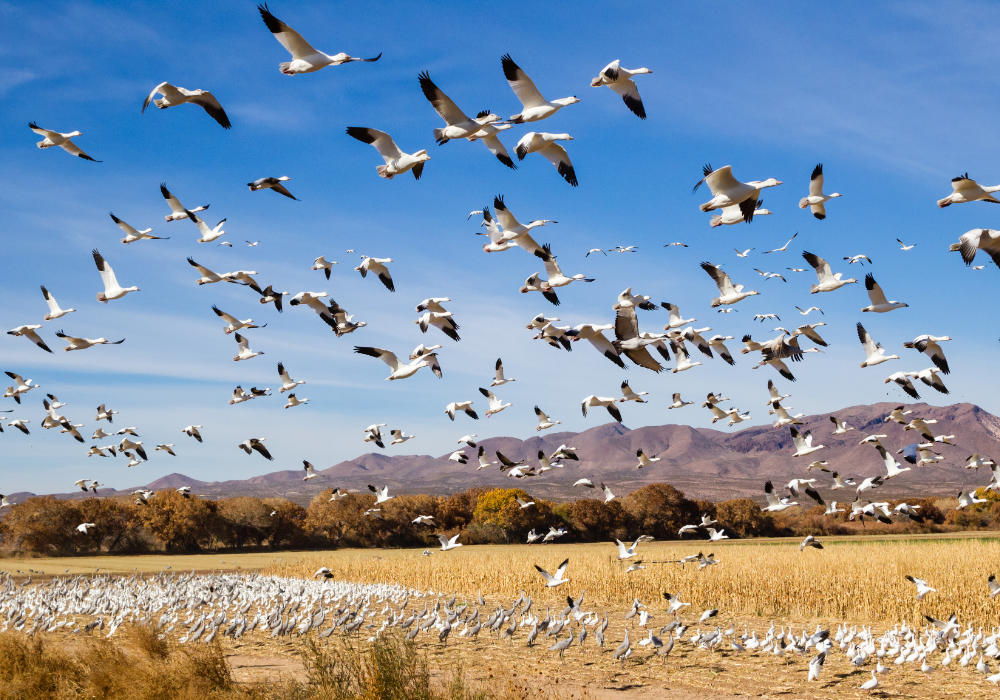
Some migratory patterns elude scientific explanation when they unpredictably defy well-understood environmental cues. Birds abruptly change migratory routes, seemingly without a shift in weather or food availability. Such behaviors challenge existing models and suggest intricate internal mechanisms at play.
An evocative picture emerges when a flock gathers wing to wing, embarking on a new path defying traditional navigation maps. These unexpected changes imply that there may be additional, unobserved influences guiding their journeys—intriguing scientists and prompting deeper study into animal cognition and instincts.
2. Sudden mass gatherings without obvious triggers or clear purposes among species.

Mass gatherings of animals can occur without apparent stimuli or clear objectives, leaving scientists puzzled. Suddenly, thousands of creatures—such as jellyfish or insects—congregate, forming pulsating clouds of life. Traditional explanations of mating or migration don’t always fit these coordinated assemblies.
Observing such phenomena, scientists delve into the unseen threads connecting these beings, possibly involving unknown environmental signals or social triggers exclusive to each species. These events illuminate gaps in our understanding of animal communication, requiring fresh perspectives from behavioral ecology.
3. Complex vocalizations that go beyond communication to seemingly artistic expression.

Some animal vocalizations transcend mere communication, resembling artistry that intrigues researchers. For instance, songbirds may create elaborately patterned melodies without evident functional purpose. These sounds fill the air with complexity, far beyond simple warning calls or mating signals.
As biologists study them, they ponder whether these vocal displays reflect cognitive elements akin to human creativity. Such enigmatic expressions hint at emotional layers in animal worlds, reshaping perceptions of intelligence and challenging boundaries between instinct and learned behavior.
4. Instances of apparent empathy shown toward unrelated individuals or different species.

Occasions arise where animals exhibit empathy-like behavior, even towards different species, baffling experts. A dolphin might aid a distressed whale, or a dog may stand vigil by an injured animal. These actions defy simple evolutionary explanations centered on survival.
Such instances provoke questions about the roots of empathy, potentially revealing sophisticated social structures and emotional depth in animals. Examining these behaviors might suggest that the capacity for compassion transcends species lines, enriching our understanding of animal intelligence.
5. Animals using tools in innovative ways never taught or observed before.
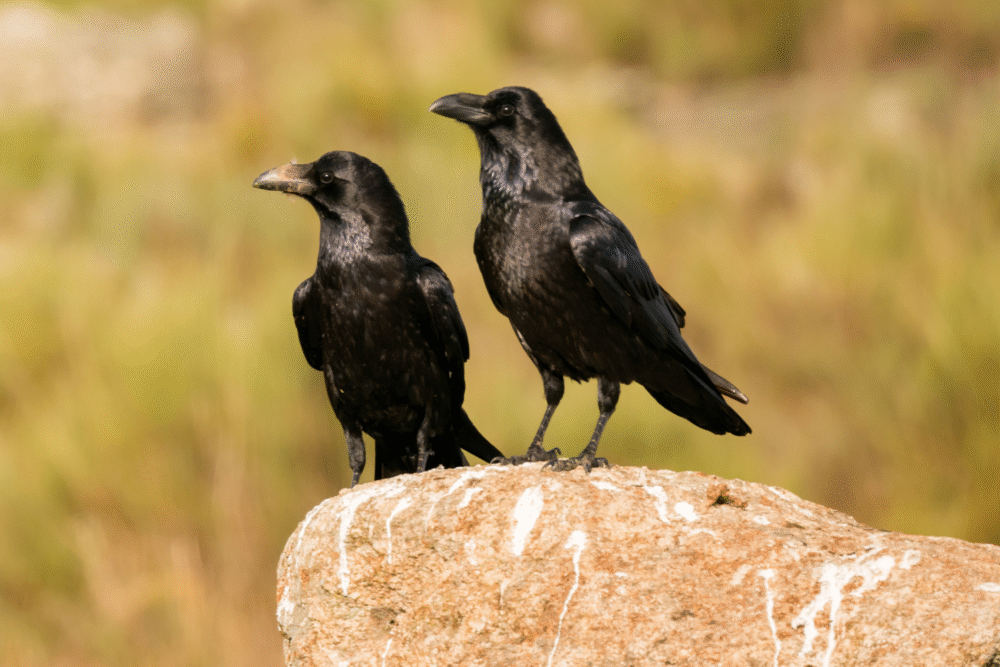
Animals occasionally display tool use, manifesting creativity far outside known patterns. Crows, exemplars of innovation, fashion hooks from branches to extract insects—a task never previously demonstrated to them. This behavior illustrates a sophisticated problem-solving skill set.
These observations challenge assumptions about the limits of animal intelligence, hinting at complex cognitive processes. By exploring tool use, ethologists dissect the line between innate behavior and learned ingenuity, examining how such skills develop without direct teaching or observation.
6. Mysterious navigation abilities that guide animals across vast landscapes with precision.

The navigation feats of animals sometimes defy understanding, as they traverse vast terrains with plain precision. Sea turtles, for instance, can journey across oceans to pinpoint spawning grounds. Compasses and maps are eschewed for mysterious internal navigation cues.
Marveling at these journeys, scientists ponder untapped sensory capabilities or geomagnetic sensitivity undergirding such precise pathfinding. New insights may emerge from interdisciplinary studies, redefining navigation, suggesting profound connections with Earth’s forces affecting these enigmatic travelers.
7. Unexplained shifts in social hierarchies occurring without physical confrontation or changes.
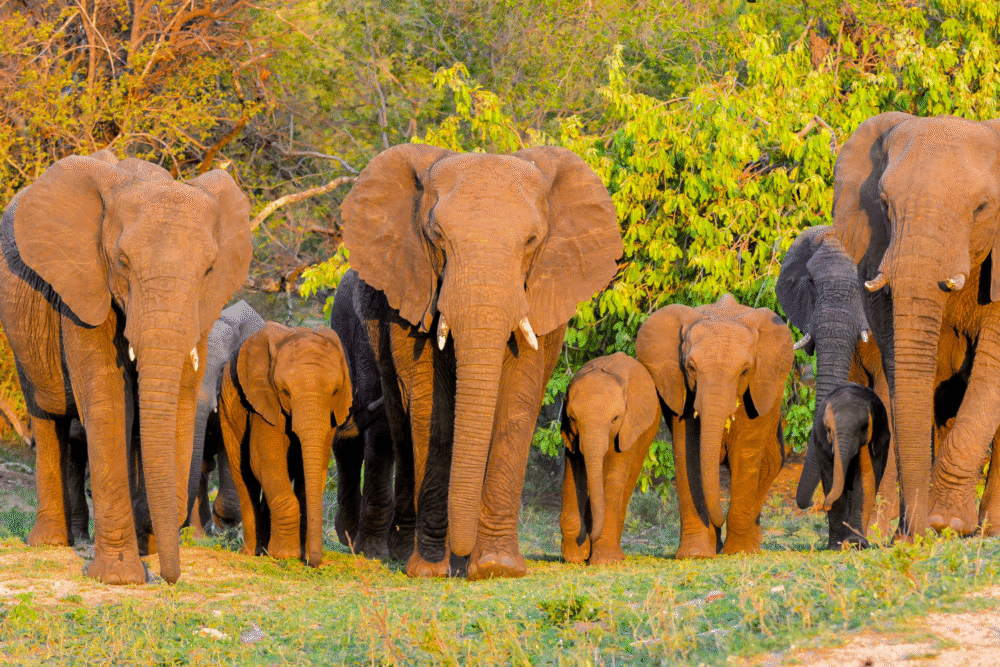
Unanticipated shifts in social hierarchies can occur without visible conflict or alterations in group dynamics. Elephants may suddenly follow a new leader amid unchanged physical circumstances. These subtle social reorganizations imply deeper, unseen communication layers.
As researchers parse these changes, they speculate on the role of social cues like vocalization or scent, fostering cohesiveness and hierarchy. This phenomenon enriches understanding of peaceful leadership transitions, offering remarkable insights into animal societies’ broader complexity.
8. Seasonal color changes that happen independently of temperature or daylight variations.
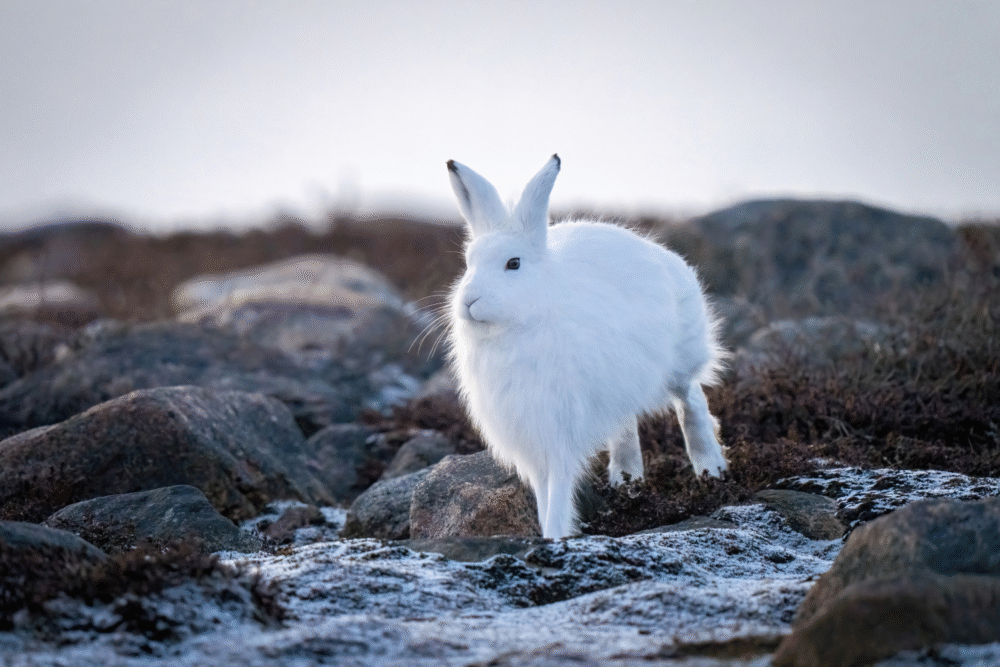
Color transformations in animals independent of immediate environmental factors, like temperature or light, perplex researchers. Seasonal shifts in the coloration of Arctic hares may occur absent snow cover or daylight changes. The timing suggests intricate internal rhythms directing change.
This unexpected shift implies the presence of biological clocks delicately attuned to unseen signals. Exploring these transformations unveils possibilities of adaptive mechanisms beyond simplistic environmental triggers, prompting reevaluation of physiological responses in wildlife.
9. Unexpected cooperation between typically solitary species for hunting or defense tasks.

Certain typically solitary species engage in unanticipated collaboration, enhancing hunting or defense tactics. Spiders, often loners, may work together weaving webs or catching prey. Such alliances defy expectations and hint at hidden social behaviors driving survival success.
These unusual partnerships shed light on the complex layers of animal relationships beyond individualistic survival instincts. The cooperation enhances their resource acquisition, illustrating intricate social dynamics and inviting further study into unique communal behaviors.
10. Rare displays of playfulness in mature animals that serve no clear survival function.
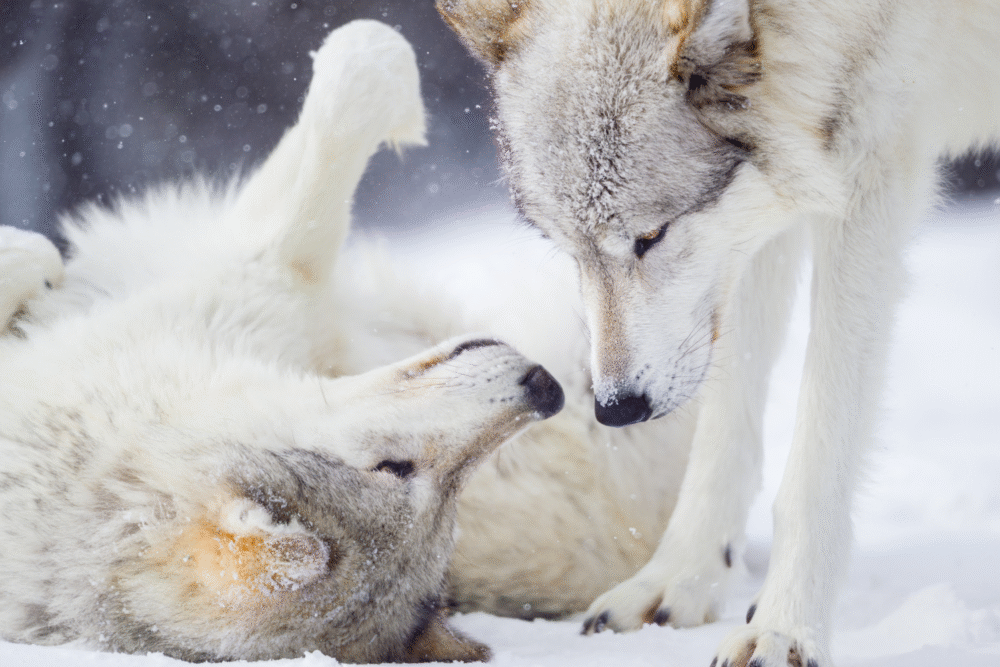
Occasionally, mature animals exhibit playfulness without obvious survival benefits, challenging scientific norms. Adult wolves may engage in frivolous chasing games, showing delight seemingly separate from survival learning or hierarchy establishment.
Such energetic displays pose questions regarding the purpose of play beyond youth. The presence of seemingly pointless play behaviors in adults suggests deeper psychological needs fulfilled through interaction or stress relief, providing new perspectives on animal wellness.
11. Spontaneous adopting behaviors where adults care for offspring that are not their own.
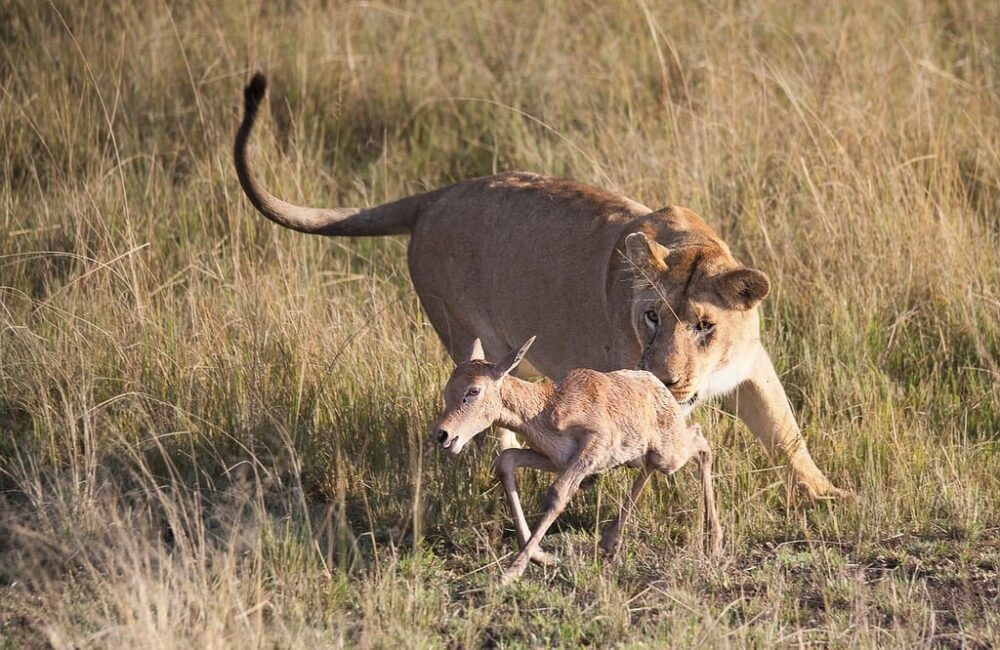
Instances where adult animals adopt offspring not their own prompt curiosity about nurturing instincts in the wild. A lioness protecting an antelope calf, for example, contradicts predator-prey dynamics, demonstrating complex social and emotional structures.
This caring behavior reveals potential adaptive advantages such as gene diversification or social cohesion within ecosystems. Exploring spontaneous adoption offers a window into interspecies empathy and community-building, challenging traditional views on family and survival.
12. Unusual sleep patterns that challenge conventional understanding of rest and activity cycles.
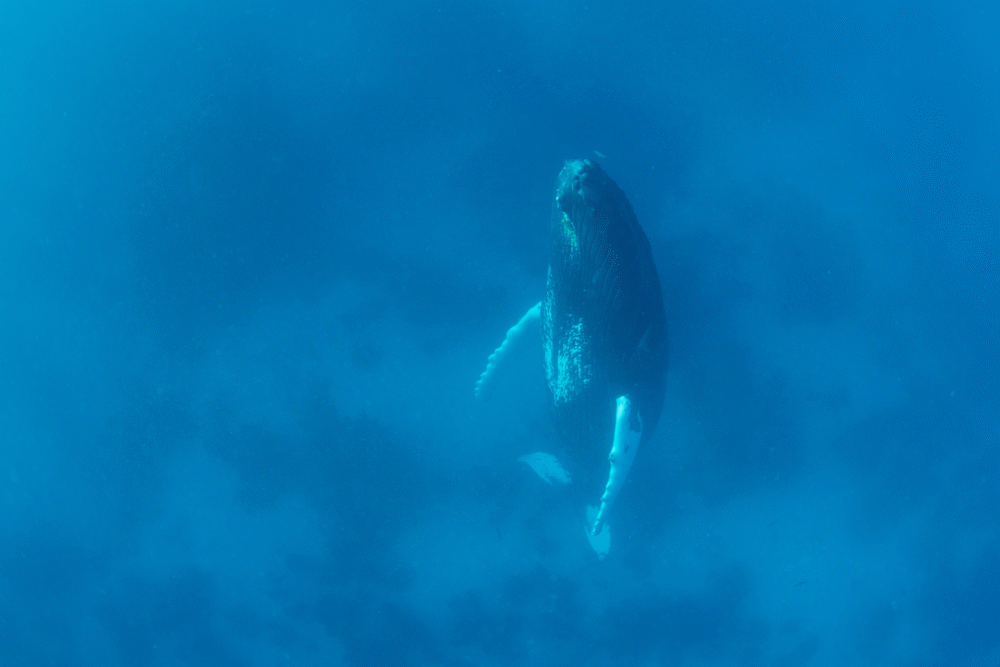
Some animal sleep patterns challenge our understanding of rest and activity cycles, seeming irregular or unnecessary. Dolphins exhibit unihemispheric sleep, where one brain half rests while the other remains alert, ensuring simultaneous vigilance and recovery.
These unconventional sleep strategies invite exploration of brain efficiency, demanding a reevaluation of rest’s role in evolving survival tactics. Findings here may reveal broader implications for understanding consciousness levels and how activity-rest cycles adapt to specific ecological pressures.