
Greenwashing is making you feel good while the damage keeps piling up.

Everyone wants to feel like they’re making better choices these days. Slap a “sustainable” or “eco-friendly” sticker on something, and it’s easy to think you’re doing your part to save the planet. But here’s the hard truth: a lot of what’s being sold as sustainable is still fueling the same old environmental problems. It just has prettier packaging and a guilt-free vibe that makes you feel better while you swipe your card.
The companies know exactly what they’re doing. They’re banking on the fact that you’ll see the word “green” or “ethical” and stop asking questions. But buying something “better” is not the same as buying responsibly—and sometimes, it’s just another excuse to sell you more. Once you learn to spot the signs, you’ll see that real sustainability isn’t about how products are marketed. It’s about how thoughtfully you actually consume.
1. Products made with “recycled” materials are still designed for fast turnover.
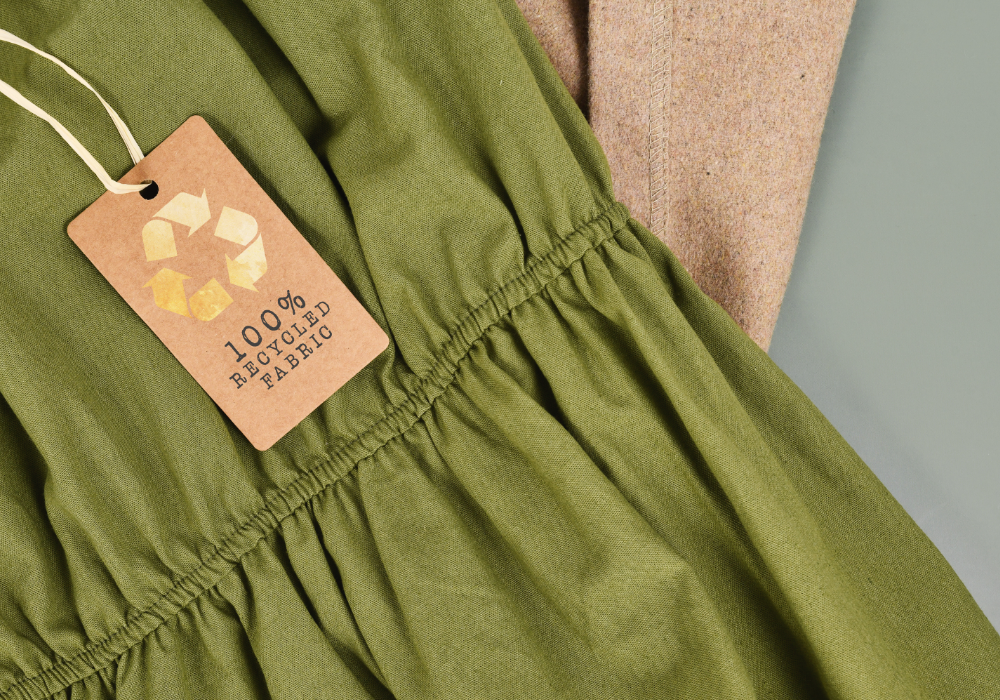
Sure, a shirt made from recycled plastic bottles sounds amazing—until you realize it’s still cheaply made, trend-driven, and destined for a landfill in six months. A lot of brands use recycled content as a marketing badge, but they don’t actually design their products to last. According to writers for the Washington Post, about 85% of textiles are discarded, and less than 1% of clothing materials are recycled into new garments, highlighting the challenges in textile recycling.
Real sustainability isn’t about what a product is made of. It’s about how long it stays useful before it gets tossed. If companies were serious about the planet, they would focus less on slapping green labels on fast fashion and more on encouraging people to buy less overall. A recycled jacket that falls apart after a year is not a win—it’s just a new spin on the same old throwaway culture.
2. “Carbon neutral” claims often hide massive emissions elsewhere.
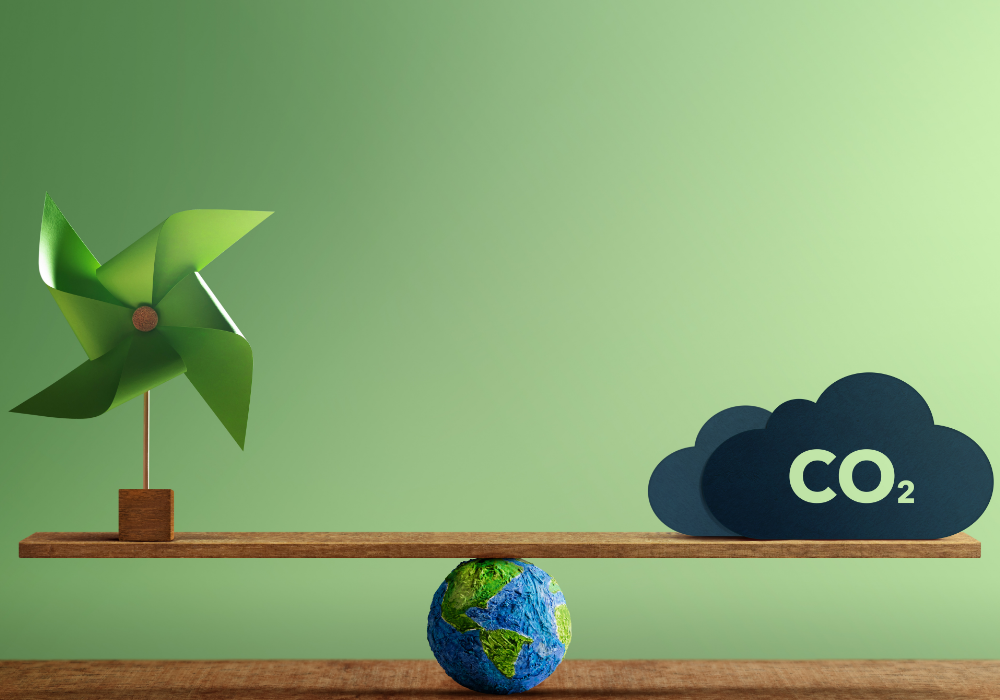
You’ve probably seen brands bragging about being “carbon neutral,” but here’s the catch: a lot of them aren’t actually cutting emissions—they’re just buying offsets. Instead of reducing the pollution they create, they pay for someone else to theoretically plant trees or fund clean energy projects. Per Gregory Trencher for Nature Communications, 87% of corporate carbon offsets carry a high risk of not delivering real or additional emissions reductions, undermining their effectiveness in combating climate change.
Carbon offsets can help in some cases, but they’re not a magical eraser. They’re often based on shaky accounting, delayed impact, and promises that may never fully materialize. Meanwhile, companies keep pumping out products, shipping them globally, and operating as usual.
When you dig past the headlines, “carbon neutral” sometimes just means “we paid to make you stop asking questions.” Real progress requires cutting emissions at the source—not buying forgiveness after the fact.
3. Biodegradable products don’t actually break down like you think.
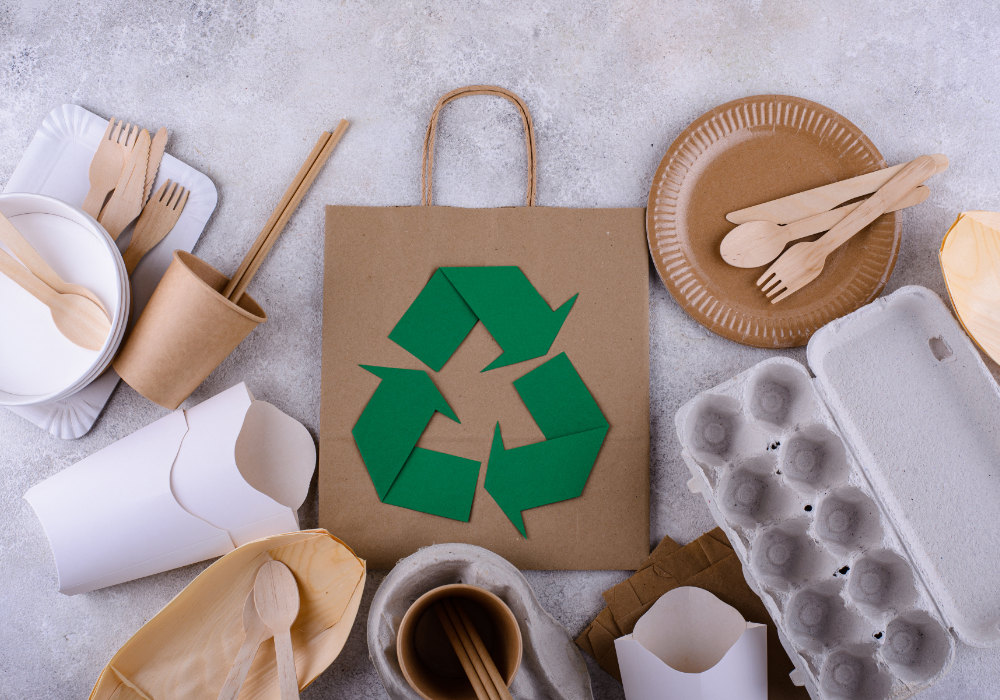
“Biodegradable” sounds like the ultimate eco-friendly word. Buy it, toss it, and poof—it magically disappears into the earth, right? Not exactly. A study published by Ping Fan for The National Library of Medicine found that biodegradable plastics may fragment into microplastics more rapidly than conventional plastics, posing additional threats to soil ecosystems.
This label gives people permission to keep consuming without feeling guilty, but the science doesn’t back up the fantasy. Buying biodegradable everything might make you feel virtuous, but it’s not the zero-impact move it’s marketed to be. The real solution? Focus more on reducing and reusing, not just swapping materials.
4. “Eco-friendly” packaging often hides a mountain of waste upstream.
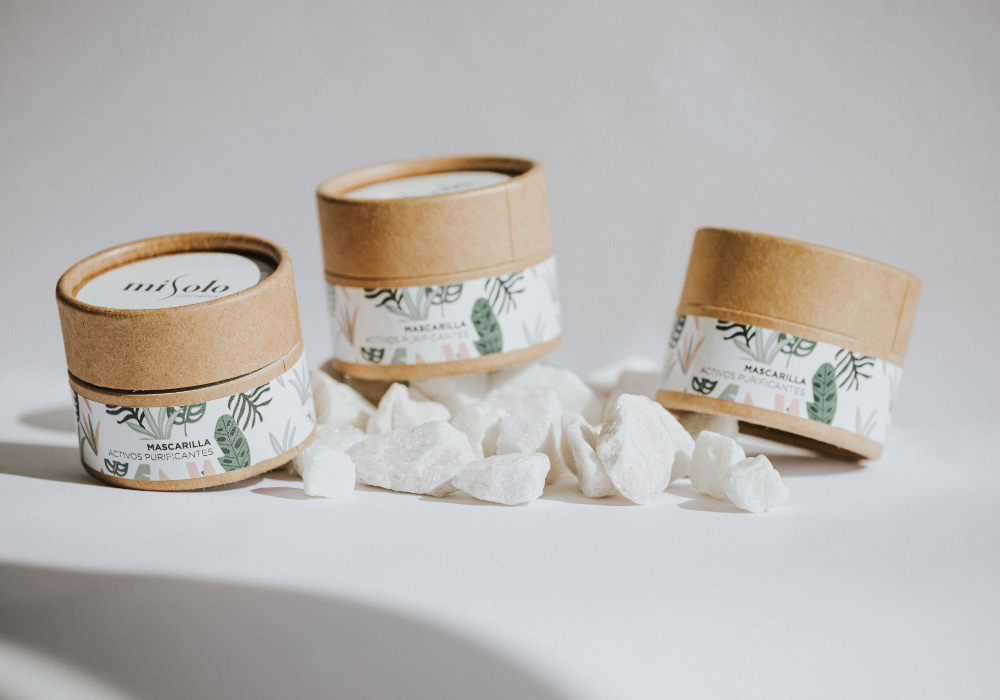
You pick up a product wrapped in recycled cardboard or compostable plastic and feel like you’re making a solid choice. But what you don’t see is the full story behind how that product was made. Raw material extraction, energy-intensive manufacturing, and massive transportation footprints all happen long before the packaging shows up looking virtuous on a shelf.
Brands are banking on the idea that you’ll judge a product by the first thing you touch, not the invisible mess behind it. A compostable wrapper is great, but if it’s covering something that required deforestation, fossil fuels, or toxic chemicals to produce, it’s just green marketing paint over a dirty system. Real sustainability isn’t skin-deep. It’s about questioning every stage of a product’s life cycle, not just how easy it is to throw away.
5. Vegan products can still be wildly unsustainable.

It’s easy to assume that “vegan” automatically equals “planet-friendly,” but that’s not always true. Just because something doesn’t use animal products doesn’t mean it’s produced in a way that’s low-impact or ethical. Synthetic leather, for example, often comes from petroleum-based plastics that take centuries to break down and shed microplastics into waterways.
Some vegan foods also carry massive environmental footprints, requiring deforestation, overuse of water, or heavy pesticide spraying. Vegan is a choice that can absolutely support sustainability—but it’s not a free pass. Without questioning where and how things are made, you could easily be swapping one kind of harm for another. Buying less, choosing durable products, and focusing on whole, minimally processed foods often makes a bigger difference than chasing labels alone.
6. “Locally made” products aren’t automatically low-impact.
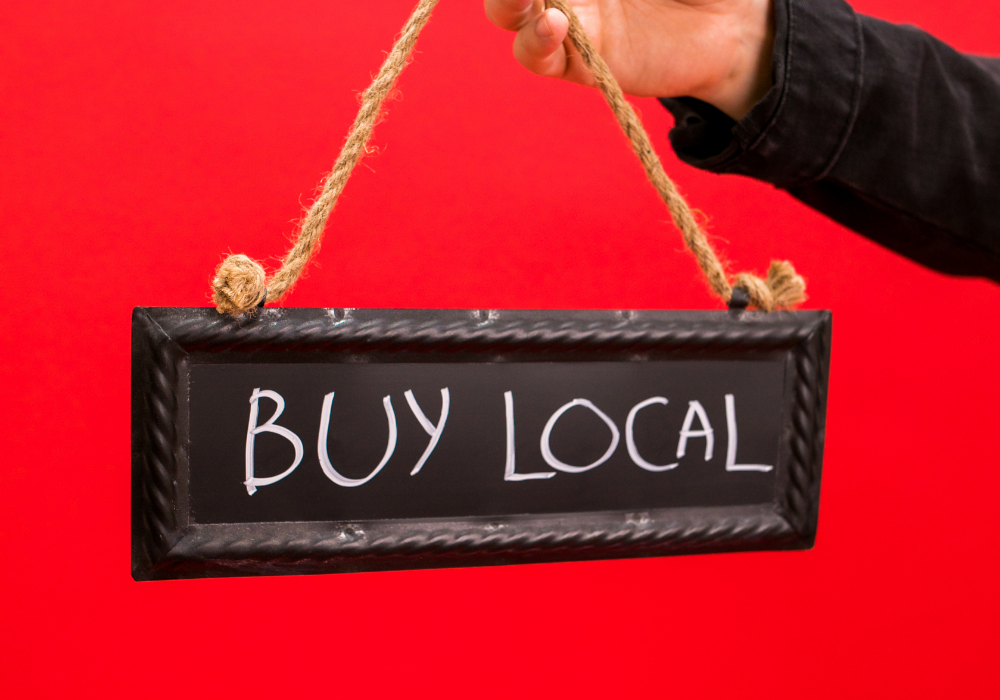
It’s easy to think buying something local automatically means you’re doing right by the planet. Smaller distances should mean lower emissions, right? Sometimes. But not always. A locally made product that relies on imported raw materials, energy-heavy production, or nonrenewable resources can still have a huge environmental footprint, even if it only traveled a few miles to get to you.
The feel-good “local” label hides the real question: how was it made, and what went into it? Shipping is just one piece of the sustainability puzzle. If a product burns through land, water, and energy to exist, being made down the street doesn’t magically cancel that out. Buying local can absolutely be a good thing—but only when it’s paired with smart, sustainable production behind the scenes too.
7. Compostable fashion is still mostly fast fashion with a new twist.

Fashion brands love throwing around words like “compostable” or “organic” now, especially when it comes to trendy capsule collections. But at the end of the day, it’s still fast fashion if it’s designed to be cheap, disposable, and replaced every season. The materials might break down a little faster, but the overproduction problem hasn’t changed.
Sustainability in fashion isn’t just about fabric choices. It’s about slowing down the cycle of constant newness, endless marketing, and built-in obsolescence. If a brand is pumping out new compostable collections every month, they’re still encouraging overconsumption disguised as environmental progress. Real sustainable fashion means buying less, buying smarter, and loving what you already own long before worrying about how fast it can rot after you toss it.
8. Reusable products still create waste if you don’t use them wisely.

Buying a reusable coffee cup, tote bag, or water bottle feels like a win—and it can be. But only if you actually use it enough times to offset the energy, resources, and emissions that went into making it. A sturdy stainless steel water bottle that gets lost in your car after two uses isn’t exactly saving the planet.
A reusable product needs to replace a massive number of single-use items to truly pay off. That means remembering your bag, sticking with your cup, and resisting the temptation to constantly upgrade to trendier versions. Mindless consumption—even of eco-friendly alternatives—still drains resources. Reusable products only work when the focus is on habit, not just buying the latest green-certified gear and calling it a day.
9. Ethical certifications don’t guarantee real environmental care.

It feels reassuring when a product has a sticker from an ethical or sustainable certification. But behind many of those labels is a complex web of loopholes, inconsistent standards, and self-reporting. Some certifications focus heavily on worker treatment but barely address environmental damage. Others set vague minimums that companies can easily meet without truly changing harmful practices.
Certifications can be a helpful guide, but they shouldn’t replace critical thinking. Sometimes they’re used more as marketing shields than actual proof of meaningful impact. Just because a brand checks a few boxes doesn’t mean it’s doing the deep, messy work of cleaning up its supply chain or reducing its carbon footprint. True sustainability requires transparency, accountability, and continuous improvement—not just slapping a sticker on a tag.
10. Sustainable lines are often a tiny green leaf on a giant toxic tree.
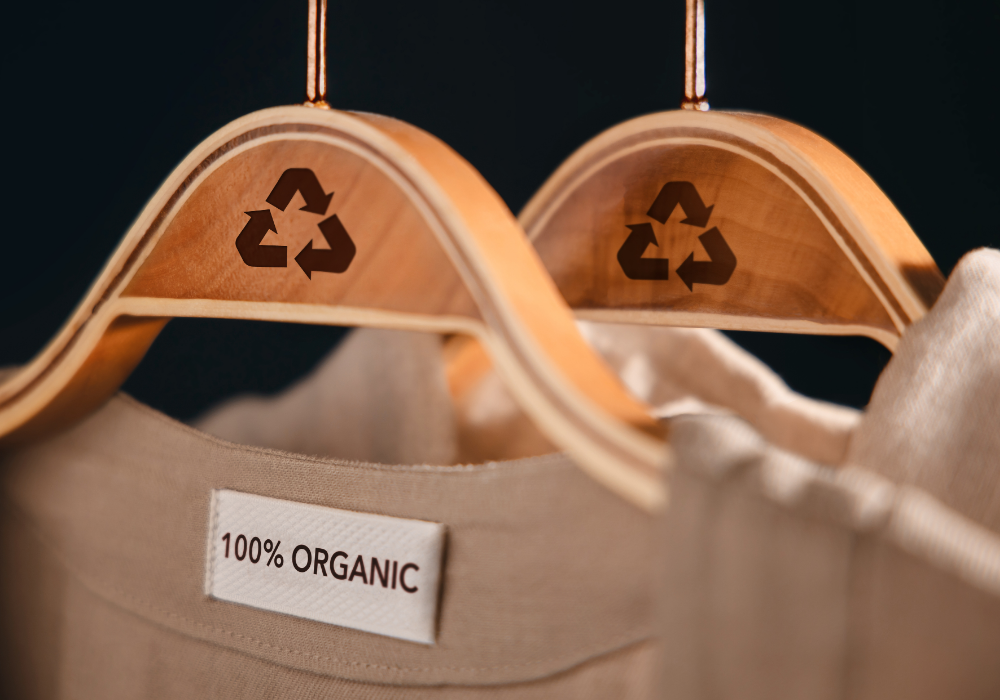
A lot of big brands now boast about their “sustainable collections”—usually a handful of products made with organic cotton or recycled polyester. It looks great in ads, but zoom out, and you’ll see the bigger picture hasn’t changed. The bulk of their production is still fast, wasteful, and fueled by the same old exploitative systems.
These “green” collections are usually more about optics than real reform. They let companies ride the sustainability trend without doing the heavy lifting of rethinking their entire business model. It’s a distraction tactic, a way to make consumers feel good while most of the damage continues unchecked. Buying from a sustainable line doesn’t cancel out the reality that true change means a complete shift, not just a curated feel-good option tucked in the corner.
11. Upcycled goods sound great but can still be part of the overproduction problem.

Turning scraps and leftovers into new products feels like a win-win—less waste, more creativity. And in many ways, it is a step in the right direction. But if upcycled goods are being mass-produced to feed the same endless appetite for newness, they aren’t really solving the core issue. They’re just putting a new spin on the same consumer churn.
Upcycling shines brightest when it slows consumption, not just decorates it with eco-friendly flair. If companies flood the market with “upcycled” collections every season, they’re still encouraging the idea that you need constant novelty to be happy. True sustainable innovation respects the need to reduce, reuse, and reframe what we already have—not just dress it up and push it out with a new marketing tag.
12. Green brands can still rely on the same harmful systems they claim to fight.

Some brands build their entire identity around being sustainable, eco-conscious, or ethical. But behind the glossy mission statements, many still rely on the same global supply chains, energy-heavy shipping methods, and disposable culture as their less-green competitors. Slower production and better materials help, but they don’t erase the environmental costs baked into global commerce.
At the end of the day, most consumption on a massive scale comes with consequences. Even the most well-intentioned brand is still operating within a system that rewards growth over sustainability. Supporting better companies matters, but it’s only one piece of the puzzle. Personal responsibility—buying less, choosing carefully, using longer—matters too. Real sustainability asks bigger questions than any marketing campaign can answer.