
Life in the sea is dying quietly, and the clock is ticking louder every year.
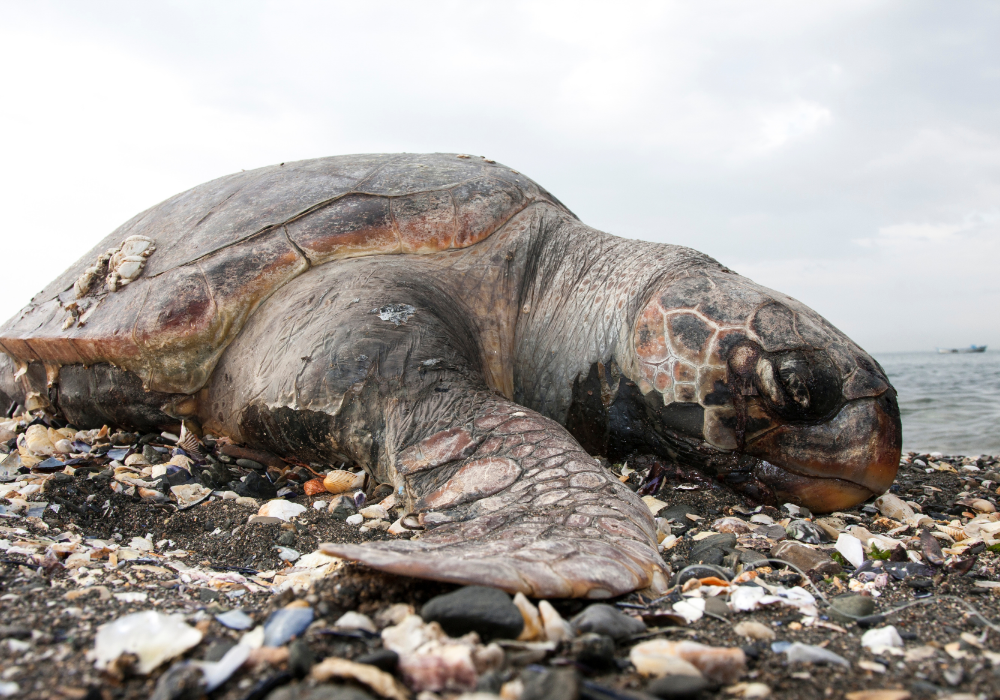
For most of human history, the ocean felt endless—too vast to damage, too deep to disturb. But that illusion is unraveling fast. The signs are everywhere: reefs bleaching to bone-white, once-teeming fish stocks collapsing, and low-oxygen dead zones stretching wider every year. Beneath the surface, the ocean is not just warming—it’s unraveling.
While forests burn and glaciers crumble in plain sight, the seas are shifting in silence. And it’s not just about marine life. The ocean regulates our climate, feeds billions, and produces half the oxygen we breathe. Without it, the planet doesn’t work.
Scientists have been sounding alarms for years, and what was once theory is now unfolding in real time. If the current trends continue, we’re not just looking at a few more jellyfish. We’re looking at an ecological crash with ripple effects no one’s ready for.
1. Coral reefs are getting ghosted by their algae—and dying by the millions.
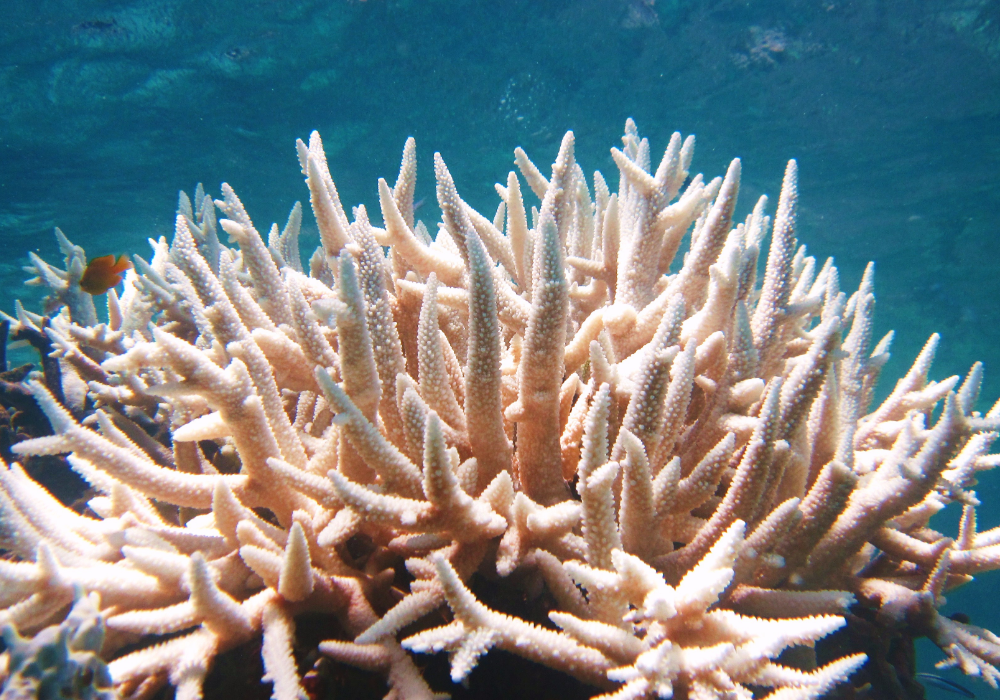
Coral reefs aren’t just ocean eye candy—they’re life support systems. According to the U.S. Environmental Protection Agency, approximately 25% of all marine life, including over 4,000 species of fish, depend on coral reefs at some stage of their life cycle. But they can’t survive without their algae partners. When water temperatures rise, corals get stressed and expel the algae that give them color and nutrients. That’s coral bleaching—and it’s becoming a global event, not a rare one.
Bleached corals can recover, but only if conditions stabilize quickly. As marine heatwaves become more frequent, that window is shrinking. The Great Barrier Reef has endured multiple mass bleaching events in just a few years, losing over half its coral.
If current warming continues, we could lose nearly all warm-water reefs by 2050. That’s not just bad news for clownfish—it’s a death knell for millions of species that depend on reef ecosystems.
2. The ocean is literally running out of breath.
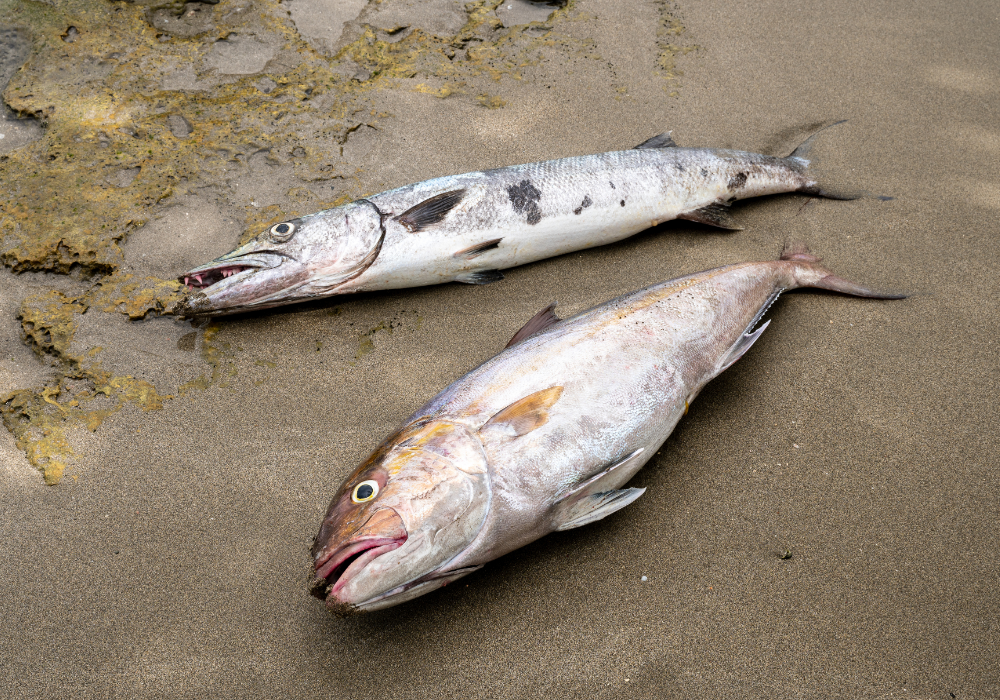
Oxygen isn’t just for land animals—marine life needs it too. But as the ocean warms, it holds less oxygen, and human-caused nutrient pollution creates algae blooms that suck up even more. The result? Massive dead zones where fish, crabs, and other creatures suffocate or flee.
Since the 1960s, oxygen levels in the ocean have dropped by more than 2%, and the trend is speeding up. Research published by Martin Visbeck for Nature highlights that the global oceanic oxygen content has decreased by over 2% since 1960, with significant variations across different ocean basins and depths.
Marine animals that can’t escape, like shellfish and bottom dwellers, die off. The rest become more vulnerable to disease and predators. These oxygen-deprived waters aren’t just isolated pockets—they’re expanding, pushing ecosystems closer to collapse. A breathless ocean is a broken ocean.
3. Fish are vanishing from the menu—and the sea.
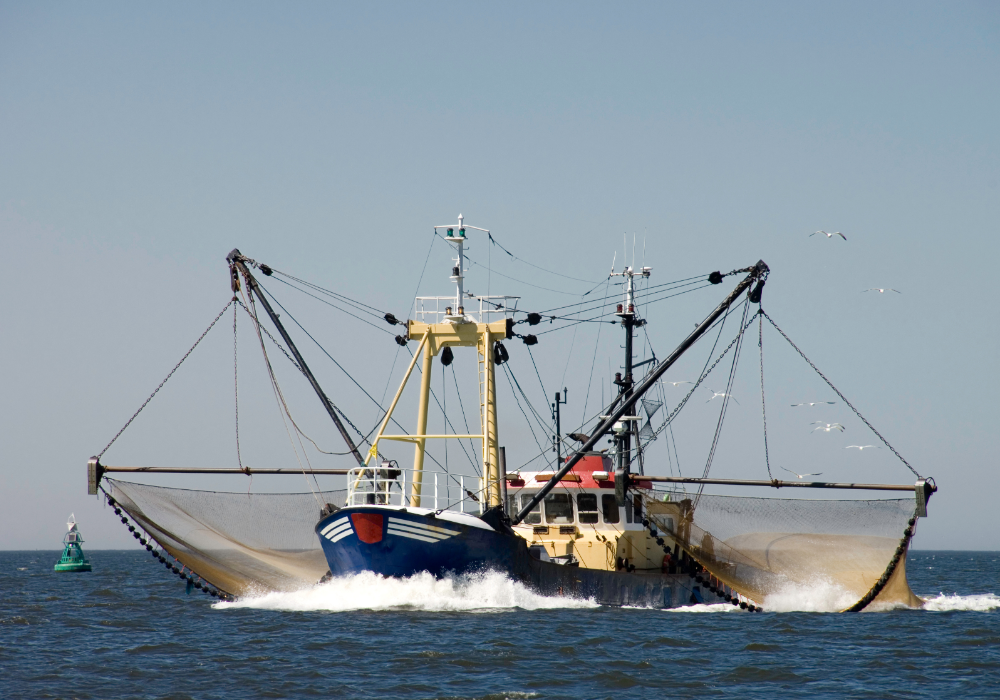
Fish stocks around the world are being emptied faster than they can recover. Industrial trawlers sweep up everything in their path, destroying seafloor habitats and leaving a wake of ecological destruction. The World Wildlife Fund (WWF) reports that overfishing can impact entire ecosystems, altering the size, reproductive patterns, and maturity rates of fish populations. Global demand for seafood has skyrocketed, but sustainable fishing practices haven’t kept up. The result is predictable: fewer fish, smaller fish, and fisheries on the brink of collapse.
This isn’t just about what’s on your dinner plate. Predators like sharks and tuna are disappearing, while jellyfish and invasive species fill the void. Entire food chains are being scrambled. By some estimates, nearly 90% of global fish stocks are now fully exploited or overfished. The longer we treat the ocean as an all-you-can-eat buffet, the closer we get to a menu with nothing left to serve.
4. Acid is quietly eating the ocean from the bottom up.
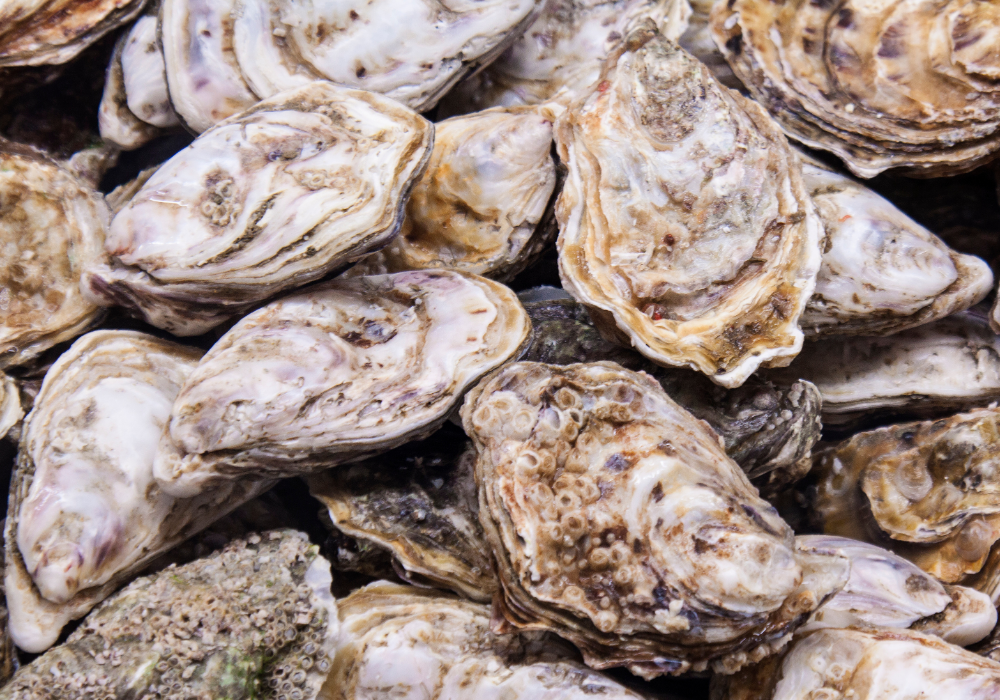
The ocean is a climate hero—it absorbs around a quarter of the carbon dioxide we release. But there’s a price: when CO₂ mixes with seawater, it forms carbonic acid. That makes the ocean more acidic, which is bad news for shell-forming organisms like oysters, mussels, plankton, and corals. These creatures are foundational species; without them, food webs unravel.
Ocean acidification has already made some waters too corrosive for young shellfish to survive. Fisheries in the Pacific Northwest have been hit hard, and entire generations of oysters have failed to mature. If tiny creatures at the base of the food web can’t survive, the ripple effects go all the way up to the predators we rely on. The chemistry of the sea is changing faster than many species can adapt, and once the foundation cracks, everything above it is at risk.
5. The Arctic’s ice is melting—and so is everything that depends on it.

The Arctic is warming nearly four times faster than the global average, and the consequences are impossible to ignore. Once a fortress of sea ice, it’s now losing coverage and thickness year after year. With less ice, sunlight penetrates deeper, heating waters and accelerating the melt. That feedback loop is throwing the entire ecosystem into chaos.
Animals like polar bears, walruses, and narwhals rely on sea ice to hunt, rest, and raise their young. Without it, their survival is threatened. Meanwhile, predators like orcas are moving into newly ice-free zones, displacing native species and altering food webs.
Beyond the Arctic, melting ice is changing ocean currents and weather systems across the globe. What happens at the poles doesn’t stay at the poles—it ripples out across the entire planet.
6. Jellyfish are throwing a rave where ecosystems used to be.
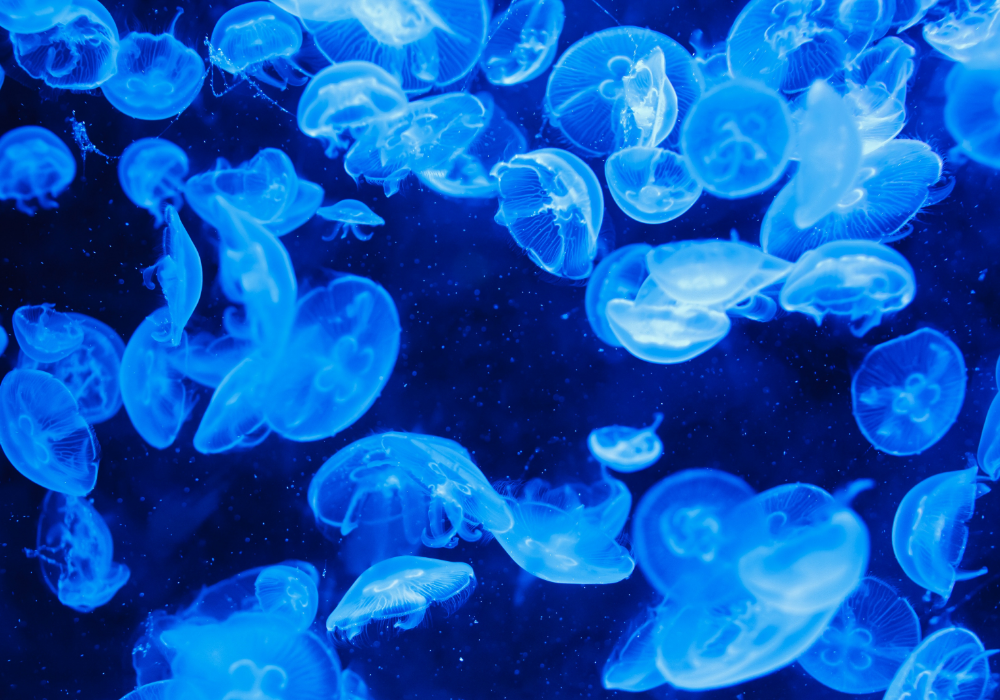
Jellyfish don’t care about climate change. In fact, they’re thriving in it. As warming seas, overfishing, and pollution wipe out more sensitive species, jellyfish are taking over. With fewer predators and competitors, they multiply fast—turning once-rich waters into gelatinous soup.
These blooms clog fishing nets, shut down power plants, and devastate tourism. But the real danger lies in what they represent: a shift from complex, balanced ecosystems to ones dominated by a few hardy survivors. When jellyfish rule the sea, it’s not a quirky ocean oddity—it’s a symptom of collapse. A jellyfish boom is nature’s way of saying, “something’s gone seriously wrong here.” And it’s happening more often than ever.
7. Ocean heatwaves are rising fast, and marine life is boiling over.
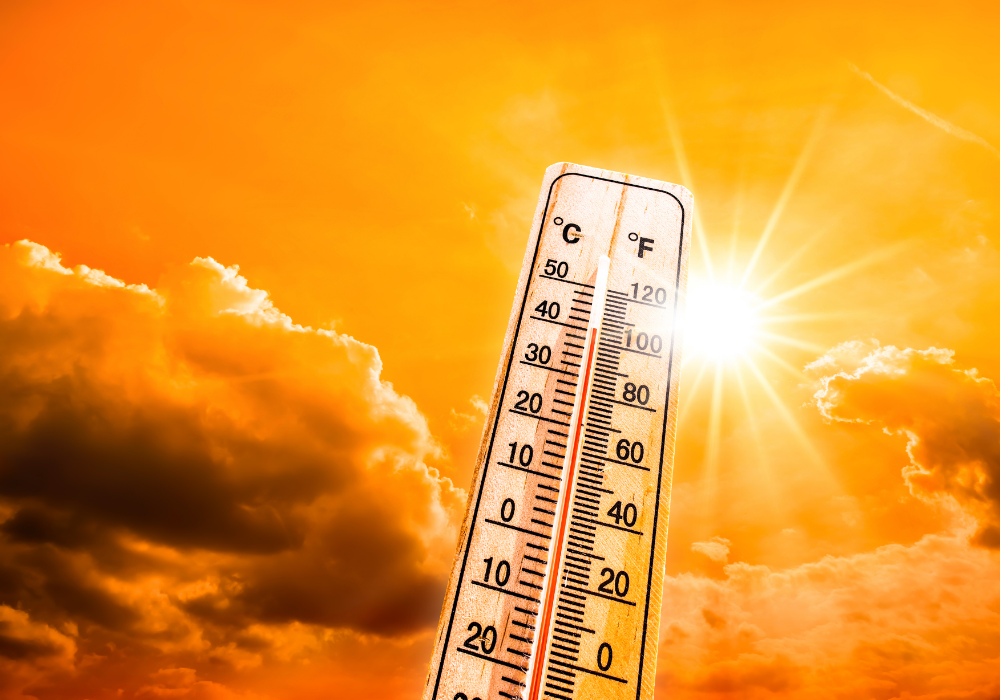
Just like on land, the ocean is experiencing extreme heat events—but underwater, there’s no escape. Ocean heatwaves are prolonged periods of abnormally warm sea temperatures, and they’re becoming more frequent, intense, and widespread. For marine life, these heat spikes can be catastrophic.
Entire kelp forests have withered in days. Coral reefs bleach and die. Fish abandon breeding grounds, and plankton—the foundation of the food web—suffer mass die-offs. In 2015, a Pacific heatwave nicknamed “The Blob” devastated marine ecosystems from Alaska to Mexico. As global temperatures rise, heatwaves like that are no longer rare—they’re becoming the new normal.
8. Plastic pollution is infiltrating every level of the ocean.

It starts with a bottle cap or a straw, but it doesn’t end there. Every year, over 11 million metric tons of plastic enter the ocean, and it’s not just floating—it’s breaking into microplastics that sink, swirl, and infiltrate everything from fish bellies to sea salt. Sea turtles eat plastic bags thinking they’re jellyfish. Seabirds feed it to their chicks.
Even the deepest parts of the ocean aren’t safe—plastic has been found in the guts of creatures seven miles below the surface. The ocean is turning into a landfill, and the effects stretch from the tiniest plankton to the seafood on your plate.
9. The disappearance of seagrass and kelp is collapsing coastal ecosystems.
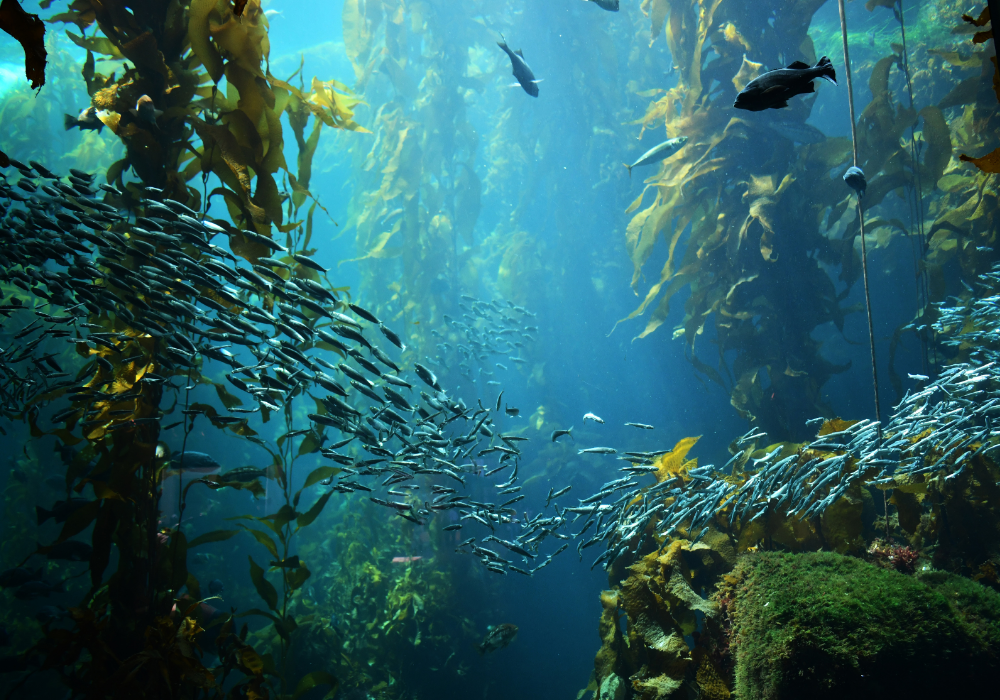
They don’t get as much attention as coral reefs, but seagrass meadows and kelp forests are essential to ocean health. They absorb carbon, stabilize shorelines, and serve as vital habitats for everything from sea turtles to juvenile fish. And yet, these coastal powerhouses are rapidly vanishing.
Warming waters, pollution, and overdevelopment are shredding these underwater forests. Some regions have lost more than 90% of their native kelp.
Without them, biodiversity plummets, fisheries decline, and coastlines become more vulnerable to erosion and storm damage. When seagrass and kelp disappear, marine life loses its anchor—and so do we.
10. Deep-sea mining is threatening fragile habitats we barely understand.
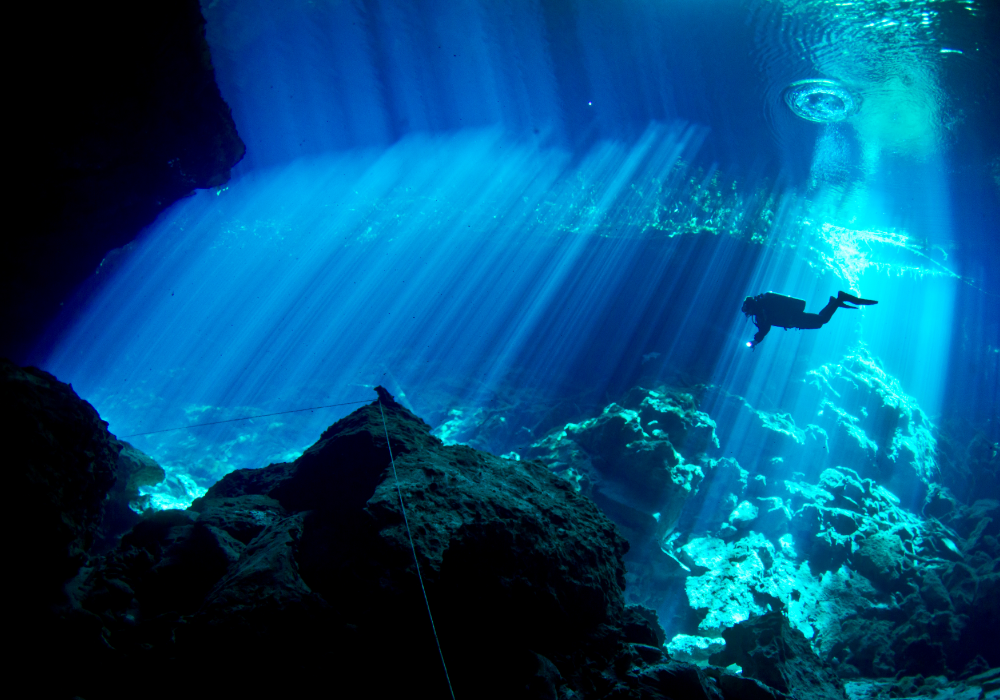
The deep sea covers more than half the planet and remains largely unexplored. Yet corporations are already gearing up to mine its floors for rare earth metals used in tech and clean energy. These operations may satisfy demand—but at an enormous environmental cost.
Mining stirs up plumes of sediment that can smother marine life, disrupt filter feeders, and destroy slow-growing coral communities. The noise and light pollution alone can disorient whales and other deep-diving creatures. Scientists warn that we’re moving too fast, risking irreversible damage to ecosystems we haven’t even had a chance to study.
11. Ocean species are going extinct before we’ve even met them.
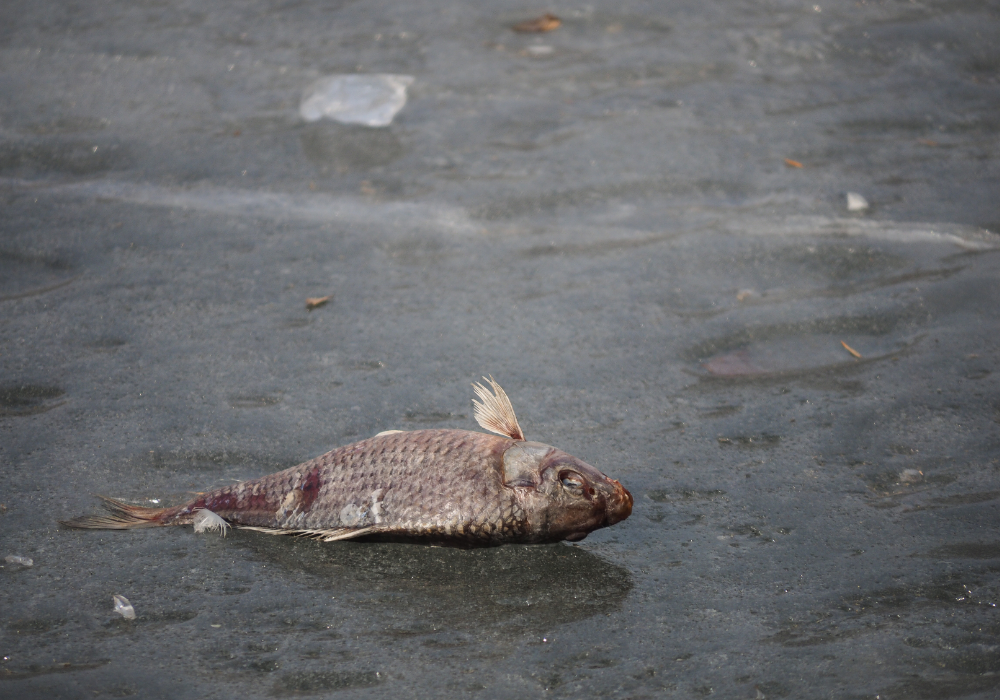
The sea is still teeming with undiscovered life—but the clock is ticking. Many marine species are being driven to extinction by warming waters, acidification, and habitat loss before scientists can even name them. In the deep ocean, entire ecosystems may vanish without a trace.
Unlike charismatic land mammals, marine extinctions often go unnoticed. But that doesn’t make them any less catastrophic. These lost species could have held clues to climate resilience, new medicines, or critical ecological roles. Every undiscovered extinction is a door closed forever—and we won’t know what we missed until it’s too late.
12. The ocean is losing its ability to bounce back.
For generations, the ocean has been nature’s great buffer—absorbing heat, carbon, and pollution while still producing life and regulating climate. But that balance is breaking down. The systems that made the ocean resilient are now stretched to their limit.
Phytoplankton aren’t blooming like they used to. Coral reefs aren’t recovering after bleaching events. Fish populations aren’t bouncing back after years of overfishing.
We’re no longer just damaging the ocean—we’re undermining its ability to heal. And once that ability is gone, restoration becomes infinitely harder. We can’t rely on the ocean to save us if we don’t give it the chance.