
Buying less does more to help the environment than any trendy eco-friendly product ever will.

Minimalism gets framed as an aesthetic—a tidy room, neutral colors, carefully curated shelves—but at its core, it’s something much more powerful: refusing to feed the endless consumption machine. The planet isn’t drowning because people bought the wrong kind of reusable water bottle. It’s drowning because we’re all buying way too much of everything, all the time. Even the most “eco-friendly” products still require raw materials, energy, and waste just to exist.
Real environmental impact starts when consumption slows down altogether. Every purchase avoided is one less factory running, one less shipment crossing oceans, one less pile of waste heading to a landfill. The earth doesn’t need better products; it needs less demand. These 12 minimalist habits don’t just make your life simpler—they cut straight into the root of the problem and help the planet where it actually counts.
1. Saying no to sales stops the cycle that drives endless overproduction.

The rush of scoring a deal feels harmless. But sales feed the engine of overproduction that keeps factories running around the clock, pumping out more inventory than anyone needs. Companies create artificial demand through flash sales and constant “limited time” offers, encouraging impulsive purchases that often end up unused. According to writers for the U.S. Environmental Protection Agency, events like Black Friday result in over 12 million tons of furniture and clothing being discarded annually, much of it bought on impulse and later thrown away.
Every time you resist buying something just because it’s discounted, you disrupt the market signal that tells brands to keep producing more. When fewer people chase sales, inventory piles up, forcing companies to slow production and rethink supply chains. Minimalism isn’t just about owning less—it’s about refusing to validate the system that creates excess in the first place. Skipping the sale helps shrink the demand that’s quietly fueling massive global waste long before products hit store shelves.
2. Owning fewer clothes reduces the hidden waste behind fashion trends.
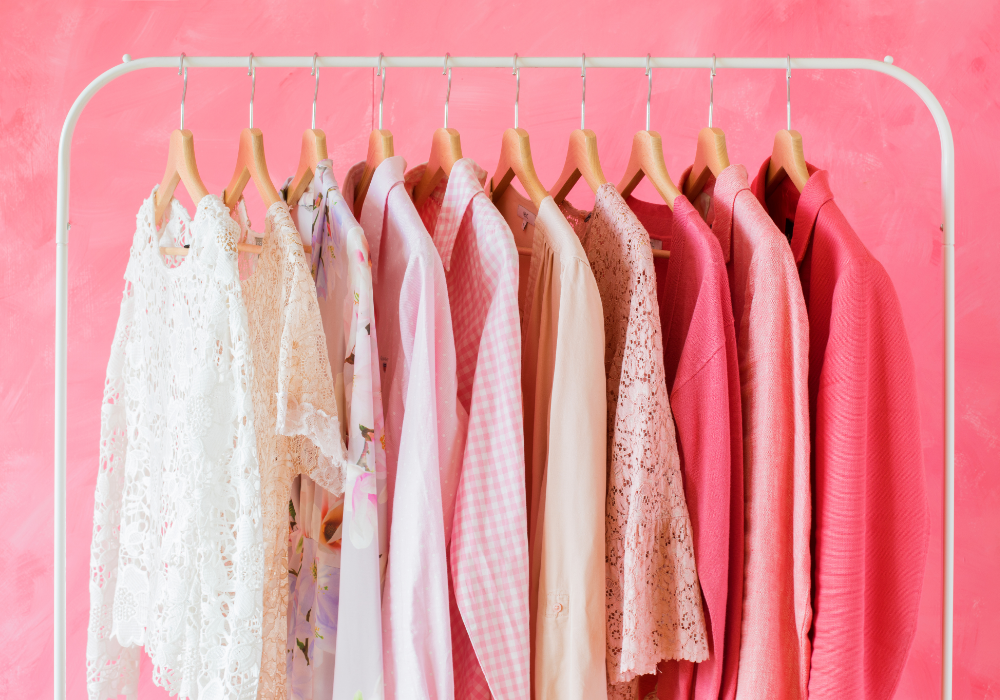
Every new shirt, jacket, or pair of shoes comes with a massive invisible footprint. The fashion industry devours water, energy, pesticides, and labor while generating enormous carbon emissions before a single garment reaches your closet.
Per experts at the European Environment Agency, the textile and clothing sector accounts for approximately 10% of global carbon emissions and uses around 93 billion cubic meters of water annually. Minimalist wardrobes cut through this by focusing on fewer, longer-lasting pieces rather than constant trend-chasing.
Owning less forces brands to slow down. When consumers aren’t constantly refreshing their wardrobes, fast fashion’s aggressive turnover model weakens. Durable, versatile clothing worn repeatedly creates far less waste than endless closets full of rarely worn impulse buys. Minimalism removes the pressure to stay “on trend,” redirecting focus to quality, fit, and longevity—all things that quietly undermine fashion’s wasteful churn.
3. Repairing what you own delays landfills and reduces manufacturing demand.
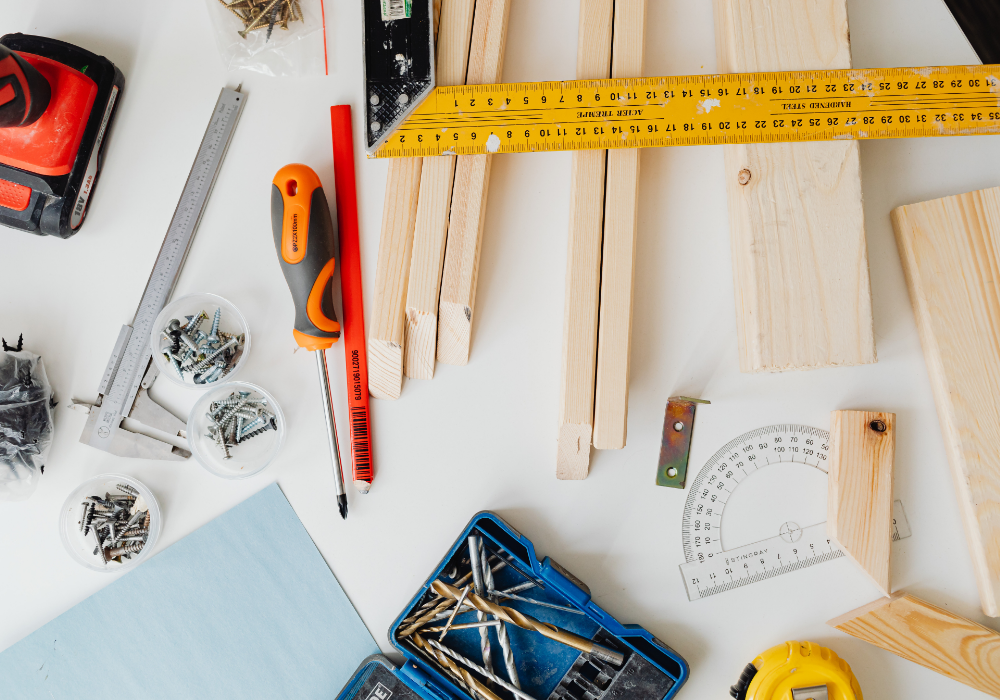
When something breaks, the default reaction is often to replace it. But repairing items—whether it’s clothing, appliances, or electronics—extends their life and delays their trip to the landfill. Every time you fix instead of replace, you cut the resource demand for new production. As highlighted by researchers at the United Nations Industrial Development Organization (UNIDO), repair and refurbishment can reduce embodied emissions by 57–87% compared to manufacturing new products.
Repair culture pushes back against built-in obsolescence, where companies design products to fail after a short lifespan. By choosing to repair, you signal that durability matters. You keep raw materials in circulation longer, reduce energy used in manufacturing, and avoid the carbon emissions baked into creating replacements. Minimalism isn’t about perfection—it’s about resisting disposability and proving that most things can last far longer than we’ve been trained to expect.
4. Avoiding bulk “just in case” purchases prevents silent hoarding that leads to waste.

Stocking up sounds responsible, but overbuying “just in case” often leads to forgotten expiration dates, wasted products, and clutter that silently builds waste at home. Minimalists embrace intentional purchasing—buying what’s needed now, not preparing for endless hypothetical scenarios that may never happen.
Excessive backups for household goods, pantry staples, or duplicate items quietly create waste long before products are used or discarded. Overstuffed storage leads to forgotten items buried in closets and cabinets, eventually tossed when they expire or break. Buying less forces mindfulness about what’s truly necessary, cutting off the subtle waste stream hiding inside bulk shopping habits disguised as frugality.
5. Renting or borrowing big-ticket items cuts down on rarely used purchases.

Tools, outdoor gear, specialty kitchen gadgets—many of these purchases get used a handful of times before collecting dust indefinitely. Minimalists seek out rental libraries, tool shares, and borrowing networks to avoid owning things that spend 95% of their lives idle.
Sharing resources dramatically reduces the need for redundant production, keeping countless items circulating among multiple users rather than gathering dust in garages everywhere. Each drill, ladder, or camping tent borrowed means one less unit manufactured, shipped, and stored. Minimalism embraces access over ownership, shrinking the volume of unnecessary stuff while still meeting practical needs.
6. Choosing multifunctional items reduces the flood of single-purpose gadgets.

Marketing loves single-function products: an avocado slicer, a garlic press, a special pan for one specific meal. These hyper-specialized gadgets clutter homes and drive unnecessary production. Minimalism leans into versatility—choosing tools, clothing, and appliances that serve multiple purposes.
One durable knife replaces a drawer full of unnecessary kitchen gadgets. A well-chosen jacket works across seasons instead of buying three for every weather scenario. Fewer, multifunctional items mean fewer resources consumed across their entire lifecycle. Versatility trims the fat from consumption, shrinking manufacturing demand while delivering the same function with far less waste.
7. Buying secondhand extends the life of existing products and slows new production.

Every secondhand purchase delays the need for new production. Thrift stores, consignment shops, online resale platforms—minimalists embrace these spaces as a way to fill genuine needs without feeding the manufacturing machine. Keeping existing goods in circulation stretches their lifespan and diverts waste from landfills.
Secondhand shopping challenges the constant pressure to buy new, proving that quality doesn’t expire just because packaging does. It also cuts the resource extraction, energy use, and emissions tied to producing something from scratch. Minimalism turns resale into an act of quiet rebellion—choosing to support circular economies rather than endless virgin production cycles.
8. Skipping upgrades slows the tech industry’s endless e-waste problem.

Every shiny new phone, laptop, or smartwatch fuels an avalanche of mining, manufacturing, and electronic waste. Minimalists push back by using devices longer, resisting the artificial hype cycle that convinces consumers their perfectly functional gadget is suddenly obsolete.
Holding onto technology longer reduces demand for rare earth metals, lowers carbon emissions, and shrinks the mountain of toxic e-waste accumulating worldwide. Software updates might slow down older devices, but hardware often remains perfectly functional long after marketers suggest upgrading. Choosing longevity over constant upgrades delivers enormous environmental savings over time.
9. Avoiding home decor trends keeps furniture and accessories out of landfills.

Minimalists resist the pressure to constantly refresh their spaces with the latest decor trends. Furniture, throw pillows, kitchenware—these aesthetic shifts fuel endless manufacturing cycles as people chase the newest looks while discarding last season’s style.
By sticking to timeless, functional designs, minimalists avoid contributing to the rapid turnover that leaves landfills full of barely-used furniture and home goods. Each item kept out of the waste stream represents raw materials and energy preserved. Decor minimalism isn’t about sterile emptiness—it’s about stability that breaks free from the waste cycle tied to chasing trends.
10. Meal planning prevents massive amounts of household food waste.

Food waste is one of the most preventable forms of household waste, but it still makes up huge portions of landfill trash. Minimalists prioritize intentional grocery shopping, buying only what they know they’ll use rather than aspirational bulk hauls that spoil before being eaten.
Careful meal planning reduces over-purchasing, cuts down on impulse buys, and helps ensure food gets consumed rather than forgotten. Less waste means fewer resources squandered on growing, transporting, and packaging uneaten food. Minimalism applied to food is simple: buy what you’ll actually eat, eat what you have, and waste almost nothing.
11. Digital minimalism cuts down on hidden environmental costs of streaming and cloud storage.

It’s easy to forget that digital clutter carries a physical footprint. Streaming video, cloud backups, and endless stored files require massive server farms powered by energy-hungry data centers. Minimalists apply simplicity to digital consumption by limiting media hoarding and being mindful of data-heavy habits.
Clearing out unused files, reducing video streaming quality, and controlling automatic backups help shrink your hidden digital footprint. Every gigabyte stored and streamed draws power somewhere, often tied to nonrenewable energy sources. Digital minimalism isn’t just about decluttering your devices—it’s about recognizing that even online habits contribute quietly to global energy demand.
12. Delaying purchases allows desires to fade, breaking the consumption reflex.

One of the simplest minimalist strategies is also one of the most effective: waiting. When you pause before buying something new, the urgency often fades. Many impulse wants dissolve when given time, revealing they weren’t true needs in the first place.
Delaying purchases reduces consumption simply by filtering out wants that don’t withstand reflection. Every unbought item represents not just money saved but raw materials never extracted, products never shipped, and waste never created. Minimalism’s quiet power lies in its patience—a built-in resistance to the endless urgency of consumer culture.