
These hidden forces quietly shape how cities feel, move, and come alive.

Cities don’t announce their culture with signs or slogans. You feel it right away in how people talk to strangers, how they share space, and what feels normal or awkward as you move through your day. These patterns aren’t random. They build slowly, shaped by history, migration, density, and a million small habits people repeat without thinking.
As cities grow bigger and more connected, these cultural signals matter more than ever. They affect who feels welcome, how easy it is to adapt, and why two cities that look similar online can feel totally different in real life.
City culture isn’t just aesthetic or vibe-based. It’s practical. It quietly runs the show, shaping daily behavior long before rules, laws, or policies ever step in.
1. How people talk reveals a city’s language culture

Every city has its own way of speaking, from accents and slang to how direct or indirect conversations feel. Language reflects who lives there now, who arrived recently, and whose voices tend to dominate public space.
In multilingual cities, switching languages is just part of getting through the day. Even how fast people talk or how blunt they are signals whether a city values speed, politeness, warmth, or emotional honesty. Over time, these habits feel so normal that locals stop noticing them.
2. What people eat exposes a city’s gastronomy culture

Food tells you a lot about a city fast. When people eat, where they eat, and whether meals are rushed or social all reveal how the city handles time and connection.
Street food, markets, late-night meals, or long lunches usually matter more than fancy restaurants. Gastronomy often mirrors migration and money. Some foods become shared cultural symbols, while others quietly mark neighborhood identity and history. Who feels included at the table matters, too.
3. Clothing choices signal a city’s fashion culture
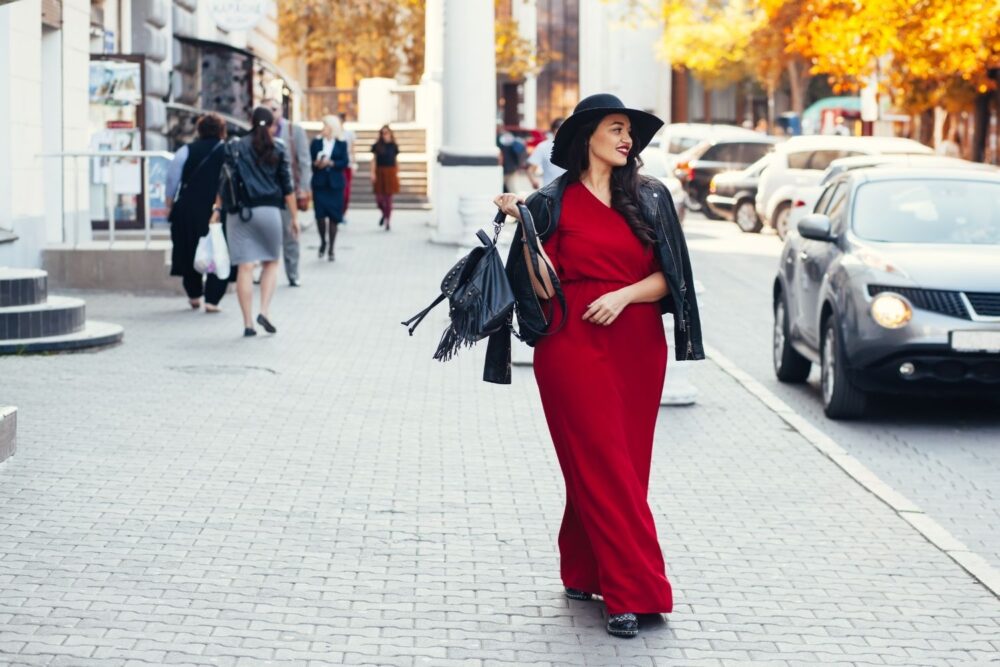
In cities, clothes do a lot of talking. Fashion can signal your job, creativity, politics, or sense of belonging before you say anything at all.
Some cities reward standing out. Others reward blending in. Style becomes a daily balancing act between expressing yourself and fitting the local norm. What feels “too much” or “not enough” changes depending on where you are.
4. Buildings shape daily life through architecture culture
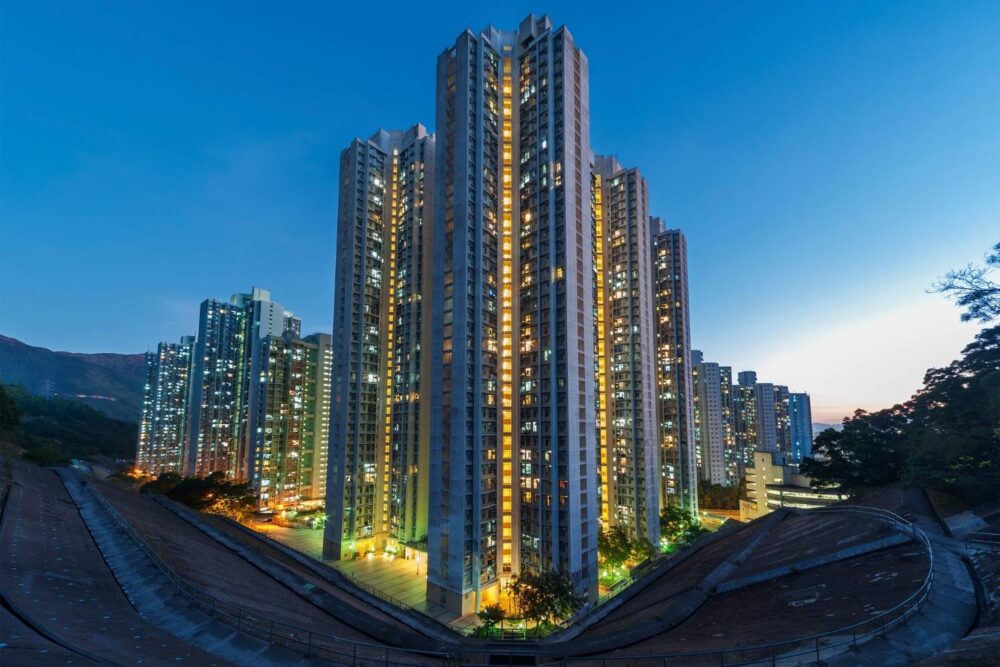
Architecture quietly controls how people move and interact. Tight streets encourage run-ins and conversation, while wide roads prioritize speed and separation.
Cities that protect older buildings often value memory and continuity. Cities that constantly rebuild tend to value growth and reinvention. Either way, the physical layout teaches people how to behave without saying a word.
5. Daily schedules reveal a city’s pace-and-time culture
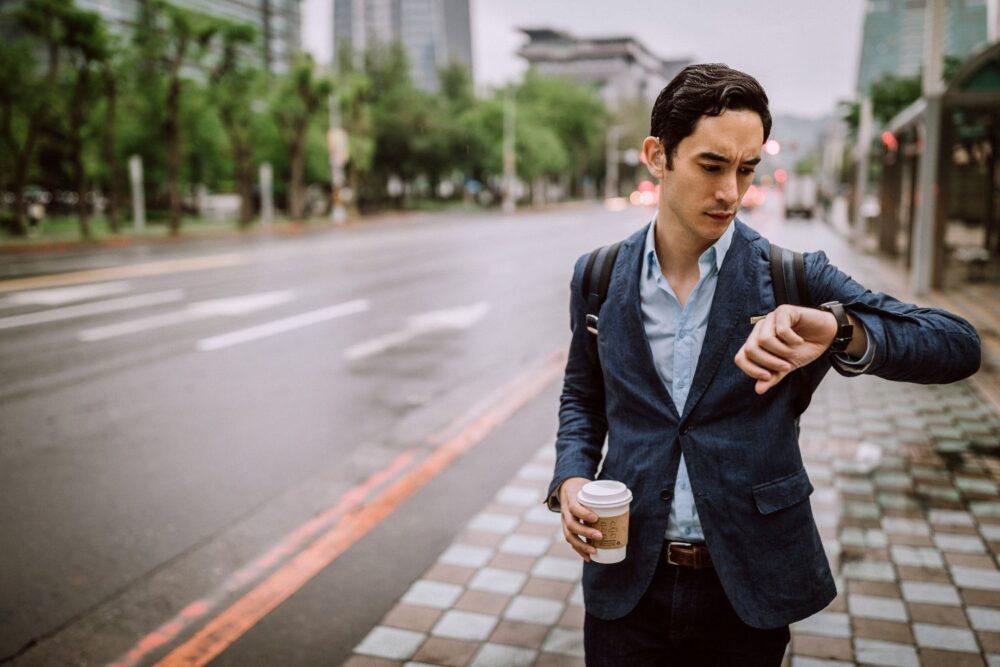
Some cities start early and move fast. Others come alive late and move slowly. These rhythms affect everything from work expectations to social energy.
Time culture shapes stress, patience, and what’s considered “normal.” In some places, urgency is respected. In others, flexibility is expected. Even your sense of time can feel cultural instead of personal.
6. Everyday behavior shows a city’s social norms culture

How people line up, make eye contact, handle conflict, or respect personal space says a lot about what’s socially expected in a city. These norms aren’t written down, but they shape behavior just as strongly as formal rules.
In some cities, friendliness, small talk, and openness signal respect. In others, efficiency, distance, and minimal interaction communicate the same thing without implying coldness.
Social norms also shape how conflict plays out. Whether people address issues directly, rely on passive signals, or avoid confrontation altogether depends heavily on what the city considers appropriate public behavior.
7. Creativity in public spaces defines artistic culture

Street art, music, murals, and performance show how creativity fits into everyday life. In some cities, art stays inside galleries and institutions.
In others, it spills onto sidewalks, transit stations, and walls. That difference shapes who feels allowed to create and who feels like art is only for certain people. Visibility matters.
8. Work habits reflect a city’s economic culture

Cities often build identities around work, whether that’s finance, tourism, manufacturing, or tech. Work schedules shape social life, priorities, and how success is measured.
Economic culture blends into personal identity. How people introduce themselves, talk about burnout, or define progress usually mirrors how work is valued locally.
9. Neighborhood life reveals community culture
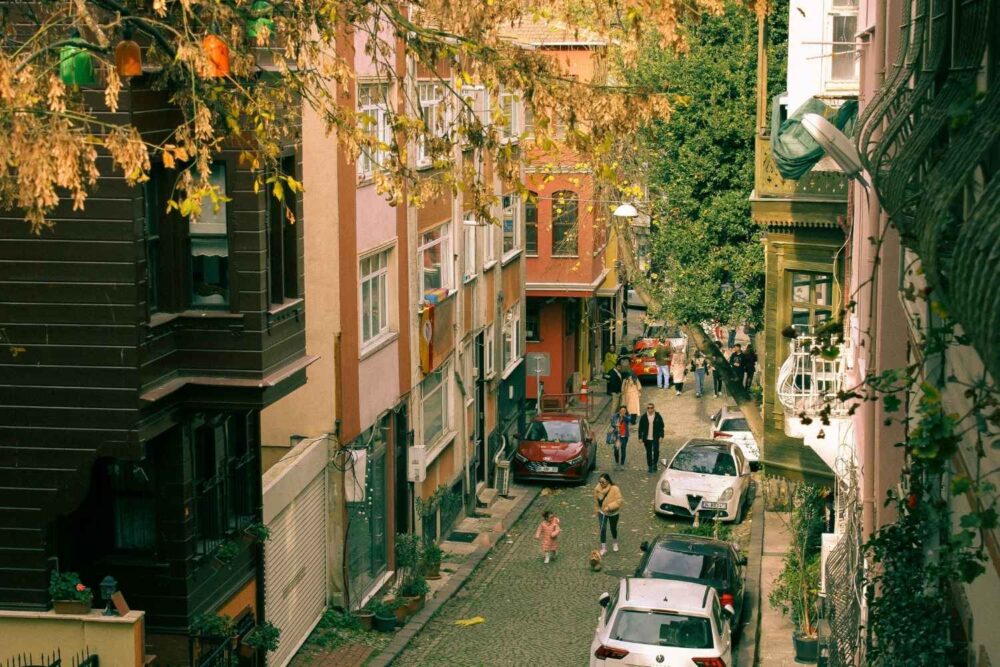
Strong neighborhoods create mini-identities inside larger cities. Local shops, routines, and shared spaces build belonging that citywide branding can’t replace.
These areas often hold onto culture when cities change quickly. During growth, gentrification, or decline, neighborhoods become emotional anchors for residents.
10. How cities celebrate shows festival culture
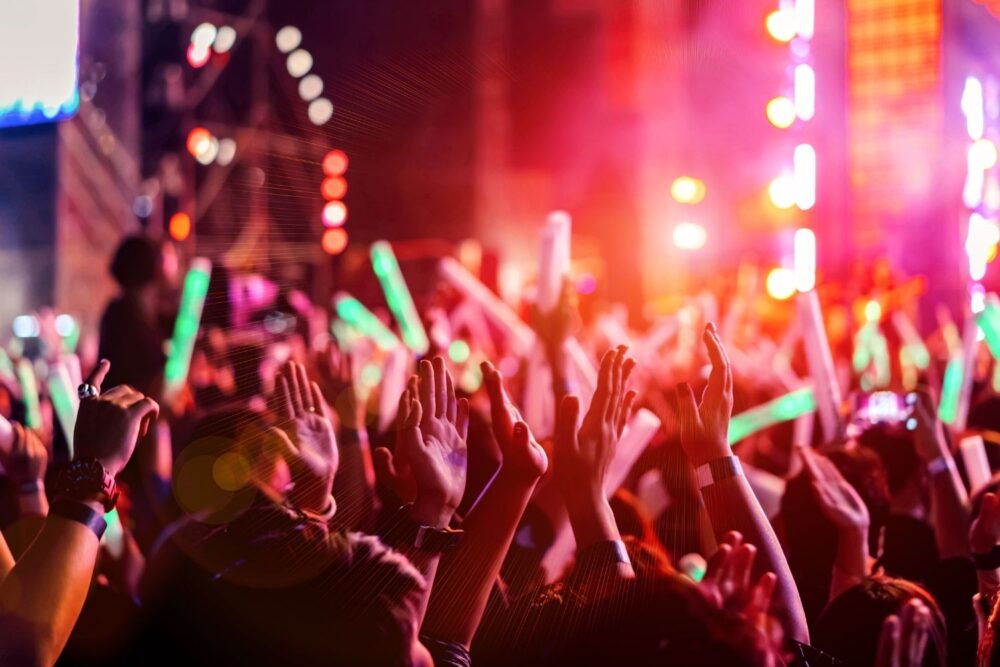
Celebrations reveal what cities care about. Parades, festivals, and public holidays reflect shared history and collective pride.
Some cities celebrate loudly in the streets. Others keep meaning in quieter, everyday rituals. The way people celebrate usually mirrors deeper social values.
11. Transportation habits shape mobility culture
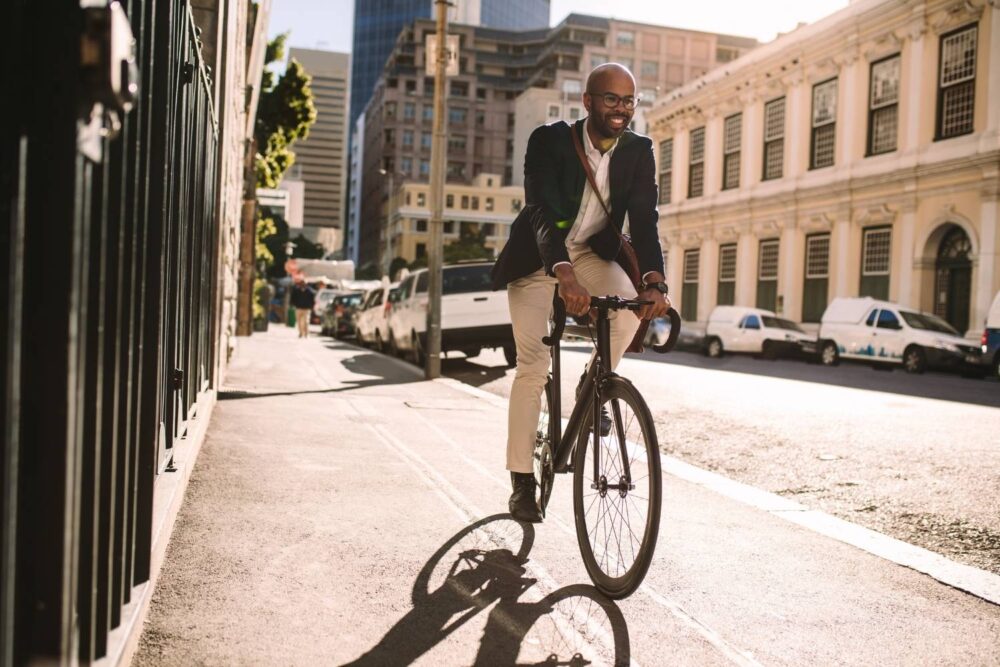
How people get around affects how they experience the city. Walking, driving, biking, or relying on transit changes access, spontaneity, and social interaction.
Mobility also creates invisible boundaries. Some places feel close but inaccessible, while others feel open and connected. Transportation choices can quietly reinforce inequality or inclusion.
12. Constant change defines transitional city culture
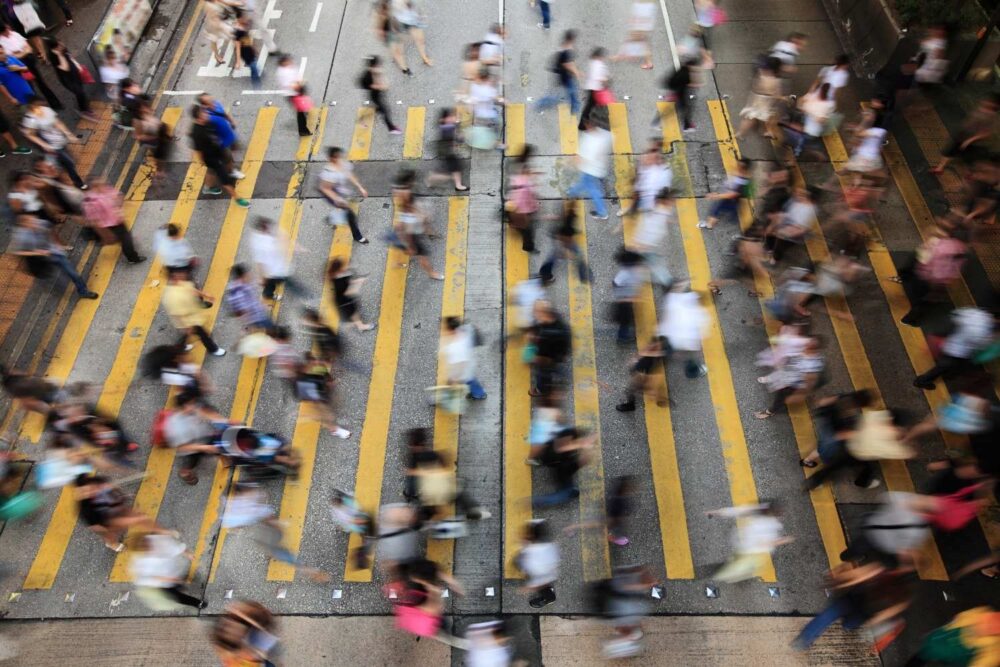
Cities growing fast or losing population develop cultures shaped by uncertainty. Construction, migration, and adaptation become part of daily life.
In these places, flexibility becomes a survival skill. Identity stays fluid, shaped by movement and adjustment rather than permanence. People learn to expect change instead of stability.