
Record ocean temperatures and coral bleaching events devastated Australia’s reef system in the worst die-off ever recorded.
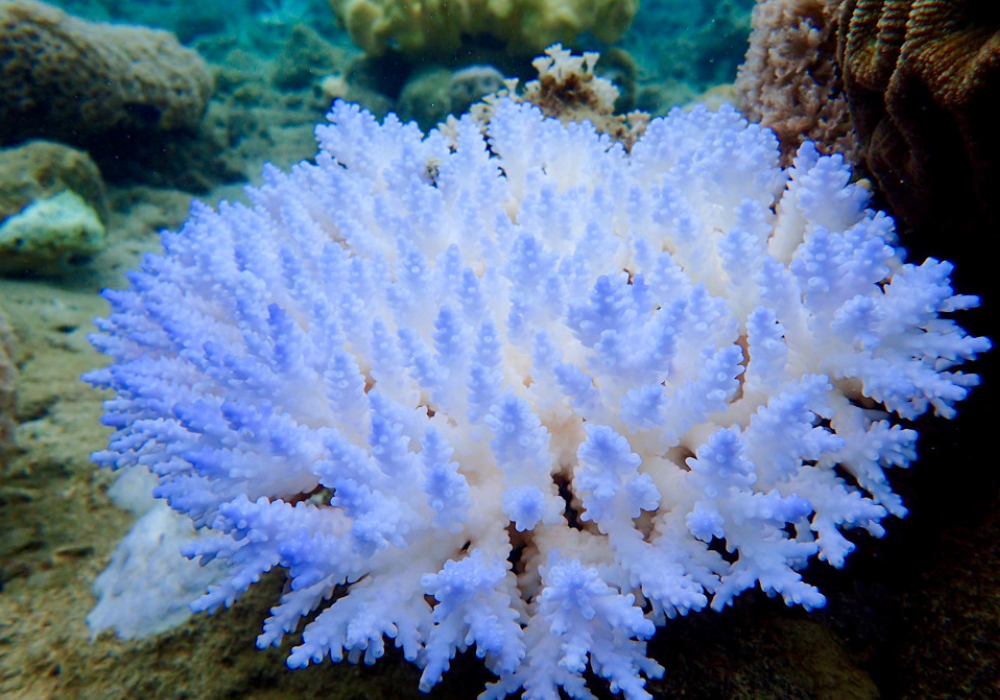
The Great Barrier Reef has survived ice ages, volcanic eruptions, and countless natural disasters over millions of years. But this past summer nearly broke it completely. What scientists witnessed along Australia’s coast was unlike anything in recorded history — a mass die-off so severe that even veteran marine biologists were left speechless.
Dr. Terry Hughes from James Cook University, who has studied coral reefs for over three decades, called it “the most severe bleaching event we’ve ever documented.” The reef that took thousands of years to build was decimated in just a few months of record-breaking ocean temperatures.
1. Ocean temperatures reached levels that literally cooked coral alive in the water.
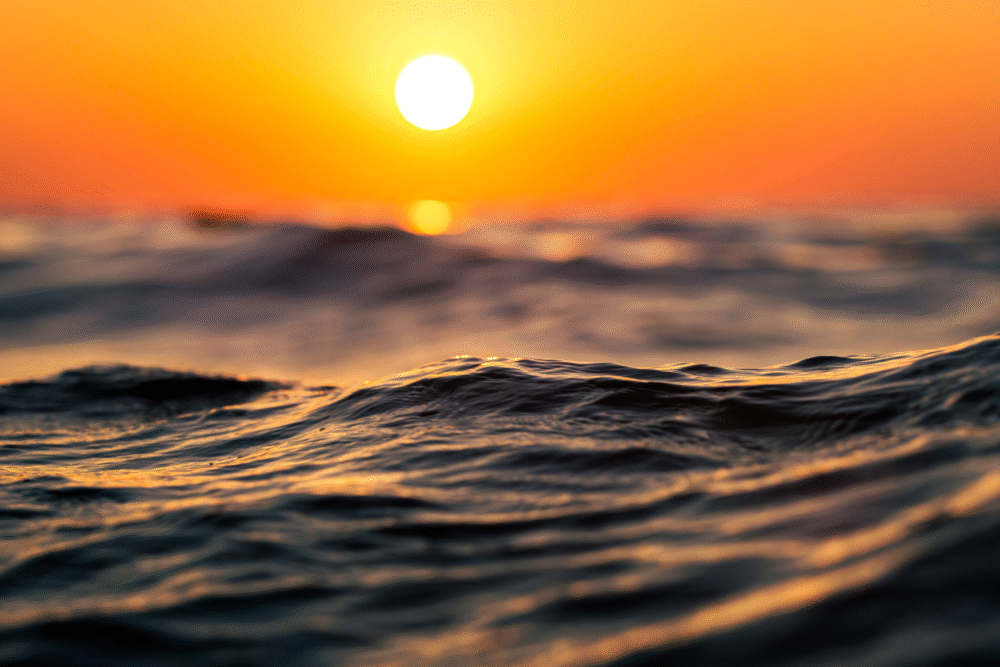
The numbers are almost impossible to believe. Water temperatures along the Great Barrier Reef hit 95°F in some areas — that’s hot tub temperature for one of the world’s most delicate ecosystems. Coral can only survive in a very narrow temperature range, and when water gets too hot, they expel the colorful algae that keep them alive.
Without these algae, coral turns bone white and essentially starves to death. The sustained heat was so intense that entire reef sections died within days rather than the weeks or months scientists usually observe.
2. Satellite images show massive white patches where vibrant coral cities once thrived.

Looking at before-and-after satellite photos is genuinely heartbreaking. Areas that were bursting with color and life just months ago now appear as stark white scars across the ocean floor. These aren’t small patches — we’re talking about reef sections the size of entire cities that have been completely bleached.
The contrast is so dramatic that you can see the destruction from space. Scientists are using these satellite images to map the damage, and the scale is unlike anything they’ve documented in previous bleaching events.
3. Marine life fled the reef in massive migrations never seen before by researchers.
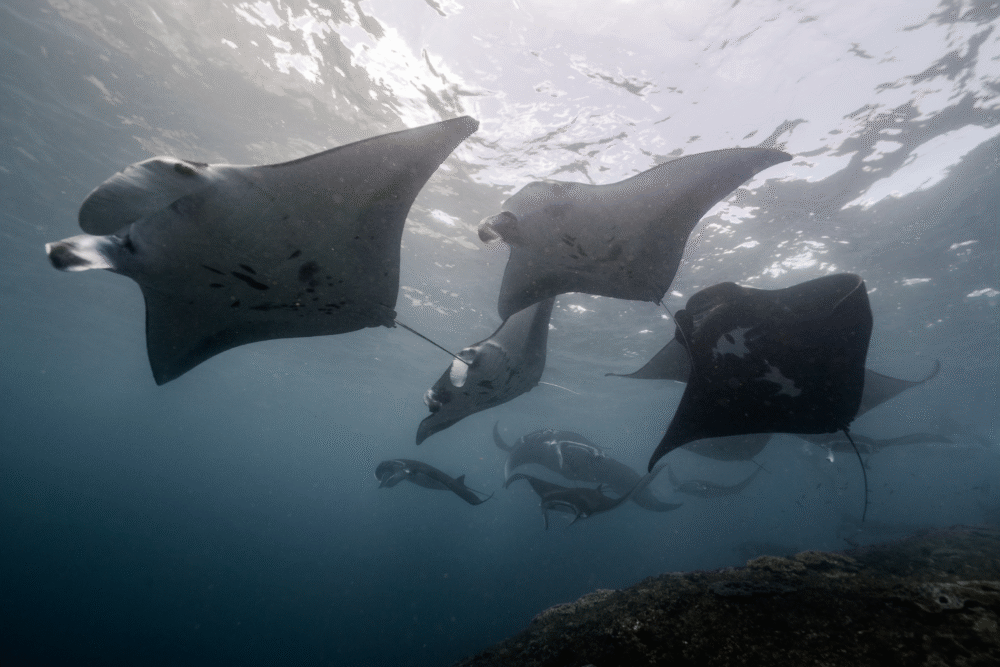
Fish, sea turtles, and other marine animals that have called the reef home for generations literally abandoned entire sections as coral died around them. Underwater cameras captured footage of usually territorial fish swimming in confused schools, searching for healthy coral that no longer existed.
Sea turtles that return to the same nesting beaches every year couldn’t find their traditional feeding grounds. Marine biologists reported seeing species in completely new locations, displaced from their destroyed habitats and struggling to find suitable new homes.
4. Scientists recorded water temperatures that stayed dangerously high for months, not weeks.
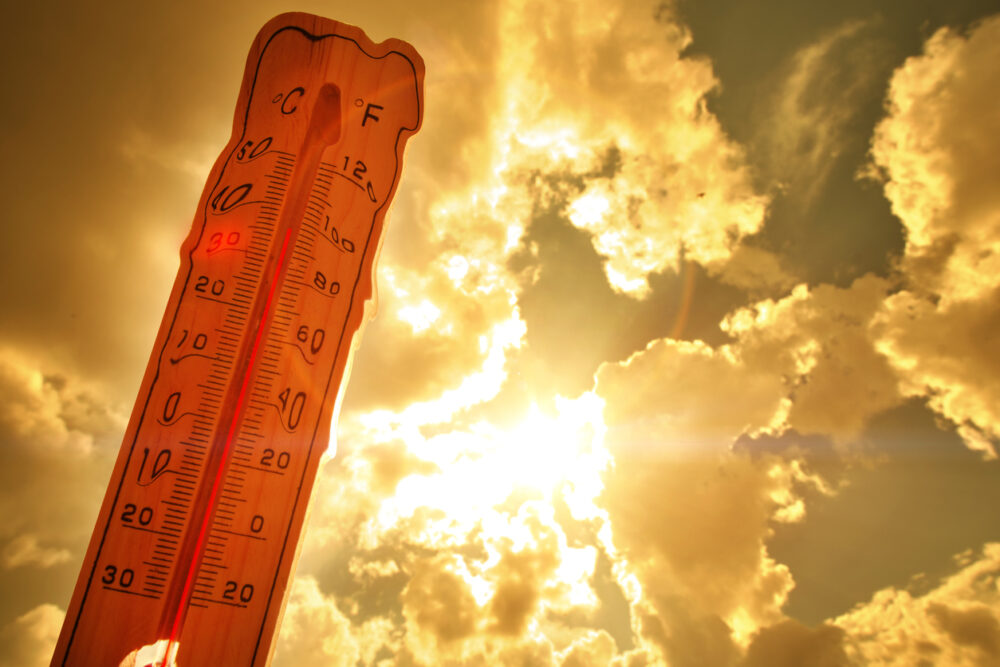
Previous bleaching events were bad, but they were usually brief spikes in temperature that lasted a few weeks at most. This summer was different — the water stayed lethally hot for months on end. Coral needs cooler water to recover from bleaching stress, but they never got that reprieve.
It’s like having a fever that never breaks; eventually, the body just can’t take it anymore. The sustained heat meant that even coral that survived the initial bleaching continued to weaken and die as the summer dragged on.
5. Entire underwater forests of staghorn and table coral collapsed into rubble fields.

Some of the reef’s most iconic coral formations — massive staghorn coral that looked like underwater antlers and table coral that created natural platforms — simply crumbled and fell apart. These structures took decades to grow and provided homes for thousands of marine species.
Now they’re just piles of calcium carbonate rubble on the ocean floor. Divers describe swimming over areas that look like underwater graveyards, with broken coral skeletons scattered across the bottom where thriving ecosystems once stood.
6. Fish populations crashed as their coral homes disappeared beneath them.
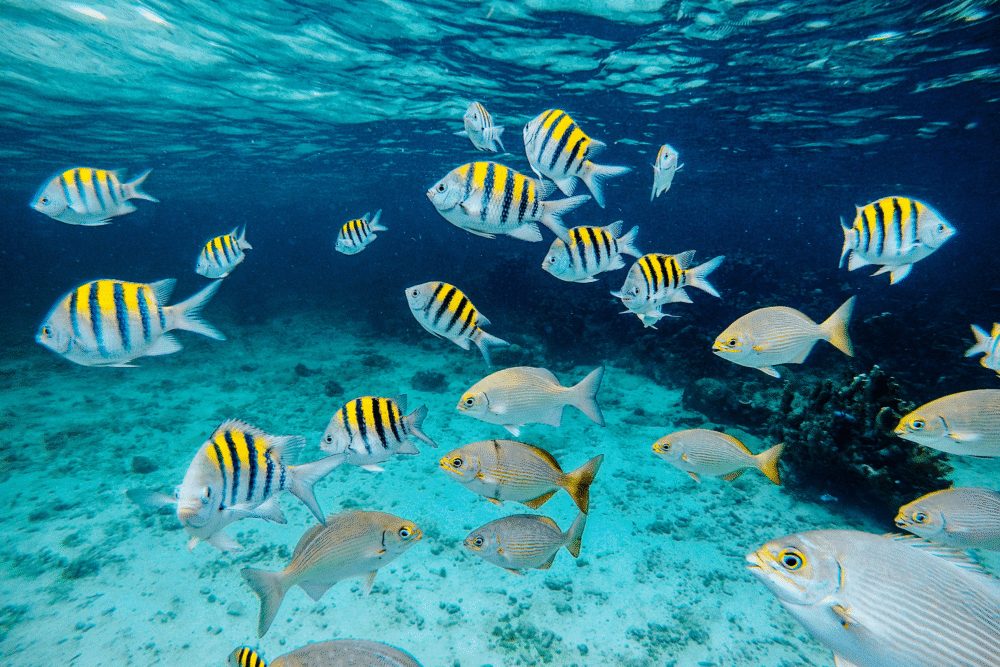
The tropical fish that make the Great Barrier Reef famous depend entirely on living coral for food and shelter. As the coral died, fish populations plummeted in a cascading ecological collapse. Clownfish lost their anemone homes, parrotfish had no coral to graze on, and cleaner fish had no clients to serve.
Scientists estimate that some fish species declined by 75% in the worst-affected areas. The reef’s intricate food web, built over thousands of years, unraveled in just one catastrophic summer.
7. Tourism operators found dead coral where they used to take visitors snorkeling.
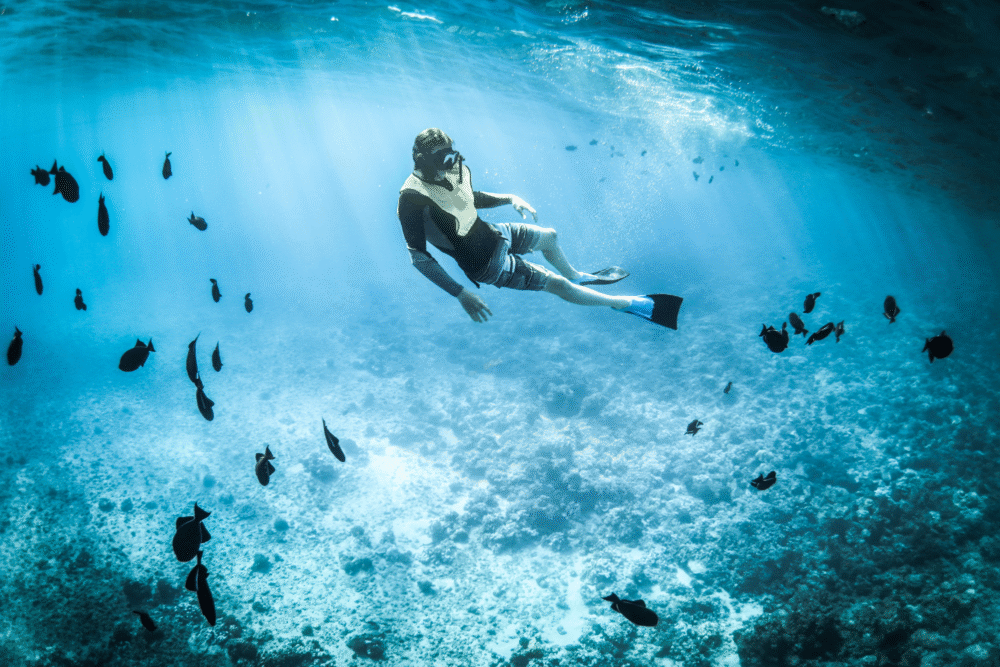
Boat captains who have worked the reef for decades couldn’t believe what they were seeing. Popular snorkeling spots that were vibrant and full of life in previous seasons were transformed into underwater wastelands.
Tourism operators had to completely change their routes, searching for any remaining healthy coral to show visitors. Some longtime operators broke down crying when describing sites they’d visited for years suddenly becoming lifeless. The economic impact is devastating communities that depend on reef tourism for survival.
8. Water quality monitoring stations recorded acidity levels that dissolve coral skeletons.
The ocean isn’t just getting hotter — it’s becoming more acidic as it absorbs carbon dioxide from the atmosphere. Monitoring stations around the reef recorded pH levels that actually start dissolving the calcium carbonate that forms coral skeletons.
It’s like the ocean is becoming a weak acid bath that eats away at the reef’s foundation. Coral that managed to survive the heat stress still faced the challenge of trying to build and maintain their skeletons in increasingly corrosive water.
9. Researchers discovered bleaching in previously pristine deep-water coral communities.

Even coral in deeper, cooler waters that had never been affected by previous bleaching events showed signs of stress and death. These deep-water communities were supposed to be the reef’s insurance policy — safe havens that could repopulate damaged shallow areas.
But the heat penetrated much deeper than ever before, reaching coral communities that scientists thought were protected. The discovery that even these refuge areas were vulnerable shocked researchers and eliminated one of their most hopeful recovery scenarios.
10. Marine protected areas offered no defense against the unprecedented water temperatures.
Areas that had been carefully protected from fishing, development, and tourism suffered just as badly as more impacted zones. All the conservation efforts of the past decades couldn’t protect coral from the fundamental problem of overheated oceans.
Marine parks that had successfully recovered from previous disturbances were devastated just as severely as unprotected areas. This reality check forced scientists to acknowledge that local conservation measures, while important, can’t solve a global climate problem.
11. Recovery time estimates have been extended from years to potentially decades.
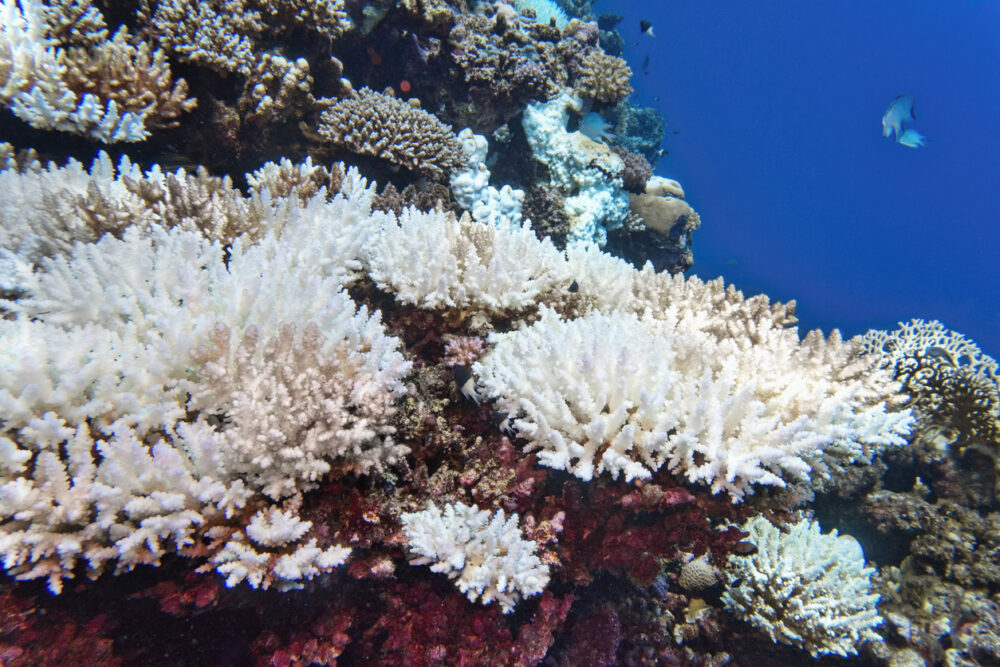
Previous bleaching events damaged the reef, but healthy coral could usually recover within 5-10 years under good conditions. This time is different. The damage is so extensive and the surviving coral so weakened that full recovery could take 20-30 years — assuming ocean temperatures stabilize.
Some scientists worry that with climate change accelerating, the reef may never get the stable conditions it needs for a complete recovery. We might be looking at a permanently altered ecosystem rather than a temporary setback.
12. Scientists warn this summer could be the new normal for reef systems worldwide.

The truly terrifying part isn’t just what happened to the Great Barrier Reef — it’s what this summer represents for coral reefs everywhere. Climate scientists predict that what Australia experienced this year will become routine for tropical reefs around the world within the next decade.
The Great Barrier Reef was essentially a preview of coming attractions for reef systems in the Caribbean, Pacific, and Indian Oceans. Unless global temperatures stabilize soon, this summer’s catastrophe will be remembered as the beginning of worldwide coral reef collapse.