
You’ve never heard of them, but they’re paying the ultimate price.
When people talk about climate change, the usual suspects come up—polar bears, sea turtles, coral reefs. But the reality is way bigger, and way more heartbreaking. There are countless animals quietly slipping toward extinction, and most of us have never even heard their names. No headlines. No documentaries. Just disappearing. These are the creatures living on the edges of ecosystems, relying on very specific climates, and getting hit hardest by rising temperatures, vanishing habitats, and chaotic weather patterns.
And here’s the thing: every time one of these species goes, it sends a ripple through the entire system. These aren’t just cute or quirky animals—they’re pollinators, seed spreaders, and key players in the web of life. They matter, even if they’ve never trended online. If you think you’ve seen the worst of climate collapse, think again. Some of the most urgent losses are happening out of sight.
1. Golden toads vanished before most people even knew they existed.

Native to a tiny patch of cloud forest in Costa Rica, golden toads were once some of the most visually stunning amphibians on Earth. Bright orange and barely two inches long, they lived their entire lives in a delicate balance of humidity and temperature. According to Mattha Busby for The Guardian, the golden toad was one of the first species where climate change was identified as a key driver of extinction, highlighting the broader impact of global warming on biodiversity.
This wasn’t due to poaching or pollution. They weren’t hunted. They didn’t lose their habitat to bulldozers. They just couldn’t survive the shift in temperature and moisture. And that’s what makes it so chilling. When a species this small and specific vanishes without mass awareness, it reveals how many others might be following the same path—quietly slipping out of existence without the world even noticing.
2. White lemuroid possums are running out of mountaintops to call home.

Found only in the misty peaks of northern Australia, this rare, snow-colored possum relies on cool rainforest air to survive. It’s a specialist in every sense—living in a narrow zone that used to stay reliably chilled. Per the Rainforest Foundation, the white lemuroid possum has experienced significant population declines due to increased temperatures and heatwaves, with predictions indicating a rapid decline in numbers in the coming decades.
These possums aren’t being pushed out by predators or humans. They’re being cooked by temperatures their bodies were never built to handle. And with every degree of warming, their habitat shrinks a little more.
What makes it worse is how easily their story gets overlooked. Most people have never even heard of them—but they’re one of the clearest warnings that climate collapse isn’t coming. It’s already rewriting the map.
3. Saola sightings are so rare, some people think they’re already gone.

This animal is so elusive, it’s been called the “Asian unicorn”—but it doesn’t have a horn and it definitely isn’t magical enough to escape climate change. Saolas live in the misty forests between Laos and Vietnam, and they’re nearly impossible to spot in the wild. But just because they’re secretive doesn’t mean they’re safe. As stated by the World Wildlife Fund, habitat destruction, including deforestation and fragmentation of the saola’s unique wet evergreen forest habitat, is a significant threat to the species.
It’s one of those creatures that feels like a myth until you realize how real—and how endangered—it actually is. They weren’t built for a world full of heatwaves and disappearing forests. And if we don’t act fast, the next “sighting” could be in a museum, not the wild. It’s heartbreaking how many animals are fading out like this—quietly, slowly, without anyone even noticing until it’s too late.
4. Pika populations are shrinking because their cool mountain air is disappearing.

Pikas are tiny, round fluffballs that look like a cross between a hamster and a rabbit. They live way up in the mountains, where things used to stay nice and chilly. But now, summer heat is creeping higher, and the places where pikas can comfortably live are getting fewer and farther between. They can’t survive in the heat, and they’re not the migrating type—once their mountaintop warms up, they’re pretty much stuck.
These little guys are kind of like climate change’s canaries in the coal mine. When they start disappearing, it’s a sign that things are heating up way too fast, even in places that were once considered safe. They’re not dramatic or headline-worthy, but they matter. And watching their numbers drop because the air’s too warm? That’s not just sad—it’s a wake-up call.
5. Axolotls are clinging to survival in a shrinking patch of polluted water.
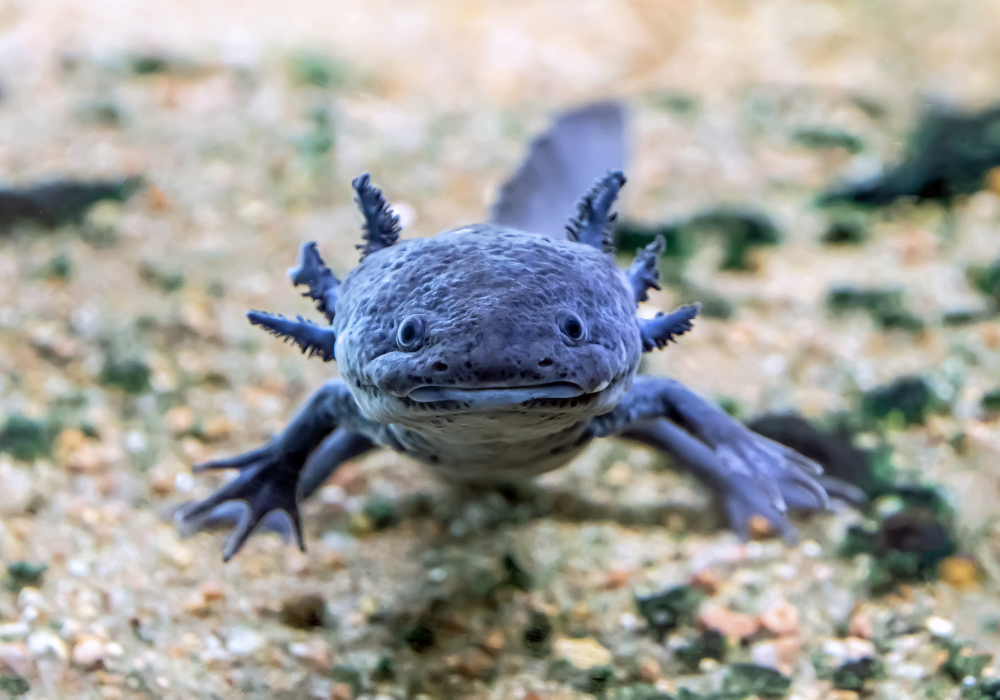
These little smiley-faced salamanders look like something out of a video game, but their reality is anything but cute right now. Native to a few lakes and canals around Mexico City, axolotls are barely hanging on. Pollution is a big part of the problem, but climate change is making it worse—droughts are drying up their limited habitat, and rising temperatures are messing with the delicate balance they need to stay alive.
Axolotls used to thrive in the cool, clean waters of high-altitude lakes. Now, they’re stuck in a soup of warm, shallow, contaminated water, and they don’t stand a chance without serious help.
Even though they’re popular in labs and pet stores, wild axolotls are dangerously close to disappearing. It’s weird how an animal can be famous on the internet but nearly extinct in real life—and most people don’t even know it’s happening.
6. Quiver trees are dying off faster than they can adapt to the heat.

These massive, alien-looking trees dot the deserts of southern Africa like something out of a sci-fi movie. They’ve stood strong for centuries, surviving harsh sun and dry soil—but climate change is hitting them in a way they can’t handle. The heat is now so intense that even these drought-adapted giants are struggling. Whole groves are dying off, especially in the northern parts of their range where it’s getting hottest.
Trees don’t scream, and they don’t run—but they still suffer. And watching these ancient plants wither in real time feels like nature waving a white flag. Quiver trees aren’t just cool to look at. They’re a lifeline for birds, insects, and small animals that rely on their shade and structure. When they go, a whole little desert world starts falling apart. It’s the kind of loss you don’t see coming until it’s already too late.
7. Yellow-eyed penguins are vanishing from New Zealand’s coastlines.
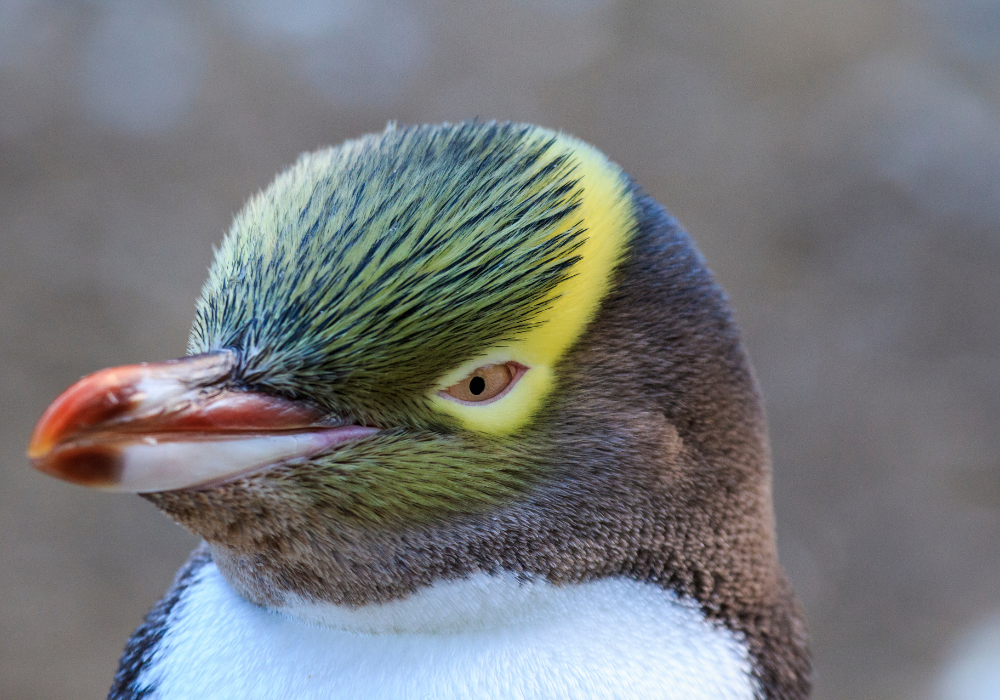
These aren’t your typical cartoon-style penguins. Yellow-eyed penguins are shy, quiet, and totally unique to a small corner of the world. They live along the southeastern coast of New Zealand, where they’ve already been hit hard by habitat loss and fishing nets. But now, warmer ocean temps and shifting food supplies are making things way worse. Their chicks aren’t surviving, and entire breeding sites are collapsing.
You’d think a rare, beautiful penguin would get more attention—but nope. They’re fading fast, and barely anyone’s talking about it. They’re not just battling climate change—they’re doing it while flying under the radar. And once they’re gone, they’re gone. No second chances, no comeback tours. Just silence where a species used to be. It’s scary how many animals are disappearing not with a bang, but with a slow, quiet fade.
8. Ocean sunfish are struggling as their jellyfish meals drift away.
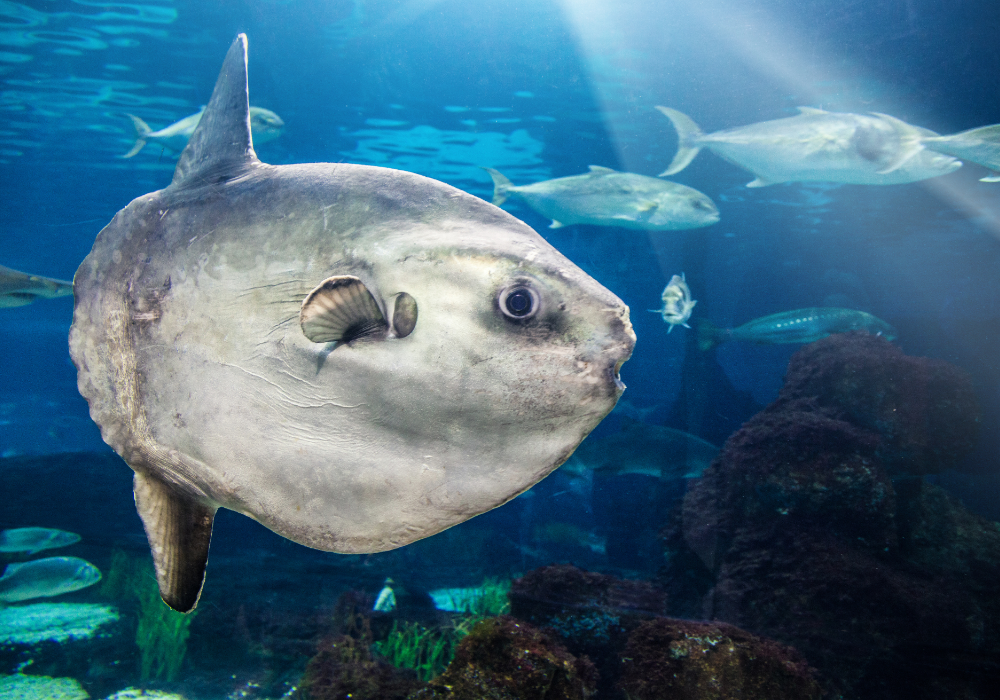
Ocean sunfish look like giant swimming pancakes with fins—and they’re surprisingly delicate for something so massive. These weirdly lovable creatures feed mostly on jellyfish, which are now moving to cooler waters thanks to warming oceans. That means sunfish have to go farther and deeper to find food, burning more energy and putting them at risk. Add in more frequent storms and acidifying oceans, and their survival just keeps getting harder.
They’ve been around forever, floating through the ocean like awkward little blimps, but the modern ocean isn’t built for them anymore. You’d think something that big would be tough to mess with, but when their food disappears and the water around them turns hostile, even giants start to fall. It’s another reminder that no creature is too odd, too big, or too mysterious to be affected by a warming planet.
9. Saimaa ringed seals are running out of snow to raise their pups.
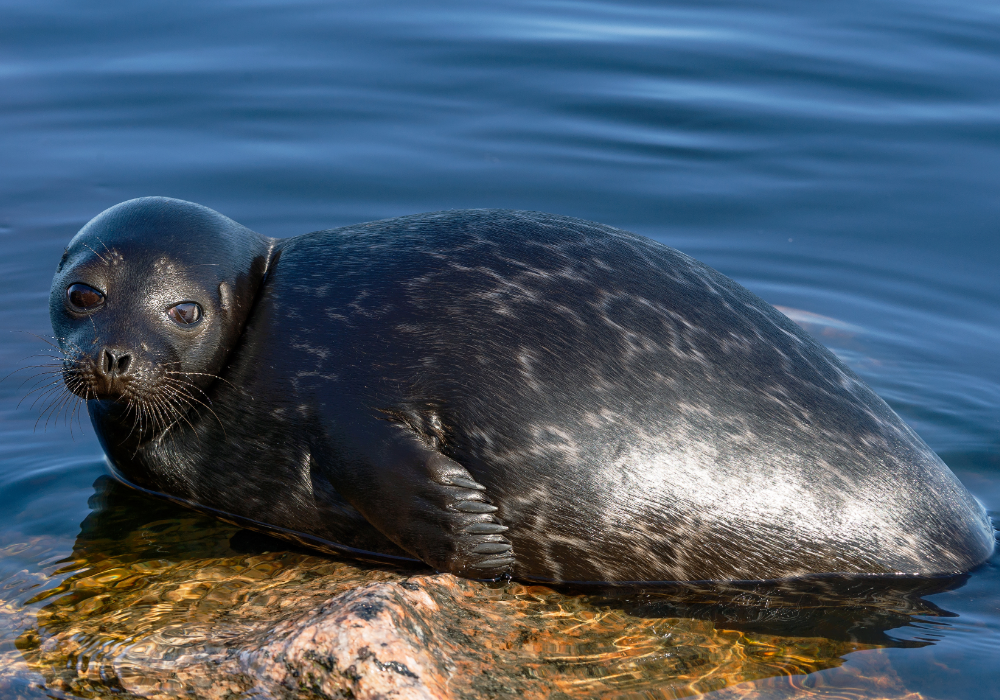
Found only in Finland’s Lake Saimaa, this seal species is one of the rarest on Earth. It’s also one of the most sensitive to climate change, and not in the way you might expect. Without enough snow to build cozy dens for their newborn pups, the chances of survival drop fast. Warmer winters mean slushy shorelines and bare ground where shelter used to be.
People have actually started shoveling snow by hand just to help them make it through the season. That’s how desperate it’s gotten. It’s not about pollution or predators—it’s about snowfall. Something that simple is now a life-or-death issue. When a seal needs a snowdrift just to be born safely, and climate change steals that away, you’re not just watching an animal struggle—you’re watching a species on the edge.
10. Harlequin frogs are vanishing from mountaintops across Latin America.

Bright, bold, and no bigger than your palm, harlequin frogs once lit up the rainforests of Central and South America. They thrived in cool, high-altitude zones—places that felt safe from major temperature swings. But that sense of safety is long gone. Rising heat, unpredictable rainfall, and spreading disease have turned their habitats into survival zones.
Many species have already disappeared, and the ones left are barely hanging on. It’s not just the climate itself—it’s what it brings with it. Warmer conditions have turbocharged a deadly fungus, making life even harder for frogs already on the brink.
Harlequin frogs aren’t just pretty—they’re a crucial piece of their ecosystems. And as they fade out, so does the balance they helped maintain.
11. Egyptian vultures are getting squeezed by a changing world.

Egyptian vultures once soared across Europe, Asia, and Africa. But their numbers have plummeted—and climate change is only making it worse. Shifting temperatures are disrupting migration routes, breeding patterns, and food availability. On top of that, they’re dodging poisoned bait, power lines, and habitat loss. It’s like every part of their life is under threat at the same time.
They’re not flashy, but they play a crucial role in the ecosystem—cleaning up dead animals and keeping disease in check. Without them, nature’s balance gets seriously thrown off. And as their populations shrink, so does our chance to fix the damage. It’s a slow, quiet disappearance, the kind that doesn’t make headlines—but it should. Because when birds like this start vanishing, it’s a sign that way bigger problems are on the way.
12. Northern corroboree frogs are fading from Australia’s high country.

Tiny and striped like a highlighter, the northern corroboree frog lives in the cool, misty bogs of Australia’s alpine regions. It breeds in shallow pools that rely on precise weather patterns—and those patterns are falling apart. Droughts are drying out breeding spots, while rising temperatures and a devastating fungus are hitting the population from every angle.
Scientists have been trying to save them with breeding programs and habitat protections, but the wild isn’t cooperating. Without consistent rain and cooler temps, their chances stay slim. It’s one of those creatures that seems too small to matter—until you realize how many frogs, insects, and other micro-wildlife are telling the same story. Climate change isn’t just shifting the seasons. It’s emptying out entire ecosystems one fragile species at a time.