
The things you buy today aren’t as innocent as they looked back then.

Remember when shopping in the ’90s meant wandering the mall with friends, flipping through CDs, or picking up a single lotion from Bath & Body Works? It felt simpler—fewer pop-ups, less pressure, and definitely fewer sneaky algorithms tracking your every move. Fast forward to today, and consumer culture has become a slick, digital labyrinth designed to keep you spending without even realizing it.
Companies now use psychological tricks, curated FOMO, and endless “limited edition” hype to turn every scroll into a purchase. What used to be an occasional treat is now a daily dopamine hit designed to feel like self-care. If you feel like you’re constantly playing catch-up with trends and deals, you’re not imagining it. Here’s a breakdown of 12 sneaky traps that didn’t exist—or were way milder—back in our butterfly-clip-wearing, dial-up days.
1. Subscription traps hook you in and quietly bleed your wallet dry.
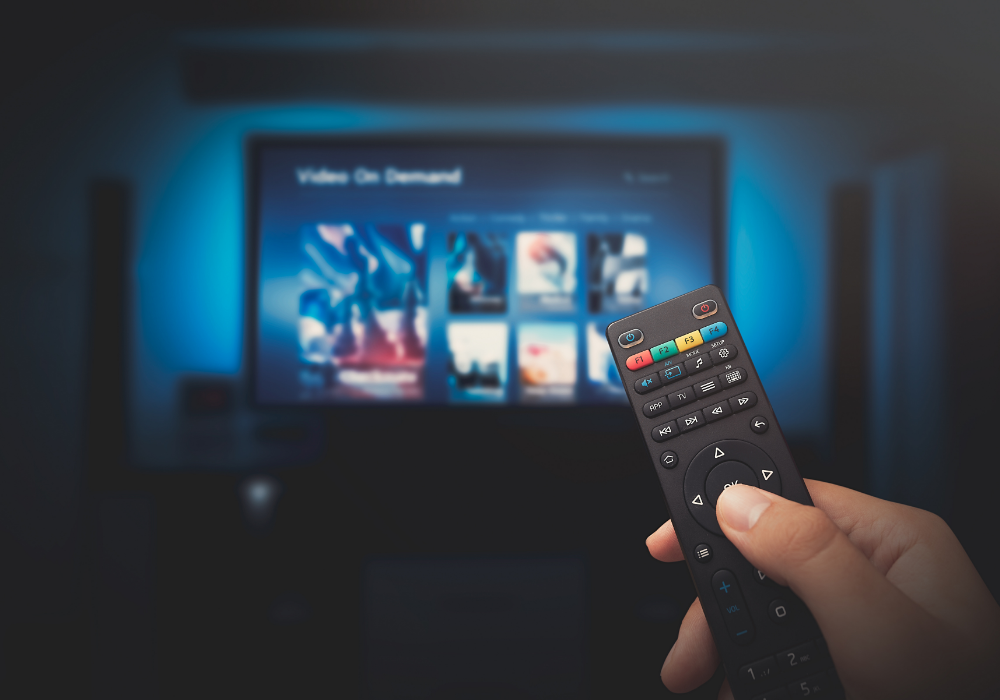
In the ’90s, subscriptions meant a few magazines or maybe a gym pass, but today they’re an endless buffet designed to drain you slowly. Beauty boxes, streaming services, meal kits, and even sock deliveries keep you locked into autopay, all while whispering “self-care” and “convenience.” It feels like harmless monthly treats until you realize you’re paying hundreds a year for stuff you barely use. Free trials flip into stealth charges before you blink, and canceling is often a frustrating maze. Regularly checking your statements and asking, “Does this actually bring joy?” is crucial. The ultimate power move? Reclaiming control and freeing up your money and mind from this endless digital drip feed of “just one more month.”
2. Personalized marketing makes you think every sale was meant just for you.

Ads used to be straightforward and easy to spot. Now, that “perfect” jacket or strangely specific kitchen gadget shadowing you online feels like destiny—but it’s really data-driven manipulation. Every click, pause, and search is collected to build psychological traps that feel personal and urgent. Those “just for you” discounts and relentless “cart reminders” aren’t thoughtful touches; they’re designed to trigger your fear of missing out. You end up buying things to fix problems you didn’t even know existed yesterday. Before you hit “buy,” pause and ask yourself if it was something you truly wanted before it found you. In a world of hyper-targeted marketing, the most radical move might be to simply say no to the stuff algorithms push your way.
3. Fast fashion convinced us clothes are disposable instead of investments.

Remember when you saved for months to buy that perfect jacket and wore it everywhere? Now, cheap micro-trends make you feel out of date within weeks, thanks to fast fashion giants churning out styles faster than you can say “haul.” Clothes have become like fast food—cheap, addictive, and designed to keep you coming back for more. But behind that $12 top is a trail of environmental devastation and exploited labor. Your closet turns into a cluttered mess of regret buys, and those pieces often end up in landfills after only a few wears. Choosing timeless, quality items might feel old-school, but it’s a radical act of resistance against an industry profiting off your insecurities and impulse shopping habits.
4. Influencer culture turned everyday products into status symbols overnight.

In the ’90s, you found new trends through magazines or that one super-cool friend at school. Now, influencers push everything from water bottles to vitamins as essential “must-haves” to upgrade your whole vibe. The line between authentic recommendations and paid ads has blurred so completely that you’re often buying into a personality rather than a product. You start to believe you need a particular face roller or $80 candle to be “that girl” when, in reality, you’re funding someone else’s curated illusion. Before you click checkout, ask yourself if it’s your genuine style or just another influencer mirage. Reclaiming your choices means tuning out the noise and reconnecting with what actually feels good to you—not what racks up likes.
5. Planned obsolescence turned durable goods into short-lived gadgets.
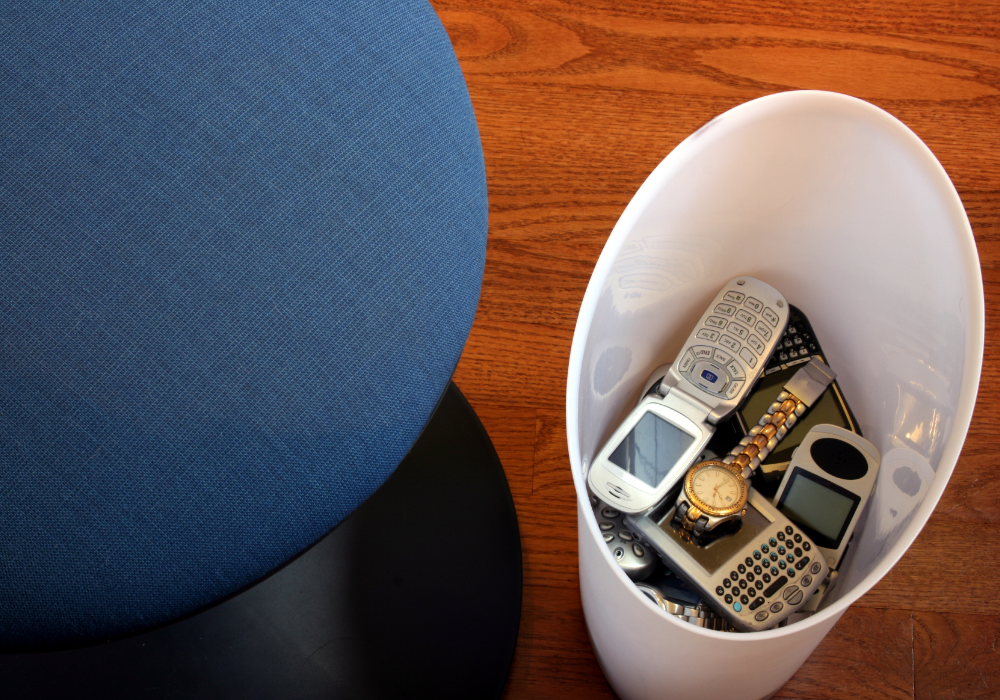
Back in the day, electronics and appliances were built like mini tanks—you could keep that bulky TV or clunky stereo system for a decade without feeling out of touch. Now, companies intentionally design products to break or feel outdated quickly, pushing you into an endless upgrade loop. Software updates slow devices, parts are intentionally unrepairable, and each new launch teases you with “revolutionary” but often minor tweaks. It’s a sneaky way to keep your wallet open year-round while tossing last season’s “must-have” into the trash. Breaking free means resisting the hype and embracing repairable, lasting tech. The most radical rebellion? Using your current phone or laptop until it truly quits—because longevity is cooler than any shiny launch event.
6. Loyalty programs trap you in endless spending loops you didn’t sign up for.

A loyalty program used to mean a simple punch card for a free frozen yogurt. Now, they’ve evolved into sophisticated point systems designed to keep you coming back and spending more than you ever planned, all for “rewards” that often aren’t even worth it. You convince yourself you’re saving money, but in reality, you’re shelling out extra cash just to chase a freebie or an exclusive status badge. That satisfying rush when you see your points add up isn’t by accident—it’s a psychological trick crafted to silence your budgeting instincts. Suddenly, you’re shopping at pricier stores or tossing extra items into your cart just to “hit the goal.” True loyalty should work for you, not trap you. Sometimes the smartest move is skipping the program altogether and staying loyal to your own financial well-being.
7. Micro-trends make you feel outdated faster than your old flip phone ever did.

In the ’90s, trends stuck around long enough to become a defining part of your style (hello, butterfly clips and baggy jeans). Now, TikTok and Instagram cycles churn out micro-trends weekly, making you feel behind before you even get the chance to buy in. Whether it’s a new “must-have” color palette or the latest water bottle aesthetic, you’re pushed into endless reinvention. The constant churn keeps you spending on cheap hits rather than investing in pieces or styles that truly resonate. Instead of feeling inspired, you end up exhausted—and your closet overflows with impulse regrets. Reconnecting with your own vibe and resisting every new wave is a rebellion that saves money and sanity.
8. “Wellness” products prey on your insecurities in the name of self-care.

Self-care used to mean a simple bubble bath or a drugstore face mask. Today, it’s a full-blown industry pushing $90 vitamins, crystal-infused water bottles, and questionable detox teas, all promising instant transformation with every swipe of your card. These products prey on insecurities, convincing you that wellness is something you can purchase instead of something you build slowly through genuine habits. The focus shifts from real health to creating an aesthetic—your morning smoothie bowl becomes more about Instagram likes than actual nutrients.
9. One-click buying makes impulsive spending way too easy.

In the ’90s, buying something required an actual trip to the mall, complete with time to think and maybe even a return visit. Now? One click and it’s on your doorstep tomorrow—sometimes even the same day. Convenience is great, but this frictionless system turns every fleeting want into an immediate purchase without giving your brain a chance to cool down. You barely process the cost before it’s charged. Companies know that reducing steps increases sales, and they design apps to keep you in a trance. Before tapping “Buy Now,” give yourself a pause rule—wait 24 hours, revisit your cart, and see if the urge holds up. You’ll often find the magic fades fast, and so does that “need.”
10. Limited drops create fake urgency that empties your wallet fast.

Scarcity used to be real—like actually running out of Beanie Babies at the toy store. Now, brands engineer “limited edition” drops and countdown timers to spark panic buys. You’re convinced you’ll miss out forever if you don’t snag that pastel tumbler or exclusive sneaker in 0.2 seconds. The thrill is addictive and keeps you chasing the next rush instead of considering if you truly want or need it. While you’re stuck refreshing pages and setting alarms, your bank account is silently screaming. Remember: urgency is often manufactured to override your rational mind. Learning to breathe, question the hype, and accept missing out can save money—and give you power back over your own choices.
11. Free shipping thresholds push you into spending more than planned.

Back in the ’90s, shipping costs were a given, and you just accepted it or shopped in person. Now, websites dangle “Spend $12 more for free shipping!” over your cart like a digital carrot. You end up adding that random lip balm or extra T-shirt just to hit the magical threshold. It feels like a deal, but you’ve actually spent more than if you’d just paid the shipping fee. The psychology is clear: people hate paying for shipping, so they’ll gladly overspend to avoid it. Next time, do the math—if it costs less to pay for shipping than to pad your cart, embrace the small fee. Your budget (and your storage space) will thank you for resisting this subtle trap.
12. Constant “improvements” trick you into endless upgrades you don’t need.

People used to keep a phone or stereo until it actually broke. Now, there’s a constant parade of “new and improved” models—phones, headphones, kitchen gadgets—all promising life-changing upgrades each year. In reality, the differences are often tiny and engineered to make you feel like last year’s perfectly good purchase is suddenly outdated and embarrassing. You end up stuck in a cycle of spending more and more just to feel “current,” even though your old device still works just fine. Embracing longevity and rejecting this push for constant upgrades is a quiet act of rebellion. Choosing to keep using your tech (and everything else) for as long as it serves you—not until the next flashy marketing campaign—puts you back in control. You save money, reduce waste, and step off the endless treadmill of unnecessary consumption.