
Experts warn subtle climate shifts are turning ordinary storms into major disasters.
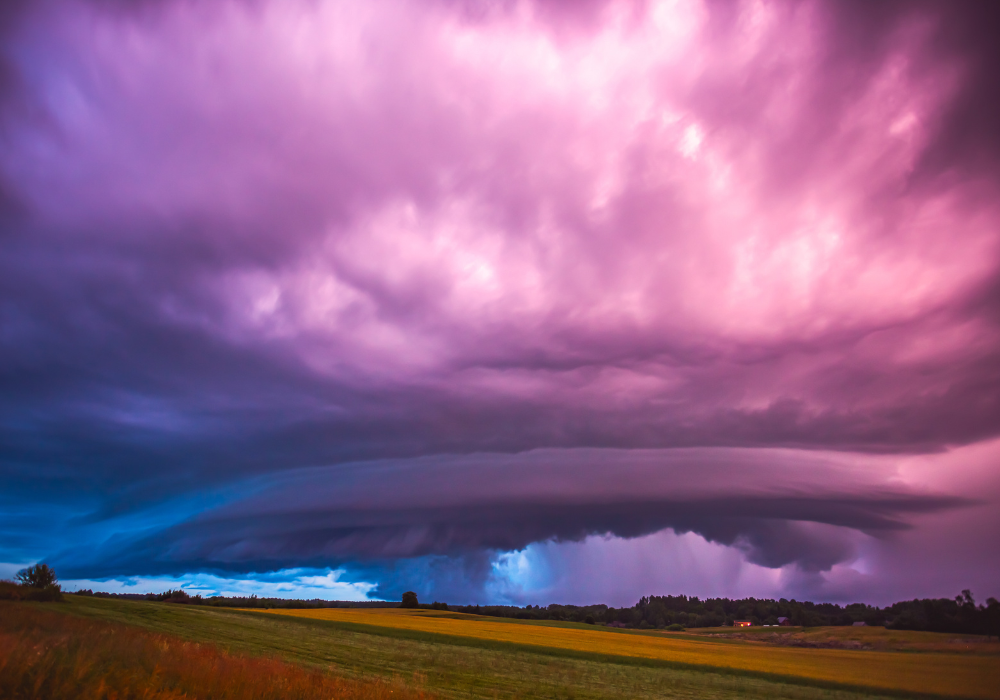
The weather isn’t just getting weirder – it’s getting angrier, and there are specific reasons why your local storms pack more punch than they used to. Climate change is breaking the atmospheric patterns that used to keep extreme weather in check, creating conditions that supercharge hurricanes, floods, and heat waves. Understanding these climate patterns helps explain why your hometown keeps breaking weather records and why “once in a lifetime” storms now happen every few years.
1. The Jet Stream Is Getting Drunk and Wobbling All Over the Place
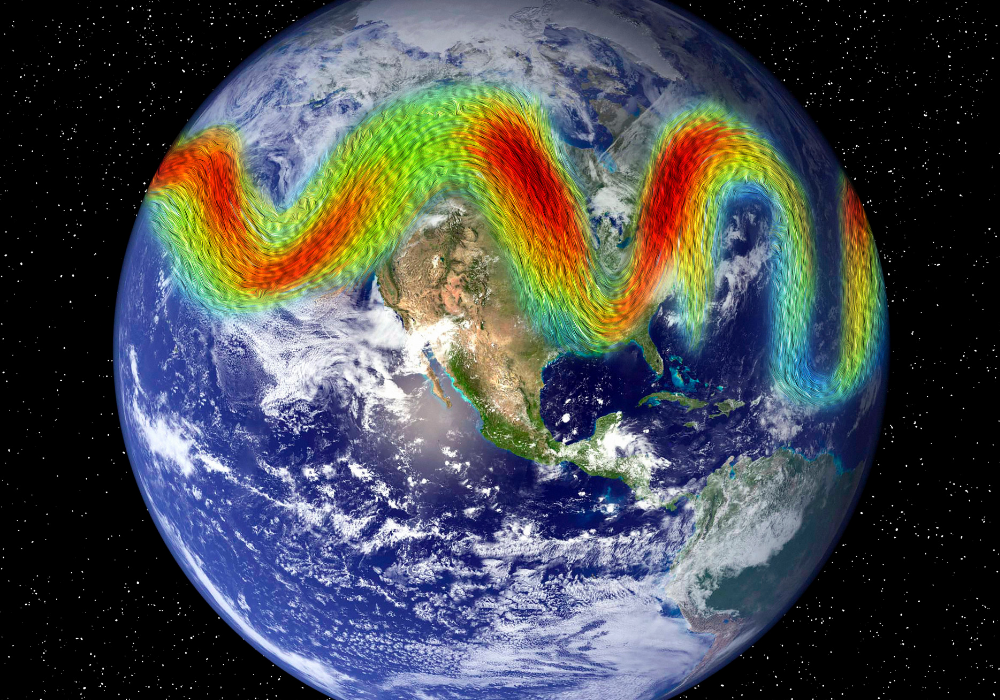
The jet stream is a fast-moving river of air high in the atmosphere that normally keeps weather patterns moving in an orderly way from west to east. But as the Arctic warms faster than the rest of the planet, the temperature difference that drives the jet stream is getting smaller, making it weaker and more wobbly.
When the jet stream gets wobbly, it creates huge loops that can trap weather patterns in place for weeks instead of days. This means heat waves last longer, storms stall out and dump more rain, and cold snaps can persist much longer than normal.
2. Oceans Are Storing Heat Like Giant Batteries Ready to Explode
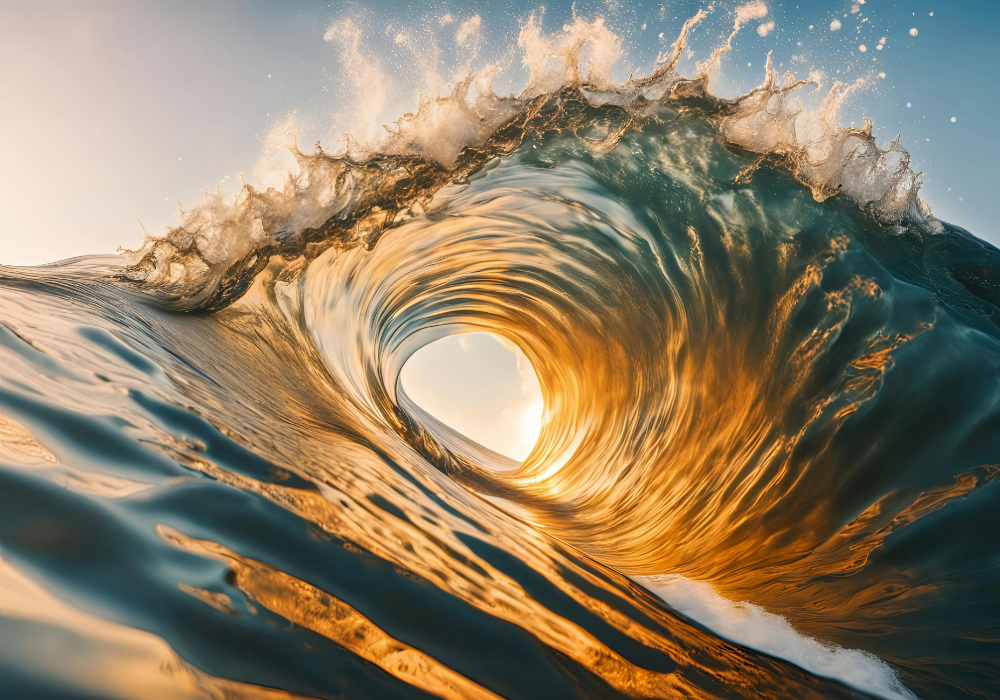
The world’s oceans have absorbed over 90% of the extra heat from climate change, turning them into massive energy storage systems that fuel more powerful storms. Warmer ocean water provides more energy for hurricanes and typhoons, making them stronger and helping them maintain their intensity longer.
Ocean temperatures that used to be considered unusually warm are now becoming the new normal, creating conditions where storms can rapidly intensify from minor tropical disturbances to major hurricanes in just hours. This stored ocean heat also affects weather patterns thousands of miles inland through evaporation and atmospheric circulation.
3. The Arctic Is Melting So Fast It’s Messing Up Weather Everywhere
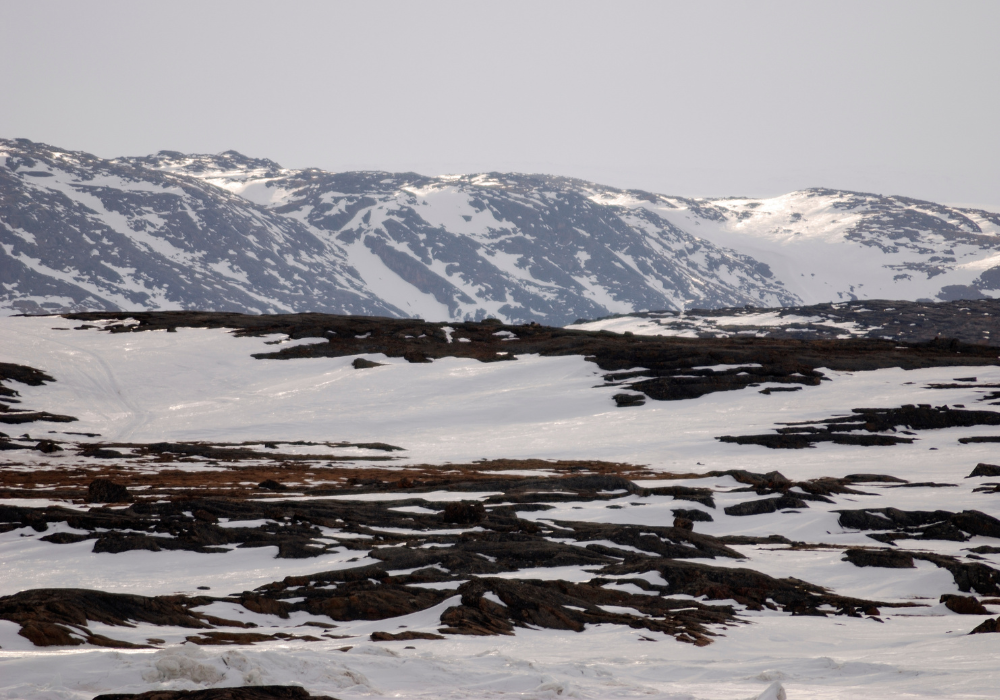
The Arctic is warming twice as fast as the rest of the planet, which is disrupting weather patterns across the entire Northern Hemisphere. As Arctic sea ice disappears, it exposes dark ocean water that absorbs more heat instead of reflecting it back to space like white ice does.
This rapid Arctic warming is weakening the temperature differences between the poles and the equator that drive many of our weather systems. The result is more extreme weather events that last longer and affect larger areas than they used to.
4. Atmospheric Rivers Are Becoming Fire Hoses Instead of Garden Sprinklers
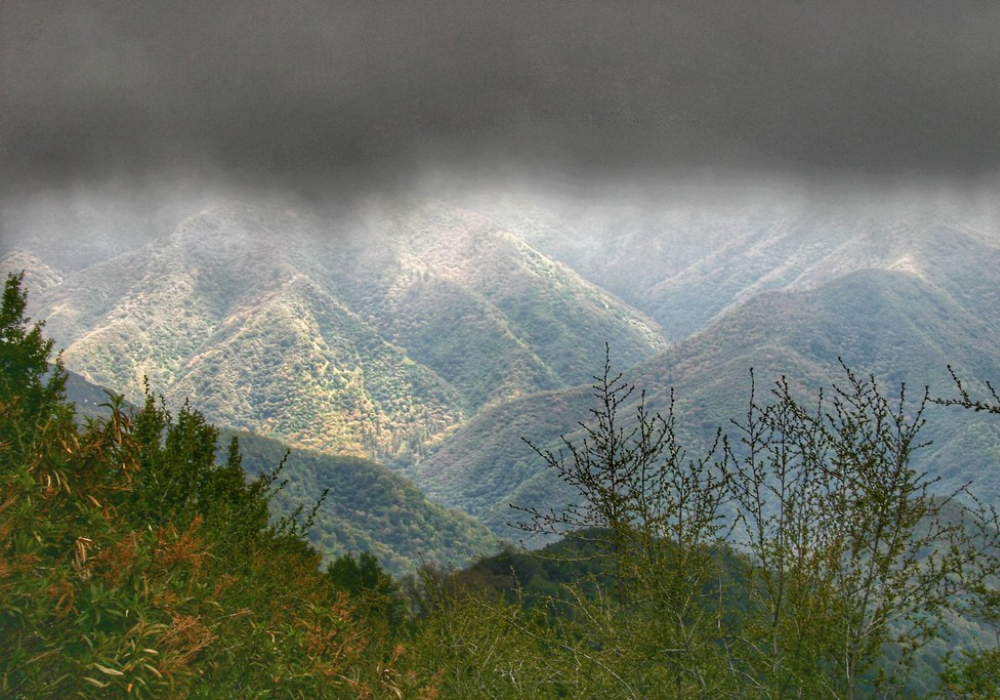
Atmospheric rivers are narrow streams of water vapor in the sky that transport moisture from the tropics to other regions, normally providing steady, manageable rainfall. But as the atmosphere warms, it can hold more moisture, turning these atmospheric rivers into massive fire hoses that dump incredible amounts of water in short periods.
These supercharged moisture streams are responsible for many of the extreme flooding events and record-breaking snowfalls we’ve seen in recent years. What used to be gentle, beneficial rain systems are now capable of delivering months’ worth of precipitation in just days.
5. Heat Domes Are Trapping Cities Under Invisible Ovens
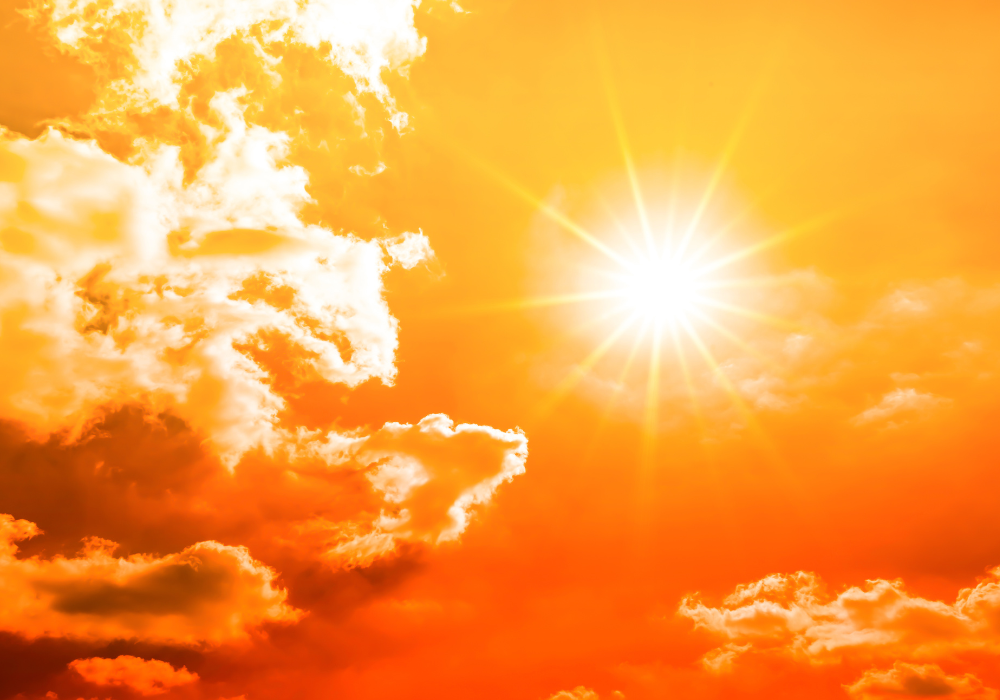
A heat dome forms when high-pressure systems act like a lid on the atmosphere, trapping hot air in place and preventing it from rising and cooling normally. These systems used to be relatively rare and short-lived, but they’re becoming more common and lasting much longer.
Heat domes create deadly conditions where temperatures can stay above 100°F for weeks, overwhelming power grids and causing dangerous health conditions. The trapped air keeps getting hotter each day, like leaving a pot on the stove with the lid on.
6. El Niño and La Niña Cycles Are Getting Supercharged by Extra Heat
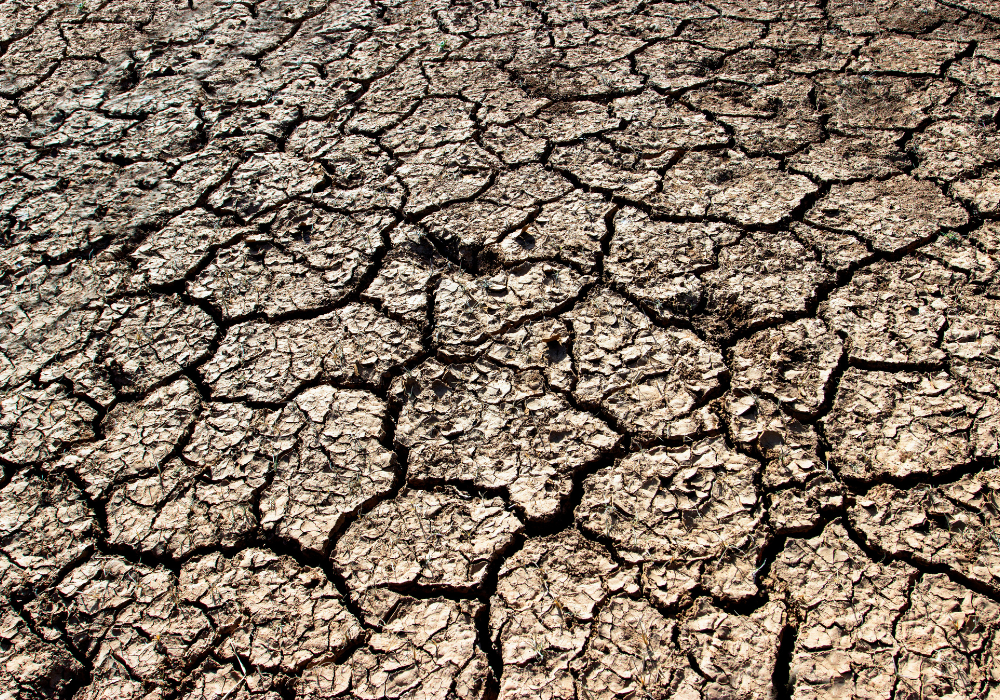
El Niño and La Niña are natural climate patterns that have always influenced global weather, but climate change is making them more extreme and unpredictable. The extra heat in the ocean system is amplifying these cycles, making wet years wetter and dry years drier.
These supercharged cycles can trigger extreme weather events across the globe simultaneously, causing droughts in some regions while others experience record flooding. The patterns that used to be somewhat predictable are now more chaotic and intense than scientists have ever recorded.
7. Thunderstorms Are Getting Loaded with Extra Ammunition
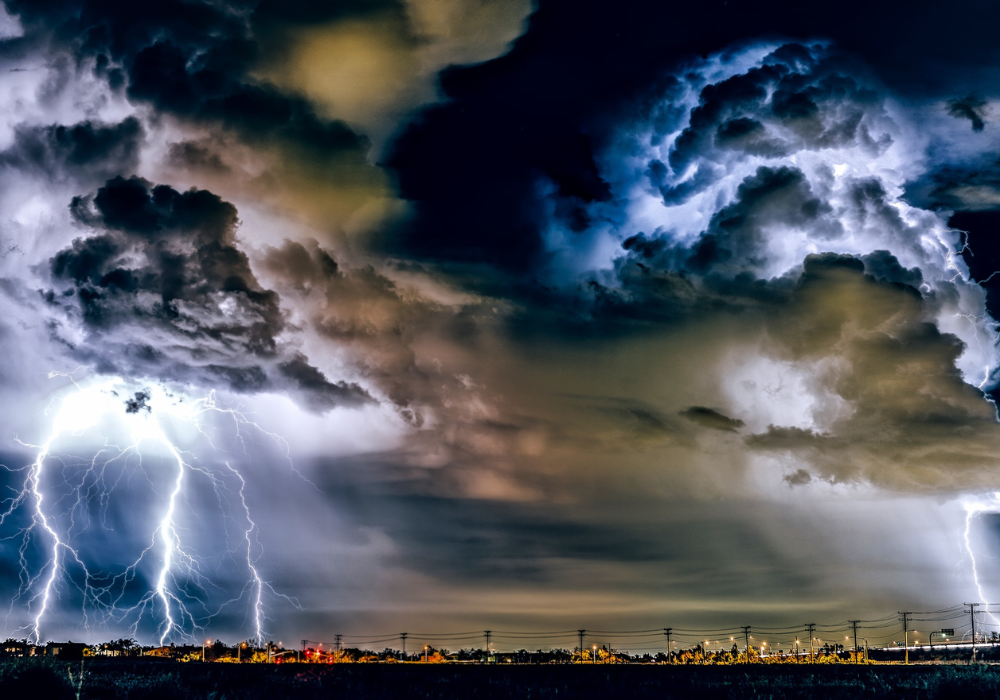
Warmer air can hold more moisture, which means thunderstorms now have access to much more water vapor to fuel their development. For every degree of warming, the atmosphere can hold about 7% more moisture, giving storms more ammunition to work with.
This extra moisture doesn’t just mean more rain – it provides more energy for storms to develop into severe weather with stronger winds, larger hail, and more dangerous lightning. Ordinary thunderstorms are now capable of producing the kind of damage that used to require much rarer severe weather events.
8. Sea Level Rise Is Making Every Coastal Storm More Dangerous
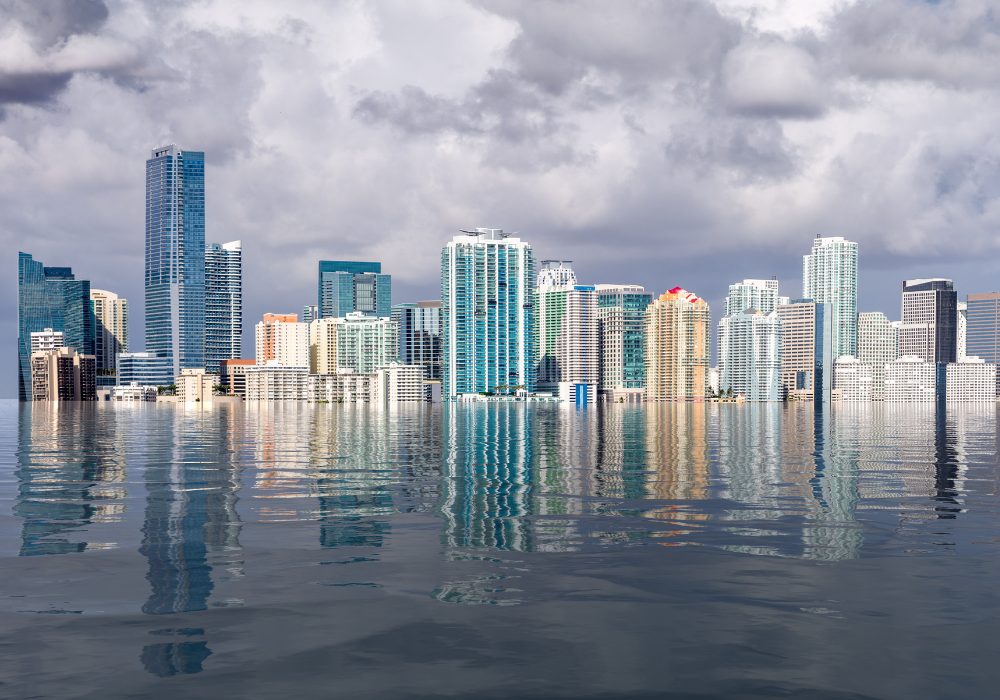
Even small increases in sea level mean that storm surges from hurricanes and coastal storms can push much farther inland than they used to. What used to be a minor storm surge now floods areas that were previously safe from ocean flooding.
Higher baseline sea levels also mean that regular high tides can cause flooding in low-lying areas, and when storms hit during high tide, the combined effect creates much more extensive flooding. Coastal communities are dealing with flood risks that are completely different from what their infrastructure was designed to handle.
9. Polar Vortex Events Are Bringing Arctic Cold to Places That Aren’t Ready
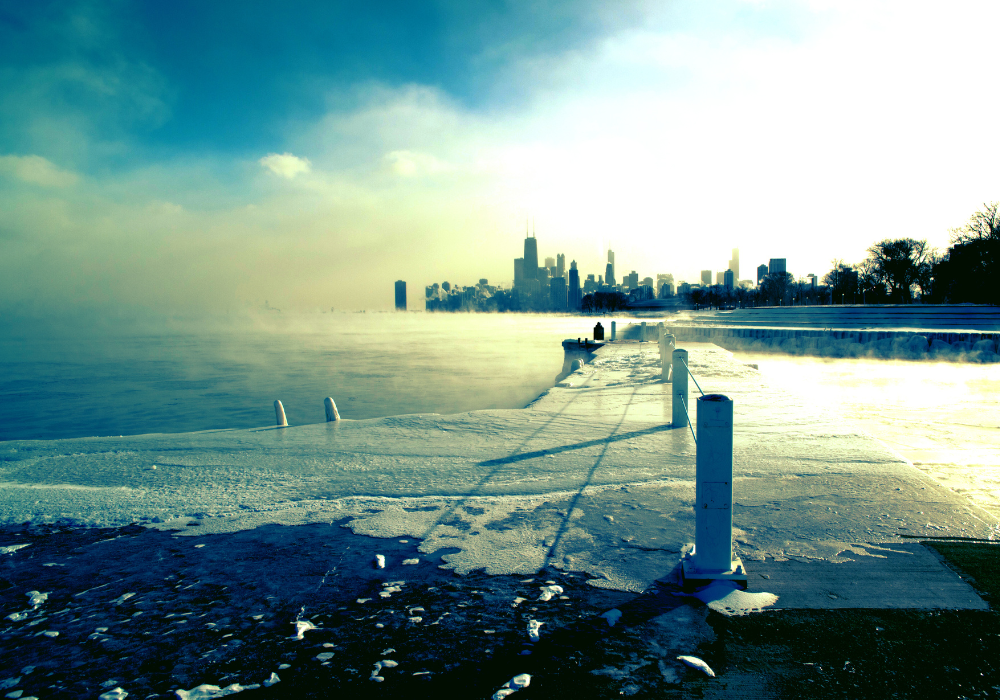
The polar vortex is a system of cold air that normally stays trapped around the North Pole, but the changing jet stream patterns are allowing pieces of it to break off and travel south. When this happens, places like Texas or the southeastern United States can experience temperatures that are more typical of Alaska.
These extreme cold snaps are particularly dangerous because they hit areas where people, infrastructure, and wildlife aren’t prepared for Arctic conditions. Power grids fail, pipes freeze, and people don’t have the clothing or heating systems needed for such extreme cold.
10. Flash Droughts Are Sucking Moisture Out of the Ground at Record Speed
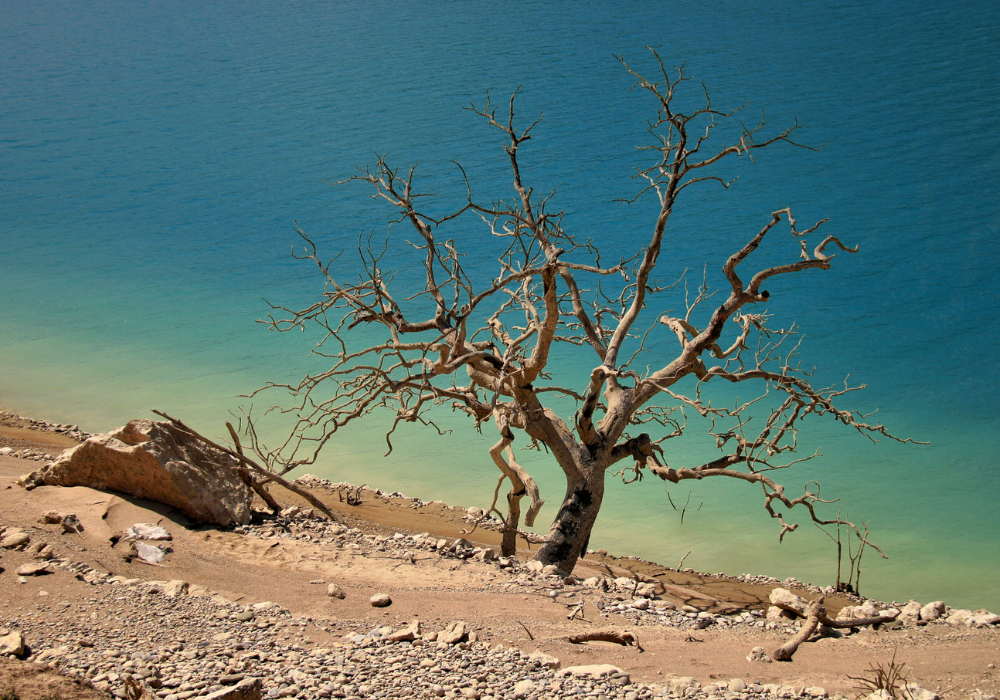
Flash droughts develop much faster than traditional droughts, going from normal conditions to severe drought in just weeks instead of months or years. Higher temperatures cause soil moisture to evaporate much more quickly, while changing precipitation patterns mean some areas go longer without rain.
These rapid-onset droughts catch farmers, water managers, and ecosystems completely off guard because there’s no time to prepare or adapt. Crops can fail and water supplies can be depleted before anyone realizes how serious the situation has become.
11. Derecho Storms Are Creating Hurricane-Force Winds on Land
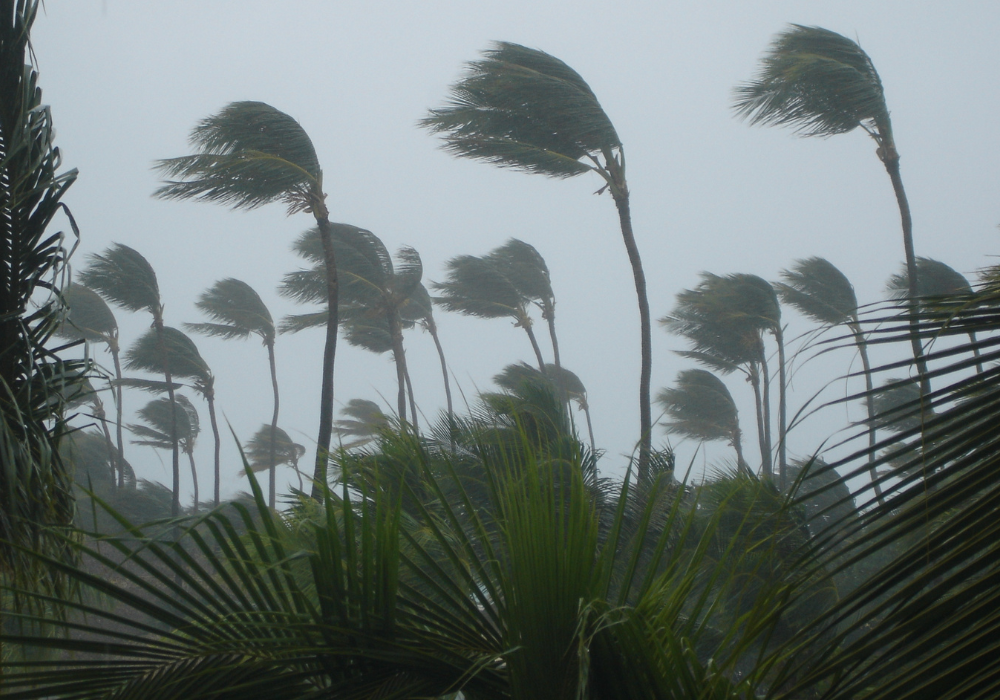
Derechos are widespread, long-lasting windstorms that create straight-line winds as powerful as hurricanes but over land areas where people aren’t expecting them. Climate change is creating atmospheric conditions that make these rare storms more likely to form and more intense when they do.
These land hurricanes can travel hundreds of miles, maintaining hurricane-force winds that knock down trees, power lines, and buildings across multiple states. Unlike tornadoes that affect small areas, derechos create widespread destruction that can leave millions without power for weeks.
12. Temperature Swings Are Becoming More Extreme and Happening Faster

Climate change isn’t just making average temperatures higher – it’s making temperature swings more dramatic and rapid. Places can go from record heat to unseasonably cold (or vice versa) in just days, creating conditions that stress both human systems and natural ecosystems.
These rapid temperature changes are particularly hard on infrastructure, agriculture, and human health because there’s no time to adapt or prepare. Buildings, roads, and pipes suffer damage from rapid expansion and contraction, while plants and animals struggle to cope with conditions that change faster than they can adjust.