
When one thread pulls loose, the whole fabric starts to tear.
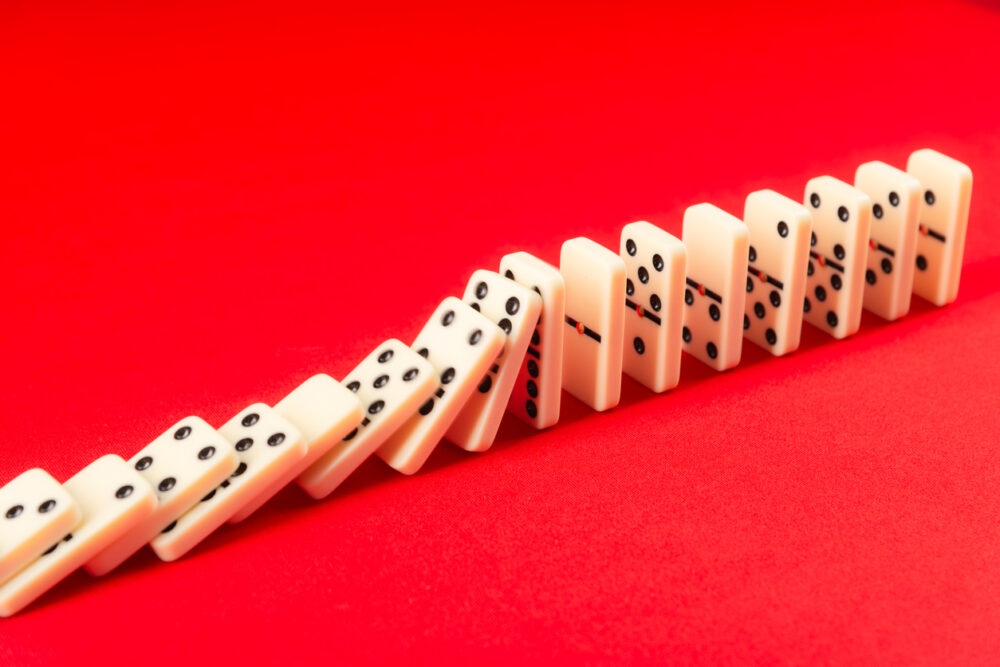
There’s this idea that climate collapse will arrive all at once—an obvious breaking point we can circle on a calendar. But that’s not how it’s happening. It’s slower, messier. One thing shifts, and that shift quietly sets off five more. An ice shelf melts, and the ocean current slows. A drought drags on, and a forest doesn’t regrow. The damage doesn’t stay where it started. It spreads.
What’s terrifying isn’t just the disasters themselves—it’s how deeply everything is connected. One broken link puts pressure on another. One tipping point edges another closer. The momentum is already speeding up whether we notice or not. Some of these chain reactions have already begun. Some are happening faster than scientists expected. And none of them are easy to reverse. These twelve unfolding dominoes show just how fragile the balance was—and how quickly the future is reshaping itself right now.
1. Arctic ice is melting, which weakens the jet stream.
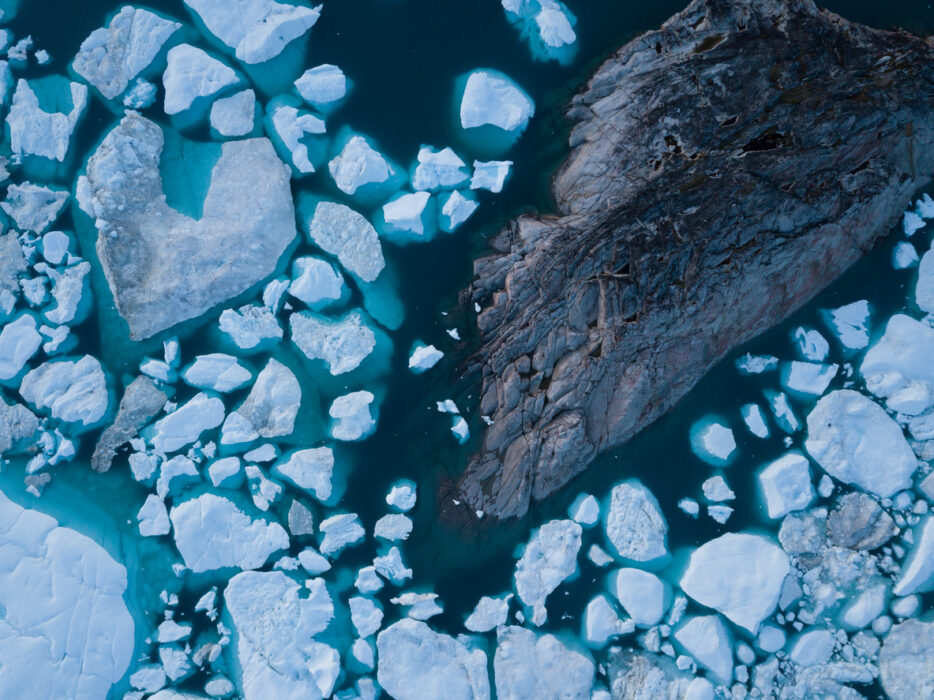
The Arctic isn’t just losing ice—it’s losing its stabilizing force. When sea ice disappears, it changes the temperature balance between the poles and the equator. That balance is what keeps the jet stream—the high-altitude wind that steers weather systems—moving in a steady, predictable flow.
But now? Declining Arctic sea ice is disrupting atmospheric patterns, leading to a weaker, more meandering jet stream, according to Michon Scott at the National Snow and Ice Data Center. Instead of a smooth belt around the planet, it wobbles, stalls, and locks weather patterns in place. That’s why you’re seeing endless heat waves in one place, brutal storms stuck over another, droughts that won’t quit. The Arctic didn’t just lose ice. It lost its grip on global weather—and the rest of the planet is already feeling it.
2. Ocean warming is shutting down major currents.
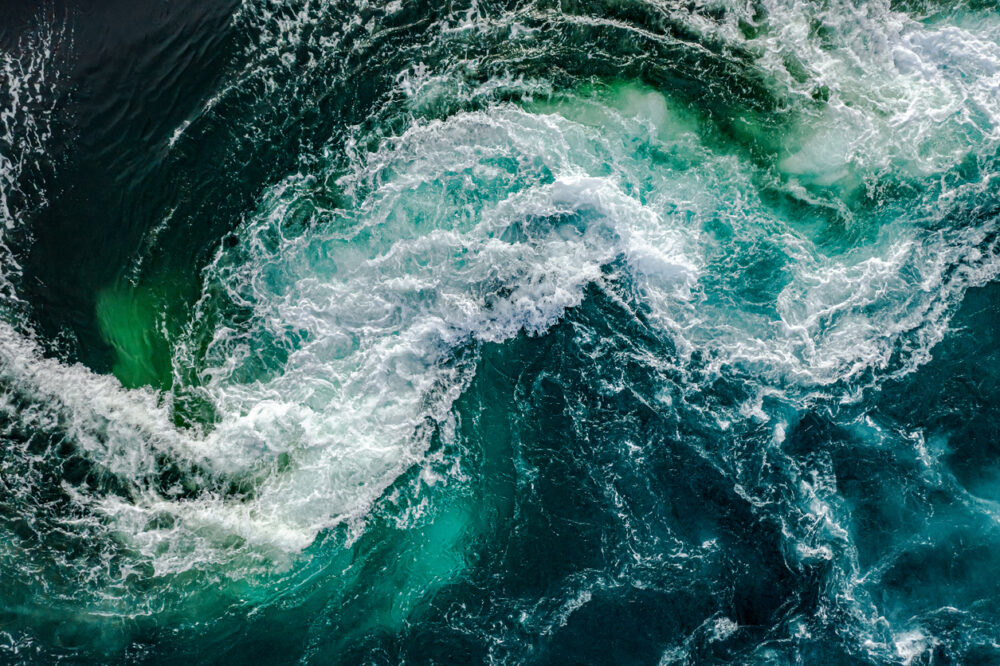
Oceans absorb an incredible amount of the planet’s heat. But as they warm, critical currents like the Atlantic Meridional Overturning Circulation (AMOC) start to slow. These currents act like conveyor belts, moving warm and cold water around the globe, regulating temperatures and keeping climates somewhat predictable.
If they slow too much—or collapse altogether—the effects would be massive. Europe could plunge into colder winters even as the tropics overheat. Rain patterns that billions rely on could shift or vanish. Farming regions could dry out or flood.
Stefan Rahmstorf warns in Oceanography that parts of the Atlantic overturning circulation are already losing stability, suggesting a tipping point may be closer than we think. And once it breaks, it won’t come back quickly. A broken ocean current doesn’t just mean different weather. It means whole ecosystems, economies, and food supplies thrown into chaos.
3. Thawing permafrost is releasing buried carbon.
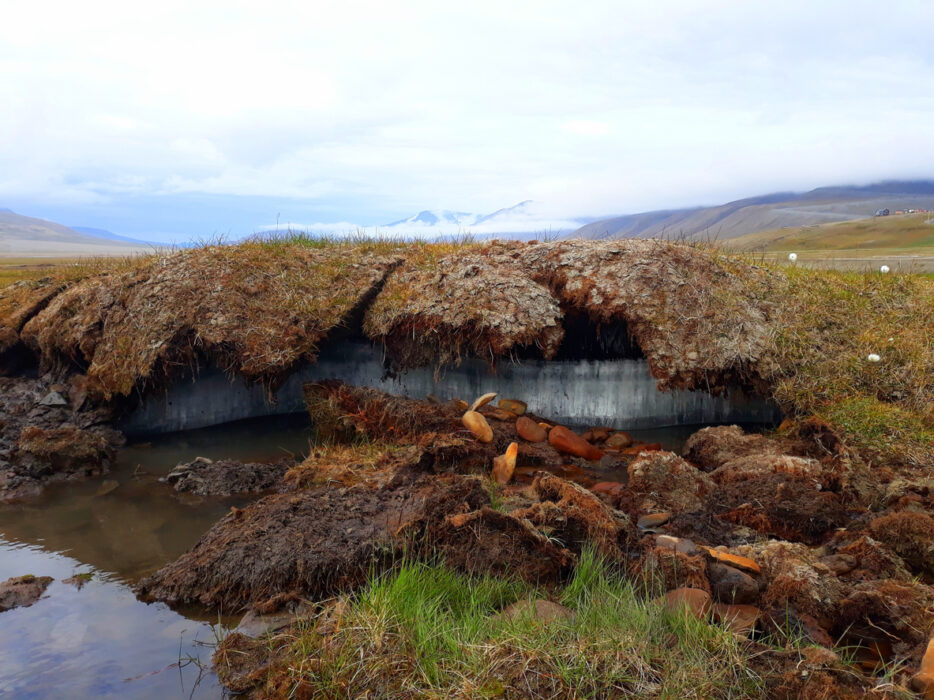
Permafrost—frozen ground that’s stayed frozen for thousands of years—is starting to thaw. And it’s not just melting ice. It’s unlocking massive stores of carbon dioxide and methane, two of the most powerful heat-trapping gases in the atmosphere.
The problem? Once those gases are out, they heat the planet even faster, which thaws more permafrost, which releases even more gas. It’s a feedback loop with no built-in brake. Experts featured by PBS warn that thawing permafrost could unleash enough carbon and methane to dangerously accelerate climate change beyond what human emissions alone would cause. Thawing isn’t hypothetical anymore. In places like Alaska and Siberia, the ground is already slumping, cracking, and releasing gases that have been locked away since the Ice Age. And every bit that escapes speeds up the rest of the crisis.
4. Dying forests are flipping from carbon sinks to carbon sources.
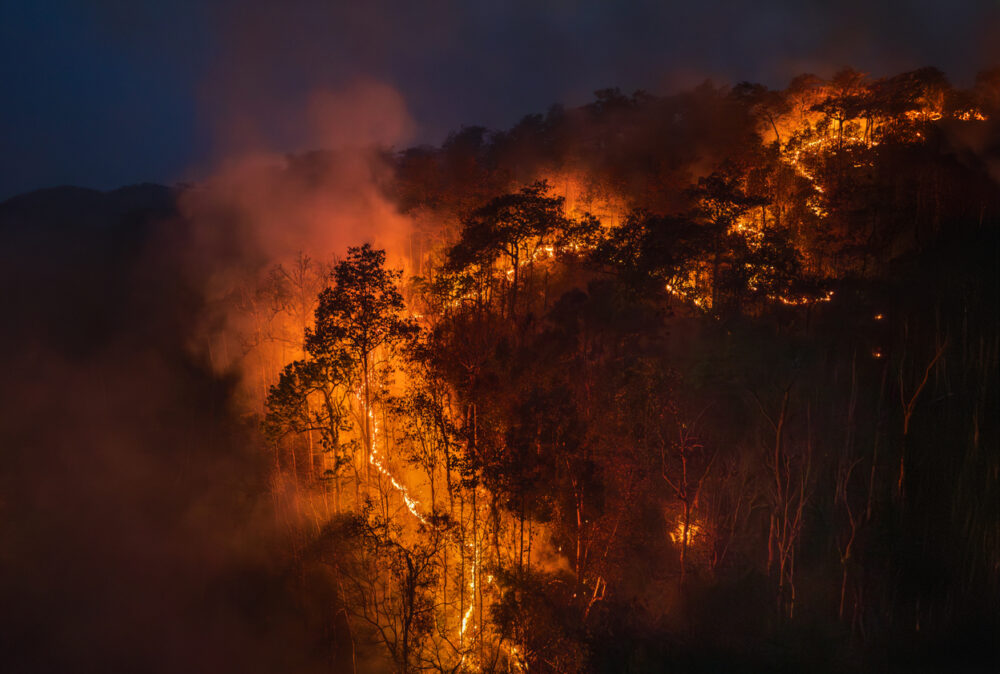
Forests are supposed to be one of our best defenses against climate change, soaking up carbon dioxide and keeping it out of the atmosphere. But rising temperatures, drought, pests, and wildfires are killing trees faster than they can regrow—and flipping forests into a terrifying new role: carbon emitters.
When trees die, they release the carbon they spent decades or centuries storing. And when fires rip through vast stretches of forest, they pump carbon straight into the air in a matter of hours. This isn’t just happening in tropical rainforests. Boreal forests in Canada and Siberia are also at risk. Once a forest tips from sink to source, it doesn’t just stop helping—it actively makes the crisis worse. And rebuilding forests isn’t something you can do overnight, especially in a world getting hotter and drier every year.
5. Coral reefs are collapsing, taking entire ecosystems with them.

Coral reefs aren’t just pretty—they’re foundational. They shelter a quarter of all marine species, protect coastlines from storms, and support millions of people who rely on fishing and tourism. But ocean heat waves are causing mass coral bleaching events, where corals expel the algae they need to survive.
Without their color—and their algae—corals starve. Some die within weeks. Others hang on but weaken until the next heat spike finishes them off. And when the corals die, the entire web of life that depends on them starts to unravel. Fish disappear. Shorelines erode. Food chains break down. Coral reefs took millions of years to build—and we’re losing them in decades. Once they’re gone, the domino effect won’t stay underwater. It will hit food security, economies, and coastal resilience around the world.
6. Droughts are killing wetlands that used to buffer disasters.
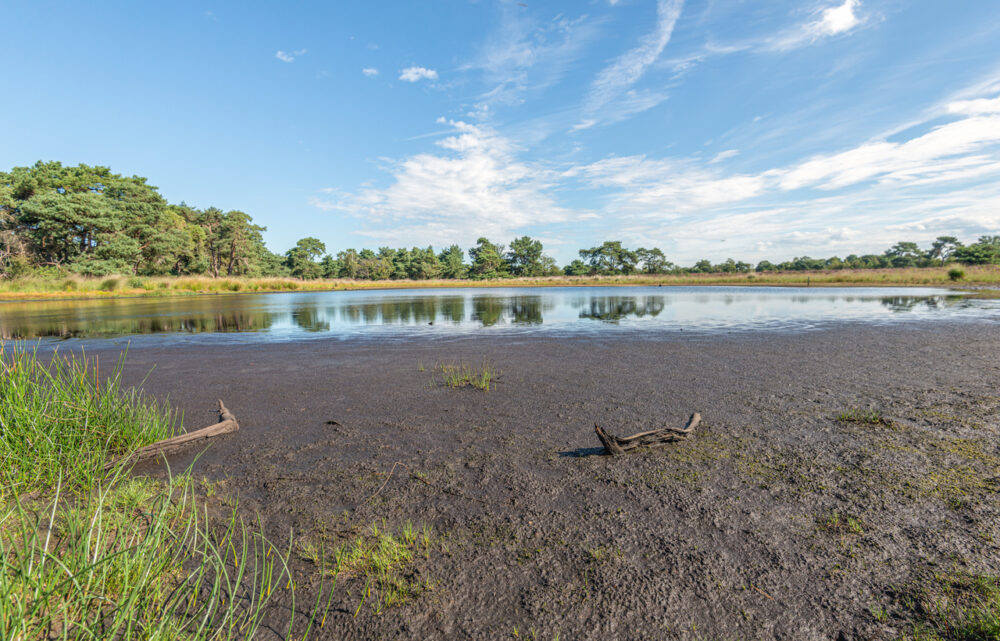
Wetlands used to be natural shock absorbers. They soaked up floodwaters, filtered pollutants, protected against storms, and supported countless species. But rising temperatures and worsening droughts are drying them out—and turning them into brittle, flammable landscapes instead of watery refuges.
When wetlands dry up, they stop buffering floods. They release stored carbon. They lose the ability to rebuild ecosystems after disasters. And their disappearance sets off new problems downstream—literally. Rivers lose their natural filters. Storm surges hit harder. Groundwater supplies vanish. Wetlands are the quiet infrastructure that makes life resilient, but they don’t come back easily once they dry out. Every acre lost makes everything around it more vulnerable. And right now, we’re losing them faster than we’re protecting them.
7. Greenland’s ice sheet is losing mass faster than it can recover.

Greenland’s ice sheet isn’t just shrinking—it’s passing critical thresholds. Warmer air temperatures, ocean heat, and shifts in precipitation are causing surface melting at record speeds. Each summer now brings bigger melt events, and winters aren’t refreezing enough to rebuild the lost ice.
As the ice disappears, sea levels rise—globally, not just locally. And the more ice Greenland loses, the faster the melt accelerates. Darker ground absorbs more heat than white snow. Newly exposed rock and water create feedback loops that make it harder for ice to survive, even if we somehow stopped emissions tomorrow. Scientists warn that parts of Greenland’s sheet are already committed to melting out completely, no matter what. This isn’t a distant threat for future generations. Every inch of sea level rise pushes coastal cities closer to displacement, even as the dominoes keep falling behind it.
8. Dying kelp forests are collapsing marine food chains.
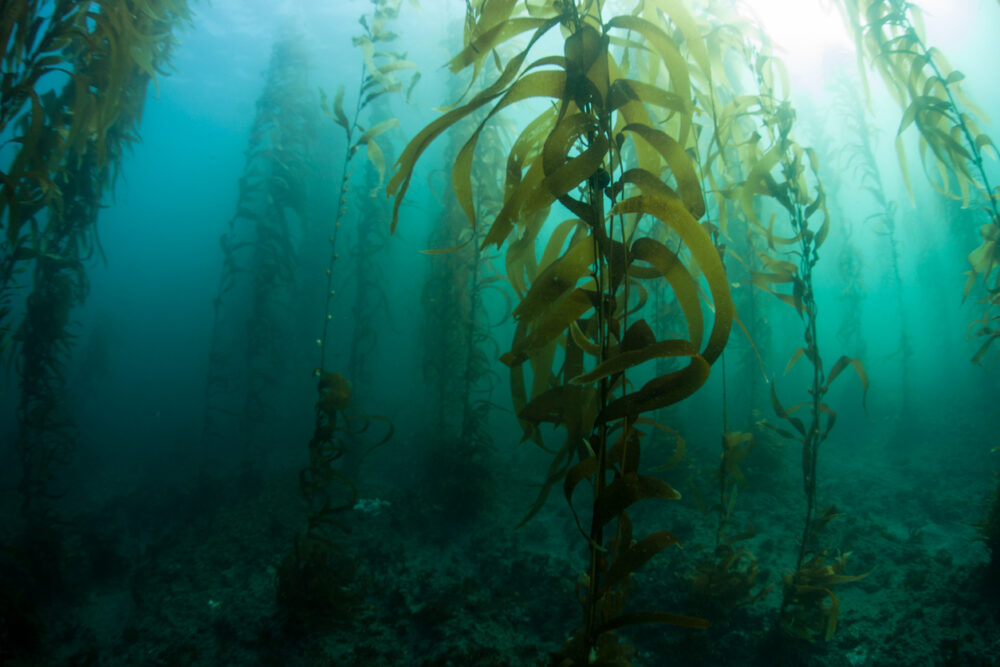
Kelp forests aren’t just giant underwater plants—they’re entire ecosystems. They feed fish, shelter young marine life, protect coastlines from erosion, and store massive amounts of carbon. But rising ocean temperatures, acidification, and invasive species are killing them faster than they can regrow.
Without kelp, marine food chains unravel fast. Fish populations crash. Coastal communities lose critical fisheries. Carbon that kelp once stored gets released back into the atmosphere. And the ocean itself becomes more vulnerable to further damage.
The death of a kelp forest isn’t just a local loss. It ripples outward into global food systems, climate stability, and ocean health. These underwater forests took centuries to grow to full strength. We’re watching them collapse within a single human lifetime—and taking everything they supported down with them.
9. Antarctic ice shelves are destabilizing faster than models predicted.
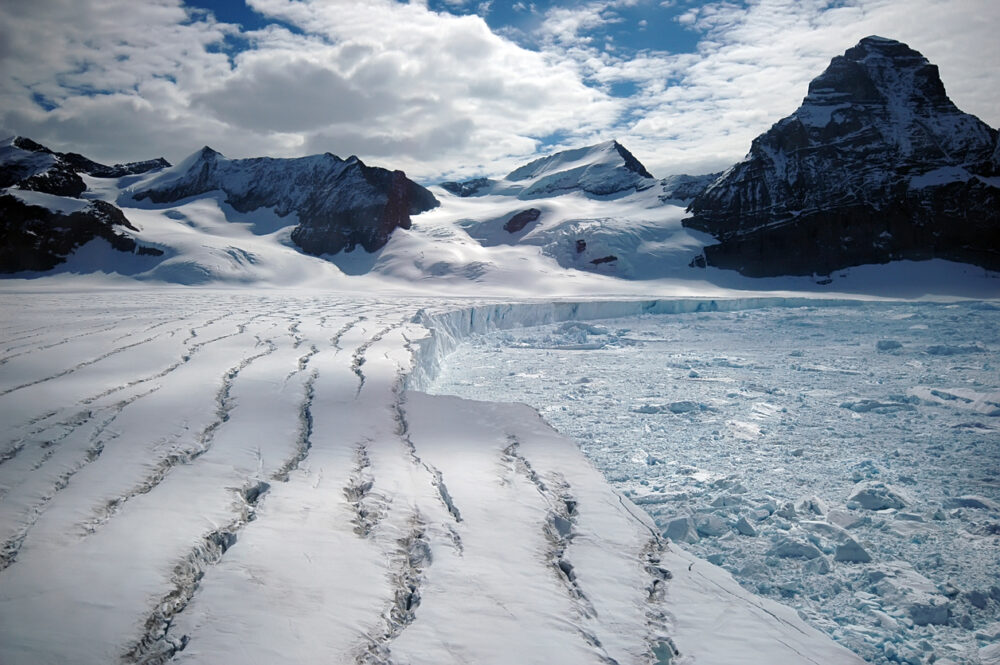
The Antarctic was supposed to be slower to melt. Older climate models assumed its massive ice shelves, held in place by cold ocean currents and strong winds, would resist collapse longer than the Arctic. But real-world observations tell a different story—and they’re worse than predicted.
Massive ice shelves like Larsen B have already disintegrated. Others, like Thwaites—nicknamed the “Doomsday Glacier”—are showing signs of structural collapse. Ice shelves act like doorstops, holding back glaciers that would otherwise surge into the sea. When they go, inland ice accelerates. That means faster sea level rise, destabilized coastlines, and catastrophic impacts around the globe. Antarctic melt isn’t just an isolated disaster happening “down there.” It’s another domino that once tipped, sends shockwaves through every continent and every coastline we know.
10. Freshwater shortages are sparking hidden migration crises.
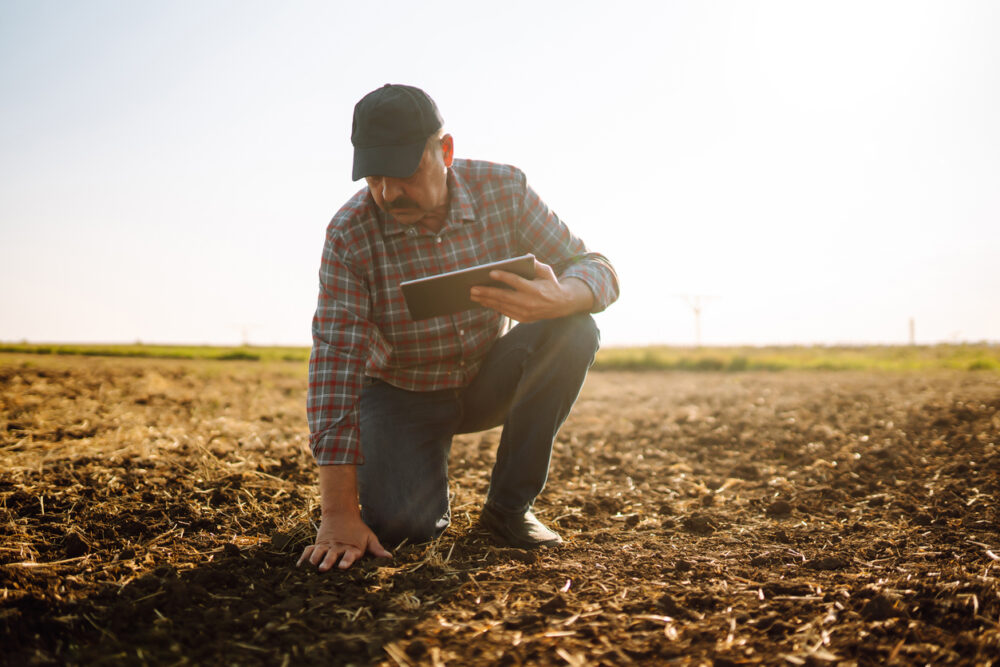
As droughts stretch longer and aquifers run dry, communities that once depended on reliable freshwater are being forced to make impossible choices. Farmers abandon fields. Families leave ancestral homes. Entire towns shrink or disappear as water becomes a daily uncertainty.
This isn’t just happening in places historically prone to drought. Regions across the U.S., southern Europe, the Middle East, and South Asia are already grappling with freshwater shortages made worse by climate shifts. And when water runs out, people move—not because they want to, but because they have to.
These migrations don’t always grab headlines the way natural disasters do. But they’re already reshaping economies, politics, and borders quietly in the background. Freshwater scarcity doesn’t stay local. It becomes regional tension, political instability, and humanitarian crises that keep stacking onto everything else.
11. Feedback loops are locking in worse wildfire seasons.
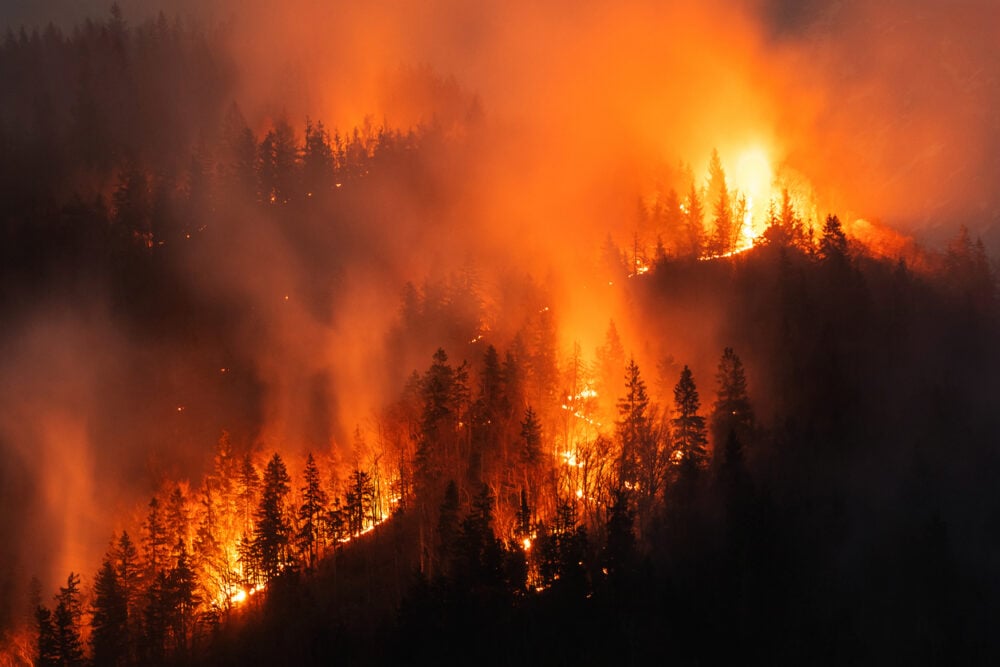
Every year, wildfire season stretches longer and burns hotter. But it’s not just hotter summers fueling bigger fires—it’s the fires themselves creating conditions for more destruction. Burned landscapes release massive amounts of carbon, dry out soils, and destroy tree cover that once acted as natural firebreaks. As a result, fire seasons are becoming self-reinforcing. Charred ground absorbs more heat. Deforested slopes trigger mudslides. Species that once managed fire-resilient ecosystems disappear. And the smoke from wildfires doesn’t stay put either.
It travels across continents, affecting air quality, human health, and weather patterns thousands of miles away. We’re past the point where fire is just a symptom of climate change. It’s become part of the engine, accelerating the damage every time a spark catches dry ground.
12. Ocean acidification is breaking the base of the food chain.
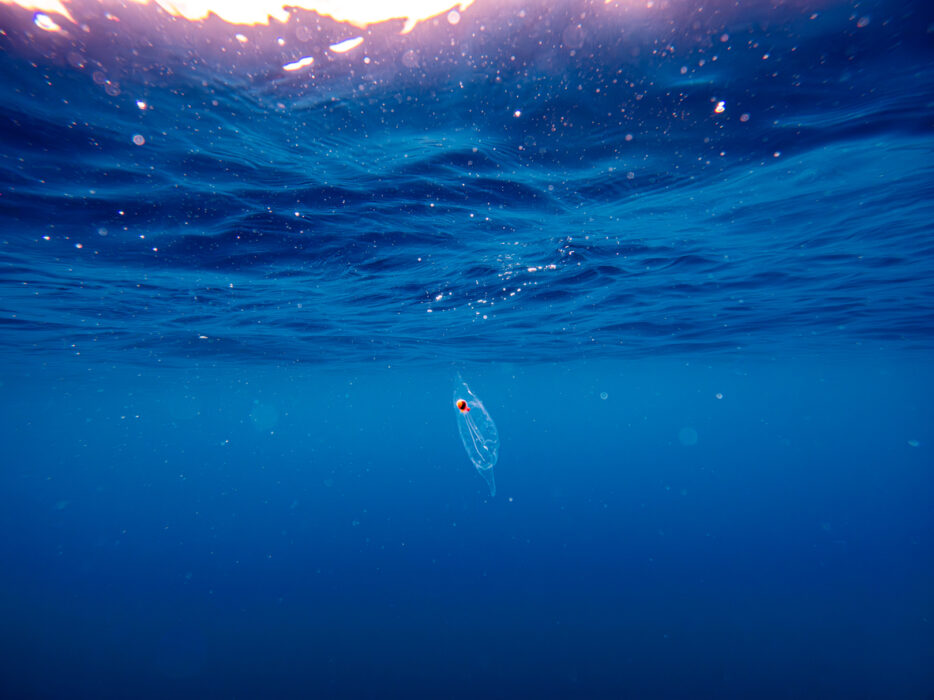
As oceans absorb more carbon dioxide from the atmosphere, they’re becoming more acidic. That chemical shift might sound subtle, but it’s devastating for creatures like plankton, shellfish, and coral that rely on stable conditions to build their skeletons and shells. When the base of the marine food chain weakens, everything higher up collapses too. Fewer plankton mean less food for small fish. Fewer fish mean bigger predators starve.
Meanwhile, humans lose critical food sources and coastal economies start to crumble. Acidification doesn’t happen with dramatic headlines. It creeps quietly beneath the surface until entire ecosystems are hollowed out. It’s one of the least visible—and most dangerous—dominoes tipping right now, locking in losses we don’t even fully understand yet.