
Scientists say these often-overlooked animals are vital to keeping Earth’s ecosystems alive and thriving.
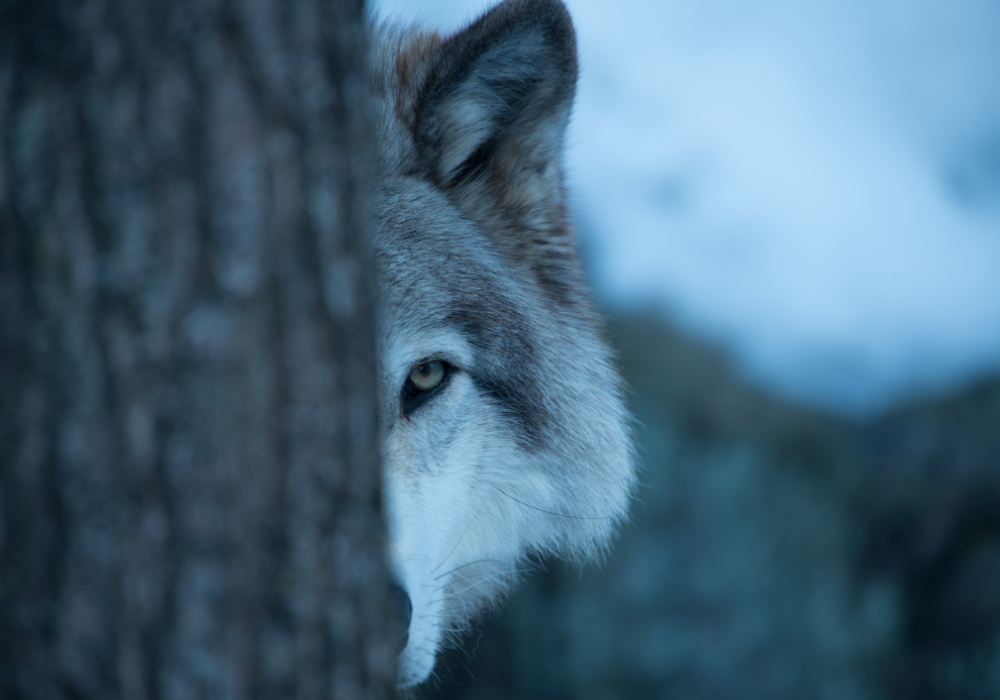
Earth’s ecosystems rely on a delicate web of relationships that keep air, water, and soil in balance. When one vital species disappears, the entire system begins to unravel. Scientists warn that losing even a few key animals could disrupt pollination, food chains, and climate stability. Each plays an unseen but crucial role in keeping nature’s cycles running smoothly — a reminder that the planet’s health depends on far more than what we see above the surface.
1. Bees Keep the World’s Food Chain Alive

Bees are responsible for pollinating roughly one-third of the food humans eat, including fruits, vegetables, and nuts. Their work also sustains wild plants that provide food and shelter for countless other species. Yet bee populations are under threat from pesticides, disease, and habitat loss worldwide.
Without bees, agricultural yields would collapse, and ecosystems would unravel as flowering plants failed to reproduce. Protecting pollinators through reduced pesticide use and native plant restoration is now a global priority for food security and biodiversity.
2. Elephants Shape Entire Ecosystems
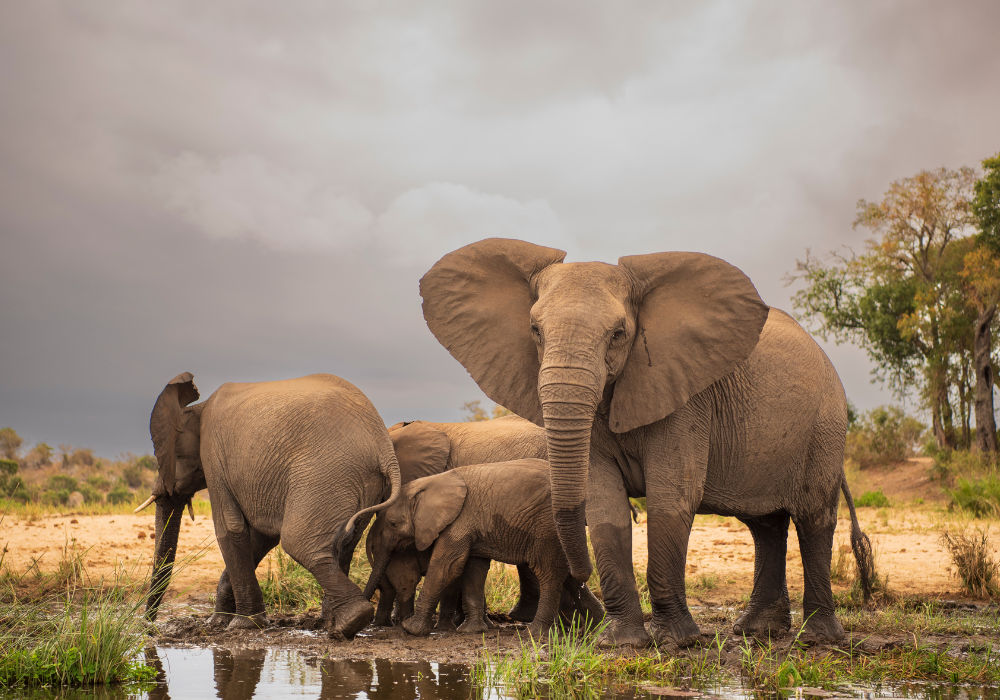
Elephants are often called “ecosystem engineers” because of how profoundly they alter their environments. As they travel, they knock down trees, create watering holes, and disperse seeds across miles of land. These behaviors shape forests and grasslands, making them more hospitable for other species.
When elephant populations decline, ecosystems grow less diverse and resilient. Their absence can cause overgrowth in some areas and desertification in others, proving how deeply these gentle giants influence life around them.
3. Earthworms Keep Soil Fertile and Productive
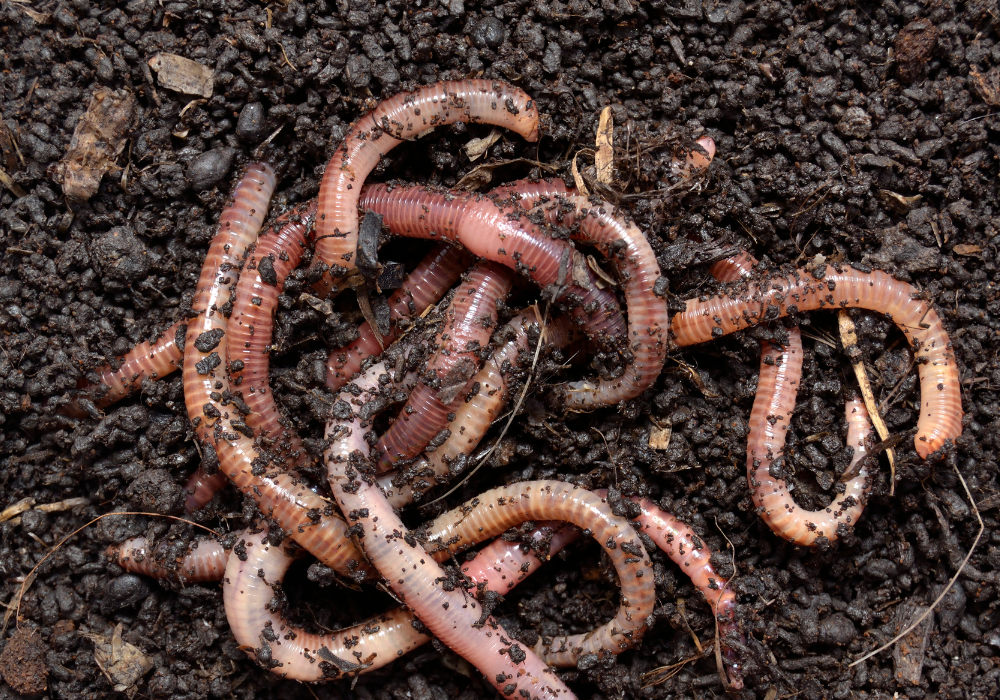
Beneath our feet, earthworms quietly maintain the health of soil ecosystems. Their burrowing aerates the ground, improves drainage, and mixes organic matter, creating the perfect environment for plants to grow. They also help recycle dead leaves and decomposing material into nutrient-rich humus.
Soils without worms quickly lose fertility and structure, making it harder for crops and native plants to thrive. Farmers and ecologists alike consider them essential allies in sustaining agriculture and natural landscapes.
4. Bats Control Insects and Pollinate Crops
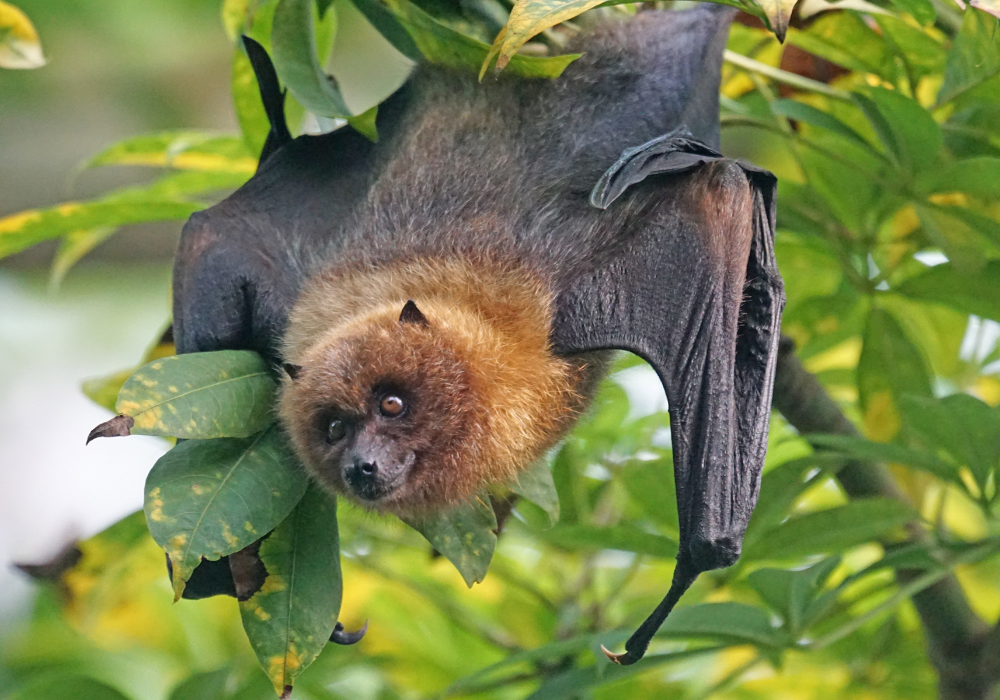
Bats play two crucial roles in nature: controlling insect populations and pollinating plants. A single bat can eat thousands of mosquitoes or crop pests each night, reducing the need for chemical pesticides. In tropical regions, fruit bats pollinate bananas, mangoes, and guavas, supporting both biodiversity and local economies.
When bats decline due to habitat loss or disease, pest outbreaks rise and food supplies suffer. Protecting bat colonies preserves balance in ecosystems and provides invisible pest control worth billions of dollars annually.
5. Beavers Build Wetlands That Support Life
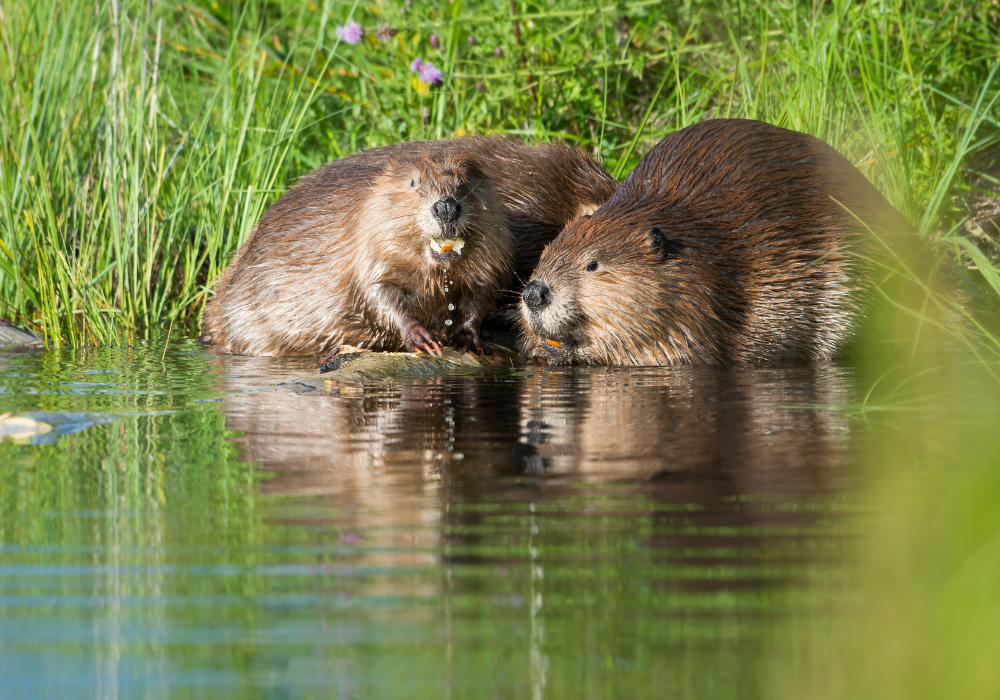
Beavers are nature’s master builders, transforming landscapes by damming streams to create wetlands. These ponds slow water flow, reduce flooding, and create habitat for fish, amphibians, birds, and countless insects. Their engineering also helps filter pollutants and store carbon in sediment-rich wetlands.
Where beavers vanish, water systems often become less stable, and species that depend on wetlands decline. Conservationists increasingly view reintroducing beavers as a natural and cost-effective way to restore damaged ecosystems.
6. Sea Otters Protect Coastal Kelp Forests

Sea otters maintain balance in coastal ecosystems by feeding on sea urchins, which would otherwise overgraze kelp forests. These underwater forests absorb carbon, shelter marine life, and protect coastlines from erosion.
When otter numbers fall, sea urchin populations explode, stripping kelp beds bare and disrupting marine food webs. In areas where otters have returned, kelp forests rebound rapidly, demonstrating how one species can revive entire coastal ecosystems.
7. Wolves Restore Balance to Forests and Rivers
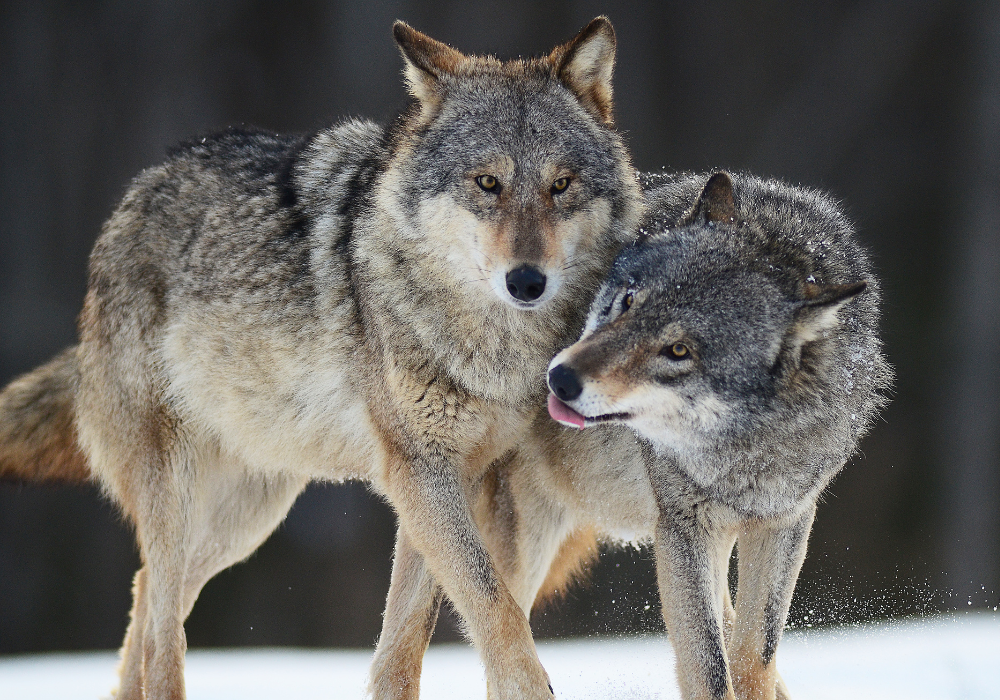
The reintroduction of wolves to Yellowstone National Park revealed their profound influence on ecosystems. By controlling elk and deer populations, wolves allowed overbrowsed vegetation to recover. This in turn stabilized riverbanks, improved water quality, and brought back birds and beavers.
Ecologists call this a “trophic cascade”—a ripple effect that flows through the entire food chain. Wolves remind scientists that even top predators play a nurturing role in maintaining ecological harmony.
8. Plankton Drive the Planet’s Oxygen Supply

Though microscopic, plankton produce more than half of Earth’s oxygen and form the base of marine food webs. Phytoplankton convert sunlight and carbon dioxide into energy through photosynthesis, supporting everything from tiny fish to whales.
When oceans warm or acidify, plankton populations decline, threatening both marine biodiversity and the planet’s oxygen balance. Protecting ocean health ensures these invisible organisms continue fueling life for every creature that breathes.
9. Coral Reefs Anchor Ocean Ecosystems

Corals provide habitat for nearly a quarter of all marine species, making them one of the most biodiverse ecosystems on Earth. They shelter fish, protect coastlines from storms, and support millions of people through food and tourism.
Yet coral reefs are under siege from warming oceans, pollution, and acidification. Scientists warn that without urgent action, most reefs could vanish within decades—taking with them an entire network of ocean life that depends on their structure.
10. Frogs Reflect the Health of the Planet

Frogs are vital indicators of environmental health because their permeable skin absorbs water and pollutants directly from their surroundings. Their presence—or absence—reveals the state of ecosystems across the globe.
Beyond their role as indicators, frogs also control insects and serve as food for birds, snakes, and mammals. The worldwide decline of amphibians signals serious ecological distress, reminding researchers that protecting them safeguards countless other species as well.
11. Sharks Keep Ocean Food Webs in Balance
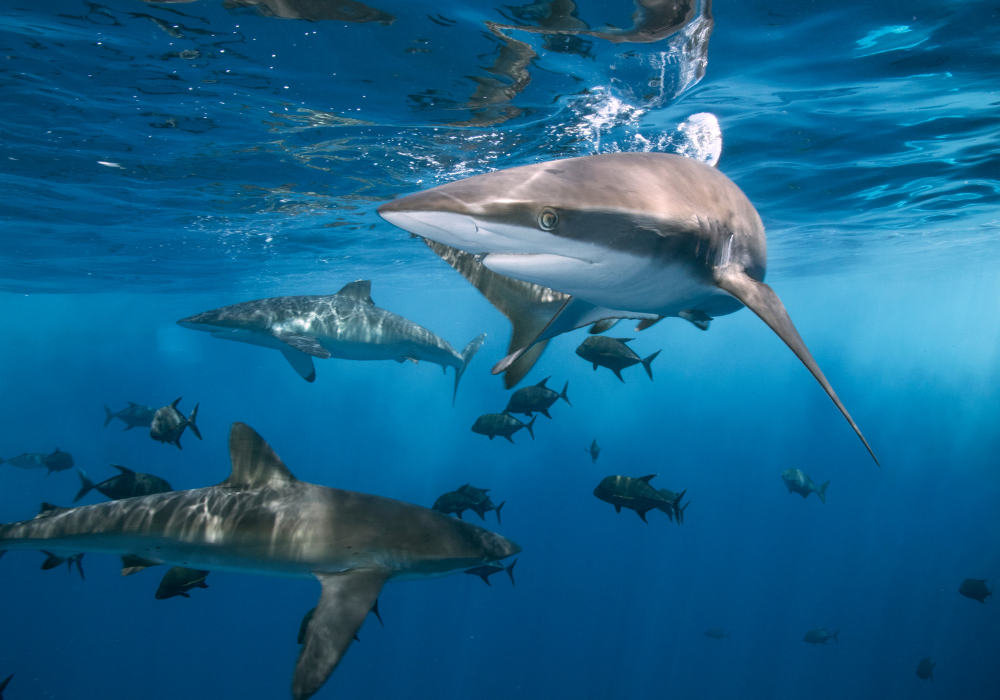
As apex predators, sharks regulate the populations of fish and marine mammals, preventing any one species from overrunning the ecosystem. Their influence maintains healthy, diverse ocean communities from coral reefs to open waters.
Overfishing and finning have driven many shark species to the brink of extinction. Scientists warn that losing sharks destabilizes marine systems, allowing mid-level predators to surge and decimate fish populations vital to coastal economies.
12. Vultures Prevent the Spread of Disease

Vultures provide a vital but often overlooked public service: cleaning up carcasses that would otherwise rot and spread disease. Their powerful stomach acids neutralize deadly bacteria like anthrax and cholera, stopping infections before they reach other animals or humans.
In regions where vulture populations have collapsed, scavenger species like rats and feral dogs have filled the gap, leading to spikes in rabies and other diseases. Protecting vultures helps sustain both ecological and human health across continents.