
Wild animals are quietly rewriting the rules of your neighborhood.
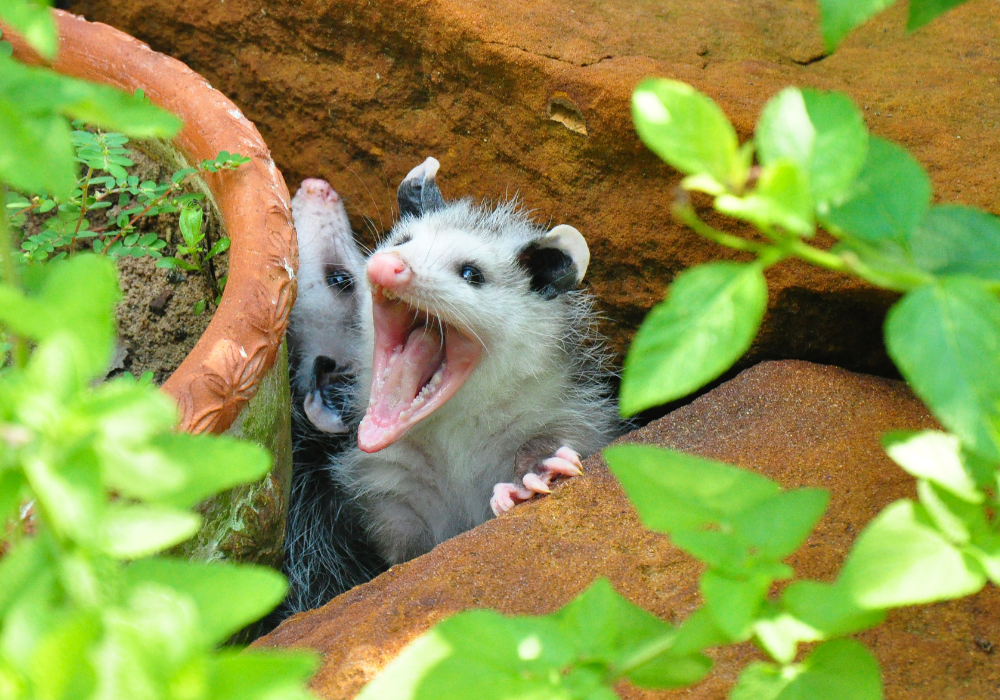
Suburbs were supposed to be the safe middle ground—close enough to nature to feel peaceful but far enough to avoid wild encounters. That illusion is fading fast. As climate shifts, forests shrink, and cities expand, wildlife isn’t waiting politely at the edge anymore. Animals are adapting on the fly, turning neatly trimmed neighborhoods into new hunting grounds, nesting sites, and feeding zones. The line between backyard and wilderness gets blurrier every year, even if most people don’t realize it.
While you’re sipping coffee on the porch, creatures you barely notice are rewriting the survival rulebook. Some are learning to thrive on your leftovers, while others are creeping in under cover of darkness. What used to be rare sightings are becoming regular neighbors. Nature’s not retreating—it’s getting creative. And these 11 changes aren’t happening somewhere else—they’re happening right outside your front door.
1. Coyotes are treating your neighborhood like their personal buffet.
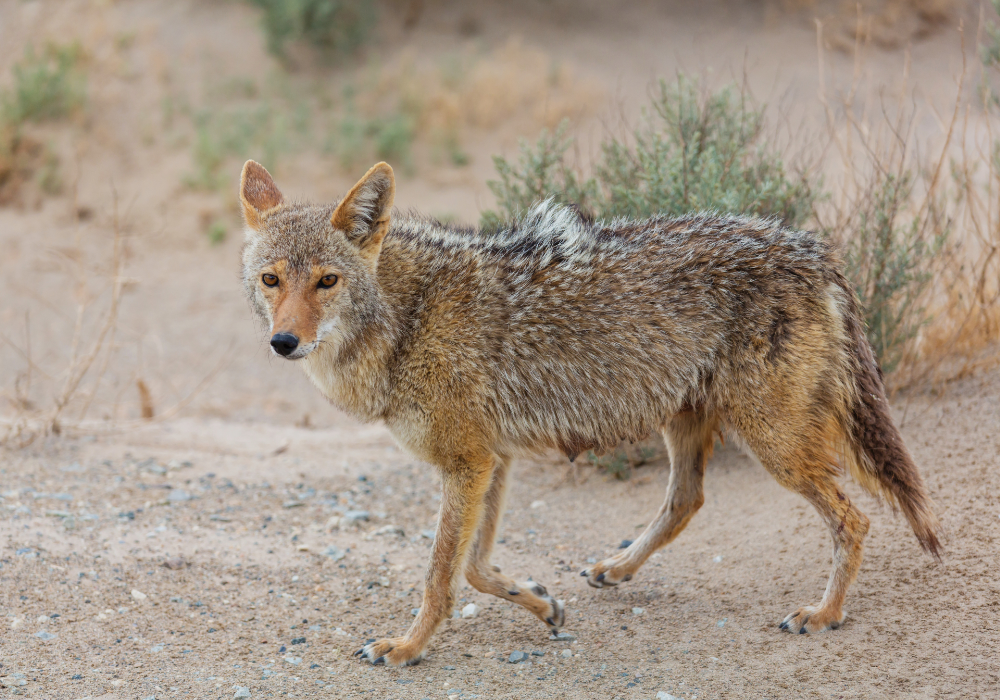
Coyotes aren’t sneaking around the edges anymore—they’ve fully moved in. Suburbs offer them a dream menu: rabbits, squirrels, outdoor pet food, garbage cans, and sometimes even careless pets. They’ve figured out how to slip through fences, dodge cars, and hunt right under porch lights without blinking.
The old image of the shy prairie coyote doesn’t apply here anymore. According to Christopher Schell for The National Library of Medicine, urban coyotes were found to be significantly bolder and more exploratory compared to their rural counterparts—willingly approaching novel objects and navigating urban neighborhoods—a behavioral shift that developed over several decades of living alongside humans .
What’s impressive—and slightly unnerving—is how bold they’ve become. Some patrol streets in broad daylight, raising pups who know nothing but suburban life. They adapt to schedules, traffic patterns, and even human behavior. To them, your quiet neighborhood isn’t risky—it’s reliable. As long as food stays easy to find, these adaptable hunters won’t be leaving anytime soon.
2. Bobcats are becoming the silent ghosts of suburbia.
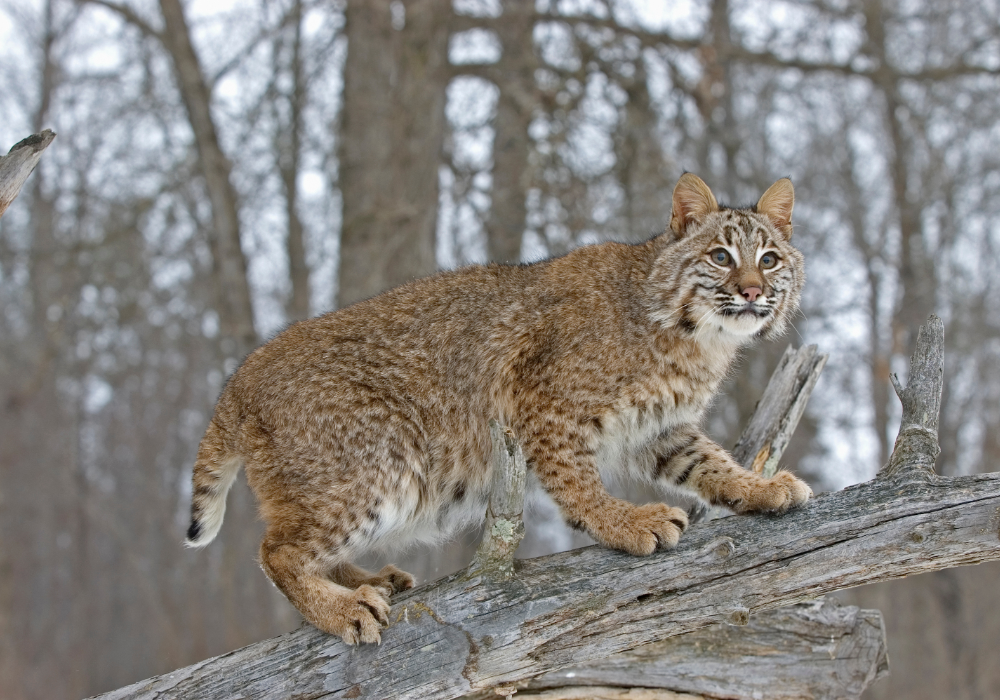
You might never see one with your own eyes, but bobcats are slipping into suburban life like professional ghosts. They patrol backyards, slink through greenbelts, and hunt rabbits and squirrels right behind privacy fences. With fewer predators and plenty of prey, the suburbs are starting to feel like luxury territory for these solitary cats.
Per experts at the Texas A&M University, GPS-tracked bobcats in the Dallas–Fort Worth suburbs regularly established long-term territories within neighborhoods, using greenbelts, creeks, and urban parks as stable habitat. Their secret weapon is invisibility. Bobcats are experts at staying out of sight, even as they thrive within shouting distance of playgrounds and back patios. Many homeowners don’t realize bobcats live in their neighborhoods until a doorbell camera catches one gliding across the driveway at night. They’re not making a temporary visit—they’re quietly establishing long-term homes in places once considered strictly human turf.
3. Black bears have turned your garbage into an open buffet.
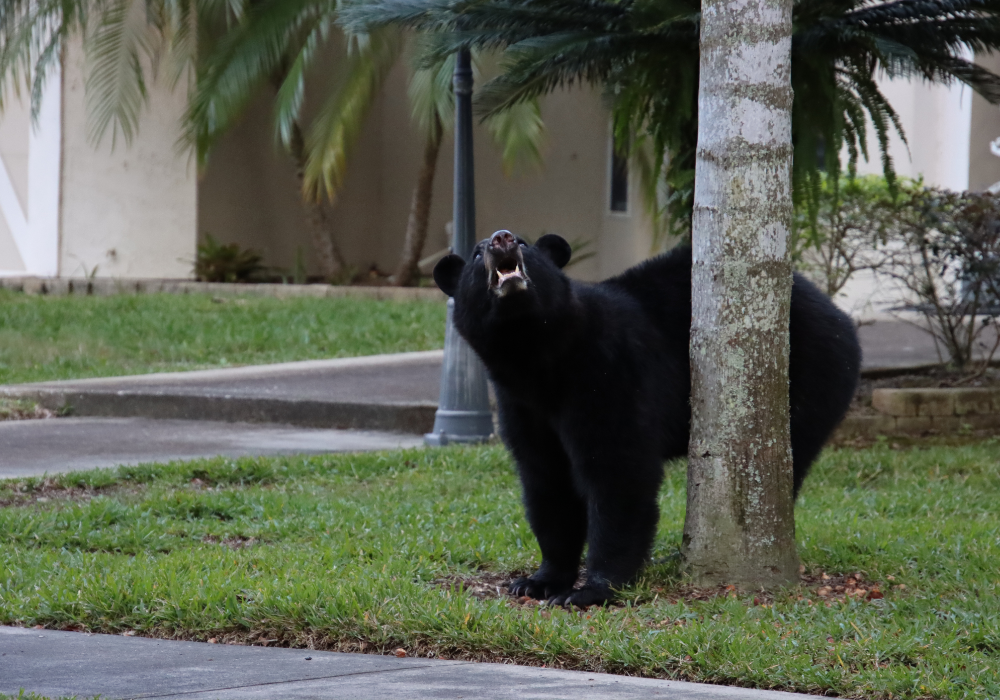
Black bears are no longer shy about wandering into suburban neighborhoods, and they’re shockingly good at finding food. Bird feeders, trash cans, compost piles, and outdoor grills all serve as easy meals. Once a bear learns where dinner’s served, it’s coming back—and it’s bringing its cubs for the lesson.
As highlighted by D. L. Lewis for Ecosystem Ecology, 77 percent of urban black bear feeding events involve human-associated food sources—like garbage or bird seed—highlighting how quickly bears learn to exploit backyard smorgasbords. Unlike sneakier animals, bears aren’t afraid of being seen. They’ll stroll across lawns, nap under porches, and sniff around patios like they belong there. Suburbs offer them consistent, calorie-dense meals with very little work required. The more food rewards they find, the more bears get comfortable around people.
4. Raccoons are turning suburban living into a nightly obstacle course.
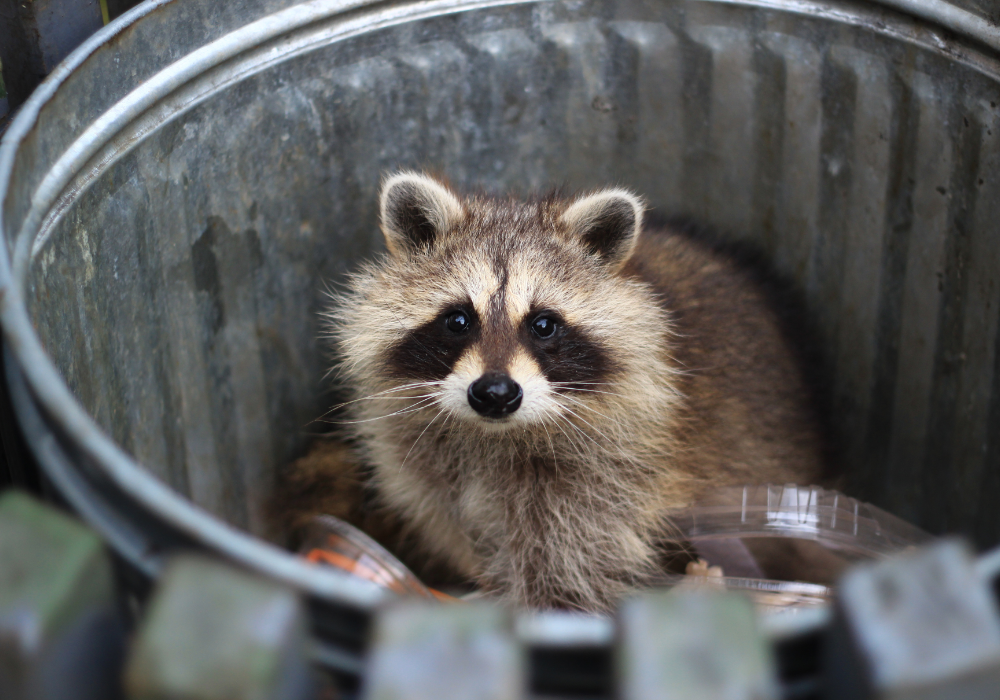
Raccoons may be the ultimate suburban survivalists. Where humans see fences, garages, and trash bins, raccoons see endless puzzles to solve and snacks to steal. They’re smart, flexible, and incredibly persistent, learning how to open latches, tip over bins, and crawl into the tiniest hiding spots.
Most of their activity happens after dark, making them surprisingly invisible to homeowners. But the evidence is everywhere: knocked-over garbage, chewed-up gardens, and muddy paw prints on decks. Suburbs are like giant playgrounds filled with food and shelter, and raccoons are thriving in the chaos. As long as humans keep providing accidental buffets, these furry bandits will keep multiplying right outside your window—perfectly comfortable living right under our noses.
5. Deer are turning your carefully landscaped yard into an all-you-can-eat salad bar.
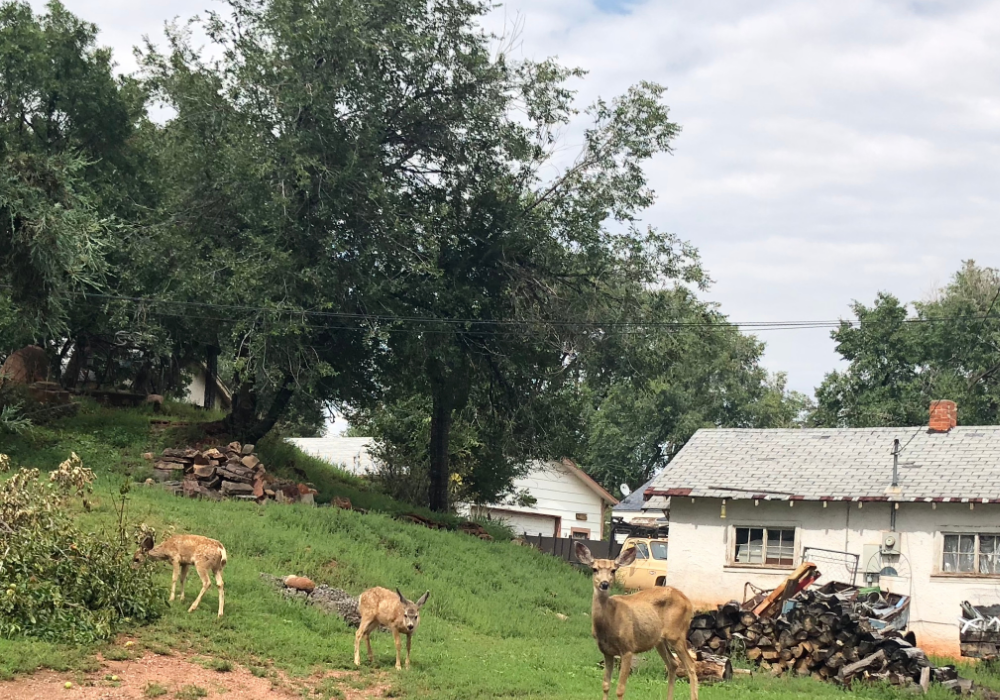
To deer, the suburbs are basically free catering. With fewer predators and an endless supply of lush landscaping, flowerbeds, vegetable gardens, and decorative shrubs, suburban neighborhoods are paradise. They’ve learned to wander comfortably between backyards, nibbling their way through carefully maintained lawns.
But their growing numbers bring problems. Overgrazing strips native plants, ruins gardens, and throws local ecosystems out of balance. More deer also means more car collisions and higher tick populations, raising the risk of diseases like Lyme. What once felt charming—spotting a few deer in the yard—can quickly become overwhelming as their population booms. The suburbs aren’t just a temporary buffet. For many deer, they’re now home base.
6. Wild turkeys are turning cul-de-sacs into parade routes.
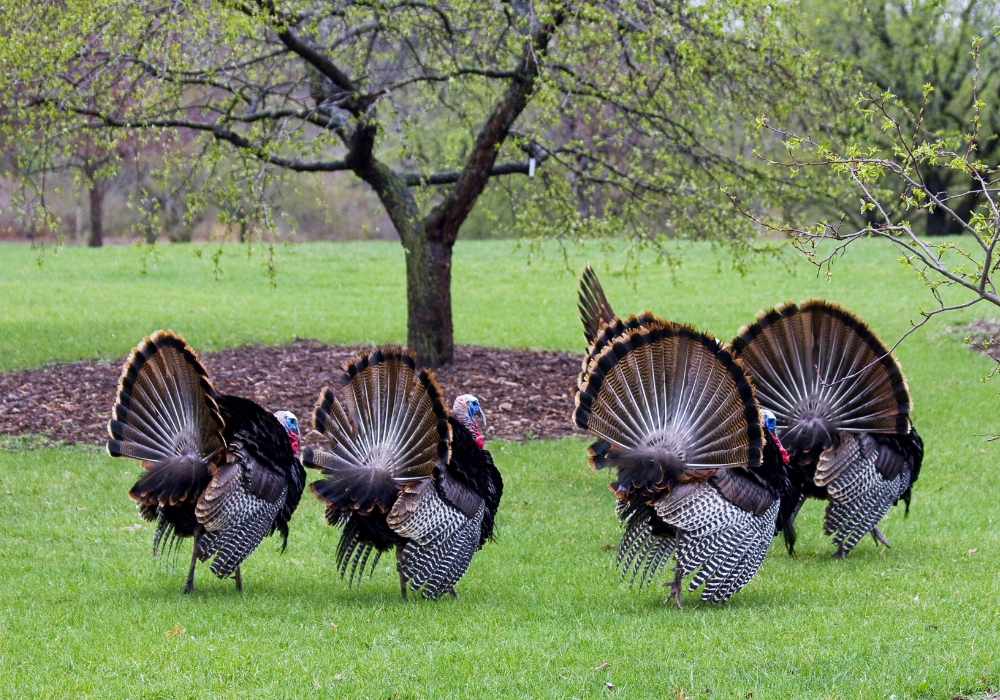
Once a rare sight, wild turkeys are now strutting boldly through suburban streets like they own the place. Big, loud, and surprisingly fearless, they gather in flocks and casually wander across lawns, parking lots, and even schoolyards. Suburban neighborhoods provide them with open spaces, easy access to bird seed, and minimal predators to worry about.
Their growing presence isn’t just a quirky novelty—it’s a sign of how well they’ve adapted to human spaces. They’ll block traffic, chase pets, and sometimes even challenge people who get too close. Wild turkeys have learned that humans generally leave them alone, which has only made them bolder. As more suburbs blend into former wild areas, these oversized birds are becoming regular neighbors, gobbling and strutting their way through a landscape that looks nothing like their old woodland homes—but suits them just fine.
7. Opossums are quietly cleaning up your backyard mess.

They may not win any beauty contests, but opossums are one of the most underrated suburban guests. These nocturnal scavengers feast on things you don’t want around: fallen fruit, roadkill, insects, and even disease-carrying ticks. While most people see them as creepy, they’re actually doing quiet cleanup work while you sleep.
Unlike many suburban animals, opossums aren’t aggressive and rarely cause direct damage. They avoid confrontation, move slowly, and often freeze or play dead when startled. Thanks to their adaptable diet, they’re thriving in suburban areas where food waste and overgrown yards give them plenty to eat. As long as there are quiet corners to hide in and leftovers to scavenge, opossums will continue quietly helping maintain a surprising ecological balance—whether you appreciate them or not.
8. Skunks are turning your neighborhood stroll into a gamble.

If you’ve ever hesitated to take the trash out at night, you know the fear of running into a skunk. These black-and-white wanderers are thriving in suburbs, finding easy meals in garbage, pet food, and gardens. They’re not looking for trouble, but one wrong move and you could be wearing their signature cologne for days.
Skunks thrive because they’re adaptable, relatively unbothered by humans, and great at finding sheltered dens under decks, sheds, and crawlspaces. Suburbs give them safety from larger predators, plus an endless supply of snacks.
While most skunks would prefer to avoid confrontation, their defense mechanism makes them one of the few animals people fear on sight. As long as we keep unintentionally feeding them, these little stink bombs will happily stay close—and you’ll keep nervously scanning your yard after dark.
9. Red foxes are blending into suburbia like stealthy tricksters.
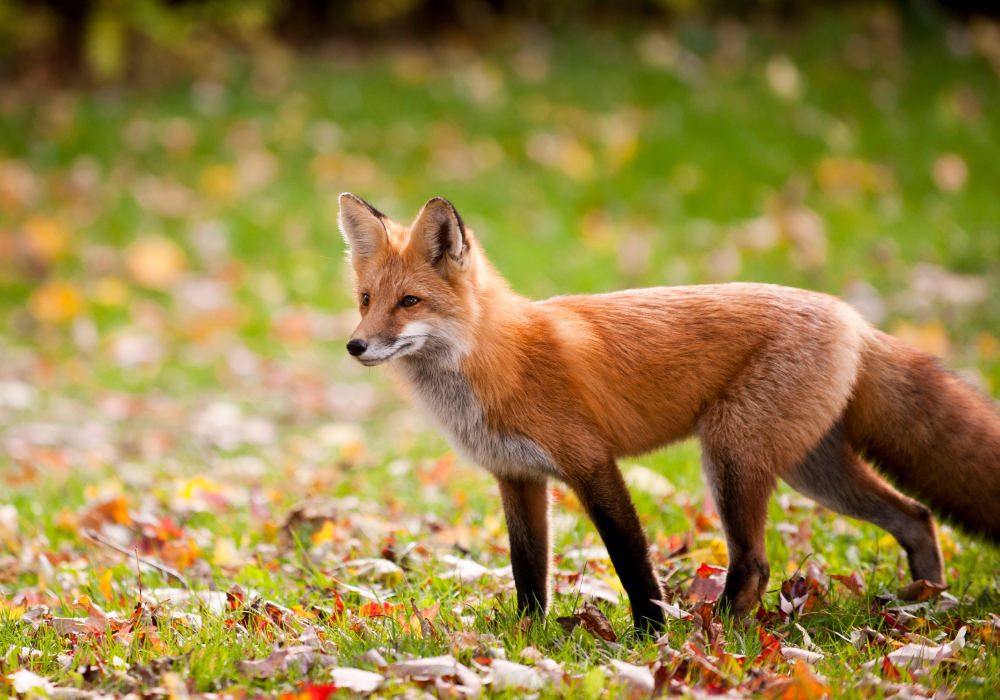
Red foxes have mastered the art of suburban survival. Sleek, quiet, and stunningly adaptable, they easily slip between backyards, golf courses, and wooded greenbelts. Suburbs offer them small prey like rabbits, voles, and birds, along with plenty of places to den and raise their young safely away from bigger predators.
Most people barely notice when foxes move into the neighborhood because they’re excellent at staying out of sight. They often hunt at dawn or dusk, avoiding the busiest human hours. Occasionally, you’ll catch a flash of red fur in the distance or hear their eerie nighttime calls. But make no mistake—they’re there. Foxes thrive in this in-between space where wild meets manicured. As suburbs expand, foxes are becoming one of the stealthiest permanent residents, adapting their cunning ways to fit perfectly into the suburban puzzle.
10. Hawks are patrolling your skies like airborne predators on patrol.

While most suburban eyes stay focused on the ground, hawks are busy turning your neighborhood into a personal hunting ground from above. With open lawns, trimmed trees, and an abundance of small prey like rabbits, rodents, and songbirds, suburban areas offer hawks easy pickings and perfect perches.
You’ll often see them perched on light poles, fence posts, or rooftops, scanning for movement below. Their growing presence is a direct response to how we’ve reshaped their hunting landscape. As long as suburbs provide a steady buffet of prey, hawks are perfectly content to settle in. They’re silent, precise, and highly effective—living reminders that even with all our lawns and cul-de-sacs, nature still runs the show from above.
11. Alligators are inching closer to southern suburbs like slow-moving invaders.
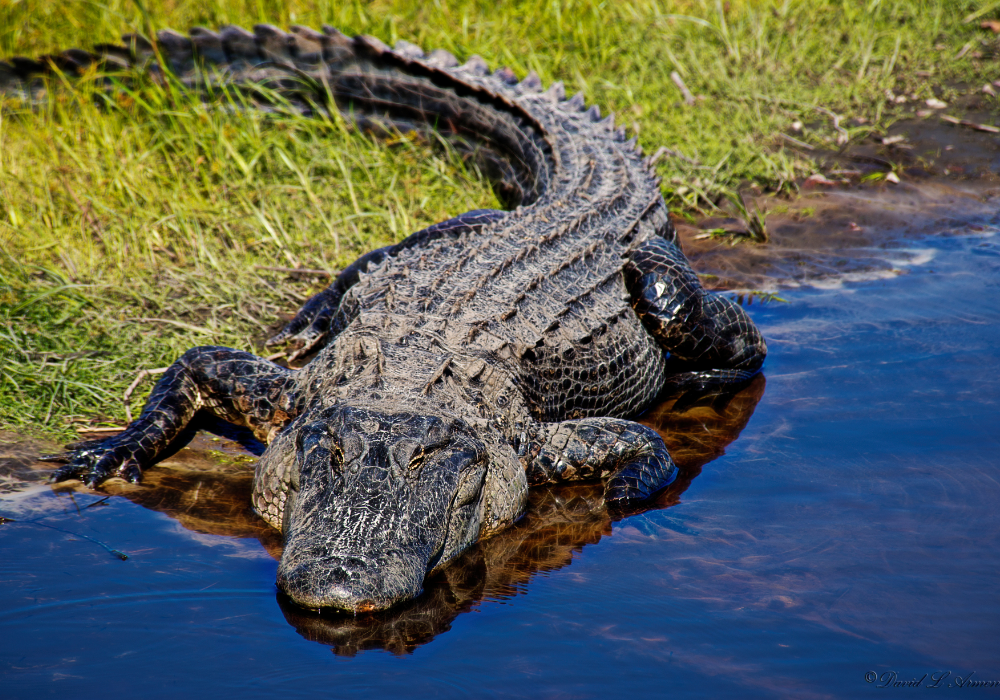
In parts of the southern U.S., especially near Florida and the Gulf Coast, alligators are expanding into suburban retention ponds, golf courses, and backyard canals. As housing developments push deeper into wetland areas, these ancient reptiles are finding man-made water features surprisingly suitable.
They’re not chasing people, but their slow, steady spread into suburban spaces is changing the dynamic. Suddenly, fishing in the pond behind your house or letting kids play near drainage ditches comes with a little more caution. Alligators are highly adaptable and surprisingly tolerant of human activity as long as they’re left undisturbed. As development continues to creep into wetland habitats, these prehistoric neighbors are making themselves surprisingly comfortable closer to suburbia than anyone expected.